Cart
0

Finding the perfect home gift feels easier when you know it will truly reflect your recipient’s personality and living style. British gift givers often seek ways to blend thoughtful touches with pieces that work seamlessly in new homes, especially for newlyweds. By focusing on assessing individual psychological preferences and observing real choices, you unlock inspiration for meaningful gift selection that never goes unnoticed.
Table of Contents
- Step 1: Assess Recipients’ Style And Preferences
- Step 2: Select Suitable Home Decor Items
- Step 3: Apply Personalisation Techniques Creatively
- Step 4: Check Quality And Presentation Of Custom Gifts
Quick Summary
| Key Point | Explanation |
|---|---|
| 1. Assess recipient’s preferences carefully | Understanding their style and needs ensures your gift will be appreciated and used rather than forgotten. |
| 2. Focus on functional yet aesthetic decor | Choose items that combine beauty with practical use to meet their lifestyle requirements effectively. |
| 3. Personalise without overwhelming | A thoughtful personal touch enhances the gift but keep it relevant and versatile to avoid niche appeal. |
| 4. Verify quality and presentation | Ensure the item is well-made and thoughtfully packaged to create a strong positive impression when received. |
| 5. Keep track of observations | Document colour preferences and styles in a reference guide to assist in selecting gifts that truly resonate. |
Step 1: Assess Recipients’ Style and Preferences
Before you commit to personalising a gift, take time to understand what your recipient actually wants and needs. This step shapes everything that follows, so getting it right makes the difference between a treasured keepsake and something that sits unused on a shelf.
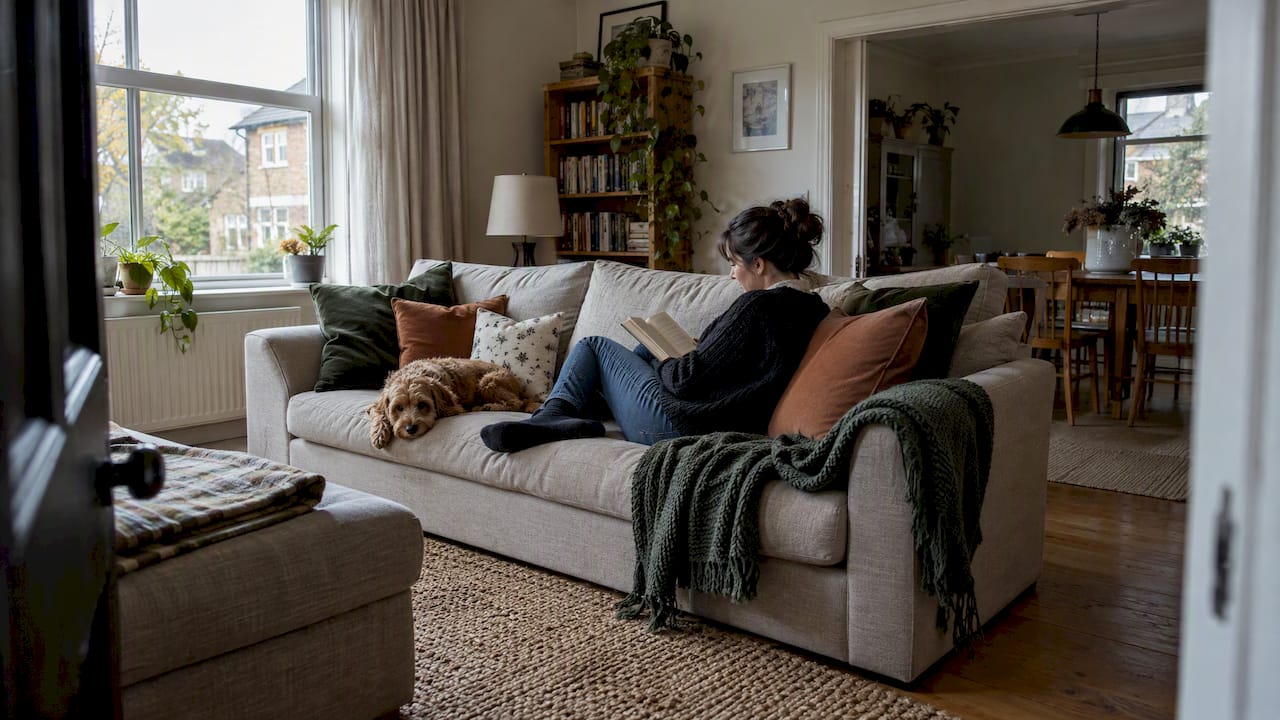
Start by observing your recipient’s everyday choices. Look at their home, their wardrobe, the colours they surround themselves with. Do they favour minimalist spaces or eclectic collections? Do they gravitate towards warm neutrals or bold statement pieces? These patterns reveal genuine preferences far better than guessing.
Have conversations without revealing your intentions. Ask casual questions about their decorating style, their future plans for their space, or what frustrates them about their current home setup. New homeowners and newlyweds often have specific visions for their spaces that they’ll gladly discuss if you ask the right questions.
Understand that assessing individual psychological preferences matters more than simply treating them as unique. Research shows that recipient satisfaction increases when you focus on their actual intrinsic traits and genuine needs rather than creating something overly personalised that doesn’t match their lifestyle.
Consider these practical observation points:
- Current home décor colours and overall aesthetic
- How they spend time in their living spaces
- Whether they prefer functionality or decorative focus
- Their social media or Pinterest boards (if they maintain them)
- What compliments they give other people’s homes
- Their lifestyle activities that require home support
Avoid the trap of over-individualisation. Research indicates that gift givers sometimes personalise so uniquely that they overlook what recipients actually prefer, leaving them with items that don’t serve their real needs.
Focus on what your recipient genuinely needs and loves, not what makes the gift feel unique or sentimental to you.
Take notes of specific details. Write down colour preferences, design styles they mention, functional gaps in their home, and any décor ideas they’ve expressed. These details become your guide for selecting or personalising gifts that feel both thoughtful and practically useful.
If you’re still uncertain, ask directly but subtly. Questions like “What’s one thing you’d love to add to your new home?” or “What style do you think you’re going for?” give you concrete information without spoiling surprises.
Pro tip: Create a simple digital note or Pinterest board for each recipient where you save colours, styles, and products they admire—this becomes your personalisation reference guide and saves time when making final gift decisions.
Step 2: Select Suitable Home Decor Items
Now that you understand your recipient’s style, it’s time to choose pieces that genuinely fit their space and preferences. The right items balance aesthetics, functionality, and personal meaning.
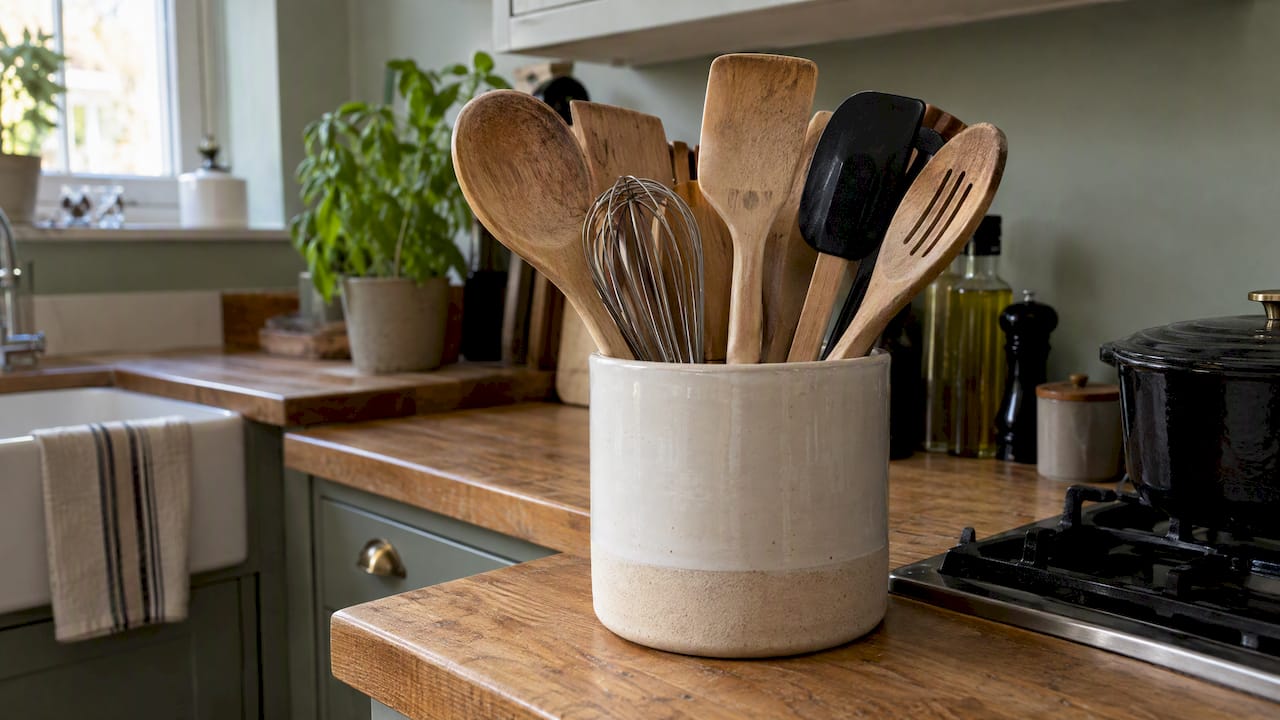
Start by considering what categories work best. Wall art, sculptures, textiles, lighting, and plants are versatile choices that suit most interiors without being too specific or prescriptive. Each category offers flexibility in style, colour, and scale.
Here’s how common home decor gift categories compare for suitability and impact:
| Decor Category | Versatility in Homes | Functional Value | Longevity of Appeal |
|---|---|---|---|
| Wall Art | Highly adaptable | Mostly visual | Ages well with style |
| Textiles | Easy to coordinate | Comfort/utility | Durable over years |
| Lighting | Versatile placement | Mood & ambience | Reliable if quality |
| Sculptures | Requires space | Decorative only | Can outlast trends |
| Indoor Plants | Fits most settings | Air quality boost | Needs maintenance |
Think about the practical side first. Does your recipient need items that serve a purpose, or are they looking purely for visual impact? A beautiful rug works harder than a decorative object because it anchors a room whilst adding colour and texture. Lighting fixtures brighten spaces whilst setting mood. Textiles like throws and cushions add warmth and comfort alongside style.
Here’s what to evaluate for each potential item:
- Does it match the colour palette you observed earlier?
- Will it fit the scale of their space without overwhelming it?
- Does it align with their lifestyle and how they actually use their home?
- Is it durable enough for their living situation?
- Does it support their functional needs or purely decorative ones?
Consider sourcing pieces with authentic storytelling. Handmade or ethically crafted items carry narratives and character that mass-produced alternatives cannot. These pieces often feel more meaningful as gifts because they reflect genuine craftsmanship and cultural aesthetics.
Avoid items that feel too niche or require commitment to a specific aesthetic trend. Your recipient might move away from bold patterns or statement pieces as their style evolves. Neutral foundations with personality tend to age better in someone’s home than trendy choices.
Select pieces that enhance their space without demanding a complete redesign around them.
Test your choices against the information you gathered. Would they choose this themselves? Does it solve a problem in their home, or does it add beauty without disrupting what they already love? If you hesitate, it might not be right.
Quality matters more than quantity. One beautiful, thoughtfully chosen item beats three mediocre pieces that clutter their space.
Pro tip: Choose items in neutral or soft tones as your base, then add personality through smaller accent pieces they can easily swap out as their tastes evolve over time.
Step 3: Apply Personalisation Techniques Creatively
Personalisation transforms a standard gift into something that speaks directly to your recipient’s identity and individuality. This is where creativity meets thoughtfulness to create a lasting connection.
Start with what you already know about them. Customising texture, colour, and sensory aspects makes gifts feel genuinely theirs rather than generic. Think beyond simple engraving. A throw cushion in their favourite colour, a rug in a pattern that matches their aesthetic, or artwork featuring subjects they love all create meaningful connections.
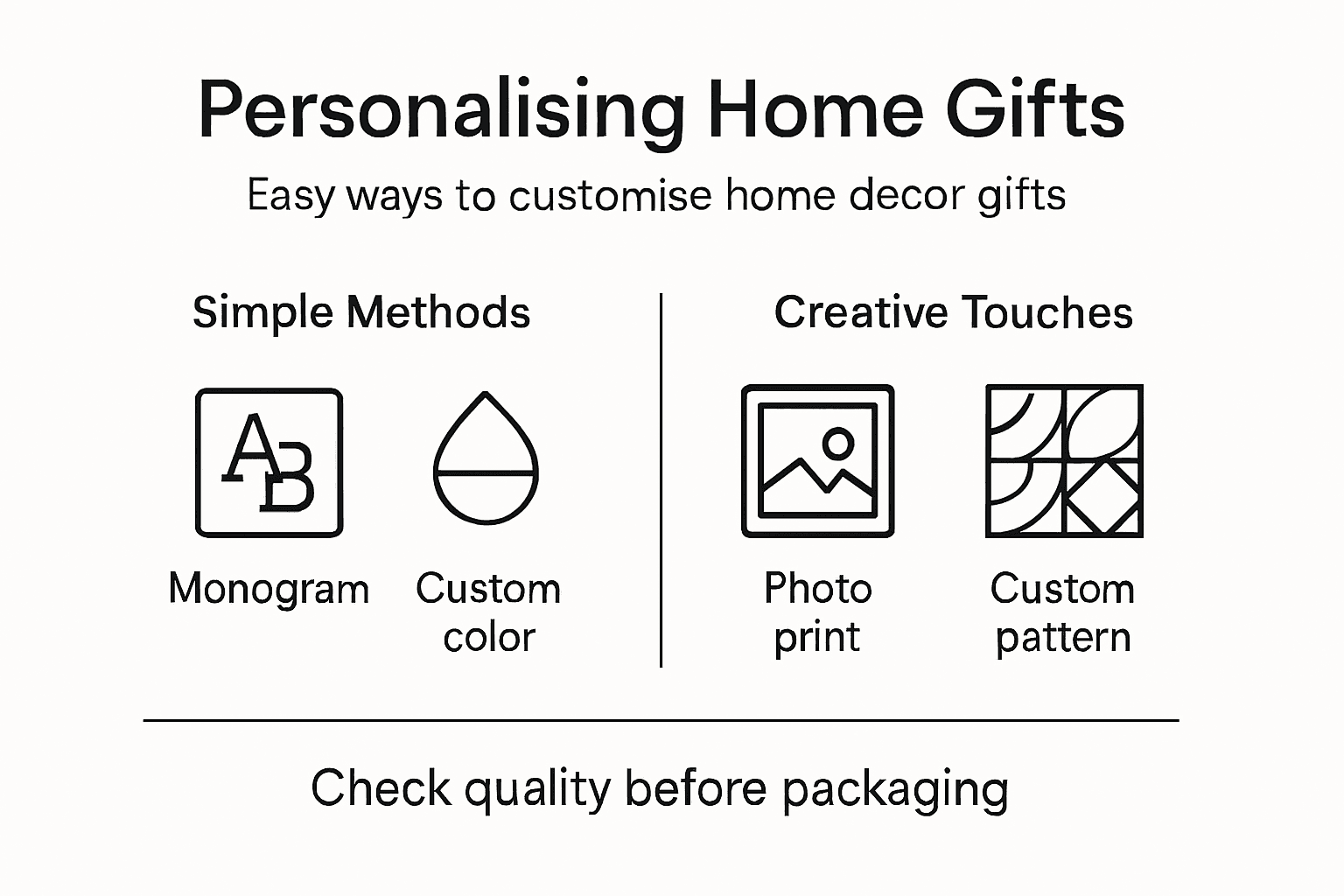
Consider how digital manufacturing and modern techniques expand your options. You can personalise items in ways that weren’t possible a decade ago. Monogrammed linens, custom artwork on canvas or ceramics, bespoke rug designs, and handwritten elements on items all merge creativity with uniqueness whilst maintaining quality.
Here are practical personalisation approaches:
Below is a summary of common personalisation techniques and their potential impact:
| Technique | Personal Touch | Practical Use | Risk of Over-Personalisation |
|---|---|---|---|
| Colour Matching | Reflects taste | Everyday use | Minimal |
| Monogramming | Unique flair | Functional | Moderate if too specific |
| Custom Patterns | Shows style | Visual only | Higher if trend-based |
| Sentimental Dates | Emotional value | Occasional use | High if not universally relevant |
| Sensory Elements | Enhances feel | Daily use | Minimal when subtly applied |
- Colour coordination - Select items in tones from their existing palette
- Pattern matching - Choose designs that echo their home’s visual language
- Functional customisation - Personalise items they’ll actually use daily
- Sensory touches - Consider scent, texture, and how items feel to use
- Sentimental elements - Incorporate meaningful dates, initials, or inside references
- Cultural or hobby connections - Select pieces that celebrate their interests
Avoid over-personalising to the point where your gift only suits them and nobody else. A monogrammed item is personal, but a room-specific design might feel awkward if they relocate. Balance uniqueness with versatility.
Involve them slightly if you’re uncertain. Suggesting a few colour options or asking “Do you prefer gold or silver accents?” provides direction without spoiling the surprise.
The best personalisation enhances an item without overwhelming it or making it feel too specific to just one moment in time.
Test personalisation choices by imagining the item in their space. Does it feel like them? Would they have chosen something similar themselves? If yes, you’ve struck the right balance.
Pro tip: Start with subtle personalisation like custom colours or small monograms, then consider bolder customisation only if you’re absolutely certain it matches their long-term style preferences.
Step 4: Check Quality and Presentation of Custom Gifts
Before your gift reaches your recipient, quality and presentation determine whether it arrives in perfect condition and makes the right impression. This step protects your investment and ensures your thoughtfulness shines through.
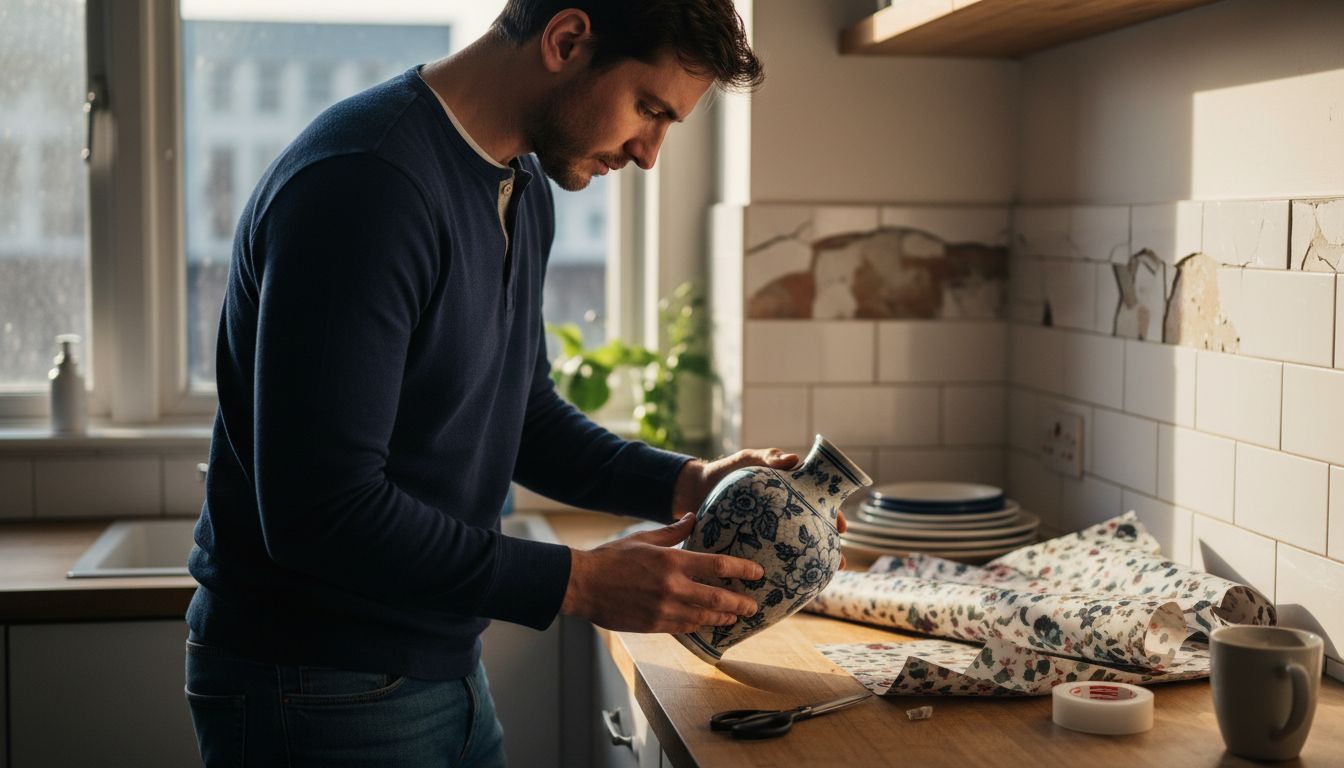
Examine the actual item carefully. Check for loose threads on textiles, uneven printing on personalised pieces, colour inconsistencies, and any manufacturing flaws. Product quality encompasses performance, durability, and aesthetics, so evaluate whether the item meets these standards before wrapping.
For personalised elements, verify spelling, dates, and design placements are correct. A misspelled name or misaligned monogram ruins an otherwise thoughtful gift. Request samples or proofs before finalising orders when possible.
Check these quality indicators:
- Stitching is even and secure on textiles
- Colours match what you ordered, not faded or uneven
- Personalised text is legible and properly positioned
- Materials feel durable and well-finished
- No visible defects, scratches, or damage
- Packaging protects the item during transit
Consider packaging as part of the gift experience. Quality presentation influences how recipients perceive the item itself. Invest in thoughtful wrapping that protects the gift whilst looking beautiful when opened. Tissue paper, branded boxes, and care instructions add polish without excessive expense.
If sending internationally or across distances, use appropriate protective materials. Bubble wrap, padding, and sturdy boxes prevent damage during handling. Include any documentation needed if the gift requires assembly or maintenance.
Presentation matters because it signals respect for both the gift and the recipient’s experience of receiving it.
For custom orders from unfamiliar suppliers, order early enough to request replacements if quality falls short. Last-minute orders eliminate your safety margin for corrections.
Take photos of the final gift before packaging. This documents condition and provides proof if delivery issues arise later.
Pro tip: Request your personalised items at least two weeks before gift-giving to allow time for quality checks, corrections, or reordering if standards aren’t met.
Elevate Your Gift Giving with Thoughtful Home Personalisation
Personalising home gifts can be challenging when trying to balance style preferences, functionality, and quality. This article highlights key pain points such as avoiding over-personalisation, matching colours and patterns, and ensuring practical use—issues every thoughtful gift giver faces. At Homable.co.uk, we understand these challenges and offer a curated range of home accessories that blend innovative design with lasting appeal. Whether you seek bespoke colours or versatile decorative pieces, our collection supports your goal of giving gifts that truly resonate with the recipient’s unique interior.
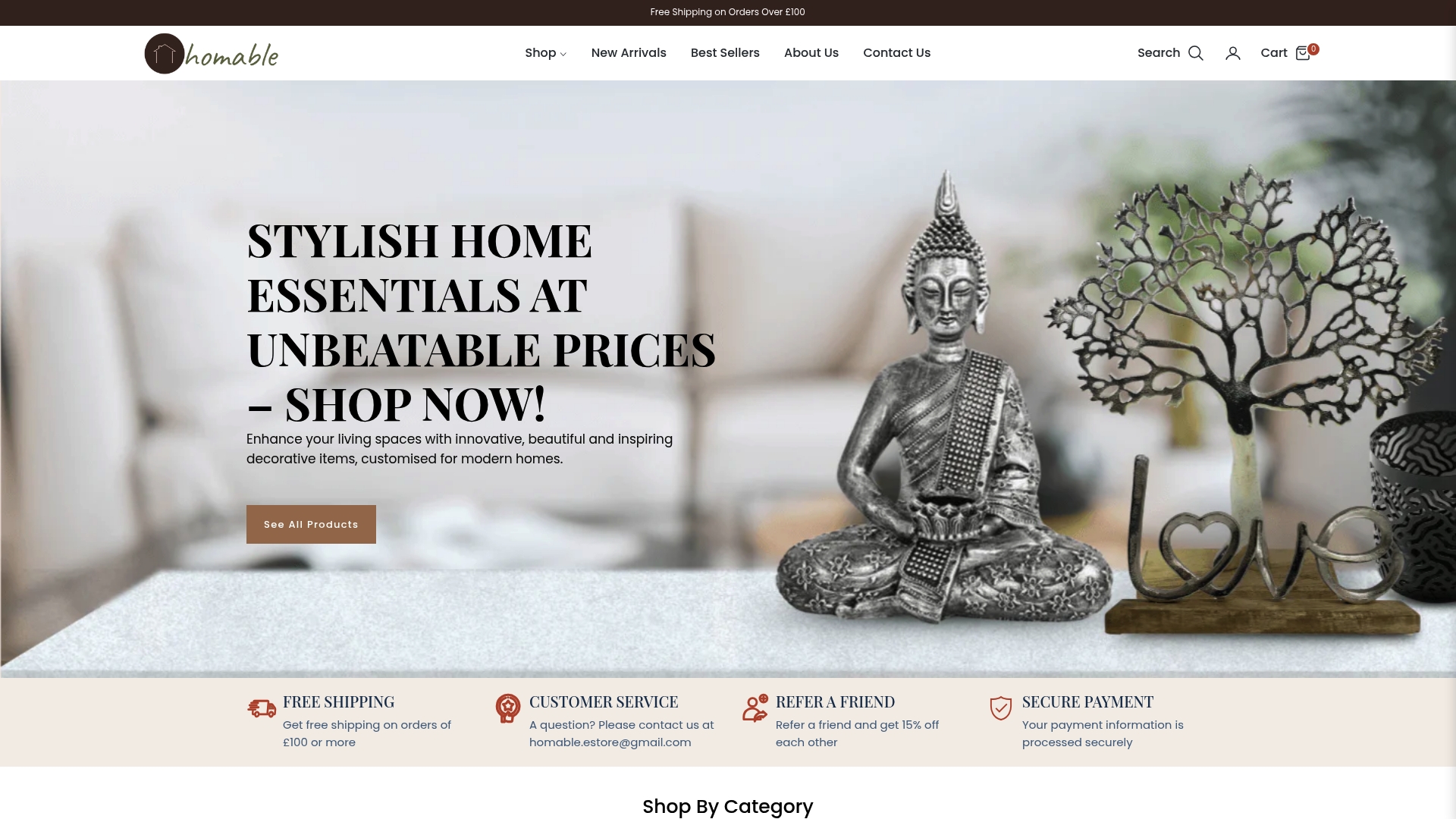
Discover our carefully selected home décor items designed to fit diverse tastes and lifestyles. From stylish cushions and soft textiles to tasteful ornaments and lighting, you can find pieces that balance personal touches without overwhelming any space. Explore our full range today at Homable and take advantage of free shipping on orders over £100. Start personalising meaningful gifts that will brighten any home and make your present unforgettable.
Frequently Asked Questions
How can I assess my recipient’s style for personalised home gifts?
To accurately assess your recipient’s style, observe their home environment, wardrobe, and colour preferences. Engage them in casual conversations about their favourite decor styles and what they appreciate in others’ homes.
What categories of home decor are suitable for personalised gifts?
Common categories for personalised home gifts include wall art, textiles, lighting, and indoor plants. Choose items that match the recipient’s style and serve a practical function in their living space.
What are effective personalisation techniques for home gifts?
Effective techniques include colour matching, custom patterns, and adding sentimental elements like initials or meaningful dates. Focus on subtle personalisation that enhances the gift’s appeal without overwhelming the recipient.
How can I ensure the quality of personalised home gifts?
To ensure quality, check the item for any manufacturing flaws and verify that all personalised elements are correctly spelled and positioned. Inspect the gift thoroughly and compare it to your order before wrapping and presenting it.
What steps should I take for the presentation of my personalised gift?
Present your personalised gift beautifully by selecting high-quality wrapping materials and protective packaging. Invest time in making the presentation attractive, as this enhances the recipient’s overall experience when receiving the gift.
How early should I order personalised gifts to ensure quality?
Order personalised gifts at least two weeks in advance to allow time for quality checks and potential corrections. This timeframe helps ensure that your gift meets your standards before it is presented.