Cart
0
Cluttered cupboards and overflowing drawers often leave urban families struggling to enjoy their homes. For stylish homeowners in cities from London to New York, finding effective and aesthetic storage solutions is vital for maintaining both order and ambience. By mastering the art of space assessment fundamentals, you can reclaim every centimetre, creating a modern environment that adapts beautifully to busy routines and evolving needs.
Table of Contents
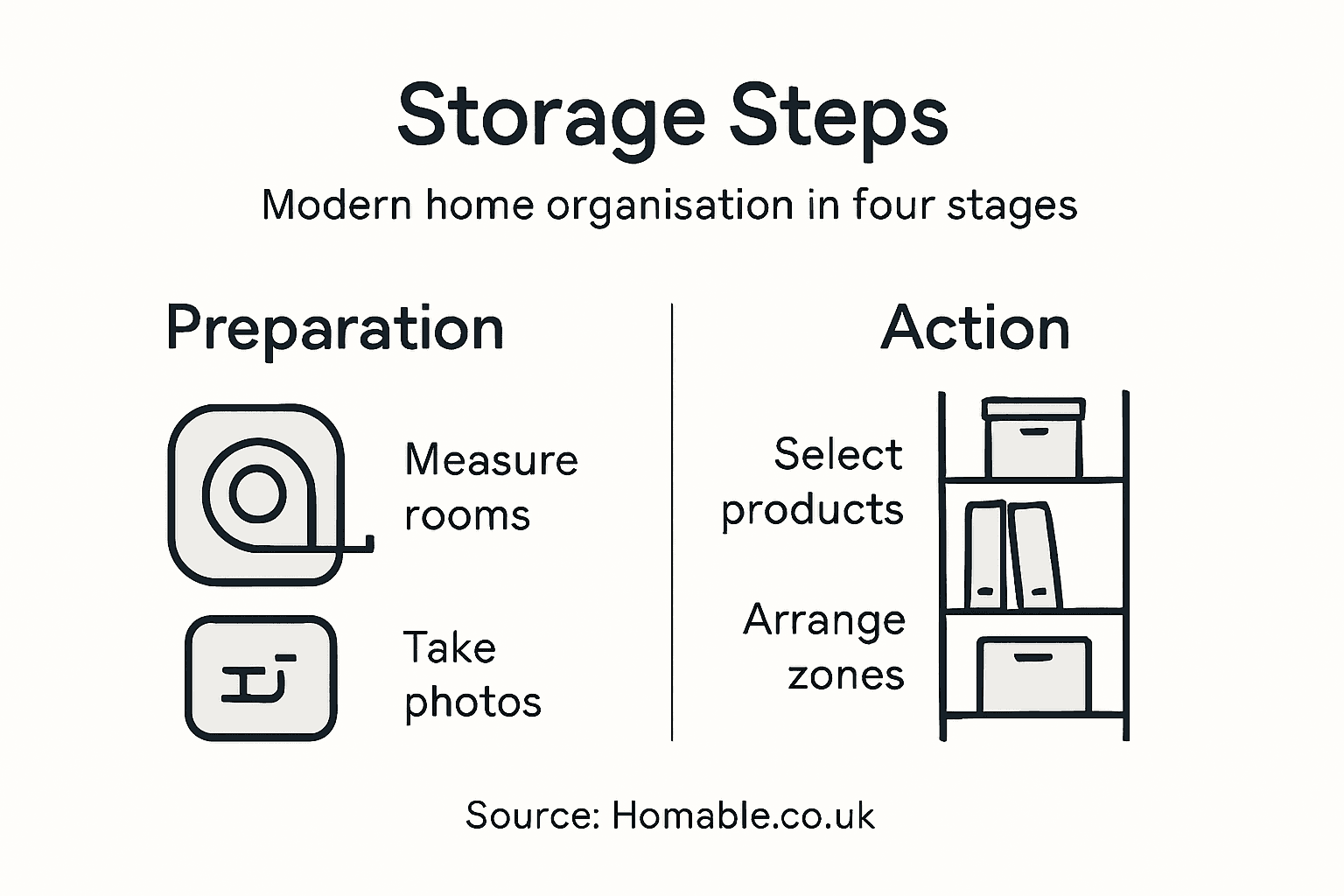
- Step 1: Assess Existing Storage Needs And Spaces
- Step 2: Select Suitable Storage Products For Each Area
- Step 3: Arrange Storage Solutions For Optimal Use
- Step 4: Verify Effectiveness And Adjust Organisation
Quick Summary
| Significant Insight | Explanation |
|---|---|
| 1. Assess Your Current Needs | Conduct a thorough inventory of belongings to determine actual storage requirements before purchasing any solutions. |
| 2. Select Appropriate Storage Products | Match storage solutions to specific rooms and items for enhanced functionality and aesthetic appeal in your home. |
| 3. Organise for Accessibility | Arrange items based on usage frequency, keeping everyday items at eye level for easy access and efficiency. |
| 4. Regularly Evaluate Your System | Test the effectiveness of your storage arrangement after a few weeks and make adjustments to improve functionality as needed. |
| 5. Schedule Monthly Maintenance | Set aside time each month to review and maintain your storage system, ensuring it remains organised and practical without reverting to clutter. |
Step 1: Assess existing storage needs and spaces
Before you buy a single storage unit, you need to understand what you’re actually working with. This step involves honestly evaluating your current space, identifying what’s taking up room, and determining how much storage you truly need. Getting this right sets the foundation for everything that follows.
Start by walking through your home and taking stock of what you currently own. Open every cupboard, drawer, and corner. Be ruthlessly honest about items you haven’t used in a year. Sort belongings into three categories:
- Items you use regularly and need easy access to
- Things you use seasonally or occasionally
- Stuff you’re keeping “just in case” but rarely touch
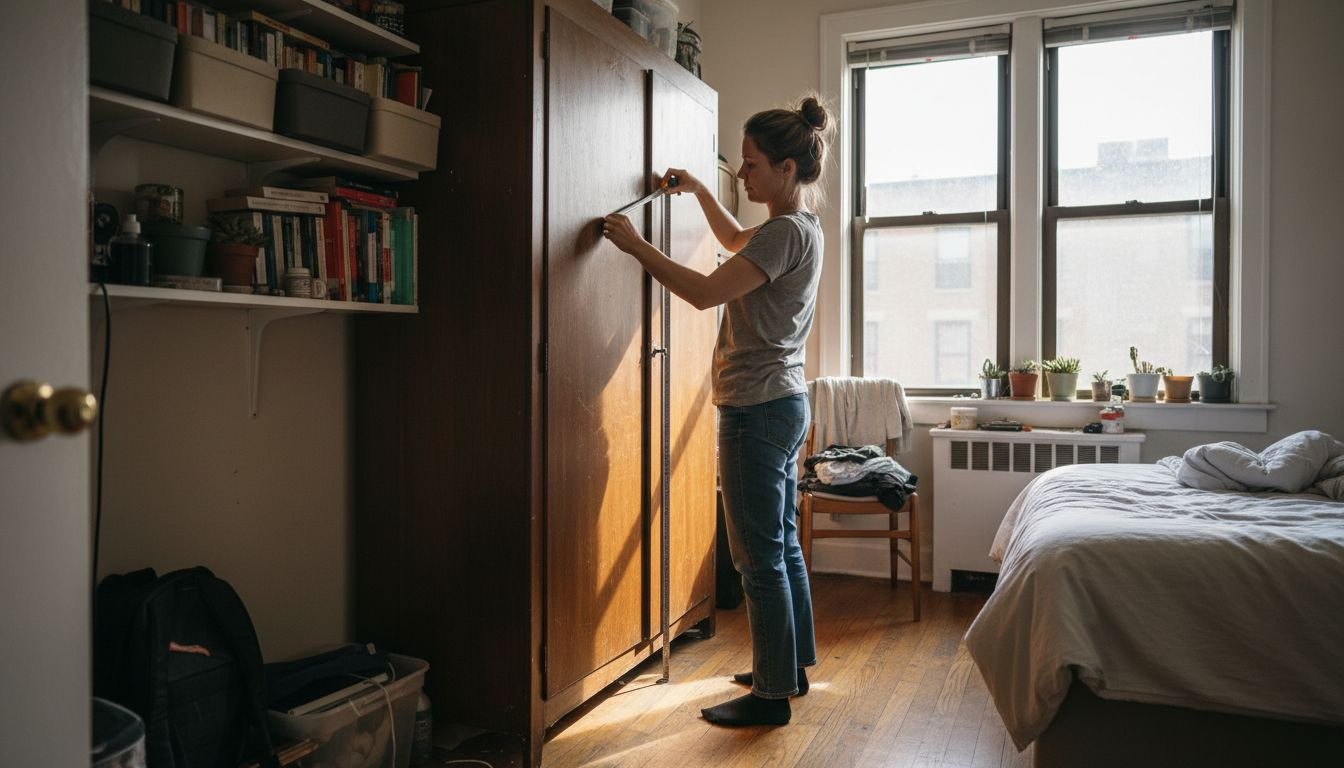
Next, measure your available spaces. Don’t estimate. Get a tape measure and document the dimensions of each room or area where you plan to add storage. Note ceiling height, wall length, and any obstacles like radiators, windows, or electrical outlets. Understanding proper space assessment fundamentals helps you determine what storage solutions will actually fit.
Consider how you access your belongings. Do you need daily access to winter coats, or can they stay tucked away? Frequently used items should be stored at eye level or within arm’s reach. Less-used pieces can go higher or lower. This simple principle dramatically improves how functional your storage becomes.
Think about your lifestyle and how it might change. Young families often need different storage than empty nesters. If you’re planning to downsize, expand, or change hobbies, your storage strategy should accommodate that growth. When organising small spaces in urban homes, anticipating future needs prevents expensive reorganisation later.
Quantify the gap between what you have and what you need. Calculate your current storage capacity and compare it to the volume of items you’re keeping. This number tells you exactly how much additional storage you need, preventing both over-buying and under-buying.
Take an honest inventory of what you own before shopping for storage solutions. This single step prevents wasteful purchases and ensures you choose the right size and style of storage.
Pro tip: Use your phone’s camera to photograph each space and the items within it, then review the photos later to identify patterns in what’s cluttering your home.
Step 2: Select suitable storage products for each area
Now that you understand your space and what you’re storing, it’s time to choose the right products for each area. Different rooms and items require different storage solutions, and matching the right product to each space makes a dramatic difference in both functionality and aesthetics.
Start by categorising your spaces by purpose. Your kitchen needs quick-access storage for everyday items, whilst your bedroom might need solutions for seasonal clothing. Think about traffic flow and how people move through each area. High-traffic zones need accessible, attractive storage, whereas tucked-away spaces can handle less decorative solutions.
Consider what you’re actually storing in each area. Selecting suitable storage systems based on product characteristics ensures your chosen solution works efficiently. Heavy items need sturdy shelving or drawers. Lightweight textiles work well in hanging systems. Small items benefit from compartmentalised solutions.
Here’s how to match products to spaces:
- Living rooms: Open shelving, storage ottomans, or stylish cabinets that blend with décor
- Kitchens: Drawer dividers, pull-out baskets, and wall-mounted systems for easy access
- Bedrooms: Under-bed storage, wardrobe organisers, and drawer organisers for clothing
- Bathrooms: Vertical shelving, cupboard organisers, and mirror cabinets with built-in storage
- Hallways: Coat stands, shoe racks, and slim console tables with storage
Think about accessibility and frequency. Items you use daily should be stored at eye level or within arm’s reach. Seasonal or occasional items can go higher or lower. This principle applies regardless of which storage products you choose.
Here’s a quick reference for choosing storage solutions by room and priority:
| Room | Top Priority | Key Consideration |
|---|---|---|
| Kitchen | Quick access to tools | Easy cleaning, food safety |
| Bedroom | Clothing organisation | Maximising under-bed space |
| Living Room | Stylish storage | Blends with décor |
| Bathroom | Moisture resistance | Utilisation of vertical space |
| Hallway | Entryway convenience | Shoe and coat management |
Don’t forget about aesthetics. Your storage should enhance your home’s style, not clash with it. Stylish storage solutions for modern homes demonstrate how contemporary designs can be both beautiful and functional. Choose colours and materials that complement your existing décor.
Select storage products that match both your space constraints and how you actually use each area. The best storage is the one you’ll actually use consistently.
Pro tip: Measure your space precisely before purchasing any storage product, and always leave 10% extra room for items you might acquire later without needing to reorganise everything again.
Step 3: Arrange storage solutions for optimal use
Arranging your storage strategically transforms cluttered spaces into functional zones. This step focuses on positioning items and organising your storage so everything is easy to find and use daily. Smart arrangement saves time, reduces frustration, and maximises every centimetre of space.
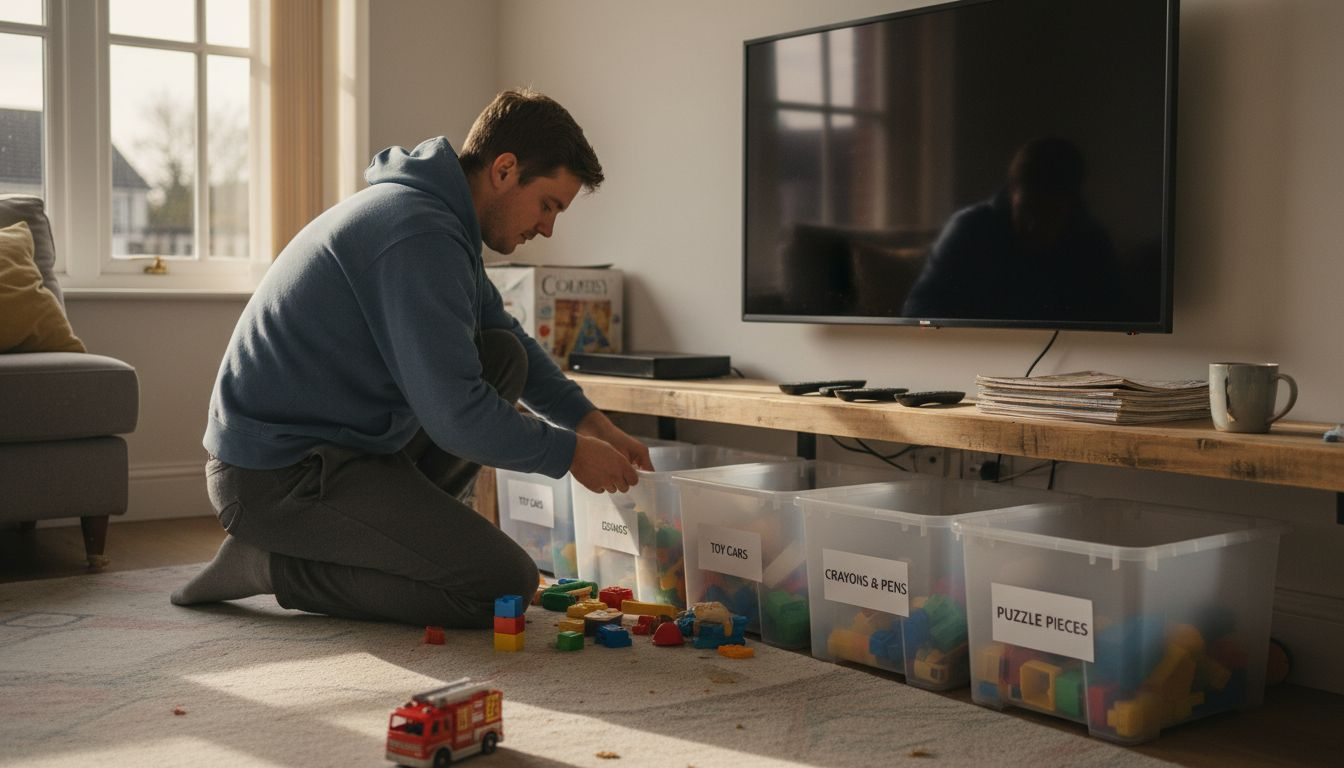
Start with proximity and frequency. Items you use daily should be stored at eye level or within arm’s reach. Weekly items can go slightly higher or lower. Monthly or seasonal items belong on top shelves or in the back. This hierarchy ensures your most-used belongings require the least effort to access.
Create designated zones for different categories. Group similar items together—all kitchen utensils in one drawer section, all bedding in one shelf area. When items have assigned homes, you’ll know exactly where to find them and where to return them. Grouping storage by product type and function dramatically improves efficiency.
Label everything clearly. Yes, really. Use labels on drawers, shelves, and containers so family members know where items belong. This simple step prevents the dreaded “I don’t know where anything is” situation and keeps your system intact over time.
Consider your workflow within each space. In your kitchen, position frequently used items near where you use them most. In your bedroom, keep everyday clothing at eye level and special occasion pieces higher. Think about the path people take through your home and place storage accordingly.
Implement practical systems for maintenance:
- Label containers with contents and date
- Create an inventory list for less-used items
- Leave 10 to 15% empty space in each storage area for flexibility
- Secure heavier items at lower levels for safety
- Keep frequently accessed items in most visible spots
Arrange your storage based on how you actually live, not how you think you should live. Your system only works if it matches your real habits and routines.
Pro tip: Start with just one area and perfect your arrangement there before expanding to other rooms, so you can refine your system based on what actually works in practice.
Step 4: Verify effectiveness and adjust organisation
Your storage system isn’t finished once everything is arranged. This step involves testing whether your organisation actually works for your lifestyle, then refining it based on real-world use. Regular evaluation ensures your system stays functional and adapts as your needs change.
Give your new system two to three weeks before evaluating it. Live with the arrangement and notice what feels natural and what feels frustrating. Are you consistently returning items to their designated spaces? Do you easily find what you need? These observations reveal what’s genuinely working.
Identify pain points. Did you struggle to find your winter coat yesterday? Are certain drawers always messy? Is there a shelf you never use? Continuous improvement through effectiveness evaluation helps you understand which areas need adjustment. Document these observations so you can address them systematically.
Measure your success against realistic goals. Your goal wasn’t perfection—it was functionality and aesthetics. Ask yourself these questions:
- Can family members find items without asking where they are?
- Does your storage reduce time spent searching for things?
- Does the system match your home’s style?
- Can you maintain the organisation without excessive effort?
- Do you have space for new items without reorganising everything?
Make targeted adjustments based on your findings. If a shelf is underused, move frequently accessed items there. If a storage container keeps getting overstuffed, split items into two containers. Small tweaks often solve bigger problems without requiring a complete overhaul.
Schedule monthly reviews to maintain your system. Spend just 15 minutes checking whether everything is where it should be. This prevents the slow slide back into clutter and keeps your organisation sustainable long term.
This summary highlights methods for maintaining an organised storage system:
| Method | Primary Benefit | When to Use |
|---|---|---|
| Regular labelling | Minimises misplaced items | After each organising round |
| Monthly reviews | Prevents gradual clutter return | Start one month post-arrangement |
| Creating inventory | Tracks infrequently used items | For seasonal or archived goods |
| Leaving spare space | Eases future expansion | When planning storage areas |
Effective storage organisation evolves with your life. Treat your system as flexible and adaptable, adjusting it whenever your routines or needs shift.
Pro tip: Take photographs of your perfectly organised spaces before living in them, then compare photos monthly to spot areas where organisation is slipping without needing memory alone.
Transform Your Home with Thoughtful Storage Solutions
Struggling to find storage that truly fits your lifestyle and space can be frustrating. This article highlights how assessing your needs, selecting the right products, and arranging them effectively are key steps to a clutter-free home. If you are ready to upgrade your living spaces with stylish and practical storage solutions that complement your home’s design then explore the curated collection at Homable.co.uk. Discover options tailored for kitchens, bedrooms, lounges, and more—all designed to offer convenience and aesthetic appeal.
Take control of your organisation today with quality storage that grows with you. Visit Homable.co.uk now to browse affordable, innovative items that make daily life simpler. Don’t wait until clutter takes over—start crafting your perfect storage system with solutions that combine functionality, style, and ease all in one place.
Frequently Asked Questions
How do I assess my current storage needs for my home?
To assess your current storage needs, walk through your home and take stock of your belongings. Identify items you use regularly, seasonally, and those you rarely touch, then measure available spaces to determine how much storage you actually need.
What types of storage products should I choose for different rooms?
Select storage products based on the primary function of each room. For example, use open shelving and storage ottomans in living rooms, while kitchens benefit from drawer dividers and wall-mounted systems for easy access.
How can I arrange my storage solutions for optimal use?
Arrange your storage solutions by frequency of use, placing items you use daily at eye level or within arm’s reach. Create designated zones for categories, like kitchen utensils or seasonal clothing, and label everything clearly for easy identification.
When should I evaluate the effectiveness of my storage organisation?
Evaluate your storage organisation approximately two to three weeks after setting it up. Notice what feels natural and any frustrations, then document pain points and adjust your system as needed for enhanced functionality.
What methods can I use to maintain my organised storage system?
To maintain your organised storage system, schedule monthly reviews and spend around 15 minutes checking if items are in their designated places. Consider regular labelling and leaving spare space in each area for future additions to help prevent clutter from returning.