Cart
0
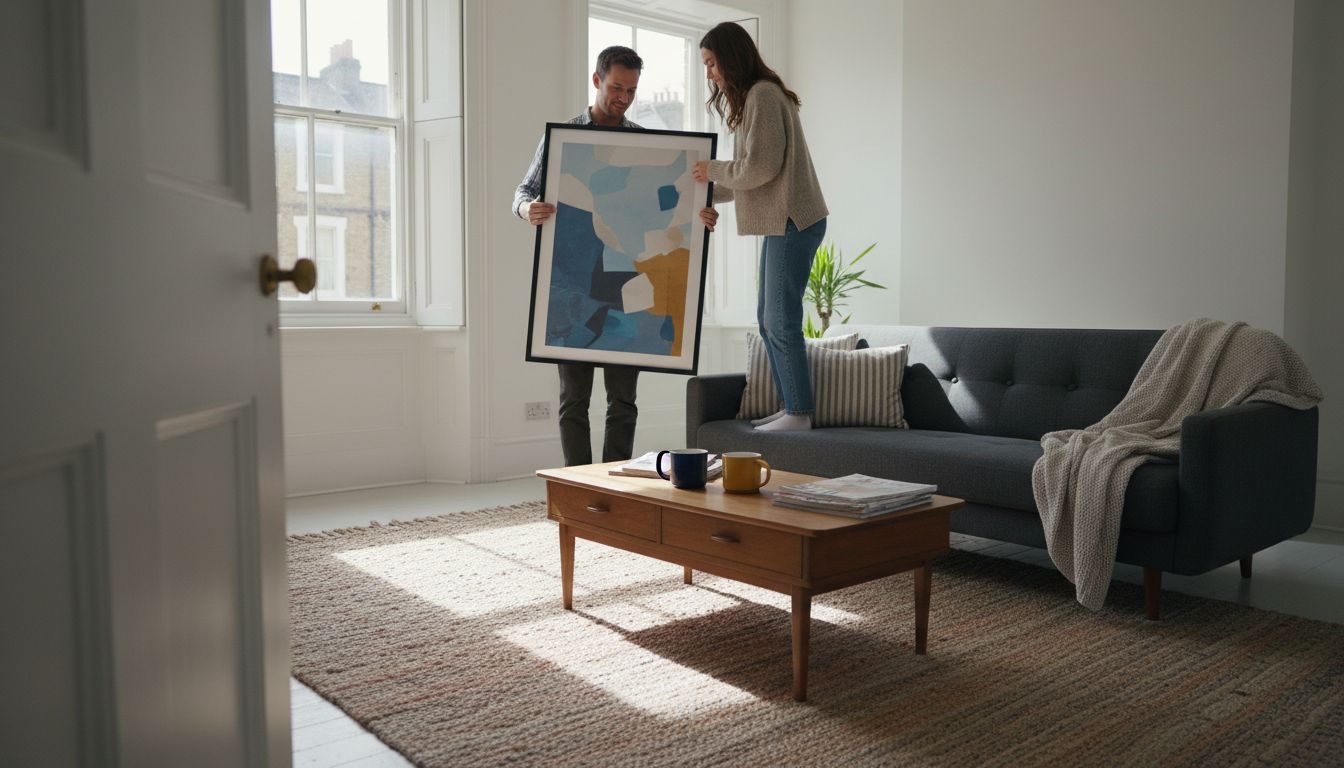
Most british homeowners underestimate how easily a space can be transformed with strategic interior styling. In cities like London and Manchester, personalising modern flats feels like a daunting task, especially when you think it takes a big budget or a professional’s touch. The truth is, thoughtful styling lets you showcase your personality and create a fresh atmosphere on any budget. This guide reveals what interior styling really means, clears up popular myths, and helps you achieve standout results for your urban home.
Table of Contents
- Interior Styling Defined And Common Misconceptions
- Types Of Interior Styling For Modern UK Homes
- Key Elements And Principles Of Effective Styling
- Interior Styling Process: From Concept To Completion
- Cost, Risks, And What To Avoid In Styling Projects
Key Takeaways
| Point | Details |
|---|---|
| Interior Styling Accessibility | Styling can be personalised and achieved without professional help, making it accessible to anyone. |
| Diverse Styling Approaches | Understanding different interior styling types can help cater to specific lifestyle needs and aesthetic preferences. |
| Design Principles Importance | Familiarity with core design elements and principles enhances the overall effectiveness of the styling process. |
| Budget and Risk Management | Effective financial planning and risk mitigation strategies are essential to avoid common pitfalls in styling projects. |
Interior styling defined and common misconceptions
Interior styling represents the creative practice of curating visual aesthetics within living spaces, focusing specifically on decorative elements that transform a room’s appearance and atmosphere. Unlike comprehensive interior design, which involves technical planning and architectural considerations, styling concentrates purely on visual composition and emotional impact.
Many young homeowners mistakenly believe interior styling is an expensive, complex process reserved for professional designers. In reality, styling is an accessible approach to personalising living spaces that combines personal taste, strategic selection of decorative pieces, and understanding fundamental design principles. The key distinction lies in its scope: styling emphasises visual harmony, colour coordination, and creating compelling spatial narratives without necessarily altering structural elements.
Common misconceptions about interior styling include assuming it requires significant financial investment or professional training. While professional guidance can be beneficial, most urban dwellers can achieve remarkable transformations through thoughtful curation, understanding colour theory, and making intentional design choices. Styling is fundamentally about expressing personal aesthetic preferences and creating spaces that reflect individual personality and lifestyle.
Pro tip: Start your interior styling journey by identifying a consistent colour palette and collecting inspiration images from design magazines or social media platforms to help guide your decorative decisions.
Types of interior styling for modern UK homes
Modern UK homes showcase a diverse range of interior styling approaches, each reflecting unique aesthetic sensibilities and lifestyle preferences. Professional interior design standards emphasise personalisation and functional coherence across different stylistic expressions. From minimalist urban apartments to characterful period properties, contemporary British interiors embrace flexibility and individual creativity in design approaches.
Five prominent interior styling types dominate the current UK design landscape. Minimalist styling prioritises clean lines, neutral colour palettes, and purposeful simplicity, ideal for compact urban spaces. Scandinavian-inspired interiors emphasise functionality, natural light, and understated elegance with pale woods and muted tones. Industrial styling celebrates raw materials like exposed brick, metal accents, and utilitarian design elements, particularly popular in converted warehouses and loft apartments. Traditional styling maintains classic British design principles with elegant furniture, rich textiles, and sophisticated colour schemes, while transitional styling expertly blends modern and classic elements for a timeless, adaptable aesthetic.
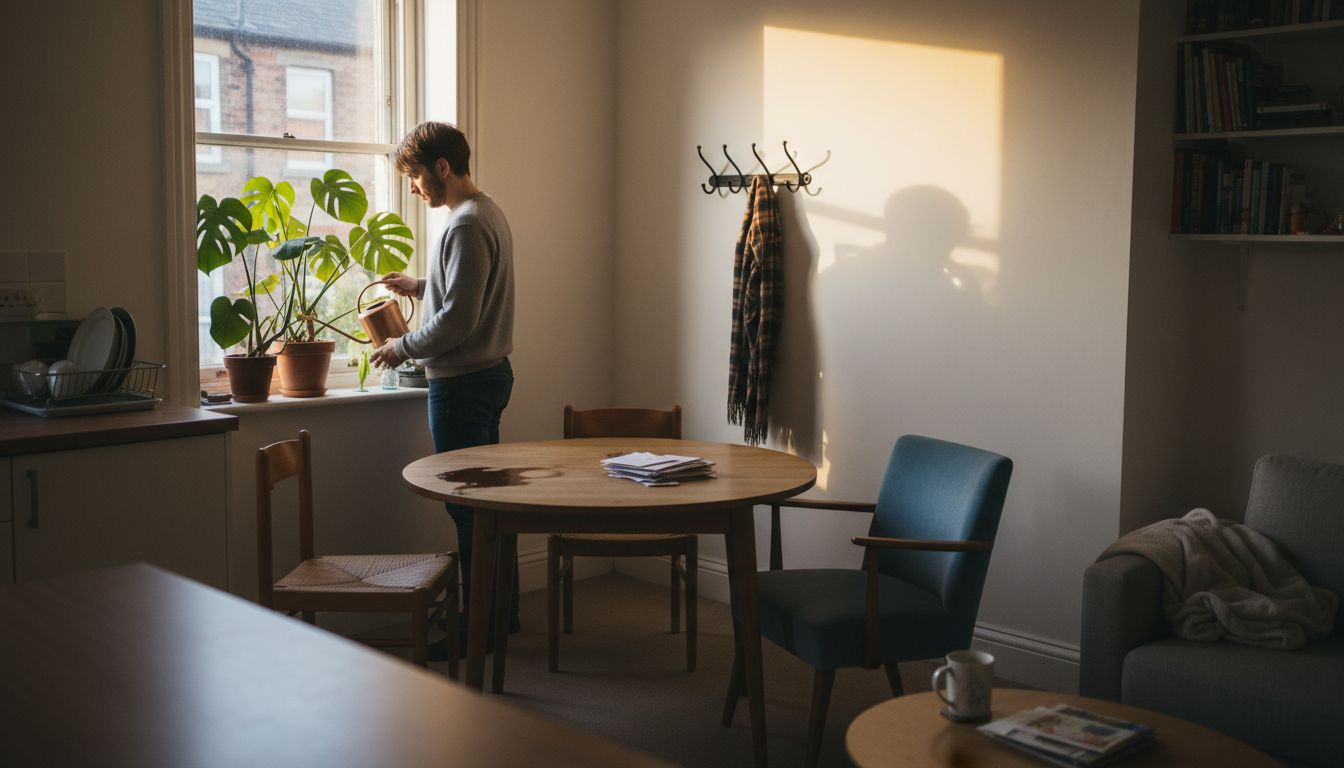
Each styling approach offers unique advantages for different living environments. Urban professionals might gravitate towards minimalist or industrial styles that maximise space efficiency, while families might prefer transitional designs that accommodate changing lifestyle needs. The key is understanding how different styling approaches can transform living spaces, creating environments that are both aesthetically pleasing and deeply personal.
Here is a comparison of popular interior styling types for modern UK homes:
| Styling Type | Key Characteristics | Ideal For |
|---|---|---|
| Minimalist | Clean lines, neutral tones, uncluttered look | Small urban flats, busy professionals |
| Scandinavian-inspired | Pale woods, soft hues, natural light | Family homes, lovers of calm spaces |
| Industrial | Exposed brick, metal accents, raw materials | Lofts, converted warehouses, creatives |
| Traditional | Rich textiles, classic furniture, warm tones | Period properties, heritage lovers |
| Transitional | Mix of modern and classic, flexible styling | Evolving families, multi-purpose rooms |
Pro tip: Before committing to a specific interior styling approach, create a mood board combining your favourite design elements to visualise how different styles might harmonise in your living space.
Key elements and principles of effective styling
Interior styling is fundamentally an art of visual composition, grounded in a sophisticated understanding of design principles and foundational elements. These core components work together to transform spaces from mere functional areas into compelling, emotionally resonant environments. Understanding these principles allows homeowners to create interiors that are not just aesthetically pleasing, but also deeply personal and meaningful.
The fundamental elements of interior styling include colour, line, shape, texture, and space. Colour serves as the emotional anchor of any design, capable of influencing mood and perception. Line creates visual movement and can define the perceived structure of a room, while shape introduces geometric interest and defines spatial relationships. Texture adds depth and tactile complexity, preventing spaces from feeling flat or monotonous. Space management is crucial, determining how elements interact and how people move and feel within an environment.
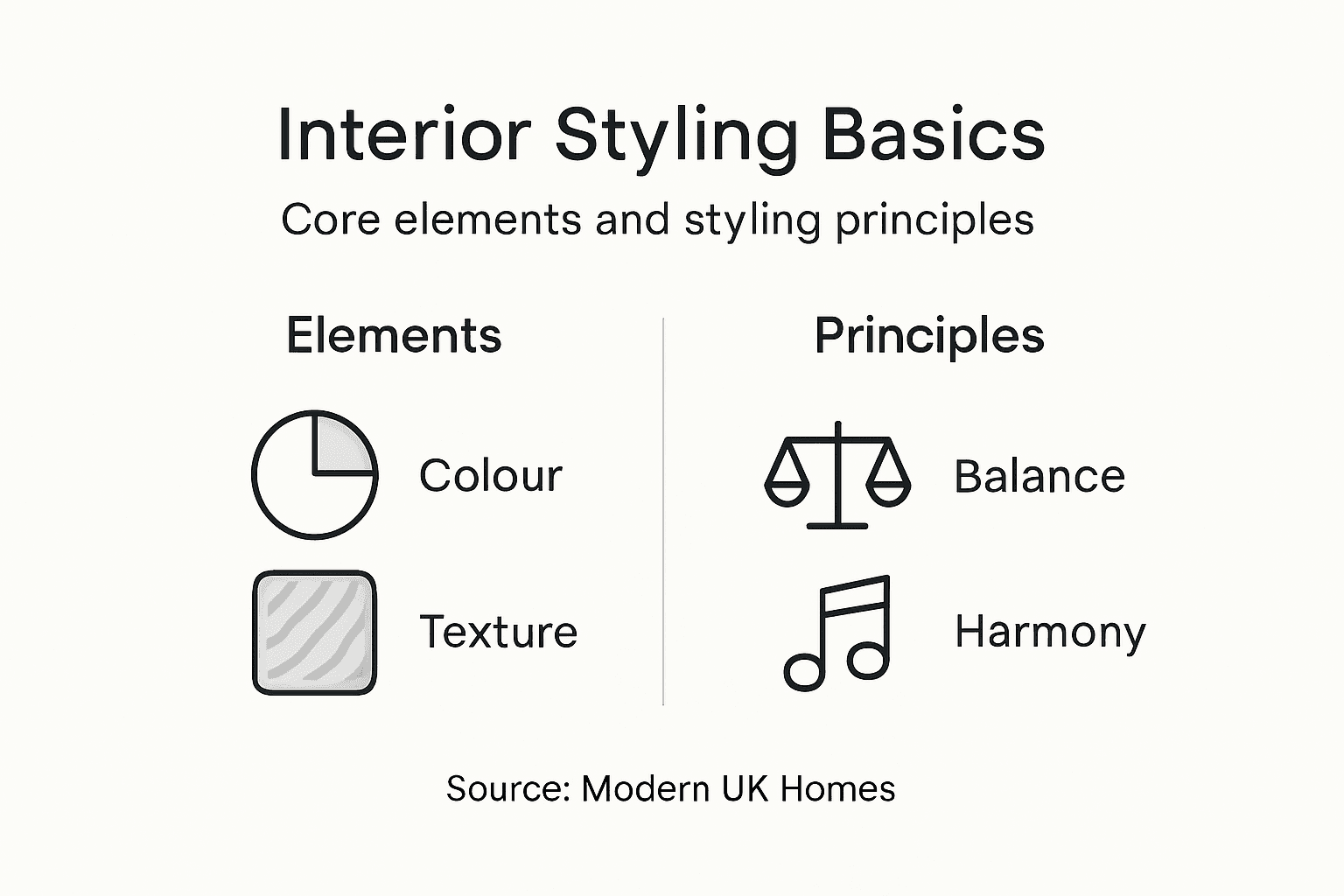
Design principles such as balance, contrast, rhythm, and harmony translate these elements into cohesive styling strategies. Balance ensures visual stability, whether through symmetrical arrangements or more dynamic asymmetrical compositions. Contrast creates visual interest by juxtaposing different elements, while rhythm establishes visual flow through repeated patterns or design motifs. Harmony ties everything together, ensuring that despite individual variations, the overall design feels unified and intentional.
Pro tip: When styling a space, start by selecting a primary colour palette and gradually introduce complementary textures and shapes to create visual depth and interest.
Interior styling process: from concept to completion
The interior styling journey begins with a crucial foundational phase of understanding and conceptual design exploration. This initial stage involves deep communication about personal preferences, lifestyle requirements, and aesthetic aspirations. Homeowners must articulate their vision, considering practical constraints like space limitations, budget, and existing architectural features that will influence the styling approach.
Practical implementation follows a structured progression of key stages. Mood board creation serves as a visual roadmap, allowing designers and homeowners to experiment with colour palettes, textures, and design elements before making significant commitments. Space planning becomes critical, involving precise measurements, furniture arrangement strategies, and consideration of traffic flow. Sourcing materials and selecting specific design elements requires careful consideration, balancing aesthetic appeal with functionality, durability, and personal style preferences.
The final stages of interior styling focus on refinement and personalisation. This involves curating accessories, adjusting lighting, and introducing decorative elements that transform a technically designed space into a lived-in, emotionally resonant environment. Iterative review is essential, allowing for subtle adjustments that elevate the initial concept. Successful styling seamlessly integrates technical precision with individual personality, creating spaces that feel both intentionally designed and authentically personal.
Pro tip: Photograph your space at different times of day to understand how lighting and shadows interact with your styling choices, helping you make more informed design decisions.
Cost, risks, and what to avoid in styling projects
Interior styling projects demand meticulous financial planning and risk management. Strategic cost visualization becomes crucial in navigating potential budgetary challenges. Homeowners must anticipate not just material expenses, but also potential hidden costs like professional consultation, unexpected structural modifications, and potential design iterations that can quickly escalate project expenditures.
Several critical risks require careful consideration during interior styling projects. Budget overruns represent the most significant financial threat, often arising from inadequate initial planning or scope creep. Common pitfalls include underestimating material costs, failing to account for professional service fees, and making impulsive design decisions without comprehensive budgetary analysis. Sustainability considerations also play a crucial role, with poorly planned projects potentially leading to increased long-term maintenance expenses and reduced environmental efficiency.
To mitigate potential styling project risks, homeowners should prioritise clear communication, comprehensive research, and flexible design approaches. This involves obtaining multiple quotes, creating detailed project specifications, establishing clear timelines, and maintaining contingency funds for unexpected expenses. Effective risk management also requires understanding personal design limitations, being open to professional guidance, and remaining adaptable throughout the styling process. Successful projects balance aesthetic aspirations with practical financial constraints, ensuring both visual appeal and fiscal responsibility.
The following table summarises major risks and precautions in interior styling projects:
| Common Risk | Potential Cause | Recommended Mitigation |
|---|---|---|
| Budget Overruns | Underestimating material costs | Create detailed budget, contingency fund |
| Scope Creep | Impulsive design changes | Stick to initial plan, review decisions |
| Sustainability Issues | Overlooking long-term maintenance | Choose durable, eco-friendly materials |
| Design Disappointment | Lack of clear communication | Set clear goals, iterative feedback |
Pro tip: Allocate approximately 15-20% of your total project budget as a contingency fund to manage unexpected expenses and design adjustments.
Elevate Your Home’s Style with Thoughtful Interior Styling Solutions
Struggling to bring harmony and personality into your living space with interior styling? The article highlights key challenges such as creating visual balance, selecting the right colour palette, and making styling choices that truly reflect your lifestyle without overspending. At Homable.co.uk, we understand these pains and offer a wide selection of affordable decorative accessories, from curtains and rugs to storage solutions, designed to help you effortlessly craft a stylish and welcoming home.
Explore our curated collections to discover pieces that complement popular styling approaches like minimalist, Scandinavian, and industrial interiors. Whether you want to add texture, introduce a fresh colour scheme, or personalise your space with unique ornaments, Homable.co.uk supports your journey with innovative, functional designs tailored for modern UK homes. Start transforming your space today by visiting our website and see how simple styling choices can create remarkable impact.
Frequently Asked Questions
What is the difference between interior styling and interior design?
Interior styling focuses on the aesthetic and decorative elements of a space, aiming to enhance its visual appeal and emotional impact. In contrast, interior design encompasses technical planning and structural modifications, considering functionality alongside aesthetics.
Do I need a professional stylist to achieve good interior styling?
No, while professional guidance can be helpful, anyone can achieve remarkable transformations through personal expression, understanding design principles, and strategic selection of decorative items. Interior styling can be both accessible and rewarding for individuals.
What are the key elements of effective interior styling?
The key elements include colour, line, shape, texture, and space. These components contribute to the overall aesthetic and emotional resonance of the space, allowing for thoughtful composition that reflects personal style and preferences.
How can I start my interior styling project on a budget?
Begin by creating a mood board to clarify your style vision, and focus on selecting a consistent colour palette. Prioritise sourcing budget-friendly materials and decor while keeping a contingency fund to manage unexpected expenses during the project.