Cart
0
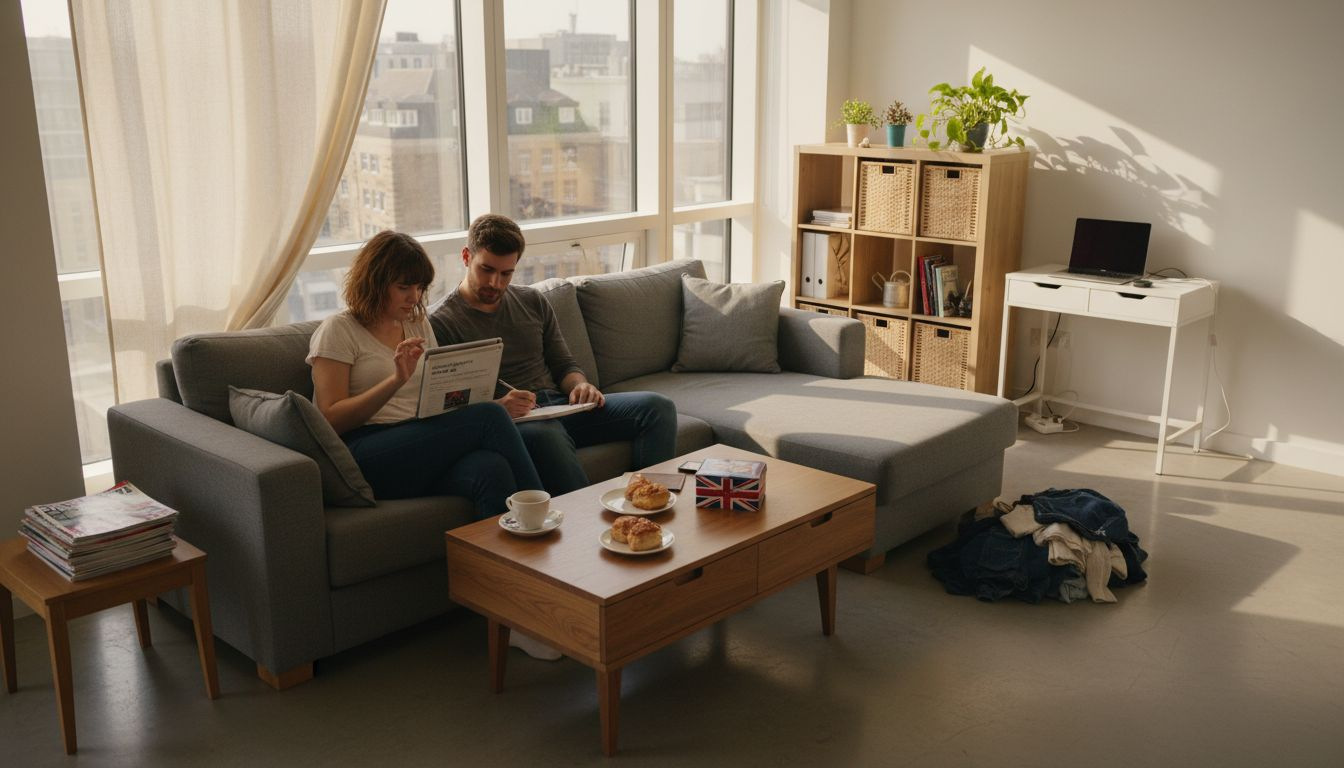
Over 60 percent of British homeowners feel their current living spaces lack versatility. As urban environments evolve, creating a home that adapts to changing needs is more essential than ever. Multi-use décor offers clever solutions for those who want their interiors to be both stylish and practical. This article reveals proven ideas to help British households make the most of every room while keeping modern aesthetics and comfort front and centre.
Table of Contents
- What Is Multi-Use Décor and Why It Matters
- Key Types of Multi-Use Home Accessories
- Design Features and How Multi-Use Décor Works
- Practical Benefits for Contemporary Homes
- Mistakes to Avoid When Choosing Multi-Use Décor
Key Takeaways
| Point | Details |
|---|---|
| Embrace Multi-Use Décor | Adopting multi-use décor enhances functionality and aesthetic appeal in modern living spaces. |
| Focus on Versatile Accessories | Selecting furniture and accessories that serve multiple purposes maximises space and ease of use. |
| Implement Smart Design Principles | Utilising modular and adaptable designs promotes flexibility in responding to changing lifestyle needs. |
| Avoid Common Pitfalls | Prioritise comfort and ergonomics over simply visual appeal to ensure effective multi-use solutions. |
What Is Multi-Use Décor and Why It Matters
Modern living spaces demand creativity and flexibility. Multi-use décor represents an innovative approach to interior design that transforms how we conceptualise residential environments. By embracing adaptable design strategies, homeowners can maximise functionality without sacrificing aesthetic appeal.
At its core, multi-use décor is about reimagining spaces to serve multiple purposes simultaneously. This design philosophy goes beyond traditional room definitions, allowing a single area to seamlessly transition between work, relaxation, entertainment, and social interactions. Flexible spaces optimise room utility by breaking down conventional boundaries and creating adaptable environments that respond to changing lifestyle needs.
The benefits of multi-use décor extend far beyond mere spatial efficiency. These intelligent design solutions address contemporary challenges like shrinking urban living spaces, remote work requirements, and the desire for more dynamic home environments. By integrating furniture with dual functions, implementing clever storage solutions, and selecting versatile design elements, homeowners can create living spaces that are both practical and visually compelling.
Pro tip: When selecting multi-use furniture, prioritise pieces with clean lines and neutral colour palettes to ensure maximum adaptability across different room configurations and design schemes.
Key Types of Multi-Use Home Accessories
Modern homeowners are increasingly seeking innovative solutions to maximise space and functionality. Multi-use home accessories represent a smart approach to interior design that transforms ordinary household items into versatile tools for contemporary living. Sustainable multifunctional furniture has emerged as a critical strategy for creating adaptable living environments that meet diverse practical needs.
The spectrum of multi-use home accessories encompasses several key categories. Versatile furniture designs include transformative pieces like expandable dining tables that convert from compact side tables to large gathering spaces, modular shelving units that serve as room dividers, and ottomans with hidden storage compartments. These intelligent pieces allow homeowners to maximise limited square footage while maintaining aesthetic appeal and functional flexibility.
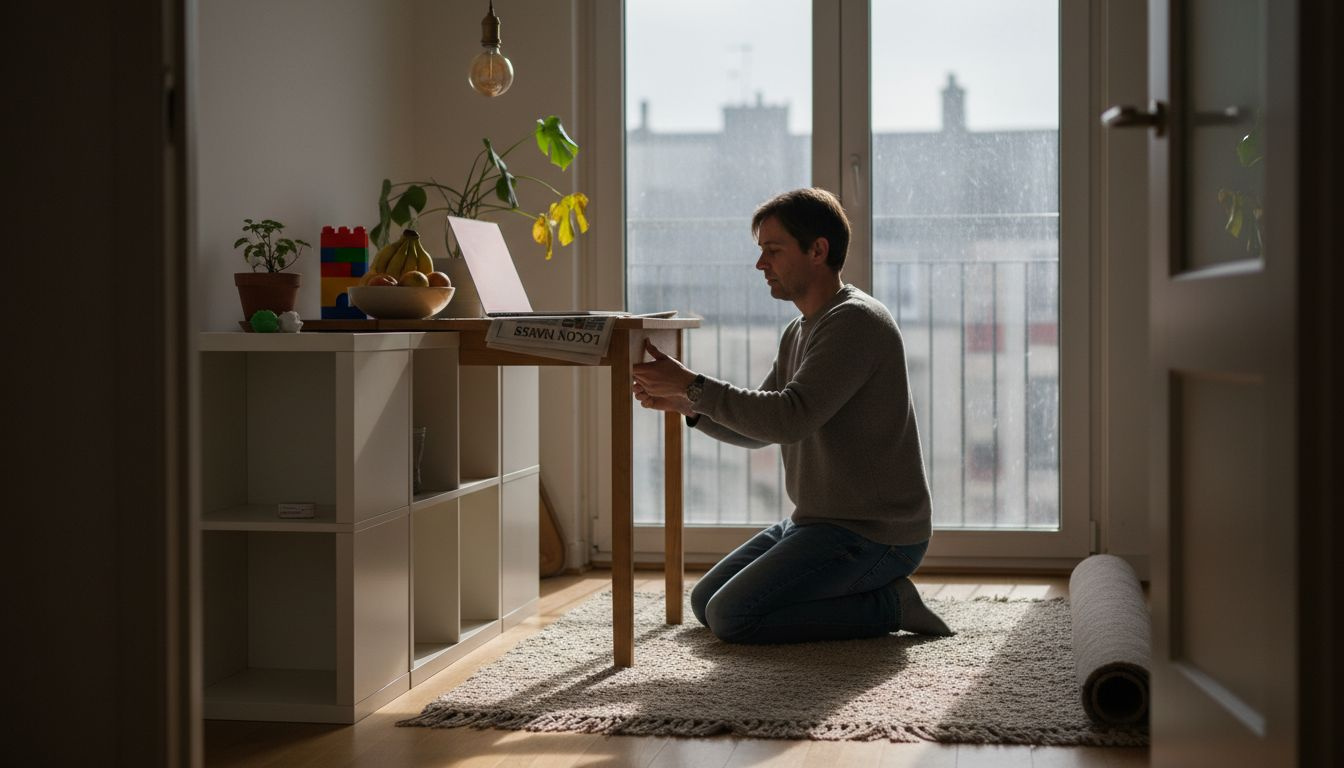
Storage solutions represent another crucial dimension of multi-use home accessories. Clever designs such as wall-mounted desks that fold away when not in use, bed frames with integrated drawers, and coffee tables with concealed compartments enable residents to create clutter-free environments that seamlessly adapt to changing needs. By selecting accessories that serve multiple purposes, homeowners can create dynamic living spaces that are both efficient and visually engaging.
Pro tip: When investing in multi-use home accessories, prioritise neutral colour palettes and clean design lines to ensure maximum versatility and seamless integration across different room configurations and interior design styles.
Here’s a summary of common types of multi-use home accessories and their practical uses:
| Accessory Type | Typical Functions | Space-Saving Benefit |
|---|---|---|
| Expandable tables | Dining, workspace, side table | Transforms for various activities |
| Modular shelving | Storage, room divider | Customises space efficiently |
| Ottoman with storage | Seating, storage, footrest | Reduces need for extra furniture |
| Wall-mounted desk | Workstation, folds away | Maintains floor space |
| Sofa bed | Seating, guest bed | Combines seating and sleeping |
Design Features and How Multi-Use Décor Works
Multi-use décor represents a sophisticated approach to interior design that goes far beyond simple furniture arrangement. Flexible spatial design principles enable homeowners to create dynamic living environments that adapt seamlessly to changing lifestyle needs. These intelligent design strategies transform traditional living spaces into versatile, responsive areas that can quickly shift between work, relaxation, and social interactions.
Design principles for multi-use spaces revolve around three fundamental elements: modularity, adaptability, and intelligent spatial planning. Modular furniture plays a crucial role, featuring components that can be easily reconfigured or repositioned. This might include expandable dining tables, stackable storage units, or seating arrangements that can be quickly transformed to accommodate different activities. Adjustable lighting systems further enhance this flexibility, allowing residents to create distinct atmospheres within the same physical space.
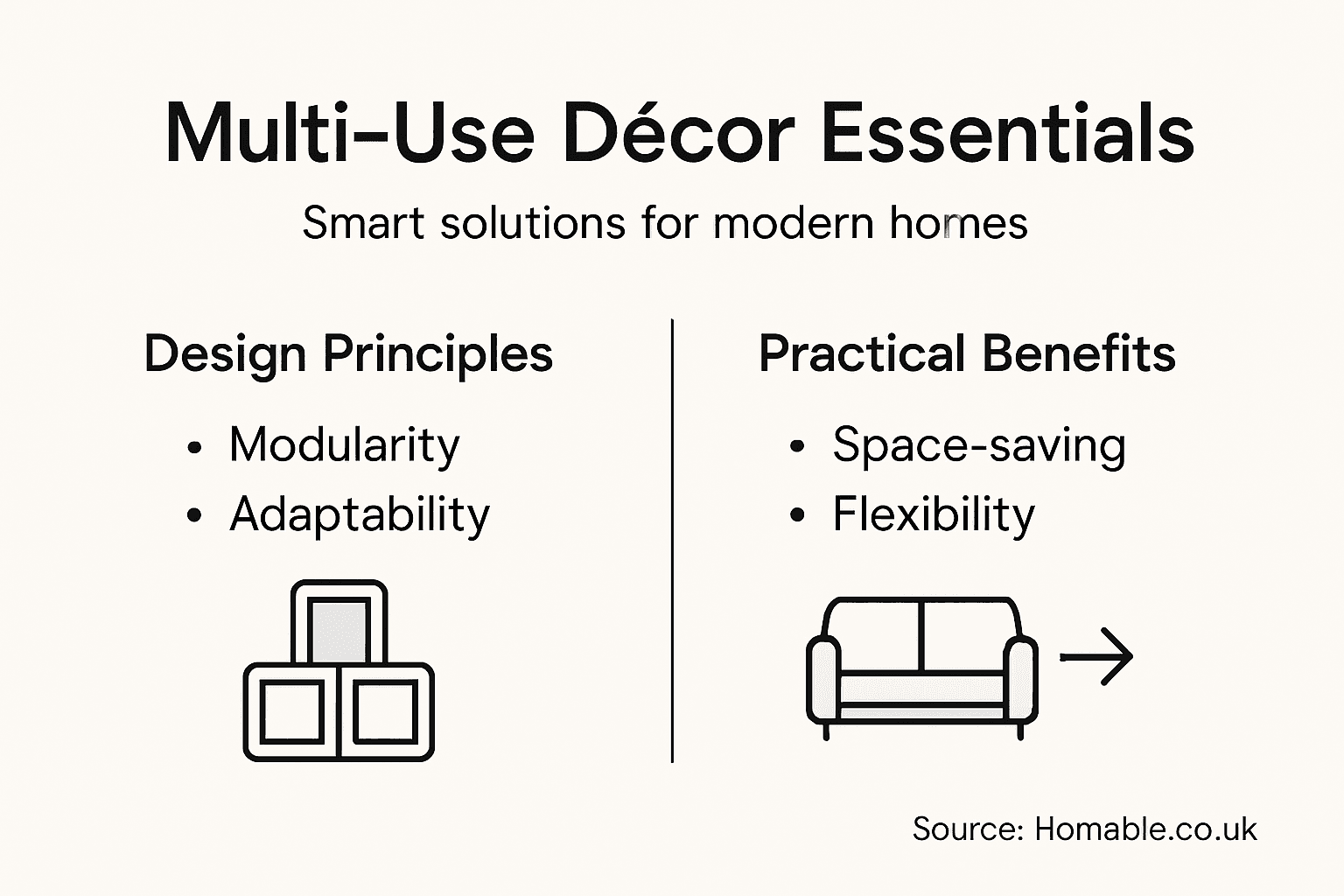
The core mechanism of multi-use décor involves creating spatial versatility through strategic design choices. Designers achieve this by incorporating furniture with hidden functionalities, implementing smart storage solutions, and selecting pieces that can serve multiple purposes simultaneously. Wall-mounted desks that fold away, sofas with integrated storage, and room dividers that double as display units are prime examples of how intelligent design can maximise both functionality and aesthetic appeal.
Pro tip: Invest in furniture pieces with clean, neutral designs and lightweight, easily movable components to maximise the adaptability of your multi-use living spaces.
Below is a comparison of key design principles in multi-use décor and their impact on everyday living:
| Principle | Practical Effect | Lifestyle Advantage |
|---|---|---|
| Modularity | Rearrangement for changing needs | Supports flexible activities |
| Adaptability | Easy transitions between functions | Accommodates hybrid routines |
| Intelligent planning | Maximises utility of each area | Eliminates wasted space |
| Hidden features | Dual-purpose furniture and storage | Reduces visual clutter |
Practical Benefits for Contemporary Homes
Multi-use décor offers transformative solutions for modern households facing complex spatial challenges. Multifunctional design strategies enable homeowners to optimise limited living spaces, creating environments that seamlessly adapt to evolving lifestyle demands. These intelligent design approaches address the fundamental need for flexibility in contemporary urban living, where square metres are increasingly precious and versatile functionality is paramount.
The practical benefits extend far beyond simple space conservation. Sustainable design principles demonstrate significant advantages in reducing resource consumption and enhancing overall environmental quality. By integrating multifunctional solutions, homeowners can simultaneously achieve improved comfort, increased productivity, and reduced ecological footprint. These design strategies support hybrid lifestyles, particularly for professionals working remotely, by creating adaptable spaces that effortlessly transition between professional and personal requirements.
Practical implementation of multi-use décor involves strategic choices that maximise both aesthetic appeal and functional utility. This might include selecting furniture with integrated storage, designing flexible room layouts, and incorporating adaptable lighting systems that can transform a space’s atmosphere within moments. The key is creating an environment that responds dynamically to changing needs, whether that involves hosting a dinner party, conducting a video conference, or creating a peaceful relaxation zone.
Pro tip: When implementing multi-use décor, prioritise neutral colour palettes and modular furniture pieces that can be easily reconfigured to maintain maximum flexibility and visual harmony.
Mistakes to Avoid When Choosing Multi-Use Décor
Multi-use décor requires careful consideration to ensure functionality and aesthetic appeal. Selecting multifunctional furniture demands strategic thinking beyond simple visual attraction. Homeowners frequently make critical errors that compromise the effectiveness of their living spaces, potentially reducing comfort and practicality.
Evaluating furniture design requirements reveals several common pitfalls. One significant mistake is prioritising compact size over genuine usability, which leads to purchasing pieces that look clever but prove uncomfortable or impractical. Another critical error involves neglecting ergonomic considerations, selecting furniture that might save space but creates physical discomfort during extended use. Homeowners must balance aesthetic appeal with genuine functionality, ensuring that multi-use pieces genuinely enhance rather than complicate daily living.
Additional mistakes include overlooking spatial dynamics and natural light integration. Bulky multi-use furniture can inadvertently create visual clutter and disrupt room flow, defeating the primary purpose of flexible design. Successful multi-use décor requires thoughtful placement, considering how each piece interacts with existing architectural elements, maintaining a sense of openness and adaptability. Careful selection means choosing lightweight, versatile pieces that can be easily repositioned and that complement the overall design aesthetic.
Pro tip: Before purchasing multi-use furniture, create a detailed room layout and measure potential pieces to ensure they provide genuine functionality without overwhelming your existing space.
Transform Your Space with Stylish Multi-Use Décor Solutions
Struggling to make your home both functional and beautiful as lifestyles evolve? This article highlights the challenge of creating multi-use décor that combines adaptability, modularity, and smart spatial planning to maximise living space without compromise. Whether you want furniture with hidden storage, versatile accessories, or clever room layouts that serve multiple purposes, the key is solutions that embrace both style and practicality.
Discover a curated range of home accessories at Homable.co.uk designed to help you achieve these goals. From stylish storage options and flexible furnishings to elegant ornaments that complement any room, each piece supports the principles of multi-use design. Act now to elevate your living environment with modern, affordable décor that adapts as fast as your lifestyle changes. Visit our homepage today and explore how smart choices in home styling can bring lasting comfort and efficiency into your home.
Frequently Asked Questions
What is multi-use décor?
Multi-use décor refers to an approach in interior design that allows spaces to serve multiple functions simultaneously. It focuses on creating adaptable environments that cater to various activities like working, relaxing, and entertaining without the need for separate rooms.
What are some common types of multi-use home accessories?
Common types of multi-use home accessories include expandable tables, modular shelving units, ottomans with storage, wall-mounted desks, and sofa beds. These items are designed to maximise space efficiency while providing multiple functionalities in a single piece.
How can I effectively implement multi-use décor in my home?
To effectively implement multi-use décor, choose furniture with hidden functionalities, plan flexible room layouts, and incorporate adaptable storage solutions. Selecting pieces that have neutral colour palettes and clean designs can help maintain visual harmony and flexibility in your spaces.
What mistakes should I avoid when choosing multi-use furniture?
When choosing multi-use furniture, avoid prioritising size over usability, neglecting ergonomic aspects, and overlooking the impact of bulky items on room flow. Ensure that your selections genuinely enhance comfort and functionality without compromising the aesthetic or efficiency of the space.