Cart
0
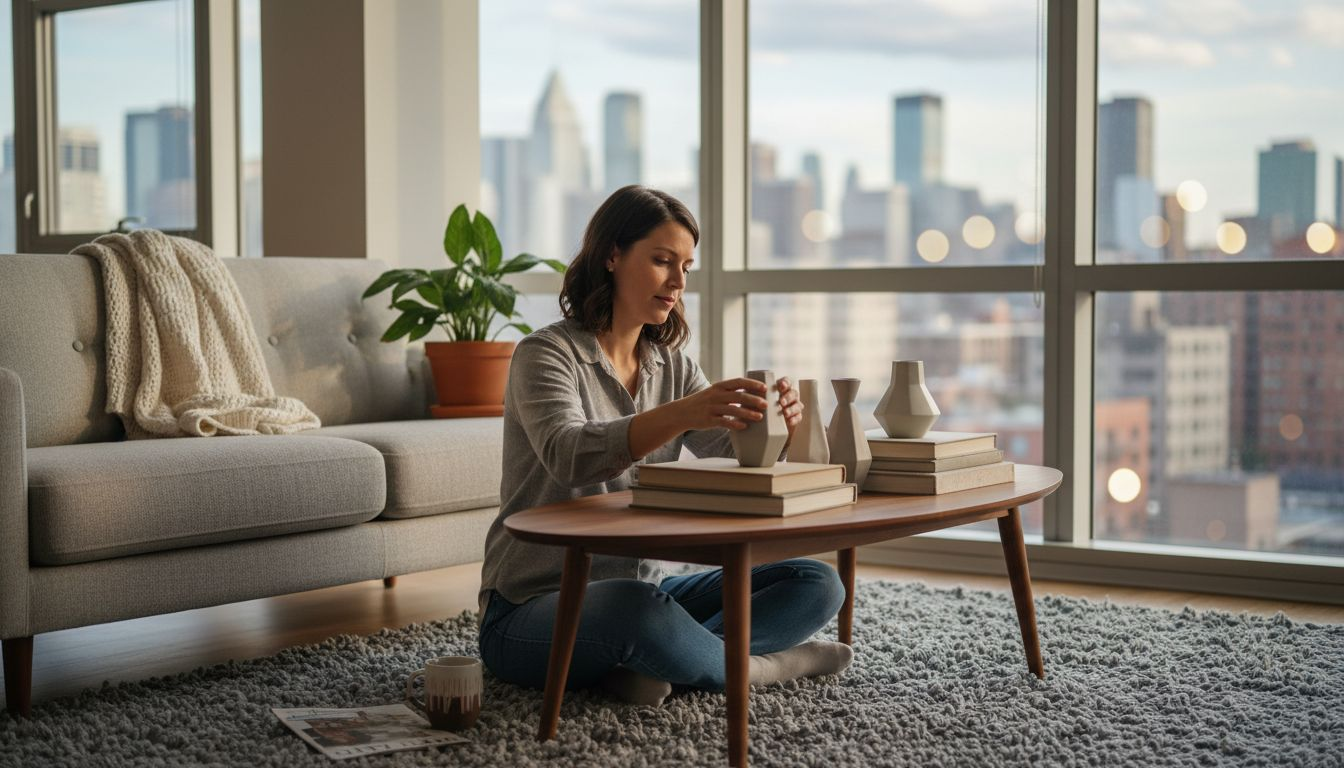
Over 60 percent of British millennials are redesigning their homes to reflect personal style while staying within budget. For many, transforming a living space can seem costly or complicated, especially when juggling the latest trends with everyday practicality. Discover how to style your home with affordable accessories and clever techniques designed specifically for British interiors, bringing character and balance to your modern living space without overspending.
Table of Contents
- Step 1: Assess Your Living Space And Define Your Style
- Step 2: Select Accessories That Complement Your Décor
- Step 3: Arrange Items To Create Visual Balance
- Step 4: Layer Textures And Colours For Added Depth
- Step 5: Review Your Styled Space And Make Adjustments
Quick Summary
| Main Insight | Explanation |
|---|---|
| 1. Assess your living space | Conduct a visual audit of each room to identify existing features and lighting, helping you determine your desired interior style. |
| 2. Select complementary accessories | Choose accessories that harmonise with your existing décor, focusing on colour, scale, and texture for a cohesive aesthetic. |
| 3. Create visual balance in arrangements | Strategically place items to balance visual weight throughout your space, using symmetry or asymmetry to enhance your design. |
| 4. Layer textures and colours | Combine various materials and finishes to create depth in your interior, starting with a neutral palette and building on it. |
| 5. Review and adjust your styled space | Assess your arrangement critically, making incremental changes to improve visual harmony and ensure functionality in your space. |
Step 1: Assess your living space and define your style
Defining your home’s interior style starts with understanding your unique aesthetic preferences and spatial dynamics. This initial stage helps you create a cohesive, personalised environment that reflects your personality and lifestyle.
Begin by conducting a comprehensive visual audit of your current living space. Walk through each room with a critical eye, noting existing architectural features, natural light patterns, and furniture arrangements. Interior design style assessment tools can provide valuable insights into your decorative preferences. Consider fundamental elements like colour schemes, furniture silhouettes, and textural qualities that resonate with you.
Take measurements of your rooms and sketch a basic floor plan to understand spatial relationships. According to space planning resources, understanding architectural layout is crucial before making design decisions. Photograph your spaces from multiple angles to help you visualise potential transformations and identify areas requiring styling interventions.
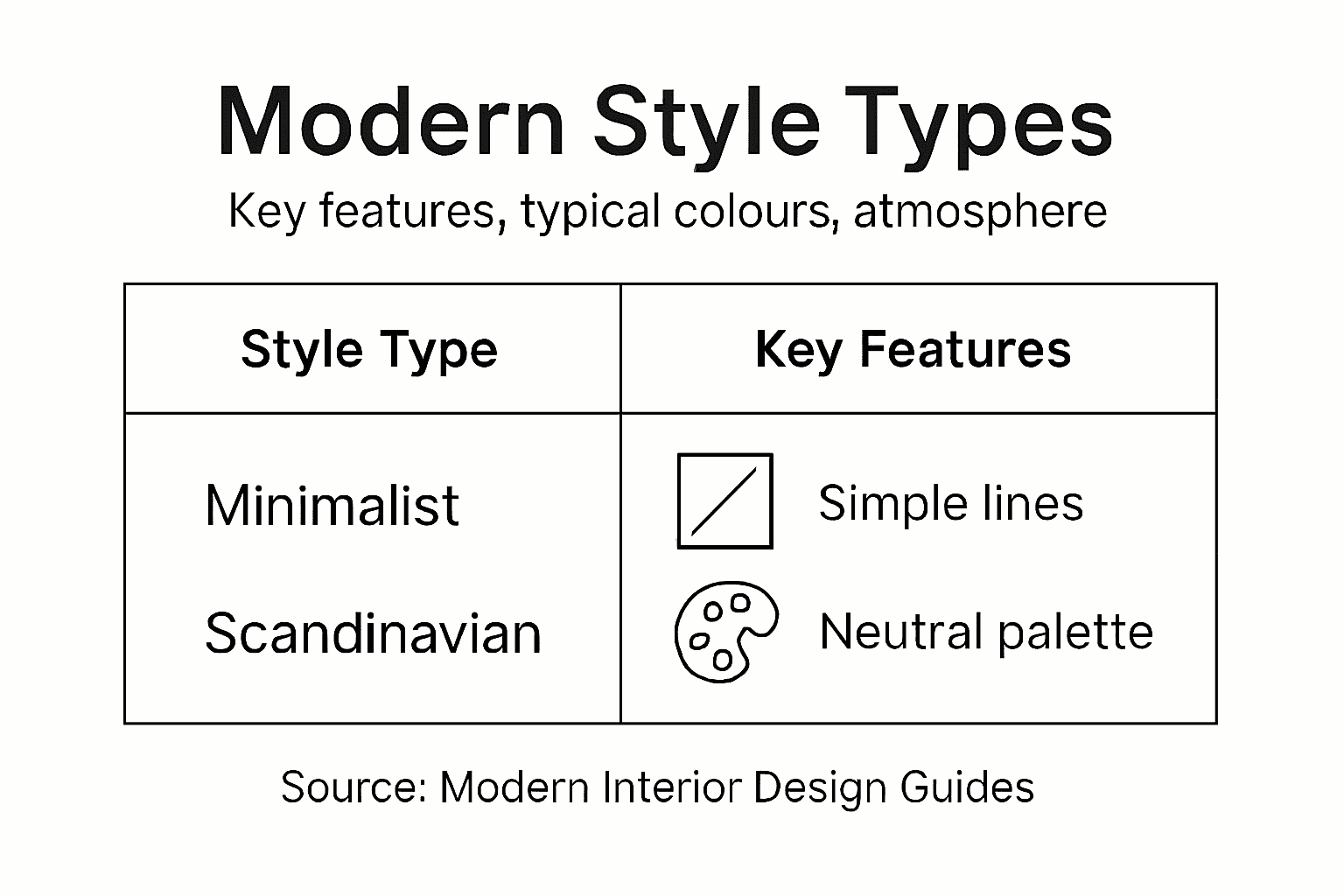
Here is a summary of common interior design styles to help clarify your preferences:
| Style Type | Key Features | Typical Colours |
|---|---|---|
| Modern | Clean lines, minimalism | Greys, whites, blacks |
| Scandinavian | Light, airy, natural fibres | Soft neutrals, pale wood |
| Industrial | Exposed brick, metal details | Greys, browns, charcoal |
| Traditional | Ornate patterns, symmetry | Deep reds, creams |
Expert Tip: Create a mood board using digital tools or physical magazine clippings to crystallise your design vision and ensure visual consistency across your home’s styling.
Step 2: Select accessories that complement your décor
Choosing the right home accessories is an art form that transforms spaces from ordinary to extraordinary. Your goal is to curate pieces that harmonise with your existing design while adding personality and visual interest.
Start by understanding the principles of accessory selection, which involve carefully considering colour, scale, and texture. Look for accessories that echo the dominant tones and styles already present in your room. If your space features neutral greys and whites, consider introducing accessories with subtle metallic accents or soft earthy tones to create depth. According to design principles outlined in fashion accessory literature, thoughtful accessory selection should feel intentional rather than random.
Consider creating visual balance by mixing different heights and shapes. Group smaller decorative items in clusters of three or five, using varying heights to create visual intrigue. Ceramic vases, sculptural objects, framed artworks, and textured cushions can all contribute to a cohesive design narrative. Pay attention to negative space ensuring your accessories enhance rather than overwhelm your existing decor.
Expert Tip: Before purchasing accessories, lay out potential items together and photograph them to assess how they interact visually and ensure they truly complement your existing design scheme.
Step 3: Arrange items to create visual balance
Visual balance transforms a room from chaotic to harmonious, turning your home accessories into a carefully curated composition that delights the eye. Understanding how to strategically place items can elevate your interior design from basic to breathtaking.
Learn the fundamental principles of visual composition, which involve distributing visual weight thoughtfully across your space. This means considering the size, colour, and visual impact of each accessory. Imagine your room as a delicate scale where each element contributes to the overall equilibrium. Heavier or larger items should be balanced by smaller, lighter pieces to prevent the space from feeling lopsided. For instance, a substantial ceramic vase on one side of a console table might be balanced by a cluster of smaller frames or a delicate sculpture on the opposite side.
Explore different approaches to balance in design, including symmetrical and asymmetrical arrangements. Symmetrical balance creates a formal, structured feel by mirroring elements precisely, while asymmetrical balance offers a more dynamic and relaxed aesthetic. Experiment with triangular groupings of accessories, where items of varying heights create visual interest without appearing rigid. Consider the negative space between objects as equally important as the accessories themselves.
The following table highlights the difference between symmetrical and asymmetrical balance approaches in home décor:
| Approach | Resulting Atmosphere | When Best Used |
|---|---|---|
| Symmetrical Balance | Formal, structured | Traditional or classic settings |
| Asymmetrical Balance | Relaxed, dynamic | Modern or eclectic spaces |
Expert Tip: Use the camera on your smartphone to take a quick snapshot of your arrangement ensure visual balance works effectively before finalising your display.
Step 4: Layer textures and colours for added depth
Transforming a room from flat to fabulous involves mastering the art of texture and colour interaction. Your goal is to create a multi dimensional space that feels inviting and visually compelling.
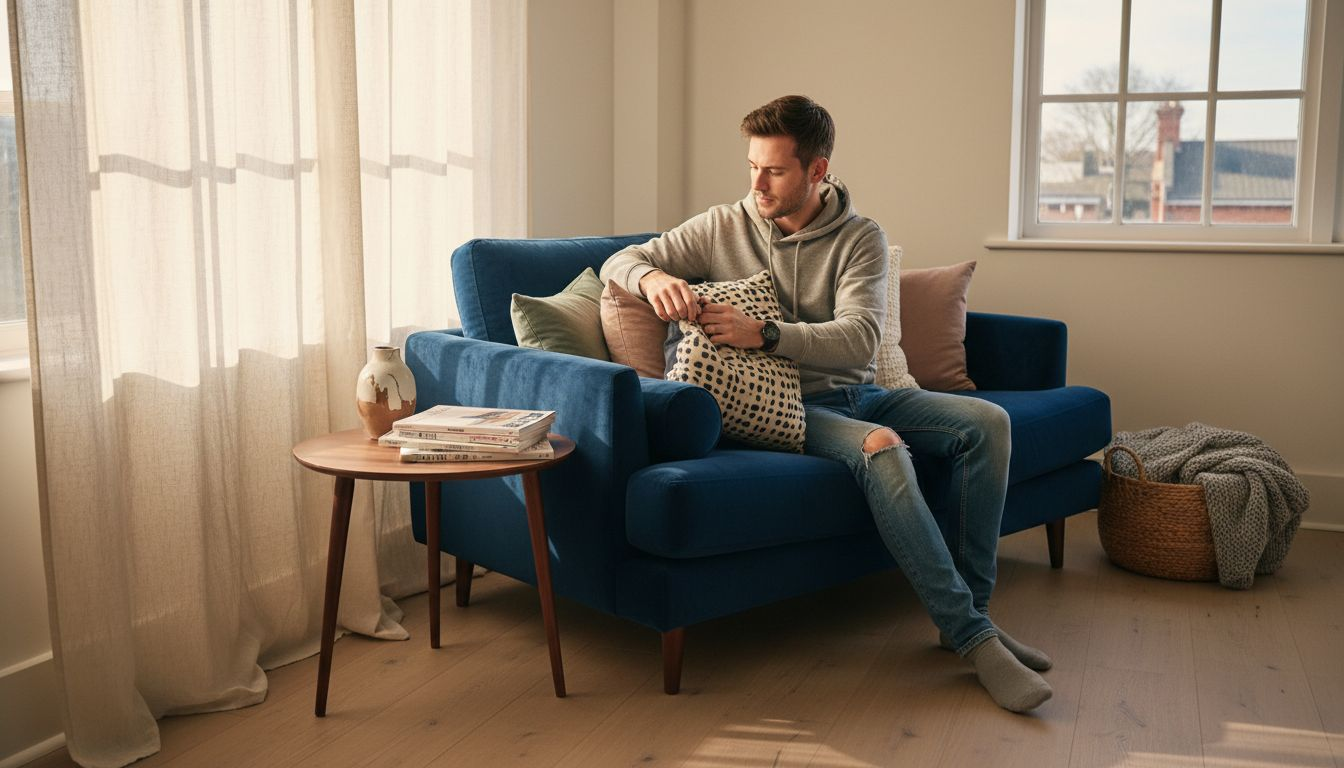
Explore the fundamental principles of texture design, which involve thoughtfully combining different material qualities to add visual richness. Imagine blending soft wool throws with sleek ceramic vases, rough woven baskets alongside smooth marble surfaces, and plush velvet cushions contrasting against crisp linen upholstery. Each textural element introduces a unique sensory experience that makes your space feel more dynamic and sophisticated.
Understanding texture as an artistic element allows you to create depth through strategic layering. Start with a neutral base colour palette and introduce variations through different textural elements. Combine matte and glossy finishes, mix organic materials like wood and stone with soft fabrics, and play with surface variations that catch light differently. Consider how a chunky knit throw can soften a leather armchair or how a rough ceramic sculpture can add intrigue to a smooth sideboard.
Expert Tip: Use a unified colour palette with varied textures to maintain visual cohesion while creating depth and interest in your living space.
Step 5: Review your styled space and make adjustments
Finalising your home accessory styling requires a critical yet compassionate eye. Your goal is to create a space that not only looks beautiful but feels authentically yours and functions seamlessly in your daily life.
Apply the principles of styled space review, which involve stepping back and assessing your design with fresh perspective. Take photographs of your room from multiple angles to help you identify areas that need refinement. Look for visual imbalances such as overcrowded surfaces, colour clashes, or sections that feel disconnected. Pay attention to how accessories interact with existing furniture and consider whether they enhance or detract from the overall aesthetic.
Adopt an iterative approach to styling by making incremental adjustments. Some accessories might need repositioning to improve flow and visual harmony. Experiment with moving items between different surfaces or rooms to find their most flattering placement. Consider functionality alongside beauty evaluating whether your current arrangement supports your lifestyle. Design adjustment guidelines suggest continuous refinement as key to achieving a truly personalised space.
Expert Tip: Live with your styled space for a few days and observe how it feels before making final decisions allow yourself time to adjust and adapt.
Elevate Your Modern Space with Thoughtful Styling and Curated Accessories
Transforming your home into a balanced and inviting space requires more than just choosing beautiful items. As highlighted in the article “Step by Step Home Accessory Styling for Modern Spaces,” achieving visual harmony involves selecting accessories that complement your décor, arranging items with intention, and layering textures and colours for added depth. These are the challenges many face when trying to create a personalised, cohesive look that feels authentic and functional.
Discover stylish solutions tailored to your unique vision at Homable.co.uk where you can explore a curated collection of home accessories designed to enhance modern interiors. Whether you need elegant ornaments to create visual balance or textured cushions to add warmth and dimension, our selection addresses the key styling principles like colour coordination and spatial arrangement discussed in the article.
Ready to bring your interior styling ideas to life with high-quality, affordable pieces? Visit Homable.co.uk now and explore collections that align with your design goals. Start layering your space with accessories that deliver both beauty and function and enjoy free shipping on orders over £100. Your personalised, stylish home awaits.
Learn more about creating cohesive designs and find the perfect accessories to complement your living spaces at Homable.
Frequently Asked Questions
How can I assess my living space for accessory styling?
Begin by conducting a visual audit of your current living space. Take note of architectural features, natural light, and furniture arrangements, as well as capturing photographs from multiple angles to inform your styling decisions.
What are the key elements to consider when choosing home accessories?
Focus on colour, scale, and texture when selecting accessories for your home. Ensure the pieces harmonise with your existing décor and introduce varying heights for visual balance, creating a cohesive and engaging arrangement.
How do I create visual balance with my home accessories?
To achieve visual balance, distribute the visual weight by pairing larger items with smaller pieces. Experiment with symmetrical and asymmetrical arrangements, ensuring the combination feels harmonious without overcrowding any given area.
What techniques can I use to layer textures and colours effectively?
Start with a neutral colour palette and introduce various textures to create depth. Combine different material qualities, such as soft fabrics with sleek surfaces, to make the space feel more inviting and visually interesting.
How can I effectively review and adjust my styled space?
Step back and assess your design with a fresh perspective, taking photographs to identify imbalances. Make incremental adjustments by repositioning accessories and live with the arrangement for a few days to see how it feels before finalising your design.