
Cart
0

Finding the perfect statement piece for your living room should spark excitement, not anxiety over online scams or data theft. As more British homeowners hunt for affordable and stylish home decor from trusted digital retailers, knowing how to spot a secure shopping site is vital. By focusing on payment protection methods and genuine website authenticity, you can confidently enjoy upgrades to your space without risking your personal or financial information.
Table of Contents
- Defining Secure Online Shopping Practices
- Types Of Online Security Threats
- Importance Of Payment Protection Methods
- Identifying Reputable Retailers And Secure Websites
- Risks Of Neglecting Online Shopping Security
- Tips For Safe Shopping And Common Pitfalls
Key Takeaways
| Point | Details |
|---|---|
| Prioritise Security | Always check for HTTPS and secure connection indicators before making online purchases to safeguard personal data. |
| Monitor Transactions | Regularly review bank statements for any unauthorised charges and set up alerts for added security. |
| Use Strong Passwords | Create unique, complex passwords for different shopping accounts and enable two-factor authentication. |
| Choose Reputable Retailers | Research unfamiliar online stores, looking for clear contact information and positive customer reviews to avoid scams. |
Defining secure online shopping practices
Secure online shopping is an essential skill for modern homeowners navigating digital retail landscapes. When purchasing home decor and accessories, protecting your personal and financial information becomes paramount. Cybersecurity experts recommend understanding key strategies that safeguard your digital transactions and prevent potential fraud.
Successful secure online shopping involves multiple critical practices:
- Verifying website authenticity through secure connection indicators
- Checking for HTTPS encryption before making transactions
- Using strong, unique passwords for each shopping account
- Monitoring bank statements for unexpected charges
- Installing reputable antivirus software on your devices
Understanding digital safety requires recognising potential risks. Cybercriminals frequently target online shoppers through sophisticated methods like creating fraudulent websites that mimic legitimate retailers. These fake platforms can capture your financial details, potentially leading to significant monetary losses.
Protecting your online shopping experience means being vigilant and informed about digital security practices.
When shopping for home accessories, always prioritise reputable websites with clear security measures. Online retail security guidelines suggest thoroughly researching unfamiliar sellers and understanding their privacy policies before completing any transaction.
Pro tip: Create a dedicated credit card with a low limit specifically for online shopping to minimise potential financial risks.
Types of online security threats
Online shopping exposes homeowners to a complex landscape of digital security risks that can compromise personal and financial information. Cybersecurity experts highlight several critical threat categories that every digital consumer must understand to protect themselves effectively.
The primary online security threats can be categorised into several dangerous types:
- Phishing scams targeting personal information
- Card-not-present fraudulent transactions
- Account takeover attacks
- Synthetic identity fraud schemes
- Man-in-the-middle communication interceptions
Phishing remains one of the most prevalent digital threats. Sophisticated cybercriminals create elaborate email and website replicas that closely mimic legitimate retailers, tricking unsuspecting shoppers into revealing sensitive financial details. These fake platforms often use psychological manipulation, creating a sense of urgency or offering seemingly irresistible deals to prompt immediate action.
Digital criminals continuously evolve their tactics, making vigilance the most critical defence against online security threats.
Comprehensive security research suggests that modern online threats exploit multiple vulnerability points. Attackers might intercept unencrypted data transmissions, hack vulnerable computer systems, or use stolen identities to conduct unauthorised transactions. Understanding these methods helps consumers develop robust defensive strategies.
Pro tip: Enable two-factor authentication on all shopping accounts and regularly update your passwords to minimise potential security breaches.
Importance of payment protection methods
Protecting financial transactions during online shopping has become increasingly critical for modern consumers seeking to safeguard their personal and monetary information. Comprehensive security research emphasises the paramount importance of implementing robust payment protection strategies that defend against potential digital threats.
Effective payment protection methods encompass multiple layers of security:
- Two-factor authentication for account access
- Secure socket layer (SSL) encryption technologies
- Virtual credit card numbers for online transactions
- Tokenisation of payment details
- Biometric verification systems
Modern payment protection technologies work simultaneously to create multiple defensive barriers against potential financial fraud. By implementing sophisticated encryption protocols, online retailers and financial institutions can significantly reduce the risk of unauthorized transactions and protect consumer financial data from sophisticated cybercriminal techniques.
Payment protection is not just a technological feature, but a critical shield protecting consumers’ financial integrity in the digital marketplace.
Understanding the intricate mechanisms behind these protection methods empowers consumers to make informed decisions about their online shopping experiences. Each layer of security—from sophisticated encryption algorithms to advanced authentication processes—represents a critical defence mechanism against potential digital financial risks.
The following table summarises how different payment security methods work and their key benefits:
| Method | How it Works | Main Consumer Benefit |
|---|---|---|
| Two-factor authentication | Verifies identity with second device | Blocks unauthorised access |
| Tokenisation | Converts card data to random value | Prevents data theft during payment |
| Virtual card numbers | Generates single-use card details | Limits financial exposure |
| SSL encryption | Secures data in transit | Protects against data interception |
| Biometric verification | Uses fingerprint or face ID | Strong identity confirmation |
Pro tip: Always use dedicated credit cards with low limits for online transactions to minimise potential financial exposure in case of security breaches.
Identifying reputable retailers and secure websites
Navigating the digital marketplace requires a discerning eye for distinguishing legitimate online retailers from potentially fraudulent platforms. Online shopping safety guidelines provide crucial insights into identifying trustworthy digital shopping destinations that protect consumers’ interests and financial security.
Key indicators of a reputable online retailer include:
- Presence of HTTPS and padlock icon in website URL
- Clearly displayed physical business address
- Comprehensive and transparent contact information
- Professionally designed website with coherent grammar
- Multiple secure payment method options
- Detailed and genuine customer reviews
- Transparent return and refund policies
Cybercriminals often create sophisticated websites that appear legitimate at first glance. These fraudulent platforms typically employ psychological tactics like offering unrealistically low prices, using poor grammatical construction, or presenting vague contact details to entice unsuspecting shoppers. Recognising these warning signs becomes critical in protecting oneself from potential online scams.
To help you evaluate online retailers at a glance, here is a comparison of trustworthy vs. suspicious website signals:
| Signal | Trustworthy Retailer | Suspicious/Fraudulent Site |
|---|---|---|
| Website URL | Uses HTTPS and secure domain | Lacks HTTPS or has odd domain |
| Contact Details | Clear, professional, verifiable | Vague, missing, or generic info |
| Customer Reviews | Diverse, credible feedback | One-sided or missing reviews |
| Website Design | High-quality and coherent | Poor grammar, design errors |
| Payment Options | Multiple secure methods | Limited or sketchy payment options |
Thorough research and careful observation are your most powerful tools in identifying genuine online retailers.
Consumer protection experts recommend conducting comprehensive background checks on unfamiliar online retailers. This involves searching for independent reviews, verifying seller credentials, comparing pricing across multiple platforms, and maintaining meticulous records of all transactions to mitigate potential risks.
Pro tip: Always screenshot product pages and transaction confirmations, and use a dedicated credit card with purchase protection for online shopping.
Risks of neglecting online shopping security
Neglecting digital security measures during online shopping can expose consumers to devastating financial and personal risks. Consumer protection research reveals the extensive potential damage that can result from casual approach to online transaction security.
The primary risks of inadequate online shopping security include:
- Identity theft potential
- Unauthorised financial transactions
- Permanent credit score damage
- Personal information exploitation
- Potential long-term financial losses
- Vulnerability to sophisticated cybercrime techniques
- Emotional stress from security breaches
Cybercriminals have developed increasingly sophisticated methods for targeting unsuspecting online shoppers. These malicious actors can rapidly exploit minor security oversights, transforming a seemingly innocuous online transaction into a comprehensive personal and financial nightmare. The speed and complexity of modern digital fraud techniques mean that a single moment of carelessness can result in months or even years of potential financial and personal recovery challenges.
One unprotected online transaction can potentially compromise your entire financial ecosystem.
Online security experts warn that the consequences of neglecting digital security extend far beyond immediate monetary losses. Victims may face complex challenges in recovering stolen funds, repairing credit reports, and protecting their personal identities from continued exploitation by cybercriminals.

Pro tip: Regularly monitor your bank statements, set up transaction alerts, and use dedicated credit cards with robust fraud protection for all online purchases.
Tips for safe shopping and common pitfalls
Navigating online shopping safely requires strategic awareness and proactive protective measures. Cybersecurity experts recommend implementing comprehensive strategies to mitigate potential digital risks during virtual purchasing experiences.
Key safe shopping practices include:
- Using strong, unique passwords for each account
- Enabling multifactor authentication
- Regularly updating device software
- Shopping exclusively through trusted platforms
- Verifying business legitimacy before transactions
- Monitoring financial statements frequently
- Using credit cards for additional protection
Cybercriminals have sophisticated techniques designed to exploit unsuspecting online shoppers. Common pitfalls often involve psychological manipulation, such as creating artificial urgency, presenting unrealistically attractive discounts, or using high-pressure sales tactics that cloud rational decision-making. Recognising these manipulation strategies becomes crucial in maintaining digital purchasing safety.
Digital vigilance is your most powerful defence against online shopping threats.
Online shopping safety guidelines emphasise the importance of maintaining a cautious yet informed approach. This involves understanding potential scam indicators, staying informed about emerging cybersecurity trends, and developing a critical mindset when encountering online purchasing opportunities.
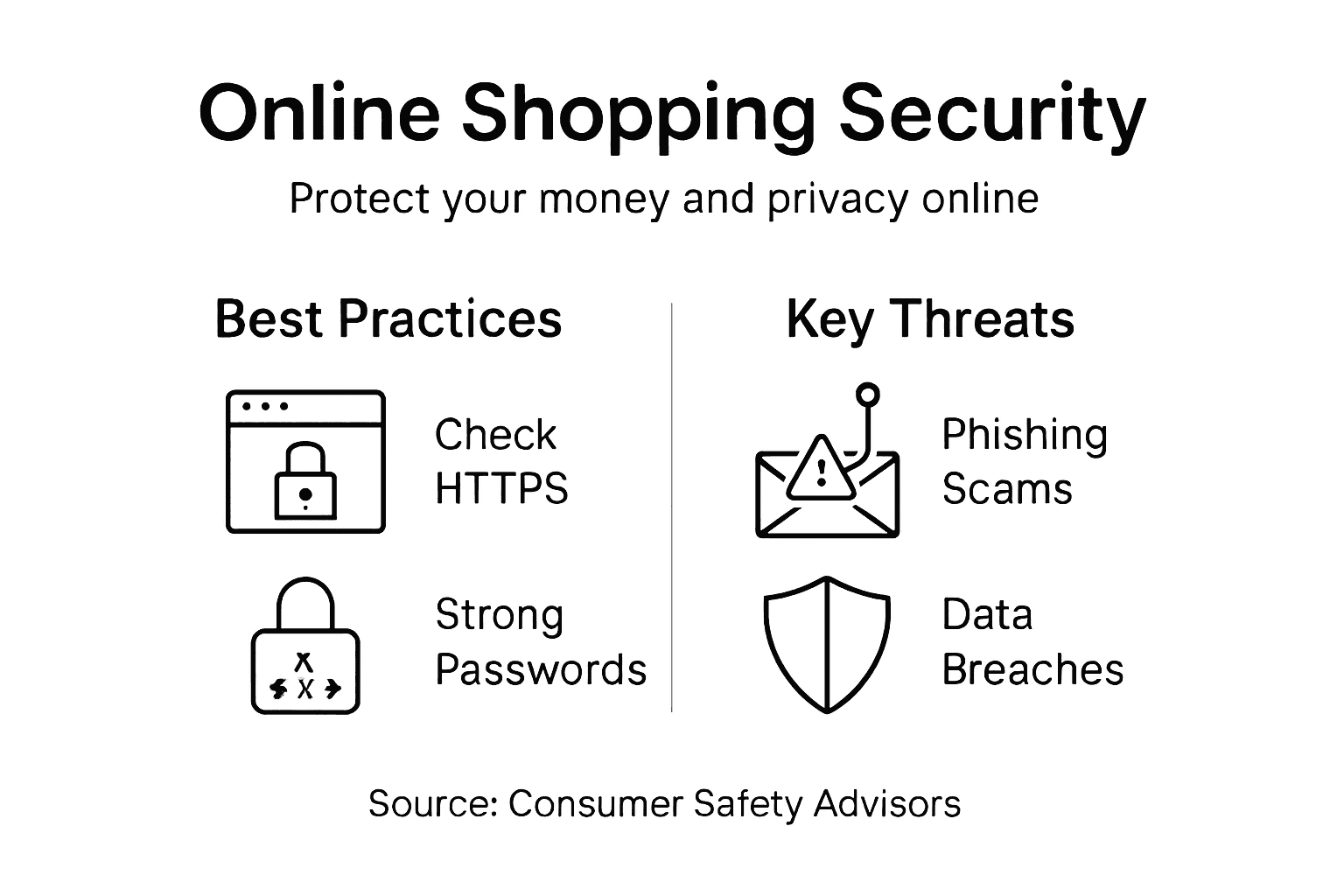
Pro tip: Create a dedicated email address for online shopping accounts to segregate potential spam and reduce exposure to phishing attempts.
Safeguard Your Style and Security When Shopping Online for Home Decor
The article highlights how vital secure online shopping is to protect against identity theft and financial risks while purchasing home accessories. At Homable.co.uk, we understand your need for stylish and functional home products that come with trusted and secure payment methods. Our platform uses secure payment options and provides transparency so you can shop confidently for items like curtains, rugs, and ornaments without worrying about your personal or financial safety.

Explore our curated collections of modern home decor with peace of mind at Homable.co.uk. Protect your online shopping experience by choosing reputable retailers that prioritise your security. Visit our website today to enjoy free shipping on orders over £100 and discover why savvy homeowners trust us for quality, affordability, and secure transactions. Start enhancing your living space safely and stylishly now.
Frequently Asked Questions
What are the key practices for secure online shopping?
To ensure secure online shopping, verify website authenticity, check for HTTPS encryption, use strong and unique passwords, monitor bank statements, and install reputable antivirus software.
How can I identify phishing scams while shopping online?
Phishing scams can often be spotted by looking for emails or websites that mimic legitimate retailers. They may create a sense of urgency or offer unrealistic deals, prompting users to divulge sensitive information.
What payment protection methods should I use during online transactions?
Implement two-factor authentication, use secure socket layer (SSL) encryption, consider virtual credit card numbers, and utilise tokenisation and biometric verification systems for added security.
What are the risks of neglecting online shopping security?
Neglecting online shopping security can lead to identity theft, unauthorised financial transactions, damage to credit scores, exploitation of personal information, and significant emotional stress from dealing with security breaches.