Cart
0

Choosing how to decorate your home in a busy United Kingdom city can feel like walking a fine line between style and personal comfort. For many young homeowners, creating a space that tells a story is just as important as following modern trends. With curated home design, you can craft rooms that combine personal narrative with thoughtful touches, turning any living space into a genuine reflection of your identity without straining your budget.
Table of Contents
- Defining Curated Home Design Principles
- Key Elements and Characteristics of Curation
- Types of Curated Interiors: Modern to Eclectic
- How to Curate Your Own Living Space
- Comparing Curated Design to Mainstream Trends
- Common Pitfalls and How to Avoid Them
Key Takeaways
| Point | Details |
|---|---|
| Curated Design is Personalised | Curated home design focuses on creating spaces that reflect individual narratives and personal experiences. |
| Emotional Connection is Vital | Successful spaces evoke genuine feelings of comfort and belonging, transcending mere aesthetics. |
| Thoughtful Selection Enhances Aesthetics | Each design element should be purposefully chosen for quality and significance rather than following fleeting trends. |
| Balanced Functionality is Key | Design should harmoniously blend beauty with practicality to support everyday living while reflecting unique identity. |
Defining Curated Home Design Principles
Curated home design represents a sophisticated approach to interior styling that transcends traditional decorating methods. It is fundamentally about creating living spaces that tell a personal narrative through intentional, meaningful selection of design elements. Thoughtful space personalisation transforms ordinary rooms into extraordinary reflections of individual identity.
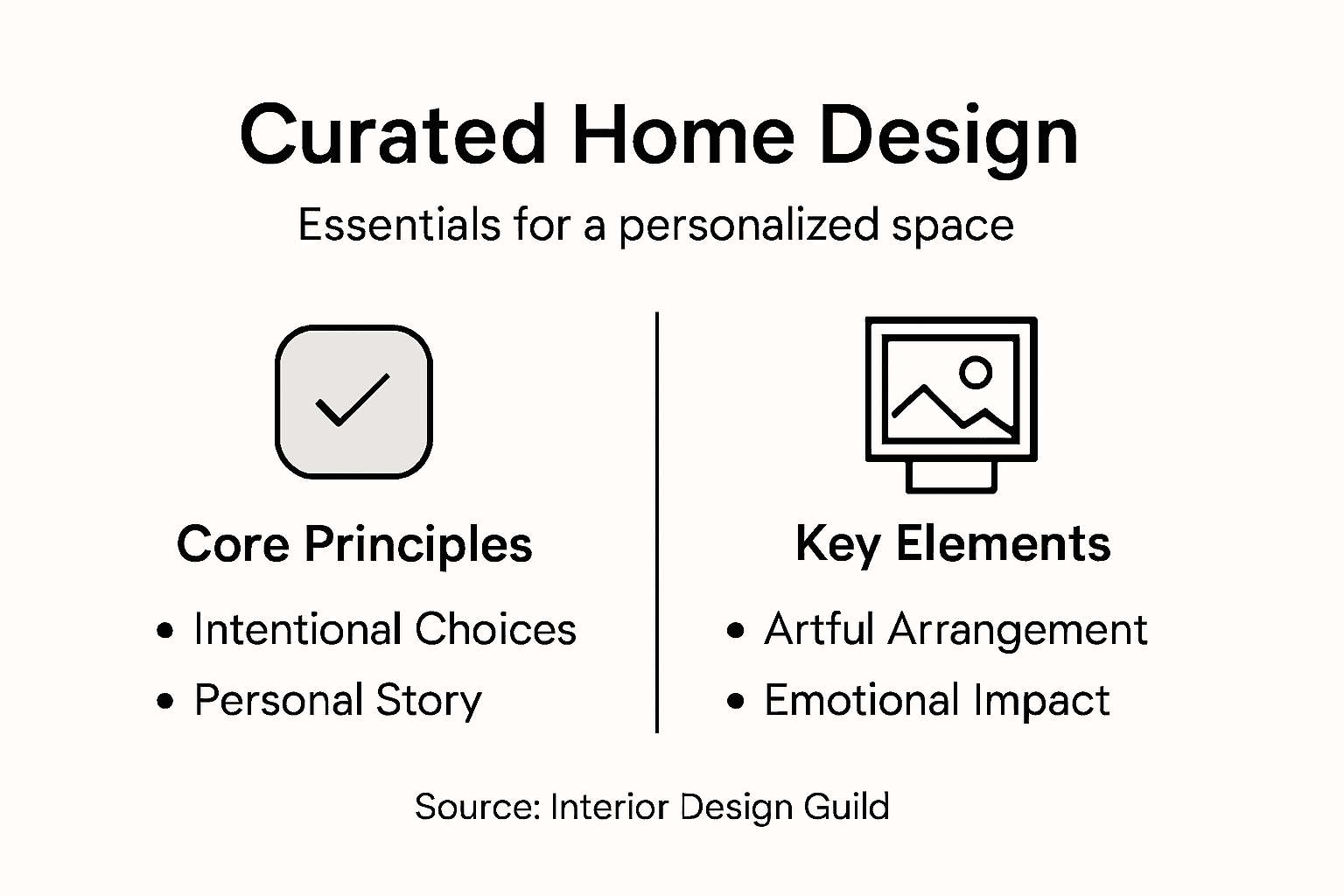
At its core, curated home design involves several key principles that distinguish it from standard interior decoration:
- Intentional Selection: Every item is chosen with purpose and consideration
- Personal Storytelling: Design elements represent the occupant’s unique experiences
- Emotional Resonance: Spaces must evoke genuine feelings of comfort and belonging
- Functional Aesthetic: Beauty and practicality are balanced harmoniously
The methodology goes far beyond simply acquiring attractive furniture or following trendy design directions. Crafting meaningful environments requires deep understanding of personal taste, lifestyle requirements, and emotional connection to physical space. This approach acknowledges that our living environments are not mere containers for existence, but dynamic expressions of individual character.
Successful curated home design demands careful collaboration between the inhabitant and design professionals. It involves detailed consultations to understand personal history, aesthetic preferences, and functional needs. The result is a living space that feels simultaneously cohesive and deeply personal - an environment that supports daily life while celebrating individual uniqueness.
Pro tip: Start your curated home design journey by collecting meaningful objects that genuinely spark joy and represent significant moments in your life, using them as foundational design elements.
Key Elements and Characteristics of Curation
Curated home design is a nuanced art form that demands careful consideration of multiple interconnected elements. Mindful material selection forms the foundational approach, where every texture, colour, and object is deliberately chosen to create meaningful spatial experiences.
The core characteristics of effective curation include:
- Intentional Selection: Prioritising quality over quantity
- Emotional Connection: Ensuring design elements evoke personal significance
- Narrative Creation: Crafting spaces that tell a unique story
- Visual Harmony: Maintaining balanced and cohesive aesthetic compositions
- Personal Expression: Reflecting individual personality through design choices
Artistic arrangement techniques emphasise the importance of strategic placement and thoughtful juxtaposition. Each design element must serve a purpose beyond mere decoration, contributing to an overarching narrative that communicates the inhabitant’s identity, experiences, and aesthetic sensibilities.
Successful curation requires a delicate balance between functionality and emotional resonance. Designers must carefully consider spatial dynamics, ensuring that each carefully selected piece not only looks aesthetically pleasing but also supports the practical needs of daily life. The goal is to create an environment that feels simultaneously personal, comfortable, and visually compelling.
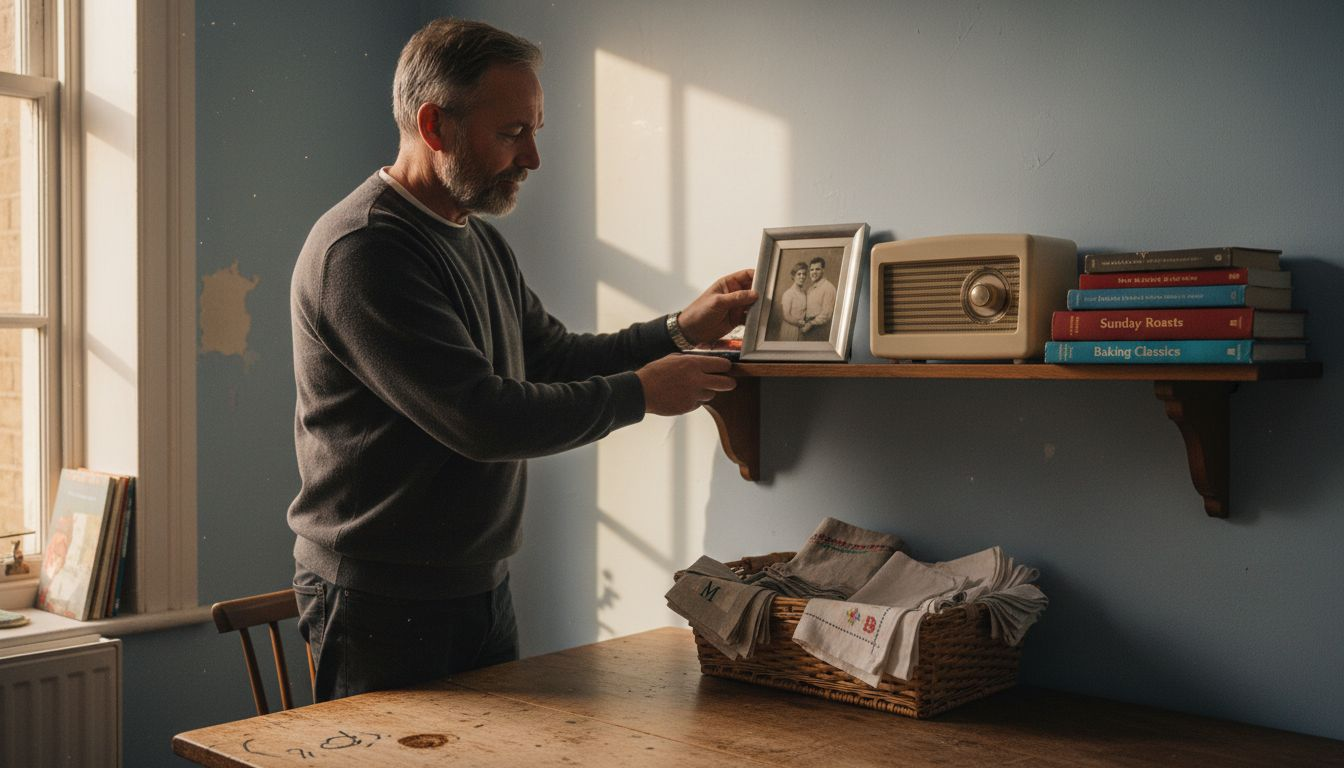
Pro tip: Create a design mood board that captures your personal aesthetic, using photographs, fabric swatches, and collected items to help visualise your curated space before making final design decisions.
Types of Curated Interiors: Modern to Eclectic
Curated interior design encompasses a rich spectrum of styles, ranging from minimalist modern approaches to vibrant eclectic compositions. Thoughtful style blending represents the core principle that transforms spaces from merely decorated to deeply personal environments.
The primary categories of curated interiors include:
- Modern Minimalist: Clean lines, neutral palettes, functional design
- Contemporary Eclectic: Dynamic mix of periods, textures, and cultural influences
- Vintage Curated: Carefully selected historical pieces with contemporary context
- Industrial Fusion: Combining raw materials with refined design elements
- Global Narrative: Incorporating international design influences and cultural artefacts
Modern eclectic design strategies emphasise the delicate balance between diverse design elements. This approach allows for creative expression while maintaining visual cohesion, enabling homeowners to craft spaces that reflect their unique personality and aesthetic sensibilities.
Each curated interior style requires nuanced understanding of design principles, colour theory, and spatial dynamics. The key is not simply collecting interesting pieces, but creating a harmonious environment where each element contributes to an overarching narrative. Successful curation transcends mere decoration, transforming living spaces into personal museums that tell compelling stories about their inhabitants.
Here is a quick-reference guide to curated interior styles and their defining features:
| Style | Key Characteristics | Typical Materials |
|---|---|---|
| Modern Minimalist | Clean lines, open space, subtle décor | Wood, glass, neutral hues |
| Contemporary Eclectic | Mixed eras, bold accents, playful contrast | Metal, patterned textiles |
| Vintage Curated | Historic pieces with modern context | Antique woods, velvet |
| Industrial Fusion | Raw textures, exposed elements, balance | Brick, steel, concrete |
| Global Narrative | Cultural artefacts, layered stories | Ceramics, woven fabrics |
Pro tip: When exploring different curated interior styles, start by selecting a foundational colour palette that connects seemingly disparate design elements and creates visual unity.
How to Curate Your Own Living Space
Curating a personal living space is an intimate journey of self-expression and intentional design. Defining a personal vision serves as the foundational step in transforming your home into a meaningful sanctuary that genuinely reflects your unique identity and lifestyle.
The curation process involves several strategic approaches:
- Personal Storytelling: Select items that represent your journey and experiences
- Functional Design: Prioritise pieces that serve practical purposes
- Emotional Resonance: Choose elements that evoke positive feelings
- Visual Harmony: Create cohesive relationships between different design elements
- Flexibility: Allow space for future evolution and personal growth
Successful home curation requires a thoughtful, methodical approach. Begin by conducting a comprehensive assessment of your existing space, identifying areas that feel disconnected or lack personal character. Consider the emotional and functional requirements of each room, understanding that curated spaces are not about perfection, but about creating environments that genuinely support and inspire your daily life.
Each design decision should be intentional and reflective of your personal narrative. This means moving beyond trend-driven selections and focusing on pieces that have genuine meaning, whether through personal history, aesthetic appeal, or functional significance. The most compelling curated spaces tell a story - they are living, breathing representations of the individuals who inhabit them.
Pro tip: Create a digital mood board using platforms like Pinterest to collect and visualise design elements before making physical purchases, helping you maintain a cohesive vision.
Comparing Curated Design to Mainstream Trends
The landscape of interior design is increasingly distinguished by the fundamental differences between curated approaches and mainstream design trends. Cultural design relevance emerges as a critical distinguishing factor, highlighting the depth and intentionality of curated design methodologies.
Key distinctions between curated and mainstream design include:
- Personalisation: Curated design prioritises individual narrative
- Depth: Focuses on meaningful connections over surface-level aesthetics
- Originality: Emphasises unique expressions rather than mass-market appeal
- Cultural Specificity: Celebrates diverse influences and personal experiences
- Longevity: Values timeless design over transient trends
Innovative design approaches challenge the conventional understanding of interior styling. Mainstream design often operates on a model of rapid consumption and standardised aesthetics, whereas curated design represents a more thoughtful, reflective process that connects deeply with individual and cultural narratives.
The fundamental philosophy of curated design rejects the notion of universal, one-size-fits-all aesthetic solutions. Instead, it champions a more nuanced approach that recognises the complexity of personal taste, cultural background, and individual lived experiences. This approach transforms interior spaces from mere functional environments into rich, multilayered expressions of identity.
To help distinguish curated home design from mainstream trends, consider the following comparisons:
| Aspect | Curated Design Approach | Mainstream Trends Approach |
|---|---|---|
| Personalisation | Highly individual, narrative-led | Broad appeal, less tailored |
| Lifespan | Focusses on long-term value | Often short-lived, trend-driven |
| Cultural Influence | Embraces diverse backgrounds | Rarely specific, more generic |
| Acquisition Process | Deliberate and reflective | Frequently impulsive or hurried |
Pro tip: Develop a personal design manifesto that outlines your aesthetic values, helping you resist impulse purchases and maintain a cohesive, meaningful design approach.
Common Pitfalls and How to Avoid Them
Curated home design represents a nuanced approach that requires careful navigation to avoid common design mistakes. Design integrity demands a thoughtful strategy that prevents individuals from falling into predictable traps that can undermine their creative vision.
Key pitfalls in curated home design include:
- Over-Matching: Avoiding uniform colour schemes and textures
- Trend Dependency: Resisting temporary design fads
- Overcrowding: Maintaining spatial breathing room
- Neglecting Functionality: Balancing aesthetic with practical needs
- Ignoring Personal Narrative: Ensuring design reflects individual identity
Many homeowners mistakenly approach curated design as a prescriptive process, attempting to follow rigid rules rather than embracing organic, personal expression. This mechanical approach often results in spaces that feel sterile and disconnected, lacking the emotional resonance that defines truly exceptional interior design.
Successful curation requires continuous learning and adaptation. Recognise that design is an evolving journey, not a destination. Be willing to experiment, make mistakes, and understand that your space will naturally transform alongside your personal growth and changing life experiences. Embrace imperfection and allow your living environment to tell a dynamic, ongoing story.
Pro tip: Create a design journal to track your aesthetic evolution, documenting inspiration, experiments, and learnings to help refine your curated approach over time.
Elevate Your Space with Curated Home Design Solutions
The journey to a truly curated home is about intentional selection, personal storytelling, and emotional resonance. If you find yourself challenged by overmatching, trend dependency, or lacking cohesion in your interiors, Homable.co.uk offers a thoughtfully curated collection that can help you overcome these pain points. Our products balance beauty and functionality, allowing you to craft unique, meaningful environments that reflect your personality and lifestyle.
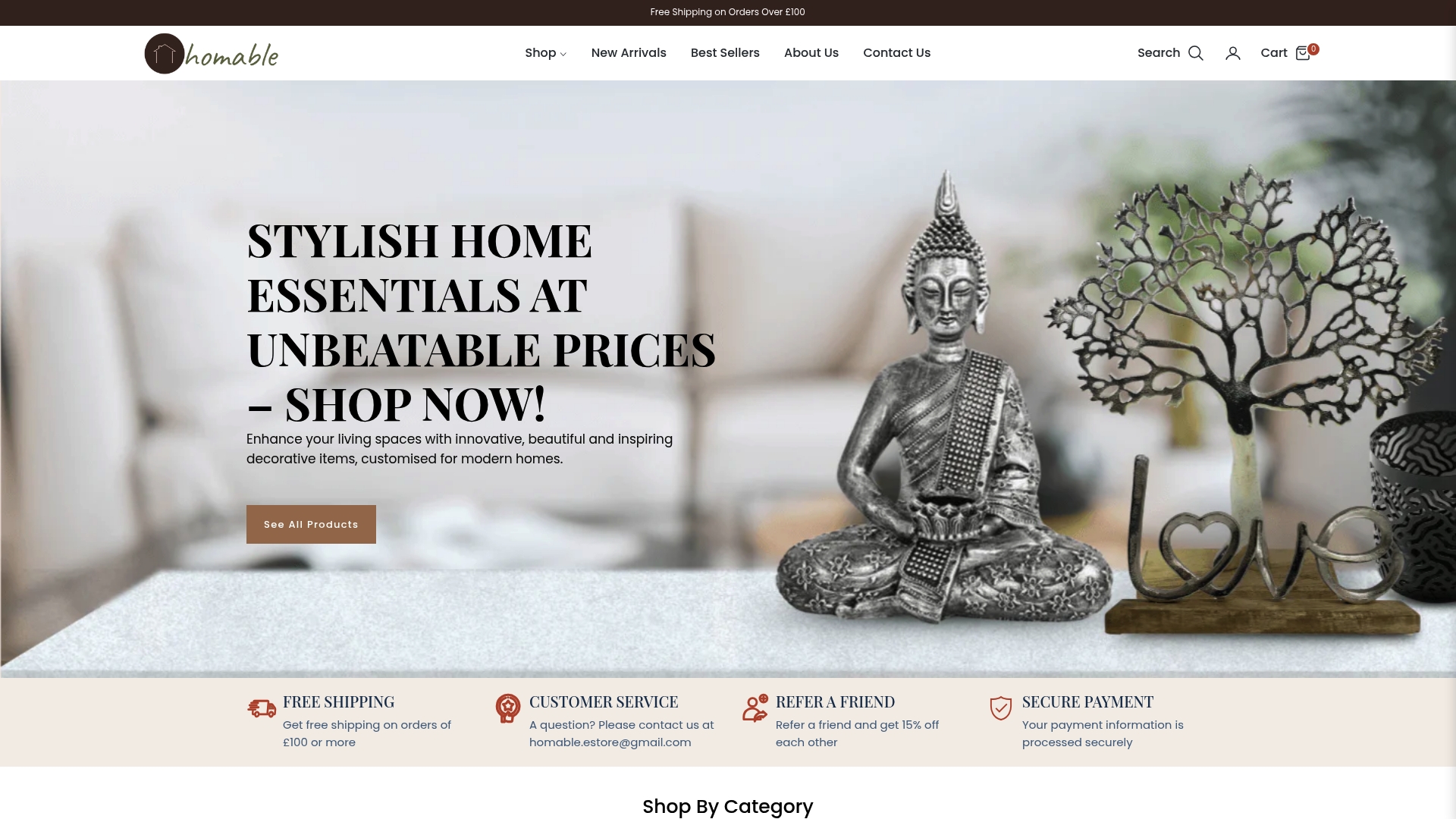
Explore our diverse range of stylish home accessories and decor designed to support your curated design vision. Whether you seek distinctive ornaments, elegant curtains, or practical storage solutions, discover how curated collections can transform your living space today. Start your personalised curation journey now by visiting Homable.co.uk and experience the perfect balance of innovative design, quality, and affordability.
Frequently Asked Questions
What is curated home design?
Curated home design is an intentional approach to interior styling that focuses on creating living spaces that reflect personal narratives through meaningful selection of design elements.
Why is personal storytelling important in curated home design?
Personal storytelling helps to ensure that design elements resonate emotionally and represent the unique experiences of the individual, transforming a space from merely decorative to deeply personal.
How can I start curating my own living space?
Begin by collecting meaningful objects that spark joy and represent significant moments in your life. Create a mood board to visualise how these elements will come together in your space.
What are common pitfalls in curated home design?
Common pitfalls include over-matching colours and textures, following fleeting trends, overcrowding spaces, neglecting functionality, and ignoring personal narratives. It’s essential to maintain a balance between aesthetic appeal and practical needs.