Cart
0
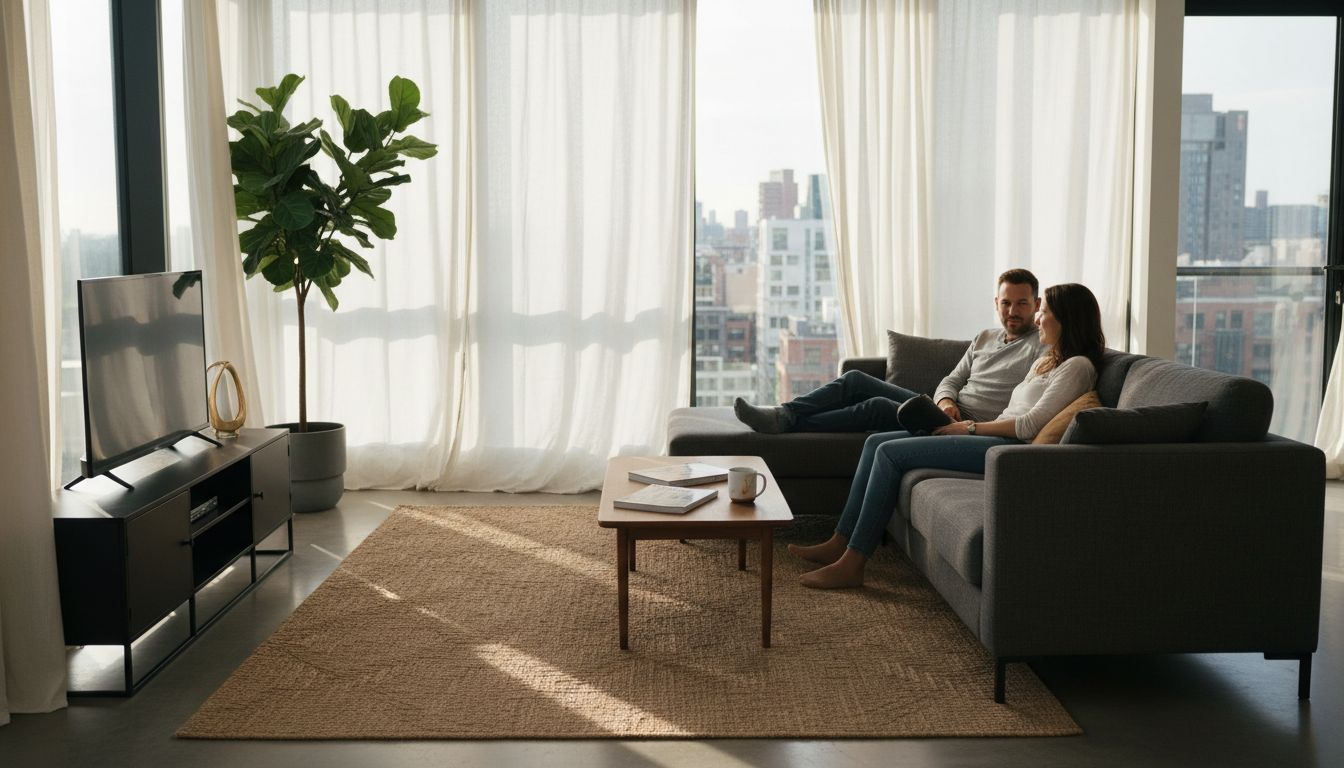
Choosing how your home looks often feels like a balancing act between style and practicality. Modern design cuts through this confusion with its focus on clean lines, minimal ornamentation, and functionality. This aesthetic, shaped by early 20th century innovators in places like Germany and the United Kingdom, proves both timeless and adaptable, offering practical solutions for busy lives. Whether you crave simplicity or want to bring nature indoors, understanding today’s modern design trends helps you create a space where beauty and comfort work together for lasting impact.
Table of Contents
- Modern Design Trends Defined And Explained
- Popular Styles: Minimalism, Biophilic, Quiet Luxury
- Key Features: Materials, Colours, And Technology
- Functional Impact On Comfort And Usability
- Sustainability In Contemporary Home Decor
- Common Mistakes And How To Avoid Them
Key Takeaways
| Point | Details |
|---|---|
| Embrace Modern Design Principles | Focus on simplicity and functionality by removing unnecessary elements that do not serve a purpose. |
| Prioritise Materials and Sustainability | Choose durable, natural materials and consider their lifecycle to create both aesthetically pleasing and environmentally responsible spaces. |
| Balance Aesthetics and Usability | Ensure that design choices enhance daily functionality, making spaces comfortable and easy to navigate. |
| Avoid Common Design Pitfalls | Be cautious of overcrowding spaces and sacrificing personalisation for aesthetics; strive for a balance that reflects individuality and warmth. |
Modern design trends defined and explained
Modern design isn’t just about how something looks. It’s fundamentally about solving problems through simplicity and honesty. Clean lines, minimal ornamentation, and functionality form the core of this aesthetic that emerged in the early 20th century and continues to shape how we design our homes today. Unlike historical styles that piled on ornamental details for decoration alone, modern design strips away the unnecessary and asks a single question for every element: does this serve a purpose? If it doesn’t, it goes. This philosophy represents a complete break from what came before, embracing industrial materials like steel, glass, and concrete instead of relying on traditional choices.
What makes modern design particularly relevant for today’s homeowners is its laser focus on both form and function working together seamlessly. Rather than treating aesthetics and practicality as competing interests, modern design insists they must work hand-in-hand. You’ll notice this in the key characteristics that define the movement: geometric forms that create visual interest without fussy embellishment, open floor plans that maximise space and light, and the honest expression of materials. A concrete wall stays a concrete wall rather than being hidden behind wallpaper. Wood is celebrated for its grain and texture. Metal fixtures are left visible and polished. This transparency in material selection creates interiors that feel genuine and purposeful.
Today’s version of modern design has evolved beyond just form following function. It now incorporates sustainability and user-centric design, meaning contemporary practitioners consider environmental impact and how spaces actually serve the people living in them. This isn’t dusty museum aesthetics—it’s a living, breathing approach that adapts to our changing lives and values. When you look at modern design trends in homes today, you’re seeing the influence of technological advances, environmental consciousness, and a genuine desire to create spaces that work harder, look better, and respect both people and planet. The movement continuously refreshes itself to meet contemporary needs rather than clinging rigidly to rules set a century ago.
Pro tip: Start introducing modern design into your space by focusing on one principle at a time, such as removing decorative clutter from a single room and allowing walls and floors to breathe, before expanding the approach throughout your home.
Popular styles: minimalism, biophilic, quiet luxury
Three distinct design movements have emerged that all embrace modern design principles whilst taking wildly different approaches to materials, philosophy, and atmosphere. Minimalism strips spaces back to bare essentials, creating calm through absence rather than abundance. Biophilic design brings nature indoors through living elements and natural materials, whilst quiet luxury whispers rather than shouts, favouring understated elegance and premium craftsmanship. Understanding how these styles differ helps you choose which resonates most with your home and lifestyle. Each has gained traction in recent years precisely because they align with what people actually want from their living spaces: peace, authenticity, and intentionality.
Minimalism remains the foundation many homeowners start with when adopting modern design. This style operates on a clear principle: every object must earn its place. Clutter becomes a visual and mental burden, so minimalism eliminates it ruthlessly. Neutral colour palettes, uncluttered surfaces, and carefully selected pieces create breathing room that feels intentional rather than bare. The appeal lies in both aesthetics and practicality. Your eye rests. Your mind quietens. Your space becomes easier to maintain and clean. However, minimalism requires discipline. It’s easy to tip into coldness or sterility if you’re not thoughtful about it. Biophilic design solves this by introducing warmth through natural elements, bringing green walls, plants, natural light, and organic materials that make spaces feel alive rather than austere. This approach recognises that humans crave connection to nature, even within urban homes. The result feels calming without feeling empty.
Quiet luxury occupies a different territory altogether. Rather than removing elements, quiet luxury adds exceptional quality in subtle ways. Think rare woods, fine leather, premium textiles, and sophisticated neutral tones that whisper rather than announce themselves. Quiet luxury and nature-connected minimalism share simplicity but diverge sharply in material philosophy. Minimalism celebrates restraint; quiet luxury celebrates refinement. A minimalist room might feature a simple wooden table and nothing else. A quiet luxury room features an exceptional timber table in a rare wood species, positioned with precision. Both create calm, but minimalism does it through absence whilst quiet luxury does it through presence of beautiful things. For homeowners seeking to blend affordability with style, understanding these distinctions helps you invest strategically. You can adopt minimalist principles whilst adding biophilic elements through houseplants and natural materials. Or you can create quiet luxury through one statement piece rather than filling every corner. The choice depends on your values and budget.
Here’s how three popular modern design styles differ in philosophy, atmosphere, and material choices:
| Style | Core Philosophy | Typical Atmosphere | Preferred Materials |
|---|---|---|---|
| Minimalism | Essential function | Calm and uncluttered | Wood, glass, subtle metals |
| Biophilic Design | Connection to nature | Vibrant and organic | Plants, natural fibres, stone |
| Quiet Luxury | Understated quality | Elegant and refined | Rare woods, fine textiles, leather |
Pro tip: Start by identifying which philosophy speaks to you most, then commit to one style for a single room before expanding throughout your home, allowing you to understand what genuinely works with your daily routines rather than committing to all three styles simultaneously.
Key features: materials, colours, and technology
Modern design translates its philosophy into tangible choices that shape how your home looks and functions. The materials you select, the colours you choose, and how you incorporate technology all work together to create a cohesive modern space. These three elements aren’t independent decisions. They interact constantly. A sleek stainless steel pendant light (technology and material) works best against white walls (colour) with concrete flooring (material). A smart heating system (technology) functions more efficiently when paired with energy-efficient glazing (material) and light, neutral tones that reflect heat (colour). Getting these right means understanding what each brings to your space.
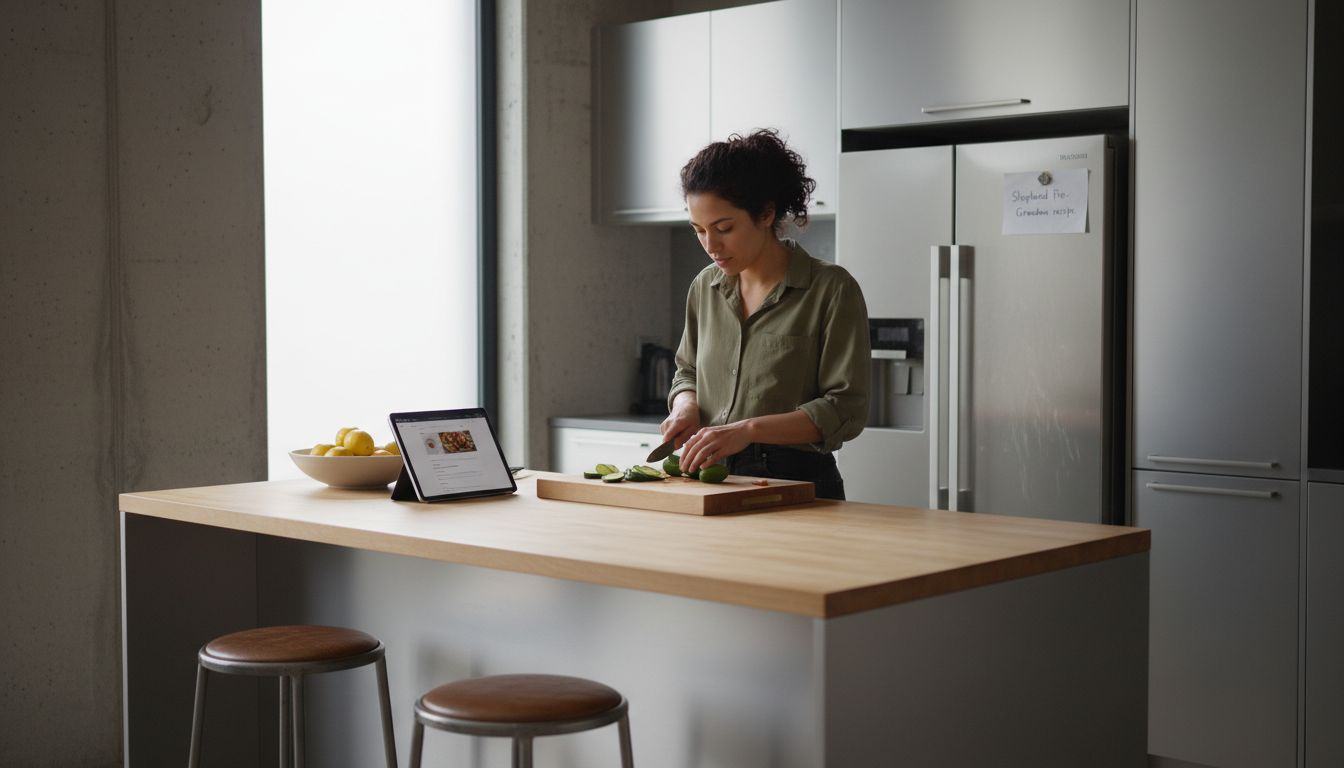
Materials form the physical foundation of modern design. Industrial materials like steel, glass, and concrete dominate modern interiors, but they’re balanced with warmth through natural elements such as wood and leather. Steel appears in door frames, light fixtures, and furniture legs, creating visual interest through its clean geometry and reflective quality. Glass opens up spaces, allowing light to flow and creating transparency between rooms. Concrete, whether as flooring or feature walls, brings raw honesty and textural depth. But this trio of industrial materials can feel harsh without softening elements. That’s where natural materials enter. Warm timber brings organic texture and psychological comfort. Leather upholstery adds tactile richness. These materials aren’t chosen randomly. They’re selected because they age beautifully, require minimal ornamentation, and celebrate their honest expression.
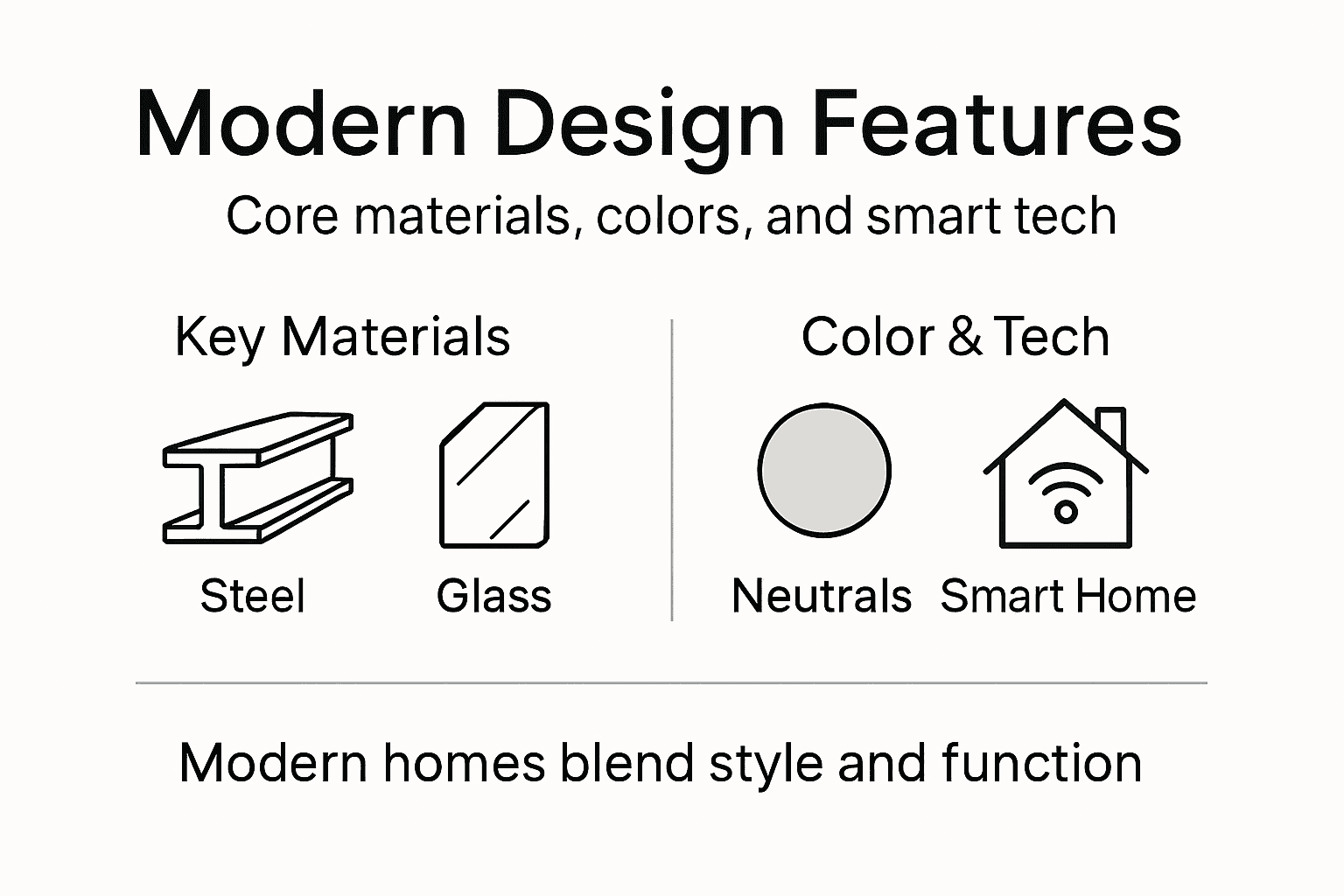
Colour palettes in modern design follow strict discipline. Neutral tones dominate, including whites, blacks, greys, and earth tones like beige and taupe. These colours serve a practical purpose: they create visual calm and allow materials and forms to take centre stage rather than colour commanding attention. Against this neutral backdrop, occasional bold accents appear, usually through artwork, furnishings, or a single feature wall. A minimalist white bedroom with one charcoal accent wall creates drama without chaos. This restraint requires confidence. Many homeowners fear neutrals will look boring, but neutrals actually create sophisticated backdrops that showcase beautiful furniture and natural light throughout the day.
Technology integration separates contemporary modern design from 20th century modernism. Smart systems now enhance functionality and efficiency in ways designers a century ago could only imagine. Energy-efficient glazing and smart materials respond to environmental conditions, optimising comfort whilst reducing energy consumption. Smart lighting adjusts throughout the day. Connected thermostats learn your patterns. Building information modelling during design ensures every system works harmoniously. Yet technology shouldn’t dominate your space visually. Modern design keeps technology invisible or beautifully integrated. Wiring disappears into walls. Devices blend into minimalist surfaces. The technology serves the design, never overwhelms it.
Pro tip: Choose two to three core materials you love, three to four neutral base colours, then add technology gradually starting with one smart system such as lighting or heating, allowing you to understand how each addition affects your space before expanding further.
Functional impact on comfort and usability
Modern design’s greatest strength isn’t purely aesthetic. It’s that beautiful spaces actually work better. When you strip away unnecessary elements and prioritise how people move through rooms, eat meals, work from home, and relax, something shifts. Your space stops fighting you and starts supporting you. This is the functional impact of modern design: spaces become easier to use, maintain, and genuinely live in. The connection between form and function runs so deep in modern design that you can’t separate them. A minimalist kitchen with clearly zoned prep, cooking, and storage areas doesn’t just look clean. It makes cooking faster and safer because everything has its place. Ergonomic considerations and functional zoning ensure your body moves naturally through spaces without strain. Your arms reach countertops at comfortable heights. Chairs support your posture. Lighting arrives where you need it, not where it looks decorative.
Physical comfort connects directly to psychological wellbeing in ways many people don’t realise until they experience it. Natural lighting entering through unobstructed windows, combined with minimal visual clutter, reduces mental fatigue and improves mood. Warm textiles like linen and wool, paired with neutral wall colours, create spaces that feel calm rather than sterile. When your bedroom contains only a bed, a small table, and one chair, your mind relaxes at night instead of cataloguing items and tasks. Comfort isn’t just about soft furnishings. It’s about the absence of unnecessary stimulation. This is why people visiting modern homes often report feeling immediately more relaxed. Their nervous systems aren’t processing visual noise. The space breathes, and so do they. Smart technologies amplify this comfort by handling tedious tasks invisibly. Smart thermostats maintain perfect temperature without you thinking about it. Lighting automatically adjusts as the sun moves. You’re freed from managing systems and can focus on actually living.
Usability determines whether a design actually improves your daily life or becomes an Instagram fantasy you resent living in. Functional zoning divides spaces according to activities, creating separate mental and physical territories within open plans. Your living area remains visually connected to your kitchen but acoustically separated through furniture arrangement and materials. Your home office occupies a corner with focused lighting, away from household traffic. Each zone supports its intended purpose without compromise. Accessibility matters profoundly here. Can you easily reach frequently used items? Do doorways accommodate movement with furniture? Can you navigate the space safely at night? Modern design answers yes to all these questions through thoughtful spatial organisation rather than decorative problem-solving. The result is homes that age with you, accommodating changing mobility needs without redesign.
Pro tip: Before purchasing new furniture or decor, spend a week living in your space exactly as it currently exists, noting which activities feel awkward or frustrating, then address those functional gaps through strategic changes rather than aesthetic impulses.
Sustainability in contemporary home decor
Sustainability has shifted from being a niche concern to a central consideration in how modern homeowners design their spaces. The motivation is straightforward: your home decor choices ripple outward into landfills, manufacturing systems, and resource consumption patterns. Modern design already champions simplicity and longevity, which aligns naturally with sustainability. A well-made minimalist chair outlasts ten disposable alternatives. A concrete floor lasts decades without replacement. But contemporary sustainability in home decor goes deeper than durability. It questions where materials come from, how they’re made, and what happens when you’re finished with them. Circular economy principles encourage reusing second-hand, inherited, and recycled materials, extending the lifecycle of furniture and interior elements whilst reducing waste. This isn’t about sacrifice or compromise. Second-hand vintage furniture often surpasses new alternatives in both quality and character. Inherited pieces carry history and meaning. Recycled materials tell stories. When you choose these options, you’re building spaces with depth alongside reducing environmental impact.
The practical challenge lies in implementing sustainability thoughtfully without becoming paralysed by environmental guilt. Lifecycle thinking means considering a product’s entire journey: where raw materials originated, how they were processed, how the item gets transported, how long it functions, and ultimately what happens at end-of-life. A locally produced wooden chair made from sustainably harvested timber carries a vastly different environmental footprint than an imported synthetic one. Yet a synthetic chair that lasts twenty years might ultimately prove more sustainable than a beautiful wooden chair replaced every five years. The math isn’t always obvious. This is where knowledge becomes power. Learning basic material properties, asking sellers about sourcing, and choosing quality over quantity transforms your purchasing from impulse-driven to intentional. You begin seeing furniture acquisition as investment rather than consumption.
Integrating sustainability into your home doesn’t require overhauling everything at once. Start with what you already own. Before purchasing anything new, assess existing pieces honestly. That thrifted armchair might work perfectly in your bedroom, eliminating the need for a new purchase. Empty rooms teach powerful lessons. Live in a space for several weeks before filling it, understanding what you genuinely need versus what you think you should want. When you do purchase, prioritise quality and longevity over trends. Natural materials like solid wood, linen, wool, and leather age beautifully and biodegrade responsibly. Research retailers’ sustainability claims rather than accepting marketing at face value. Homable.co.uk and similar curated platforms increasingly focus on thoughtful design that transforms living spaces, often emphasising quality and intentional consumption. Join communities sharing second-hand pieces and furniture swaps in your area. These informal networks extend product lifecycles whilst building neighbourhood connections. Sustainability becomes not a burden but a satisfying practice of conscious living.
Below is a summary of key sustainable decor strategies and their practical impact:
| Strategy | Environmental Benefit | Practical Impact |
|---|---|---|
| Reusing second-hand items | Minimises landfill waste | Adds unique character |
| Selecting durable materials | Reduces replacements needed | Cost-effective long-term |
| Local sourcing | Lowers transport emissions | Supports local businesses |
| Lifecycle assessment | Promotes conscious choices | Improves long-term value |
Pro tip: Before any new purchase, wait two weeks; if you still want the item and can articulate its specific function in your space, proceed; if the desire fades, you’ve saved money and reduced unnecessary consumption.
Common mistakes and how to avoid them
Modern design sounds simple in theory. Strip things back. Choose quality. Prioritise function. But translating this philosophy into your actual home reveals where most people stumble. The mistakes aren’t usually catastrophic. They’re the subtle missteps that transform a space from genuinely functional into looking the part whilst failing to live well. The good news is that these pitfalls are entirely avoidable once you recognise them. The most common mistake involves prioritising aesthetics over actual functionality. A minimalist space that looks Instagram-perfect but makes daily life awkward defeats the entire purpose. Your sofa sits too close to the television because the proportions looked clean. Your kitchen lacks counter space because open shelving looked sleeker. Your bedroom feels cold rather than calm because you eliminated all texture in pursuit of visual purity. Modern design should be the opposite of this. It should solve problems through restraint, not create new ones. Ask yourself honestly: does this choice serve how I actually live, or am I serving the design?
Another critical error involves neglecting natural light and scale relationships within your space. A perfectly colour-matched minimalist room becomes claustrophobic if you ignore how sunlight moves through it. Windows get covered to maintain aesthetic consistency. Proportions get ignored because a piece “matches the style”. Natural light isn’t decoration. It’s functional. It affects mood, energy, and whether your space feels open or confined. Scale matters equally. A tiny apartment needs different proportions than a sprawling house. Oversized furniture in a small space overwhelms the room regardless of how minimalist the design is. Undersized pieces in larger spaces create visual chaos by fragmenting the space into disconnected elements. Before purchasing anything substantial, measure your spaces carefully and understand how light moves through them throughout the day. This intelligence prevents costly mistakes that no amount of styling can remedy.
Overcrowding represents perhaps the sneakiest mistake modern design enthusiasts make. The irony is painful: people adopt minimalism to reduce clutter, then gradually reintroduce items until their space becomes cluttered again. This happens because they forget that empty space itself is a design element. Blank walls aren’t failures waiting for art. Open surfaces aren’t opportunities for objects. They’re intentional choices that create the calm minimalism promises. Poor quality materials create a different but equally frustrating problem. Choosing budget items that deteriorate quickly forces constant replacement, negating minimalism’s sustainability angle and creating endless decision fatigue. Finally, many homeowners fail to personalise their spaces, resulting in generic interiors that feel like hotel rooms rather than homes. Modern design’s restraint shouldn’t mean sterility. Your space should reflect your life, your values, and your personality, even within a minimalist framework. One treasured object displayed thoughtfully speaks volumes. A collection of family photos arranged with intention creates warmth without clutter.
Pro tip: Take photographs of your space from multiple angles and viewing heights before making any major purchases, then imagine proposed items within those photos to assess whether scale and light relationships work before committing financially.
Elevate Your Home With Modern Design Principles and Curated Style
Discover how embracing modern design trends like minimalism, biophilic design and quiet luxury can transform your living space into a sanctuary that balances beauty, comfort and function. If you find the challenge of achieving simplicity without sterility or struggle to find quality pieces that blend style with everyday usability, you are not alone. Many homeowners want to reduce clutter, enhance natural light and integrate technology invisibly while choosing sustainable materials that respect the planet.
At Homable.co.uk we understand these needs and offer carefully curated home accessories, storage solutions and decorative items that reflect honesty in materials, neutral palettes and timeless craftsmanship. Whether you are starting with a single room or redesigning your entire house, our collections cater to your desire for refined quality and purposeful style. Shop now to enjoy free shipping on orders over £100 and secure payment options. Take your first step toward a home that truly supports your lifestyle by exploring our range and experience modern design made accessible and affordable today.
Frequently Asked Questions
What are the key principles of modern design?
Modern design focuses on simplicity and honesty, prioritising functionality over ornamentation. It emphasises clean lines, minimal decoration, and the use of industrial materials like steel, glass, and concrete.
How can I incorporate modern design into my home?
Start by embracing key principles such as decluttering a room, using neutral colour palettes, and focusing on the functionality of each space. Gradually introduce modern materials and design elements, paying attention to how they complement your lifestyle.
What are the differences between minimalism, biophilic design, and quiet luxury?
Minimalism prioritises essential function and calm through absence, biophilic design integrates nature with living elements, and quiet luxury emphasises understated elegance and high-quality materials without being ostentatious.
How does modern design enhance comfort and usability?
Modern design promotes functional zoning and ergonomic considerations, allowing for easier navigation and use of spaces. It focuses on reducing visual clutter and optimising natural light, which can improve mental wellbeing and physical comfort.