Cart
0
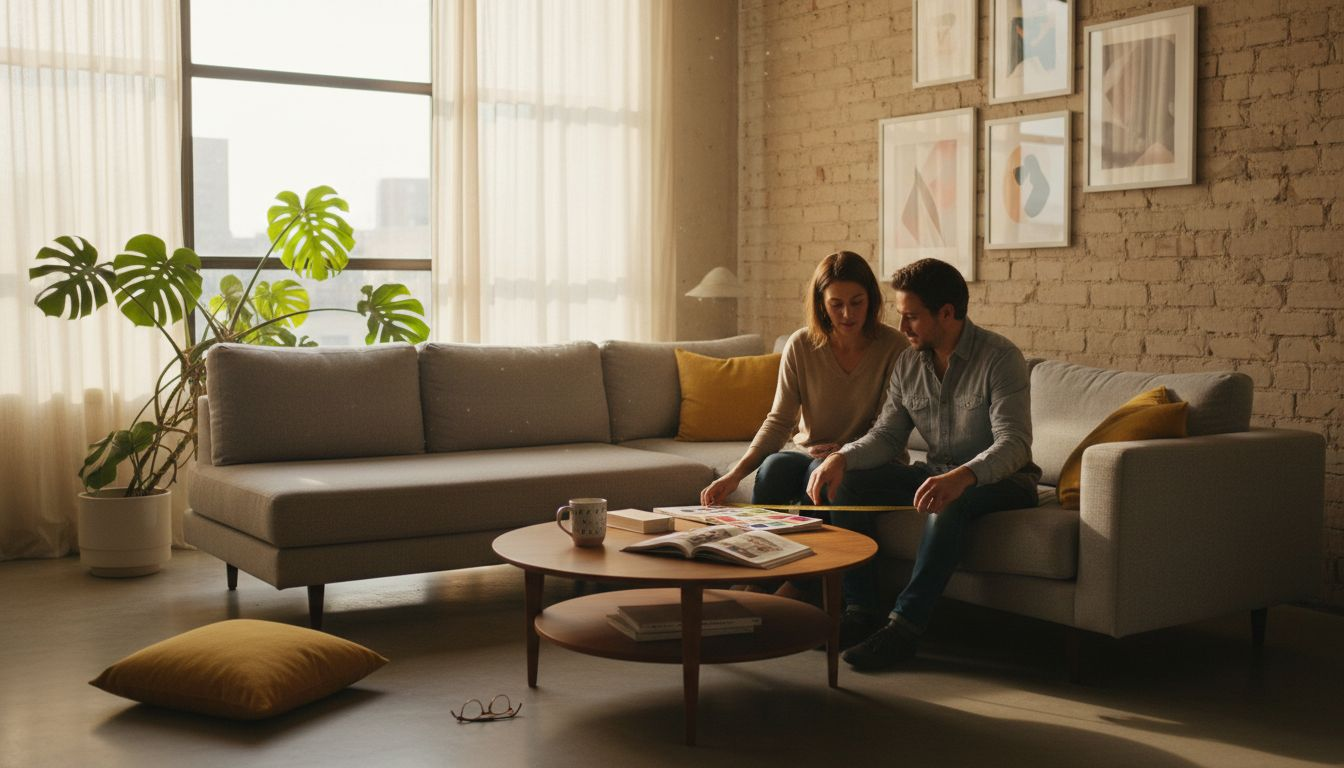
Finding the right way to style a new home can feel like a maze, especially in busy United Kingdom cities where space and budget often compete with creative ambition. Defining both your room’s architecture and your personal style is the foundation for choices that truly reflect who you are. This guide lays out clear, practical steps so you can create a modern space that feels intentional and uniquely yours, while making every decision purposeful rather than impulsive.
Table of Contents
- Step 1: Assess Your Space And Define Your Style
- Step 2: Select Key Decor Pieces To Set Your Theme
- Step 3: Arrange Furniture For Optimal Flow
- Step 4: Layer Accessories To Enhance Ambience
- Step 5: Review And Adjust Details For A Polished Finish
Quick Summary
| Key Insight | Explanation |
|---|---|
| 1. Assess Your Space First | Understand your room’s dimensions and natural light to make informed design choices. |
| 2. Define Your Personal Style | Identify designs you truly enjoy through self-reflection and visual inspiration from magazines and social media. |
| 3. Select Anchor Decor Pieces | Choose larger, statement items that set the tone for your room and ensure cohesive theme. |
| 4. Arrange Furniture Thoughtfully | Create a functional layout for movement by positioning furniture around focal points and ensuring clear pathways. |
| 5. Layer Accessories with Intent | Incorporate diverse textures and elements deliberately to enhance warmth and personality in your space. |
Step 1: Assess your space and define your style
Before you purchase a single cushion or paint a wall, you need to understand what you are working with. Your space has a unique character, shaped by its architecture, natural light, dimensions, and existing layout. Taking time to assess these elements honestly will prevent expensive mistakes and ensure every choice you make feels intentional rather than impulsive. Equally important is knowing your personal style preference, because a beautiful room that does not reflect who you are will never feel like home.
Start by walking through your space with fresh eyes. Look at your room’s proportions. Does it feel cosy and intimate, or open and airy? Check where natural light enters throughout the day and how it changes the colours of your walls and furnishings. Notice architectural features like ceiling height, existing storage, fireplace placement, or period details that might influence your design decisions. Take photographs from different angles and at different times of day. You might also consider understanding your home’s architectural style and context, which provides a foundation for making informed choices that complement rather than clash with your property’s inherent character.
Next, clarify your personal style. This requires honest self-reflection about what actually appeals to you, not what you think you should like. Do you gravitate towards minimalist spaces with clean lines and neutral tones, or do you crave warmth, pattern, and layered textures? Are you drawn to vintage and eclectic pieces, contemporary design, industrial elements, or something entirely unique to you? Look through home magazines, Pinterest boards, and Instagram accounts. Save images that genuinely excite you, then analyse the common threads. You might notice you consistently choose warm woods and earthy colours, or perhaps you gravitate towards bold jewel tones and statement pieces. An interior design style quiz can help guide this discovery by examining your preferences for specific design elements like sofa styles, flooring, lighting, patterns, and art, ultimately helping you articulate exactly what your ideal space looks like.
Here’s a comparison of popular interior design styles and their defining qualities:
| Style Type | Colour Scheme | Key Features | Typical Materials |
|---|---|---|---|
| Minimalist | Neutral, subtle hues | Clean lines, uncluttered | Light woods, metal |
| Eclectic | Bold, varied | Mixed textures, patterns | Vintage, ceramics |
| Contemporary | Monochrome, accent | Sleek, open layout | Glass, steel |
| Vintage | Warm, muted tones | Period details, nostalgia | Antique woods, velvet |
| Industrial | Greys, rustic | Exposed structure | Brick, concrete |
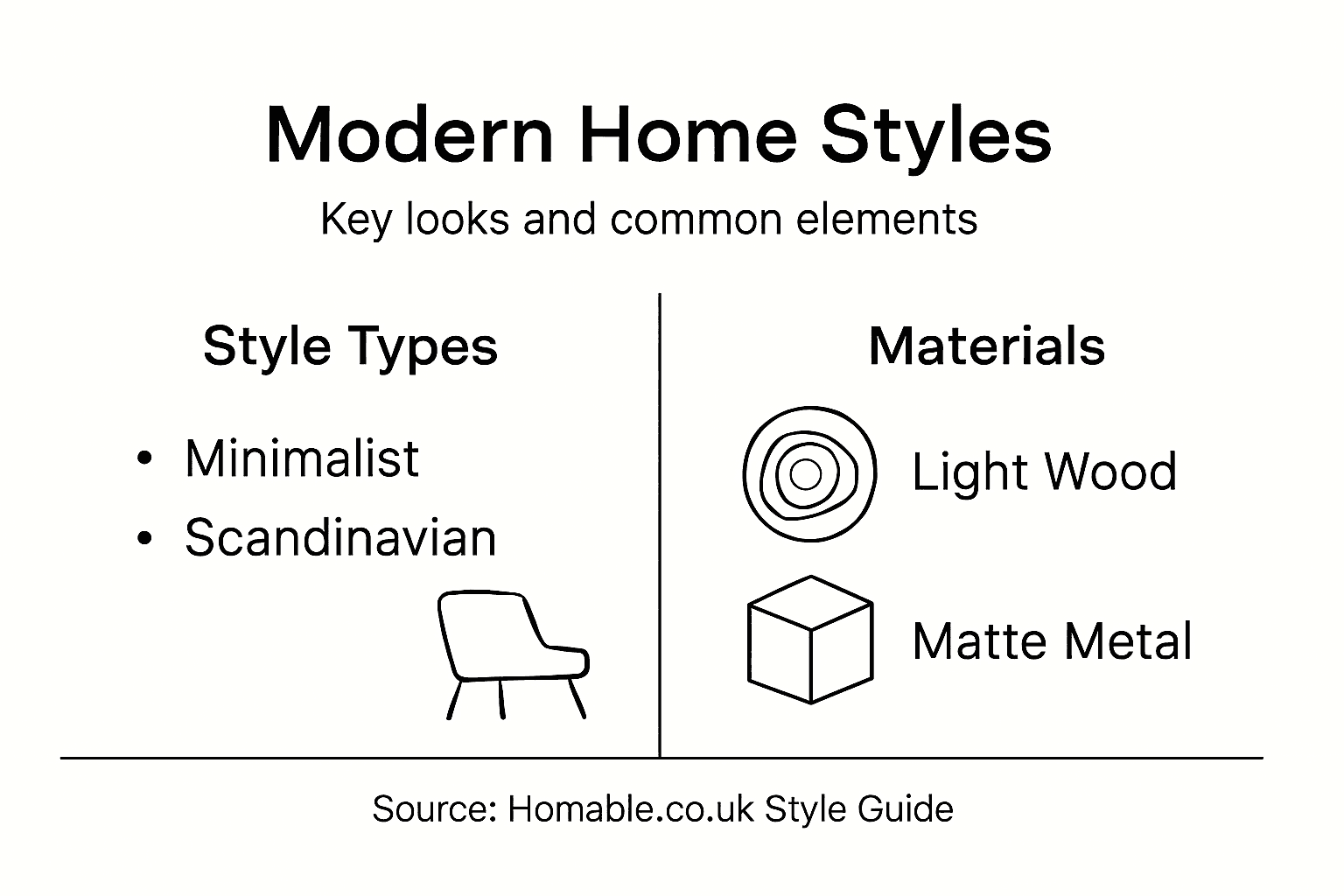
Once you understand both your space and your style, create a simple mood board. This could be physical (photos, fabric swatches, paint samples pinned to a board) or digital (a Pinterest board or document folder). This becomes your reference point throughout the styling process, helping you make cohesive choices rather than scattered impulse buys. Your mood board should include colours that appeal to you, textures you want to incorporate, furniture styles that resonate, and the overall feeling you want to create. This clarity transforms the entire process from overwhelming to purposeful.
Professional tip Take actual measurements of your room and photograph every wall, including ceiling and flooring, as these become invaluable references when shopping for furniture, artwork, and accessories that will actually fit and work within your specific space.
Step 2: Select key decor pieces to set your theme
Now that you understand your space and style, it is time to choose the pieces that will anchor your design and communicate your theme to anyone who enters the room. The right decor items transform a plain space into somewhere that feels intentional and lived in. Rather than buying randomly, you want to select pieces that work together cohesively and tell a story about who you are and what you love.
Start with what interior designers call your “anchor pieces”. These are typically larger or more visually prominent items that set the tone for everything else. Your anchor might be a statement rug, a bold piece of wall art, an interesting lighting fixture, or even a standout piece of furniture. Think about what draws your eye first when you imagine your finished room. This becomes your colour and style reference point. If you choose a patterned rug with warm terracotta and sage green tones, for instance, everything you add afterwards should either enhance these colours or complement them thoughtfully. Work with home accessories that serve both decorative and functional purposes, such as textiles, wall art, lighting, and plants, which together create visual interest and establish your thematic direction. These elements work hardest when they reflect your personal style whilst also supporting your overall design vision.
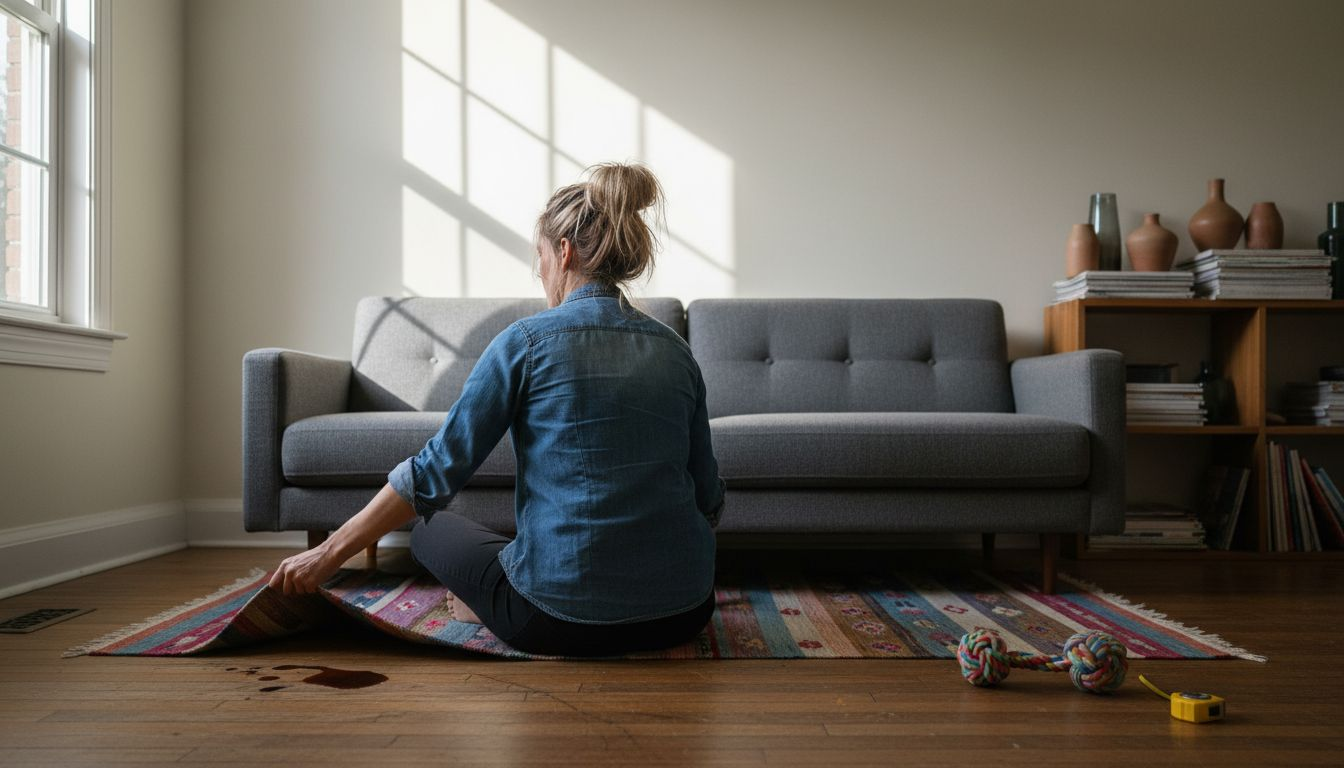
Once your anchor pieces are decided, layer in supporting accessories that strengthen your theme. If your style is minimalist and contemporary, add pieces sparingly: a sleek table lamp, a few carefully chosen art prints, perhaps some plants for organic texture. If your style is warm and eclectic, you have more freedom to mix. A vintage mirror, colourful cushions, woven baskets, small sculptures, and an interesting bookshelf arrangement can all work together beautifully. The key is restraint. Yes, really. Many young homeowners make the mistake of filling every surface immediately. Instead, add pieces gradually and step back frequently. Ask yourself whether each new item genuinely excites you or whether it is just filling space. Selecting and combining accessories thoughtfully, as taught in professional interior styling approaches, ensures your room feels curated rather than cluttered. Your choices should feel intentional, not accidental.
Consider how pieces work together across your entire room, not just within one corner. Your colour palette should flow throughout. Your textures should vary enough to stay interesting but remain cohesive. If you choose a lot of hard, geometric pieces, balance them with something soft and organic. If everything is smooth and polished, add something tactile and natural. This interplay between different elements creates depth and makes your space feel sophisticated rather than one-note. Take photographs as you add pieces and look at them with fresh eyes. Your phone camera often reveals imbalances your eyes miss when you are standing in the room.
Professional tip Invest in a few high-quality anchor pieces and fill remaining space with affordable accessories that you can swap out easily, allowing you to evolve your style without major expense as your taste develops.
Step 3: Arrange furniture for optimal flow
Furniture placement makes or breaks a room. You can have beautiful pieces and a cohesive colour scheme, but if your furniture arrangement feels awkward or blocks movement, your space will never feel comfortable or inviting. Good furniture arrangement is about creating pathways, defining zones, and ensuring people can move naturally through your home without feeling cramped or like they are navigating an obstacle course.
Begin by identifying the natural focal point of your room. This might be a window with a view, a fireplace, a feature wall, or even a television. Arrange your main seating around this focal point so that people naturally face it when they sit. In a living room, this means your sofa typically faces the focal point, with secondary seating angled to create conversation. Avoid pushing all furniture against the walls, which is a common mistake. Floating furniture away from walls actually makes smaller rooms feel larger because it defines the space and creates intimacy. Consider efficient furniture arrangement principles that support optimal flow and functionality, allowing your room to work harder for you in terms of both comfort and usability. Think about how people naturally move through your space. Is there a clear pathway from the door to the seating area? Can someone walk across the room without squeezing past a coffee table or tripping over a footstool? Traffic patterns matter more than you might expect.
Next, think about furniture scale relative to your room size. Large, heavy pieces in a small space create a cramped feeling, whilst tiny furniture in a spacious room looks lost and uncomfortable. Measure your room and your furniture before you commit. A general rule is that your largest furniture piece should take up roughly one third of your room’s visual space. If you have a small bedroom, an oversized sectional will dominate unhappily. If you have a spacious lounge, a delicate two-seater sofa will feel inadequate. Also consider how pieces relate to each other. Mixing different furniture heights creates visual interest and prevents monotony. A low coffee table, a tall bookshelf, and a mid-height sofa together feel more dynamic than everything at similar heights. Furniture layout strategies emphasise functionality and flexibility, principles equally valuable in residential spaces where your room must adapt to daily living.
Finally, test your arrangement before committing to it permanently. Use masking tape on your floor to outline where furniture will sit, or move pieces gradually and live with the arrangement for a few days. Notice where you naturally sit, where you feel crowded, and whether the room feels balanced. You might realise that your sofa works better angled rather than straight, or that your console table blocks sight lines you value. Small adjustments often make enormous differences. Remember that furniture arrangement is not set in stone. As your life changes, your arrangement can too. The goal is creating a space that genuinely works for how you actually live, not forcing yourself to work around furniture that does not serve you.
Professional tip Create scale drawings of your room on graph paper and cut out proportional paper shapes representing your furniture, allowing you to experiment with multiple arrangements before moving any actual pieces around.
Step 4: Layer accessories to enhance ambience
Layering is where a room transforms from simply decorated to genuinely inviting. This is the stage where you add depth, warmth, and personality through thoughtful combinations of smaller pieces. Accessories are your secret weapon for creating a space that feels rich, lived in, and emotionally resonant rather than sterile or incomplete.
Start by thinking about the different layers you want to introduce. The first layer is usually lighting. Do not rely solely on ceiling lights, which can feel harsh and unflattering. Add table lamps on side tables, wall sconces beside a mirror, or even string lights in a bedroom for softness and warmth. Lighting fundamentally changes how a room feels at different times of day. Then consider your textile layers. This includes cushions, throws, rugs, and curtains that add both texture and comfort. A sofa with just the original cushions feels bare. Add pillows in complementary colours or patterns, drape a soft throw across one arm, and suddenly it becomes somewhere you actually want to sit. A rug anchors your seating area and defines the space whilst adding warmth underfoot. Layer multiple textures together. A smooth linen cushion next to a chunky knit throw next to a silky tassel creates visual and tactile interest. Strategic use of accessories including wall art, lighting, cushions, rugs, and plants creates a layered effect that enhances both mood and visual complexity, transforming functional spaces into emotionally engaging environments.
Next, add visual layers through wall art, mirrors, and shelving displays. Empty walls feel cold and unfinished. A large piece of art, a gallery wall of smaller prints, or even a decorative mirror creates focal points and draws the eye upward, making ceilings feel higher. Shelves deserve attention too. Do not just line them with books. Mix in small objects, plants, framed photos, and decorative pieces. Leave some breathing room between items so the arrangement feels intentional rather than cluttered. Then bring in natural elements. Plants are transformative. A trailing pothos on a high shelf softens hard lines. A large fiddle leaf fig in a corner adds drama and life. Even small succulents on a windowsill create connection to nature. Plants improve air quality too, which adds real benefit beyond aesthetics.
Finally, consider how all these layers work together harmoniously. Your lighting should complement your colour scheme. Your textiles should echo colours or textures from your larger pieces. Your wall art should feel connected to your overall style. This coherence is what separates a beautifully layered room from one that feels chaotic. Thoughtful progression of textures, colours, and decorative items can enhance user experience by creating personal and emotionally responsive interiors that truly reflect who you are. Step back frequently and ask yourself whether each addition serves the overall feeling you are trying to create. The goal is layers that build on each other, not compete with each other.
The following table summarises key accessory layers and their impact on ambience:
| Accessory Layer | Purpose | Example Items | Atmosphere Created |
|---|---|---|---|
| Lighting | Enhance mood, warmth | Table lamps, sconces | Cosy, welcoming |
| Textiles | Add comfort and texture | Cushions, throws | Soft, inviting |
| Wall Art | Create focal points | Paintings, prints | Dynamic, personal |
| Natural Elements | Connect with nature | Plants, wood objects | Fresh, tranquil |
Professional tip Group accessories in odd numbers (three cushions, five books, seven small plants) as this creates more visual interest than even groupings and feels more naturally curated than arranged.
Step 5: Review and adjust details for a polished finish
You have assessed your space, selected key pieces, arranged your furniture thoughtfully, and layered in accessories. Now comes the stage that separates amateur styling from professional results. This final review is where you step back, look critically, and make those small adjustments that transform a good room into a genuinely polished one. The difference between acceptable and stunning often lives in the details.
Begin by viewing your space with completely fresh eyes. Leave the room for at least an hour, then return as if you are seeing it for the first time. What catches your attention immediately? What feels off balance or incomplete? Take photographs from different angles and at different times of day. Natural light, evening light, and artificial light all reveal different things. You might notice that a piece of wall art sits slightly crooked, or that a lamp casts an unflattering shadow, or that cushions have shifted and look rumpled. These details matter enormously. Look at colour distribution throughout the room. Is your colour palette balanced, or does one shade dominate too heavily? If you have one bold accent colour, consider whether it appears in enough places to feel intentional or whether it needs either amplification or reduction. Check your lighting carefully. Are there dark corners that need a lamp? Does any area feel too bright or harsh? Proper lighting layers create warmth and welcome, and understanding meticulous review and adjustment for polished final products applies equally to interior spaces where every element contributes to the overall impression.
Next, examine the finish quality of individual pieces. Are your cushions fluffed and positioned properly? Do your throws drape elegantly or do they look forgotten? Are picture frames level and free of dust? Does your rug sit flat or does it have a rumpled corner? These micro-adjustments take minutes but make substantial differences. Walk through your space and touch things. Smooth down fabric, straighten items, adjust angles slightly. Organise shelves so they look intentional rather than random. Ensure that items sit at varying heights and depths rather than all lined up in a row. Check your surfaces. A coffee table covered in clutter looks chaotic, whilst one with two or three carefully chosen items feels curated. Remove anything that does not spark joy or serve a purpose. This applies to every surface from windowsills to shelves to bedside tables.
Finally, assess the overall cohesion. Do all your elements work together as a unified whole, or do certain pieces feel disconnected? Perhaps a throw pillow clashes rather than complements, or a piece of wall art does not relate to your overall style. Paying attention to detailed approaches that ensure high quality polished finishes translates directly to home styling where refinement comes from careful attention to every element. Make notes of what works beautifully and what might need replacing. This is not about achieving perfection but about creating intentionality. Your space should tell a clear story about who you are and what you love. When everything aligns toward that story, the room feels finished and polished rather than still in progress.
Professional tip Take a final photograph in natural daylight and review it on a larger screen separate from your room to spot imbalances and adjustments you might miss when standing within the space itself.
Elevate Your Space with Intentional Style and Functional Decor
Transforming your home into a stunning, personalised haven requires more than just beautiful furniture and accessories. The article highlights how understanding your space, selecting anchor pieces, and layering accessories can create a cohesive and inviting atmosphere. Yet, sourcing the perfect items that align with your style and fit your room dimensions can be a challenge.
At Homable.co.uk, we solve this problem by offering a carefully curated collection of stylish and functional home decor designed for modern living. From statement rugs and elegant lighting to cosy throws and decorative cushions, our range helps you build the key anchor pieces and accessory layers mentioned in the guide. Every product is chosen with quality and affordability in mind so you can create a polished, harmonious look without compromising on style or your budget.
Bring your vision to life today by exploring our versatile home accessories that enhance ambience and ensure optimal flow across your rooms. Take the first step towards a beautifully styled home and enjoy the convenience of secure payments and free shipping on orders over £100. Visit Homable.co.uk now and start refining those finishing touches for a space that truly feels like yours.
Frequently Asked Questions
What are the first steps in modern home styling?
Start by assessing your space and defining your personal style. Walk through your home, note the unique characteristics, and think about what styles resonate with you. Consider creating a mood board to gather inspiration and clarify your design vision.
How do I select key decor pieces for my space?
Choose anchor pieces that establish your room’s theme, such as a statement rug or a unique lighting fixture. Focus on selecting larger items that set a tone and then layer in supporting accessories that complement these key pieces.
What is the best way to arrange furniture for optimal flow?
Arrange furniture around a central focal point to create natural pathways in the room. Ensure that furniture does not crowd walking spaces, allowing for easy movement and comfort in the layout.
How can I layer accessories to enhance the ambience of my room?
Start with lighting, textiles, and wall art that introduce depth and warmth. Combine different textures and decorative items to create a cohesive look, arranging them thoughtfully to avoid clutter while ensuring each piece enhances the overall atmosphere.
What details should I review for a polished finish?
Carry out a critical review of your space by examining balance, colour distribution, and the alignment of decorative items. Make minor adjustments to enhance the overall cohesion of the room, ensuring every element tells a story about your personal style.
How often should I update my home styling?
Consider refreshing your home styling every 6 to 12 months to keep it feeling vibrant and personal. Rotate accessories, update textiles, or introduce new colour accents, allowing your space to evolve with your tastes over time.