Cart
0
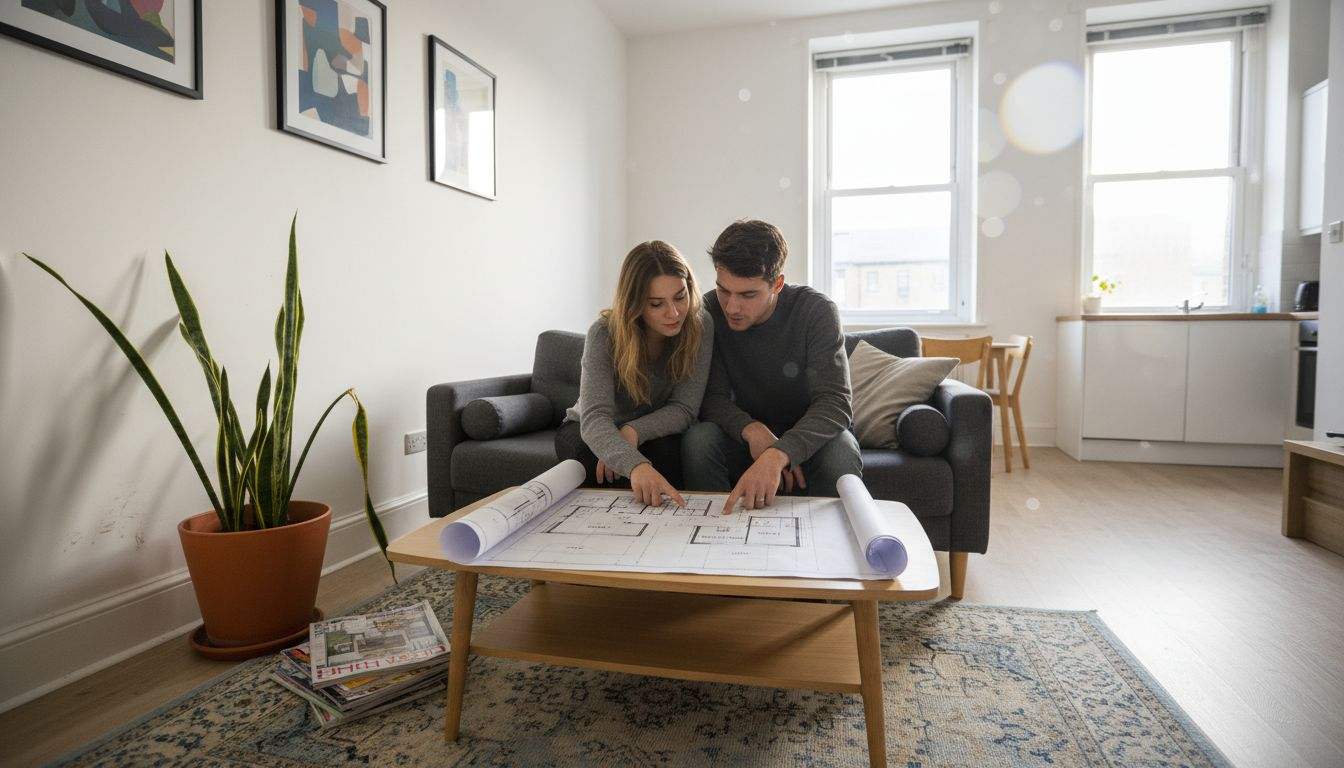
Cramped corners and limited square footage in UK city flats can make finding stylish yet practical decor feel challenging. For urban millennials navigating these compact homes, balancing function with modern style is a daily priority. By focusing on multifunctional furniture and clever space planning, you can unlock comfort, light, and flexibility without sacrificing the sleek, personal aesthetic you love.
Table of Contents
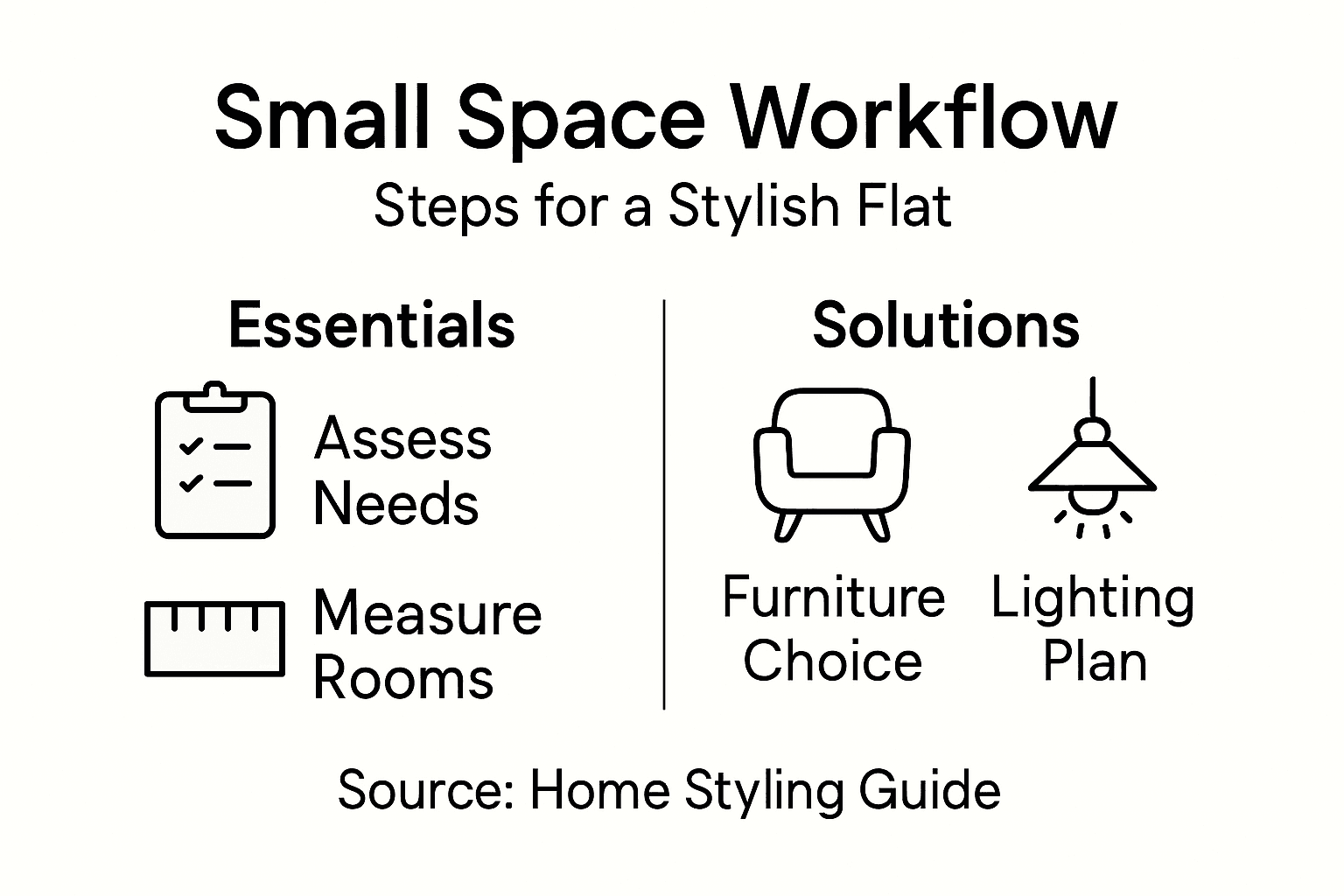
- Step 1: Assess Your Space And Needs
- Step 2: Select Multifunctional Furniture And Storage
- Step 3: Optimise Lighting And Colour Schemes
- Step 4: Accessorise With Stylish, Space-Saving Decor
- Step 5: Review And Adjust Your Arrangement
Quick Summary
| Key Point | Explanation |
|---|---|
| 1. Assess your space thoroughly | Measure dimensions and evaluate light patterns to understand your living area and actual needs before decorating. |
| 2. Choose multifunctional furniture | Select furniture pieces that serve multiple functions to maximize space and efficiency in your flat. |
| 3. Optimise lighting and colour schemes | Use layered lighting and light-reflective colours to create a brighter, more inviting atmosphere in small spaces. |
| 4. Accessorise mindfully and functionally | Select accessories that enhance beauty and serve a purpose without overcrowding your living space. |
| 5. Regularly review and adjust your layout | Live in your space for a while, then make adjustments based on how the arrangement supports your daily activities. |
Step 1: Assess your space and needs
Before you hang a single picture or purchase a single cushion, you need to understand what you’re working with. Your small flat won’t transform into a stylish home through guesswork or Pinterest inspiration alone. This step grounds your entire decorating process in reality. By assessing both your physical space and what you actually need from it, you’ll make decisions that feel intentional rather than haphazard.
Start by measuring your room in detail. Grab a tape measure and note the dimensions of your walls, windows, doors, and any permanent fixtures like radiators or fitted wardrobes. Sketch a rough floor plan on paper or use a simple app to map out the layout. Pay attention to natural light patterns throughout the day. Does sunlight pour through your windows in the morning, leaving the rest of the day dim? Are there shadowy corners that stay perpetually gloomy? Light shapes how colours will appear and how inviting different zones feel. Whilst you’re observing, consider ventilation and air flow. Can you open windows easily? Are there dead spots where air feels stale? These practical observations matter more than aesthetic choices at this stage.
Now think about how you actually live in this space. Understanding how the space will be used is where many people stumble. Do you work from home and need a dedicated desk area, or is your flat primarily a place to relax after hours? Do you cook frequently and need proper kitchen functionality, or do you mostly order takeaway? Do you entertain guests regularly or prefer solo nights in? Be honest here. Your flat needs to accommodate your real life, not the aspirational life you think you should be living. List the activities that happen in each room or area. Your bedroom needs sleep, your lounge needs somewhere to sit and watch television, your hallway needs storage for coats and shoes. Once you have this list, you can see which functions compete for space and which can share zones efficiently.
Consider privacy and personal space needs too. In an open plan flat, do you need visual separation between your sleeping area and living area? Would a room divider or tall shelving unit help you feel more contained? For those sharing a small space with a partner or housemate, how do you carve out individual territories? Residential architectural design considers factors like privacy and accessibility to enhance your living experience. Think about storage honestly as well. What do you actually own that needs a home? Are you a book collector, a fashion enthusiast with a sprawling wardrobe, or someone with minimal possessions? Your storage needs should reflect reality, not what you think you should own.
Finally, assess your budget and style preferences. How much can you realistically spend on this refresh? Are you replacing everything or working within existing pieces? What visual style appeals to you? Do you gravitate towards minimalist Scandinavian aesthetics, warm maximalism, industrial edges, or something else entirely? Write down three to five adjectives that describe the feeling you want your flat to have. Calm. Energetic. Cosy. Sophisticated. This becomes your north star when making purchasing decisions later.
Tip Photograph your space from multiple angles and distances, then look at these photos with fresh eyes. Photos often reveal spatial problems and potential that you miss when standing in the room, making them invaluable for spotting where vertical storage could help or which wall could anchor a feature.
Step 2: Select multifunctional furniture and storage
Once you understand your space and daily routines, it’s time to choose pieces that pull their weight. This is where multifunctional furniture becomes your secret weapon. Rather than filling your flat with single-purpose items, you’ll select pieces that solve multiple problems at once, dramatically changing how spacious your home feels and how efficiently it functions.
Start by identifying your highest priority zones. If your bedroom doubles as a workspace, you need a bed that isn’t a storage graveyard but a piece that either maximises under-bed storage or features a quality frame with built-in drawers. For your lounge, think beyond the standard sofa. A corner sectional with hidden storage compartments beneath the seats can hold blankets, board games, or seasonal items without requiring a separate chest. Coffee tables with drawers or shelves replace the need for additional side tables or storage units. When you sit down to eat, does your dining table need to shrink for everyday living but expand when friends visit? Extendable tables exist in designs that feel stylish, not bulky. Storage ottomans work double duty as seating, footrests, and hidden storage in one compact footprint.
Consider the specific functions each room demands, then hunt for pieces that combine them. Multifunctional furniture optimises living areas by reducing clutter and maximising limited square footage, transforming your flat from cramped to clever. A fold-down desk mounted on a wall disappears entirely when you’re not working, whereas a traditional desk claims permanent floor space. Wall-mounted shelving units serve double duty as both display and storage, eliminating the need for a separate bookcase and dresser. Your hallway entrance might feature a slim console table with hooks above it and woven baskets beneath, handling coats, shoes, keys, and mail simultaneously. Bed frames with integrated shelving eliminate the need for a separate wardrobe or bedside drawers. Explore pieces from Homable’s collection of stylish storage solutions to discover options that balance form and function beautifully.
When shopping, resist the temptation to purchase items that “might come in handy” or pieces you’d love in a larger home. Every single item should earn its place by serving at least two purposes or solving an immediate need. That sculptural chair you adore might look stunning, but does it provide seating and storage? Does it complement your existing colour scheme, or will you need to buy accessories to make it work? This is where the assessments you made in step one pay dividends. You know your budget, your style, and your genuine needs. Stick to those parameters ruthlessly. Multifunctional pieces tend to cost more upfront than basic furniture, but you’re purchasing fewer items overall, which balances the investment. Quality matters here too. A sofa bed that creaks and collapses after two years isn’t multifunctional, it’s frustrating. Read reviews from other flat dwellers who’ve actually lived with the pieces you’re considering.
Don’t overlook vertical space and wall-mounted solutions. Tall, narrow shelving units work brilliantly in small flats because they draw the eye upward and provide substantial storage without consuming floor space. Fold-away desks, wall-mounted tables, and hanging storage bags maximise your square footage in ways traditional furniture simply cannot. If you’re renting and cannot install permanent fixtures, free-standing tall shelving and furniture pieces that nest or stack together offer similar benefits without damaging your walls.
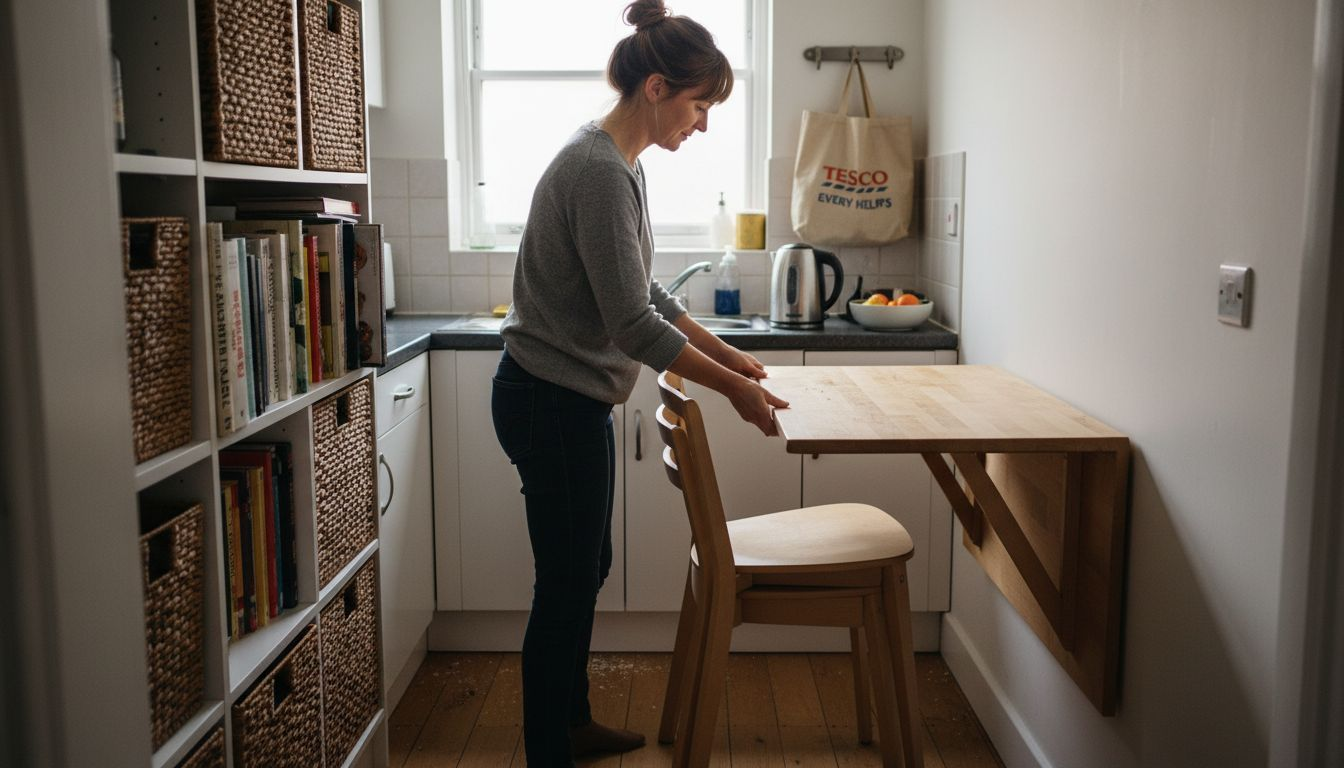
Compare different types of multifunctional furniture by typical uses and space-saving benefits:
| Furniture Type | Typical Use | Space-Saving Benefit |
|---|---|---|
| Storage ottoman | Seating/Footrest | Hidden storage in compact form |
| Sofa bed | Lounging/Sleeping | Converts room for guests instantly |
| Fold-down desk | Work surface | Disappears when not needed |
| Extendable table | Dining/Work | Expands for guests, shrinks daily |
| Tall shelving | Display/Organisation | Utilises vertical rather than floor space |
Tip Measure your doorways, hallways, and stairwells before purchasing any furniture, then test how the piece physically moves through your space, not just whether the dimensions technically fit.
Step 3: Optimise lighting and colour schemes
Lighting and colour are the two most underrated tools in small space design. Get these right, and your flat instantly feels larger, brighter, and more inviting. Get them wrong, and even the best furniture choices won’t save you from a cramped, gloomy atmosphere. This step transforms how your space feels without requiring structural changes or major expense.
Begin with your natural light. You already observed light patterns during step one, so now you’re going to maximise them ruthlessly. Remove heavy curtains or replace them with lightweight, sheer options that filter light without blocking it entirely. If privacy matters in the evenings, choose curtains in light, neutral colours that still allow daytime light to flood through. Mirrors become your secret weapon here. Position them opposite windows or on walls adjacent to light sources to bounce natural light around the room and create the illusion of additional windows. Even small mirrors make a measurable difference. Keep windowsills clear of clutter so nothing blocks the light entering your space. Plants are lovely, but a row of them clustered on your window ledge is essentially creating a barrier. Spread them around the room instead and let light flow freely.
When it comes to artificial lighting, layering is essential. Good lighting design integrates ambient, task, and accent lighting to enhance functionality, creating spaces that feel both practical and inviting. Ambient lighting provides general illumination throughout the room. Task lighting focuses on specific areas where you work, read, or cook. Accent lighting highlights artwork or architectural features. Rather than relying on one overhead light that casts harsh shadows, use a combination of sources. Floor lamps in corners provide ambient light without consuming table space. Desk lamps with adjustable arms focus light exactly where you need it. String lights or wall-mounted fixtures add warmth without clutter. LED bulbs offer tremendous flexibility. Opt for warm white bulbs (around 2700K colour temperature) in living spaces to create cosiness, and cooler white bulbs (4000K or above) in kitchens and workspaces where you need clarity. Many LED bulbs now offer adjustable colour temperature, allowing you to shift the mood throughout the day without changing fixtures.
Now tackle your colour palette. Light, reflective colour schemes minimise artificial lighting needs and enhance brightness, making small spaces feel more open. This doesn’t mean your entire flat must be beige and boring. Instead, use light, neutral colours on your largest surfaces (walls and ceilings) as your foundation, then introduce personality through furniture, artwork, and accessories. Soft whites, pale greys, warm creams, and gentle taupes create a spacious canvas. Paint your ceiling the same colour as your walls or slightly lighter rather than stark white, which can feel clinical. Avoid dark walls unless you’re creating a deliberately cosy accent wall in just one area. When you do use darker shades, keep them to a single wall or feature area so the rest of your space remains visually open.
Consider the psychology of colour temperature as well. Warm colours like soft terracottas, warm browns, and muted golds feel inviting and intimate, though they can make a room feel smaller if overused. Cool colours like soft blues, greens, and greys feel expansive and calm. In a small flat, a strategic mix works best. Walls in neutral light colours, then introduce warmth through soft furnishings, rugs, and artwork. Your colour scheme should feel cohesive without being monotonous. Choose two to three main colours, then add a few accent shades that tie the room together.
Tip Before painting walls or buying large furniture pieces, test colours under different lighting conditions throughout the day; paint sample patches and observe them in natural light, afternoon light, and artificial evening light to ensure colours work across all conditions.
Step 4: Accessorise with stylish, space-saving decor
Accessories are where your flat truly becomes yours. This is the fun part, but it requires restraint. In small spaces, every accessory must earn its place through beauty, function, or both. You’re not filling empty shelves just because they exist. Instead, you’re layering in pieces that enhance your home without creating visual clutter or physical obstruction.
Start by thinking about which surfaces actually need accessories. Your coffee table might hold a styled stack of three books, a small candle, and a decorative object, but not a collection of ten items competing for attention. Open shelving needs careful curation. Rather than filling every gap, leave breathing room. Group accessories in odd numbers (three or five items) rather than pairs, which feels more natural and visually interesting. Mix heights and textures. Place a tall vase next to a small framed photo next to a textured ceramic piece. This variation draws the eye and creates interest without overwhelming the space. Consider wall space as prime real estate for accessories. Wall-mounted shelves, floating frames, and hanging plants take advantage of vertical space without consuming floor area. Stylish, space-saving decor uses wall-mounted units and vertical storage to maintain organisation whilst enhancing visual appeal, turning small areas into functional yet elegant environments.
Choose accessories that serve multiple purposes whenever possible. A beautiful basket on a shelf looks great and stores items inside. A decorative mirror brightens your space whilst making it feel larger. A throw blanket draped over your sofa adds warmth and texture whilst being genuinely useful. Storage ottomans, wall-mounted organizers, and shelving units function as both decor and practical solutions. Think about scale carefully. Oversized artwork and accessories can work brilliantly in small spaces because they anchor a wall and draw focus upward, but they must be chosen deliberately. A single statement piece often works better than clustering smaller items together. When selecting colours and materials, return to your colour scheme from step three. Your accessories should complement, not compete. If your walls are neutral and you’ve chosen warm tones through furnishings, select accessories in those same warm tones. This creates visual cohesion and prevents the space from feeling chaotic.
Textures make a massive difference in small spaces. A sleek, minimalist flat can feel cold and uninviting. Introduce warmth through natural textures like woven baskets, linen cushions, wooden objects, or ceramic pieces. These tactile elements add personality and comfort without requiring much space. Lighting accessories matter too. Candles, string lights, and small lamps create ambiance whilst adding visual interest. Choose scents you genuinely love rather than thinking you should light candles. If you hate the smell of overpowering florals, don’t buy them just because they look pretty. Your accessories should make your flat feel like home, not like a staged showroom nobody actually lives in.
Finally, embrace the concept of rotating accessories seasonally. Rather than displaying every single item you own, store some pieces away and swap them out. This keeps your space feeling fresh without requiring you to purchase new things constantly. You’ll rediscover items you love and prevent visual fatigue from seeing the same accessories day after day. Step-by-step home accessory styling can guide you through creating cohesive, intentional displays that enhance your small space.
Here’s a summary of common small flat challenges and how each decorating step addresses them:
| Common Challenge | Solution Provided by Decorating Step | Example Strategy |
|---|---|---|
| Lack of storage | Multifunctional furniture & vertical solutions | Bed with drawers, wall shelves |
| Dim or cold lighting | Layered lighting & light-reflective colours | Sheer curtains, ambient lamps |
| Visual clutter | Careful accessorising & functional decor | Baskets for storage, wall-mounted items |
| Conflicting zones/functions | Zoning with layout & division | Room dividers, tall shelving |
| Uninviting atmosphere | Cohesive palette & personal touches | 2-3 main colours, textured throws |
Tip Take a photo of your styled shelves or surfaces, then step back and look at the image rather than the live space; photographs reveal visual imbalances and overcrowding that your eyes sometimes miss when you’re standing in the room.
Step 5: Review and adjust your arrangement
You’ve assessed your space, selected your furniture, optimised your lighting, and accessorised thoughtfully. Now comes the part most people skip. Living in your newly decorated flat for a few weeks reveals what actually works and what doesn’t. This step transforms your space from a static design into a home that genuinely serves your life. Real usage patterns tell you things no planning process can predict.
Start by spending time in your flat as you normally would. Work from your desk, cook a meal, invite friends over, relax on your sofa. Notice where friction occurs. Does your coffee table feel too far from the sofa, making it awkward to reach your drink? Does your desk placement mean you’re bathed in glare when working on your laptop? Do you stub your toe on the corner of your bed every time you walk through your bedroom? Is there a bottleneck when multiple people try to move through your hallway simultaneously? These aren’t design failures. They’re feedback. Regularly reviewing and adjusting room arrangements ensures spaces continue meeting evolving needs, balancing aesthetics with function and maximising usability. Watch your flow patterns. Do you naturally move in certain routes through your flat? Are there dead zones where you never venture? Understanding movement reveals whether your layout supports your actual lifestyle.
Observe comfort and light carefully. Does that beautifully positioned mirror create a glare problem at certain times of day? Does your reading corner actually receive enough light to read comfortably? Are you constantly adjusting your curtains because the setup isn’t quite right? Sometimes a simple shift solves multiple problems. Moving your desk a metre to the right might eliminate glare whilst opening up sightlines. Rotating a chair might make a conversational seating area actually feel conversational. These small adjustments cost nothing but reveal massive improvements.
Consider your emotional response to the space as well. Does your flat feel calming or chaotic? Do you feel proud showing it to guests, or does it feel like something’s off? Trust your instincts here. If a wall colour or furniture piece doesn’t feel right after living with it for a month, that’s valid feedback. You don’t need to justify keeping things that don’t work. Your space should reflect your genuine preferences, not your aspirational self or what you think you should like.
Make note of any persistent challenges. If you’re constantly struggling to find things, your storage system isn’t working. If you feel cramped despite your multifunctional furniture, perhaps the layout needs rethinking. If certain zones always feel underutilised, maybe their purpose doesn’t match how you actually live. Spatial planning is dynamic and requires flexibility to reconfigure layouts and optimise comfort for occupants. Don’t feel locked into your original arrangement. Small tweaks are free. Rearranging furniture takes an afternoon. Testing a new accessory placement takes minutes. This iterative approach gradually refines your space into something that truly works.
Document the changes you make. Photograph your space before and after adjustments so you can see the difference clearly. Keep notes about what worked and what didn’t. This becomes invaluable when you eventually refresh your flat or move somewhere new. You’ll know which pieces earn their space, which colours genuinely make you happy, and which arrangements support your lifestyle rather than fighting it.
Tip Live in your space for at least four weeks before making major changes; seasonal light shifts, weather patterns, and your evolving habits reveal problems that immediate first impressions miss, ensuring your adjustments address real issues rather than temporary frustrations.
Elevate Your Small Space with Stylish, Functional Solutions
Transforming a small flat into a stylish home that feels spacious yet cosy demands thoughtful choices like multifunctional furniture, clever storage, and harmonious lighting. This article highlights challenges such as maximising storage, reducing visual clutter, and creating welcoming atmospheres through layered lighting and curated colour schemes. If you are ready to move beyond theory and bring these ideas into your own home, Homable.co.uk offers a curated range of smart, affordable home accessories designed to enhance small spaces without compromise.
Discover how our collection of space-saving storage solutions, elegant curtains, and carefully selected decorative items can support your personalised decorating workflow. Start your stylish home transformation now and enjoy free shipping on orders over £100. Explore the full range at Homable.co.uk and turn your small flat into the functional, inviting home you deserve.
Frequently Asked Questions
How do I assess my space before decorating?
Begin by measuring your room’s dimensions, including walls, doors, and windows. Sketch a floor plan and note natural light patterns and airflow to understand your space better.
What type of furniture should I choose for a small flat?
Select multifunctional furniture that serves multiple purposes, such as a storage ottoman or a sofa bed. Aim for items that maximise your space’s functionality without overcrowding it.
How can I optimise lighting in my small space?
Maximise natural light by using sheer curtains and keeping windowsills clear of clutter. Layer artificial lighting with ambient, task, and accent sources to enhance brightness and create inviting areas throughout your flat.
What colour schemes work best for small spaces?
Opt for light and reflective colours on walls to make your space feel more open and bright. Use two to three main colours with a few accent shades for visual coherence, ensuring a balance between calm and energy.
How can I accessorise effectively in a small flat?
Choose accessories that are both stylish and functional, such as decorative storage solutions or wall-mounted decor. Ensure each piece enhances the space without creating visual clutter, and group items in odd numbers for a more natural arrangement.
When should I review and adjust my flat’s arrangement?
Live in your newly decorated space for at least four weeks to observe how it meets your needs. Make adjustments based on your comfort and functionality, tweaking layouts or accessories as necessary to optimise your living experience.