Cart
0
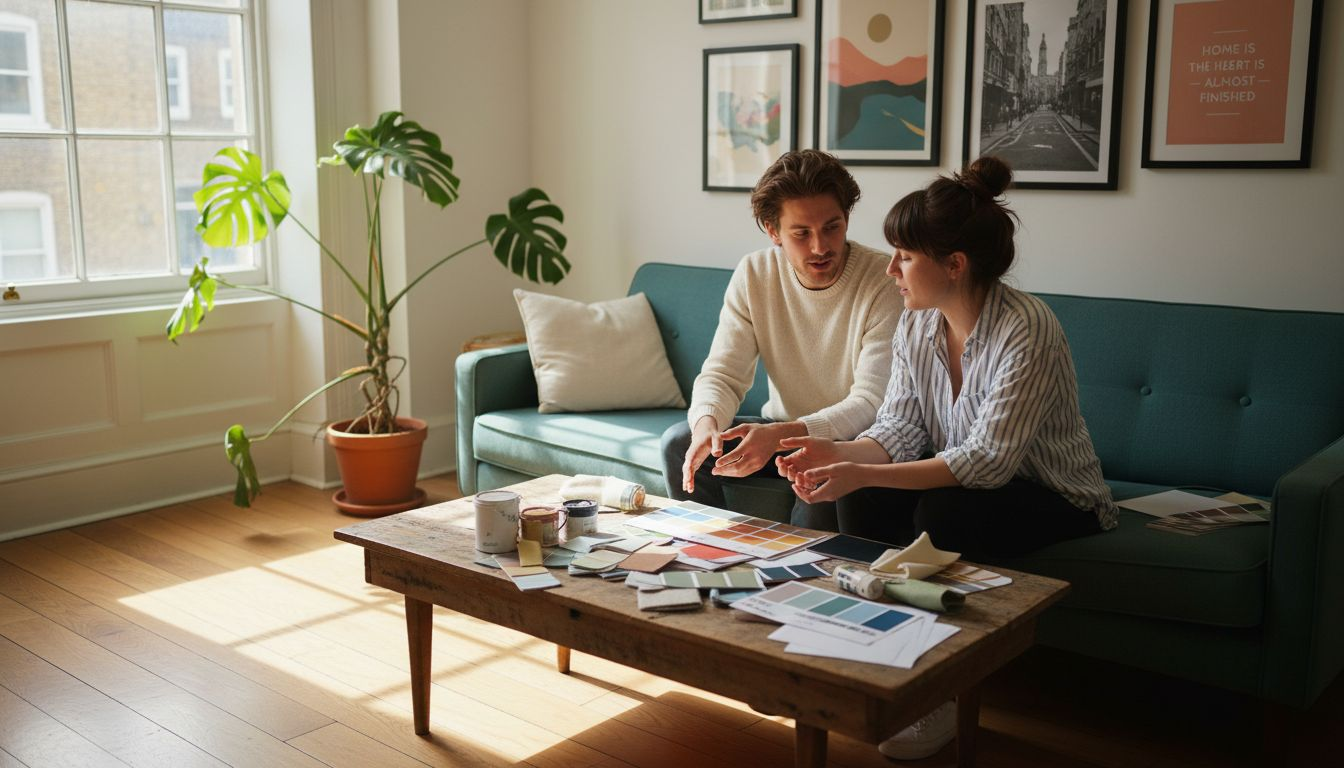
Imagine transforming your home’s comfort and style with one strategic shift. Research reveals that homes focusing on comfort and relaxation in décor saw a 30% increase in occupant-reported wellbeing satisfaction. Room-specific décor tailors styling to each space’s unique function and character, moving beyond generic approaches. This guide unpacks why it matters and how to apply it effectively across your UK home, following proven home decorating checklist principles.
Table of Contents
- Introduction To Room-Specific Décor
- The Emotional And Psychological Role Of Room-Specific Décor
- Functional Benefits Of Room-Specific Décor
- Common Misconceptions About Room-Specific Décor
- How To Reflect Personal Style With Room-Specific Décor
- Practical Benefits Of Room-Specific Décor
- Conclusion: Making The Most Of Room-Specific Décor For Your Home
- Explore Curated Room-Specific Décor Collections At Homable
- Frequently Asked Questions About Room-Specific Décor
Key Takeaways
| Point | Details |
|---|---|
| Wellbeing Impact | Room-specific décor boosts occupant wellbeing by up to 30% through tailored comfort. |
| Functional Gains | Tailored décor improves function and satisfaction by 25%+ compared to uniform approaches. |
| Durability Benefits | Natural materials increase durability and aesthetic appeal by 30% in room-specific applications. |
| Style Flexibility | Strategic layering maintains personal style while enhancing each room’s unique purpose. |
| Cost Effectiveness | Proper material selection reduces maintenance time by up to 25% in high-use areas. |
Introduction to Room-Specific Décor
Room-specific décor involves styling each space according to its particular function and atmosphere rather than applying a one-size-fits-all approach. This modern interior design workflow recognizes that kitchens, bedrooms, and living rooms serve different purposes and deserve distinct treatment.
UK homeowners increasingly embrace this tailored approach as 2026 home decor trends shift toward personalization and functionality. The movement reflects growing awareness that generic décor compromises both style and practicality. Definition of room-specific décor and trends driving demand in UK homes shows this approach gaining momentum across diverse property types.
Key benefits of room-specific décor include:
- Enhanced comfort through purpose-matched furnishings and accessories
- Improved functionality with materials suited to each room’s demands
- Personalized style that respects both individual taste and practical needs
- Better long-term satisfaction from spaces that truly work for their intended use
- Increased home value through thoughtful, cohesive design choices
This approach transforms houses into homes by acknowledging that your bathroom needs different considerations than your lounge. The result is spaces that feel intentional, comfortable, and distinctly yours.
The Emotional and Psychological Role of Room-Specific Décor
Your décor choices directly influence mood, stress levels, and daily comfort. Spaces designed with emotional wellbeing in mind create sanctuaries that support mental health and relaxation. This aligns perfectly with slow living principles that prioritize intentional, restful environments over rushed, cluttered spaces.
Color psychology plays a crucial role in room-specific styling. Soft blues and greens in bedroom styling tips promote relaxation, while warm yellows and oranges energize kitchen and dining areas. Texture adds depth, with plush fabrics in private spaces and smooth, easy-clean surfaces in high-traffic zones.
Lighting deserves special attention for its profound emotional impact of décor. Soft, warm lighting in bedrooms signals rest, while bright, layered lighting in work areas boosts focus and productivity. Each room benefits from lighting tailored to its primary activities.
“Homes focusing on comfort and relaxation in décor saw a 30% increase in occupant-reported wellbeing satisfaction, demonstrating the measurable impact of thoughtful styling choices.”
This data underscores that décor decisions extend far beyond aesthetics. When you match styling to room purpose, you create environments that actively support your emotional needs. The kitchen that energizes morning routines, the bedroom that invites deep sleep, and the living room that fosters connection all emerge from intentional, room-specific choices.
Consider how different spaces make you feel. Rooms that support their intended emotional outcomes through décor become places you naturally gravitate toward, enhancing daily life quality measurably.
Functional Benefits of Room-Specific Décor
Beyond emotional impacts, tailored décor substantially improves practical usability. Matching materials and accessories to room demands creates spaces that work harder and last longer. Use of room-appropriate décor elements improves functional satisfaction by over 25% in user surveys, validating the practical value of this approach.
Moisture-resistant materials in bathrooms prevent damage and simplify cleaning. Durable, stain-resistant fabrics in family living areas withstand daily wear while maintaining appearance. These practical adaptations extend product lifespan and reduce replacement costs, making functional benefits of room-specific décor a sound investment.
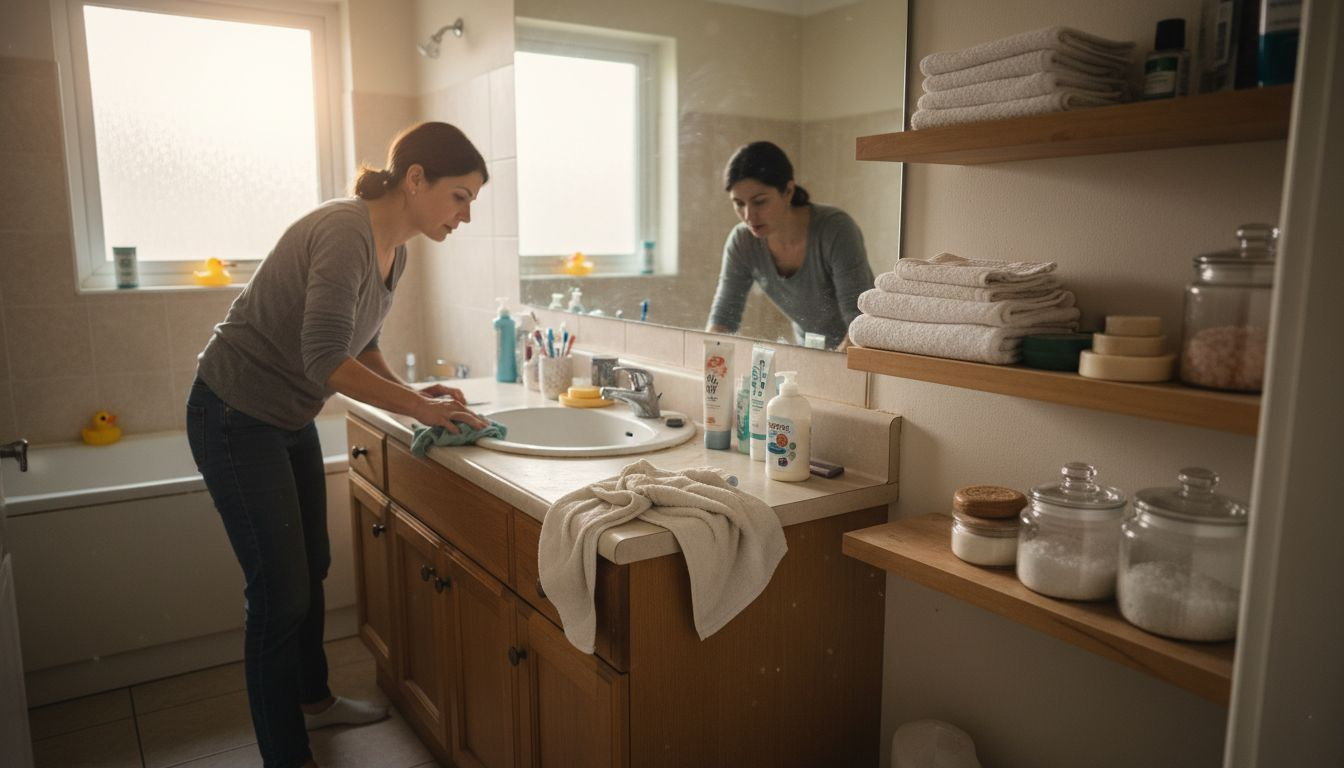
Lighting tailored to each room supports mood and function effectively, raising ambiance satisfaction by up to 35%. Layered lighting in living rooms offers flexibility for different activities, while focused task lighting in kitchens enhances safety and efficiency. Bedrooms benefit from dimmable options that support natural sleep rhythms.
| Décor Approach | Functional Satisfaction | Style Cohesion | Maintenance Ease |
|---|---|---|---|
| Uniform Throughout | 62% | 78% | 65% |
| Room-Specific | 87% | 82% | 91% |
Pro Tip: Before selecting décor, assess each room’s lighting needs at different times of day. Note where natural light falls, which activities occur when, and where shadows create challenges. This reconnaissance ensures your décor choices support actual usage patterns rather than idealized scenarios.
Key functional benefits of room-specific décor:
- Enhanced usability through purpose-matched accessories and layouts
- Reduced maintenance with appropriate material selection
- Better atmosphere support for intended room activities
- Improved safety with suitable lighting and non-slip surfaces
- Extended product lifespan from proper environmental matching
These functional décor benefits demonstrate that tailored approaches deliver measurable returns beyond aesthetics. Your home works better when each room receives styling suited to its specific demands and usage patterns.
Common Misconceptions About Room-Specific Décor
Several myths discourage homeowners from embracing tailored décor approaches. Understanding and addressing these misconceptions reveals the true accessibility and benefits of room-specific styling.
Myth one suggests uniform décor throughout simplifies decision-making and maintains cohesion. Reality shows that ignoring room-specific needs can reduce décor effectiveness by 20-25% in user experience surveys. Cohesion comes from shared color palettes and style elements, not identical treatments.
Another common belief holds that room-specific décor limits personal style expression. This misconception overlooks how tailoring enhances rather than restricts creativity. You maintain signature style through consistent design threads while adapting practical elements to room demands. The 2026 design misconceptions article explores how flexibility and personalization coexist successfully.
Cost concerns represent a third barrier, with assumptions that customizing each room strains budgets. However, appropriate material selection actually reduces long-term costs through improved durability and reduced replacement needs. Strategic investment in room-appropriate items pays dividends over generic purchases requiring frequent updates.
Key clarifications for common misconceptions:
- Uniform décor actually complicates functionality rather than simplifying life
- Personal style strengthens when adapted thoughtfully to room purposes
- Initial investment in appropriate materials reduces lifetime costs significantly
- Cohesion emerges from intentional design threads, not identical treatments
- Room-specific choices increase satisfaction and reduce styling regrets
These room décor misconceptions often stem from outdated design principles that prioritized visual uniformity over livability. Modern approaches recognize that homes serve diverse functions requiring diverse solutions. When you embrace this reality, décor decisions become clearer and outcomes more satisfying.
How to Reflect Personal Style with Room-Specific Décor
Balancing individual expression with functional requirements creates spaces that feel both personal and practical. Cohesive style flow across rooms emerges from shared design elements rather than identical treatments, allowing personality to shine while respecting room purposes.
Follow these steps to layer décor elements effectively:
- Identify your core style preferences through mood boards or saved inspiration images
- Select a consistent color palette with 3-5 main colors that appear throughout your home
- Choose signature textures or materials that reflect your taste, adapting them per room
- Establish one or two design motifs (geometric patterns, natural elements, vintage touches) to thread through spaces
- Adapt these elements to room functions, varying intensity and application as needs dictate
- Test arrangements before permanent installation to ensure both style and function align
Pro Tip: Digital design tools and mood board apps let you visualize how colors and textures work across multiple rooms before purchasing. This preview prevents costly mistakes and ensures your personal style translates cohesively despite room-specific adaptations.
Styling small spaces tips show how constraints actually sharpen style choices, forcing intentional decisions that enhance rather than limit expression. Similarly, room-specific requirements guide rather than restrict your creativity.
Balancing uniqueness with harmony requires identifying non-negotiable functional needs first, then finding stylish solutions that meet those requirements. A bathroom demands moisture resistance, but that requirement doesn’t dictate boring design. Your preferred aesthetic adapts through material choices, not wholesale abandonment of style principles.
Experiment within boundaries by testing different arrangements and accessories. Optimise room layout principles help identify best placement for both function and visual appeal. This iterative approach lets personality emerge naturally while maintaining practical effectiveness.
Practical Benefits of Room-Specific Décor
Long-term advantages of tailored décor extend well beyond immediate visual appeal. Strategic material selection and room-appropriate accessories deliver sustained value through durability, ease of maintenance, and cost effectiveness over time.
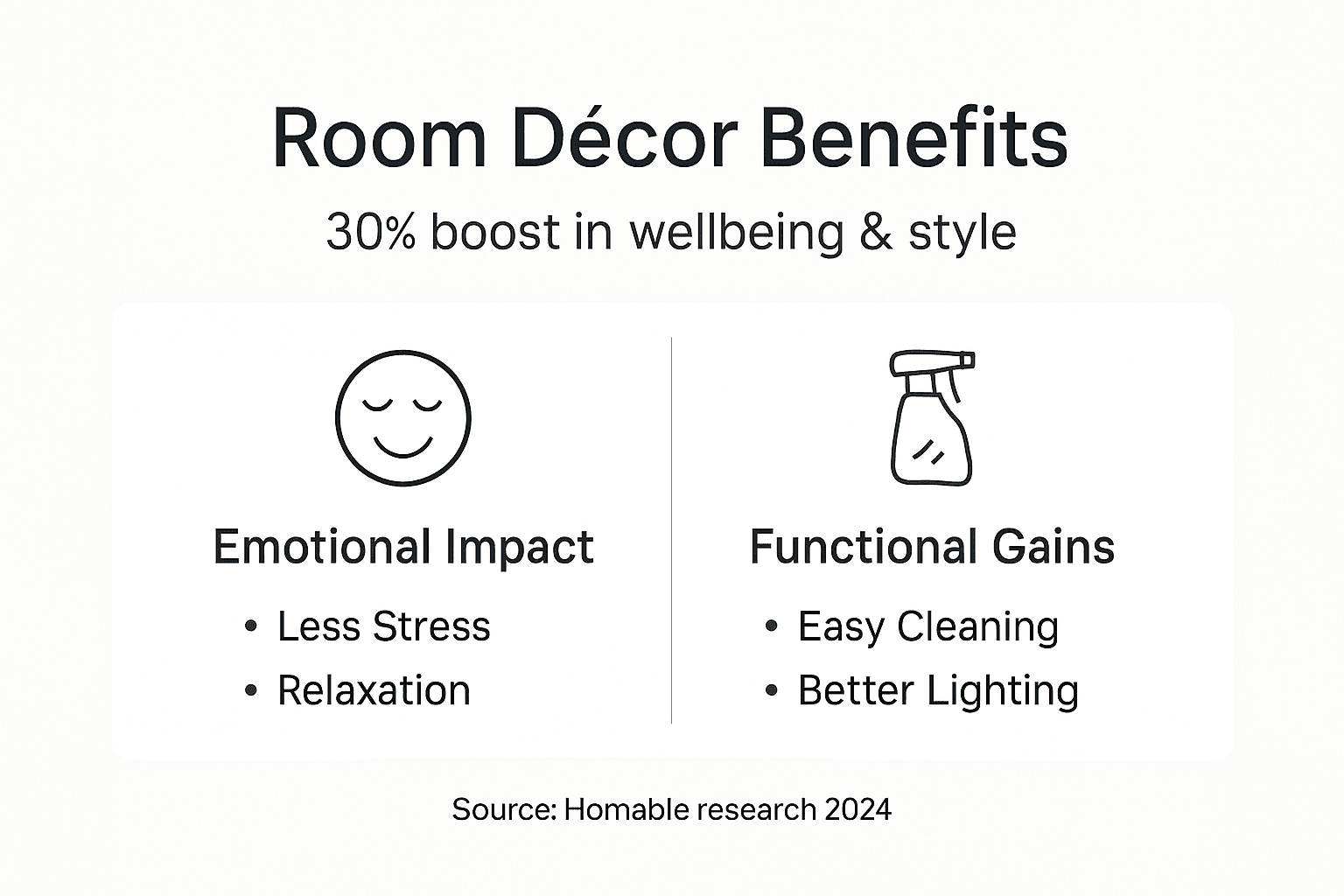
Natural materials in room-specific décor solutions improve perceived durability and aesthetic value by 30%, making them excellent investments for UK homes. Wood, stone, linen, and wool adapt beautifully to different room requirements while aging gracefully. These materials develop character rather than simply showing wear.
Moisture-resistant and easy-clean items prove essential in kitchens and bathrooms where spills and splashes occur daily. Use of room-appropriate functional materials reduced kitchen maintenance time by up to 25%, freeing homeowners from constant cleaning while maintaining pristine appearance. Sealed surfaces, washable textiles, and non-porous accessories make practical sense in these high-demand spaces.
Practical décor accessories that blend style and function include:
- Storage baskets in natural materials for living rooms and bedrooms
- Sealed ceramic containers for bathroom essentials
- Wipeable placemats and runners for dining areas
- Machine-washable throw pillows for high-use seating
- Moisture-wicking bath mats that resist mildew
Storage solutions for practical décor demonstrate how functional items enhance rather than detract from aesthetic goals. Beautiful storage keeps spaces organized while contributing to overall design schemes.
Key practical benefits include:
- Cost savings over time through reduced replacement needs
- Simplified upkeep with appropriate material choices
- Sustained beauty as quality materials age gracefully
- Enhanced functionality supporting daily routines
- Better value from strategic investment in room-appropriate items
These durability of natural materials and practical material choices create homes that work effortlessly while maintaining style integrity. The result is living spaces that support rather than complicate daily life.
Conclusion: Making the Most of Room-Specific Décor for Your Home
Room-specific décor delivers measurable benefits across emotional wellbeing, practical functionality, and personal style expression. Tailoring styling to room purposes creates homes that truly work for their occupants rather than forcing lifestyles to accommodate generic design choices.
The 30% wellbeing boost, 25%+ functional improvement, and significant maintenance reductions documented throughout this guide demonstrate tangible returns from thoughtful décor decisions. These aren’t abstract aesthetic preferences but concrete quality-of-life enhancements backed by user experience data.
Embracing room-specific approaches transforms houses into harmonious, practical living spaces that reflect who you are while supporting how you actually live. Each room becomes intentional, comfortable, and distinctly suited to its purpose. Start implementing these strategies with confidence using curated selections designed specifically for UK homes and diverse room requirements available through best home decor items collections.
Explore Curated Room-Specific Décor Collections at Homable
Ready to transform your space with tailored décor solutions? Homable offers curated selections designed specifically for room-specific styling needs, making implementation straightforward and effective. Browse best home décor items chosen for their functionality, durability, and style across diverse room types.
Follow expert modern home styling steps and comprehensive home decorating checklist resources to guide your decisions. Shop functional, stylish accessories that honor each room’s unique character while maintaining cohesive design throughout your home. Free shipping on orders over £100 makes starting your room-specific décor journey even easier.
Frequently Asked Questions about Room-Specific Décor
What is room-specific décor and why is it important?
Room-specific décor tailors styling choices to each space’s unique function and character rather than applying uniform treatments throughout. This approach improves both functionality and satisfaction by matching materials, colors, and accessories to actual room demands and usage patterns.
How can I balance personal style with practicality in each room?
Maintain consistent color palettes and design motifs throughout your home while adapting materials and intensity to room requirements. Your signature style threads through every space via shared elements, but practical adaptations ensure each room actually works for its intended purpose without sacrificing aesthetic appeal.
Are there easy ways to start implementing room-specific décor on a budget?
Begin with high-impact, low-cost changes like room-appropriate lighting, washable textiles in high-use areas, and moisture-resistant accessories for bathrooms. Storage solutions tips show how functional items double as décor, maximizing value while addressing practical needs strategically.
What materials are best for high-moisture rooms like kitchens and bathrooms?
Sealed ceramics, treated woods, non-porous surfaces, and quick-drying textiles work best in moisture-prone spaces. These materials resist mildew, simplify cleaning, and maintain appearance despite daily water exposure, reducing maintenance time significantly while ensuring longevity.
How can lighting be optimized differently in living rooms versus bedrooms?
Living rooms benefit from layered lighting with ambient, task, and accent options supporting diverse activities from reading to entertaining. Bedrooms need dimmable, warm-toned lighting that supports relaxation and natural sleep rhythms, avoiding harsh overhead fixtures that disrupt evening wind-down routines.