Cart
0
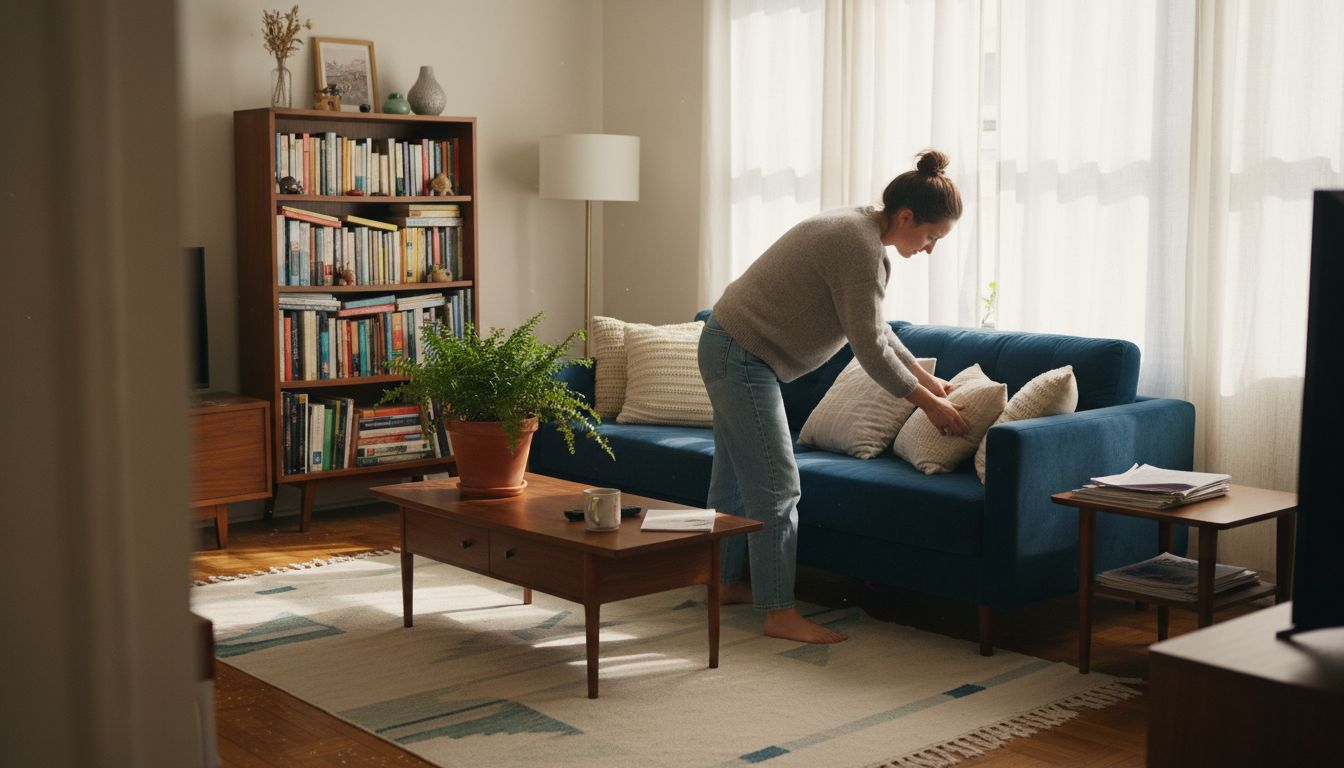
Struggling to make each room in your home truly feel its own? For urban homeowners aiming to balance style with practicality, room-specific decor is more than just choosing colours and furniture. Thoughtful design transforms everyday spaces into personalised zones that lift mood, comfort, and usability. Discover how targeted choices in layout, lighting, and furnishings can help you create rooms that support your lifestyle and reflect your unique taste, all while staying affordable and modern.
Table of Contents
- Defining Room-Specific Decor And Its Goals
- Common Types And Key Distinctions
- Impact On Mood, Function And Lifestyle
- Styling Approaches For Different Rooms
- Avoiding Generic Decor Mistakes
Key Takeaways
| Point | Details |
|---|---|
| Room-Specific Decor | Focus on transforming spaces into personalised environments that enhance usability and comfort while supporting specific activities. |
| Key Goals | Prioritise emotional well-being, personal ownership, and overall spatial efficiency in your decor choices. |
| Psychological Impact | Recognise that colour and lighting significantly influence mood and behaviour, affecting cognitive performance and social interaction. |
| Tailored Styling Approaches | Adapt styling strategies for each room according to its function, ensuring design elements complement both form and function. |
Defining Room-Specific Decor and Its Goals
Room-specific decor represents a strategic approach to interior design that transforms spaces from mere functional areas into personalised environments tailored to their unique purposes. Space planning and layout involves carefully considering how each room’s design can support its intended activities and enhance the overall living experience.
At its core, room-specific decor goes beyond aesthetic choices, focusing on creating environments that optimally balance visual appeal with practical functionality. Thoughtful design strategies aim to craft spaces that not only look attractive but also support the psychological and physical needs of their occupants. This means considering elements like lighting, furniture placement, colour psychology, and spatial organisation to create rooms that feel both comfortable and purposeful.
The primary goals of room-specific decor include:
- Maximising usability and comfort
- Enhancing mood and emotional well-being
- Supporting specific activities and lifestyle needs
- Creating a sense of personal ownership
- Improving overall spatial efficiency
Pro tip: When designing room-specific decor, always start by clearly defining the primary function of the space and then select design elements that directly support those specific activities.
Common Types and Key Distinctions
Room-specific decor encompasses diverse design approaches that can be broadly categorised into two fundamental types of interior decor: surface decor and movable furnishings. Surface decor includes wall treatments, flooring, ceiling designs, and architectural elements that establish the foundational visual tone of a space. These elements significantly influence light absorption, spatial perception, and overall ambience.
Within the realm of interior design, multiple design styles offer unique aesthetic frameworks for room-specific decor. These styles range from traditional and contemporary to modern, minimalist, and transitional approaches. Each style brings distinctive characteristics in furniture forms, colour palettes, and decorative elements that create specific atmospheric experiences tailored to different room functions and personal preferences.
Key distinctions between decor types include:
- Functional purpose of the space
- Cultural and personal style influences
- Architectural constraints
- Desired emotional atmosphere
- Budget and material availability
The primary categories of room-specific decor can be further subdivided into:
Here’s a comparison of popular interior design styles and their effects on room atmosphere:
| Design Style | Typical Colour Palettes | Visual Impact | Best For |
|---|---|---|---|
| Traditional | Rich, deep tones | Formal, elegant | Living rooms, studies |
| Modern | Neutral, bold accents | Clean, spacious | Open-plan areas, kitchens |
| Minimalist | Whites, greys | Calm, uncluttered | Bedrooms, small spaces |
| Transitional | Soft hues, warms | Balanced, relaxed | Lounges, dining areas |
| Contemporary | Monochromes, vivid pops | Trendy, striking | Feature walls, social zones |
- Architectural decor (structural elements)
- Surface decor (wall and floor treatments)
- Movable furnishings
- Decorative accessories
- Lighting design
Pro tip: Always consider the unique personality and functional requirements of each room before selecting a specific decor style to ensure harmonious and purposeful design integration.
Impact on Mood, Function and Lifestyle
Environmental psychology research reveals that room-specific decor goes far beyond aesthetic choices, fundamentally influencing our psychological experience and daily interactions. Every design element—from colour palette to spatial arrangement—acts as a silent communicator that shapes emotional states, behavioural patterns, and overall lifestyle quality.
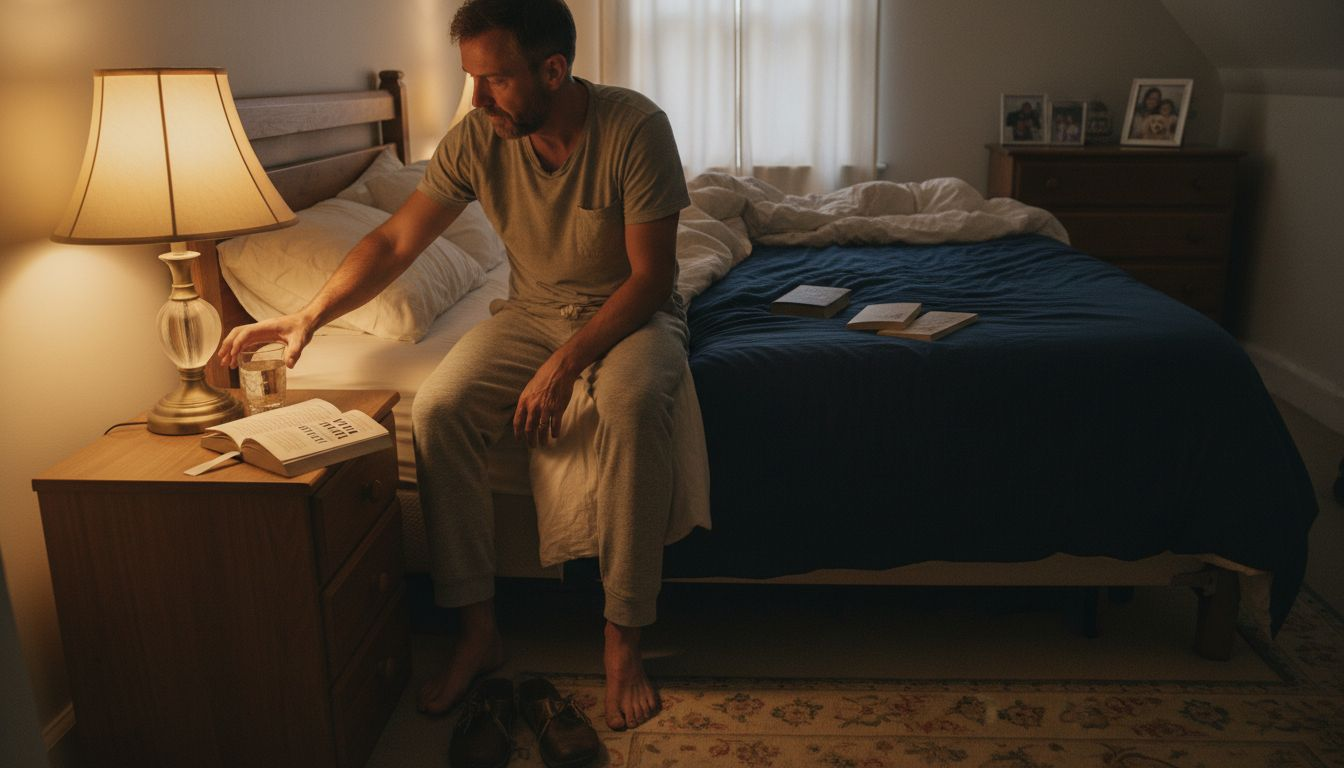
The psychological impact of room decor is particularly profound when considering colour and lighting effects. Different colour temperatures and lighting schemes can dramatically alter cognitive performance, emotional well-being, and spatial perception. Cool, neutral tones might promote concentration and tranquillity, while warmer hues can create intimate, nurturing environments that encourage relaxation and social connection.
Key psychological impacts of strategic room decor include:
- Modulating emotional states
- Enhancing cognitive performance
- Supporting specific lifestyle activities
- Promoting physical and mental comfort
- Facilitating social interaction
- Reducing stress and anxiety
Lifestyle Considerations in Room Decor:
- Work spaces requiring focus
- Relaxation areas promoting calmness
- Social zones encouraging interaction
- Personal retreats supporting individual well-being
- Multifunctional spaces adapting to changing needs
Pro tip: Conduct a personal assessment of your emotional and functional needs before designing a space, ensuring your room decor actively supports rather than inadvertently hinders your lifestyle objectives.
Styling Approaches for Different Rooms
Each room in a home requires a nuanced approach to decor, with styling strategies tailored to specific functions. The primary objective is to create spaces that not only look aesthetically pleasing but also support the intended activities and emotional experiences of their occupants. This means carefully considering elements like furniture placement, colour schemes, lighting, and accessorising to enhance both form and function.
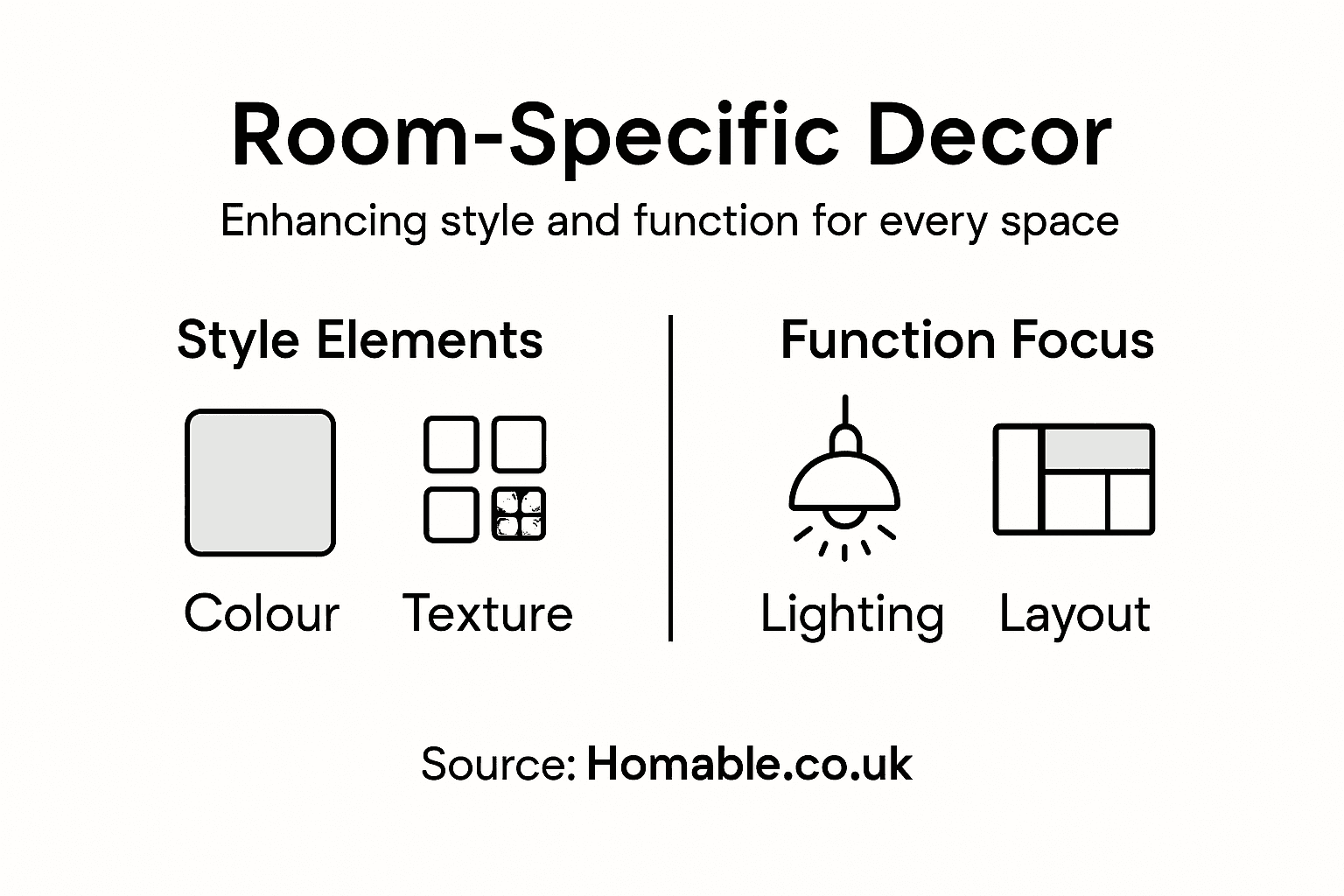
Study and work spaces demand a distinctly different styling approach compared to relaxation zones. In home offices or study areas, the design should prioritise concentration and productivity. This involves selecting ergonomic furniture, ensuring optimal lighting conditions, and incorporating calming colour palettes that minimise distractions. Conversely, living rooms require styling that encourages social interaction and comfort, with seating arrangements that facilitate conversation and layered textures that create a welcoming atmosphere.
Key styling considerations for different room types include:
-
Home Office/Study:
- Ergonomic furniture placement
- Neutral, focus-enhancing colour schemes
- Adequate task lighting
- Minimal, organised storage solutions
-
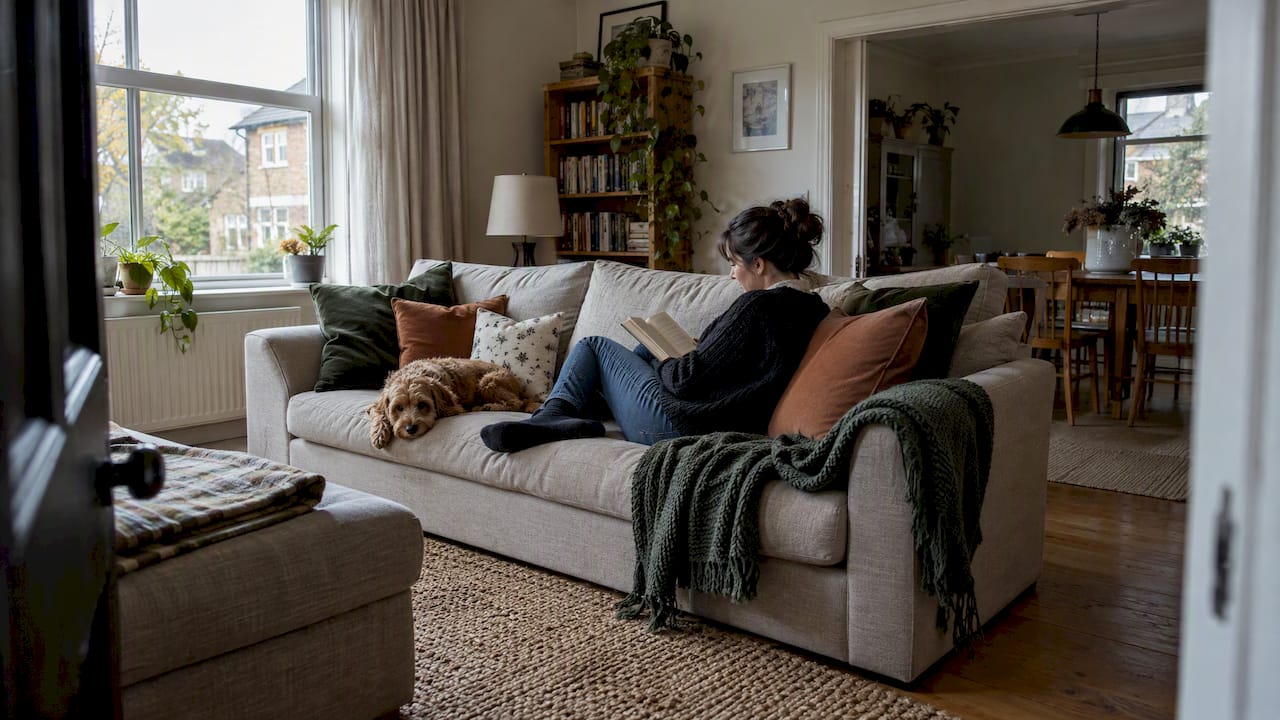
Living Room:
- Conversational seating arrangements
- Warm, inviting colour palettes
- Layered textures and soft furnishings
- Balanced mix of functional and decorative elements
-
Bedroom:
- Calming colour schemes
- Soft, comfortable textiles
- Ambient lighting options
- Personal touches and relaxation-focused design
-
Kitchen:
- Practical, easy-to-clean surfaces
- Efficient storage solutions
- Bright, energising lighting
- Functional yet stylish accessories
Pro tip: Create a mood board for each room that reflects its unique purpose, helping you visualise how different design elements will work together before making final styling decisions.
Below is a summary of room types and recommended styling strategies:
| Room Type | Priority Styling Focus | Typical Accessories | Lighting Choice |
|---|---|---|---|
| Home Office | Ergonomics and organisation | Shelving, desk trays | Adjustable task lighting |
| Living Room | Comfort and social connection | Cushions, throws | Layered ambient lighting |
| Bedroom | Tranquillity and personal touch | Bedside tables, art | Soft, dimmable lamps |
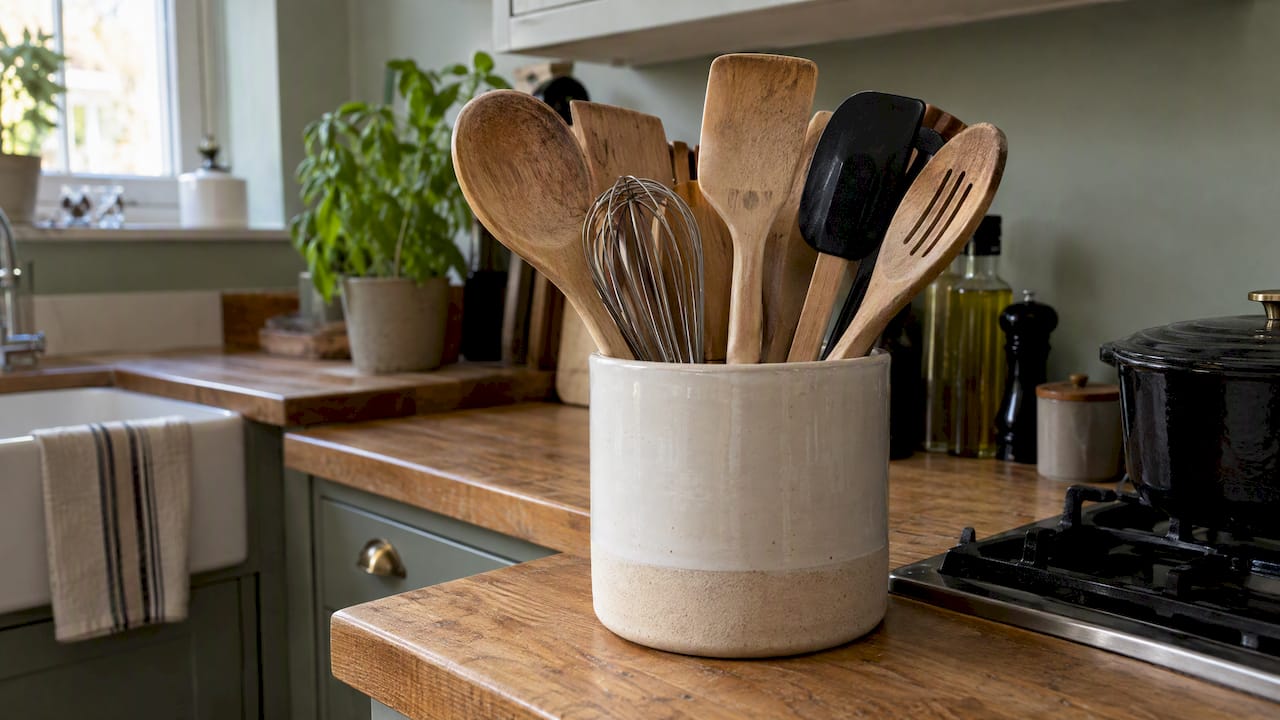
| Kitchen | Hygiene and efficiency | Storage jars, plants | Bright overhead lighting |
Avoiding Generic Decor Mistakes
Designing a home requires strategic thinking beyond superficial aesthetics, particularly when navigating the nuanced landscape of interior decor. Common decorating pitfalls often emerge from well-intentioned but misguided design choices that compromise both style and functionality. Understanding these mistakes can transform your approach from generic to genuinely personalised and purposeful.
One of the most prevalent errors in room styling involves spatial arrangement and scale. Furniture placement and sizing can dramatically impact a room’s perceived comfort and usability. Designers consistently caution against mindless furniture positioning, such as pushing everything against walls or selecting pieces that are disproportionate to the room’s dimensions. This approach creates visual imbalance and reduces the potential for dynamic, engaging spaces.
Critical mistakes to avoid in room decor include:
- Overcrowding spaces with unnecessary items
- Ignoring negative space and visual breathing room
- Placing furniture without considering traffic flow
- Selecting uniform, matching furniture sets
- Hanging artwork at incorrect heights
- Neglecting proper lighting layers
- Prioritising trends over personal style
Strategies for preventing generic decor mistakes:
- Edit your decor selections ruthlessly
- Focus on quality over quantity
- Create visual balance through varied textures
- Consider room functionality first
- Personalise with meaningful accessories
Pro tip: Before finalising your room design, take a photograph and analyse it objectively, looking for areas of visual clutter or imbalance that might not be immediately apparent in person.
Transform Your Rooms with Thoughtful Decor Choices
Struggling to balance style with function in your home can leave spaces feeling impersonal and cluttered. This article highlights the importance of room-specific decor in enhancing both the emotional atmosphere and practical use of your living areas. Whether it is creating a calming bedroom retreat, an energising kitchen zone, or a productive home office setup, the key lies in selecting design elements that support your lifestyle and personal well-being.
Elevate your home’s unique personality with curated pieces from Homable.co.uk designed to help you avoid common decor mistakes while embracing your style. Discover our range of affordable and stylish home accessories that prioritise comfort, visual balance, and functionality for every room in your house. Start your transformation now by exploring our selection of decorative home accessories that perfectly complement room-specific needs. Refresh your interiors today and enjoy free shipping on orders over £100 when you shop smart at Homable.co.uk.
Frequently Asked Questions
What is room-specific decor?
Room-specific decor is an approach to interior design that tailors spaces to their intended functions, enhancing both style and usability through thoughtful design choices.
How can room-specific decor improve my mood?
By selecting appropriate colours, lighting, and furnishings that cater to the room’s specific purpose, room-specific decor can create environments that positively influence emotional states and overall well-being.
What are the key elements to consider when designing room-specific decor?
Key elements include the room’s primary function, colour psychology, lighting design, furniture arrangement, and the incorporation of personal touches that reflect individual style.
How does furniture placement affect the functionality of a room?
Proper furniture placement can optimise traffic flow, enhance comfort, and create a balanced aesthetic, making a space more functional and inviting for its intended use.