Cart
0
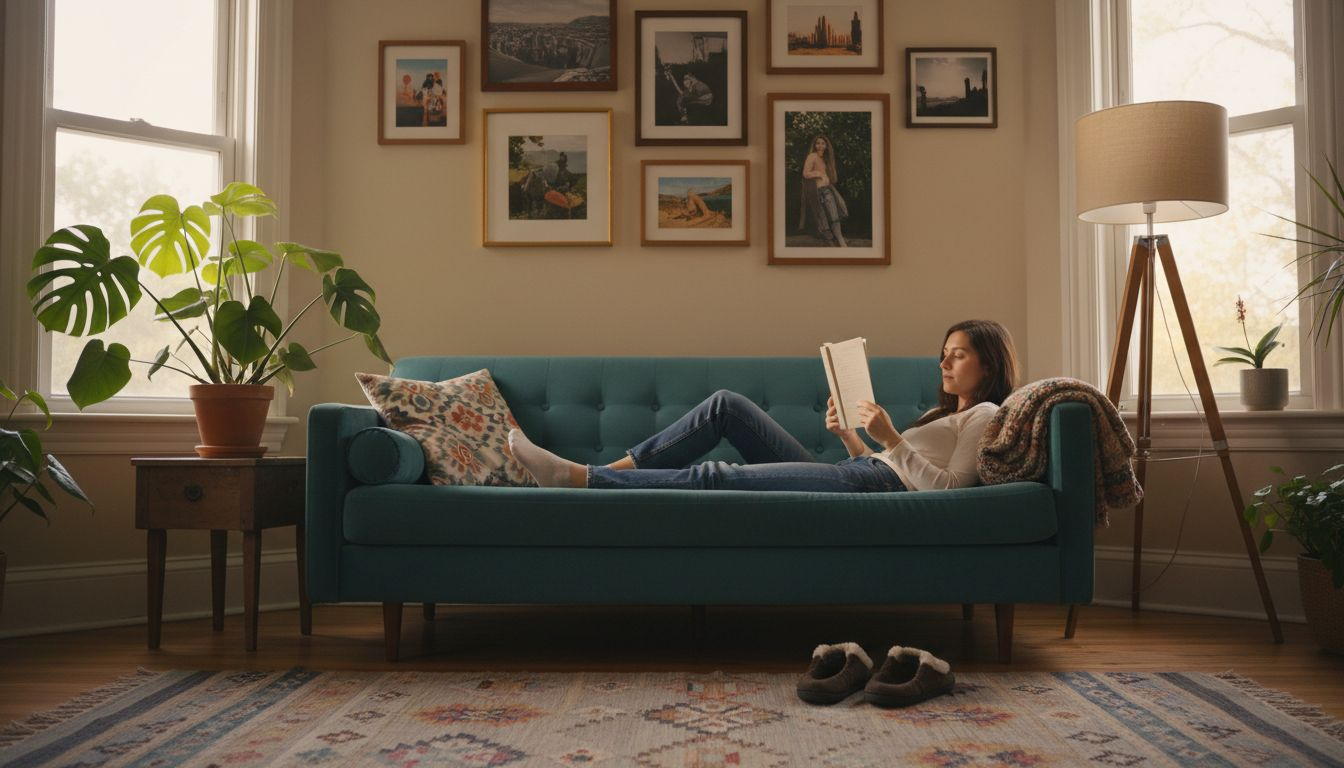
More than 60 percent of British homeowners under 40 say personal touches make their living spaces feel like home. The drive for modern interiors is shifting beyond expensive trends toward affordable self-expression, reflecting how unique design contributes to emotional comfort and daily wellbeing. This article uncovers practical ways for British households to personalise everyday spaces, blending creativity and budget-friendly solutions to achieve stylish, meaningful results.
Table of Contents
- Defining Personalised Space In Home Decor
- Popular Ways To Personalise Modern Homes
- How Personalisation Impacts Mood And Wellbeing
- Financial And Practical Considerations For Homeowners
- Common Mistakes To Avoid When Personalising
Key Takeaways
| Point | Details |
|---|---|
| Personalisation as Self-Expression | Personalised spaces reflect individual identity, making homes authentic extensions of self. |
| Emotional Impact of Design | Well-curated environments enhance mental wellness and provide comfort during challenging times. |
| Financial Planning is Essential | Thoughtful budgeting ensures personalisation efforts are both emotionally satisfying and financially sensible. |
| Avoiding Common Mistakes | A holistic approach to personalisation helps avoid disjointed or uncomfortable living spaces. |
Defining Personalised Space in Home Decor
Personalised space in home decor represents far more than aesthetic choices - it’s an intimate reflection of individual identity and lived experiences. Modern design trends demonstrate how personalisation has shifted from luxury to fundamental expectation, enabling homeowners to create environments that genuinely represent their unique personalities.
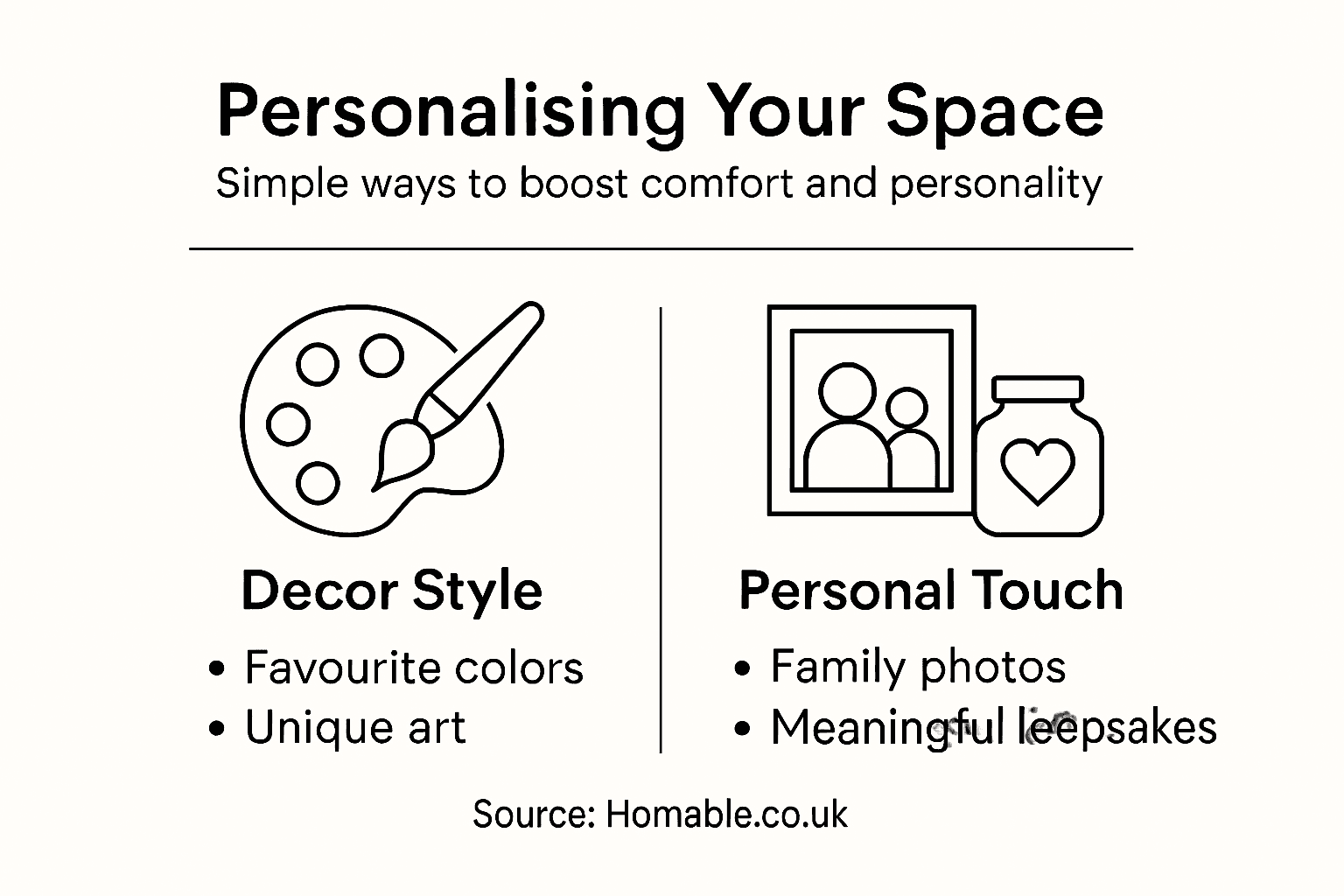
At its core, personalising a space involves deliberately curating elements that resonate with personal narratives, memories, and emotional connections. Unlike generic interior design approaches, this method focuses on transforming living areas into authentic extensions of self. Incorporating personal artifacts such as family photographs, inherited objects, travel mementos, and cherished collections becomes crucial in crafting spaces that tell personal stories.
The process of personalisation involves strategic design choices that balance individual expression with functional aesthetics. This might include selecting colour palettes reflecting personal moods, arranging furniture to support specific lifestyle patterns, or displaying artwork that holds deep personal significance. Technology has further democratised this approach, with digital tools and customisation options making bespoke design more accessible than ever before.
Pro tip: Start your personalisation journey by creating a mood board that captures your emotional and aesthetic preferences, helping you visualise how different elements might harmonise in your living space.
Popular Ways to Personalise Modern Homes
Personalising modern homes goes beyond mere decoration - it’s about creating living spaces that authentically reflect individual personalities and lifestyles. Architectural features and spatial arrangements play a critical role in transforming generic interiors into unique, meaningful environments that resonate with personal narratives and emotional connections.
Creative personalisation techniques offer numerous approaches to making a home truly one’s own. These methods range from curating meaningful artwork and creating memory walls with cherished photographs to incorporating unique textural elements that add depth and character. Strategic choices like upcycling furniture, integrating personal collections, and selecting colour palettes that reflect individual moods can dramatically transform living spaces without requiring extensive renovations.
Technology and design innovations have made personalisation more accessible than ever. Homeowners can now leverage digital tools, custom furniture options, and flexible design solutions to craft spaces that not only look aesthetically pleasing but also support specific lifestyle needs. From modular furniture systems to smart home integrations, modern design empowers individuals to create environments that are both functional and deeply personal.
Pro tip: Start by identifying three core elements that represent your personality - perhaps a colour, a texture, or a cherished object - and use these as anchors for designing your personalised living space.
Here’s a concise comparison of popular home personalisation approaches:
| Approach | Typical Materials Used | Immediacy of Impact | Design Flexibility |
|---|---|---|---|
| Artwork & Memory Walls | Photographs, frames | Visual & emotional | High (rearrangeable) |
| Upcycled Furniture | Vintage, reclaimed wood | Subtle but lasting | Moderate (limited by item) |
| Textural Elements | Fabrics, wallpapers | Immediate tactile | High (replaceable) |
| Modular Solutions | Custom shelving, units | Functional & adaptive | Very high (reconfigurable) |
How Personalisation Impacts Mood and Wellbeing
Mental wellness is deeply interconnected with our surrounding environment, and personalising living spaces plays a crucial role in emotional regulation and psychological comfort. Personal competencies and emotional intelligence demonstrate that our physical surroundings profoundly influence our psychological state, with personalised environments acting as powerful tools for self-expression and stress management.
Research reveals that spaces reflecting individual identity can significantly mitigate feelings of isolation and emotional disconnection. Supportive personal environments contribute to enhanced resilience by creating a sense of belonging and psychological safety. This means that carefully curated personal spaces can serve as emotional sanctuaries, providing comfort during challenging times and supporting mental health through intentional design choices.
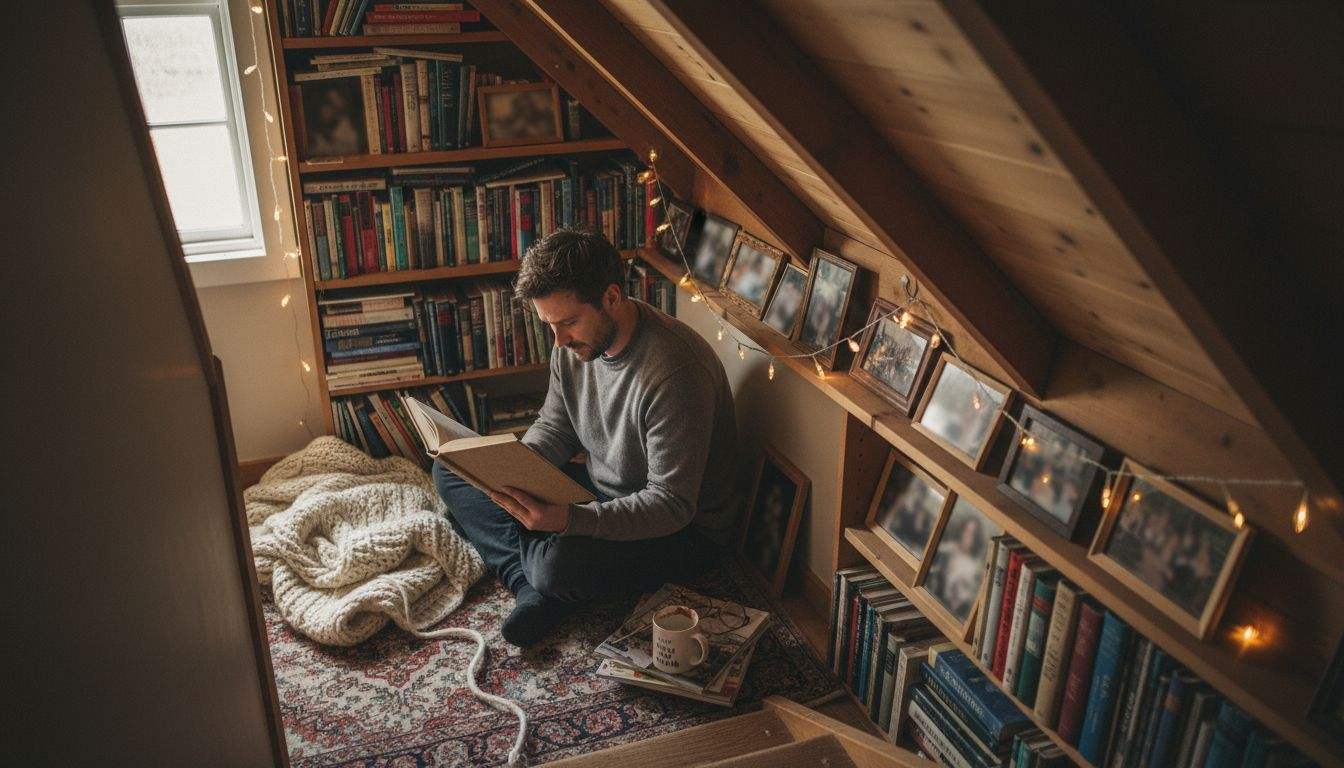
The psychological benefits of personalisation extend beyond aesthetic pleasure. Strategic design elements like meaningful artwork, photographs, colour schemes, and texture selections can trigger positive emotional responses, reduce anxiety, and promote a sense of control. By transforming living spaces into authentic representations of personal identity, individuals can create environments that actively support emotional wellbeing, motivation, and personal growth.
Pro tip: Create a dedicated ‘emotional wellness corner’ in your home with items that genuinely spark joy, comfort, and positive memories, serving as a personal retreat for mental restoration.
Financial and Practical Considerations for Homeowners
Personalising a home requires thoughtful financial planning and strategic budgeting. Strategic financial management is crucial for homeowners looking to balance aesthetic improvements with long-term financial stability. Understanding the economic implications of home personalisation helps prevent unnecessary expenses while creating meaningful living spaces that enhance both emotional and monetary value.
Budgeting for home personalisation involves carefully assessing potential investments and their return. Mortgage and maintenance costs play a significant role in determining the scope of personalisation projects. Homeowners should consider factors such as property value appreciation, renovation expenses, and the potential for future resale when making design decisions. This approach ensures that personalisation efforts are both emotionally satisfying and financially prudent.
Practical considerations extend beyond immediate costs, encompassing long-term maintenance and adaptability. Smart personalisation involves selecting versatile design elements that can evolve with changing lifestyles and preferences. This might include modular furniture, neutral base designs with interchangeable accessories, and quality investments that offer durability and timeless appeal. By prioritising flexibility and quality, homeowners can create personalised spaces that remain both meaningful and financially sensible over time.
Pro tip: Create a dedicated home personalisation fund that allocates a small monthly amount, allowing you to make thoughtful improvements without financial strain.
Below is a summary of key practical home personalisation investments and their long-term value:
| Investment Type | Cost Range | Potential Longevity | Impact on Resale Value |
|---|---|---|---|
| Modular Furniture | Moderate–High | 10+ years | Often increases flexibility |
| Neutral Base Designs | Low–Moderate | 10+ years | Widens buyer appeal |
| Smart Integrations | Moderate | 5–10 years | May attract tech-savvy buyers |
| Quality Accessories | Low–High | Varies by material | Subtle but positive |
Common Mistakes to Avoid When Personalising
Personalising your home requires careful consideration and strategic planning to avoid costly and aesthetically disruptive errors. Home decor planning mistakes can quickly derail your design vision, leading to impractical and disjointed living spaces. Homeowners often rush into design decisions without fully understanding how different elements interact, resulting in spaces that feel uncomfortable and uninspired.
One of the most significant pitfalls is neglecting proper spatial proportions and functional design. Furniture scale and placement critically impact the overall feel of a room, with overcrowding and poorly measured pieces destroying the intended aesthetic. Many individuals make the mistake of purchasing items independently without considering how they will collectively function within the existing space, leading to cramped and inefficient environments.
Effective personalisation demands a holistic approach that balances individual expression with design principles. This means avoiding impulse purchases, creating comprehensive vision boards, and understanding how colour, texture, and lighting work together. Successful personalisation is not about filling a space with random objects, but curating meaningful pieces that genuinely reflect personal identity while maintaining visual harmony and practical functionality.
Pro tip: Create a detailed design mood board and photograph your space before making any purchases to help visualise how new items will truly integrate with your existing environment.
Transform Your Home Into a Personal Sanctuary Today
Personalising your living space is essential for boosting comfort and self-expression, yet many homeowners struggle with finding stylish and functional items that truly reflect their personality. The article highlights key challenges such as balancing emotional connection with practical design, avoiding common decor mistakes, and managing budget wisely while creating a space that feels authentically yours.
At Homable.co.uk, we understand these concerns and offer a carefully curated range of home decor and accessories designed to help you craft your perfect personalised environment. Whether you are looking for elegant curtains, statement rugs, or versatile storage solutions, our collection balances innovative design with affordability. Embrace your unique style with pieces that support your wellbeing and transform your house into a home.
Discover how you can bring your vision to life with our best sellers and new arrivals that match modern home aesthetics.
Explore our stylish home accessories today and start creating a space that truly feels like your own.
Ready to elevate your home with personalised style and comfort? Visit Homable.co.uk now to browse our selections and enjoy free shipping on orders over £100. Take the first step towards a home that expresses who you really are.
Frequently Asked Questions
How can personalising my home improve my emotional wellbeing?
Personalising your home creates environments that reflect your identity, which can significantly reduce feelings of isolation and enhance emotional comfort. Thoughtfully curated spaces provide comfort and promote positive emotional responses, supporting mental health.
What are some effective techniques for personalising my living space?
Effective techniques for personalising your space include creating memory walls with cherished photographs, selecting artwork that resonates with you, upcycling furniture, and incorporating textural elements. Choose a colour palette that reflects your mood and lifestyle preferences.
What financial considerations should I keep in mind when personalising my home?
When personalising your home, consider budgeting for renovations and understanding the impact on property value. Focus on investments that offer flexibility, such as modular furniture, and opt for quality materials that provide durability and timeless appeal.
What common mistakes should I avoid during the personalisation process?
Common mistakes include neglecting spatial proportions, rushing into impulse purchases, and failing to create a cohesive design vision. Always consider how new items will integrate with your existing space and aim for a harmonious overall aesthetic.
Recommended
- Top 9 Must-Have Home Accessories to Elevate Your Living Space – Homable
- What Is Interior Styling and Its Impact on Homes – Homable
- Step by Step Home Accessory Styling for Modern Spaces – Homable
- 7 Practical Bedroom Styling Tips for Modern UK Homes – Homable
- 7 Key Benefits of House Extensions for UK Homeowners
- Top Personalized Robes – Expert Comparison 2025 – Lotus Linen