Cart
0
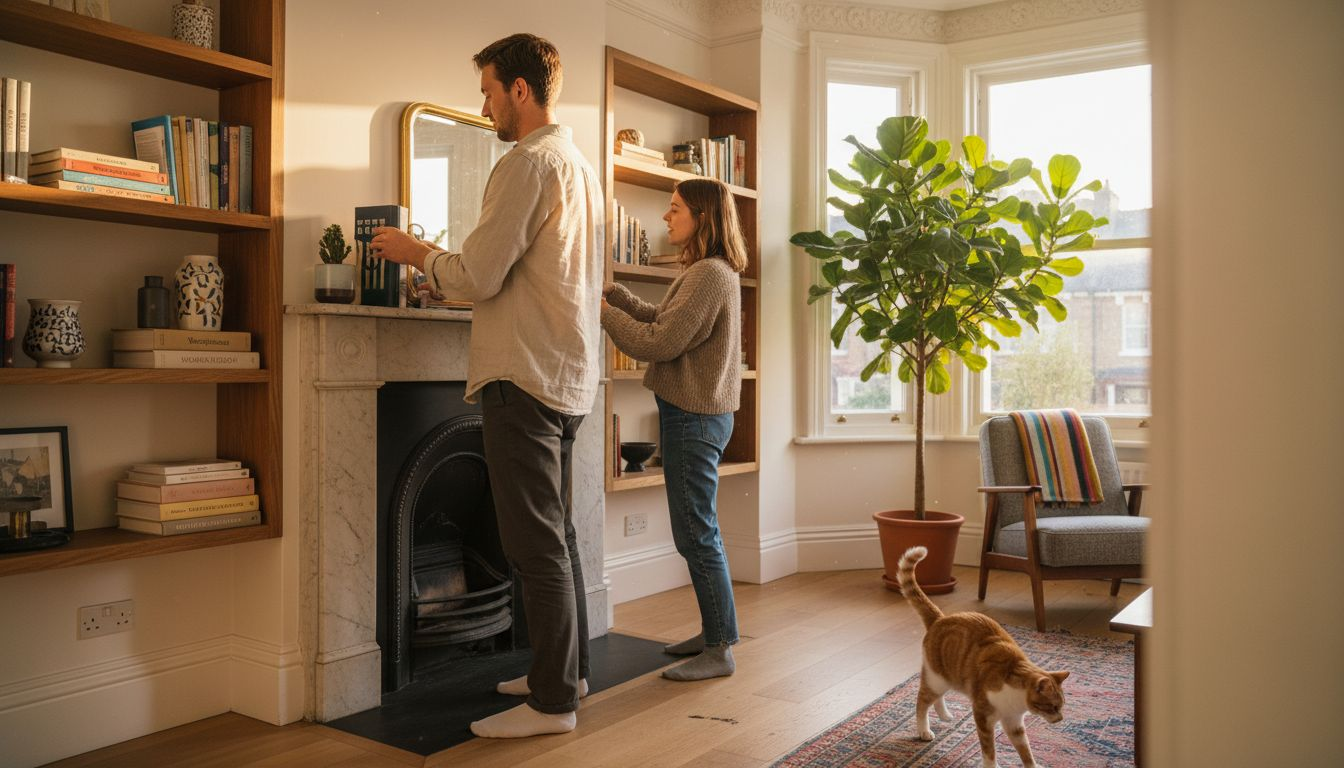
Finding the perfect balance between style and everyday functionality often feels like a challenge for UK homeowners with busy city lives. The way your rooms are arranged and the colours you choose can impact not only how your space looks but also how you feel and move about every day. By focusing on a clear interior design workflow that starts with honest self-assessment and prioritises both aesthetics and practical needs, you create a home that genuinely supports you and reflects your personal taste.
Table of Contents
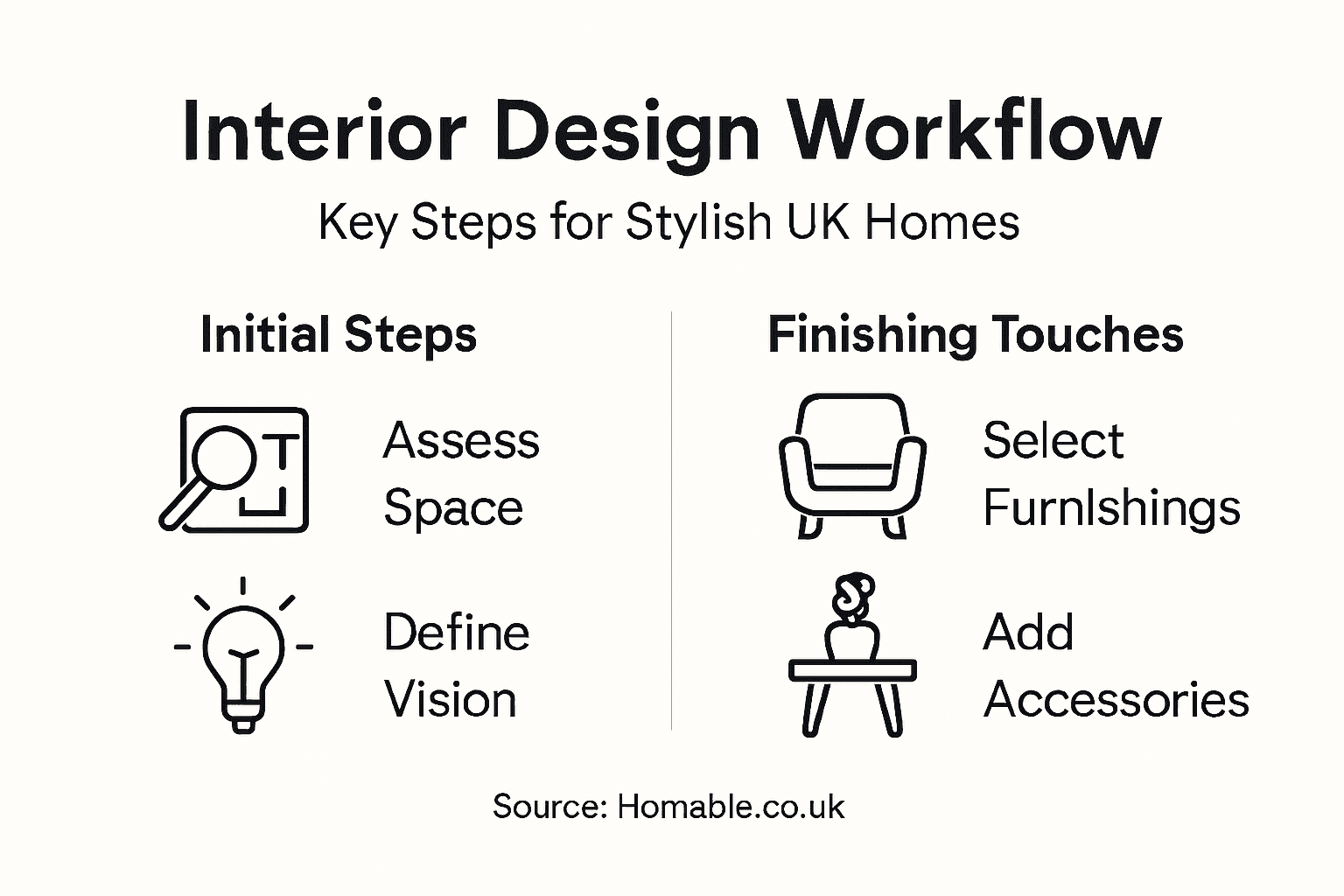
- Step 1: Assess Your Space And Lifestyle Needs
- Step 2: Define A Cohesive Design Vision
- Step 3: Select Functional And Stylish Furnishings
- Step 4: Integrate Decorative Accessories Thoughtfully
- Step 5: Review And Refine The Finished Space
Quick Summary
| Main Insight | Explanation |
|---|---|
| 1. Assess Your Space Needs | Evaluate your home’s layout and daily activities to identify functional requirements before making design decisions. |
| 2. Define a Design Vision | Establish a cohesive design vision with core principles and a colour palette to guide all your aesthetic choices. |
| 3. Choose Functional Furnishings | Prioritise practicality by ensuring furniture fits both your space and lifestyle while aligning with your design vision. |
| 4. Integrate Accessories Thoughtfully | Select meaningful decorative items that enhance the aesthetics and functionality of your home without cluttering. |
| 5. Review and Refine Regularly | Live in your space for two weeks, then evaluate its effectiveness and make gradual refinements for improved comfort and flow. |
Step 1: Assess Your Space and Lifestyle Needs
Before you purchase a single cushion or paint a wall, take time to understand what your space actually needs. This foundational step prevents expensive mistakes and ensures your interior design choices support how you actually live rather than how you think you should live. You will map out your space, consider your daily routines, and identify what matters most to you and your household.
Start by physically walking through your home and observing how you move through each room. Do you stub your toe on that coffee table regularly? Does your kitchen layout force you to turn sideways to reach the cooker? Notice these friction points because they reveal genuine lifestyle needs. Interior designers consider how people move through spaces when developing functional layouts, and you should do the same. Take photographs from different angles, including corners and ceiling heights. Measure key dimensions: room length and width, doorway widths, window placements, and any architectural features like alcoves or fireplaces. These measurements matter because they determine what furniture actually fits and how you can arrange items.
Next, be honest about your lifestyle habits. Are you someone who entertains frequently, or do you prefer quiet evenings at home? Do you work from home and need a dedicated desk space, or is your home purely a place to relax after the office? Have young children whose toys sprawl across the floor, or older adults who need accessible, clutter-free pathways? Write down your three biggest daily frustrations with your current space. Perhaps natural light is poor during winter evenings, or noise from the street disrupts your bedroom. Maybe you lack adequate storage and clutter accumulates on every surface. These observations guide your design decisions far more accurately than Pinterest boards ever could.
Consider also how different household members use the space. Interior design psychology shows that spatial elements like personal space and territoriality affect behaviour and stress levels, which means your design should accommodate everyone’s needs, not just one person’s preference. A teenager needs different things from a bedroom than a toddler does. If you share a living room, some people might want a cosy media-watching corner whilst others need a workspace. Understanding these competing needs upfront prevents redesigning the entire room three months later because nobody actually feels comfortable in the space.
Here’s how interior design priorities differ by household type:
| Household Type | Top Priority | Key Challenge | Recommended Approach |
|---|---|---|---|
| Young Family | Safety & durability | Managing toys and clutter | Built-in, easy-access storage |
| Professionals | Flexibility | Space for work and leisure | Multifunctional furniture |
| Older Adults | Accessibility | Navigating obstacles | Clear walkways, minimal steps |
| Flatmates/Sharers | Privacy | Conflicting preferences | Zoned, divided areas |
Take time to assess what you already own and genuinely like. Look at your existing furniture and accessories. Which pieces do you love enough to keep? Which ones make you feel tired when you look at them? This matters because building around items you love costs less than replacing everything, and it ensures your final design reflects authentic preferences rather than trend-chasing. Think about your colour preferences too. Do warm neutrals calm you, or do you crave deeper, bolder tones? Do you have a collection of textiles, artwork, or objects that bring you joy? These become the anchors for your colour palette and overall aesthetic.
Practical tip Spend one week simply observing and writing notes rather than shopping, and take measurements of every doorway and major furniture piece you already own. This thirty-minute investment prevents buying items that won’t fit and ensures your final design actually works for your daily life.
Step 2: Define a Cohesive Design Vision
Now that you understand your space and lifestyle, it is time to articulate a clear design vision that ties everything together. This vision becomes your North Star, guiding every purchasing decision and preventing your home from becoming a disjointed collection of items that look nice individually but clash when placed together. A cohesive design vision means your living room, bedroom, kitchen, and hallways feel like they belong to the same home rather than different showrooms.
Start by identifying three to five core design principles that matter to you. These might include simplicity and minimalism, warmth and comfort, bold colour and pattern, industrial elements, natural materials, or a blend of styles. Write these down alongside a sentence explaining why each resonates with you. For instance, if you value minimalism, perhaps it is because visual clutter stresses you and you want your home to feel calm. If you love warm textures, maybe you grew up in a cosy cottage and those feelings matter more than trendy aesthetic perfection. Frank Lloyd Wright advocated for a holistic and cohesive vision that integrates all design aspects into a unified work of art, which means your principles should reflect what genuinely matters to your household rather than copying someone else’s aesthetic.
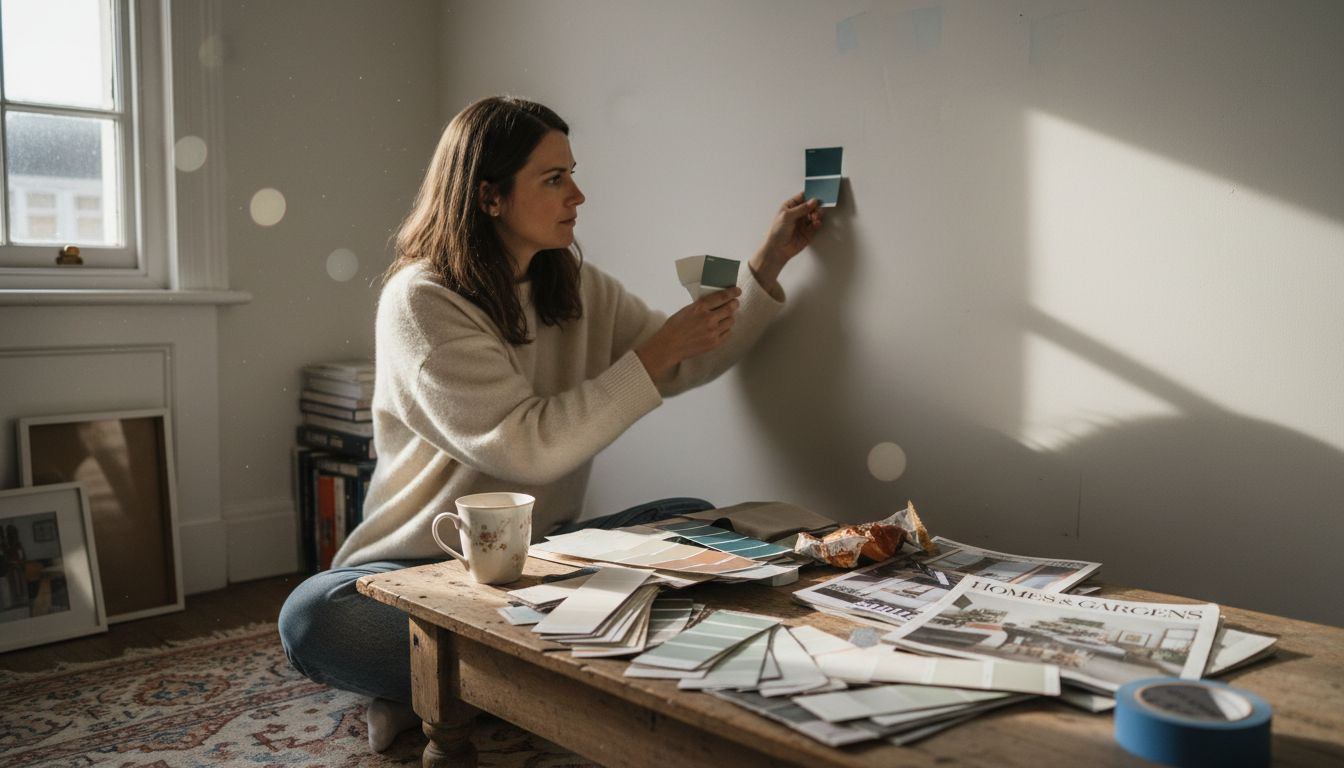
Next, create a visual reference collection. This is not about copying Pinterest boards wholesale, but rather gathering images that demonstrate your core principles in action. Collect ten to fifteen photographs showing rooms, colour combinations, furniture arrangements, textures, or decorative objects that make you feel something. Spend an afternoon with these images spread out and identify patterns. Do most pictures feature neutral backgrounds with jewel tone accents? Are natural materials like wood and linen recurring? Do you gravitate towards mid-century modern lines or eclectic vintage pieces? These patterns reveal your authentic aesthetic preferences beneath any temporary trends or outside influences.
Define your colour palette next, as this is one of the most powerful unifying elements. Choose a primary colour that will dominate most rooms, typically a neutral or near-neutral. Add two secondary colours that complement your primary and can vary between rooms whilst maintaining cohesion. Include one or two accent colours for visual interest and personality. For example, you might select soft greige as your primary, warm cream as a secondary, deep green as another secondary, and burnt orange as your accent. Write these colours down, note their hex codes or paint samples, and test them in your actual lighting. Afternoon light looks completely different from evening artificial light, and what looks sophisticated in a shop appears different in your home. Design as a discipline involves selecting principles that unite aesthetics with utility and context, so your colour palette must work with your lighting and existing architecture, not against it.
Consider your functional requirements within this design vision. If your vision is minimalist but you have three children and a dog, you need smart storage solutions that maintain that clean aesthetic. If your vision celebrates pattern and colour but you work from home and need a calm focus space, you might create one room in neutral tones where you concentrate and express your personality elsewhere. Your vision should accommodate reality, not fight it. Write down how your core principles will manifest in each room. Will your living room be a gathering space that reflects boldness, or a sanctuary that emphasises calm? Will your bedroom prioritise rest and simplicity or comfort and texture? These decisions ensure your vision actually works for how you live.
Finally, commit to one or two investment pieces that anchor your vision. These might be a statement sofa, a beautiful rug, artwork, lighting, or a piece of furniture that embodies your aesthetic completely. These anchors justify your entire design direction, and future purchases build around them rather than fighting against them. When you feel tempted by something off brand, you can compare it to these anchor pieces and ask whether it strengthens or weakens your cohesive vision.
Practical tip Create a simple one-page design brief with your three core principles, your colour palette, your anchor pieces, and two or three reference images that capture your vision, then pin this to your phone or fridge so you reference it before making any purchases or significant design decisions.
Step 3: Select Functional and Stylish Furnishings
With your design vision clearly defined, you are ready to select the actual pieces that will furnish your rooms. This is where many people stumble because they become captivated by beautiful items without considering whether those pieces actually work in their space and lifestyle. The goal here is choosing furnishings that satisfy both your aesthetic preferences and your practical needs, creating interiors that look stunning whilst performing brilliantly for daily living.
Start by assessing what you actually need in each room. Before browsing furniture shops or online retailers, list the functional requirements. Your living room needs comfortable seating for your household plus guests, somewhere to rest drinks and remotes, adequate lighting for evening relaxation, and perhaps storage for books or blankets. Your bedroom needs a bed scaled appropriately for your space, somewhere to hang clothes, perhaps a small seating area, and nightstands for essentials. Your kitchen requires worktop space, storage for cooking equipment, seating if you eat there, and lighting for food preparation. Write these requirements down and prioritise them. Which three things matter most? Is it comfort above all else, or do you need maximum storage because your space is compact? Balancing aesthetics with purpose means integrating visual harmony with practical needs such as durability and comfort, so your must haves take precedence over nice to haves.
Next, consider the materials and durability required for each piece. A cream velvet sofa looks gorgeous in a showroom but becomes a stressful nightmare if you have young children and a dog who shed continuously. A delicate glass coffee table creates an elegant centrepiece but is impractical if you work from home and frequently move things about. Materials must match the space’s needs, like durability for high-traffic areas or softness for private zones, so think honestly about your household’s reality. A family with three teenagers will benefit from robust, easy-to-clean fabrics and surfaces that hide wear. A couple in their early thirties with no children might prioritise visual beauty over extreme durability. If your living room receives intense afternoon sunlight, certain fabric colours fade quickly whilst others resist fading. Consider maintenance too. Natural linen wrinkles easily but is hardwearing and washable. Leather develops a beautiful patina but requires occasional conditioning. Microfibre is stain resistant but can feel synthetic. There is no perfect material, only materials that suit your specific situation.
Scale and proportion matter enormously and catch many people off guard. A perfectly beautiful sofa can overwhelm a small room, or a modest armchair can disappear in a spacious living area. Measure your rooms carefully and consider how much floor space you want to remain visible. In compact urban flats typical of UK city living, leaving breathing room prevents spaces feeling cramped. Consider how people will move through the space. Can you open doors without them hitting furniture? Can you walk between the sofa and coffee table without shuffling sideways? Will your bedroom feel like a bedroom or a storage unit? Sketch rough layouts using paper templates of your furniture pieces or use online room planning tools to visualise arrangements before purchasing anything.
Connect your furnishing choices back to your design vision. If your vision emphasises natural materials, seek sofas in cotton or linen rather than polyester blends, tables in solid wood rather than veneered particleboard, and storage in natural finishes. If your vision celebrates bold colour, this is where that accent hue comes into play through an armchair, ottoman, or upholstered headboard. If your vision prioritises minimalism, choose pieces with clean lines and consider multifunctional items that reduce the number of separate objects needed. Multi-use décor provides stylish solutions that serve multiple purposes without compromising your aesthetic, making each piece work harder in your space. Consider investing in one statement piece per room that you absolutely love and building more neutral supporting pieces around it. This approach creates visual interest whilst maintaining cohesion.
Budget realistically and prioritise investment pieces. You cannot furnish an entire home beautifully overnight on a modest budget, nor should you try. Better to have a few quality, well-chosen pieces than many cheap items that wear out or feel regrettable within months. Allocate your budget to pieces you use daily and items that anchor each room. Spend generously on sofas, beds, and dining tables because these pieces receive heavy use and set the tone for entire spaces. Spend more modestly on occasional furniture, storage, and decorative pieces that you can replace or update more easily as your style evolves. Check whether purchases offer good value by calculating cost per year of expected use. A £500 sofa that lasts eight years costs significantly less per year than a £200 sofa that falls apart in three years.
Practical tip Before purchasing any major furniture piece, measure your doorways and staircases to ensure it actually enters your home, and always factor in at least 15 percent of your budget as contingency for unexpected needs or opportunities that emerge during the decorating process.
Step 4: Integrate Decorative Accessories Thoughtfully
Your furniture is in place and your colour palette is established, but your rooms still feel somewhat empty. This is where decorative accessories transform a nicely furnished space into a home that feels genuinely yours. Accessories are the storytelling layer that adds personality, warmth, and the finishing touches that make people say your space feels put together. Done thoughtfully, accessories enhance beauty and comfort without cluttering or overwhelming the rooms you have already designed.
Start by understanding what you are actually doing with accessories. They are not afterthoughts or random pretty objects scattered about. Wall art, vases, cushions, and lighting add colour, texture, and personal style whilst creating focal points, so each piece should serve a purpose within your overall design vision. Ask yourself what each item contributes. Does a vase add visual interest through colour or form? Does a cushion introduce a secondary colour from your palette? Does a piece of artwork anchor a wall that feels bare? Does a lamp provide both necessary light and aesthetic appeal? If an accessory does not tick at least one of these boxes, it is clutter rather than decoration. This mindset shift prevents rooms from becoming visually chaotic.
Consider scale and balance when adding accessories to your rooms. A single large piece of artwork makes a bolder statement than three small pieces huddled together, and often appears more sophisticated in a compact urban flat. Conversely, a gallery wall featuring multiple pieces of varying sizes creates visual interest and works well on longer walls. Group accessories in odd numbers when clustering them together because this feels naturally balanced to the human eye. Three candlesticks of varying heights on a mantelpiece look intentional. Four looks accidental. Place taller items towards the back of shelving or windowsills and shorter items in front so you can see everything. Layer textures through accessories by combining smooth ceramic with rough linen, shiny metal with matte wood, or soft velvet with natural fibres. This textural variety adds depth and sensory richness to spaces.
Think about how light interacts with your accessories. Thoughtful integration of decorative accessories enhances beauty and functionality by engaging multiple senses and considering interaction with light and textures, which means transparent glass vases catch and scatter light differently than opaque ceramic ones. Metallic finishes reflect light, whilst matte surfaces absorb it. This matters because the same accessory can feel completely different depending on how light plays across its surface throughout the day. If you have warm evening artificial lighting, gold and brass accessories glow beautifully. If you have cool daylight, these same pieces might feel garish. Position reflective accessories where they benefit from your best natural light.
Personalise your spaces through accessories that tell your story. Display items you genuinely love rather than items you think you should like. A collection of vintage paperbacks stacked on a shelf, plants that you nurture, framed photographs of meaningful people and places, or travel souvenirs all communicate who you are. Thoughtful use of home accessories allows easy style updates and reflects the occupant’s personality without requiring major renovations, so your accessories can evolve as your life changes. This is the budget-friendly advantage of decorative pieces. When your taste shifts or you need a refresh, updating cushions, artwork, or vases costs far less than replacing furniture.
Start small and add gradually rather than filling every surface immediately. This approach lets you see what actually works in your space and prevents accessory overload. Begin with essential items like lighting, window treatments, and one or two pieces of wall art. Live with these for a week or two. Do the rooms feel complete, or do they still need something? Add a few cushions or throws next, then incorporate smaller decorative objects. This measured approach helps you develop confidence in your styling choices. You will also discover whether you prefer minimal accessories that emphasise calm or layered accessories that create richness and visual interest.
Use step-by-step home accessory styling techniques to arrange items with intention rather than randomly placing them. Create vignettes on shelving or side tables by grouping three objects of varying heights and textures together, leaving negative space around them. This creates focal points that draw the eye and feel intentionally curated. Vary the height, colour, and texture of items to prevent monotony. Position mirrors strategically to reflect light and create the illusion of more space. Hang artwork at eye level, approximately 57 inches from the floor to the centre of the piece. These practical considerations transform accessories from decorative afterthoughts into design elements that strengthen your entire interior.
Finally, maintain restraint. The most common mistake is adding too many accessories because you love so many things. Each item competes for visual attention, and when everything is trying to be special, nothing stands out. Edit ruthlessly. Keep only items that bring genuine joy or serve clear functional purposes. Leave breathing room on shelves and surfaces. In UK homes where space is often at a premium, negative space is a luxury that makes accessories appear more intentional and valuable.
Below is a summary of common accessory types and their impact on room atmosphere:
| Accessory Type | Adds To Room | Best Placement |
|---|---|---|
| Wall Art | Visual interest | Focal points, empty walls |
| Cushions & Throws | Comfort and softness | Sofas, armchairs, beds |
| Vases & Ceramics | Colour and texture | Side tables, shelves |
| Plants | Freshness and life | Corners, sills, shelves |
| Candles & Lighting | Ambience and warmth | Mantelpieces, dining tables |
Practical tip Group accessories in sets of three and arrange them on shelves at varying heights, then take a photograph and study it for a few days before finalising the arrangement; this creates distance that helps you spot whether accessories genuinely enhance your space or feel forced.
Step 5: Review and Refine the Finished Space
Your design is now in place. The furniture is arranged, colours are cohesive, and accessories add personality. But before you declare the project complete, step back and evaluate whether your space actually works as intended. This review phase is not about second-guessing your choices obsessively, but rather assessing whether your finished interior meets the practical and emotional needs you identified at the beginning. Sometimes small refinements transform a good space into a genuinely excellent one.
Begin by living in your newly designed space for at least two weeks before finalising any decisions. This sounds simple, but it is crucial because your first impressions often differ from how you actually feel about the space over time. Spend your mornings there, your evenings, weekends, and any time you naturally inhabit the rooms. Notice what works beautifully and what irritates you. Does that accent wall colour feel energising or overwhelming after spending several hours in the room? Is the lighting sufficient for reading, or do you constantly reach for additional lamps? Does the traffic flow feel natural, or do you repeatedly bump into furniture? Do you feel calm and comfortable, or slightly on edge? These observations reveal genuine issues that need addressing rather than aesthetic preferences that might shift with mood.
Evaluate your space against the original goals you set when beginning this project. Return to your notes from Step 1 where you identified your three biggest daily frustrations. Have you actually solved those problems? If you complained about poor natural light during winter evenings, can you now see comfortably without eye strain? If storage was inadequate, does clutter still accumulate on surfaces, or are items neatly contained? If you felt the space was too cold and uninviting, does it now feel warmer through colour, texture, and personal touches? Testing ideas against project goals through prototyping and user feedback encourages questioning whether your design genuinely improves your daily life, so be honest about whether you have actually achieved what you set out to do. If certain goals remain unmet, identify specific refinements that would address them.
Assess functionality alongside aesthetics. Is your living room arrangement conducive to conversation, or do people sit at awkward angles? Can you comfortably prepare meals in your kitchen with the current layout, or do you constantly reach across the cooker? Can you relax in your bedroom without feeling like you are in a furniture showroom? Does your home office have adequate worktop space and lighting for focused concentration? Functionality trumps beauty every time because you live in your home daily, and poor functionality creates low-level frustration that undermines any aesthetic perfection. If something is not working, refinement beats suffering in silence.
Look at your colour palette and lighting combination with fresh eyes. Colours look different at different times of day and under various lighting conditions. That wall colour you loved in afternoon sunlight might feel garish under evening artificial lighting. Certain accent colours might clash with natural light that changes seasonally. If something feels off, you have several options. You could adjust lighting by adding warm bulbs, repositioning lamps, or installing dimmer switches. You could introduce a different accent colour through accessories rather than repainting. You could increase contrast if everything feels too monochromatic. Small refinements often solve colour concerns without major changes.
Consider whether your spaces feel balanced in terms of visual weight and visual interest. Do certain corners feel empty and neglected whilst others feel overcrowded? Are some areas too minimal and stark whilst others feel cluttered? Does the eye have somewhere to rest, or does it never know where to focus? Collaborative review of spaces through careful assessment helps ensure alignment with aesthetic and functional goals, so step back and evaluate the overall composition. Sometimes adding a single piece of artwork solves imbalance. Sometimes removing several small items and consolidating them into one focal point improves the entire room. These refinements are subtle but impactful.
Ask trusted friends or family members for honest feedback, but filter their suggestions through your own judgment. Someone might suggest something that contradicts your design vision or personal preferences, and that feedback is not worth acting upon. However, if multiple people mention that something feels off, pay attention. Feedback about comfort is particularly valuable. If visitors consistently comment that the seating arrangement makes conversation difficult, that is a genuine issue worth addressing. If people compliment how calm or energised they feel in your space, you know you are on the right track.
Make refinements gradually rather than overhauling everything at once. Try moving a piece of furniture to a new location before deciding it does not work. Swap accessories between rooms before deciding they belong elsewhere. Test a different paint colour on a large piece of board and observe it in different lighting before committing. This experimental approach prevents expensive mistakes and lets you develop confidence in your decision-making. Many people discover that small tweaks like rearranging furniture or swapping artwork solve problems far more effectively than they anticipated.
Finally, accept that your space will evolve. Design is not a static endpoint but an ongoing process. Your needs change, your taste develops, and trends shift. The beauty of thoughtful interior design is that it provides a strong foundation you can build upon and modify over time. Items that feel essential today might feel unnecessary in two years. New pieces you acquire will spark fresh ideas. This flexibility means your home can grow with you rather than feeling permanently frozen in time.
Practical tip Take photographs of each room from multiple angles and study them for at least three days, as photographs reveal proportional and compositional issues that are harder to spot when you are standing in the space experiencing it emotionally rather than analytically.
Elevate Your Modern UK Home with Thoughtful Decor Solutions
Struggling to translate your interior design workflow into a truly cohesive and stylish home? This article highlights the challenges of balancing function with aesthetics, from assessing your space and lifestyle needs to selecting furnishings and decorative accessories that genuinely enhance your living environment. We understand that finding pieces which embody your design vision, meet practical demands, and add personality without clutter can feel daunting.
Discover a curated collection of home accessories and furnishings at Homable.co.uk designed specifically for modern homeowners like you. Whether you need innovative storage solutions that keep clutter at bay or striking decorative accents that unify your colour palette and create focal points, our affordable, quality products help you realise your design principles effortlessly. Start transforming your space today and enjoy free shipping on orders over £100. Explore our best sellers and new arrivals to find the perfect pieces that bring your modern interior design vision to life.
Frequently Asked Questions
How do I assess my space before starting an interior design project?
To assess your space, walk through each room, noting how you move and identifying any friction points. Take measurements of key dimensions and photograph the space to help you visualise potential layouts.
What should I consider when defining my design vision?
Begin by identifying three to five core design principles that resonate with you, such as comfort or minimalism. Create a visual reference collection to recognise patterns in your aesthetic, and define a cohesive colour palette that reflects your preferences.
How can I choose furnishings that blend style with functionality?
List the functional requirements for each room and prioritise them based on your lifestyle needs. Assess materials for durability and scale the furniture to match your space, ensuring each piece aligns with your defined design vision.
What role do decorative accessories play in interior design?
Decorative accessories add personality and warmth, transforming a furnished space into a home. Ensure each item serves a purpose, contributes to your overall design vision, and balances visual weight in the room.
How can I review and refine my completed interior design?
Live in your newly designed space for at least two weeks to gauge functionality and comfort. Assess whether your design meets the original goals you set and make gradual refinements to improve the overall aesthetic and practicality of the space.
What should I do if my space feels cluttered after decorating?
If your space feels cluttered, evaluate your accessories and remove any items that do not bring joy or serve a clear purpose. Focus on creating breathing room on surfaces to enhance the intentionality of the remaining items.