Cart
0
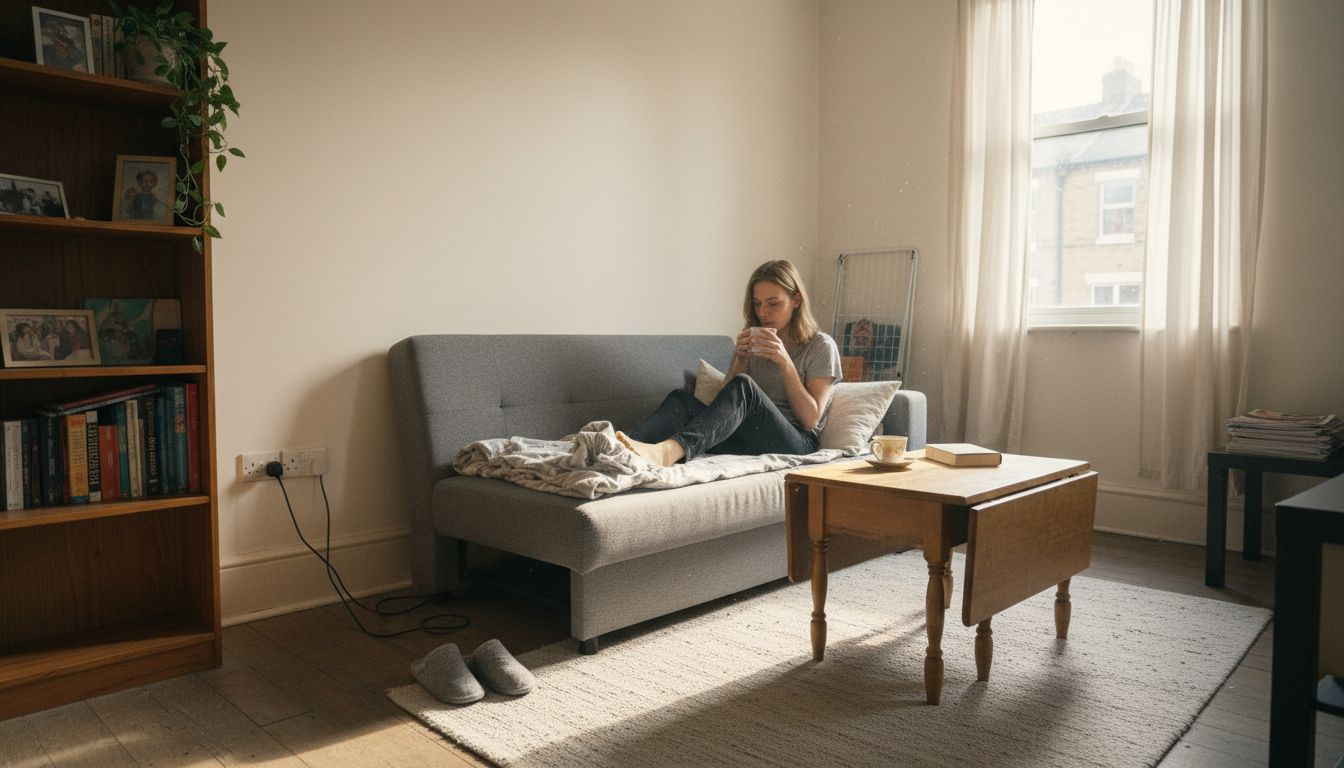
Living in a tiny flat can quickly make every square metre count. Finding room to relax, entertain or work often feels nearly impossible when space is this limited. You need solutions that go beyond simply rearranging what you already own and offer smart ways to create comfort and order without making things feel cramped.
This guide reveals strategies backed by real research for transforming compact rooms into welcoming, functional environments. You will discover practical ways to use multi-functional furniture, vertical space, and colour choices to make your home feel larger and more organised. Get ready for actionable tips that will help you design a space where every item pulls its weight and every corner works for you.
Table of Contents
- Choose Multi-Functional Furniture For Maximum Utility
- Utilise Vertical Space With Shelves And Hanging Decor
- Opt For Light Colours To Enhance Openness
- Select Space-Saving Storage Solutions
- Incorporate Mirrors To Create An Airy Feel
- Use Minimalist Accessories For A Clean Look
- Define Zones With Rugs And Curtains
Quick Summary
| Takeaway | Explanation |
|---|---|
| 1. Choose Multi-Functional Furniture | Maximise space by selecting furniture that serves multiple purposes, adapting to various needs within your compact home. |
| 2. Utilise Vertical Space Effectively | Draw attention upward with vertical storage solutions like shelving, enhancing both organisation and visual interest in small areas. |
| 3. Opt for Light Colour Palettes | Light colours create the illusion of more space, reflecting natural light and promoting a calm atmosphere in small living areas. |
| 4. Incorporate Mirrors Strategically | Place mirrors to enlarge room perception by reflecting light and depth, effectively making small spaces feel more expansive. |
| 5. Define Zones with Rugs and Curtains | Use rugs and curtains to visually segment areas in open spaces, allowing for flexibility and clear functionality without physical barriers. |
1. Choose Multi-Functional Furniture for Maximum Utility
In tiny urban living spaces, furniture isn’t just about aesthetics—it’s about strategic functionality. Multi-functional furniture transforms your compact home by maximising every square centimetre of available space.
Modern urban dwellers face significant space challenges, and transformable furniture designs offer innovative solutions. These clever pieces adapt to your changing needs, providing remarkable utility without compromising on style.
Key benefits of multi-functional furniture include:
- Maximising limited square footage
- Reducing clutter and unnecessary items
- Providing flexible living arrangements
- Creating seamless transitions between living functions
Consider options like:
- Sofa beds that convert from seating to sleeping spaces
- Extendable dining tables that compress when not in use
- Ottoman storage units with hidden compartments
- Wall-mounted desks that fold away when not needed
Smart furniture isn’t just about saving space—it’s about creating intelligent living environments.
By selecting pieces that serve multiple purposes, you can create a dynamic living space that adapts to your lifestyle. Modularity is key in contemporary small space design, allowing furniture to transform and support various activities throughout the day.
Interestingly, advanced materials now enable lighter and more sustainable multi-use furniture that supports urban living principles. These innovative designs contribute to both personal comfort and broader circular economy goals.
Pro tip: When shopping for multi-functional furniture, always measure your space precisely and visualise how each piece will function in different configurations.
2. Utilise Vertical Space with Shelves and Hanging Decor
When floor space is at a premium, your walls become your most valuable design asset. Vertical space offers an ingenious solution for transforming compact living areas into stylish and functional environments.
Vertical storage strategies can dramatically enhance the perception of space and organisation in small homes. By drawing the eye upward, you create visual interest and prevent rooms from feeling cluttered or cramped.
Consider these vertical storage and decor approaches:
- Floor-to-ceiling shelving units
- Wall-mounted cabinets
- Hanging planters and herb gardens
- Floating shelves in unexpected spaces
- Pegboards for flexible storage
Vertical installations offer multiple benefits:
- Maximise unused wall real estate
- Create visual height in rooms
- Provide additional storage without consuming floor space
- Add architectural interest to plain walls
Walls are not just barriers—they’re opportunities for creative expression and functional design.
Mounting techniques matter significantly. Use robust wall anchors appropriate to your wall type and the weight of your shelves. Consider lightweight materials like acrylic or bamboo for minimalist shelving that doesn’t overwhelm small spaces.
Colour coordination and strategic placement can transform vertical storage from mere utility to a design statement. White shelves can make spaces feel larger, while dark shelves can create dramatic focal points.
Pro tip: Measure your wall spaces carefully and use a spirit level when installing shelves to ensure perfectly straight, professional-looking results.
3. Opt for Light Colours to Enhance Openness
The right colour palette can transform a cramped space into an airy sanctuary. Colour psychology plays a crucial role in creating visual expansiveness in small living areas.
Colour selections can dramatically alter room perception by influencing light reflection and psychological comfort. Lighter hues work like visual magic tricks expanding your spatial boundaries.
Ideal colour strategies include:
- Soft pastel blues
- Warm neutral beiges
- Light sage greens
- Pale grey tones
- Crisp white shades
Benefits of light colour palettes:
- Create illusion of larger spaces
- Reflect more natural light
- Reduce visual stress
- Promote feelings of calmness
Colours are not just decorative—they are powerful tools for spatial transformation.
Undertones matter significantly when selecting light colours. Warm undertones can make spaces feel cosy while cool undertones create a sense of openness. Consider your room’s natural light exposure when making selections.
Technical considerations like paint finish also impact perception. Matte and eggshell finishes absorb light differently compared to glossy options and can subtly influence your room’s spatial dynamics.
Pro tip: Always test paint colours with large sample swatches in different lighting conditions before committing to a full room repaint.
4. Select Space-Saving Storage Solutions
In compact living spaces, storage is not just about organisation—it is an art form of strategic design. Intelligent storage solutions can transform cluttered rooms into streamlined sanctuaries.
Innovative storage designs emphasise maximising every available inch while maintaining aesthetic appeal. The key is selecting pieces that serve multiple purposes without overwhelming your living area.
Consider these clever storage strategies:
- Under-bed storage containers
- Hanging organisers for vertical space
- Modular shelving units
- Furniture with built-in compartments
- Wall-mounted cabinets
Benefits of smart storage solutions:
- Reduce visual clutter
- Create more usable living space
- Improve room organisation
- Enhance overall interior design
Storage is not about hiding things away—it is about creating harmony in your living environment.
Modularity is key when selecting storage solutions. Look for adaptable pieces that can be reconfigured as your needs change. Opt for neutral colours and clean lines to maintain a sense of openness.
Pay attention to materials and construction. Lightweight yet sturdy options like aluminium frames or engineered wood provide durability without adding unnecessary visual weight to your space.
Pro tip: Measure your spaces precisely and select storage solutions that complement your existing furniture and room layout.
5. Incorporate Mirrors to Create an Airy Feel
Mirrors are visual magicians that can transform cramped spaces into seemingly expansive environments. Strategic mirror placement offers an ingenious solution for making small rooms feel dramatically larger.
Mirror positioning techniques can dramatically enhance spatial perception by reflecting light and creating depth. The right mirror can effectively double your room’s visual square footage without requiring structural changes.
Best mirror placement strategies:
- Opposite windows for maximum light reflection
- End of narrow hallways
- Behind key furniture pieces
- Across from doorways
- Near light sources
Key benefits of incorporating mirrors:
- Increase perceived room size
- Enhance natural lighting
- Add visual interest
- Create depth and dimension
A well-placed mirror is like an extra window into another world.
Frame selection matters significantly. Choose frames that complement your existing decor while maintaining a light aesthetic. Thin metallic or minimalist wooden frames work wonderfully in compact spaces.
Consider mirror shapes beyond traditional rectangles. Round mirrors can soften angular rooms while irregular geometric mirrors add contemporary flair. The key is selecting pieces that feel like deliberate design choices rather than afterthoughts.
Pro tip: Select mirrors with clean lines and lightweight frames to maintain a sense of openness without adding visual clutter.
6. Use Minimalist Accessories for a Clean Look
In small spaces, every decorative choice carries significant visual weight. Minimalist styling transforms compact areas into serene, intentional environments that breathe sophistication and calm.
Minimalist design principles emphasise quality over quantity, creating spaces that feel simultaneously curated and uncluttered. The secret lies in selecting pieces that serve both aesthetic and functional purposes.
Key minimalist accessory strategies:
- Choose statement pieces with clean lines
- Maintain a restrained colour palette
- Select multipurpose decorative items
- Focus on texture over quantity
- Embrace negative space
Benefits of minimalist accessorising:
- Reduce visual noise
- Create sense of spaciousness
- Highlight individual design elements
- Promote mental clarity
Simplicity is the ultimate sophistication in small space design.
Texture becomes paramount when working with minimal accessories. Select items with interesting tactile qualities like woven throws, ceramic vases, or sculptural objects that add depth without overwhelming the space.
Consider a disciplined approach to display. One carefully chosen art piece or a single elegant ceramic can communicate more style than a crowded collection of trinkets. Think of each accessory as a deliberate design statement.
Pro tip: Rotate your minimal accessories seasonally to keep your space feeling fresh without accumulating unnecessary items.
7. Define Zones with Rugs and Curtains
In compact living spaces, creating distinct functional areas requires clever visual strategy. Zoning techniques transform open spaces into multipurpose environments without constructing physical walls.
Space definition strategies enable residents to craft flexible living environments that adapt to changing needs. Rugs and curtains become architectural elements that segment space intelligently.
Effective zoning approaches:
- Use area rugs to anchor furniture groups
- Select complementary but distinct rug patterns
- Employ lightweight curtains as flexible dividers
- Create visual boundaries through strategic placement
- Maintain consistent colour palettes across zones
Benefits of intelligent zoning:
- Maximise functional living areas
- Create sense of organisation
- Enhance spatial perception
- Support multiple activity zones
Boundaries need not be walls—they can be whispers of design.
Texture plays a crucial role in successful zoning. Choose rugs and curtains with varying weights and materials to subtly differentiate areas while maintaining visual harmony.
Consider layering techniques such as using smaller accent rugs atop larger neutral base rugs. This approach adds depth and helps delineate specific functional spaces within your compact environment.
Pro tip: Select lightweight, neutral-toned curtains that can slide easily to create instant privacy or openness in your multi-functional space.
Below is a comprehensive table summarising key strategies and recommendations for optimising compact living spaces as discussed in the article.
| Topic | Details | Advantages |
|---|---|---|
| Multi-Functional Furniture | Furniture combining multiple functionalities, e.g., sofa beds, extendable tables. | Maximises space use, reduces clutter, supports flexibility. |
| Utilising Vertical Space | Incorporating wall shelving, pegboards, and hanging elements to make use of vertical real estate. | Increases storage without reducing floor space, adds depth. |
| Light Colour Choices | Employing soft, light palettes like whites and pastels for an airy appearance. | Creates openness, enhances light distribution, reduces stress. |
| Smart Storage Solutions | Using under-bed containers and modular systems to optimise storage. | Improves organisation, enhances room aesthetic. |
| Strategic Mirror Placement | Carefully placing mirrors to amplify light and create depth perception. | Expands perceived size of space, enhances lighting. |
| Minimalist Accessories | Selecting functional, aesthetic items while emphasising simplicity. | Reduces visual noise, promotes spacious feeling. |
| Zoning with Rugs and Curtains | Using area rugs and curtains to delineate functional spaces in an open layout. | Organises space distinctively, supports multiple activities. |
Transform Your Small Space with Stylish and Practical Home Accessories
Struggling to make the most of your compact living areas can be frustrating. This article perfectly highlights challenges like maximising space through multi-functional furniture, clever vertical storage, and creating an airy feel with light colours and mirrors. These solutions require carefully chosen home accessories that combine style and functionality without overcrowding your space. At Homable.co.uk we understand these pain points and offer an expertly curated selection of products designed to enhance small homes with intelligent storage, elegant curtains, statement rugs and decorative pieces that bring harmony and calm.
Elevate your small space today by exploring our diverse collection at Homable.co.uk. Whether you want to define zones with beautiful rugs and curtains or add minimalist accessories that maximise openness, find the perfect items that adapt effortlessly to your lifestyle. Don’t wait to create a home that feels spacious, organised and stylish. Start your transformation now with exclusive designs, affordable prices and free shipping on orders over £100.
Frequently Asked Questions
How can I maximise utility in a small space with furniture?
To maximise utility, choose multi-functional furniture that serves more than one purpose. For example, opt for a sofa bed that provides both seating and sleeping options, enabling you to use your space more effectively.
What are the best ways to utilise vertical space in a compact living area?
Utilise vertical space by installing shelves or wall-mounted cabinets, which free up floor space. Aim to maximise wall real estate with tall shelving units, bringing creativity and style to your small area.
How can colour choices enhance the look of a small room?
Colour choices significantly impact spatial perception; lighter colours can make small rooms feel more open and airy. Experiment with soft pastel shades or crisp whites to reflect more natural light and create a sense of calmness.
What storage solutions are most effective for limited spaces?
Effective storage solutions include under-bed storage containers and furniture with built-in compartments. Look for modular shelving units that can be reconfigured as your needs change, helping maintain a clutter-free environment.
How can mirrors be used to create a more spacious feeling?
Mirrors enhance perceived space by reflecting light, making small rooms appear larger. Position mirrors opposite windows to maximise light reflection and depth, effectively doubling the visual square footage of the room.
What minimalist accessories should I consider for small spaces?
Select a few high-quality minimalist accessories that serve both an aesthetic and functional purpose. Focus on statement pieces with clean lines and consider rotating accessories seasonally to keep your space feeling fresh without adding visual clutter.