Cart
0
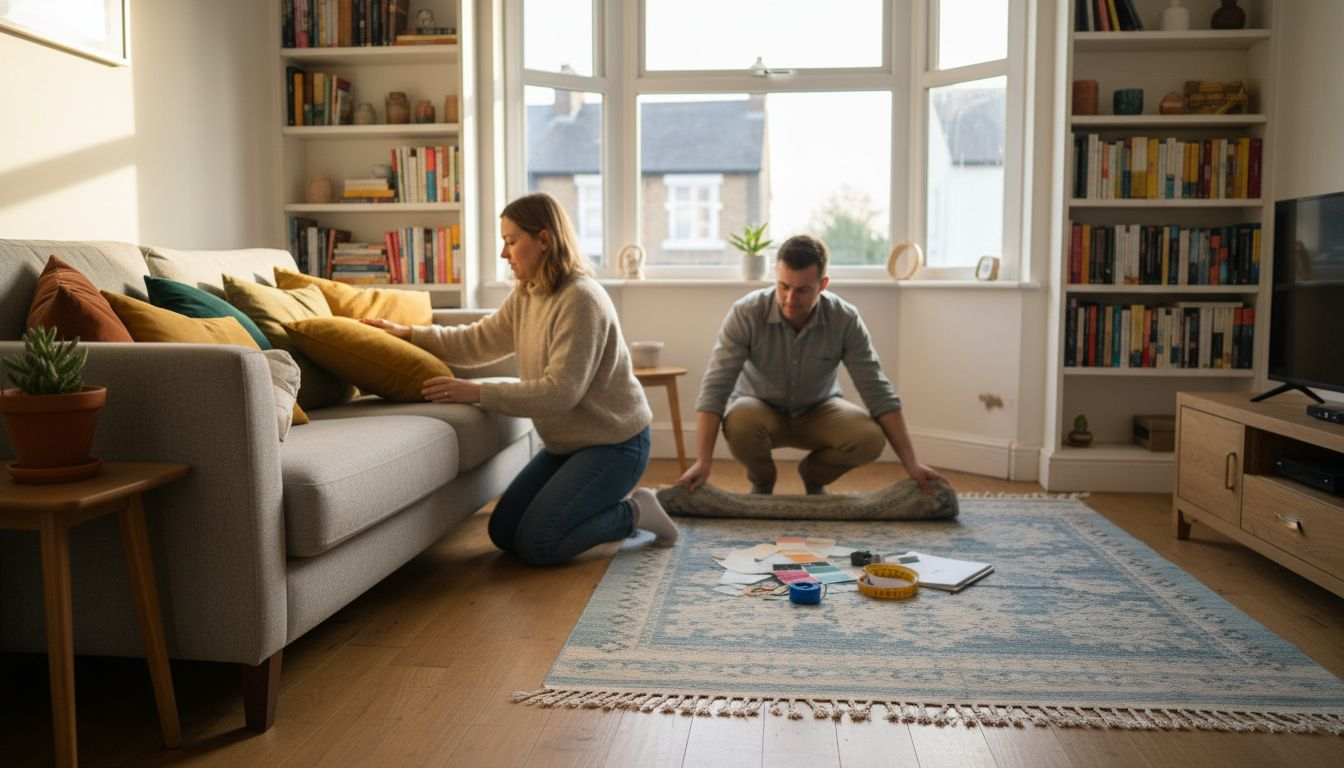
Redecorating your home often feels overwhelming when you have limited space, a tight budget, and no clear starting point. Sorting your priorities and making practical decisions can be tough, especially with so many options to consider and costly mistakes to avoid. You want to create a space that’s welcoming and reflects your personality, but knowing where to begin is the real challenge.
The good news is there are simple, actionable steps that make the decorating process much more manageable. These insights will help you plan your spending wisely, select colours that bring every room together, and make your home both stylish and liveable. As you read on, you’ll discover strategies and expert tips designed to save you money and turn ordinary spaces into something special.
Table of Contents
- 1. Set Your Decorating Budget And Priorities
- 2. Choose A Cohesive Colour Scheme
- 3. Declutter And Optimise Home Storage
- 4. Select Functional And Stylish Furniture
- 5. Layer With Soft Furnishings And Rugs
- 6. Add Wall Art And Decorative Accessories
- 7. Personalise With Lighting And Greenery
Quick Summary
| Key Insight | Explanation |
|---|---|
| 1. Establish a budget early | Create a detailed budget to prevent overspending while ensuring your decorating project reflects your style. |
| 2. Choose a unified colour scheme | Select a cohesive colour palette of 3-4 shades for a harmonious flow throughout your home. |
| 3. Optimise storage to reduce clutter | Implement effective storage solutions to enhance organisation, reduce stress, and improve mental clarity in your space. |
| 4. Prioritise functional furniture | Invest in furniture that blends style and functionality, catering to your lifestyle and spatial needs. |
| 5. Layer with textiles for warmth | Use soft furnishings and rugs to add warmth, comfort, and visual interest, creating a welcoming home environment. |
1. Set Your Decorating Budget and Priorities
Transforming your home’s interior requires a strategic approach, and it all begins with establishing a clear financial roadmap for your decorating project. Understanding and managing your budget is the foundational step that prevents overspending and ensures you create a space that reflects your style without breaking the bank.
Budgeting for home decor isn’t just about limiting expenses—it’s about making smart financial decisions that maximise your available resources. The key is to develop a comprehensive plan that balances your design aspirations with practical financial constraints.
Start by assessing your total available funds and breaking down potential expenses:
- Furniture and furnishings: 40-50% of total budget
- Decorative accessories: 20-30% of total budget
- Paint and wall treatments: 10-15% of total budget
- Miscellaneous expenses: 5-10% of total budget
Prioritise spending on items that offer the most significant visual and functional impact in your home.
When planning your budget, investigate financial assistance options that might help offset decorating costs. Many local governments, charities, and housing associations offer grants or support for home improvements, particularly for individuals with limited financial means.
To ensure accurate budgeting, obtain written quotes from multiple sources and compare prices carefully. This approach helps you understand the true cost of your decorating project and prevents unexpected financial strain.
Remember that flexibility is crucial. Your initial budget might need adjustments as you progress, so build in a contingency fund of 10-15% to cover unexpected expenses or last-minute design changes.
Pro tip: Create a detailed spreadsheet tracking every potential expense and update it regularly to maintain financial control throughout your home decorating journey.
2. Choose a Cohesive Colour Scheme
Creating a harmonious home interior begins with selecting a thoughtful and interconnected colour palette that flows seamlessly from room to room. Your colour choices are more than just aesthetic preferences—they’re the visual narrative that tells the story of your living space.
A well-designed colour scheme transforms your home from a collection of separate rooms into a unified, intentional environment. Colour cohesion techniques involve strategic planning and an understanding of how different hues interact and complement each other.
When developing your colour palette, consider these essential principles:
- Limit your primary colours to 3-4 shades
- Choose colours with similar undertones
- Create smooth visual transitions between spaces
- Use neutral foundations to anchor your design
A consistent colour scheme creates a sense of calm and intentionality throughout your home.
To achieve seamless colour flow, interior designers recommend focusing on colour temperature and undertones. Warm tones like soft yellows, gentle oranges, and muted reds can create a cosy atmosphere, while cool blues, greens, and greys offer a more serene and contemporary feel.
Practical strategies for maintaining colour cohesion include:
- Using consistent accent colours across different rooms
- Selecting hardware and décor with complementary tones
- Considering flooring as a unifying visual element
- Creating subtle colour transitions through adjacent spaces
Pro tip: Use a colour wheel and paint swatches to test how different hues interact before committing to a full room makeover.
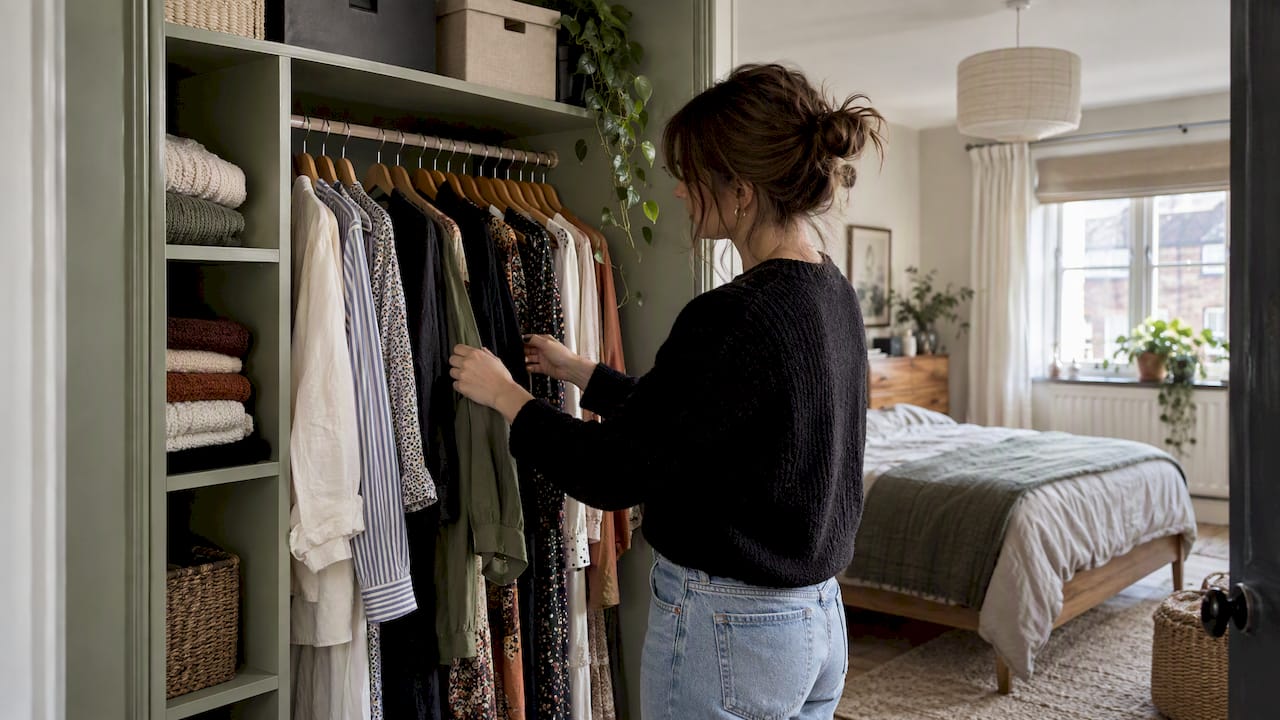
3. Declutter and Optimise Home Storage
Creating an organised living space isn’t just about tidiness—it’s about designing an environment that supports your mental wellbeing and daily functionality. Modern housing design increasingly recognises that strategic storage solutions are crucial for domestic comfort.
Decluttering goes beyond mere aesthetics. Psychological research demonstrates that a well-organised home directly correlates with reduced stress levels and improved mental clarity. Your physical environment profoundly influences your psychological state.
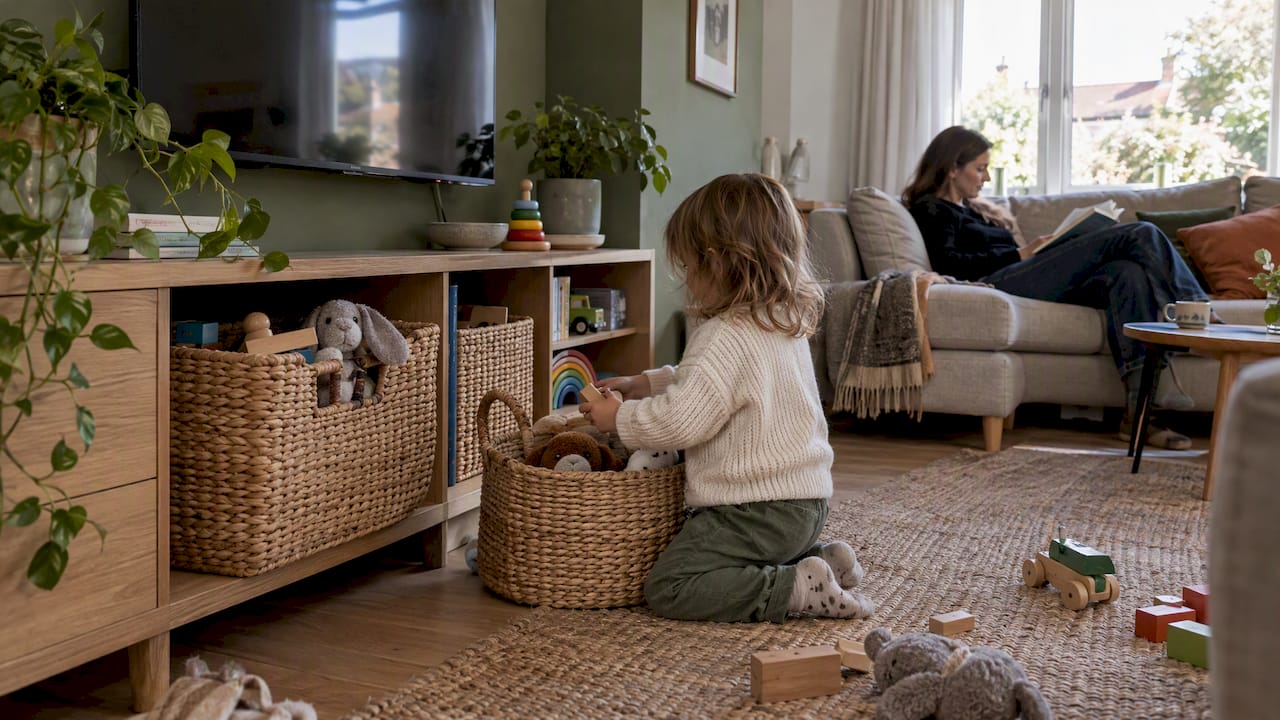
Key strategies for effective home storage include:
- Categorise items by frequency of use
- Implement vertical storage solutions
- Invest in multi-functional furniture
- Create designated spaces for specific item types
A clutter-free home is a pathway to a clutter-free mind.
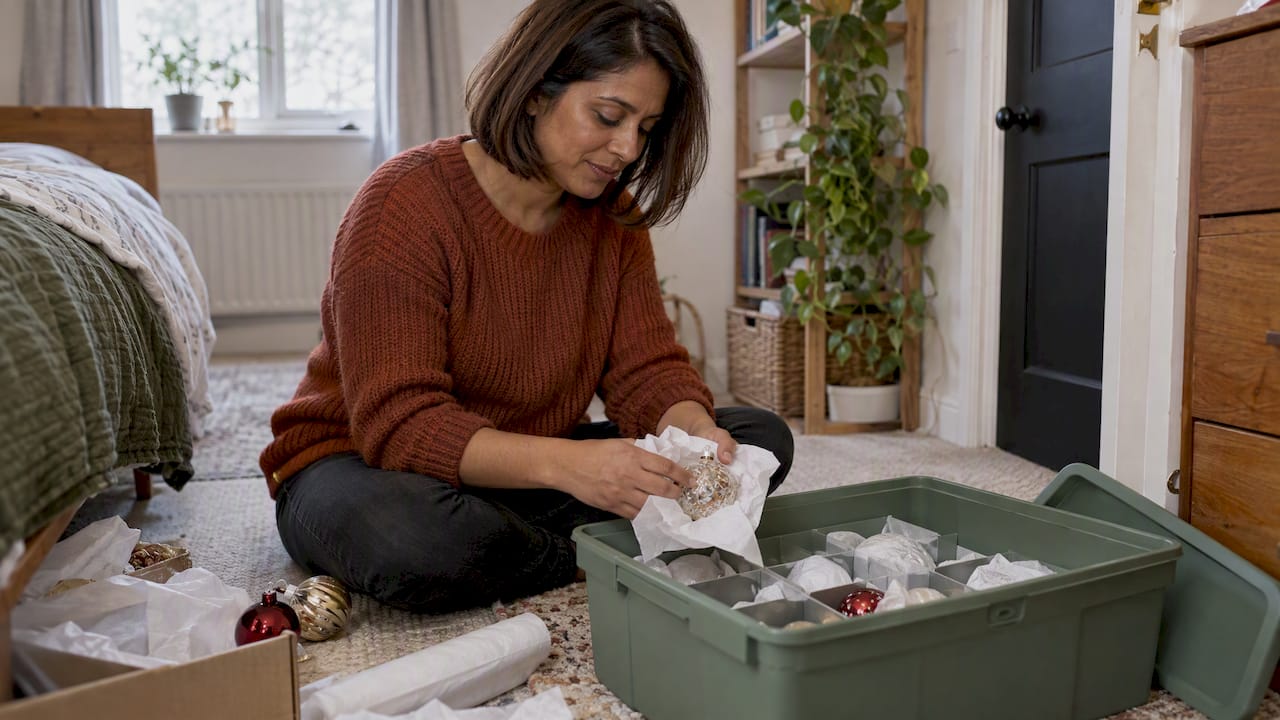
When approaching storage optimisation, consider these practical techniques:
- Sort items into keep, donate, and discard categories
- Use clear storage containers for easy visibility
- Maximise vertical space with wall-mounted shelving
- Choose furniture with built-in storage capabilities
For those living in compact British homes, stylish storage solutions can transform seemingly limited spaces into highly functional environments. The key is selecting storage options that are both practical and aesthetically pleasing.
Pro tip: Conduct a quarterly review of your storage systems, removing items you no longer need and reassessing your organisational approach to maintain an efficient living space.
4. Select Functional and Stylish Furniture
Furniture is the backbone of any living space—transforming empty rooms into comfortable, personalised environments that reflect your lifestyle and aesthetic sensibilities. Functional design principles are crucial in creating spaces that are both beautiful and practical.
Selecting furniture goes far beyond mere visual appeal. Comprehensive furniture guides emphasise the importance of understanding room purposes, spatial constraints, and individual comfort needs.
Key considerations for furniture selection include:
- Measure your space precisely
- Prioritise ergonomic design
- Select multi-purpose pieces
- Balance style and functionality
- Consider long-term durability
Invest in furniture that serves your lifestyle, not just your aesthetic preferences.
When evaluating furniture, consider these strategic approaches:
- Assess the primary function of each room
- Determine your daily usage requirements
- Examine material quality and durability
- Test comfort and ergonomic support
- Evaluate potential storage or multi-use capabilities
For modern UK homes, multi-use décor solutions offer exceptional value. Pieces that adapt to changing needs provide both practicality and visual sophistication.
Pro tip: Create a furniture mood board that combines fabric swatches, room measurements, and potential piece sketches to visualise your design cohesively before making purchasing decisions.
5. Layer with Soft Furnishings and Rugs
Soft furnishings are the secret ingredient that transforms a house into a home—adding warmth, personality, and tactile comfort to your living spaces. Layering techniques can elevate your interior design from basic to breathtaking.
Understanding how to combine textures, patterns, and fabrics creates depth and visual interest in your rooms. Interior design experts recommend thoughtful textile selection to create inviting, personalised environments.
Key principles for soft furnishing layering include:
- Mix different texture weights
- Coordinate complementary colour palettes
- Balance pattern scales
- Create visual depth
- Prioritise comfort
Soft furnishings are the storytellers of your interior design narrative.
When layering rugs and textiles, consider these strategic approaches:
- Start with a neutral foundation rug
- Add smaller rugs with contrasting patterns
- Combine cushions of varying sizes
- Use throws to introduce additional texture
- Ensure overall colour harmony
Open-plan living areas benefit particularly from strategic textile placement, which can help define zones and create visual interest.
Pro tip: Create a textile mood board using fabric swatches and colour samples to visualise how different textures and patterns will interact before making final selections.
6. Add Wall Art and Decorative Accessories
Decorative accessories are the subtle brushstrokes that transform a house into a personalised home—telling your unique story through carefully curated elements. Interior design principles reveal that thoughtful accessorising goes far beyond mere decoration.
Wall art and accessories serve multiple purposes: they add visual interest, create emotional depth, and reflect your personality within a space. These elements are not just decorative but functional storytelling tools that communicate your individual style.
Key strategies for selecting decorative accessories include:
- Create visual balance
- Mix different textures
- Use varied scale and proportion
- Reflect personal experiences
- Consider room functionality
Accessories are the punctuation marks in your home’s design language.
When incorporating wall art and decorative elements, consider these approaches:
- Select pieces that spark genuine emotional connection
- Maintain a cohesive colour palette
- Layer accessories with varying heights
- Use mirrors to enhance light and space
- Rotate accessories seasonally
Home accessories can dramatically transform rooms by adding depth, character, and visual intrigue.
Pro tip: Create a gallery wall layout using paper templates before hanging artwork to visualise positioning and ensure perfect arrangement.
7. Personalise with Lighting and Greenery
Creating a truly inviting home environment goes beyond visual aesthetics—it’s about crafting spaces that engage your senses and nurture your wellbeing. Personalising your space through strategic lighting and greenery can transform ordinary rooms into extraordinary sanctuaries.
Lighting design standards reveal that illumination is more than just brightness—it’s about creating layers of ambience that support different moods and activities.
Key principles for lighting and greenery integration include:
- Create multi-layered lighting
- Select adaptive plant species
- Balance natural and artificial light
- Consider room functionality
- Maximise energy efficiency
Your home should breathe with you—alive with light and living elements.
Strategic approaches to incorporating lighting and greenery:
- Use ambient, task, and accent lighting
- Position plants to maximise natural light exposure
- Select energy-efficient LED fixtures
- Choose plants matching your space’s light conditions
- Integrate biophilic design principles
Understanding interior styling’s impact helps create holistic, dynamic living spaces that reflect your personality.
Pro tip: Experiment with smart lighting systems and low-maintenance indoor plants to effortlessly enhance your home’s ambience and air quality.
Below is a comprehensive table summarising the main strategies and steps discussed throughout the article for enhancing your home’s interior with a focus on budgeting, design, and functionality.
| Process | Key Activities | Outcomes |
|---|---|---|
| Set Your Decorating Budget | Determine a clear financial plan, prioritise impactful purchases, and allocate a percentage to main expense categories. | Avoidance of overspending and enhanced resource utilisation. |
| Choose a Cohesive Colour Scheme | Select interconnected colours, utilise undertones for seamless transitions, and balance hues across rooms. | Creation of a harmonious and unified home aesthetic. |
| Declutter and Optimise Storage | Categorise items, implement vertical solutions, and regularly review organisational systems. | Reduced stress and maximised use of space within the home. |
| Select Functional Furniture | Measure spaces, consider comfort and scalability, and prioritise multi-purpose designs. | Enhanced living environment aligning practicality with aesthetic preferences. |
| Incorporate Soft Furnishings | Layer textures, coordinate colours, and combine patterns for depth and personality. | Creation of warm and inviting living spaces. |
| Add Wall Art and Accessories | Choose meaningful pieces, balance textures, and rotate décor seasonally. | Personalised spaces reflecting individual style and enhancing visual interest. |
| Utilise Lighting and Greenery | Layer lighting types, position plants strategically, and apply energy-efficient solutions. | Inviting atmosphere with improved air quality and energy conservation. |
This table encapsulates vital information for effectively planning and executing home interior improvements based on the practices outlined in the article.
Elevate Your Home Styling Journey with Homable
The “7-Step Home Decorating Checklist for Stylish UK Homes” guides you through setting clear budgets, achieving cohesive colour schemes, maximising storage, selecting furniture, and personalising your space with lighting and greenery. These thoughtful steps address common challenges like balancing style with functionality, creating harmony in colour choices, and transforming cluttered rooms into organised sanctuaries. If you seek to overcome these interior design hurdles and bring your vision to life with beautiful yet practical products, Homable.co.uk is your perfect partner.
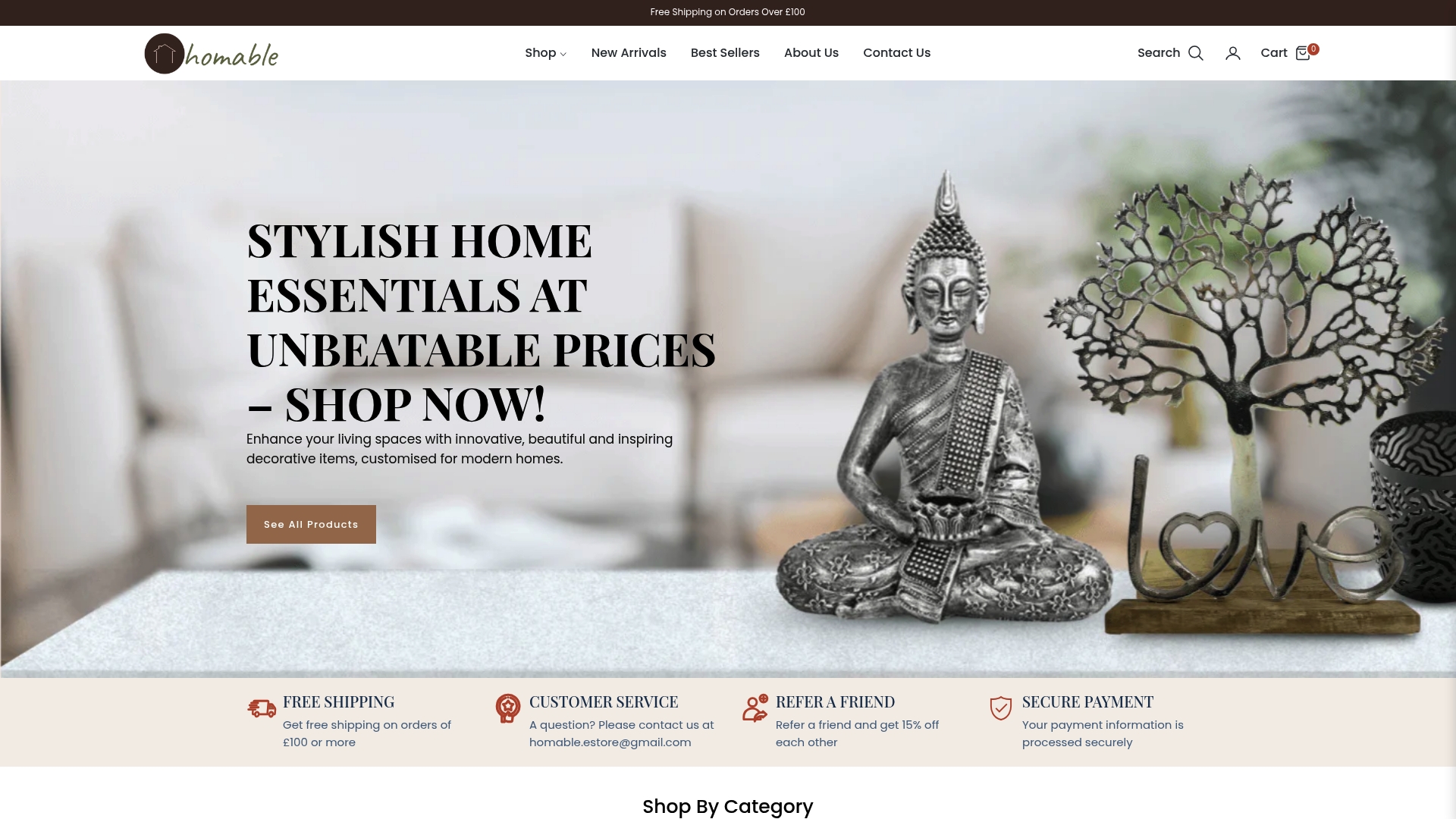
Discover a curated range of stylish rugs, functional storage solutions, and decorative accessories that align perfectly with the checklist’s advice. Embrace smart decorating choices today and explore our collections to create a home that reflects your personality while maintaining order and comfort. Don’t wait to transform your living spaces — visit Homable.co.uk now and start your journey to a beautifully styled and efficiently organised home with expert support and affordable designs.
Frequently Asked Questions
How can I set a budget for home decorating?
Establish a budget by assessing your total available funds and breaking down potential expenses. Allocate approximately 40-50% for furniture, 20-30% for decorative accessories, and 10-15% for paint and treatments to ensure your spending aligns with your decorating goals.
What colour scheme should I choose for my home?
Select a cohesive colour palette with 3-4 primary shades that flow seamlessly between rooms. Use similar undertones and incorporate neutral foundations to create a calm and inviting atmosphere throughout your space.
How do I optimise storage in a small home?
To optimise storage, categorise items by usage and implement vertical storage solutions using shelving. Invest in multi-functional furniture to maximise your space and create designated areas for specific items, enhancing both functionality and organisation.
What are the most important factors when choosing furniture?
Consider the primary function of each room and ensure you measure your space accurately. Prioritise ergonomic design and choose multi-purpose pieces that enhance both comfort and style, catering to your lifestyle needs.
How can I effectively layer soft furnishings and rugs?
Start with a neutral base rug and add smaller rugs with contrasting patterns, ensuring they complement one another. Combine cushions of varying sizes and textures, using throws for added comfort and visual interest in your living space.
What types of decorative accessories should I include in my home?
Choose decorative accessories that create visual balance and reflect your personal experiences. Incorporate a mix of textures and scales while maintaining a cohesive colour palette to create an engaging and personalised environment.