Cart
0
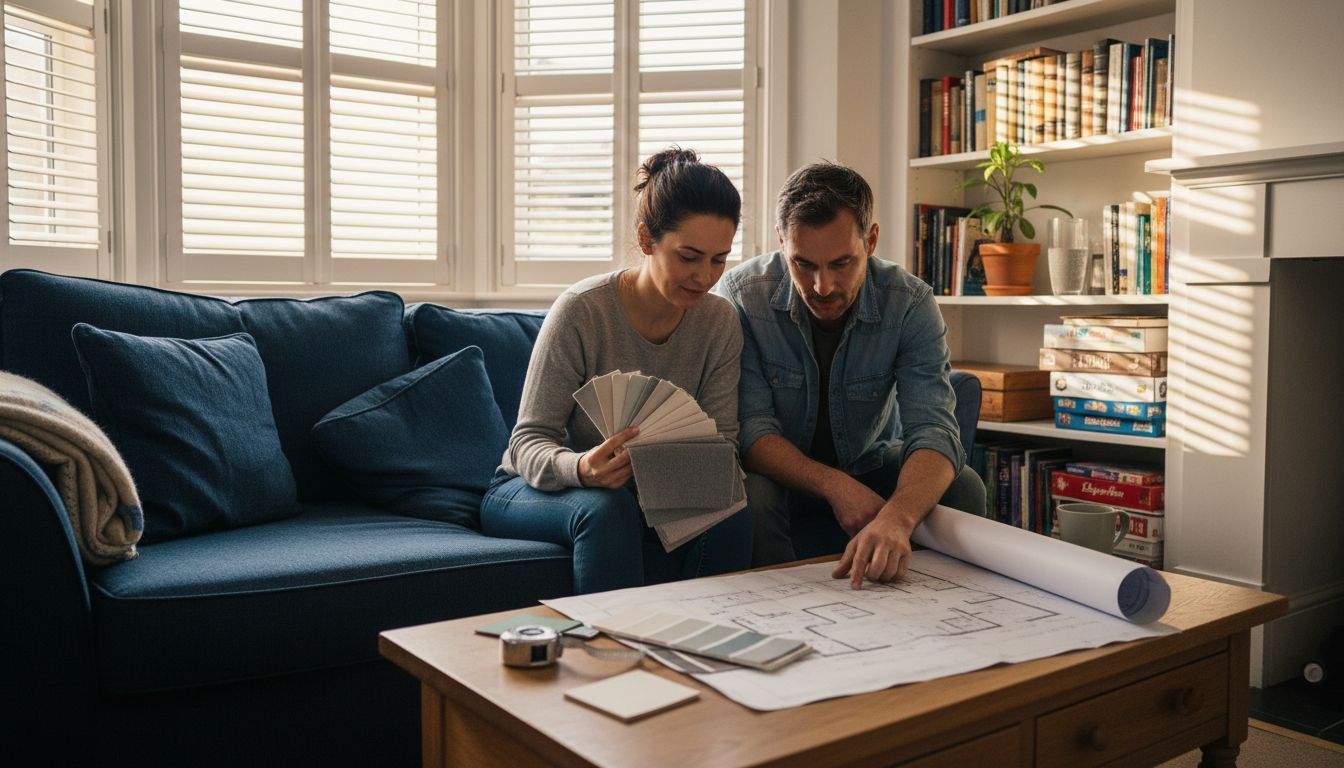
Striking the right balance between bold style and everyday practicality is a familiar challenge for many British homeowners. Beautiful rooms should look inviting while helping daily life run smoothly, yet choosing pieces that excel at both can feel surprisingly complicated. By understanding how design integrates both visual pleasure and functional purpose, you will be better equipped to create living spaces that truly enhance comfort, reflect your personal style, and support your modern lifestyle.
Table of Contents
- What Design And Function Mean In Home Decor
- Aesthetic Styles Versus Practical Solutions
- Key Benefits Of Blending Design With Function
- Innovative Ways To Balance Style And Use
- Mistakes To Avoid When Choosing Home Accessories
Key Takeaways
| Point | Details |
|---|---|
| Design and Function Are Interconnected | Effective home decor integrates style and practicality, enhancing both visual appeal and daily living experiences. |
| Balance Aesthetics and Practicality | Successful design creates harmony by blending aesthetic elements with functional solutions for improved living spaces. |
| Emphasise Multitasking Design | Incorporate multifunctional furniture and adaptable storage solutions to optimise space while maintaining elegance. |
| Avoid Style Over Function | When selecting home accessories, prioritise usability and safety to ensure a functional and appealing environment. |
What Design and Function Mean in Home Decor
Design and function are two interconnected principles that transform living spaces from mere structural environments into personalised, meaningful homes. Interior design fundamentally integrates style and practicality, creating environments that are not just visually appealing but strategically crafted to enhance daily living experiences.
At its core, home decor design involves understanding how physical spaces can be deliberately arranged to serve multiple purposes simultaneously. This means considering how each design choice impacts both aesthetic pleasure and practical utility. Functional design goes beyond superficial beauty, focusing on how spaces can be optimised to support inhabitants’ lifestyle needs and personal preferences.
Key aspects of design and function include:
- Spatial efficiency that maximises available room
- Ergonomic considerations for comfort and usability
- Visual harmony that reflects personal style
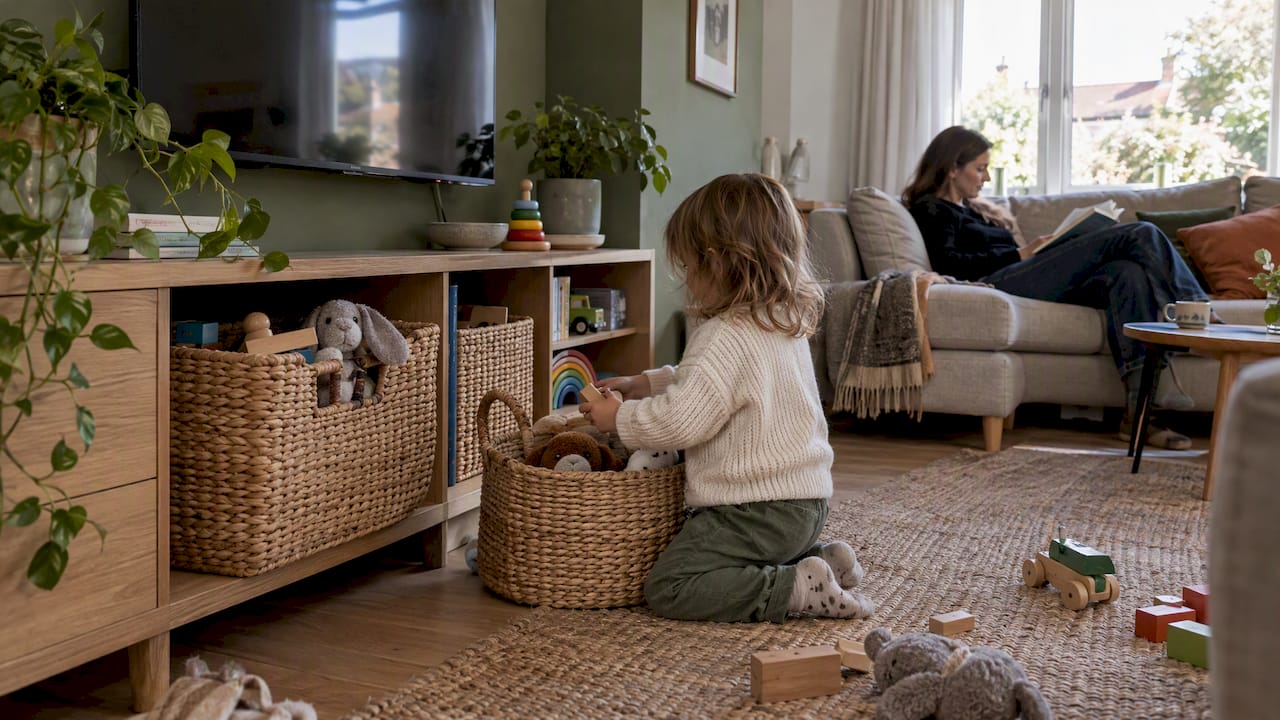
- Strategic storage solutions
- Adaptable furniture and decorative elements
Design principles emphasise the intricate relationship between people and their environment. Successful home decor isn’t about following trends blindly, but understanding how design can create spaces that feel both personally meaningful and practically supportive.
Pro tip: Always consider how a design element serves both aesthetic and practical purposes before incorporating it into your home.
Aesthetic Styles Versus Practical Solutions
Homeowners often find themselves navigating the complex landscape of balancing visual appeal with functional requirements. Aesthetic experiences deeply influence our emotional connection to living spaces, transforming them from mere physical structures into personalised environments that reflect individual taste and lifestyle needs.
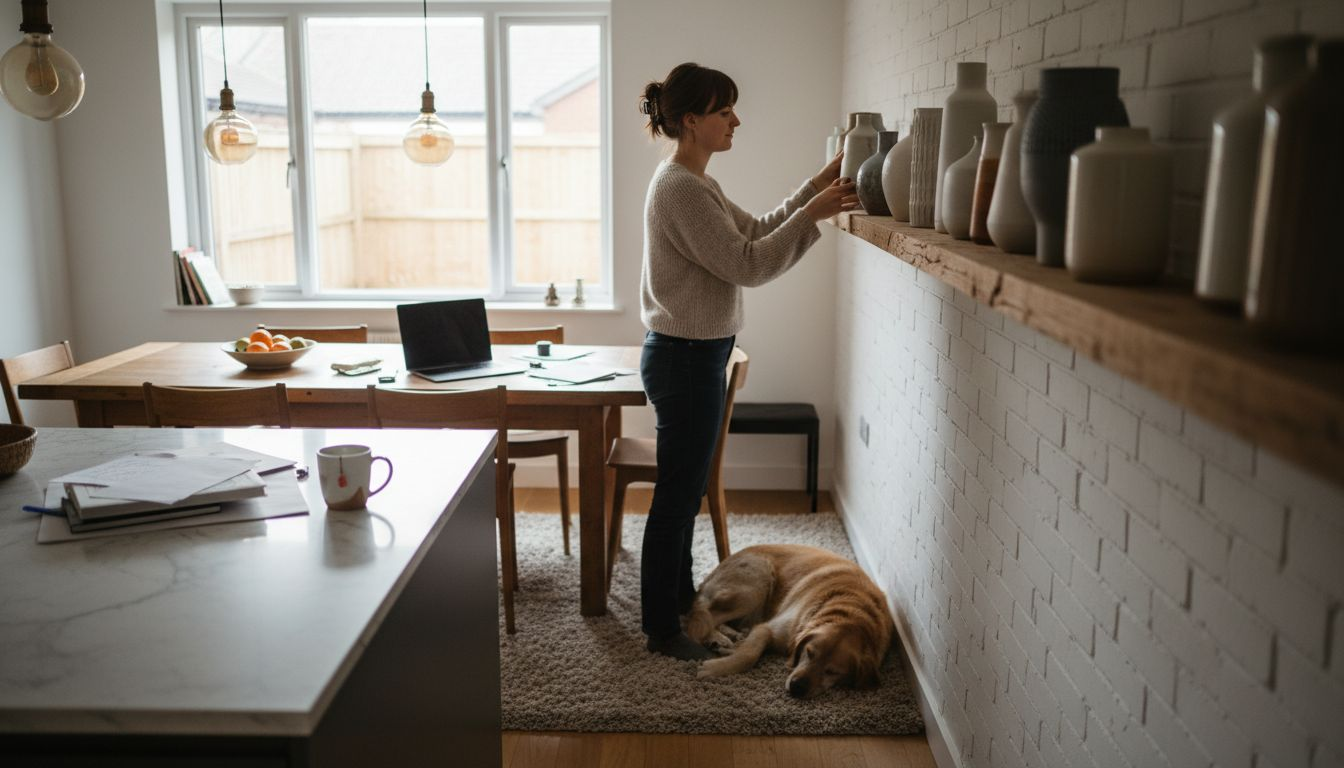
The tension between aesthetic styles and practical solutions is not about choosing one over the other, but creating a harmonious integration that serves both emotional and utilitarian purposes. Design harmony emerges when visual elements are carefully selected to enhance rather than compromise the space’s functional potential.
Key considerations in balancing aesthetics and practicality include:
- Selecting materials that are both visually appealing and durable
- Choosing furniture with clean lines that offer multiple functional benefits
- Implementing storage solutions that complement room aesthetics
- Prioritising ergonomic design without sacrificing visual elegance
- Creating flexible spaces that adapt to changing lifestyle needs
Aesthetic interactions reveal how design elements can simultaneously satisfy emotional and practical requirements. The most successful home environments are those that understand design as a holistic experience, where beauty and functionality are not competing forces but complementary aspects of creating meaningful living spaces.
Pro tip: Always evaluate design choices through both an aesthetic and practical lens to create truly transformative home environments.
The following table outlines the differences between prioritising aesthetic style and practical function in home decor decisions:
| Aspect | Aesthetic Style Focus | Practical Function Focus |
|---|---|---|
| Decision Criteria | Visual impact and style trends | User needs and ease of use |
| Long-term Satisfaction | May fluctuate with style trends | Consistently supports lifestyle |
| Maintenance Demand | Higher if delicate materials chosen | Lower with durable materials |
| Adaptability | Limited by fixed design choices | Flexible and easily updated |
Key Benefits of Blending Design with Function
Design integration strategies transform home environments from mere living spaces into dynamic, responsive ecosystems that adapt to inhabitants’ evolving needs. This holistic approach goes beyond aesthetic considerations, creating living spaces that actively support and enhance daily experiences.
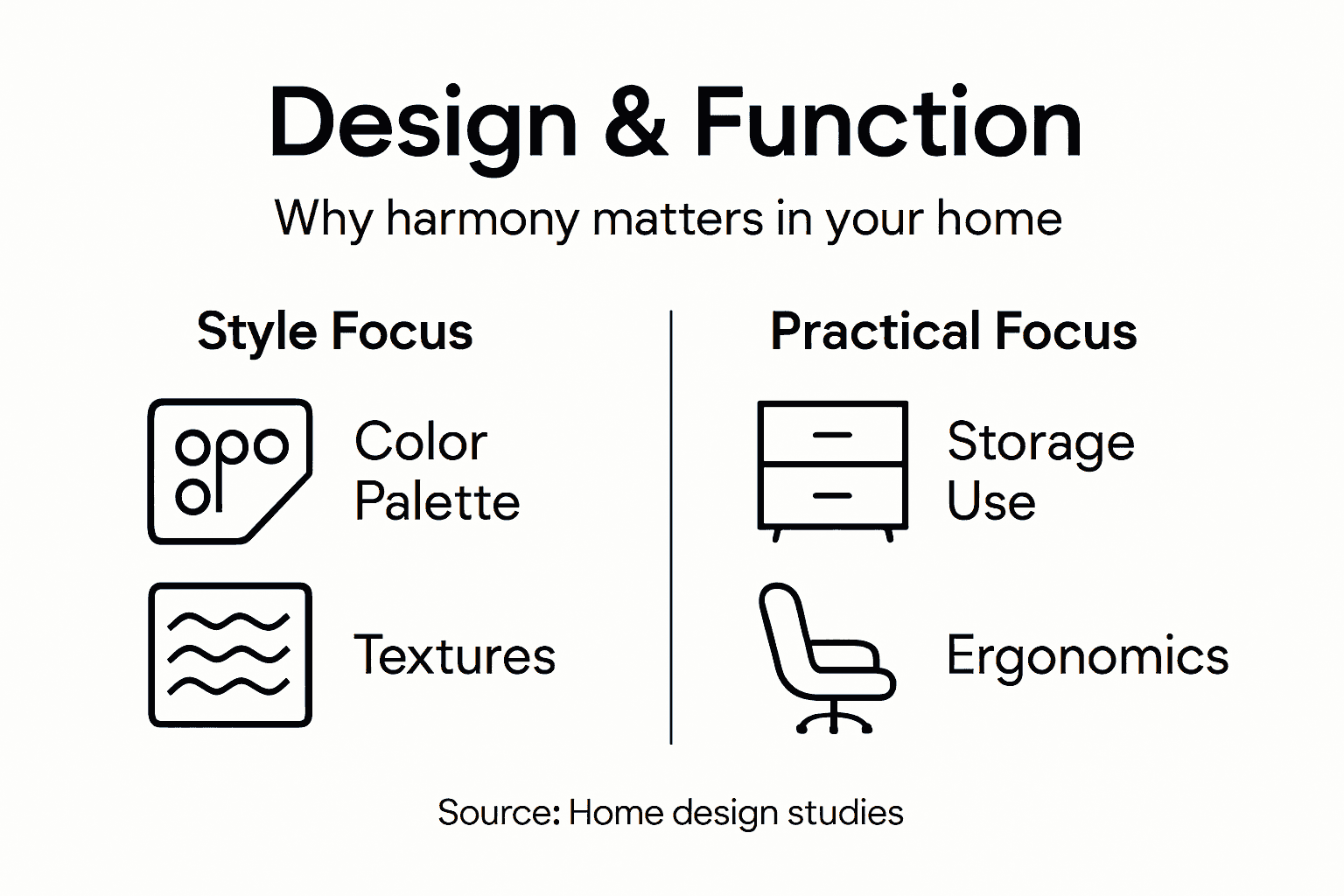
The fundamental advantage of blending design with function lies in its ability to create intelligent living environments that anticipate and resolve practical challenges while maintaining visual sophistication. By prioritising both emotional and utilitarian aspects, homeowners can develop spaces that feel simultaneously inspiring and effortlessly practical.
Key benefits of this integrated design approach include:
- Enhanced emotional well-being through thoughtfully designed spaces
- Increased efficiency in daily household activities
- Reduced long-term maintenance costs
- Improved adaptability to changing lifestyle requirements
- Greater sustainability through strategic material selection
- Personalised spaces that reflect individual personality and needs
Design science research demonstrates that innovative solutions emerge when aesthetic appeal directly corresponds with functional requirements. Successful home design is not about compromise, but about creating synergistic environments where beauty and utility are seamlessly interconnected.
Pro tip: Conduct a quarterly review of your living spaces to identify areas where design and function can be more effectively integrated.
Below is a summary of how integrating design and function benefits a home environment:
| Benefit | Description | Typical Example |
|---|---|---|
| Emotional Well-being | Spaces enhance comfort and mood | Natural light in bedrooms |
| Household Efficiency | Daily tasks become simpler | Well-placed kitchen counters |
| Sustainability | Reduces waste and resource use | Use of recycled materials |
| Adaptability | Easily modified for changing needs | Modular shelving systems |
Innovative Ways to Balance Style and Use
Hybrid design approaches transform home spaces by challenging traditional boundaries between aesthetic appeal and practical functionality. Modern homeowners are increasingly seeking solutions that seamlessly integrate visual elegance with intelligent, purposeful design.
The essence of innovative design lies in creating multifunctional living environments that adapt to changing lifestyle needs while maintaining a coherent visual narrative. This approach requires thoughtful selection of elements that serve multiple purposes, transcending conventional design limitations and creating spaces that are both beautiful and supremely practical.
Innovative strategies for balancing style and use include:
- Selecting furniture with hidden storage capabilities
- Implementing modular design elements that can be reconfigured
- Choosing colour palettes that enhance spatial perception
- Utilising lightweight, versatile materials
- Creating visual continuity through strategic design choices
- Incorporating technology that enhances both aesthetics and functionality
Design thinking principles emphasise the importance of user-centred approaches that prioritise both emotional engagement and practical efficiency. By viewing design as a holistic experience, homeowners can create spaces that are not just visually striking, but also deeply responsive to individual lifestyle requirements.
Pro tip: Invest in multipurpose furniture and design elements that offer both visual appeal and practical versatility.
Mistakes to Avoid When Choosing Home Accessories
Home accessory safety considerations are crucial when curating living spaces that balance aesthetic appeal with practical functionality. Homeowners often overlook critical aspects that can compromise both the visual integrity and safety of their interior environments.
The most fundamental error in home accessory selection is prioritising style over practical usability. This approach can lead to purchasing decorative items that create visual clutter, reduce functional space, or potentially introduce safety risks into your living environment. Successful home accessory choices require a nuanced understanding of how each item contributes to both the aesthetic and functional dimensions of a space.
Common mistakes to avoid include:
- Purchasing accessories without measuring available space
- Ignoring potential safety hazards of decorative items
- Selecting items that clash with existing design schemes
- Overlooking the maintenance requirements of accessories
- Buying trendy pieces without considering long-term aesthetic value
- Accumulating accessories that create unnecessary visual noise
Verifying product authenticity becomes paramount in making informed accessory choices. Reputable sellers and carefully researched purchases can prevent potential disappointments and ensure that home accessories genuinely enhance rather than detract from your living space.
Pro tip: Always test accessories in your space using digital planning tools or physical mock-ups before making a final purchase.
Elevate Your Living Space with Seamless Design and Function
Discover how to solve the challenge of balancing style and usability in your home with expertly curated solutions that cater to both aesthetic and practical needs. As highlighted in the article, prioritising design and function means creating intelligent living environments that reflect your personality while enhancing daily comfort and efficiency. If you are seeking durable storage options, versatile home accessories, or innovative decor that adapts to your lifestyle, Homable.co.uk offers an extensive range designed to meet those exact goals.
Explore our diverse collection to find items that harmonise visual elegance and everyday utility. Don’t wait to transform your home into a space that supports your lifestyle beautifully and effortlessly. Visit Homable.co.uk today to experience affordable, stylish home accessories. Take the next step in refining your living environment by browsing our carefully selected pieces that embody the perfect blend of design and function.
Frequently Asked Questions
Why is it important to balance design and function in home decor?
Balancing design and function is crucial because it creates living spaces that are both visually appealing and practical. This combination enhances emotional well-being, improves efficiency in daily tasks, and ensures that spaces can adapt to changing lifestyle needs.
What are some key aspects of design and function to consider when decorating?
Key aspects include spatial efficiency, ergonomic considerations, visual harmony, strategic storage solutions, and adaptable furniture. Each design choice should enhance both the aesthetic enjoyment and practical usability of the space.
How can I ensure that home accessories support both style and functionality?
To ensure home accessories support both style and functionality, evaluate each item for its practical usability, measure available space, and consider potential safety hazards. Opt for accessories that complement existing decor while enhancing the overall function of the area.
What are common mistakes to avoid when prioritising design over function?
Common mistakes include prioritising style without considering practical usability, selecting items that do not fit with existing design, and not evaluating the maintenance needs of accessories. These can lead to clutter and safety risks in your living space.