Cart
0
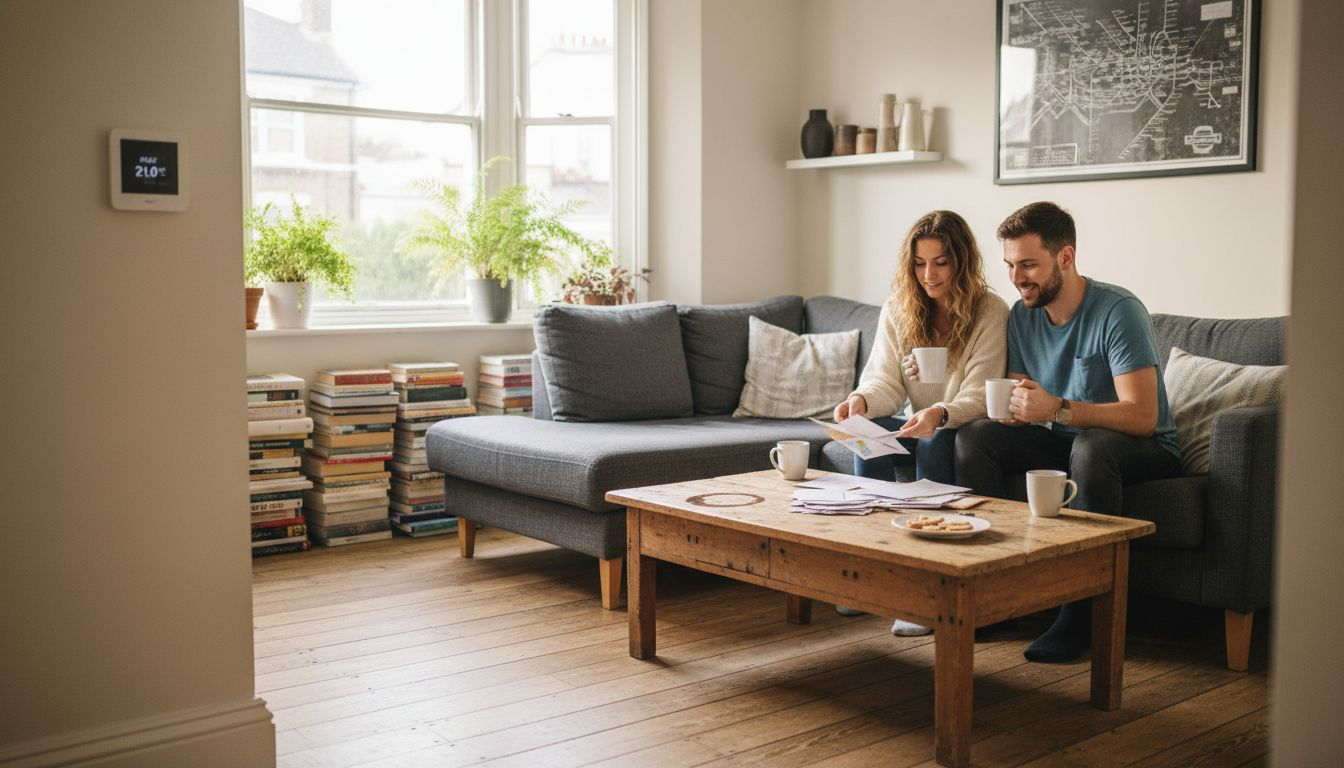
Selecting the right approach for a modern home can feel challenging when so many trends promise both comfort and style. Today, the focus is shifting from fleeting fashions to sustainable choices and timeless craftsmanship, echoing a growing desire for homes that nurture well-being and handle everyday demands with grace. British interiors for 2026 combine traditional elegance, flexible layouts, and natural materials, giving every room a practical yet beautiful edge and supporting a lifestyle that evolves as you do.
Table of Contents
- Defining Design Trends In 2026 Homes
- Major Styles Influencing 2026 Interiors
- Materials And Colours Defining The Year
- Technology’s Role In Home Design
- Sustainability And Affordability Considerations
Key Takeaways
| Point | Details |
|---|---|
| Sustainability as a Core Principle | Home design in 2026 prioritises sustainability, integrating renewable materials and energy-efficient systems to reduce environmental impact. |
| Wellness-Centric Design | Architectural approaches focus on enhancing mental and physical health through biophilic design and adaptable spaces. |
| Integration of Technology | Homes are becoming intelligent environments with seamless technology integration to improve comfort and efficiency. |
| Affordability and Long-Term Value | Sustainable design strategies are being prioritised alongside affordability, ensuring that responsible choices provide economic benefits over time. |
Defining Design Trends in 2026 Homes
The landscape of residential design in 2026 represents a profound transformation, moving far beyond aesthetic considerations into a holistic approach that integrates sustainability, wellness, and technological innovation. Residential architecture trends are now fundamentally reimagining how living spaces function, respond, and support human needs.
These emerging design trends are characterised by several key principles that reflect broader societal shifts:
- Sustainability as a core design philosophy, not just an optional feature
- Flexibility in spatial configurations to support hybrid work models
- Wellness-centred architectural approaches prioritising mental and physical health
- Technology integration that enhances living experiences seamlessly
The contemporary UK home in 2026 is no longer just a static structure, but a dynamic environment that adapts to inhabitants’ changing requirements. Architects and interior designers are increasingly focusing on creating spaces that are simultaneously functional, aesthetically pleasing, and environmentally responsible.
To clarify the evolving priorities in UK home design for 2026, see the summary below:
| Priority Area | Typical Solutions Used | Main Benefits |
|---|---|---|
| Sustainability | Renewable materials | Lower carbon footprint |
| Wellness | Biophilic design elements | Improved mental health |
| Technology | Smart home integrations | Enhanced daily comfort |
| Adaptability | Flexible layouts | Support for remote work |
Materials and construction techniques are also evolving, with a significant emphasis on renewable resources, energy efficiency, and reduced carbon footprint. Biophilic design principles are gaining prominence, incorporating natural elements that connect indoor environments with the external world, promoting psychological well-being and environmental consciousness.
Pro tip: When planning home renovations in 2026, prioritise adaptable design elements that can evolve with your lifestyle and technological advancements.
Major Styles Influencing 2026 Interiors
The interior design landscape in 2026 is characterised by a sophisticated blend of tradition and innovation, where British design aesthetics seamlessly merge contemporary sensibilities with timeless elegance. Contemporary UK homes are moving beyond mere visual appeal, creating spaces that tell a story, reflect individual personality, and respond intelligently to changing lifestyle needs.
Key design styles emerging in 2026 showcase remarkable diversity and depth:
- Neo-Deco aesthetic combining geometric precision with warm, organic textures
- Biophilic design integrating natural elements and sustainable materials
- British Colonial influences featuring refined, character-rich interiors
- Tonal decorating approach creating nuanced, layered visual experiences
Materials and textures are playing a pivotal role in defining these interior styles. Natural, tactile elements like terracotta tiles, cork, and plywood are becoming increasingly prominent, reflecting a deeper commitment to sustainability and craftsmanship. These materials are not just decorative choices but statements about environmental consciousness and appreciation for artisanal techniques.
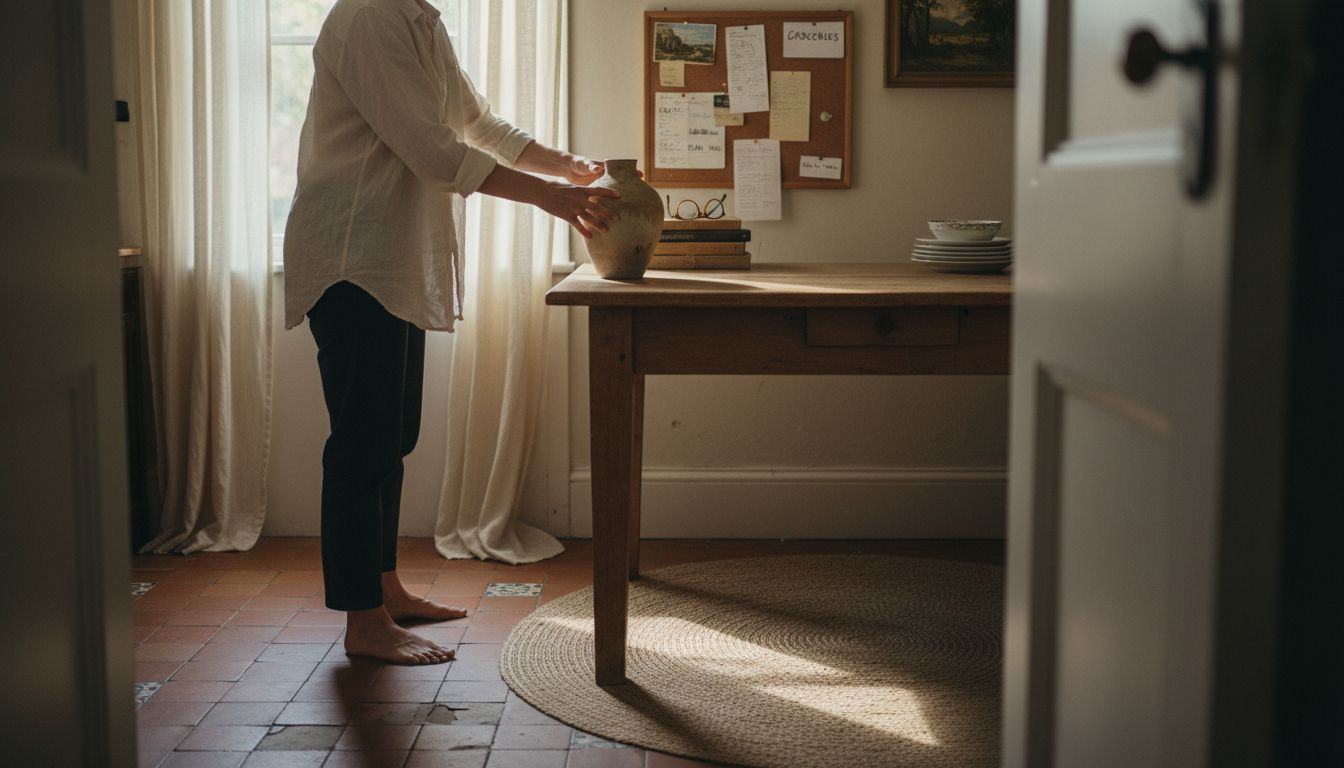
The contemporary British interior in 2026 represents a harmonious dialogue between technological innovation and traditional craftsmanship. Spaces are designed to be adaptable, with furniture and architectural elements that can transform to meet changing functional requirements, emphasising flexibility and intelligent design.
For a closer look at how popular interior styles compare in 2026 homes, refer to this overview:
| Style Name | Core Influence | Typical Materials | Mood/Atmosphere |
|---|---|---|---|
| Neo-Deco | Art Deco + organic feel | Polished metals, wood | Elegant yet inviting |
| Biophilic | Nature-inspired | Reclaimed timber, cork | Calming, natural |
| British Colonial | Heritage & tradition | Dark woods, natural fibres | Classic, sophisticated |
| Tonal Decorating | Layered colour focus | Earthy hues, textured walls | Serene, nuanced visual flow |
Pro tip: When designing your 2026 interior, prioritise versatile pieces that blend aesthetic appeal with functional adaptability.
Materials and Colours Defining the Year
The design landscape in 2026 reflects a profound shift towards materials and colour palettes that embody sustainability, wellness, and profound emotional resonance. Sustainable interior design trends are transforming how homeowners approach material selection, prioritising environmental responsibility alongside aesthetic appeal.
Key materials and colour characteristics for 2026 include:
- Reclaimed wood with rich, characterful textures
- Vegan leather alternatives demonstrating ethical design
- Natural stone elements providing organic visual depth
- Cork as a versatile, eco-friendly material solution
Colour palettes are moving beyond mere visual aesthetics, becoming powerful tools for emotional well-being and spatial transformation. Warm earth tones like subtle sage, rich mocha, and dimensional greens are dominating interior spaces, creating environments that reduce stress and promote calm. These colours are carefully selected to enhance psychological comfort while maintaining a sophisticated, contemporary feel.
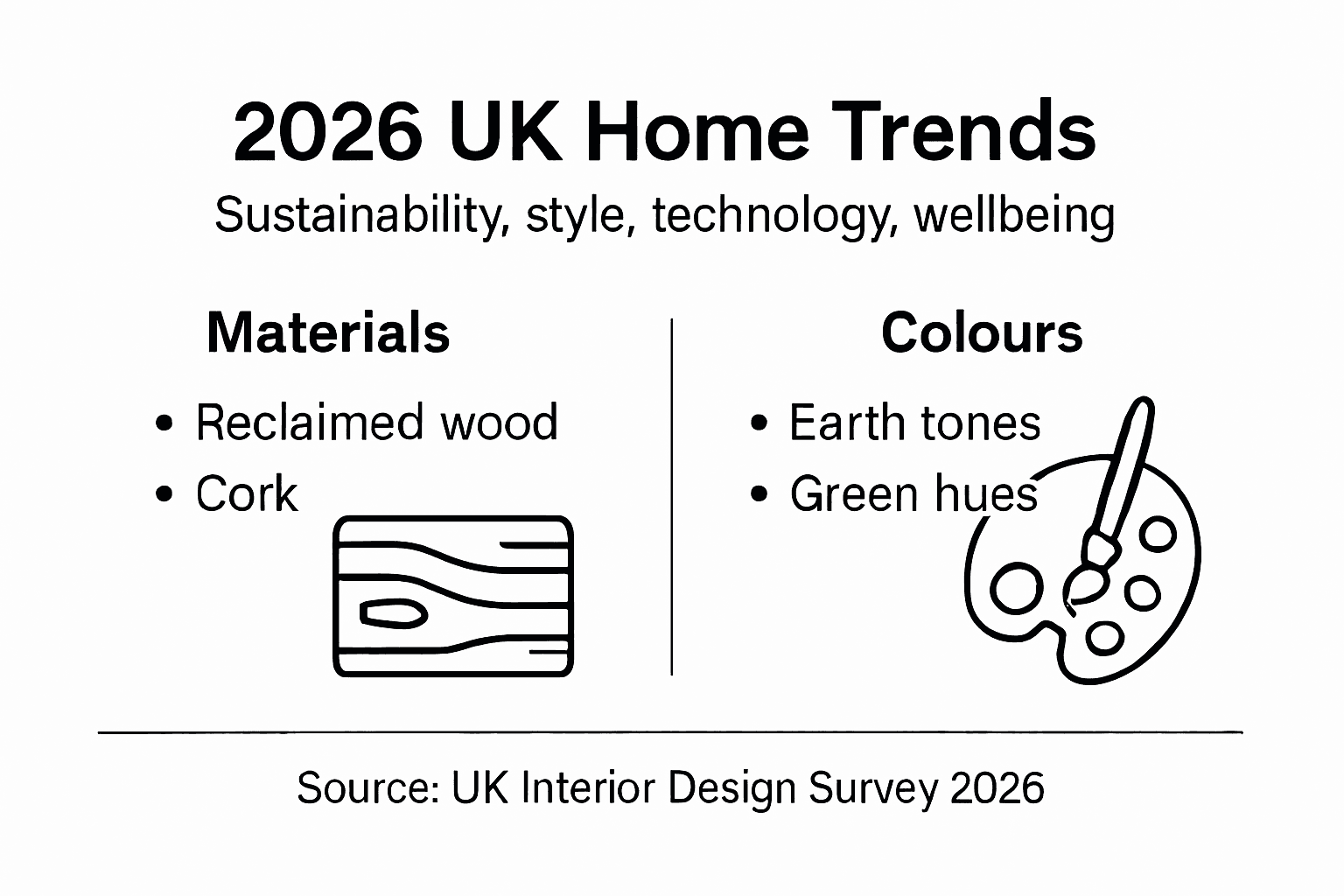
The materiality of 2026 interiors tells a story of craftsmanship and intentionality. Imperfect, handmade elements are celebrated, with designers embracing natural wood grains, textural variations, and materials that showcase authentic manufacturing processes. This approach represents a deliberate move away from mass-produced uniformity towards more meaningful, personalised design experiences.
Pro tip: When selecting materials and colours, prioritise pieces that tell a story and connect emotionally with your living space.
Technology’s Role in Home Design
The residential landscape of 2026 is being dramatically reshaped by intelligent technological integration that transcends traditional notions of home automation. Smart home architectural innovations are transforming living spaces into responsive, adaptive environments that anticipate and respond to inhabitants’ needs with unprecedented precision.
Key technological developments in home design include:
- AI-enabled environmental controls that optimise comfort and efficiency
- Renewable energy management systems for sustainable living
- Smart load balancing technologies reducing energy consumption
- Adaptive spatial configurations responding to changing lifestyle requirements
Technology in 2026 homes is not merely about convenience, but about creating holistic living ecosystems that support physical and mental well-being. Intelligent systems now monitor crucial environmental factors like air quality, lighting, and thermal comfort, actively contributing to residents’ health and productivity. These technological interventions seamlessly blend into architectural design, becoming almost imperceptible yet profoundly impactful.
The future of home technology represents a sophisticated dialogue between human needs and intelligent design. Homes are evolving from static structures to dynamic, responsive environments that learn, adapt, and grow alongside their inhabitants, promising a future where technology enhances rather than dominates our living experiences.
Pro tip: Invest in adaptable smart home technologies that can be upgraded incrementally, ensuring your home remains technologically relevant.
Sustainability and Affordability Considerations
The intersection of sustainability and affordability has become a critical focal point in home design for 2026, with architects and homeowners seeking innovative solutions that balance environmental responsibility with economic pragmatism. Net-zero energy design strategies are transforming how we conceptualise residential spaces, prioritising long-term value over short-term expenses.
Key sustainability and affordability considerations include:
- Highly insulated building envelopes reducing energy consumption
- On-site renewable energy generation lowering utility costs
- Durable material selections minimising maintenance expenses
- Multigenerational space design optimising architectural investment
The emerging design philosophy recognises that sustainability is not a premium feature but a fundamental approach to responsible home creation. By integrating energy-efficient systems, selecting materials with extended lifecycles, and creating adaptable living spaces, homeowners can simultaneously reduce environmental impact and long-term financial burden. This approach transforms sustainability from an aspirational concept into a practical, economically sensible strategy.
Multigenerational design principles are particularly significant, allowing families to create flexible living environments that adapt to changing lifestyle needs. These spaces support social sustainability by enabling different generations to cohabitate efficiently, sharing resources and reducing overall housing and maintenance costs.
Pro tip: Prioritise design investments that offer multiple functional benefits, focusing on adaptable spaces and energy-efficient technologies.
Elevate Your 2026 Home with Stylish and Sustainable Decor Solutions
Navigating the evolving design trends of 2026 means embracing sustainability, flexibility, and wellness without compromising style or affordability. This article highlights the challenge of creating adaptable, eco-friendly living spaces that truly support well-being and modern lifestyles. At Homable.co.uk, we understand how important it is to select home accessories that reflect these priorities. From versatile storage solutions to natural textures and calming colour palettes, our curated collections help you bring the latest trends like biophilic design and tonal decorating effortlessly into your home.
Discover a range of thoughtfully designed products that combine functionality with aesthetic appeal. Whether you want to enhance flexibility for remote work, introduce sustainable materials, or create calming, wellness-centred interiors choose Homable.co.uk as your partner in transforming your space. Start exploring our best sellers and new arrivals today to craft a home that adapts to your lifestyle and stands the test of time.
Frequently Asked Questions
What are the key design trends shaping modern UK homes in 2026?
The key design trends include a strong focus on sustainability, flexible spatial configurations to support hybrid work models, wellness-centred architectural approaches, and seamless technology integration that enhances living experiences.
How does biophilic design influence interior spaces in 2026?
Biophilic design incorporates natural elements and sustainable materials, promoting psychological well-being by connecting indoor environments with the external world, thus creating calming and health-promoting spaces.
What materials and colours are trending in home design for 2026?
Trending materials include reclaimed wood, vegan leather alternatives, natural stone, and cork. Colour palettes are dominated by warm earth tones such as subtle sage and rich mocha, designed to enhance emotional comfort and create serene environments.
How is technology integrated into home design in 2026?
Technology is integrated through AI-enabled environmental controls, renewable energy management systems, and adaptive spatial configurations. These advancements aim to create responsive living environments that enhance both physical and mental well-being.