Cart
0

Making a small living space feel comfortable and stylish often feels like a puzzle with too many pieces and not enough room. It can be a challenge to balance storage, design, and functionality when every corner counts. The right solutions transform cluttered corners and cramped rooms into inviting, practical spaces you actually enjoy.
This list brings together clever, proven design strategies that help you get the most out of every square metre in your home. From multi-functional furniture to the power of mirrors and light colours, each idea offers an immediate way to open up your rooms and create a sense of calm and order. Get ready to discover simple yet effective techniques that will make your small space feel much larger and brighter.
Table of Contents
- 1. Choose Multi-Functional Furniture For Extra Storage
- 2. Use Mirrors To Create The Illusion Of Space
- 3. Opt For Light Colours To Brighten The Room
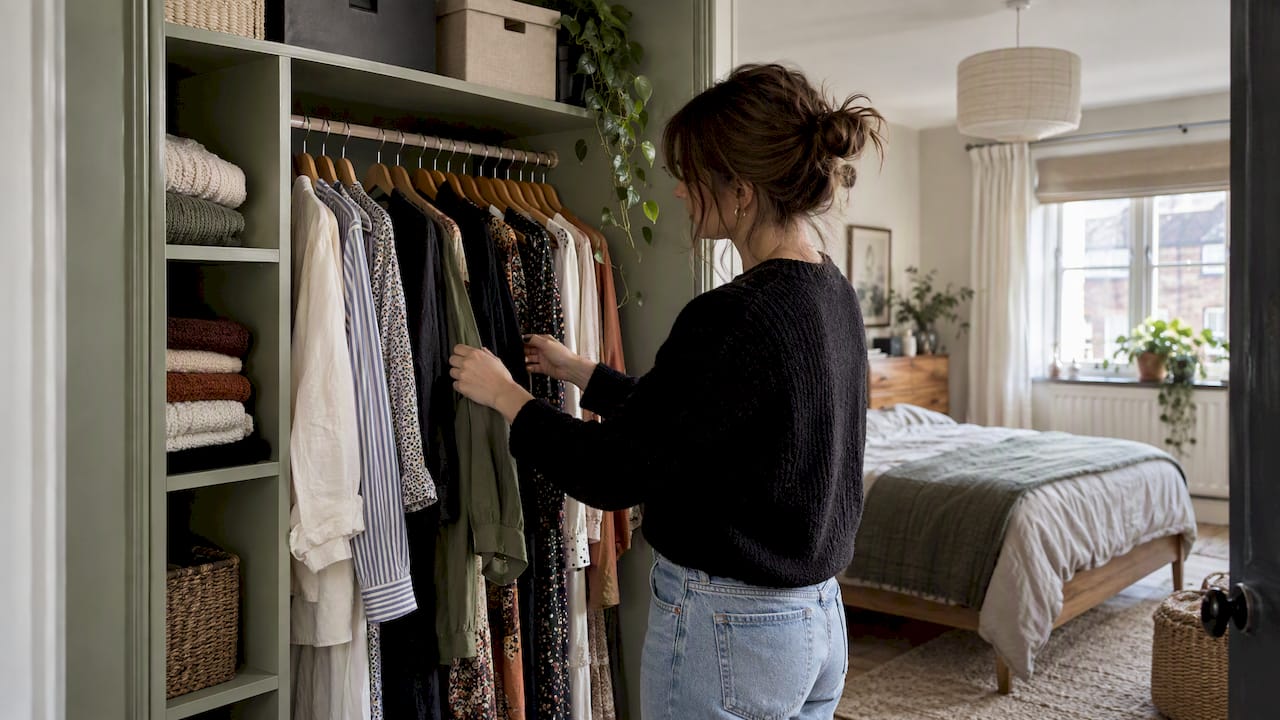
- 4. Add Vertical Shelving To Maximise Wall Space
- 5. Select Compact Decorative Accessories Wisely
- 6. Incorporate Curtains And Rugs To Define Areas
- 7. Display Art Or Prints To Add Personality
Quick Summary
| Key Insight | Explanation |
|---|---|
| 1. Choose Multi-Functional Furniture | Opt for items like sofa beds or ottomans that provide seating and storage. They conserve space and increase functionality without cluttering your home. |
| 2. Use Mirrors for Illusion of Space | Position mirrors strategically to reflect light and create a sense of openness, effectively enlarging your small areas visually. |
| 3. Opt for Light Colours | Light-coloured walls and furnishings reflect light, making rooms feel larger and airier, enhancing the overall atmosphere of your space. |
| 4. Add Vertical Shelving | Install shelves upwards to maximise wall space for storage, thereby keeping the floor area free and visually enhancing your room’s dimensions. |
| 5. Incorporate Curtains and Rugs | Use textiles to define spaces and add warmth without building walls, allowing for a flexible, segmented approach to your compact living area. |
1. Choose Multi-Functional Furniture for Extra Storage
In small living spaces, every square centimetre counts. Multi-functional furniture transforms how urban dwellers maximise their home’s potential by combining multiple purposes into single, clever design solutions.
The key advantage of multi-functional furniture lies in its ability to create efficient living spaces. Instead of cluttering your home with numerous separate pieces, these ingenious designs integrate storage, seating, and functionality seamlessly.
Consider these versatile furniture options:
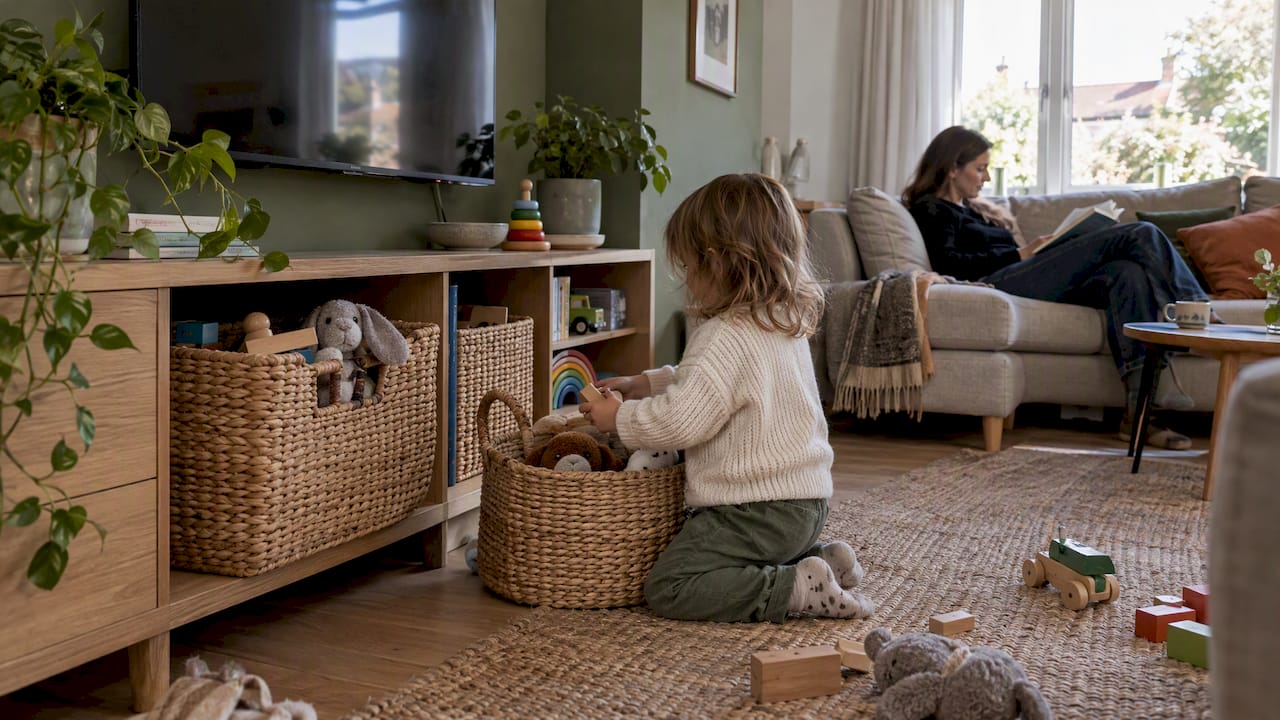
- Ottoman with interior storage compartment
- Sofa bed with built-in drawers
- Coffee table featuring hidden shelving
- Dining table with collapsible leaf extensions
- Bed frames with integrated under-mattress drawers
Strategic furniture selection can transform a cramped flat into a spacious, organised sanctuary.
When selecting multi-functional pieces, prioritise quality construction and aesthetic compatibility with your existing decor. Look for robust mechanisms, smooth storage access, and designs that complement your personal style.
Expert tip: Measure your space precisely before purchasing multi-functional furniture to ensure optimal fit and functionality.
2. Use Mirrors to Create the Illusion of Space
Mirrors are a secret weapon for transforming cramped living spaces. These reflective surfaces offer more than just a chance to check your outfit they are powerful design tools that can visually expand your home.
Strategic mirror placement can dramatically alter the perception of your room’s dimensions and light. By cleverly positioning mirrors, you create an optical illusion that makes small spaces feel significantly more open and airy.
Consider these mirror placement strategies:
- Position large mirrors opposite windows to maximise natural light reflection
- Use mirrored furniture to create depth and visual interest
- Install floor-to-ceiling mirrors to elongate wall spaces
- Select mirrors with slim frames to maintain a clean, minimalist aesthetic
- Angle mirrors to capture and bounce light into darker corners
A well-placed mirror can effectively double the perceived size of your living space.
Reflective Design Techniques work by tricking the eye into perceiving more space than actually exists. The key is selecting mirrors that complement your existing decor while serving a strategic visual purpose.
Top tip: Choose mirrors with interesting frames that add character while maintaining a sense of visual lightness and space.
3. Opt for Light Colours to Brighten the Room
Transforming small spaces begins with a simple yet powerful design strategy: embracing light colours. These hues are more than mere decorative choices they are strategic tools for creating an illusion of spaciousness and luminosity.
Light colours have a remarkable ability to manipulate visual perception of space. By reflecting more light wavelengths, they instantly make rooms feel larger, airier, and more inviting.
Consider these light colour application strategies:
- Choose soft whites for walls and ceilings
- Select pale neutral tones like cream and beige
- Use pastel shades for larger furniture pieces
- Incorporate light wood tones in flooring and furniture
- Layer different light colour tones for depth and interest
Lighter colours act like visual magic expanding your living space without adding a single square metre.
Colour Psychology in Small Spaces plays a crucial role in how we perceive our environment. Soft, muted tones not only create a sense of openness but also contribute to a calming psychological atmosphere.
Expert tip: Select paint with a slight sheen to maximise light reflection and create an even brighter, more expansive feel.
4. Add Vertical Shelving to Maximise Wall Space
When square metres are scarce, looking upwards becomes your secret weapon for storage solutions. Vertical shelving transforms seemingly dead wall space into a dynamic storage powerhouse that liberates your floor area.
Vertical storage strategies enable compact living spaces to achieve remarkable organizational efficiency without feeling cluttered. By extending storage vertically, you create visual breathing room while dramatically increasing your usable space.
Consider these vertical shelving approaches:
- Install floor-to-ceiling shelving units
- Use floating shelves in unexpected areas like above doorways
- Incorporate ladder-style shelving for slim profile storage
- Mount corner shelves to utilise typically wasted space
- Select shelves with integrated lighting for added functionality
Wall space is prime real estate in small homes waiting to be transformed.
Strategic Vertical Storage goes beyond mere functionality. It becomes a design element that adds visual interest while solving practical storage challenges. By selecting shelves that complement your decor, you create both utility and aesthetic appeal.
Expert tip: Choose shelving with adjustable heights and modular designs to adapt your storage as your needs change.
5. Select Compact Decorative Accessories Wisely
In small spaces, every accessory must earn its place. Decorative items are not just about aesthetics they are strategic design elements that can either enhance or overwhelm your limited square metres.
Compact accessory selection requires a thoughtful approach that balances visual appeal with functional minimalism. The goal is to add personality without creating visual noise or consuming precious space.
Consider these compact accessory strategies:
- Choose slim sculptural pieces with vertical profiles
- Select multifunctional decorative objects
- Use small plants in narrow ceramic containers
- Opt for wall-mounted art instead of freestanding sculptures
- Prioritise accessories with metallic or transparent elements
Less is more when decorating small spaces. Each item should tell a story without shouting.
Minimalist Decorative Principles focus on creating impact through carefully curated pieces. By selecting accessories that are visually lightweight and purposeful, you can transform a compact space into a stylish sanctuary.
Expert tip: Rotate your decorative accessories seasonally to maintain visual freshness without accumulating unnecessary clutter.
6. Incorporate Curtains and Rugs to Define Areas
In compact living spaces, creating visual boundaries without physical walls is an art form. Soft dividers like curtains and rugs become your design allies in transforming open areas into functional zones.
Defining spaces through textiles allows remarkable flexibility in small interiors. These elements not only segment your space but also introduce texture, warmth, and visual interest without permanent construction.
Consider these strategic placement techniques:
- Use area rugs to anchor different functional zones
- Select curtains with subtle patterns for visual depth
- Layer rugs of different sizes for dimension
- Choose neutral tones for maximum versatility
- Install ceiling-mounted curtain tracks for flexible partitioning
Textiles can transform a single room into multiple perceived spaces.
Spatial Zoning Strategies focus on creating visual breathing room. By thoughtfully positioning curtains and rugs, you can craft distinct areas within a single compact environment without feeling boxed in.
Expert tip: Select lightweight, translucent curtains to maintain light flow while still providing subtle visual separation.
7. Display Art or Prints to Add Personality
Art transforms small spaces from functional to extraordinary. Wall decor becomes your secret weapon for injecting personality and visual depth into compact living areas without consuming precious square metres.
Artwork as design strategy allows you to express individual style through carefully curated visual elements. The right print or painting can create a focal point that draws the eye and makes a room feel intentionally designed.
Consider these art display strategies:
- Select oversized art for dramatic visual impact
- Use gallery wall techniques with varied frame sizes
- Choose prints with vertical orientation to elongate walls
- Opt for minimalist or monochromatic artwork
- Mix different art mediums for textural interest
Art is the punctuation that transforms a space from a room to a story.
Compact Space Design Principles emphasise selecting artwork that creates visual breathing room. Your chosen pieces should complement the space rather than overwhelm it, acting as strategic design elements that expand perceived room dimensions.
Expert tip: Lean larger artworks against walls to create depth and intrigue without permanent installation.
Below is a comprehensive table summarising the strategies and techniques for optimising small living spaces as discussed throughout the article.
| Topic | Key Strategies | Benefits |
|---|---|---|
| Multi-Functional Furniture | Integrates multiple purposes into single designs; items like ottomans with storage and sofa beds with drawers. | Maximises space while maintaining functionality. |
| Mirrors for Space Illusion | Position mirrors to reflect light and create perceived depth; e.g., opposite windows or floor-to-ceiling installations. | Enhances room spaciousness visually and adds brightness. |
| Light Colour Use | Utilise soft whites and pastel shades on walls and furniture. | Creates a brighter and more expansive environment. |
| Vertical Shelving | Add floor-to-ceiling shelving or floating units. | Leverages unused wall space efficiently. |
| Compact Decorative Accessories | Select slim, multi-functional items and wall-mounted art. | Prevents clutter while enriching room aesthetics. |
| Curtains and Rugs | Employ textiles like area rugs and lightweight curtains to zone areas. | Defines functional spaces without using walls. |
| Artwork Display | Choose oversized pieces or gallery arrangements carefully. | Adds personality and depth without overcrowding. |
Enhance Your Small Space with Stylish, Functional Decor Solutions
Struggling to make the most of compact living spaces is a common challenge for many homeowners and interior decorators. The article highlights smart strategies like multi-functional furniture, vertical shelving, and light colour schemes to create airy, organised environments without sacrificing style. At Homable.co.uk, you will find a carefully curated selection of home accessories, including decorative ornaments, curtains, rugs, and clever storage solutions, designed specifically to help you achieve these goals effortlessly. By choosing pieces that combine form and function, you can transform your small room into a calm and spacious sanctuary.
Discover how easy it is to refresh your interior with quality, affordable products available now at Homable.co.uk. Don’t wait to create the stylish and practical living environment you deserve. Explore our collection today and take the first step towards a beautifully organised home that reflects your personality and lifestyle. Start your journey with our home decor solutions and bring elegance to every corner of your small space.
Frequently Asked Questions
How can multi-functional furniture save space in my small home?
Multi-functional furniture combines purposes, such as storage and seating, which helps free up valuable floor space. Explore options like ottomans with storage or sofa beds to maximise your living area effectively.
What is the best way to use mirrors to enhance my small room?
Placing mirrors strategically can create the illusion of a larger space and reflect light. Position a large mirror opposite a window to maximise natural light reflection and visually expand your room.
How do light colours affect the perception of space in compact areas?
Light colours can make small rooms feel brighter and more spacious by reflecting more light. Opt for soft whites or pale neutral shades on walls to create an airy atmosphere in your home.
What types of decorative accessories work best in small spaces?
Choose compact decorative items that add character without overwhelming the space. Focus on slim, multifunctional pieces or decorative objects that can be placed on shelves rather than taking up floor space.
How can I use rugs and curtains to define different areas in a small home?
Area rugs and curtains act as soft dividers, creating the illusion of separate zones. Use rugs to anchor different areas and hang curtains to create visual boundaries without the clutter of physical walls.
What are effective ways to display art in a compact living space?
Opt for oversized pieces or a gallery wall to create impactful focal points without occupying much space. Choose prints with vertical orientation and mix different art mediums for added visual interest.