Cart
0
TL;DR:
- Modern home aesthetics are based on the principle that design should reflect practical use while incorporating warmth and style. In 2026, this style combines clean geometry with organic elements, emphasizing functionality over superficial ornamentation. Balancing restraint with personality, natural materials, layered lighting, and spatial alignment are essential to create purposeful, inviting spaces.
Modern home aesthetics are defined by the principle that form follows function, where every design choice reflects practical use paired with warmth and style rather than superficial ornamentation. This idea, first articulated by architect Louis Sullivan in the late 19th century, remains the clearest lens through which to understand what makes a home feel both purposeful and beautiful. In 2026, defining modern home aesthetics means reconciling clean geometry with organic warmth, a shift that separates today’s best interiors from the cold, stark spaces that gave minimalism a bad reputation.
What are the essential principles of modern home aesthetics?
Modern home aesthetics rest on a single, non-negotiable foundation: design reflects use. Every material, opening, and geometric choice in a well-designed modern home traces back to how the space is actually lived in. A kitchen island is positioned for workflow, not symmetry. A window is placed to capture morning light, not to fill a wall. This discipline is what separates modern design from decorative pastiche.
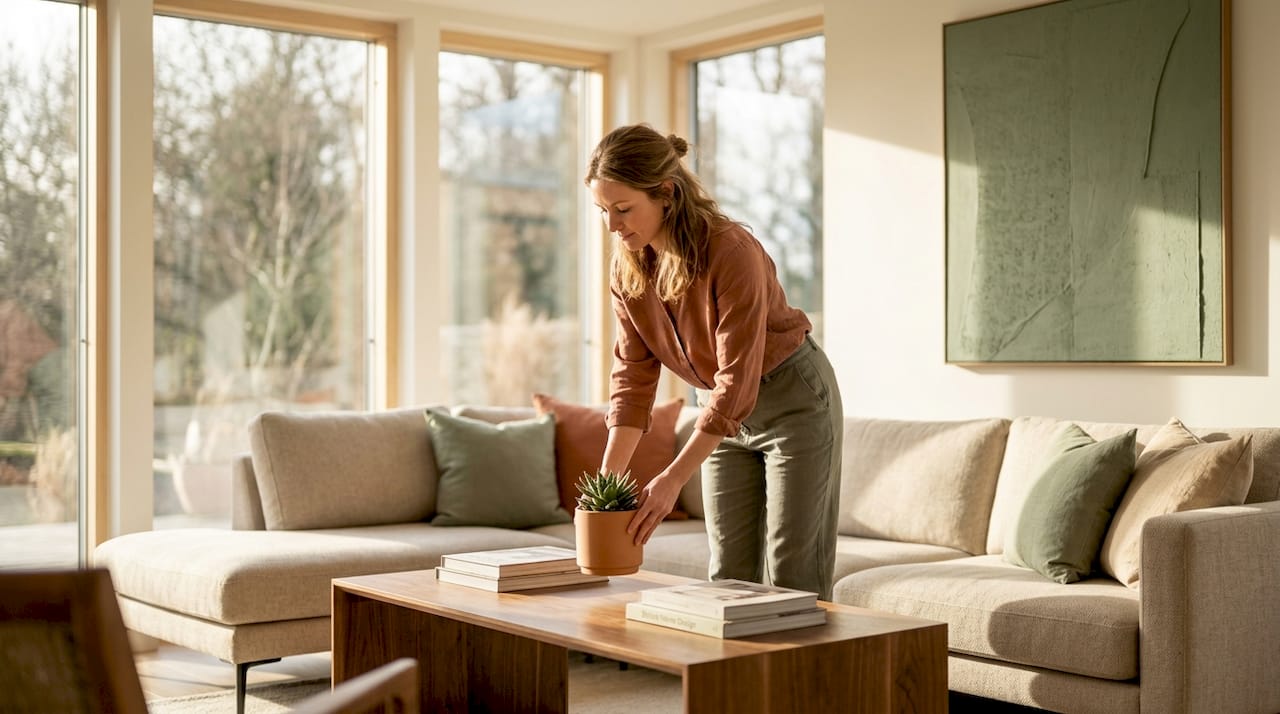
The most common misconception about modern style is that it means blank or lifeless minimalism. Successful modern design balances restraint with warmth and personality, using muted materials and clean lines without stripping a room of mood. Think of a Scandinavian living room: pale oak floors, a single textured wool throw, and one carefully chosen ceramic lamp. Nothing is excessive, but nothing feels empty either.
The core elements of modern home design include:
- Clean lines and geometric forms. Furniture with straight profiles, flush cabinetry, and uncluttered surfaces define the visual grammar of modern interiors.
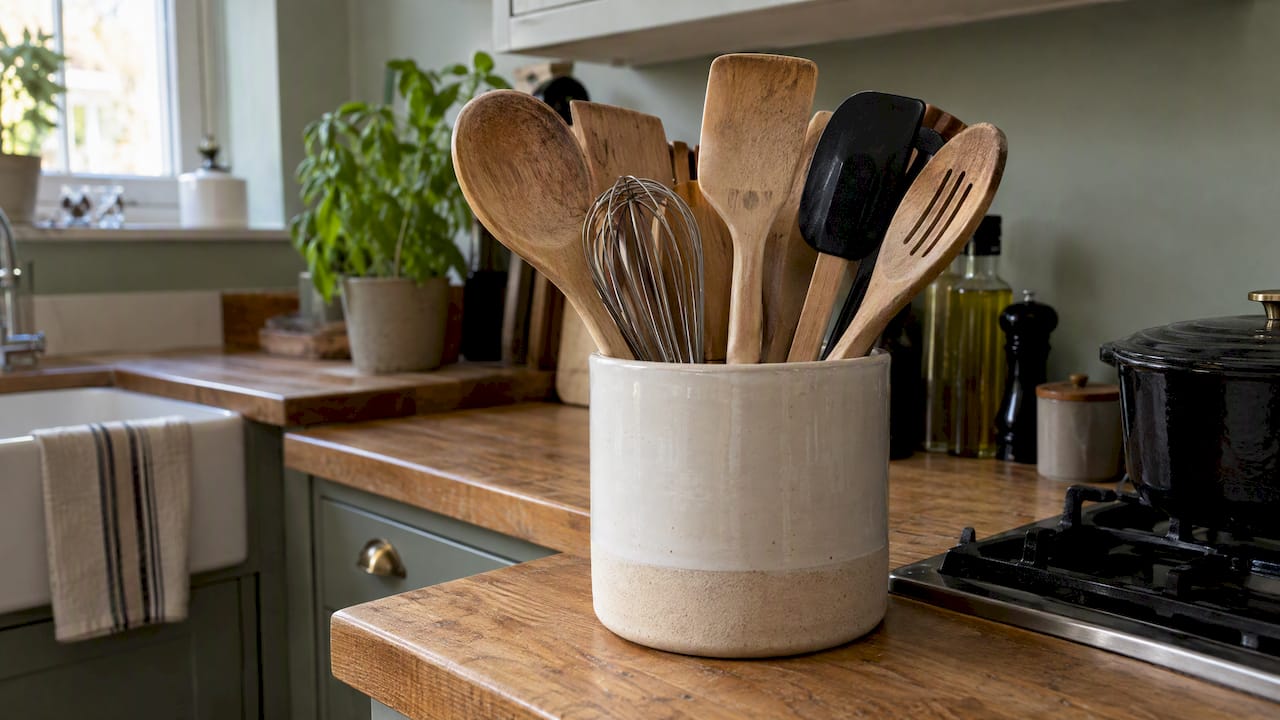
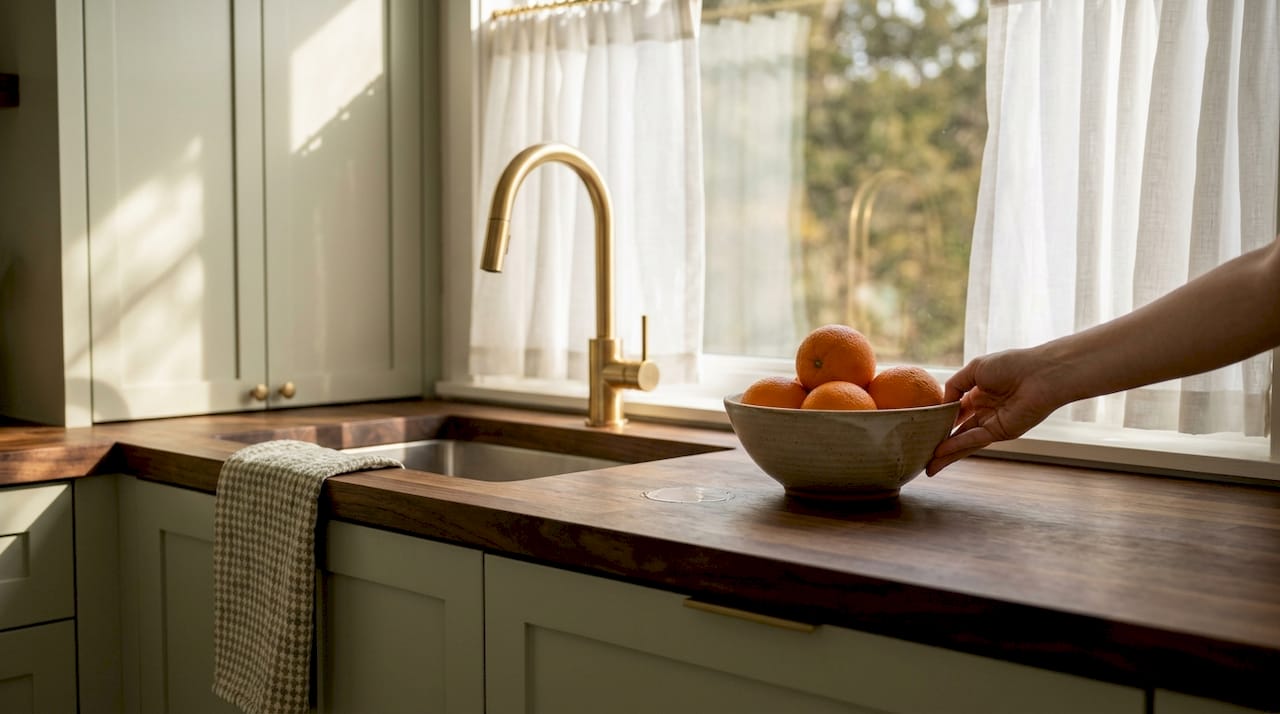
- Natural materials. Timber, stone, linen, and clay bring tactile warmth that prevents spaces from feeling clinical.
- Spatial functionality. Rooms are organised around how people move and live, not around convention or symmetry.
- Controlled colour palettes. Neutral bases with deliberate accent tones create cohesion without monotony.
- Texture as a design tool. Layering woven textiles, matte ceramics, and rough-hewn wood adds depth without adding clutter.
Pro Tip: Before buying a single piece of furniture or décor, map out how you actually use each room across a typical day. Design decisions made around real behaviour produce spaces that feel instinctively right rather than merely photogenic.
Spatial functionality is particularly underrated. A room that looks modern in photographs but forces awkward movement or lacks adequate storage has failed the core test of the style. Aligning space to daily use is not a stylistic preference. It is the defining requirement of the aesthetic.
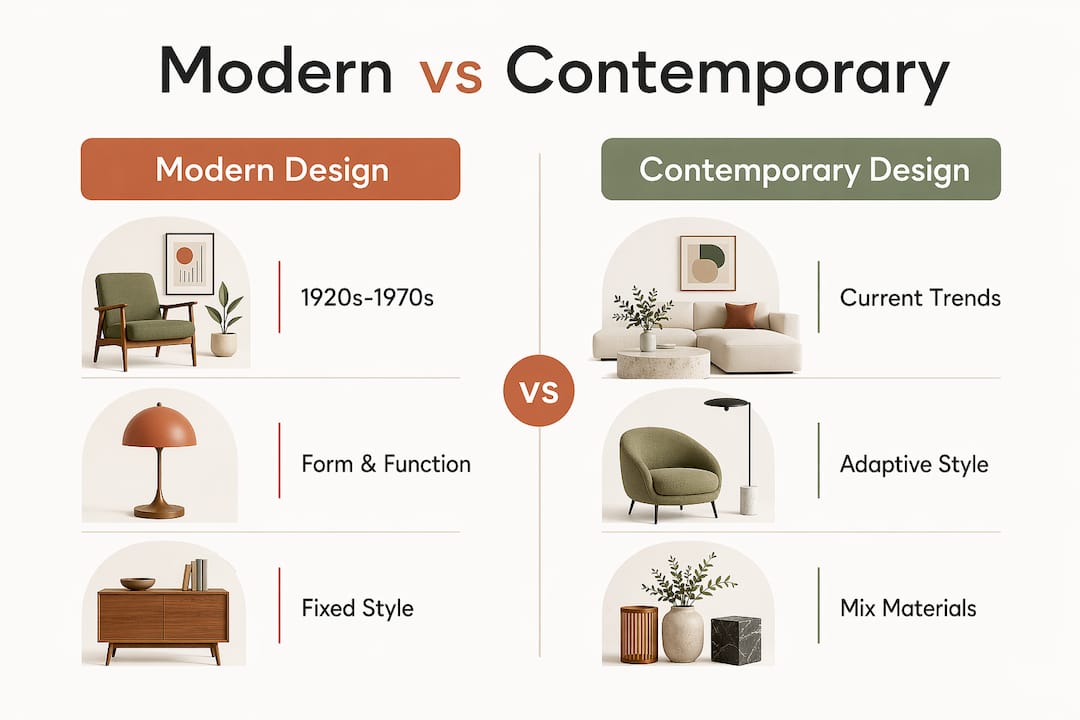
How does contemporary design differ from modern aesthetics?
The words “modern” and “contemporary” are used interchangeably in most home décor conversations, but they describe genuinely different things. Understanding the distinction helps you make coherent choices rather than assembling a room that feels stylistically adrift.
Modern design is time-bound, referring specifically to the design movement that flourished from roughly the 1920s through the 1970s. It draws on the Bauhaus school, mid-century modernism, and the International Style. Contemporary design, by contrast, is fluid. It reflects whatever is current right now, absorbing influences from multiple periods and updating itself season by season. This means contemporary design in 2026 looks noticeably different from contemporary design in 2016.
| Feature | Modern design | Contemporary design |
|---|---|---|
| Time period | 1920s to 1970s, historically fixed | Constantly evolving, reflects current trends |
| Lines and forms | Strictly clean, geometric, angular | Softer curves increasingly common |
| Materials | Wood, leather, steel, wool | Broader palette including recycled and biophilic materials |
| Colour palette | Warm neutrals, earthy tones, bold accents | Wider range, including cooler tones and high contrast |
| Technology integration | Minimal by necessity | Smart home features and integrated systems common |
| Personality | Disciplined, principled, restrained | More eclectic, open to layering influences |
The hybrid category that most homeowners actually inhabit is “contemporary modern.” This describes spaces that use the structural discipline of modern design (clean lines, functional layouts, natural materials) while incorporating current trends such as curved furniture, layered lighting, and biophilic elements. Mixing styles without clear intent produces incoherent rooms that lack both historical grounding and current relevance. Choosing one style as your foundation and treating the other as an accent is the more reliable approach.
For a deeper look at how these terms play out in practice, Homable’s guide to contemporary home styling is worth reading before you commit to a direction.
What are the key 2026 trends shaping home aesthetics?
The dominant force in current home design trends is organic modernism. This movement blends the structural clarity of modern design with softer, more sensory elements drawn from nature and craft. It is a direct response to years of interiors that prioritised visual cleanliness over physical comfort.
The five most significant trends shaping modern interior styles in 2026 are:
- Curved and soft forms. Organic modernism features scalloped tiles, arched range hoods, and rounded kitchen islands. Houzz data shows significant search increases for these fluid silhouettes, signalling that the hard-edged aesthetic of the previous decade is giving way to something more tactile and inviting.
- Tactile textures and layered materials. Bouclé upholstery, ribbed plaster walls, handmade ceramics, and raw linen are replacing smooth, uniform surfaces. Texture is now the primary way designers add visual interest without adding clutter.
- Deliberate lighting systems. Natural light and layered artificial lighting are treated as structural elements, not afterthoughts. Ambient, task, and accent layers support different activities across the day. For kitchen-specific guidance, this piece on kitchen lighting strategies covers the practical detail well.
- Biophilic design. Window placement, indoor planting, natural ventilation, and views of greenery are prioritised as comfort tools. Connection to nature is no longer a decorative gesture. It is a design requirement.
- Acoustic comfort. Warmth as a design system includes sound control. Soft furnishings, rugs, and spatial transitions that absorb noise are now considered as important as visual composition. A room that looks calm but sounds harsh fails the comfort test.
These trends reflect a broader shift in how homeowners relate to their spaces. Post-pandemic living has made people acutely aware of how their homes feel to inhabit, not just to photograph. The 2026 design direction is fundamentally about spaces that support wellbeing, not just spaces that photograph well.
How can you practically style a modern aesthetic space?
Styling a modern home successfully starts with a decision, not a shopping list. Decide whether your foundation is modern (disciplined, historically grounded, restrained) or contemporary (current, flexible, trend-responsive). Everything else follows from that choice. Stylistic incoherence is almost always the result of skipping this step.
Once you have a foundation, work through these practical principles:
- Choose materials before colours. Timber, stone, linen, and clay establish the sensory register of a room. Colour is secondary. A space built on warm natural materials will feel right even if the colour palette shifts over time.
- Layer your lighting deliberately. Every room needs at least three lighting types: ambient for general use, task for focused activity, and accent for mood. Relying on a single ceiling fitting is the fastest way to make a modern room feel flat and uncomfortable.
- Edit ruthlessly, then add one thing back. Remove everything from a surface or shelf, then reintroduce only what earns its place through function or genuine emotional resonance. This process consistently produces more considered results than starting from scratch with new purchases.
- Use texture to replace decoration. A ribbed cushion, a woven basket, or a matte ceramic vase adds visual depth without the visual noise of pattern or colour. Texture is the modern designer’s primary tool for warmth.
- Design for movement, not photographs. Furniture placement should reflect how you actually circulate through a room. If you have to walk around a coffee table every time you leave the sofa, it is in the wrong place regardless of how it looks in a flat-lay image.
Pro Tip: Invest in one genuinely high-quality natural material piece per room, whether that is a solid timber side table, a hand-knotted rug, or a stone lamp base. One real material anchors the whole room and makes everything around it look more considered.
Personalising your aesthetic is not a compromise of modern principles. It is an expression of them. Homable’s guide on personalising your space makes a strong case for why individual expression and design discipline are entirely compatible.
Key takeaways
Modern home aesthetics succeed when form follows function, warmth is treated as a design system, and stylistic choices are grounded in a clear, deliberate foundation rather than trend accumulation.
| Point | Details |
|---|---|
| Form follows function | Every design element should reflect actual daily use, not decorative convention. |
| Modern vs contemporary | Modern is historically fixed (1920s to 1970s); contemporary evolves with current trends. |
| Warmth is a system | Light, materials, acoustics, and spatial transitions all contribute to physical comfort. |
| Organic modernism leads 2026 | Curved forms, tactile textures, and biophilic elements define current home design trends. |
| Edit before you add | Removing excess before reintroducing pieces produces more coherent, purposeful spaces. |
Why warmth is the most underrated element in modern design
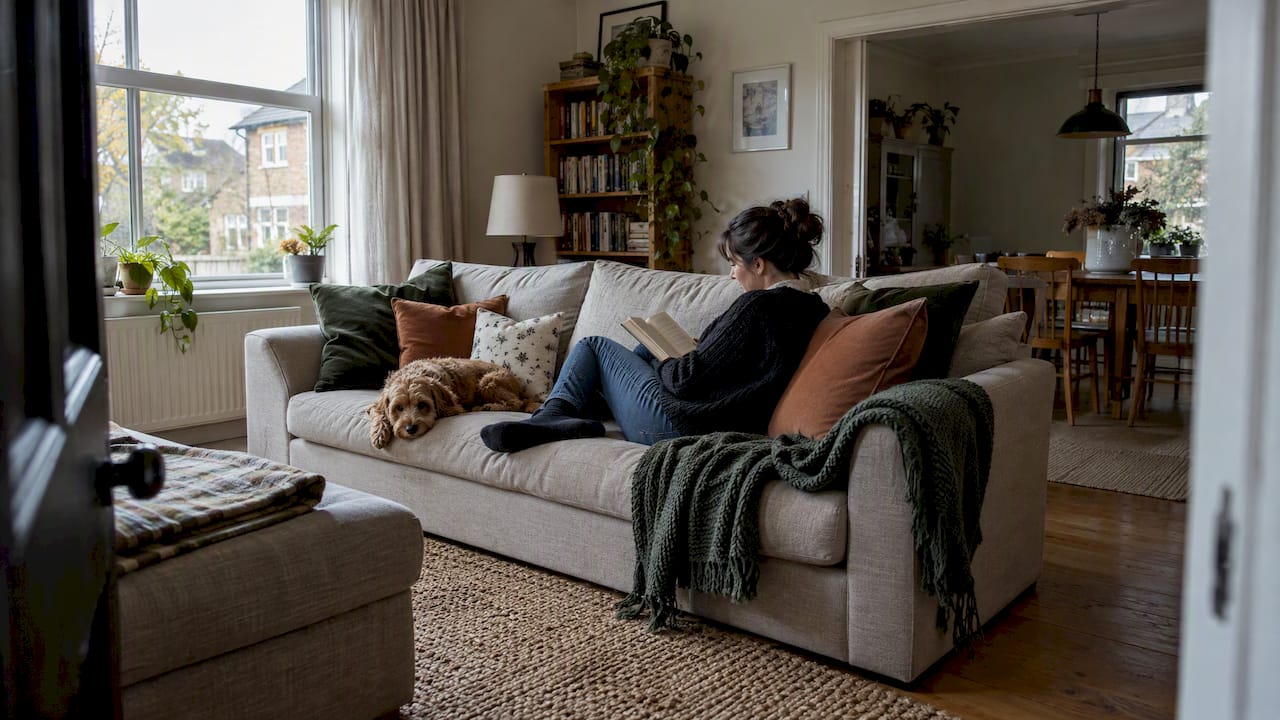
Most homeowners approach modern design as a visual exercise. They focus on what a room looks like in photographs, which is why so many modern interiors end up feeling cold and unwelcoming in person. The spaces that genuinely work are the ones where warmth has been treated as a structural concern, not a decorative one.
What I have observed consistently is that the rooms people describe as “feeling right” share a specific set of qualities. They have layered lighting that shifts across the day. They use at least two or three natural materials that reward close inspection. They manage sound, whether through rugs, upholstered furniture, or soft wall finishes. And they are organised around how people actually move and rest, not around how the furniture looks arranged symmetrically.
The hardest thing to convince homeowners of is that restraint and personality are not opposites. The fear of modern design being “too cold” leads people to over-decorate, which produces a different kind of failure. The discipline of modern aesthetics is not about removing personality. It is about expressing it precisely, through one well-chosen object rather than ten adequate ones.
If you are blending modern and contemporary influences, which most people are, pick one as your structural foundation and use the other as a tonal accent. Contemporary curves on a modern framework read as considered. Modern rigidity dropped into a contemporary scheme reads as jarring. The direction of the blend matters enormously.
The practical advice I would give anyone starting this process: spend more time in your home before you spend money on it. Observe where the light falls, where you naturally gravitate, where movement feels awkward. That information is worth more than any mood board.
— Cristiano
Style your space with Homable
Homable offers a curated selection of home décor and accessories built specifically for homeowners who want modern aesthetics without the guesswork. From textured cushions and natural material ornaments to rugs, storage solutions, and statement accessories, every product is chosen with design coherence and everyday function in mind. Whether you are working with a strictly modern foundation or a contemporary modern blend, Homable’s range gives you the pieces that earn their place in a considered interior. Orders over £100 qualify for free shipping, making it straightforward to invest in the materials and textures that genuinely transform a space. Explore the full collection at Homable’s home décor store and find the pieces that make your aesthetic work in practice, not just in theory.
FAQ
What does “form follows function” mean in home design?
Form follows function means every design element, from a window’s position to a shelf’s depth, should arise from its practical purpose rather than decorative intent. In home interiors, this translates to layouts, materials, and furniture choices that reflect how you actually live.
Is modern design the same as minimalism?
Modern design and minimalism overlap but are not identical. Modern style maintains mood and warmth through muted materials and restrained decoration, whereas strict minimalism reduces elements to an absolute minimum regardless of comfort or personality.
What is organic modernism?
Organic modernism is the leading current home design trend in 2026, characterised by soft curved forms such as scalloped tiles, rounded islands, and arched architectural details, combined with natural materials and tactile textures that add warmth to modern spaces.
How do I make a modern space feel warm rather than cold?
Warmth in modern homes comes from layered lighting, natural materials, acoustic softening through rugs and upholstery, and spatial transitions that feel considered rather than abrupt. Colour is a secondary factor compared to these physical and sensory elements.
Should I choose modern or contemporary as my design foundation?
Choose modern if you want a historically grounded, disciplined aesthetic built on clean geometry and natural materials. Choose contemporary if you prefer flexibility and want your home to reflect current trends. Mixing both works well when one style provides the structural foundation and the other adds tonal accents.