Cart
0
TL;DR:
- Home design in 2026 emphasizes warmth, texture, and nature-inspired, lived-in aesthetics.
- Sustainable materials and quality, long-lasting pieces are central to current interior trends.
- Incorporating layered textures and organic shapes creates cozy, human-centered, contemporary interiors.
Contemporary home design has a reputation problem. For years, ‘modern’ conjured images of bare white walls, cold concrete floors, and furniture that looked better in a showroom than a real home. That picture is now firmly outdated. Interiors trends in 2026 emphasise nature-inspired, tactile aesthetics rather than sterile minimalism, placing comfort, texture, and lived-in warmth front and centre. If you’ve been holding back from refreshing your home because the ‘modern look’ felt unwelcoming, 2026’s trends are about to change your mind entirely. This guide breaks down exactly what’s driving the shift and how to apply it room by room.
Table of Contents
- What defines contemporary home trends in 2026?
- Top materials, colours and textures transforming homes
- How sustainability is shaping contemporary homes
- Practical ways to incorporate trends into your home
- Why real comfort is beating minimalism: A perspective
- Bring contemporary trends home with Homable
- Frequently asked questions
Key Takeaways
| Point | Details |
|---|---|
| Layered comfort wins | 2026 trends trade cold minimalism for inviting, textured living spaces filled with warmth and personality. |
| Nature-inspired design | Natural materials, earthy hues and organic shapes are the foundation of contemporary homes. |
| Sustainability is standard | Eco-friendly materials and longevity-focused pieces are must-haves, not afterthoughts. |
| Practical styling matters | Even small changes—like mixing textures or updating lighting—can transform your home for comfort and style. |
What defines contemporary home trends in 2026?
Having set the scene for the new priorities in home design, let’s drill into what these contemporary trends really mean in practice.
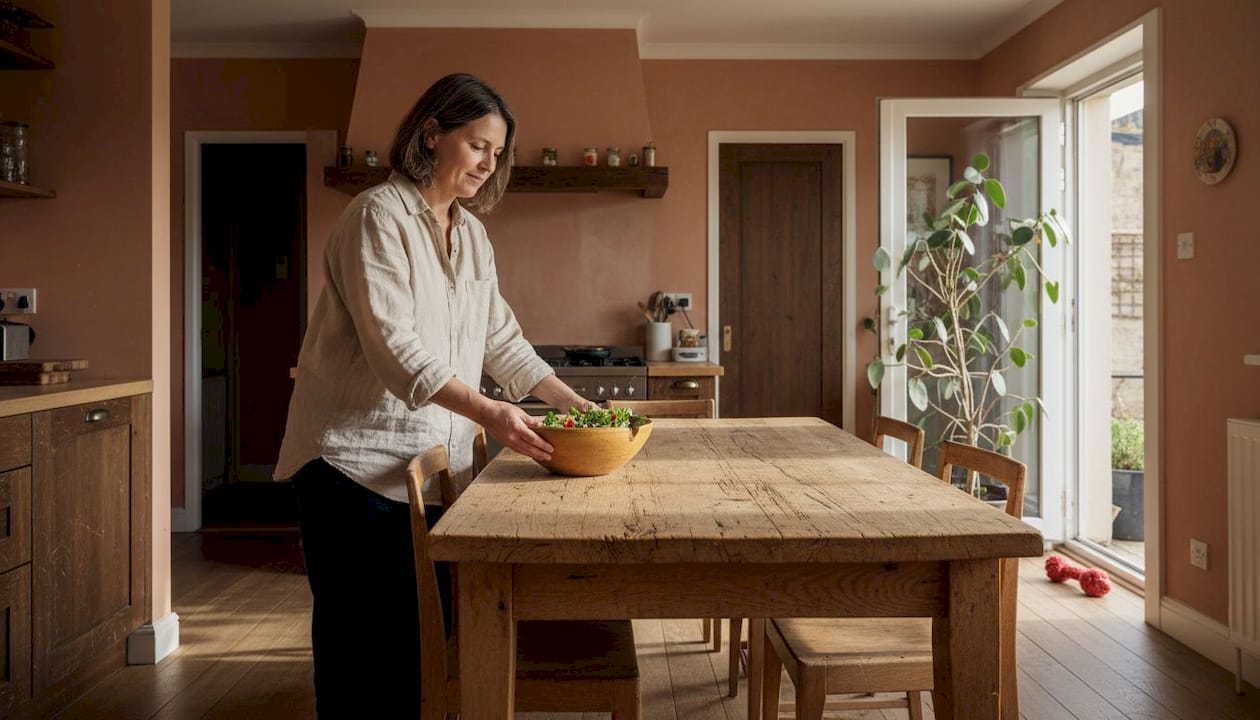
The biggest shift is a move away from the idea that less is always more. Contemporary trends in 2026 favour lived-in, tactile, and nature-inspired aesthetics over minimalist perfection. Spaces are meant to feel genuinely inhabited, not curated for a photoshoot. That means layering, mixing materials, and choosing pieces that carry a sense of history or craft.
Nature is the dominant influence. Dark and reclaimed woods, stone surfaces, linen upholstery, and tactile fabrics like boucle and chunky knits are everywhere. Organic forms, curved silhouettes, and irregular shapes replace the rigid geometry that defined earlier decades of modernism. These elements work together to create spaces that feel grounded and calming rather than clinical.
“The home has become a sanctuary, and the design choices people make in 2026 reflect a genuine desire for spaces that restore rather than impress.”
Key design trends in 2026 also reflect a broader cultural conversation about wellbeing. The connection between our physical environment and our mental health is now widely understood, and homeowners are responding by prioritising comfort and human connection in their interiors. This isn’t just a style preference; it’s a lifestyle choice.
Here’s what characterises the contemporary 2026 home aesthetic:
- Warmer, earthier colour palettes replacing stark whites and cool greys
- Organic shapes and curved furniture silhouettes
- Layered textures combining rugs, throws, cushions, and tactile surfaces
- Natural materials including stone, linen, wool, and reclaimed timber
- Statement art pieces and large-format wall decor
- Functional spaces that feel personal and lived-in
Social media has accelerated these preferences significantly. Searches for ‘cosy interiors’, ‘organic modern’, and ‘warm minimalism’ have surged across Pinterest and Google, reflecting home styling trends that are genuinely reshaping how UK homeowners think about their spaces. The result is a design moment that feels both culturally relevant and deeply personal.
Key elements include warmer colour palettes, organic shapes, and layered textures chosen specifically to support comfort and wellness. This is design with intention, not design for display.
Pro Tip: Don’t try to incorporate every trend at once. Pick two or three elements that genuinely resonate with how you live and build from there.
Top materials, colours and textures transforming homes
With a clear picture of the overall style, we can now break down the must-have materials and colours that define the look.
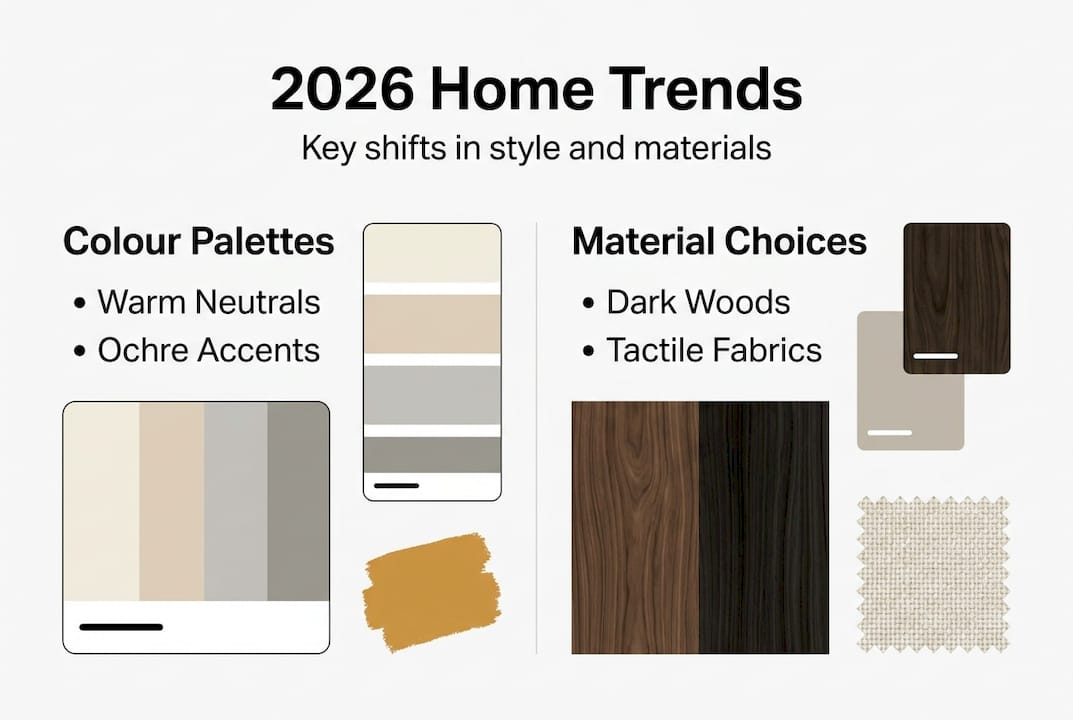
Colour is where the transformation is most immediately visible. Rich, earthy neutrals are replacing the sterile whites and cool greys that dominated interiors for the past decade. Think creamy off-whites, warm ochre, muddy sage green, caramel, and dusty blue. These tones feel sophisticated without being cold, and they pair beautifully with natural materials.
Warmer colour palettes with earthy neutrals and tactile materials are the defining combination of 2026 interiors. The shift isn’t just about swapping paint colours; it’s about creating a cohesive sensory experience throughout the home.
| Outgoing trend | 2026 replacement |
|---|---|
| Stark white walls | Warm off-white and ochre tones |
| Cool grey upholstery | Boucle, linen, and wool fabrics |
| Polished chrome fixtures | Brushed brass and aged bronze |
| Flat, smooth surfaces | Tactile, layered textures |
| Minimalist, sparse layouts | Curated, layered arrangements |
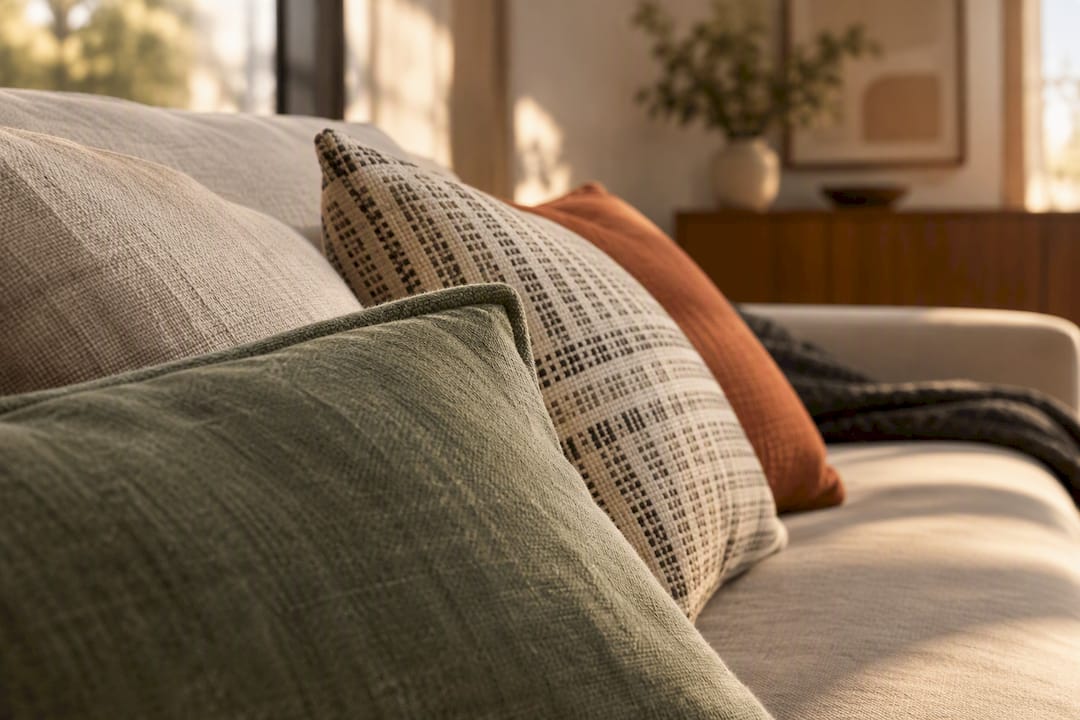
Material choices are equally important. Dark woods, particularly walnut and smoked oak, are having a significant moment. Stone surfaces, whether genuine or high-quality alternatives, add weight and permanence. Layering textures for warmth is one of the most effective techniques available to any homeowner, regardless of budget. A well-chosen rug, a chunky throw, and a few textured cushions can transform a room’s atmosphere entirely.
Key materials defining 2026 interiors:
- Dark and reclaimed wood for furniture and flooring
- Natural stone and ceramic for surfaces and accessories
- Linen and cotton for curtains and upholstery
- Wool and boucle for soft furnishings
- Rattan and wicker for accent pieces
Google search data shows rising interest in dark wood furniture, hand-painted tiles, and large wall art, confirming that these aren’t niche preferences but mainstream movements. Large-format art is particularly noteworthy. A single oversized piece can anchor a room and add personality far more effectively than a gallery wall of smaller prints.
Storage is also evolving. Decorative storage solutions that blend function with aesthetics are increasingly popular, reflecting a desire for homes that are both organised and visually interesting. Woven baskets, ceramic vessels, and sculptural shelving units serve double duty as both practical storage and decorative statements.
How sustainability is shaping contemporary homes
Texture and tone are only part of the story. Sustainability has become a defining criterion for modern interiors, and it’s influencing purchasing decisions at every price point.
Sustainability is now integrated as standard, with low-VOC paints, certified timber, and upcycled materials appearing across mainstream home decor ranges, not just specialist eco-retailers. This is a significant shift from even three years ago, when sustainable options often meant compromising on style or paying a premium.
The ‘buy less, buy better’ philosophy is gaining real traction. Homewares sales volumes have declined as consumers prioritise fewer, higher-quality pieces over frequent trend-chasing purchases. This approach aligns neatly with the broader aesthetic of 2026, which values longevity and character over novelty.
| Sustainable choice | Benefit |
|---|---|
| Low-VOC paints | Better indoor air quality |
| Certified timber | Responsible forestry support |
| Antique and vintage pieces | Reduced manufacturing impact |
| Natural fibre textiles | Biodegradable, durable |
Here’s a practical approach to sustainable styling:
- Start with paint. Switching to low-VOC formulas costs no more and immediately improves air quality.
- Prioritise natural materials when replacing soft furnishings. Linen and wool last longer and age more gracefully than synthetic alternatives.
- Shop vintage and antique before buying new. A reclaimed piece adds character that no flat-pack alternative can replicate.
- Choose certified wood products. Look for FSC certification when purchasing furniture.
- Invest in affordable sustainable home styling by focusing on versatile, long-lasting pieces rather than seasonal updates.
Economic uncertainty is also playing a role. With household budgets under pressure, the logic of spending more on one excellent piece rather than several disposable ones is increasingly compelling. Bestselling home decor in 2026 tends to reflect this value-driven mindset, with quality and durability ranking alongside aesthetics as purchase drivers.
Pro Tip: Before buying anything new, assess what you already own. Reupholstering a solid-framed sofa or refinishing a wooden table is often more sustainable and more characterful than replacing it entirely.
Practical ways to incorporate trends into your home
Knowing the components is one thing. Now let’s get into the nuts and bolts of transforming your own space, one step at a time.
The good news is that you don’t need a full renovation to feel the benefit of 2026’s design direction. Small, considered changes compound quickly. Here’s a structured approach:
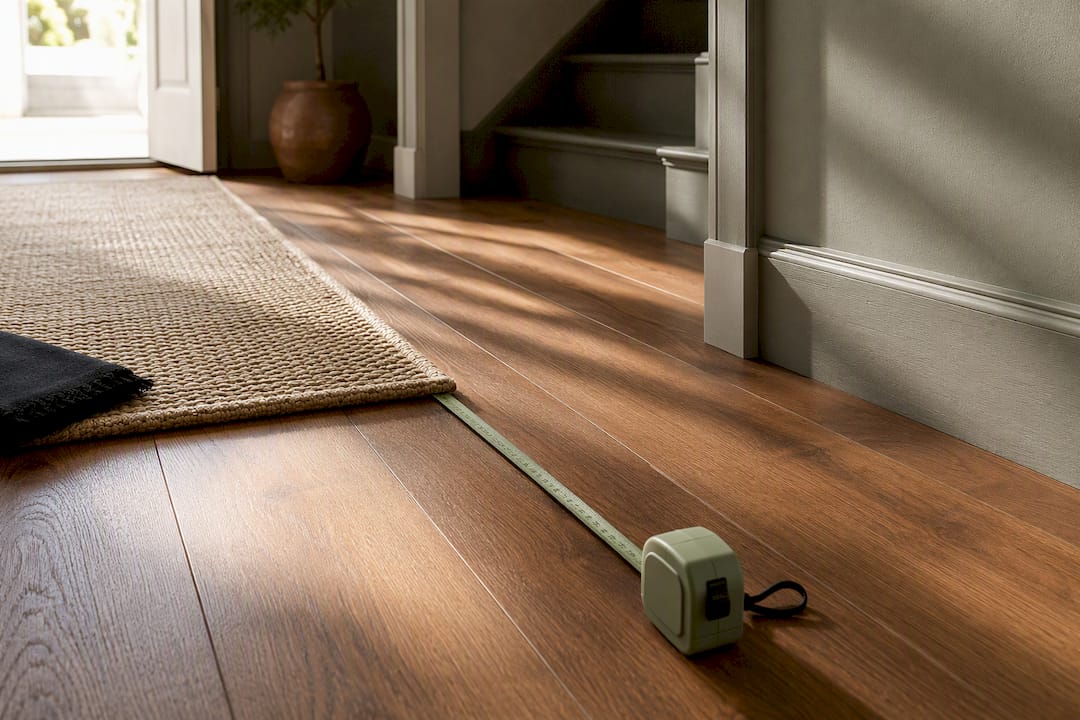
- Start with texture. Add a chunky wool throw, a jute rug, or a set of linen cushions. These are low-cost, high-impact changes that immediately shift a room’s atmosphere.
- Update your lighting. Warm-toned bulbs and layered lighting (overhead, task, and ambient) create the kind of atmosphere that no amount of furniture rearranging can replicate.
- Introduce one natural material. A wooden side table, a stone ornament, or a ceramic vase grounds a space and adds the organic quality that defines 2026 interiors.
- Focus on the kitchen. Unfitted kitchens with characterful wood and tactile finishes, combined with layered lighting, are among the most sought-after design features this year. Even small updates like new cabinet handles or open shelving can shift the feel significantly.
- Don’t overlook the bathroom. Spa-like bathrooms that support comfort and wellbeing are a defining trend, achievable through towel choices, plant placement, and warm lighting alone.
A modern interior design workflow always begins with the room’s purpose before its appearance. Ask yourself how you want to feel in a space before you decide how you want it to look.
Mixing vintage and new pieces is one of the most effective techniques for achieving depth and personality. A contemporary sofa paired with a vintage lamp or an antique mirror creates the kind of layered, intentional look that defines 2026 interiors. It also avoids the ‘showroom’ effect that plagues spaces furnished entirely from a single retailer.
Quick wins for every room:
- Living room: layer rugs, add a curved accent chair, introduce large-format art
- Bedroom: linen bedding, warm lighting, natural wood bedside tables
- Kitchen: open shelving with ceramics, tactile cabinet fronts, plants
- Bathroom: wooden accessories, soft towels, a single statement mirror
For a deeper look at enhancing UK homes with trends, the principle is always the same: choose pieces that earn their place through both function and beauty. And for soft furnishings specifically, layering textiles for warmth is one of the simplest and most effective techniques available.
Pro Tip: Resist the urge to style everything at once. Live with a space for a few weeks after making initial changes before adding more. You’ll make better decisions and spend less money.
Why real comfort is beating minimalism: A perspective
To round off, it’s worth reflecting on why these emerging trends matter so deeply to how we feel in our homes.
Minimalism had its moment, and it was genuinely useful. It pushed back against clutter and encouraged intentionality. But taken too far, it produced homes that felt more like performance than living. Bare surfaces and empty rooms look serene in photographs but feel hollow in daily life.
The shift from sterile minimalism to intentional comfort reflects a post-pandemic desire for restorative homes. When daily life moved indoors, people quickly discovered that a beautiful-but-cold space offered very little comfort. The homes that felt genuinely supportive were the ones with texture, warmth, and personality.
What we find most compelling about 2026’s direction is that it centres human experience rather than aesthetic theory. The question isn’t ‘does this look right?’ but ‘does this feel right?’ Touch, warmth, and connection to natural materials are primal needs, not design preferences. Spaces that honour those needs feel alive in a way that no amount of clever styling can manufacture.
The effect of trends on home styling is real, but trends are not rules. The most successful interiors we see are those where homeowners have used trends as a starting point rather than a prescription, selecting only what genuinely resonates with how they live.
Bring contemporary trends home with Homable
If you’re feeling inspired to apply these ideas, the right resources make all the difference.
At Homable, we’ve curated a range of home decor and accessories specifically chosen to help you achieve the warmth, texture, and character that define 2026’s most compelling interiors. From tactile soft furnishings and natural material ornaments to statement wall art and decorative storage, every piece is selected with both style and function in mind. Whether you’re starting with a single room or refreshing your entire home, our affordable home styling guide is a practical starting point. Free shipping on orders over £100 means you can invest in quality pieces without the added cost.
Frequently asked questions
What is the main difference between modern and contemporary home trends in 2026?
Contemporary trends in 2026 focus on tactile, nature-inspired comfort and human-centred design, while older notions of ‘modern’ leaned on warmth and organic elements in a more restrained way. The 2026 approach is warmer, more layered, and more personal.
Which colours are most popular for UK homes in 2026?
Earthy neutrals including warmer colour palettes such as creamy whites, ochre, muddy green, caramel, and dusty blue are the leading choices, replacing cooler greys and stark whites.
How does sustainability impact home decor choices in 2026?
Sustainability is now integrated as standard, with certified timber, low-VOC paints, antiques, and longevity-focused pieces becoming the default rather than the exception for conscious buyers.
What’s a simple way to make my home feel more contemporary?
Layered textures and tactile fabrics are the fastest route to a comfortable, contemporary feel. Adding a textured rug, linen cushions, and a warm throw can transform a room’s atmosphere in an afternoon.