Cart
0

The shift in UK home design for 2026 isn’t about chasing perfection anymore. Instead, design trends guide UK home decor towards warmer, tactile spaces that prioritise emotional wellbeing over catalogue-ready aesthetics. This year marks a turning point where comfort, authenticity, and personal expression take centre stage. If you’ve ever felt overwhelmed by constantly changing trends or wondered how to make your home feel genuinely yours while staying current, this guide will show you exactly how to navigate 2026’s most meaningful design movements and apply them practically to create spaces that truly enhance your daily life.
Table of Contents
- Why design trends matter in 2026
- How trends evolve: From trade shows to your sofa
- What’s trending in UK homes: The 2026 essentials
- Personalisation versus following the crowd
- Practical steps: Bringing 2026 trends into your home
- Explore trend-led home accents for 2026
- Frequently asked questions
Key Takeaways
| Point | Details |
|---|---|
| Trends prioritise wellbeing | 2026’s design trends centre on creating comfortable and emotionally restorative homes. |
| Authenticity beats perfection | Blending trends with your personal taste results in a space that feels both current and genuinely lived-in. |
| Small changes matter | Adopting trends through textiles, colour, or accents can refresh your home without requiring full renovations. |
| Sustainability is key | Eco-friendly choices and nature-inspired materials top the agenda for modern UK interiors in 2026. |
Why design trends matter in 2026
Design trends in 2026 serve a purpose far beyond surface-level style updates. They reflect deeper cultural shifts that directly impact how we experience our homes. Trends reflect post-pandemic cultural shifts, prioritising sustainability, nature connection, and mental wellbeing in ways that previous decades never emphasised. Your living space now functions as a sanctuary, a workspace, and a social hub all at once, which means the design choices you make carry real weight for your daily comfort and emotional health.
The beauty of modern design trends 2026 lies in their focus on livability rather than showroom perfection. We’re seeing a collective move away from cold minimalism towards spaces that feel lived in, layered, and genuinely restorative. This shift acknowledges that homes should adapt to real life, not the other way round. When you understand what’s driving these changes, you can make informed choices about which elements genuinely serve your lifestyle and which ones you can confidently ignore.
“The most successful interiors in 2026 balance contemporary aesthetics with deeply personal touches that reflect the inhabitants’ authentic tastes and daily rhythms.”
Think of trends as a toolkit rather than a rulebook. They offer tested solutions to common design challenges and introduce materials, colours, and arrangements that professionals have refined through extensive experimentation. By understanding styling trends for 2026, you gain access to this collective wisdom without needing formal design training. The key is recognising that trends work best when they inspire rather than dictate, helping you create spaces that feel both current and timeless. Wellbeing-focused interiors aren’t just aesthetically pleasing; they actively contribute to better mental health and daily satisfaction.
How trends evolve: From trade shows to your sofa
Understanding where design trends originate helps you evaluate which ones deserve your attention and investment. The process begins months before you see new styles appearing in UK homeware shops. Major trade shows, paint manufacturers’ annual forecasts, and influential designers collectively shape what becomes popular. Trends evolve from shows, paint forecasts, and cultural moments, evidenced by the current popularity of burl wood and burgundy bathrooms, which first appeared at industry events before filtering into mainstream retail.
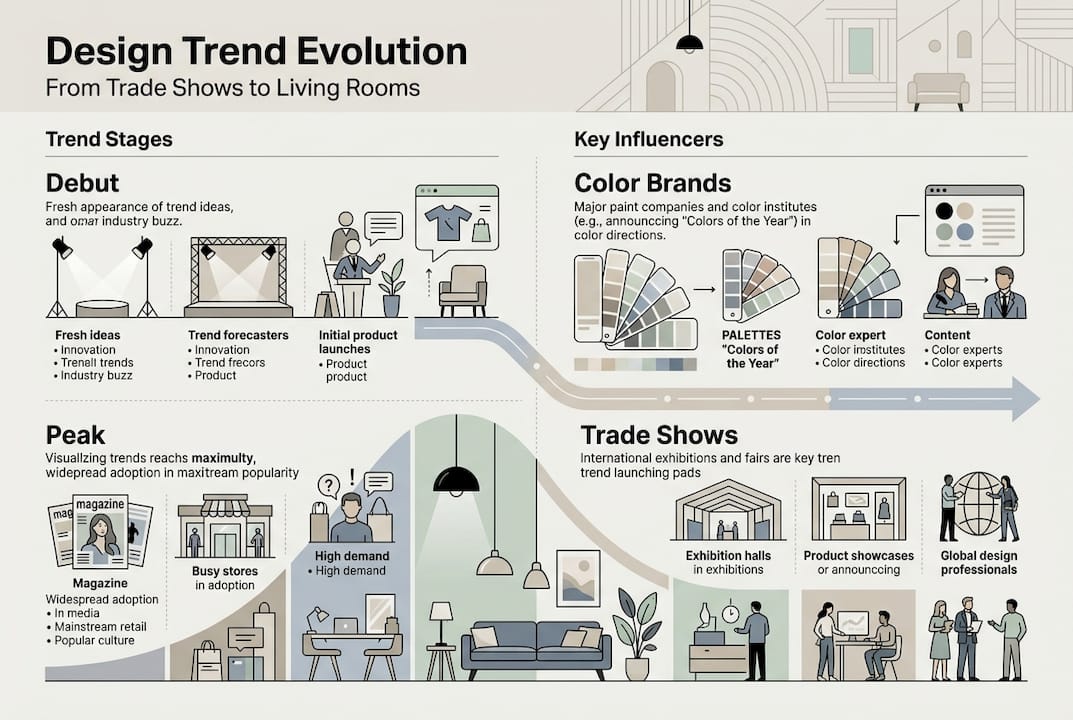
The journey from concept to your living room follows a predictable pattern. Colour companies like Pantone and Farrow & Ball release annual predictions based on cultural analysis and consumer research. High-profile designers showcase these palettes at international furniture fairs. Retailers then interpret these directions for mass-market appeal, and finally, social media amplifies specific elements that resonate with everyday homeowners. This cascade effect means that by the time you’re considering a trend, it’s been refined and tested across multiple contexts.
| Trend element | First appearance | Peak search interest | Mainstream adoption |
|---|---|---|---|
| Burl wood accents | Milan Design Week 2025 | January 2026 | March 2026 |
| Burgundy bathrooms | Paint forecasts Q3 2025 | December 2025 | February 2026 |
| Tactile layering | Trade shows Autumn 2025 | November 2025 | January 2026 |
| Biophilic lighting | Design conferences 2025 | October 2025 | December 2025 |
Cultural moments significantly influence which trends gain traction. The sustained focus on home comfort following pandemic years continues to shape preferences towards warmer, more personal spaces. Economic considerations also play a role, with many UK homeowners favouring updates that deliver maximum impact without requiring structural changes. When you see bestsellers and trend impact reflected in retail data, you’re witnessing the final stage of this evolution.
What’s trending in UK homes: The 2026 essentials
The defining characteristic of 2026’s interior landscape is its embrace of warmth and authenticity. Living spaces now lean towards warmth, tactility, rich tone, and personalisation, moving decisively away from the cold perfection that dominated previous years. This shift manifests in specific, tangible ways that you can incorporate regardless of your home’s size or architectural style.
| Lived-in comfort (2026) | Catalogue minimalism (previous years) |
|---|---|
| Layered textiles and mixed textures | Single-material surfaces |
| Warm, earthy colour palettes | Cool greys and stark whites |
| Personal collections on display | Hidden storage, bare surfaces |
| Natural, imperfect materials | Polished, uniform finishes |
| Ambient, layered lighting | Bright, functional lighting only |
The headline features shaping UK interiors this year include:
- Biophilic design elements that bring nature indoors through plants, natural materials, and organic shapes
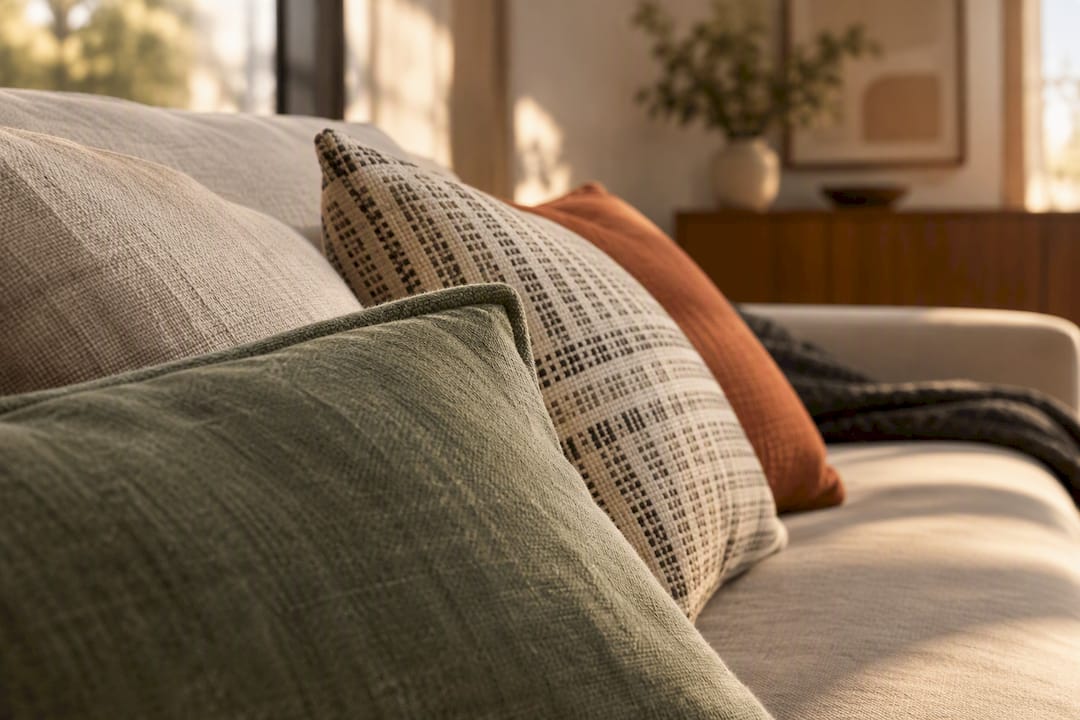
- Textile layering using layering textiles to create depth and visual interest
- Statement lighting that serves as both functional and sculptural focal points
- Burgundy and deep jewel tones particularly in unexpected spaces like bathrooms and hallways
- Burl wood and natural grain showcasing material authenticity rather than hiding it
These elements work together to create environments that feel genuinely welcoming rather than intimidatingly perfect. The emphasis on using tactile materials addresses a fundamental human need for sensory engagement with our surroundings. When you run your hand across a chunky knit throw or notice the grain in a wooden side table, you’re experiencing design that acknowledges our physical relationship with space. This approach makes homes more relaxing because they invite interaction rather than demanding preservation.
The practical benefit of these trends is their flexibility. You don’t need to renovate to participate. Adding a few top trend features through textiles, lighting updates, or carefully chosen accents can transform a room’s atmosphere without major expense or disruption. The focus on personalisation means your existing favourite pieces can integrate seamlessly with newer additions, creating a cohesive look that feels distinctly yours.
Personalisation versus following the crowd
The tension between embracing current trends and maintaining individual style represents one of the most common challenges in home design. Copying trends without consideration often results in spaces that feel generic or disconnected from the people who actually live there. The solution lies in understanding that trends should inform your choices rather than dictate them entirely.
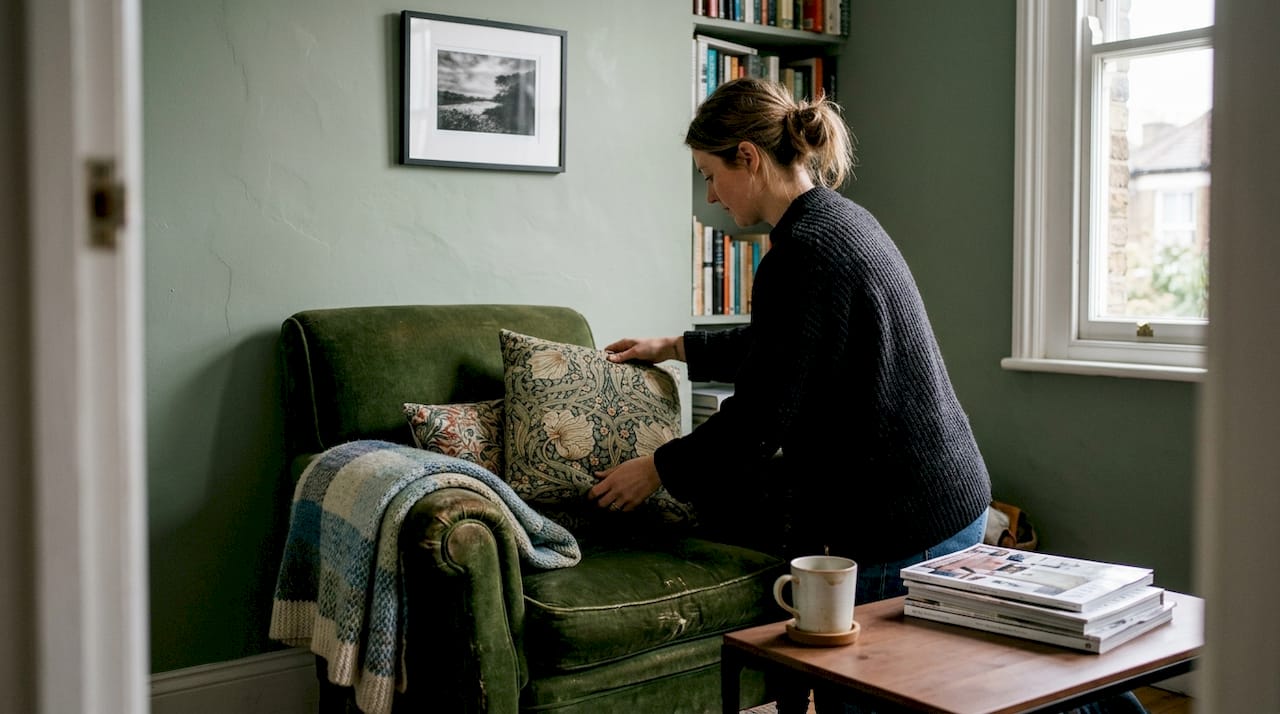
Pro Tip: Select one or two trend elements that genuinely resonate with your lifestyle, then integrate them with pieces you already love. This approach creates visual interest without sacrificing the personal character that makes a house feel like home.
Expert nuance suggests blending select trend elements with timeless design principles and personal items for enduring appeal. This means considering proportion, scale, and colour harmony alongside trend adoption. A burgundy accent wall might be current, but if it overwhelms your space or clashes with cherished artwork, it’s not the right choice for your home. The most successful interiors balance contemporary touches with elements that have personal meaning, whether that’s inherited furniture, travel souvenirs, or collections built over years.
“Timeless design isn’t about avoiding trends altogether. It’s about choosing elements that align with both current aesthetics and your authentic preferences, creating spaces that age gracefully rather than feeling dated within months.”
Practical ways to personalise trending styles include rotating textiles seasonally to experiment with new colours without commitment, displaying personal collections as intentional design features, and tweaking colour palettes to suit your preferences rather than following forecasts exactly. Affordable styling principles demonstrate that thoughtful curation matters more than budget. A few well-chosen pieces that reflect your taste will always create more satisfying spaces than a room full of trendy items that don’t connect to your life.
The goal is creating homes that feel current without being slaves to fashion. When you prioritise comfort and authenticity, trend elements enhance rather than dominate your space. Adding room accents strategically allows you to participate in contemporary design movements while maintaining the distinctive character that makes your home uniquely yours.
Practical steps: Bringing 2026 trends into your home
Translating trend awareness into actual home improvements requires a systematic approach that prevents overwhelm and ensures satisfying results. Follow these steps to update any room effectively:
- Identify one trend element that addresses a specific need in your space, whether that’s adding warmth, improving lighting, or increasing textural interest.
- Assess your existing pieces to determine what stays, what goes, and what needs complementary additions to work with new elements.
- Test with samples before committing to paint colours or large textile purchases, viewing them in your actual lighting conditions at different times of day.
- Layer gradually by introducing new pieces one at a time, allowing each addition to settle into the space before adding more.
- Evaluate comfort and function after each change, ensuring aesthetic improvements don’t compromise how you actually use the room.
- Adjust and refine based on how the space feels after living with changes for a few weeks, making tweaks as needed.
Pro Tip: Small, layered changes consistently outperform dramatic makeovers in terms of satisfaction and longevity. They allow you to course-correct easily and ensure each element genuinely improves your daily experience.
Trends work best as inspiration, suggesting possibilities rather than prescribing exact solutions. Consider a practical example: updating a living room might involve painting one wall in a warm terracotta shade, adding tactile cushions in complementary tones, and hanging favourite artwork that ties the palette together. This approach incorporates current colour trends and textile layering whilst maintaining personal character through existing furniture and meaningful art.
Common pitfalls to avoid include trend FOMO that leads to impulse purchases, overbuying before understanding what actually works in your space, and creating mismatched schemes by trying to incorporate too many different trend elements simultaneously. The decorating checklist provides a structured framework that prevents these mistakes whilst ensuring you consider all necessary elements. For specific rooms, bedroom styling tips offer targeted guidance that applies trend principles to spaces with particular functional requirements.
Remember that successful trend adoption happens gradually. You’re creating a home that serves your life, not staging a showroom. Each change should make your space more comfortable, functional, or beautiful in ways that matter to you specifically. When updates meet this standard, they’ll remain satisfying long after the initial trend cycle passes.
Explore trend-led home accents for 2026
Finding quality pieces that embody 2026’s design ethos without requiring extensive searching makes trend adoption significantly more accessible. We’ve curated a selection of home accents that reflect this year’s emphasis on tactile beauty, warm metallics, and sculptural interest. These pieces work as standalone statements or integrate seamlessly with existing décor, offering flexibility for various styling approaches.
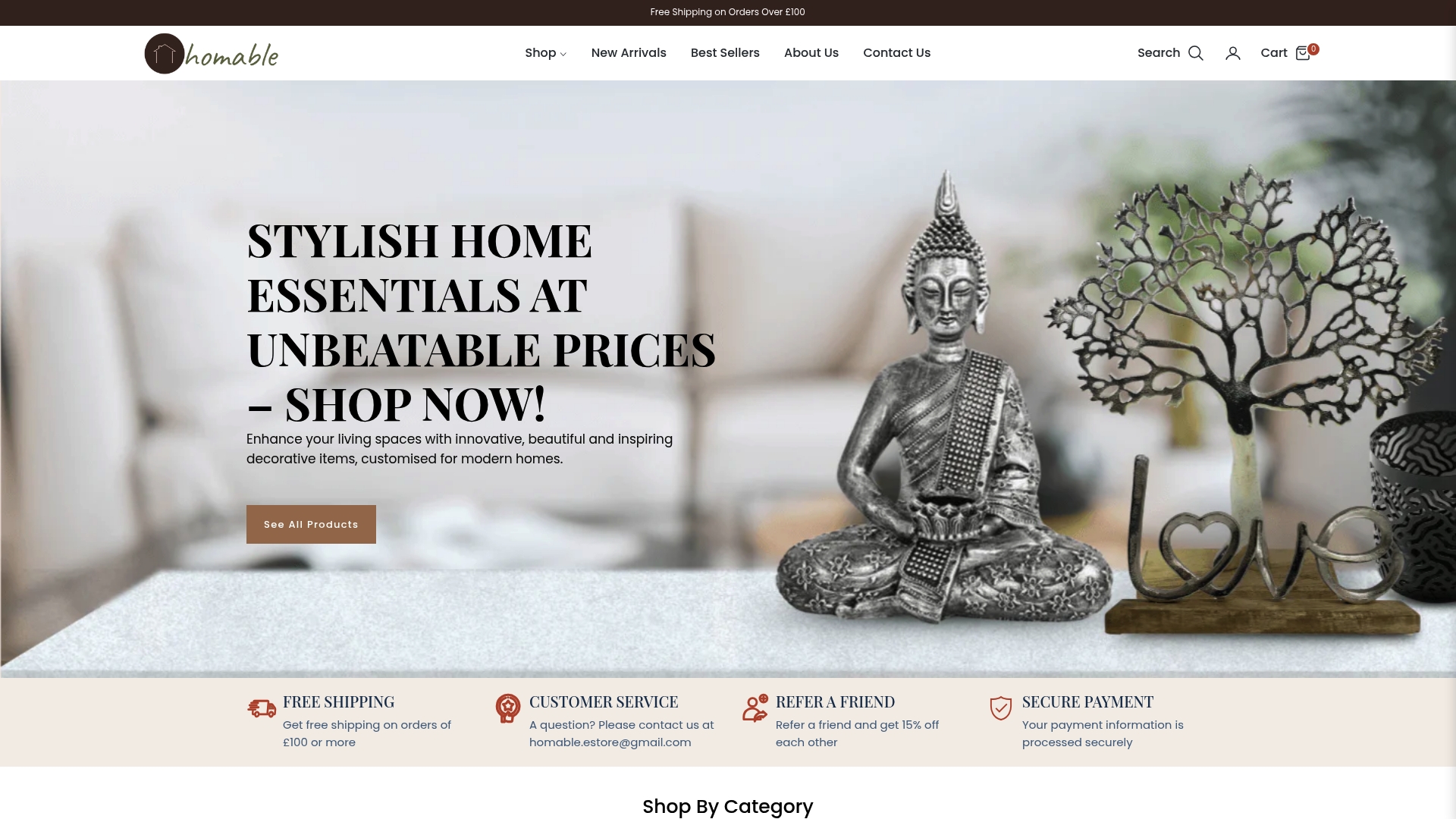
The decorative silver flower candle holder exemplifies how contemporary design balances organic forms with refined finishes. Its sculptural quality adds visual interest whilst serving a practical function, and the warm metallic tone aligns perfectly with 2026’s move towards softer, more inviting palettes. This type of accent demonstrates how small additions can significantly impact a room’s atmosphere without requiring major investment or commitment.
When you’re ready to explore more options that support your vision for updated, personalised spaces, Homable home accents offers carefully selected pieces that prioritise both aesthetic appeal and everyday functionality. Our collections reflect current design movements whilst maintaining the timeless quality that ensures your choices remain satisfying for years. We understand that creating beautiful homes involves balancing trend awareness with personal expression, and our range supports exactly that approach.
Frequently asked questions
What is the main design trend for UK homes in 2026?
Warmth, tactility, and personalised design dominate, with design trends guiding UK home decor towards warmer spaces that prioritise emotional wellbeing over catalogue perfection. This shift emphasises restorative, lived-in environments.
How can I update my home decor without following every trend?
Blend one or two trend elements with your favourite personal pieces, prioritising comfort and authenticity over copying complete looks. Expert guidance suggests blending select elements with timeless design principles for lasting appeal.
Are sustainable materials still important in 2026 design?
Absolutely. Sustainability remains central, with trends reflecting post-pandemic shifts prioritising sustainability, nature connection, and wellbeing through material choices that honour environmental responsibility.
Where do most design trends start?
They typically begin at trade shows, paint forecasts, and through top designers before filtering into popular UK interiors. Trends evolve from shows and cultural moments, gaining momentum through social media and retail adoption.
Can I mix different trend elements in one room?
Yes, but focus on cohesion through a unified colour palette or material family. Mixing works best when elements share common characteristics like warmth, texture, or organic shapes rather than competing for attention.