Cart
0

Finding the right balance between style and practicality can be challenging for urban homeowners ready to refresh their living spaces. Contemporary home styling offers a clear solution by blending clean lines, flexible layouts, and eco-conscious materials that deliver both visual appeal and comfort. Discover how this modern approach transforms ordinary rooms into spaces that feel personal, functional, and effortlessly stylish, all without stretching your budget or sacrificing convenience.
Table of Contents
- Contemporary Home Styling Defined Clearly
- Key Elements Shaping Contemporary Spaces
- Popular Types and Trend Variations Today
- How to Style Your Home the Contemporary Way
- Common Pitfalls and How to Avoid Them
Key Takeaways
| Point | Details |
|---|---|
| Contemporary Design Priorities | Focus on adaptability and simplicity while integrating technology and aesthetic appeal into living spaces. |
| Material and Sustainability | Utilise innovative, sustainable materials that enhance both functionality and environmental responsibility. |
| Functional Spaces | Design multi-purpose areas that can transition easily, reflecting the dynamic nature of modern lifestyles. |
| Common Design Pitfalls | Avoid overcrowding, neglecting ergonomics, and compromising functionality for style to maintain coherence in design. |
Contemporary Home Styling Defined Clearly
Contemporary home styling represents a dynamic design philosophy that transforms living spaces into functional, adaptable environments reflecting modern life’s complexities. Unlike traditional design approaches, contemporary styling prioritises human experience, technological integration, and aesthetic simplicity.
This approach is fundamentally about creating spaces that are both beautiful and purposeful. Contemporary architecture emphasises clean lines, open layouts, and intelligent use of materials that respond directly to current lifestyle needs. Key characteristics include:
- Minimalist aesthetic with purposeful design elements
- Emphasis on natural light and spatial flow
- Integration of sustainable and eco-conscious materials
- Flexible spaces that adapt to changing living requirements
- Technology-friendly environments
Modern home styling goes beyond mere decoration - it’s a holistic approach to creating living spaces that enhance personal well-being. By prioritising functionality alongside aesthetic appeal, contemporary design transforms ordinary rooms into sophisticated, efficient environments that support diverse lifestyle demands.
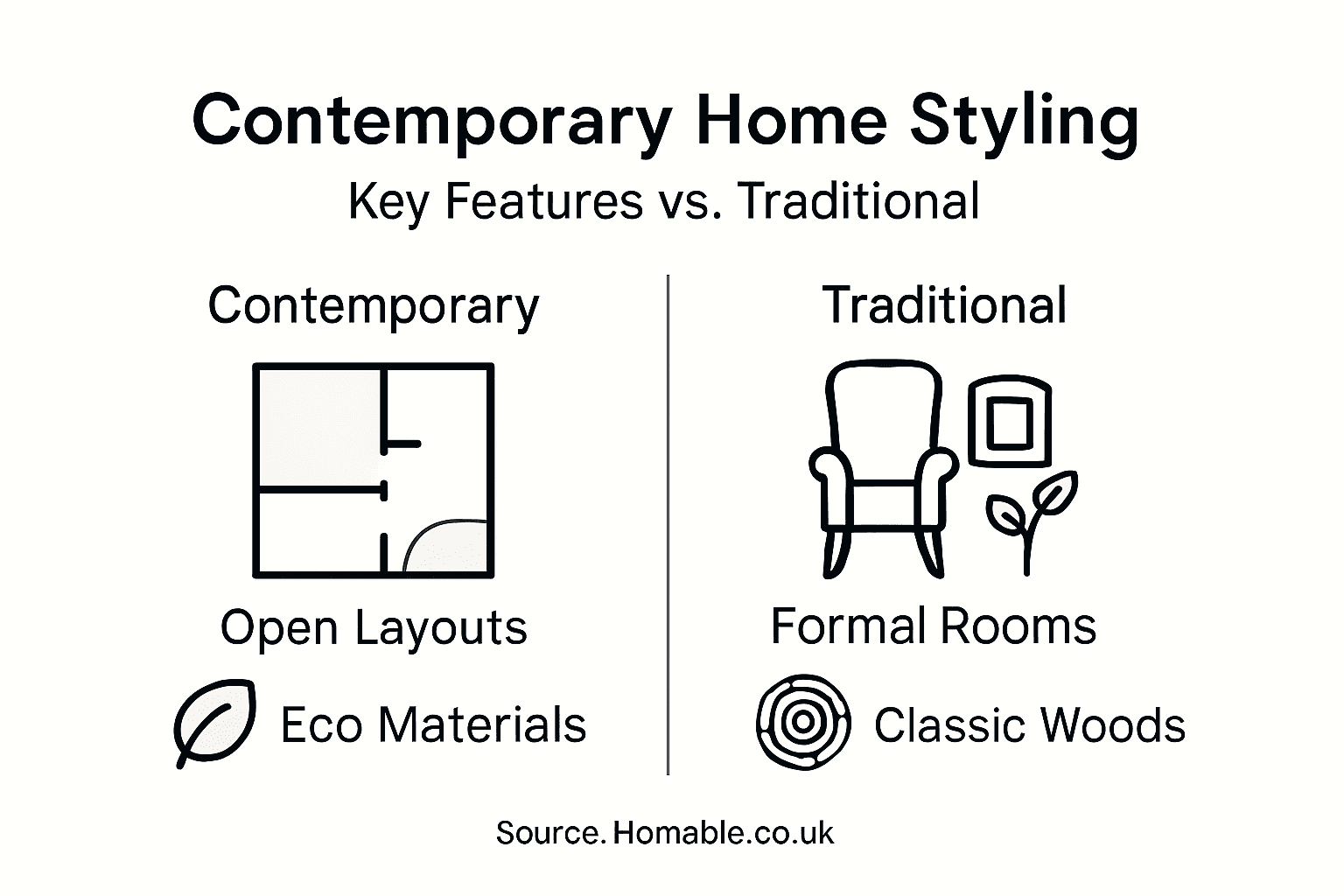
To clarify how contemporary home styling stands apart from traditional approaches, here is a concise comparison:
| Aspect | Contemporary Home Styling | Traditional Home Styling |
|---|---|---|
| Design Philosophy | Adaptability and simplicity | Formality and ornamentation |
| Material Selection | Innovative, sustainable materials | Classic, conventional materials |
| Technology Use | Integrated smart systems | Minimal or analogue technology |
| Spatial Layout | Flexible, open-plan spaces | Fixed, closed room layouts |
| Cultural Influence | Responsive to global trends | Rooted in specific local styles |
Materials and Technology
Contemporary styling leverages advanced materials and design technologies to create innovative living spaces. Designers now utilise computer-aided design techniques to craft precise, asymmetric layouts featuring glass, aluminium, recycled materials, and smart integration of natural elements like wood and stone.
Cultural Responsiveness
Unlike previous architectural movements, contemporary home styling recognises global diversity. Modern design trends now celebrate local cultural expressions while maintaining universal principles of functionality and aesthetic elegance.
Pro tip: When designing contemporary spaces, focus on creating multifunctional areas that can easily transform to support different activities and moods.
Key Elements Shaping Contemporary Spaces
Contemporary home spaces are defined by a revolutionary approach that seamlessly blends functionality, technology, and aesthetic sensibility. Contemporary architectural design emphasises creating environments that dynamically respond to modern lifestyle demands, moving beyond traditional static interior concepts.
The key elements driving contemporary spatial design include:
- Intelligent use of natural light
- Flexible, adaptable room configurations
- Integration of smart home technologies
- Sustainable and eco-conscious material selections
- Minimalist aesthetic with purposeful design elements
- Seamless indoor-outdoor spatial connections
Material Innovation
Contemporary spaces prioritise innovative materials that blend aesthetic appeal with environmental responsibility. Sustainable material approaches now incorporate recycled components, natural composites, and high-performance technologies that reduce environmental impact while enhancing functional design.
Technology and Functionality
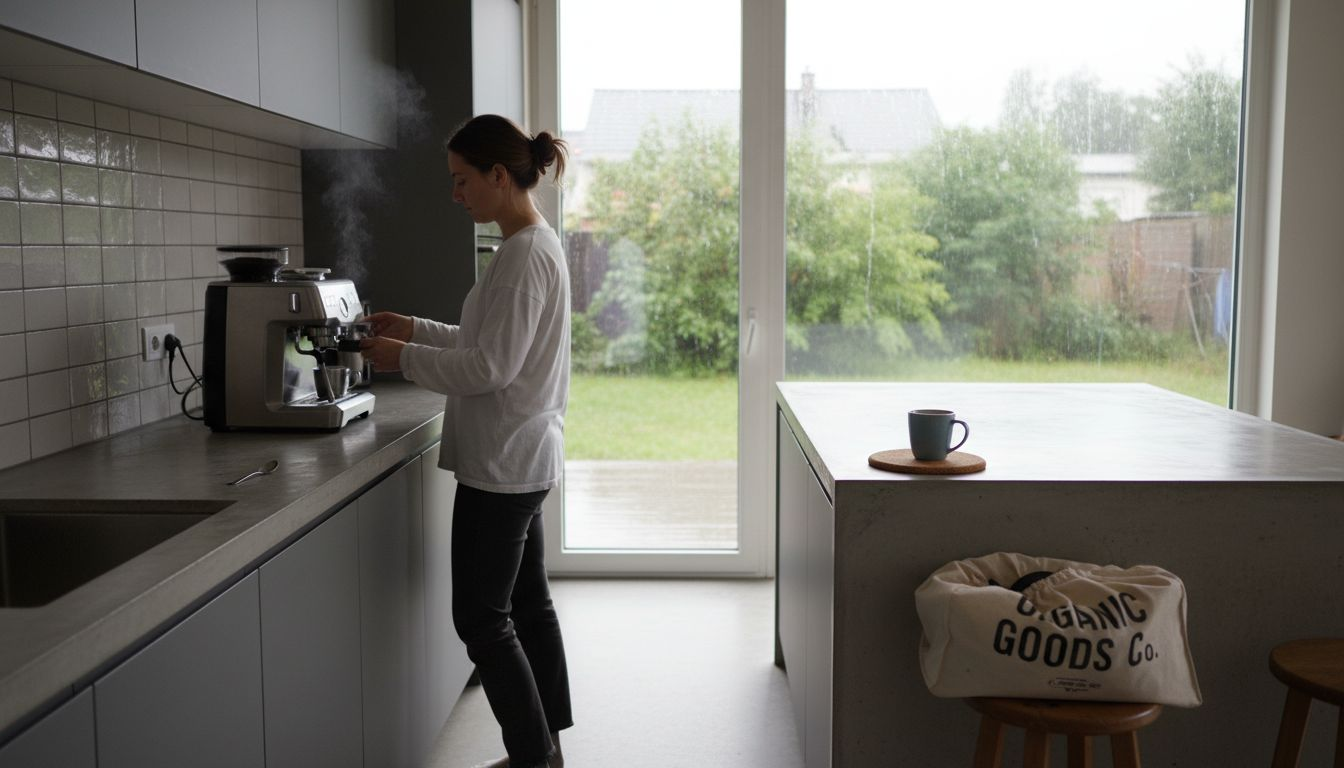
Smart home technologies are no longer optional but integral to contemporary design. Integrated systems enable rooms to adapt instantaneously, supporting diverse activities from remote work to relaxation, with technological infrastructure seamlessly embedded within the architectural framework.
Spatial Flexibility
Modern living demands spaces that can transform rapidly. Contemporary design responds by creating multi-purpose areas that can quickly shift between professional, leisure, and personal contexts, reflecting the dynamic nature of current lifestyles.
Contemporary spaces are not just designed - they are engineered to support human experience.
Pro tip: When designing contemporary spaces, consider implementing modular furniture and adaptable lighting systems that can easily transform room functionalities.
Popular Types and Trend Variations Today
Contemporary home styling trends have evolved dramatically, reflecting complex modern lifestyles and aesthetic preferences. These trends showcase a remarkable diversity, moving beyond traditional design constraints and embracing personalised, dynamic living environments that respond to individual needs and global influences.
The most prominent contemporary home styling trends include:
- Light & Bright: Emphasising white tones and maximising natural illumination
- Crafted Calm: Featuring warm, neutral hues with natural connections
- Fresh Heritage: Blending traditional woodgrain with modern textures
- Dark & Moody Luxe: Exploring deep, saturated colours and bold contrasts
- Minimalist Scandinavian: Prioritising simplicity and functional design
Material and Colour Evolution
Architectural styles today demonstrate an unprecedented mix of influences, incorporating sustainable materials, innovative colour palettes, and adaptive layouts. Contemporary design no longer adheres to rigid aesthetic rules but celebrates individual expression through carefully curated spatial experiences.
Global Design Influences
Modern home styling transcends geographical boundaries, drawing inspiration from international design movements. This global perspective allows homeowners to create spaces that are simultaneously rooted in tradition and forward-looking, reflecting personal narratives through carefully selected design elements.
Contemporary design is less about following trends and more about creating personalised living experiences.
Pro tip: When exploring contemporary styling trends, prioritise designs that reflect your personal aesthetic while maintaining functional flexibility.
How to Style Your Home the Contemporary Way
Contemporary interior styling transforms living spaces into elegant, functional environments that reflect modern sensibilities. This approach goes beyond simple decoration, focusing on creating spaces that are both visually compelling and deeply practical, adapting to the complex rhythms of contemporary life.
Key strategies for achieving a contemporary home style include:
- Embrace minimalist silhouettes with clean, purposeful furniture
- Prioritise neutral colour palettes with strategic accent elements
- Maximise natural light through thoughtful window treatments
- Integrate technology seamlessly into your design
- Layer textures for visual depth and interest
- Select multi-functional furniture pieces
Design Principles
Contemporary design approaches emphasise creating fluid, adaptable spaces that balance aesthetic appeal with functionality. This means selecting furniture and decor that serves multiple purposes while maintaining a streamlined, uncluttered appearance.
Material and Texture Selection
Contemporary styling thrives on intelligent material choices. Combine natural elements like wood and stone with modern materials such as glass and metal, creating a sophisticated interplay between traditional and innovative design elements. The goal is to craft spaces that feel simultaneously timeless and current.
For quick reference, here are some recommended material choices for contemporary interiors with their unique advantages:
| Material | Aesthetic Benefit | Practical Advantage |
|---|---|---|
| Glass | Enhances natural light | Easy to clean, modern appearance |
| Aluminium | Sleek, minimal look | Durable, lightweight |
| Recycled Wood | Warm, natural texture | Environmentally responsible |
| Stone | Offers timeless elegance | High durability, low maintenance |
| Metal | Adds industrial edge | Resistant to wear and tear |
Contemporary design is about creating environments that feel both intentional and effortlessly comfortable.
Pro tip: When styling your home contemporarily, remember that less is more - focus on quality over quantity and allow each design element to breathe.
Common Pitfalls and How to Avoid Them
Contemporary home styling demands careful navigation to prevent common design mistakes that can compromise both aesthetics and functionality. Home safety considerations play a crucial role in creating spaces that are not just visually appealing, but genuinely liveable and secure.
Key pitfalls to avoid include:
- Overcrowding Spaces: Resist the temptation to fill every corner
- Ignoring Ergonomics: Prioritise comfort alongside style
- Neglecting Lighting: Understand the critical role of illumination
- Mismatching Design Elements: Maintain a cohesive aesthetic flow
- Compromising Functionality: Ensure spaces remain practical
Design Coherence Challenges
Many homeowners struggle with maintaining a consistent design language throughout their living spaces. This often leads to disjointed interiors that feel fragmented and lack a unified narrative. The key is to develop a clear design vision that allows for subtle variations while preserving an overarching aesthetic harmony.
Practical Functionality
Contemporary styling is not just about appearances but creating intelligent, adaptive living environments. This means selecting furniture and design elements that serve multiple purposes, adapt to changing needs, and provide genuine utility beyond mere visual appeal.
Design should never sacrifice comfort for style - true contemporary spaces balance both seamlessly.
Pro tip: Always test design choices by living with them temporarily, allowing yourself the flexibility to adjust and refine your approach.
Elevate Your Contemporary Home with Stylish Practicality
Contemporary home styling challenges you to create adaptable, minimalist spaces that balance aesthetic elegance with true functionality. If you find yourself aiming to blend intelligent design with sustainable materials while avoiding overcrowding and mismatched elements, Homable.co.uk offers the perfect solutions to meet your goals. Our carefully curated collections focus on quality, innovative designs, and affordability to help you achieve that ideal blend of clean lines and purposeful living found in contemporary interior styling.
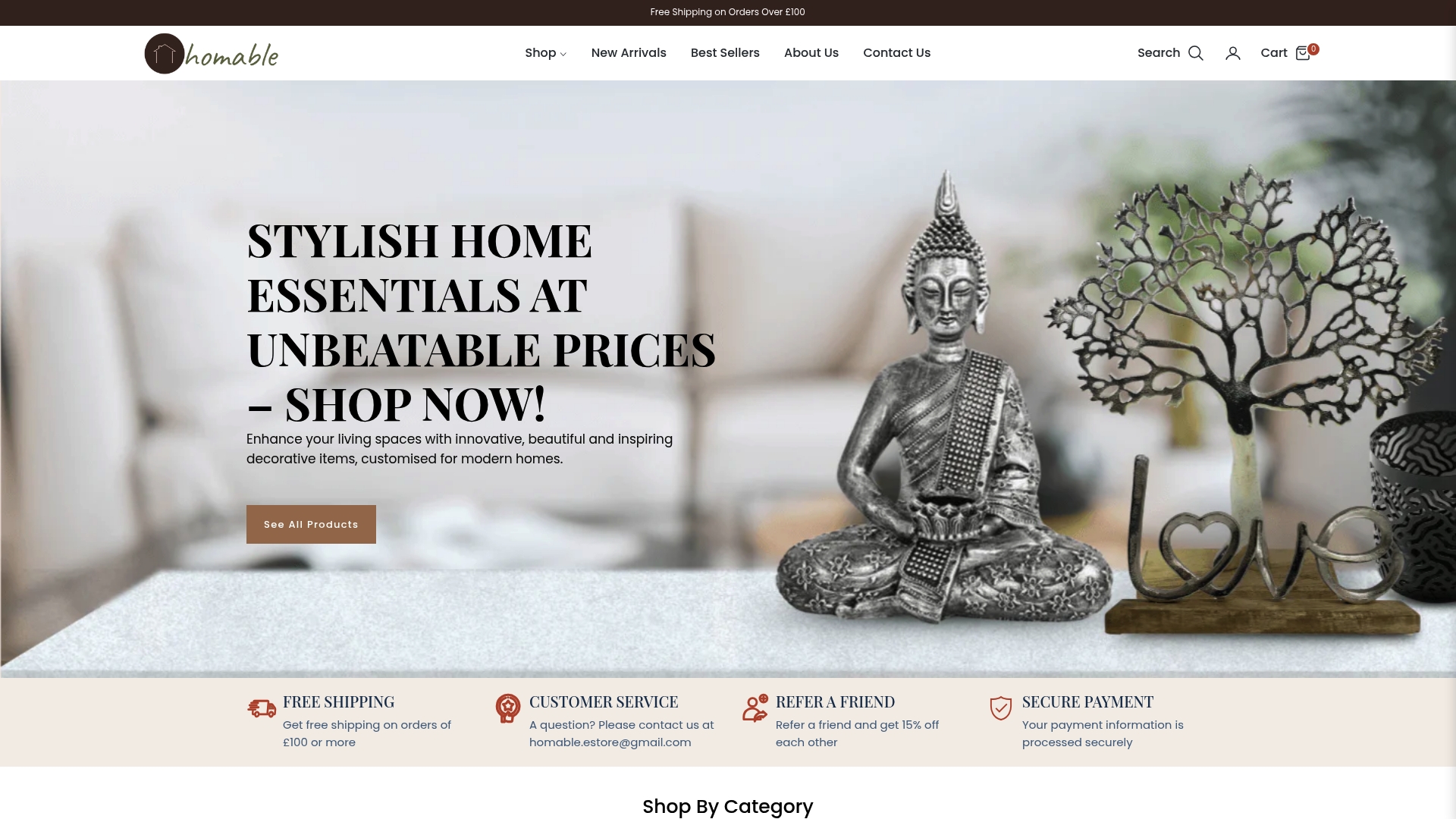
Transform your home today by exploring the wide range of decor and smart accessories at Homable.co.uk. Enjoy the benefits of free shipping on orders over £100 and secure payment options as you choose from stylish ornaments, adaptable storage solutions, and elegant curtains designed to maximise natural light and spatial flow. Make your contemporary lifestyle effortless and uniquely yours by starting your design journey on Homable.co.uk now.
Frequently Asked Questions
What are the key characteristics of contemporary home styling?
Contemporary home styling is characterised by a minimalist aesthetic, open layouts, the use of sustainable materials, technology integration, and flexible spaces that adapt to modern lifestyle needs.
How does contemporary home styling differ from traditional home styling?
Unlike traditional styling, which focuses on formal designs and classic materials, contemporary styling emphasises adaptability, simplicity, innovative materials, and integrating smart technologies to enhance functionality and aesthetic appeal.
What materials are commonly used in contemporary home styling?
Common materials in contemporary styling include glass, aluminium, recycled wood, natural composites, and high-performance materials that are environmentally sustainable and contribute to a sophisticated design.
How can I effectively incorporate technology into my contemporary home design?
To effectively incorporate technology, consider integrating smart home systems that can seamlessly blend with the architectural design, such as automated lighting, climate control, and entertainment systems that enhance the functionality of your living space.
Recommended
- Why Modern Design Trends Shape Stylish Homes – Homable
- Home Styling Terminology Explained: Make Informed Choices – Homable
- What Is Interior Styling and Its Impact on Homes – Homable
- Modern Home Decorating Workflow for Effortless Style – Homable
- 8 Modern Window Dressing Ideas for Every Home
- Bringing Life to Your Home: How to Style Houseplants for Every Room Ae
- Contemporary Garden Room: Modern Living for UK Homes