Cart
0

Finding stylish yet affordable ways to update your home often comes with confusion about where to start or what truly defines home styling. Creating a visually pleasing and comfortable living space goes beyond simply rearranging sofas or hanging new prints. By comparing decoration, renovation, and styling, you’ll discover that home styling is a purposeful practice of shaping both look and feel. Whether you rent a flat in London or own a house in Manchester, learning the real basics helps you design interiors that are tailored to your taste and practical needs.
Table of Contents
- Understanding Home Styling Basics And Misconceptions
- Popular Home Styling Approaches And Trends
- How Home Styling Shapes Modern Living Spaces
- Budget-Friendly Styling: Making Style Accessible
- Mistakes To Avoid When Styling Your Home
Key Takeaways
| Point | Details |
|---|---|
| Home Styling is Strategic | It involves intentional design choices that create spaces reflecting personal identity and functionality, not merely decoration. |
| Contemporary Trends Focus on Personalisation | Modern approaches prioritise unique styles that blend aesthetics with functionality, rather than adhering to strict rules. |
| Budget-Friendly Strategies Exist | Effective home styling can be achieved with thoughtful, low-cost methods, such as repurposing furniture or clever space rearrangement. |
| Avoid Common Styling Mistakes | Critical errors like inappropriate sizing and poor layout can hinder the overall visual and functional appeal of your space. |
Understanding Home Styling Basics and Misconceptions
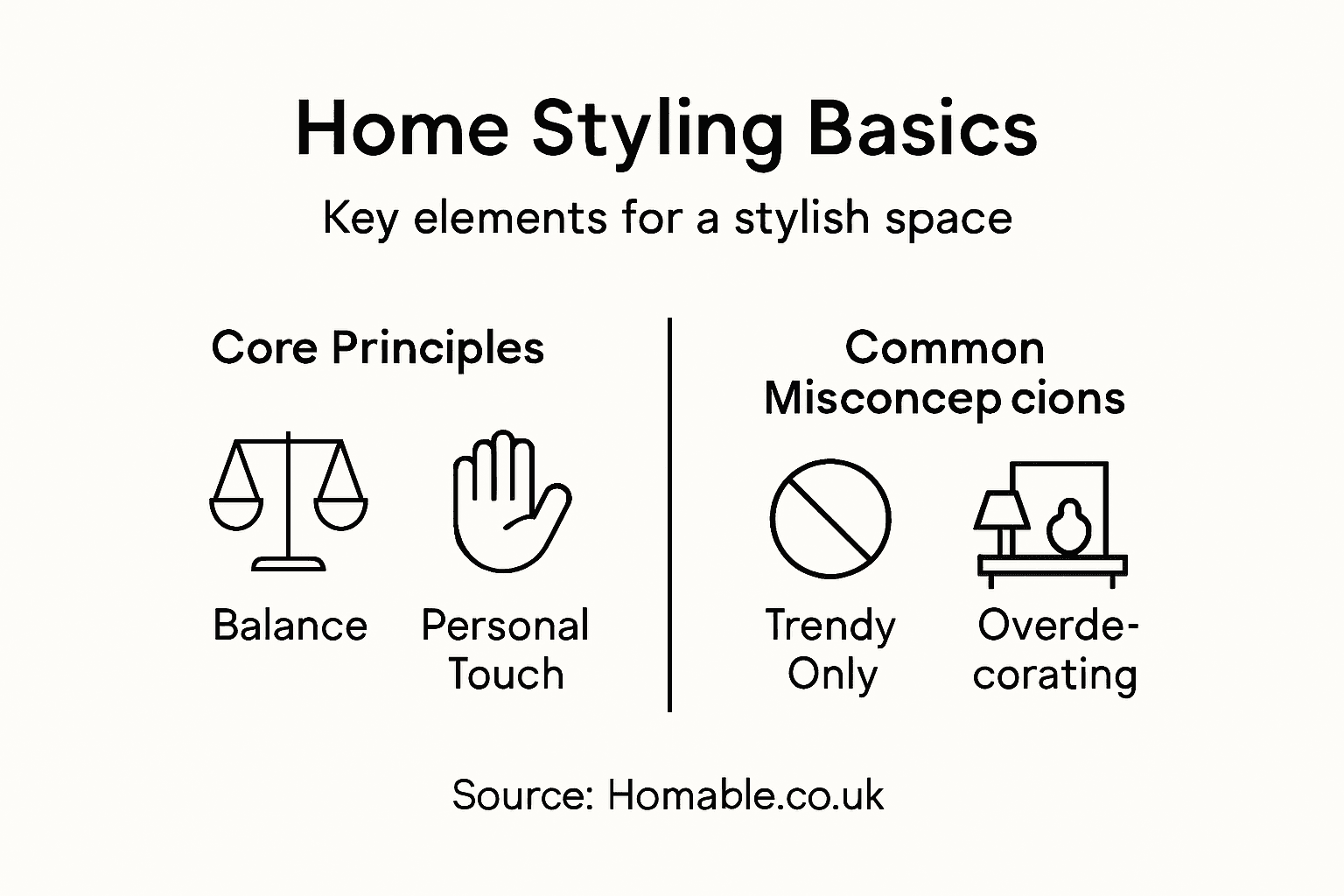
Home styling is far more nuanced than simply arranging furniture or hanging artwork. It represents a sophisticated approach to transforming living spaces that goes beyond basic decoration. Professional terminology distinctions reveal home styling as a strategic practice that involves creating intentional aesthetic and functional environments.
At its core, home styling is about crafting spaces that reflect personal identity while maintaining visual harmony. Unlike mere decoration, which focuses on surface-level embellishments, home styling involves a comprehensive understanding of spatial relationships, colour psychology, and design principles. It requires carefully considering how each element interacts within a room - from furniture placement to lighting selections.
Common misconceptions about home styling often lead people to overcomplicate or misunderstand the process. Many individuals believe styling requires significant financial investment or professional training. However, effective home styling can be achieved through thoughtful, strategic choices:
- Understanding your personal aesthetic
- Selecting versatile, quality pieces
- Creating visual balance
- Incorporating meaningful decorative elements
- Focusing on functionality alongside beauty
Professional stylists recognise that successful home styling is not about following strict trends, but about creating spaces that feel authentic and comfortable. It involves translating personal narratives into physical environments that support daily living while expressing individual character.
Pro tip: Start your home styling journey by observing spaces you genuinely love and identifying the specific elements that resonate with you.
Popular Home Styling Approaches and Trends
Home styling continues to evolve, reflecting broader cultural shifts and personal expression. Contemporary interior design trends showcase innovative approaches that blend aesthetics, functionality, and individual personality. Modern homeowners are increasingly seeking styles that transcend traditional decorative boundaries.
Several distinctive styling approaches have emerged, each offering unique perspectives on creating living spaces:
- Scandinavian Minimalism: Emphasising neutral colours, natural light, and clean lines
- Modern Farmhouse: Blending rustic charm with contemporary design elements
- Japandi Style: Merging Japanese and Scandinavian aesthetics for serene environments
- Eclectic Design: Mixing bold vintage pieces with modern furnishings
These trends reflect a broader movement towards personalisation and sustainability. Contemporary home styling isn’t about following rigid rules, but about creating spaces that tell a personal story. Each approach offers a distinct framework for expressing individual taste while maintaining functional living environments.
The most successful home styling strategies balance aesthetic appeal with practical considerations. This means selecting pieces that are not just visually attractive, but also serve genuine functional purposes. Designers are increasingly focusing on versatile furniture, multipurpose spaces, and design elements that adapt to changing lifestyle needs.
Here’s a comparison of popular home styling approaches and their defining characteristics:
| Approach | Key Features | Typical Colour Palette | Ideal For |
|---|---|---|---|
| Scandinavian Minimalism | Simplicity, light, clean lines | Whites, greys, soft neutrals | Small, airy spaces |
| Modern Farmhouse | Rustic accents, modern touches | Earth tones, blacks, whites | Family homes, open layouts |
| Japandi Style | Calm, minimalist, natural textures | Soft beige, muted greens | Tranquil, meditative homes |
| Eclectic Design | Bold mixes, personalised choices | Mixed bright and muted hues | Creative, dynamic interiors |
Pro tip: When exploring home styling trends, prioritise pieces that resonate with your personal aesthetic and lifestyle rather than blindly following current fashions.
How Home Styling Shapes Modern Living Spaces
Contemporary architectural design profoundly transforms how we experience and interact with our living environments. Modern home styling goes far beyond mere decoration, actively shaping our daily experiences, emotional well-being, and social interactions through intentional design choices.
The fundamental principles of modern home styling centre on creating spaces that are both functional and emotionally resonant:
- Maximising Natural Light: Creating bright, uplifting environments
- Open Floor Plans: Promoting flexibility and social connection
- Smart Storage Solutions: Reducing visual clutter
- Integrated Indoor-Outdoor Spaces: Blurring traditional boundaries
- Personalised Aesthetic Expressions: Reflecting individual lifestyle
Technological integration has become a critical aspect of contemporary home styling. Smart home features now seamlessly blend with design aesthetics, allowing homeowners to create living spaces that are not just visually appealing but also technologically adaptive. These innovations support changing lifestyle needs, offering unprecedented levels of comfort and convenience.
Psychological research increasingly demonstrates that our physical environments significantly impact mental health and productivity. Thoughtful home styling can create spaces that reduce stress, promote relaxation, and support personal well-being. By carefully considering elements like colour psychology, spatial arrangement, and sensory experiences, homeowners can transform their living spaces into nurturing, supportive environments.
Pro tip: When redesigning your living space, prioritise how each design element makes you feel, not just how it looks.
Budget-Friendly Styling: Making Style Accessible
Budget-friendly home styling strategies prove that creating beautiful living spaces doesn’t require spending a fortune. Thoughtful design and creative approaches can transform your home without breaking the bank, making stylish interiors accessible to everyone regardless of financial constraints.
Key strategies for budget-conscious home styling include:
- Repurposing Existing Furniture: Revitalising pieces through creative refinishing
- Strategic Paint Updates: Transforming spaces with affordable colour changes
- DIY Accessory Modifications: Adding custom touches to standard items
- Thrifty Accessory Shopping: Finding unique pieces at budget-friendly prices
- Clever Space Rearrangement: Maximising visual impact without spending
Upcycling has become a cornerstone of budget styling, allowing homeowners to create unique spaces while minimising expenses. By reimagining existing furniture and accessories, individuals can develop personalised environments that reflect their aesthetic without significant financial investment. This approach not only saves money but also promotes sustainability and creative expression.
Successful budget styling requires strategic planning and a keen eye for potential. It’s about understanding design principles, recognising the potential in existing items, and making thoughtful choices that elevate your space. Small, intentional updates can dramatically transform a room’s atmosphere without requiring extensive financial resources.
Below is a summary of effective budget-friendly home styling strategies and their practical benefits:
| Strategy | Benefit | Typical Cost Range |
|---|---|---|
| Repurposing Furniture | Adds uniqueness, saves money | £0-£100 depending on project |
| Strategic Painting | Refreshes space, quick impact | £20-£60 for basic supplies |
| DIY Accessory Customising | Personalises décor, low cost | £5-£50 depending on materials |
| Thrifty Shopping | Finds gems, encourages reuse | £10-£40 per item |
| Clever Rearrangement | Maximises space, no expense | Free |
Pro tip: Always keep an open mind and view every object as a potential design opportunity that can be transformed with creativity and minimal investment.
Mistakes to Avoid When Styling Your Home
Common home styling errors can significantly undermine the aesthetic and functionality of your living spaces. Understanding these pitfalls is crucial for creating harmonious, well-designed interiors that truly reflect your personal style and support your lifestyle.
The most prevalent home styling mistakes include:
- Inappropriate Rug Sizing: Selecting rugs that are disproportionately small
- Television as Focal Point: Arranging rooms around media devices
- Furniture Overcrowding: Filling spaces without considering flow
- Neglecting Scale and Proportion: Mismatching furniture sizes
- Ignoring Lighting Dynamics: Poor illumination planning
Balancing aesthetics with functionality requires careful consideration of each design element. Room layouts should prioritise social interaction and movement, avoiding the common trap of creating spaces that look good on paper but feel uncomfortable in reality. This means critically evaluating furniture placement, ensuring clear pathways, and maintaining a sense of openness.
Design cohesion is another critical aspect often overlooked by amateur stylists. A successful interior tells a consistent visual story, with colour palettes, textures, and design elements working in harmony. This doesn’t mean every piece must match perfectly, but rather that there should be an underlying design philosophy that connects different elements of the space.
Pro tip: Always take measurements and create a rough layout before purchasing furniture to avoid costly styling mistakes.
Elevate Your Home Styling with Practical and Beautiful Solutions
The article emphasises the challenge many face in translating personal style into functional and harmonious living spaces while avoiding common pitfalls like overcrowding and mismatched furniture. You want your home styling to genuinely reflect your identity and support your daily life without needing professional training or an excessive budget. Effective home styling is about making thoughtful choices that balance aesthetics with usability, from selecting versatile furniture to enhancing lighting and texture.
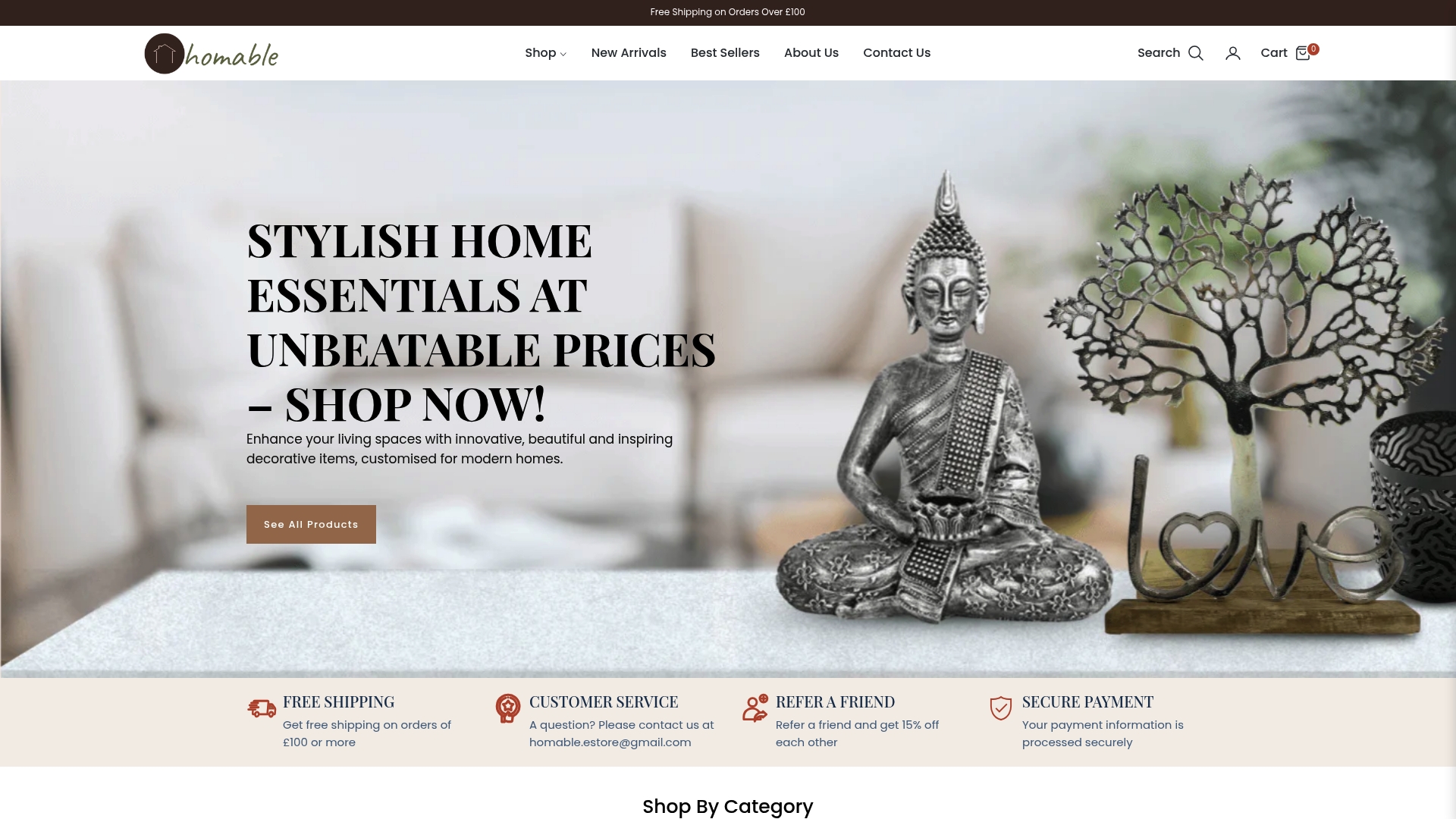
Discover a curated collection at Homable.co.uk designed to empower you on your home styling journey. Whether you’re seeking quality rugs that fit perfectly, smart storage solutions to reduce clutter, or tasteful accessories that personalise your rooms, we offer stylish and affordable options that align with your vision. Start reshaping your home today with pieces that bring beauty and function together. Visit Homable.co.uk now and transform your space into one that truly feels like home.
Frequently Asked Questions
What is the difference between home styling and home decorating?
Home styling focuses on creating intentional aesthetic and functional environments that reflect personal identity, whereas home decorating often deals with surface-level embellishments and aesthetic improvements.
How can I start styling my home on a budget?
You can start by repurposing existing furniture, using strategic paint updates, and incorporating DIY accessory modifications to personalise your space without significant financial investment.
What are some common mistakes to avoid when styling my home?
Common mistakes include selecting inappropriate rug sizes, overcrowding furniture, ignoring lighting dynamics, and failing to consider scale and proportion in design elements.
How does home styling impact emotional well-being?
Thoughtful home styling can create spaces that reduce stress, promote relaxation, and enhance productivity by carefully considering aspects like colour psychology, spatial arrangement, and overall sensory experiences.
Recommended
- Home Styling Terminology Explained: Make Informed Choices – Homable
- What Is Contemporary Home Styling – Shaping Modern Life – Homable
- What Is Interior Styling and Its Impact on Homes – Homable
- What is Curated Home Design and Why It Matters – Homable
- Why Home Decor Matters: Complete Guide to Meaningful Spaces – FunLifeNow