Cart
0

Trying to create a minimalist home often leaves you wondering where to begin and how to avoid spaces that feel cold or empty. Finding the right balance between calm and practicality can be tough when faced with clutter, mismatched furniture, and poor lighting choices. The solution lies in using proven minimalist design principles that make your home feel serene and purposeful without sacrificing comfort or personality.
This list will reveal how neutral palettes, functional furniture, and open layouts work together to shape inviting and efficient interiors. You will discover actionable strategies for decluttering, choosing impactful decorative touches, and maximising natural light in any space. Get ready to unlock simple changes that bring clarity, beauty, and relaxation to your everyday living environment.
Table of Contents
- 1. Neutral Colour Palettes for Calm Interiors
- 2. Functional Furniture with Clean Lines
- 3. Open Spaces and Thoughtful Layouts
- 4. Decluttered Surfaces and Smart Storage
- 5. Simple Decorative Touches for Impact
- 6. Natural Light and Minimal Window Treatments
Quick Summary
| Key Message | Explanation |
|---|---|
| 1. Start with a neutral colour palette | Use whites, beiges, and greys as your base to create calm and serene interiors that enhance natural light and space. |
| 2. Select functional furniture with clean lines | Choose pieces that have purpose and avoid decorative distractions, ensuring a cohesive minimalist aesthetic throughout your home. |
| 3. Embrace open spaces and thoughtful layouts | Design your home to facilitate movement and interaction, utilising an open layout that allows natural light to flow freely. |
| 4. Prioritise decluttered surfaces with smart storage | Keep surfaces clean by using hidden storage solutions, which can help reduce visual noise and enhance the minimalist environment. |
| 5. Use simple decorative touches for impact | Select a few meaningful decorative items that add personal flair without overwhelming the space, highlighting quality and intentionality. |
1. Neutral Colour Palettes for Calm Interiors
Neutral colour palettes form the foundation of minimalist design, creating spaces that feel serene and timeless. These soft, understated tones allow your mind to rest rather than overload your senses with visual noise.
Whites, beiges, greys, taupes, and greiges are the core colours that define calm interiors. They work because they reflect natural light, making rooms feel larger and more peaceful. Layering neutral tones with textures creates visual interest without overwhelming the space.
Why neutral palettes matter in minimalism:
- Create a serene foundation that reduces mental clutter
- Allow natural light to enhance the ambiance throughout the day
- Provide a versatile backdrop for meaningful pieces and accessories
- Promote a timeless aesthetic that won’t feel dated in five years
- Foster an inviting atmosphere that feels grounded and sophisticated
The key to success is starting with a perfect base shade that complements your home’s natural light. Warm whites, creams, or soft beige tones work well in most British homes, especially those with good daylight exposure.
Once you’ve chosen your base, build depth by introducing light and dark neutrals. A crisp white wall paired with a warm grey accent or soft taupe textiles creates subtle contrast without introducing colour. This layering approach keeps your space visually engaging whilst maintaining the calm, minimalist aesthetic.
Neutral palettes integrate naturally with materials like wood, linen, and stone, creating harmonious and timeless minimalist interiors that reflect sophistication.
Practical materials that enhance neutral spaces:
- Natural wood furniture in honey or walnut tones
- Linen and cotton fabrics in cream and soft grey
- Stone accents like slate or limestone tiles
- Wool rugs in warm taupe or greige shades
- Ceramic and pottery pieces in earthy neutrals
The beauty of neutral colour schemes is their flexibility. You can introduce warmth through natural materials or keep things cool and contemporary with cooler grey undertones. Your choice depends on what feels right for your living space and your personal aesthetic.
Pro tip: Layer different neutral shades using textiles and furnishings rather than paint; this approach lets you adjust the atmosphere easily without major redecoration costs, perfect for renters and homeowners alike.
2. Functional Furniture with Clean Lines
Functional furniture with clean lines is the backbone of minimalist interiors, combining purposeful design with visual simplicity. Every piece should earn its place in your home by serving a clear purpose without unnecessary ornamentation.
Clean lines mean straight edges, geometric shapes, and uncluttered silhouettes. This design philosophy creates a sense of order and calm whilst keeping your space visually breathable. When furniture avoids decorative flourishes, it allows your room to feel more spacious and serene.
Why clean-lined furniture matters:
- Reduces visual clutter and promotes mental clarity
- Creates a harmonious aesthetic that feels intentional
- Works seamlessly with neutral colour palettes
- Maximises usable floor space in any room size
- Stands the test of time without looking dated
Minimalist furniture emphasises multifunctional design that maximises utility whilst maintaining visual appeal. A sofa with hidden storage underneath, a coffee table that doubles as a workspace, or a bed frame with integrated shelving exemplifies this approach. You get more functionality without sacrificing the clean aesthetic.
Material quality matters significantly in minimalist design. High-quality materials like solid wood, stainless steel, and glass ensure your furniture lasts for years whilst looking sophisticated. These materials also age gracefully, developing character rather than showing wear.
Streamlined seating, modular storage, and simple desks harmonise with neutral palettes and natural materials to enhance both comfort and efficiency.
Furniture essentials for minimalist homes:
- Unpadded dining chairs with straight legs and simple frames
- Modular storage units that you can rearrange as needs change
- Platform beds without elaborate headboards or footboards
- Minimal desks with clean surfaces and minimal drawers
- Low-profile sofas with straight arms and simple cushions
When selecting furniture, consider pieces that blend form and function seamlessly. A side table isn’t just decorative; it should provide surface space you actually use. A bookshelf organises your belongings whilst contributing to your room’s visual structure.
Pro tip: Invest in modular or multipurpose furniture pieces that adapt to your changing lifestyle; this approach saves money long-term whilst keeping your space flexible and uncluttered.
3. Open Spaces and Thoughtful Layouts
Open spaces and thoughtful layouts form the spatial foundation of minimalist homes. Rather than cramming rooms with furniture, minimalism celebrates breathing room and the purposeful arrangement of your belongings.
Thoughtful layouts consider how you actually move through and use your space. A well-designed layout improves comfort, supports your daily activities, and creates a sense of flow rather than obstacles. This approach transforms your home from a storage unit into a functional sanctuary.
Why open layouts enhance minimalist living:
- Maximise the visual impact of natural light throughout your home
- Create flexibility so spaces adapt to your changing needs
- Reduce feelings of clutter and visual overwhelm
- Encourage movement and social interaction within your home
- Enhance mental clarity by removing physical barriers
Open floor plans promote multi-functionality and maximise natural light, allowing spaces to serve multiple purposes. Your living area might become a workspace during the day and a relaxation zone at night. This flexibility is invaluable in modern British homes where space is often limited.
Consider your sightlines carefully. When you enter a room, your eye should travel naturally through the space without encountering visual clutter. Remove unnecessary dividers, reduce furniture density, and position pieces to create clear pathways.
Layouts aim to reduce visual noise with clean lines and minimal ornamentation, fostering calm and clarity through purposeful spatial arrangements.
Practical layout strategies for open minimalist spaces:
- Position furniture to define zones without closing them off completely
- Keep pathways clear and direct through main living areas
- Use vertical storage to preserve floor space and openness
- Arrange seating to encourage conversation and connection
- Maintain sight lines from one room to adjacent spaces
Integrating indoor and outdoor environments matters too. If you have access to gardens, patios, or balconies, connect these spaces visually and functionally. Large windows, glass doors, and minimal barriers between inside and outside expand your perceived living area.
Start by identifying your home’s natural traffic patterns. Where do people naturally walk? What routes do they take? Design around these patterns rather than against them. Your layout should feel intuitive, not restrictive.
Pro tip: Measure your space and sketch a simple floor plan before moving furniture; this visual planning prevents costly rearrangement mistakes and helps you identify the most efficient layout for your lifestyle.
4. Decluttered Surfaces and Smart Storage
Decluttered surfaces are the visible heart of minimalist design, creating calm spaces that support focus and mental clarity. Smart storage hides what you need whilst keeping everything accessible and organised.
Clean surfaces do more than look good. Research shows that decluttered environments promote better cognitive function and reduce stress by eliminating visual distractions. When your surroundings are tidy, your mind can relax and concentrate on what matters.
Why decluttered surfaces matter:
- Remove visual noise that competes for your attention
- Create a sense of calm and control in your home
- Make cleaning and maintenance quicker and easier
- Allow your chosen items to stand out and shine
- Support a lifestyle based on intentionality and purpose
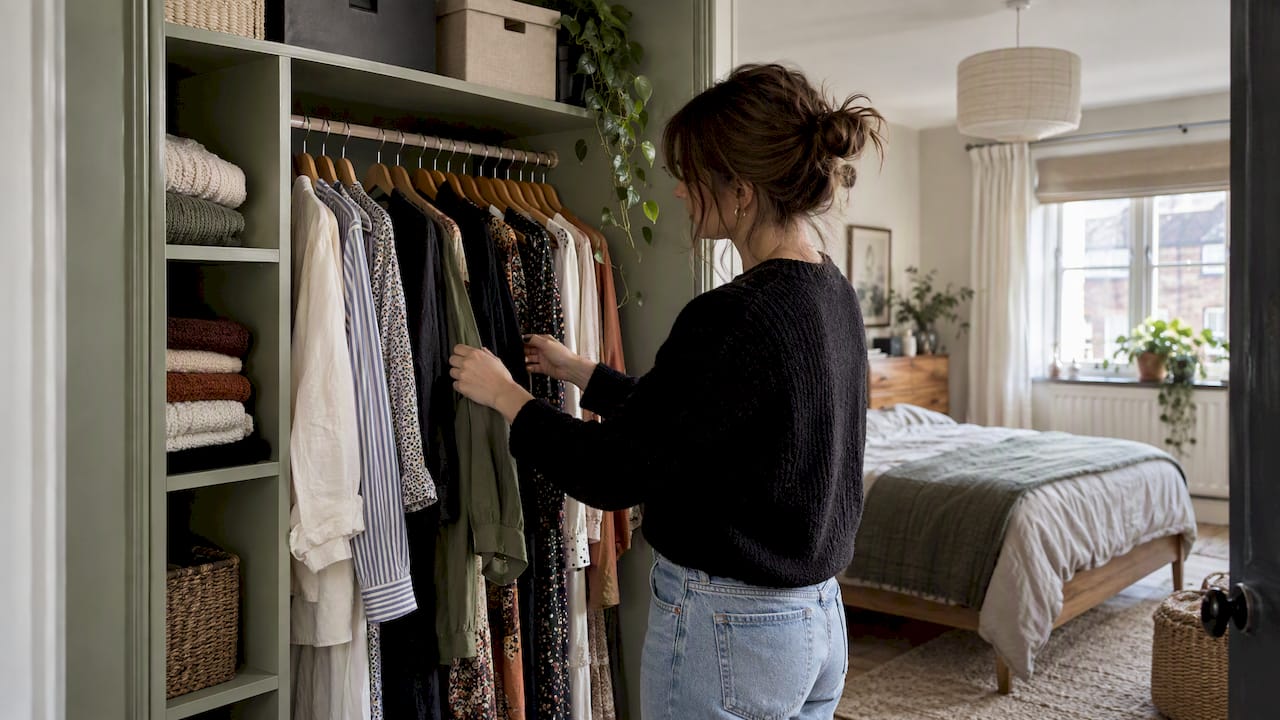
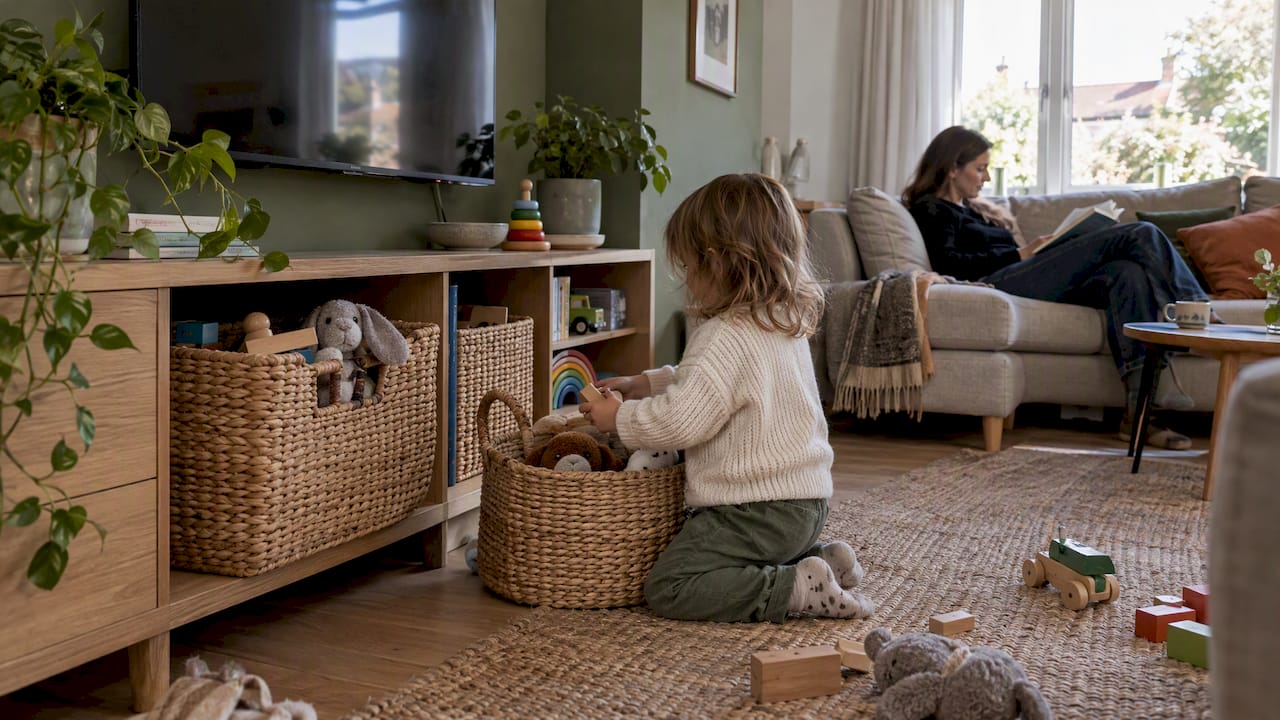
The key to decluttered surfaces is smart storage. Rather than displaying everything, integrate storage solutions that keep items hidden but accessible. Closed cupboards, drawers, and built-in storage maintain the minimalist aesthetic whilst providing practical organisation.
Multifunctional furniture with hidden compartments solves the storage challenge elegantly. An ottoman with interior storage, a bed with drawers underneath, or a coffee table with shelves keeps essentials out of sight. You maintain visual simplicity without sacrificing functionality.
Smart storage solutions that hide clutter maintain the minimalist aesthetic while ensuring functionality and ease of use.
Smart storage strategies for your home:
- Use closed storage for items you use regularly but don’t need to display
- Choose furniture with built-in compartments and drawers
- Invest in matching containers that stack neatly in cupboards
- Install wall-mounted shelving to organise without floor clutter
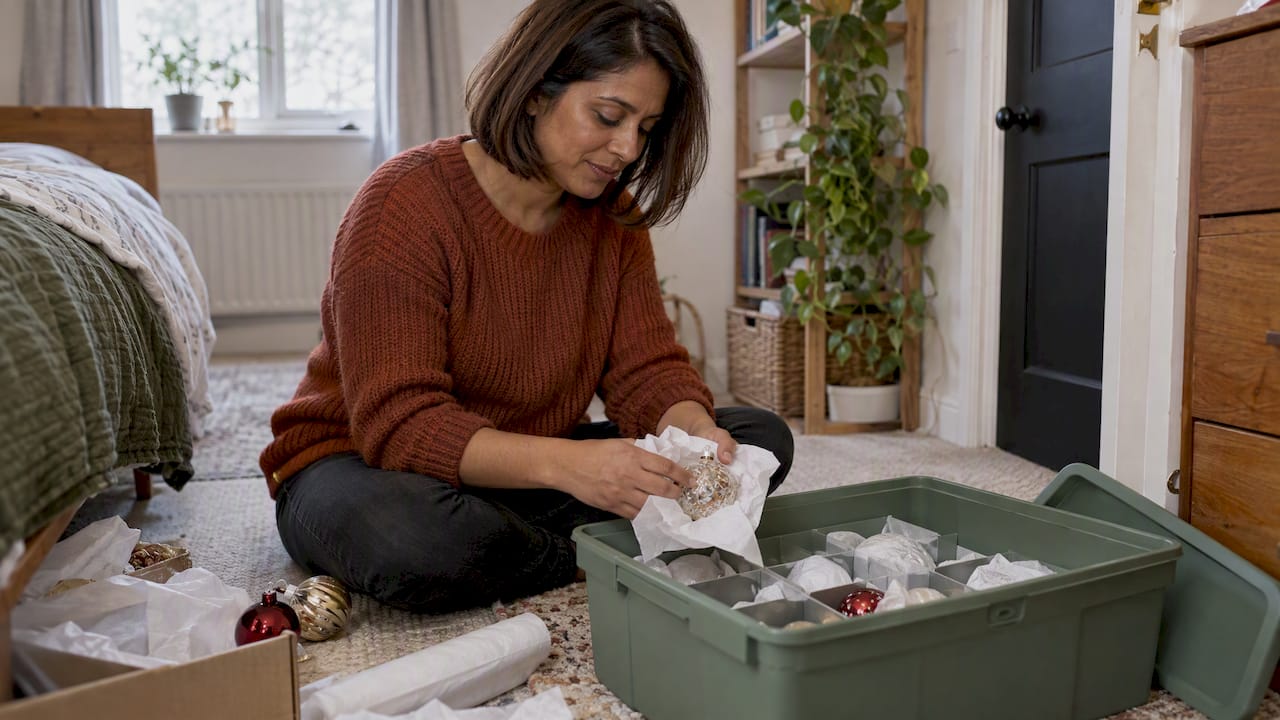
- Group similar items together and store them in designated spaces
Before implementing storage solutions, be honest about what you actually need. Minimalism isn’t about having nothing; it’s about keeping only what serves a purpose. Remove items that don’t bring function or joy, then organise what remains.
Surfaces like kitchen benches, bedside tables, and shelving should contain only essentials. A lamp, a book, perhaps a single decorative object. This restraint creates breathing room and emphasises the quality of what you keep.
Start small by decluttering one surface at a time. Remove everything, decide what stays, then arrange remaining items thoughtfully. You’ll feel the immediate benefit of that cleared space.
Pro tip: Designate a “home” for every item you keep, then return things immediately after use; this habit prevents clutter from accumulating and keeps your surfaces perpetually clear.
5. Simple Decorative Touches for Impact
Simple decorative touches are where minimalism meets personality, allowing you to add character without cluttering your space. The art lies in choosing a few carefully considered pieces that resonate with you and enhance your home’s atmosphere.
Minimalist decoration works through thoughtful restraint rather than abundance. Instead of filling shelves with dozens of objects, you select one or two pieces that command attention through their quality and placement. This approach creates stronger visual impact than surrounding yourself with numerous items.
Why less is more in minimalist decoration:
- Each piece stands out and receives proper appreciation
- Quality matters more when you’re choosing selectively
- Your space feels intentional rather than accidental
- Decorative items become focal points instead of clutter
- You maintain the calm, serene aesthetic throughout your home
Minimalist decorative design emphasises refined simplicity where clean geometric shapes and the essence of form create impactful aesthetics without excess. A single sculptural piece on a shelf, a geometric plant pot, or a framed artwork in a neutral tone can transform a room when given space to breathe.
Consider material honesty in your selections. Natural wood, ceramic, stone, and metal objects age beautifully and complement minimalist interiors. These materials carry visual weight and craftsmanship that synthetic alternatives often lack.
Strong impact comes through subtle, deliberate placement of elements, favouring quality, balance, and intentionality over quantity.
Decorative elements that work in minimalist homes:
- A single statement plant in a simple pot
- One piece of meaningful artwork or photography
- Sculptural objects with clean, geometric forms
- A carefully selected vase or ceramic piece
- Textured throws or cushions in neutral tones
- Natural elements like driftwood or stone
Placement matters as much as selection. Position your chosen items where they naturally draw the eye without dominating the space. A single decorative object on a shelf gains more presence when surrounded by empty space than when grouped with others.
Think about negative space as an active design element. The empty areas around your decorations matter. They create balance and allow each piece to be fully appreciated rather than competing for attention.
Pro tip: Choose decorative pieces you’ll genuinely enjoy for years rather than following trends; this ensures your investments remain meaningful and prevent the urge to constantly refresh and replace items.
6. Natural Light and Minimal Window Treatments
Natural light is a minimalist’s best friend, transforming spaces with warmth and connection to the outdoors. Minimal window treatments allow daylight to flood your home whilst maintaining privacy and simplicity.
Maximising natural light serves multiple purposes in minimalist design. Bright, naturally lit spaces feel larger and more open, reducing the need for artificial lighting throughout the day. Sunlight also enhances mood and well-being, creating a healthier living environment for you and your family.
Why natural light matters in minimalism:
- Enlarges spaces visually without structural changes
- Reduces dependence on artificial lighting and energy costs
- Enhances mood and promotes better sleep cycles
- Highlights your home’s clean lines and neutral colours
- Creates a connection with nature and the outdoors
Minimal window treatments allow increased natural light whilst providing privacy and light control without clutter. Rather than heavy drapes or ornate blinds, consider sheer curtains, roller shades, or linen panels that diffuse sunlight softly into your interiors.
The key is selecting light-filtering materials in neutral colours. Cream, white, and soft grey fabrics complement minimalist aesthetics whilst allowing daylight to pass through gently. These options maintain your calm atmosphere without blocking the sun’s benefits.
Minimal window treatments let sunlight diffuse softly into interiors, enhancing ambiance and mood whilst maintaining functionality and simplicity.
Window treatment options for minimalist homes:
- Sheer linen or cotton curtains that filter light beautifully
- Roller shades in neutral tones for simple operation
- Cellular shades that provide insulation and light control
- Minimalist roman blinds with clean fabric draping
- Simple wooden shutters in natural finishes
- No window treatment at all, if privacy allows
Consider your room’s orientation and sun exposure. South-facing windows receive intense afternoon light, whilst north-facing windows offer softer, consistent brightness. Choose treatments that work with your specific conditions rather than fighting against them.
If you need blackout capabilities for bedrooms, select simple, streamlined options that maintain clean lines. Dual-layer systems combining sheer and blackout fabrics offer flexibility without visual bulk.
The beauty of minimal window treatments is their invisibility. They perform their function quietly, allowing architecture and light to take centre stage. Your windows should frame views and bring nature inside, not demand attention through decorative details.
Pro tip: Measure your windows precisely and choose made-to-measure treatments rather than standard sizes; proper fit creates a polished, intentional appearance that elevates your entire minimalist aesthetic.
Below is a detailed table summarising the key strategies and concepts presented in the article about minimalist interior design principles.
| Principle | Description | Key Benefits |
|---|---|---|
| Neutral Colour Palettes | Utilising whites, beiges, greys, taupes, and greiges to create serene and timeless spaces. | Creates mental peace, enhances natural light, and provides a versatile, timeless backdrop. |
| Functional Furniture | Selection of clean-lined furniture emphasising functionality and simplicity. | Reduces visual noise, maximises utility, and complements neutral aesthetics. |
| Open Spaces and Layouts | Arranging interiors to promote openness with clear pathways and defined zones. | Encourages movement and interaction, reduces clutter, and visually enlarges spaces. |
| Decluttered Surfaces | Maintaining tidy spaces through effective storage solutions. | Enhances focus, simplifies cleaning, and emphasises intentional items. |
| Simple Decorations | Adding minimal decorative touches that prioritise quality and placement. | Creates impactful visuals, minimises clutter, and allows personalisation within minimalist design. |
| Natural Light | Incorporating simple window treatments to maximise daylight penetration. | Improves mood, reduces energy costs, and integrates nature into interiors. |
Elevate Your Minimalist Home with Thoughtful Design Solutions
Creating a calm, clutter-free home that embraces neutral palettes, functional furniture, and natural light can feel challenging without the right pieces. If you long to transform your living space into a serene and stylish sanctuary, the key is choosing quality home accessories and smart storage solutions that support the minimalist lifestyle outlined in the article.
Discover a curated collection at Homable.co.uk where style meets practicality. From elegant curtains that maximise natural light to multifunctional furniture and simple decorative touches, we offer everything you need to make minimalist design effortless. Act now to refresh your home with affordable, innovative items that embody refined simplicity and promote mental clarity. Visit Homable.co.uk today and start crafting your perfect minimalist space that feels grounded, sophisticated, and utterly welcoming.
Frequently Asked Questions
What are the key characteristics of minimalist design for homes?
Minimalist design is defined by simplicity, clean lines, and functional furnishings. To create a minimalist space, focus on a neutral colour palette, declutter surfaces, and choose furniture that serves a clear purpose without excess ornamentation.
How can I incorporate natural light in my minimalist home design?
To maximise natural light, opt for minimal window treatments such as sheer curtains or roller shades that allow sunlight to filter through. Aim to create an open layout that enhances light flow and connects indoor spaces with the outdoors.
What materials work best in minimalist interior design?
Natural materials like wood, linen, stone, and metal are excellent choices for minimalist interiors. Choose high-quality furnishings and decorative items made from these materials to ensure durability and a timeless aesthetic.
How can I create a calming atmosphere using minimalist design?
To foster a calming atmosphere, select a neutral colour palette and organise your space to reduce visual clutter. Implement smart storage solutions to keep surfaces clear, allowing your chosen decor to stand out and enhance tranquility in your home.
What are some practical tips for decluttering in minimalist design?
Start by evaluating each item’s purpose and decide what to keep based on functionality and emotional significance. Focus on decluttering one area at a time, and establish a designated ‘home’ for each item to maintain an organised space.
How can I choose decorative elements that fit a minimalist style?
Select a few high-quality decorative pieces that reflect your personality and resonate with your home’s aesthetic. Aim for a balance of form and function, and allow for negative space around each item to ensure they stand out without overwhelming the room.
Recommended
- Why Modern Design Trends Shape Stylish Homes – Homable
- Minimalist Design: Transforming Modern Living Spaces – Homable
- Design Trends 2026: Transforming Modern Living Spaces – Homable
- Why Prioritise Design and Function at Home – Homable
- Bringing Life to Your Home: How to Style Houseplants for Every Room Ae
- 7 Best Small Space Decorating Ideas for Urban Homes – FunLifeNow