Cart
0
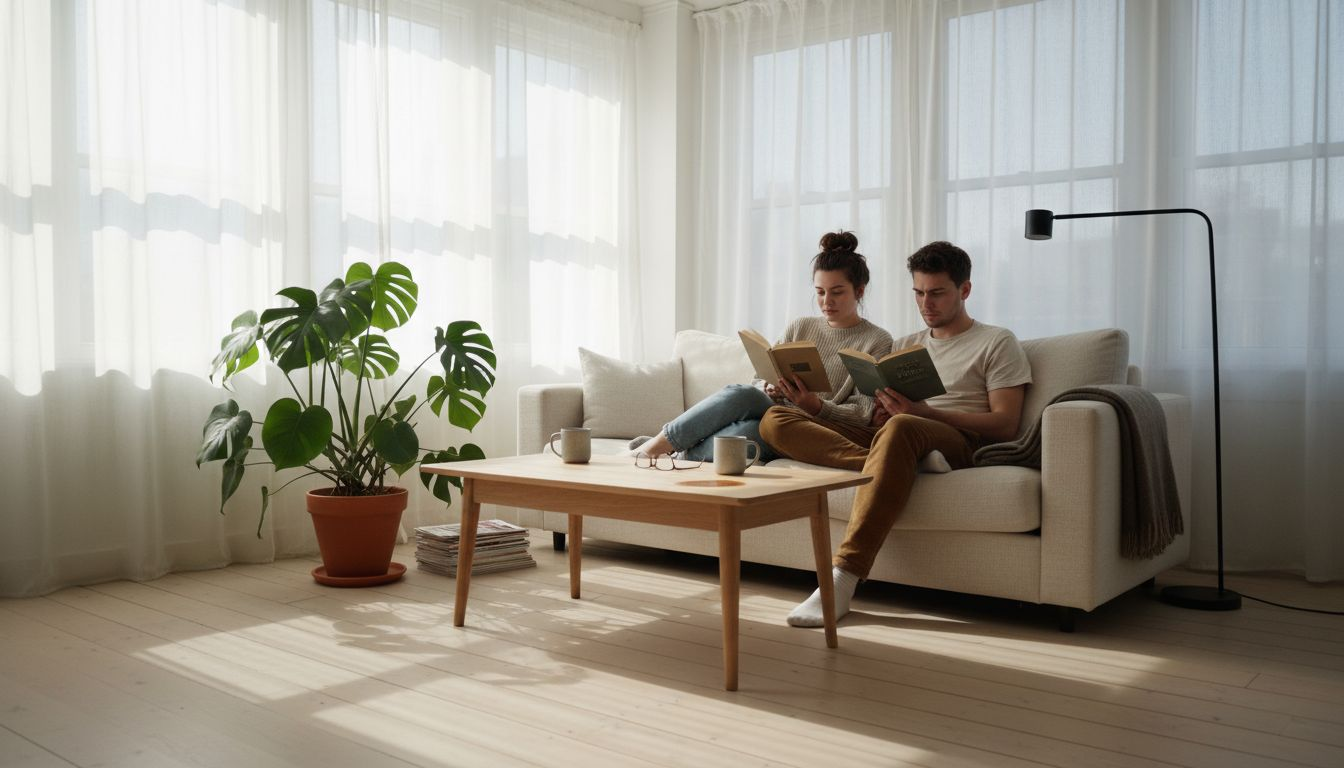
Cluttered rooms and overflowing cupboards can quickly make a home feel chaotic rather than calming. Many British homeowners now desire living spaces that offer both style and a sense of peace. By embracing the art of minimalist design, you can achieve clarity and intentionality without sacrificing comfort or breaking the bank. Discover how minimalist decor, rooted in European and Japanese philosophies, helps you create visually calming homes that speak to your lifestyle and personal values.
Table of Contents
- Minimalist Design Defined and Debunked
- Core Elements and Visual Characteristics
- Minimalist Decor Types and Variations
- Adopting Minimalism in Home Interiors
- Common Pitfalls and How to Avoid Them
Key Takeaways
| Point | Details |
|---|---|
| Essence of Minimalism | Minimalist design is not just about removing elements; it’s about purposeful composition that conveys clarity and intention. |
| Visual Characteristics | Key features include a restricted colour palette, strategic use of negative space, and an emphasis on quality materials. |
| Cultural Influences | Regional philosophies shape minimalist aesthetics, with distinct expressions seen in Scandinavian, Japanese, and Bauhaus designs. |
| Avoiding Common Pitfalls | Successful minimalism balances simplicity with personal expression, ensuring environments feel warm and functional rather than sterile. |
Minimalist Design Defined and Debunked
Minimalist design represents a profound design philosophy that transcends mere aesthetic simplicity. At its core, this approach aims to communicate complex ideas through essential elements. By stripping away unnecessary visual noise, minimalist design seeks to create clarity, focus, and intentional communication.
The fundamental principles of minimalist design emerge from historical design movements that championed functional elegance. Key characteristics include:
- Reduction of non-essential visual components
- Emphasis on structural clarity
- Prioritising utility over ornamentation
- Creating visual breathing space
- Highlighting core functional elements
Historically, minimalism originated as a reaction against excessive decoration, drawing inspiration from academic design movements like De Stijl and Bauhaus. These influential schools believed that design should reveal structural honesty, where every element serves a deliberate purpose.
Here’s how key historical design movements differ in their approach to minimalism:
| Design Movement | Key Values | Impact on Minimalism |
|---|---|---|
| De Stijl | Pure abstraction, clarity | Inspired spatial reduction |
| Bauhaus | Functional honesty | Prioritised utility in design |
| Japanese Zen | Harmony, tranquillity | Emphasised simplicity, calm |
While many perceive minimalism as merely removing elements, true minimalist design requires sophisticated understanding. It’s not about creating emptiness, but crafting intelligent, purposeful compositions that communicate effectively through strategic simplicity. The goal is to create spaces and designs that feel simultaneously calm and purposeful.
Pro tip: When applying minimalist design, remember that every remaining element must earn its place through clear function or emotional resonance.
Core Elements and Visual Characteristics
Minimalist design is characterised by a deliberate and strategic approach to visual composition, focusing on essential elements and material clarity. This design philosophy transforms spaces and visual experiences by reducing complexity and emphasising intentional simplicity.
Key visual characteristics of minimalist design include:
- Restricted colour palette (typically neutral tones)
- Clean, uncluttered typography
- Strategic use of negative space
- Geometric and streamlined forms
- Precise alignment and proportions
- Emphasis on material texture and quality
Fundamental design principles emerge from careful consideration of each visual element. Contemporary minimalism draws inspiration from Zen philosophy, prioritising spatial efficiency and emotional tranquillity. This approach transforms design from mere aesthetic exercise into a thoughtful practice of revealing essential beauty through deliberate reduction.
Understanding minimalist visual characteristics requires recognising that simplicity is not about absence, but about carefully curated presence. Each design element must serve a clear purpose, communicating information or evoking emotion through restrained, purposeful composition. The goal is to create visual experiences that feel simultaneously calm, sophisticated, and profoundly meaningful.
Pro tip: When applying minimalist design principles, always ask yourself whether each element genuinely enhances the overall communication and emotional impact of your design.
Minimalist Decor Types and Variations
Minimalist decor encompasses a diverse range of design approaches, each offering unique interpretations of simplicity and intentional living. Minimalism manifests through various lifestyle expressions, from carefully curated spaces to deliberate consumption strategies that prioritise quality over quantity.
Prominent minimalist decor variations include:
- Monochromatic design schemes
- Capsule furniture collections
- Japanese-inspired zen interiors
- Scandinavian functional aesthetics
- Nordic white space arrangements
- Decluttered living environments
Regional design philosophies significantly influence minimalist interpretations, with distinct cultural approaches emerging worldwide. German Bauhaus emphasises pure functionality, Northern European styles celebrate simple living enjoyment, and Japanese minimalism prioritises practical, purposeful design elements that create harmonious living spaces.
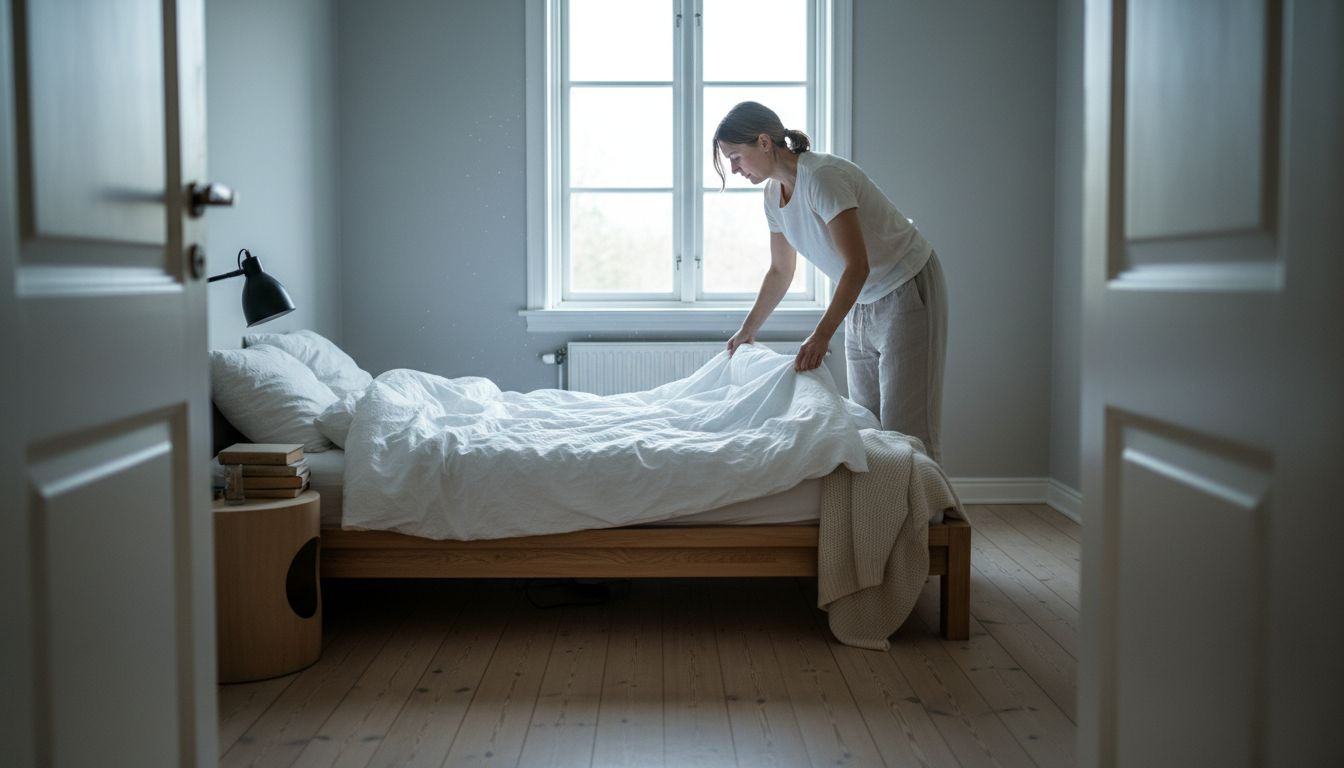
This overview highlights how minimalist decor variants reflect distinct regional philosophies:
| Decor Variant | Regional Influence | Characteristic Feature |
|---|---|---|
| Scandinavian minimalism | Northern Europe | Focus on cosy simplicity |
| Japanese-inspired Zen | East Asia | Prioritises mindful spatial harmony |
| German Bauhaus | Germany | Advocates practical functionality |
Beyond aesthetic preferences, minimalist decor represents a profound lifestyle philosophy. It challenges contemporary consumer culture by promoting mindful selection, emotional connection to objects, and creating environments that support mental clarity and personal well-being. The approach isn’t about deprivation, but about curating spaces that genuinely reflect individual values and promote inner tranquillity.
Pro tip: When exploring minimalist decor, focus on acquiring pieces that serve multiple purposes and bring genuine joy, rather than accumulating items that merely fill space.
Adopting Minimalism in Home Interiors
Transitioning to a minimalist home environment requires thoughtful strategy and intentional design choices. Minimalist interior design prioritises simplicity and functionality, transforming living spaces into calm, purposeful sanctuaries that support mental well-being and sustainable living.
Key steps for successful minimalist interior adoption include:
- Conduct a comprehensive decluttering process
- Select multi-functional furniture pieces
- Embrace neutral colour palettes
- Prioritise natural lighting
- Invest in quality over quantity
- Create intentional storage solutions
- Maintain clean, uncluttered surfaces
Successful minimalism goes beyond aesthetic preferences, representing a deliberate lifestyle choice. Contemporary design practitioners recommend strategic material selection that emphasises natural textures, sustainable materials, and thoughtful spatial arrangements. The goal is creating environments that feel simultaneously spacious, functional, and deeply personal.
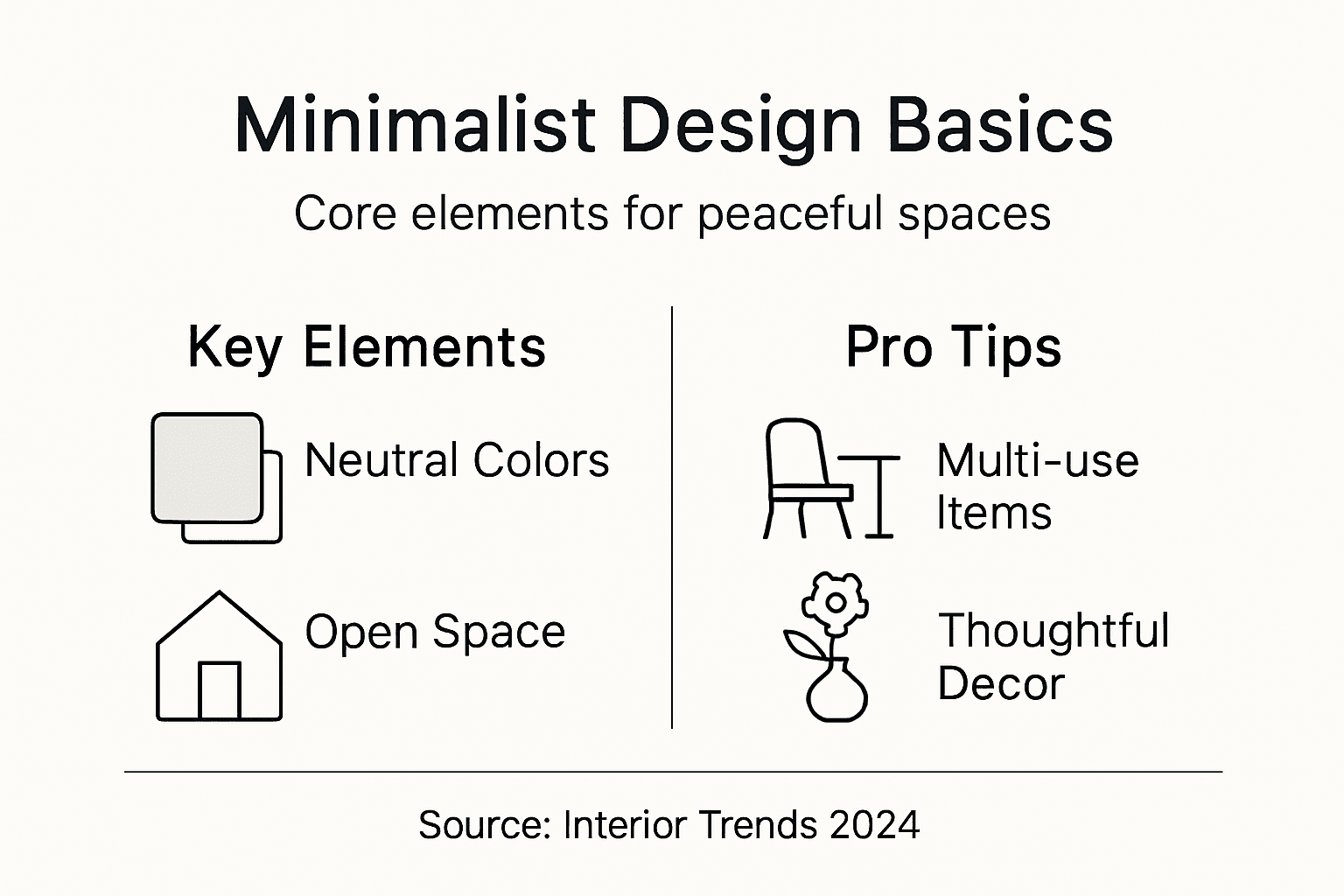
Implementing minimalist principles requires continuous mindfulness. It’s not about creating sterile spaces, but designing environments that genuinely support daily living. Each design choice should serve a clear purpose, eliminate unnecessary complexity, and contribute to a sense of calm and intentionality.
Pro tip: Begin your minimalist journey by removing one unnecessary item from each room each week, allowing gradual and sustainable transformation of your living space.
Common Pitfalls and How to Avoid Them
Minimalist design requires nuanced understanding to prevent transforming spaces into sterile, uninviting environments. Minimalist interior approaches often encounter critical design challenges that can compromise the fundamental philosophy of intentional, functional living.
Key minimalist design pitfalls to navigate include:
- Eliminating too many decorative elements
- Choosing overly neutral colour schemes
- Neglecting personal comfort and warmth
- Prioritising aesthetics over functionality
- Creating insufficient storage solutions
- Overlooking textural variety
- Implementing rigid design constraints
Successful minimalism demands thoughtful balance between simplicity and personal expression. While reduction is essential, completely stripping spaces of character undermines the core purpose of creating liveable, meaningful environments. The goal is crafting spaces that feel simultaneously clean, intentional, and deeply personal.
Understanding that minimalism is not about deprivation but strategic curation helps prevent common design missteps. Each design choice should serve a purpose, enhance spatial functionality, and reflect individual lifestyle needs. Introducing subtle textural elements, carefully selected meaningful objects, and maintaining practical storage solutions prevent minimalist spaces from feeling cold or impersonal.
Pro tip: When implementing minimalist design, always maintain a 70/30 balance between functional elements and personal aesthetic touches to preserve both simplicity and individuality.
Embrace Minimalist Design to Transform Your Living Space Today
Struggling to create a calm and purposeful home without falling into the traps of cold or empty spaces The article highlights how true minimalist design balances simplicity with emotional warmth and functional clarity. If your goal is to curate a home that reflects your values and supports peaceful living, the right decor choices matter.
Explore Homable.co.uk for an exclusive selection of stylish and functional home accessories that align with minimalist principles. From multi-purpose storage solutions to curated ornaments and neutral-toned textiles you can design personal spaces that feel both sophisticated and inviting. Don’t wait to start your mindful transformation and experience the perfect blend of simplicity, quality and affordability through our thoughtfully chosen collections. Visit Homable.co.uk and take your first step toward intentional living today.
Frequently Asked Questions
What are the key principles of minimalist design?
Minimalist design focuses on reducing non-essential elements, emphasizing functional clarity, prioritising utility over ornamentation, and creating visual breathing space. Each component should serve a specific purpose, contributing to effective communication and visual appeal.
How can I apply minimalist design principles in my home?
To adopt minimalist design in your home, start by decluttering your space, selecting multi-functional furniture, using neutral colour palettes, and emphasising natural lighting. Invest in quality items that enhance functionality while creating a calm and intentional atmosphere.
What are common pitfalls when implementing minimalist design?
Common pitfalls include eliminating too many decorative elements, neglecting personal comfort, prioritising aesthetics over functionality, and failing to provide sufficient storage solutions. Striking a balance between simplicity and personal expression is crucial to avoid a sterile environment.
How does minimalist design enhance mental well-being?
Minimalist design promotes mental well-being by creating serene and organized environments that reduce visual clutter and distractions. This intentional approach to space supports clarity of thought, emotional tranquillity, and a more purposeful living experience.