Cart
0
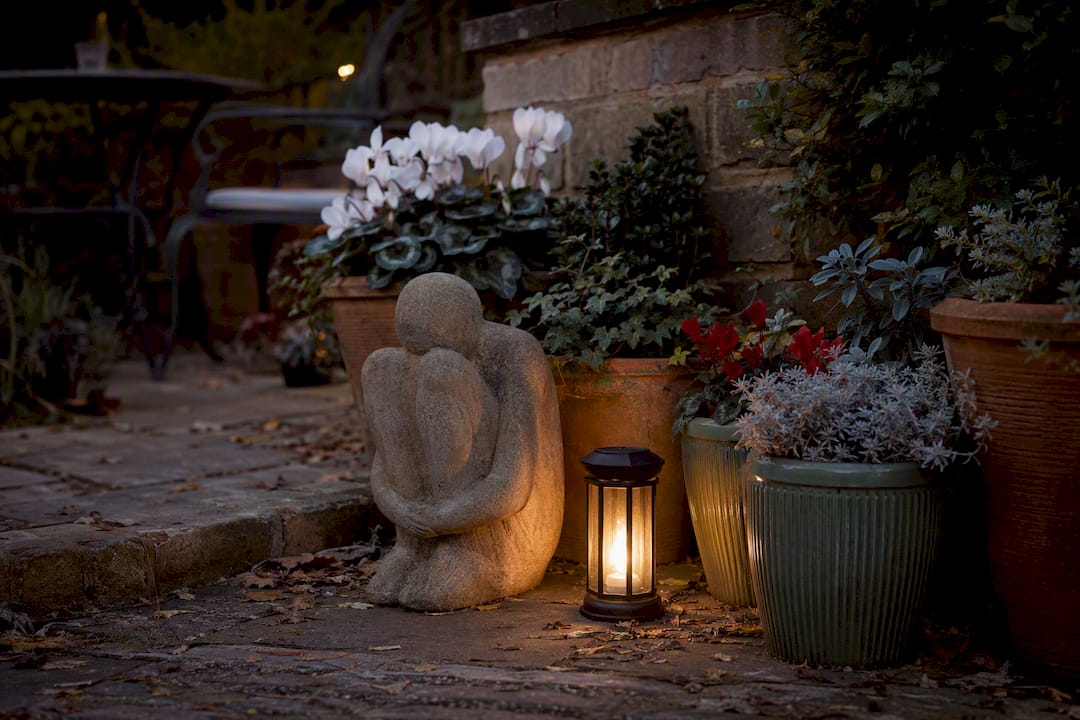
Pick one focal piece, add a lighting accent, and place two supporting ornaments around it. Rotate seasonal or DIY pieces every few months so the display stays fresh. That single structure, one anchor, ambient light, and modest supporting cast, beats scattering a dozen mismatched trinkets across the lawn. Homable stocks weatherproof pieces built for exactly that kind of layered display.
TL;DR:
- Choosing one strong focal piece with supporting accents creates a more impactful and cohesive garden display than scattering multiple mismatched items.
- Solar lights should be positioned in direct sunlight for effective evening illumination, with panels cleaned monthly to maintain charge.
- Garden ornaments made from weather-resistant materials like Corten steel or copper tend to withstand winter better, reducing long-term maintenance needs.
- Limit the number of ornaments to three or five well-chosen items to avoid clutter and enhance the garden’s visual harmony.
- Prioritize planning lighting and wildlife features early, as their placement is more technical, allowing decorative pieces to be added later without constraints.
Table of Contents
- Garden ornament ideas worth trying this year: a quick shortlist
- Statues, lighting, movement, planters and wildlife: choosing by category
- Weekend DIY and upcycling projects worth the effort
- Materials, scale and maintenance: what actually survives outdoors
- Keeping ornaments safe around children and pets
- What most garden styling advice gets wrong
- Homable: a simple way to buy ornaments built for outdoor use
- Sources
Garden ornament ideas worth trying this year: a quick shortlist
Before deciding what to buy, it helps to see the full range of what “garden ornament” actually covers. Gardening editors consistently point to one anchor piece with smaller supporting accents as the formula that photographs well and ages well, rather than a random scatter of items bought over several years.
Here are eight ideas that punch above their cost:
- A statement statue or urn as the anchor, positioned where it’s visible from your main window or seating area.
- Solar path or accent lights for evening definition, especially along borders or steps.
- A wind spinner or chime for movement and sound near a patio or bench.
- Grouped decorative planters, three or five together rather than a single lonely pot.
- A birdbath or wildlife feature, which does double duty as ornament and habitat.
- A mirror or gazing ball to bounce light and make a narrow garden feel wider.
- Metal stakes or obelisks for vertical structure among lower planting.
- Small hidden vignettes, a tiny figurine tucked behind foliage, discovered rather than displayed.
None of these needs to be expensive to work. What matters is restraint: pick two or three from this list rather than all eight, and let them breathe.
Statues, lighting, movement, planters and wildlife: choosing by category
Each ornament type does a different job in the garden, and mixing them badly is the most common styling mistake. Here’s how to use each one properly.
Statues and focal points
A statue works when its scale matches your sightline. A piece that looks striking on a garden centre shelf can vanish against a large lawn, or overwhelm a small courtyard. Stand at your kitchen window or your main seating spot and imagine the piece there before buying. One strong statue beats three small, unrelated ones fighting for attention.

Solar and electric lighting
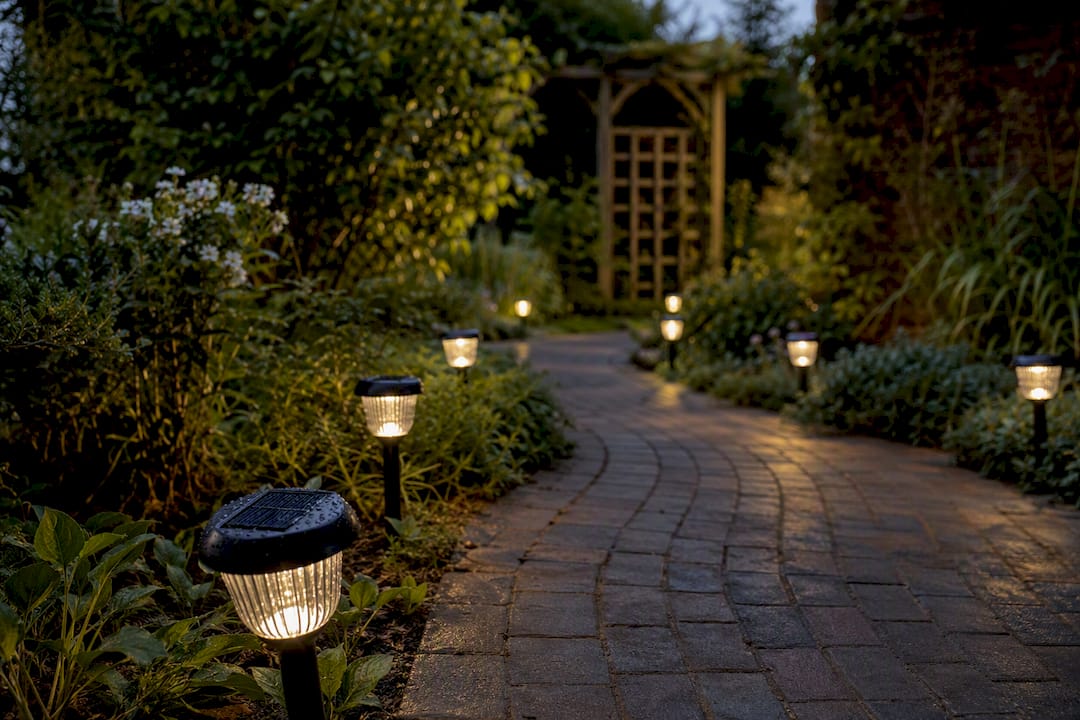
Solar lighting solves a real problem: gardens effectively disappear once the sun goes down. Positioning panels where they get direct daytime sun, not shaded by a fence or shrub, makes the difference between a light that glows nicely and one that flickers out by 9pm. Warm white bulbs suit seating areas better than cool blue tones, and clustering several low lights along a path reads better than one bright spotlight. In UK weather, wipe panels monthly. Dust and grime cut charging efficiency more than most people expect.
Movement and sound
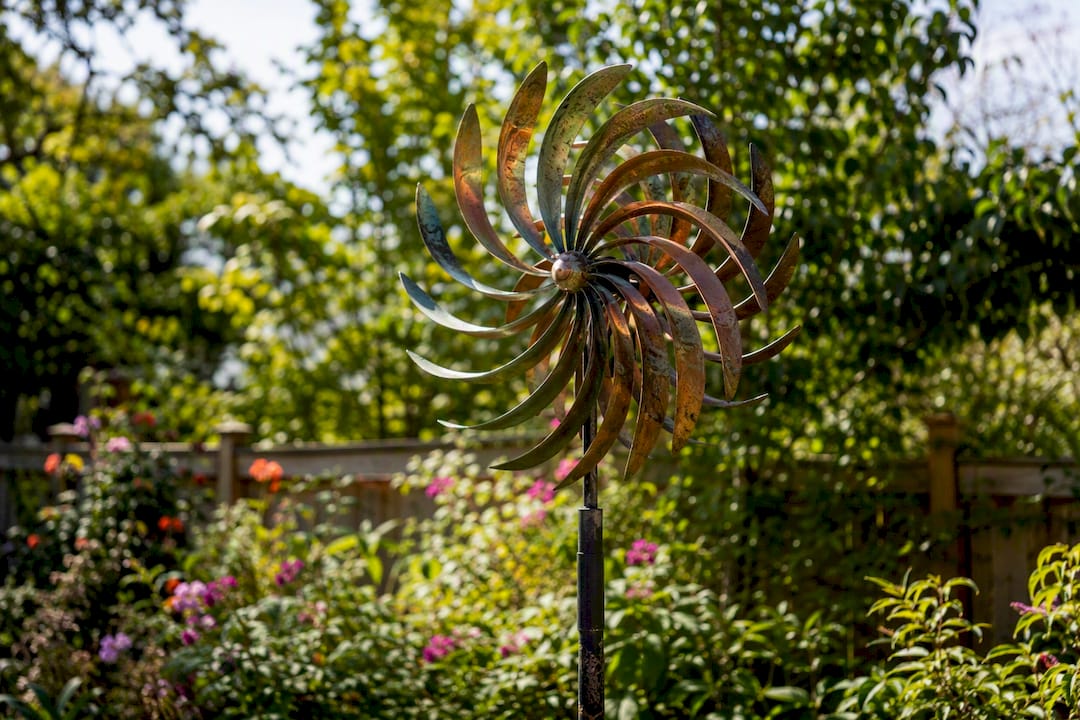
Wind spinners and chimes bring a garden to life in a way static pieces can’t. Site spinners somewhere the breeze actually reaches, an open corner rather than a sheltered nook boxed in by fencing, but keep them clear of washing lines, low branches or anywhere they’ll tangle. Chimes belong near where you sit, not at the far end of the garden where you’ll never hear them.
Planters and urns
Group planters in odd numbers, three or five, rather than pairs, which tend to look static. Choose frost-resistant materials if they’re staying outside all winter, and use the planting itself as a seasonal colour anchor: spring bulbs, summer bedding, then something evergreen to carry through the colder months.
Wildlife features
A shallow birdbath positioned near cover, a shrub or hedge birds can retreat to, gets far more use than one stranded in the open. Bee hotels do best in a sheltered, south-facing spot. Both add genuine ecological value alongside the visual interest, which is more than most decorative pieces can claim.
Pro Tip: Buy your lighting and wildlife features first, then build statues and planters around them. Light and habitat features have technical placement requirements; decorative pieces are far more flexible about where they go.
Weekend DIY and upcycling projects worth the effort
You don’t need a big budget to add personality. These four projects use materials most people already have lying around, and none requires specialist tools.
- Painted pot totems. Stack two or three terracotta pots of decreasing size, glue them together, and paint with outdoor-grade masonry paint. Seal with an exterior varnish so colour survives winter rain, then plant trailing flowers in the top pot.
- Upcycled cutlery and bottle cap wind chime. Drill small holes in old spoons, forks and bottle caps, then thread them onto fishing line at varying lengths. Balance is everything here. Test-hang before committing to a final knot so the chime doesn’t hang lopsided.
- Mosaic gazing ball from an old bowling ball. Apply mosaic tiles with waterproof adhesive, grout the gaps, and anchor the ball securely in a stand or half-buried base so it can’t roll or topple.
- Pallet or gutter vertical planter. Line the gutter sections or pallet slats to manage drainage, then plant shallow-rooted herbs or trailing plants. This works particularly well for dressing up an awkward narrow corner that otherwise goes unused. Reclaimed materials like these are a genuinely effective way to keep costs down, provided you check them for sharp edges or trapped water before use.
Materials, scale and maintenance: what actually survives outdoors
Not every material copes with a British winter. Corten steel, copper, stainless steel and cast stone hold up best long-term, developing character rather than damage as they age. Resin and terracotta work well for budget pieces or smaller accents, but both need extra care: resin can fade in strong sun, and terracotta cracks if water gets in and freezes.
For scale, stand at your main viewpoints, kitchen window, patio doors, garden gate, and judge sightlines from there rather than from where the ornament sits in the shop. As a rough rule: small gardens suit one or two modest pieces rather than several competing for attention; larger plots can support a genuine statement piece plus supporting accents without feeling cluttered.
A short maintenance routine keeps most materials looking good for years:
- Wipe down stone and metal surfaces monthly to prevent algae build-up.
- Bring resin, ceramic or delicate pieces indoors or under cover before the first hard frost.
- Check solar panels for grime every few weeks, especially through autumn leaf fall.
- Reseal painted or varnished DIY pieces annually, ideally in spring before the growing season starts.
Skipping the panel-cleaning step is the single most common reason solar lights disappoint owners within their first winter.
Keeping ornaments safe around children and pets
Weight and stability matter more than most buyers realise. A statue or urn that looks stable on a flat shop floor can tip on uneven grass or soft soil, so anchor anything above knee height with a buried base plate or secure mounting, particularly if children play nearby. Avoid sharp-edged materials, broken mosaic tiles, jagged metal stakes, at low heights where a toddler or a curious dog might brush past.
Solar lighting cables should run along fence lines or under mulch rather than across open lawn, where they become a trip hazard or a chew toy. Water features need the same caution as garden ponds: even a shallow birdbath is worth siting away from unsupervised toddler play, and anything deeper needs a grille or careful placement. Glass gazing balls and mirrored pieces are best kept out of direct ball-game zones, since a cracked surface creates sharp fragments in the grass that are easy to miss. None of this means avoiding these features. It just means thinking about foot traffic and reach before you commit to a spot.
What most garden styling advice gets wrong
Most guides treat garden ornaments as an afterthought, a few items added once the planting and hardscaping are finished. That’s backwards. The gardens that actually feel finished are the ones where lighting, one strong focal piece, and wildlife features were planned alongside the planting from the start, not bolted on at the end.
The bigger mistake, though, is treating “more ornaments” as the goal. A cluttered garden with fifteen small, unrelated pieces reads as chaotic no matter how nice each individual item is. A garden with three well-chosen pieces, positioned with actual sightlines in mind, reads as considered even on a modest budget. If you take one thing from this, let it be restraint over accumulation.
There’s also a tendency to treat solar lighting as purely functional. It isn’t. Positioned well, it does as much for a garden’s evening atmosphere as any statue does for its daytime look, and it’s usually the cheapest upgrade on this entire list.
— Cristiano
Homable: a simple way to buy ornaments built for outdoor use
The plan from this guide is straightforward: one anchor piece, a lighting accent, and a few supporting pieces you can swap seasonally. Homable’s garden and decorative accessories range is built around exactly that kind of flexible layering, with weatherproof finishes that hold up through a full British year rather than fading after one summer.

The Decorative Silver Flower Candle Holder is a good example of a supporting accent done well: it works as a patio table centrepiece for evening gatherings or grouped with planters as part of a wider display. Before buying any outdoor ornament, check its dimensions against your actual space and confirm it is rated for outdoor weather if it will stay outside year-round. Browse Homable’s current garden and decorative pieces to find your anchor, your lighting, and the accents that pull the whole corner together.
Sources
- These 10 expert-tested solar garden lights save on UK winter bills and give a cosy glow – but most buyers miss a detail
- Right piece. Right place: Ornaments in the garden