Cart
0
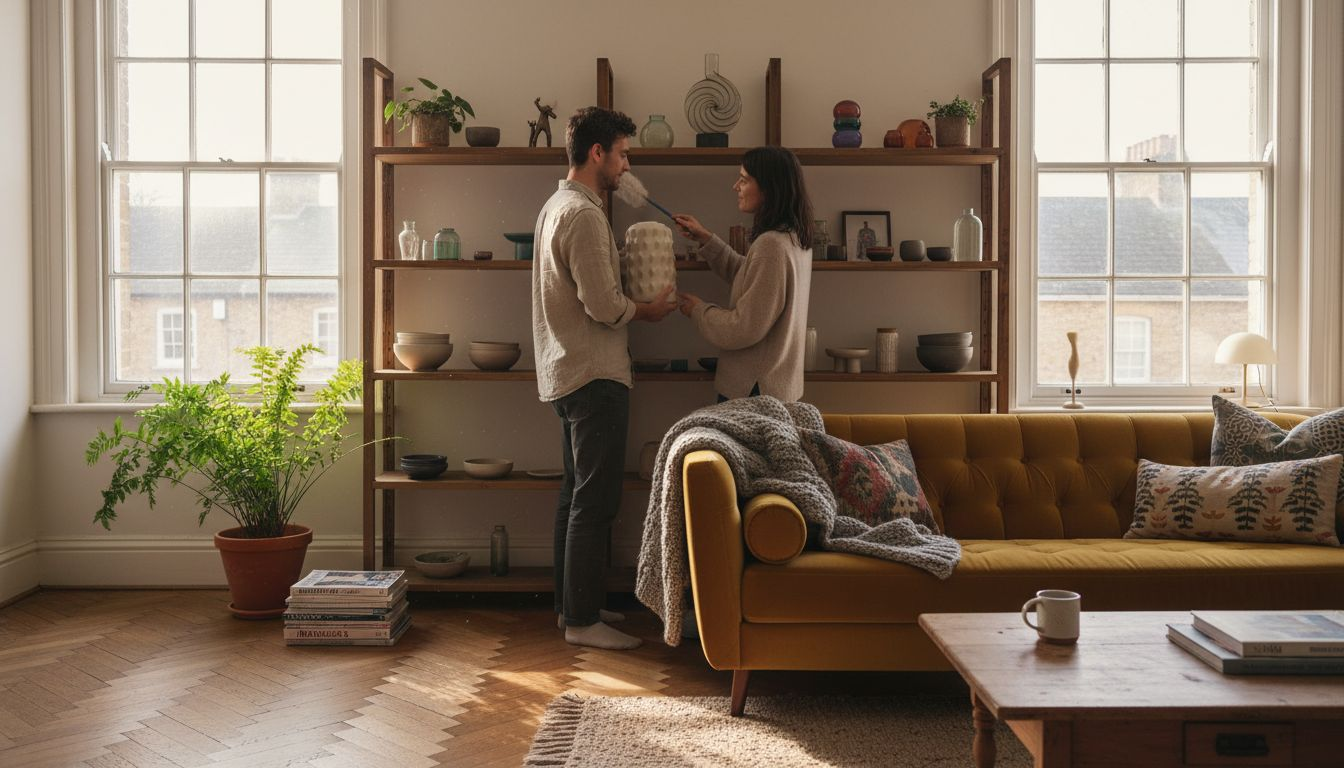
Selecting the right ornaments for your home can feel overwhelming when faced with endless options and the risk of creating cluttered, mismatched displays. Many homeowners struggle to achieve balanced, stylish arrangements without overspending or overcrowding their spaces. This guide delivers practical ornament styling tips to help you transform your living areas with affordable, cohesive decor that reflects your personal taste whilst avoiding common pitfalls that diminish visual appeal.
Table of Contents
- Selection Criteria For Choosing Ornaments
- Balancing Ornament Scale And Size
- Colour Coordination Techniques
- Comparison Of Ornament Types
- Room-Specific Styling Tips
- Common Ornament Styling Mistakes And How To Avoid Them
- Styling With Lighting And Texture
- Discover Stylish Ornament Ideas At Homable
Key takeaways
| Point | Details |
|---|---|
| Match proportions | Choose ornaments matching your room’s size, colour scheme, and style to prevent spatial imbalance. |
| Create visual depth | Group ornaments in odd numbers and vary sizes for dynamic, interesting displays. |
| Balance textures | Mix materials like ceramic, glass, and natural elements for richer texture contrast. |
| Maximise lighting impact | Strategic lighting boosts ornament visual appeal by up to 40% through enhanced colour vibrancy. |
| Maintain harmony | Avoid overcrowding and colour clashes by limiting palettes to 2-3 coordinated tones. |
Selection criteria for choosing ornaments
Choosing the right ornaments starts with understanding how size, colour, material, and style work together to complement your existing decor. Matching ornament size to room dimensions prevents overcrowding and maintains spatial balance, particularly in smaller living areas where every piece counts.
Scale matters significantly when selecting ornaments. Large statement pieces overwhelm compact rooms, whilst tiny ornaments disappear in spacious areas. Assess your furniture dimensions and available display surfaces before purchasing to ensure proportionate selections that enhance rather than dominate your space.
Colour coordination forms another crucial criterion. Select ornaments that either complement your existing palette or provide intentional accent colours that tie together various room elements. Neutral tones offer versatility, whilst bolder colours create focal points when used sparingly.
Material choice affects both visual texture and practical durability. Ceramic pieces suit high-traffic family spaces, glass ornaments add sophistication to formal living rooms, and natural materials bring warmth to bedrooms. Understanding your room’s function guides smarter material selections aligned with daily use patterns.
Budget considerations need not compromise style. Affordable ornaments create stunning displays when chosen thoughtfully and arranged with care. Focus on selecting fewer quality pieces that deliver maximum visual impact rather than filling surfaces with numerous mediocre items.
Pro Tip: Visit modern home styling steps guide resources before shopping to develop a clear vision, preventing impulse purchases that clash with your existing decor scheme.
Balancing ornament scale and size
Creating visually interesting ornament arrangements requires mixing different sizes to add depth and prevent monotonous displays. Using two to three distinct size tiers significantly improves visual interest by establishing clear focal hierarchy within grouped arrangements.
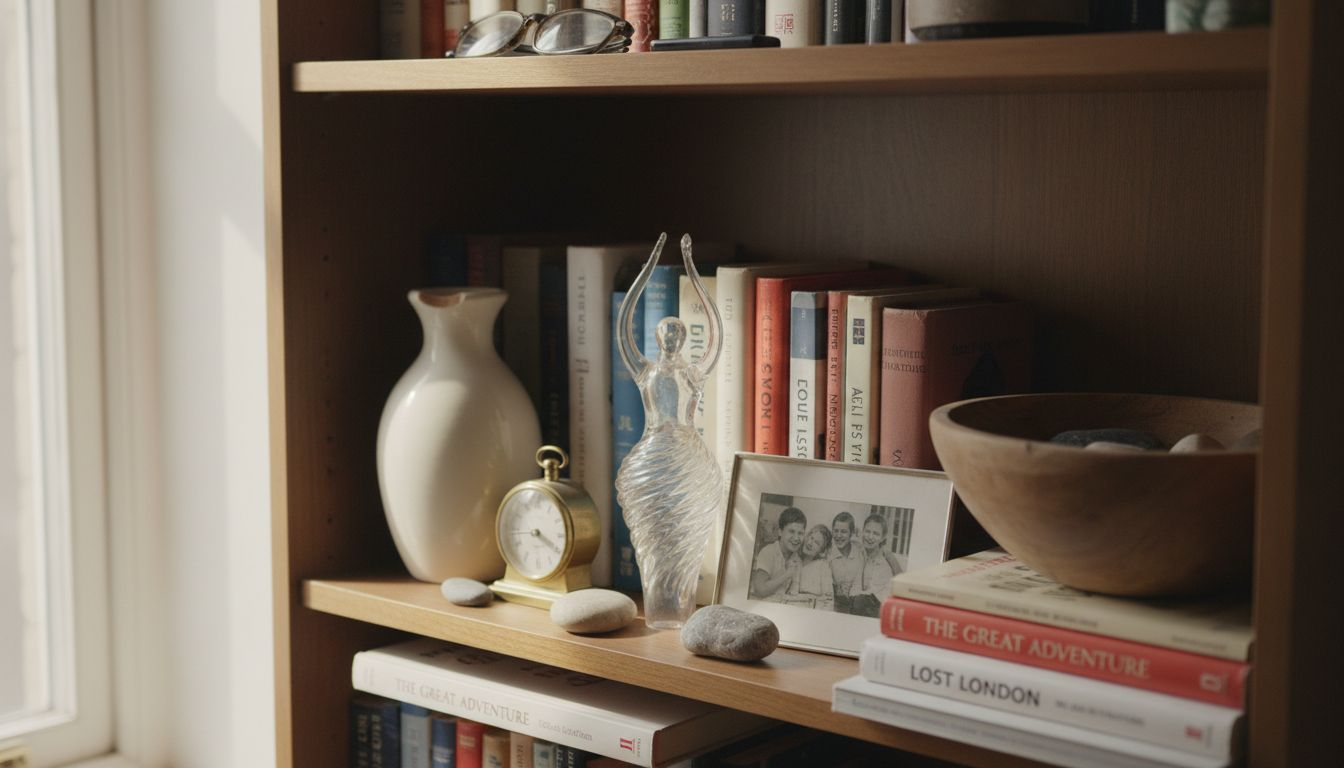
Arrange larger ornaments at the back of shelves or centre of tables to create anchoring points, then layer medium pieces around them. Smaller ornaments fill gaps and add finishing details that draw the eye through the entire composition without creating visual chaos.
Avoid grouping too many same-sized items together, as uniform arrangements appear flat and uninspiring. Instead, combine a tall vase with medium ceramic pieces and small decorative objects to create dimension that engages viewers from multiple angles.
Eye level placement deserves special attention for maximum engagement. Position your most striking ornaments where they naturally catch attention as people enter the room, reserving lower surfaces for secondary pieces that support the overall aesthetic.
Consider the viewing distance when selecting sizes. Ornaments placed on high shelves need sufficient scale to register visually from across the room, whilst mantlepiece displays benefit from varied heights that create an interesting skyline when viewed straight on.
Pro Tip: Test arrangements by photographing them on your phone to identify size imbalances that might not be obvious in person, adjusting proportions until the composition feels naturally balanced.
Explore step by step home accessory styling techniques to refine your arrangement skills and develop confidence in creating professional-looking displays.
Colour coordination techniques
Successful colour coordination prevents visual clashes whilst maintaining harmony across your ornament displays. Avoiding colour clashes improves harmony and cohesion in ornament styling, creating spaces that feel intentionally designed rather than randomly assembled.
Start by identifying your room’s dominant colours in walls, furniture, and textiles. Select ornaments in complementary shades that either match these tones directly or provide subtle contrast through adjacent colours on the colour wheel.
Muted neutrals offer safe versatility for those hesitant about colour commitment. Greys, beiges, and soft whites blend seamlessly with most decor styles whilst allowing flexibility to introduce bolder accent pieces seasonally without complete arrangement overhauls.
Jewel tones deliver sophisticated pops of colour when used sparingly against neutral backgrounds. A single emerald green vase or sapphire blue ornament creates impact without overwhelming smaller spaces or competing with existing focal points.
Limit your colour palette to two or three main harmony colours to maintain cohesiveness. Too many competing colours create visual confusion, particularly in compact rooms where every element remains constantly visible.
Subtle contrast adds interest without clashing. Pair warm terracottas with cream backgrounds or cool blues with soft greys to create depth whilst preserving overall harmony.
Follow guidance from tips for stylish home accessories to develop colour confidence and create coordinated schemes that elevate your entire space.
Comparison of ornament types
Understanding material differences helps you select ornaments suited to specific rooms and usage requirements. Ceramic ornaments offer greater durability and affordability compared to glass, whilst natural materials add warmth and texture to living spaces.
| Material | Durability | Style appeal | Cost | Best room use |
|---|---|---|---|---|
| Ceramic | High | Matte, cosy texture | Low to medium | Family rooms, high-traffic areas |
| Glass | Low to medium | Reflective, elegant | Medium to high | Living rooms, display cabinets |
| Natural (wood, stone) | High | Warm, organic texture | Medium | Bedrooms, relaxation spaces |
| Metal | Very high | Modern, industrial | Medium to high | Contemporary living areas |
| Resin | Medium | Versatile finishes | Low | Budget-conscious spaces |
Ceramic ornaments withstand daily handling and occasional knocks, making them ideal for homes with children or pets. Their matte finishes create welcoming, approachable aesthetics that suit casual living spaces.
Glass pieces demand careful placement away from edges and high-traffic zones due to fragility. However, their reflective qualities enhance natural light in well-lit living rooms, creating sparkling focal points that elevate formal spaces.
Natural materials bring organic warmth and tactile interest to bedrooms and relaxation areas. Wood grains and stone textures add depth whilst connecting interior spaces to nature-inspired design themes.
Balancing material variety across your home creates visual richness. Combine ceramic stability in family areas with glass elegance in formal spaces and natural warmth in private retreats for diverse yet cohesive styling.
Discover more options through affordable home decor ideas that maximise style impact within realistic budgets.
Room-specific styling tips
Tailoring ornament selections to individual room functions ensures styling choices support rather than conflict with how you actually use each space. Delicate glass ornaments suit living rooms with natural light, whilst natural textures create cosy bedroom atmospheres that promote relaxation.
Living rooms benefit from reflective glass ornaments positioned near windows to catch and amplify natural light throughout the day. These spaces typically have lower traffic around display surfaces, reducing breakage risks whilst maximising visual impact for guests.
Bedrooms call for natural materials like wooden bowls, stone sculptures, or woven baskets that introduce calming, organic elements. Avoid overly reflective or stimulating pieces that might interfere with the restful atmosphere essential for quality sleep.
Kitchens and dining areas require durable ceramic pieces resistant to temperature changes and occasional splashes. Select wipeable surfaces and stable bases that withstand the busier, more functional nature of food preparation and family dining.
Bathrooms suit moisture-resistant materials like sealed ceramic or resin ornaments that maintain appearance despite humidity exposure. Keep arrangements minimal in these typically compact spaces to preserve functionality.
Adjust placement height based on room traffic patterns. High shelves work well in children’s play areas, whilst eye-level mantlepieces showcase special pieces in adult-focused living rooms.
Explore the purpose of room specific decor to understand how thoughtful styling enhances both aesthetics and daily functionality across different spaces.
Implement practical bedroom styling tips to create serene personal retreats through carefully curated ornament selections.
Common ornament styling mistakes and how to avoid them
Recognising frequent styling errors helps you sidestep pitfalls that diminish your decor’s visual appeal. Overcrowding and colour clashes reduce visual harmony by up to 50%, significantly harming overall decor appeal and making spaces feel chaotic rather than curated.
Overcrowding surfaces ranks as the most common mistake. Limit ornament groups to three to five carefully selected items with breathing space between them. Empty space serves as visual rest, allowing individual pieces to shine rather than compete for attention.
Colour clashes occur when too many competing hues fight for dominance without a unifying palette. Stick to your predetermined two to three colour scheme, removing pieces that introduce jarring notes regardless of their individual appeal.
Ignoring scale principles creates awkward arrangements where tiny ornaments disappear beside oversized pieces or uniform sizes produce boring, flat displays. Revisit the size variation guidance to correct imbalanced groupings.
Poor placement height frustrates intended impact. Ornaments positioned too high disappear from view, whilst those placed too low get overlooked during normal room use. Aim for eye level positioning on primary display surfaces.
Neglecting regular reassessment allows once-fresh arrangements to become stale or outdated. Rotate ornaments seasonally, removing pieces that no longer serve your evolving style whilst introducing new elements that reinvigorate familiar spaces.
Apply lessons from the decorating small spaces workflow to maximise impact in compact areas where styling mistakes become particularly obvious.
Styling with lighting and texture
Strategic lighting transforms good ornament arrangements into stunning focal points whilst texture layering adds dimensional richness. Strategic lighting can increase ornament visual impact by up to 40%, boosting colour vibrancy and texture visibility dramatically.
Direct lighting highlights key ornaments through focused beams that draw immediate attention to special pieces. Position small spotlights or adjustable lamps to illuminate signature items, creating dramatic emphasis that elevates their perceived value.
Accent lighting works brilliantly with glass ornaments, as light passes through translucent materials creating captivating effects that change throughout the day. Backlit displays produce particularly stunning results in dimmer evening settings.
Texture layering prevents visual flatness by combining matte ceramic, glossy glass, and rough natural materials within single arrangements. These surface contrasts catch light differently, creating dynamic interplay that engages viewers from multiple angles.
Avoid placing ornaments in poorly lit corners or shadowed alcoves where their details disappear. Even beautiful pieces lose impact when viewers cannot properly appreciate their colours, textures, and craftsmanship.
Combine warm-toned lighting with natural textures to create inviting, cosy atmospheres in relaxation spaces. Cooler lighting complements sleek glass and metal ornaments in contemporary settings, reinforcing modern design aesthetics.
Layer ambient, task, and accent lighting to provide flexibility for different occasions. Bright task lighting suits daytime functionality, whilst softer accent lighting creates intimate evening ambience that showcases ornaments beautifully.
Implement guidance from modern home accessories tips to master advanced styling techniques that maximise your ornaments’ decorative potential.
Discover stylish ornament ideas at Homable
Ready to transform your ornament styling with carefully curated pieces that suit your budget and aesthetic vision? The Homable home decor collection offers diverse ornaments, accessories, and styling solutions designed for modern UK homes seeking both style and affordability.
Explore thoughtfully selected ceramics, glass pieces, and natural material ornaments that simplify creating cohesive, professional-looking arrangements. Browse room-specific collections to find perfectly proportioned pieces suited to your particular spaces and functional requirements.
Need inspiration beyond product selection? Discover comprehensive affordable home decor tips that help you maximise styling impact without overspending, ensuring every ornament purchase contributes meaningfully to your overall design vision.
FAQ
What size ornaments work best for small rooms?
Smaller and medium ornaments prevent overwhelming compact spaces whilst maintaining visual interest. Use groupings of three varied sizes to create depth without the cluttering effect larger statement pieces produce in confined areas.
How can I prevent colour clashes with ornaments?
Stick to two or three colours already present in your room’s existing scheme through walls, furniture, or textiles. Muted or neutral tones blend ornaments seamlessly, whilst limiting bolder accent colours to single statement pieces prevents visual chaos.
Which ornaments are best for family homes with children?
Choose durable ceramic or natural material ornaments over fragile glass pieces that pose breakage risks and safety concerns. Place ornaments on high shelves or in low-traffic display cabinets where curious hands cannot easily reach them.
How does lighting affect ornament styling?
Proper lighting boosts colour vibrancy and texture visibility by up to 40%, transforming ordinary arrangements into striking focal points. Accent lights draw focus to key decorative pieces, whilst avoiding shadowed placement ensures details remain visible and appreciated.