Cart
0

Choosing homeware isn’t just about aesthetics anymore. Sustainable homeware products can emit up to 60% less carbon over their lifecycle compared to conventional items, making every purchase a meaningful environmental decision. This guide will help you understand why sustainable homeware matters, debunk common myths, and show you how to choose and style eco-friendly pieces that enhance your home while protecting the planet.
Table of Contents
- Understanding Sustainable Homeware: Definition And Importance
- Environmental Benefits Of Sustainable Homeware
- Common Misconceptions About Sustainable Homeware
- Economic And Ethical Considerations In Sustainable Homeware
- How To Evaluate And Choose Sustainable Homeware
- Styling Sustainable Homeware In Modern Interiors
- Conclusion: Making Sustainable Homeware Part Of Your Lifestyle
- Explore Stylish Sustainable Homeware At Homable
Key takeaways
| Point | Details |
|---|---|
| Environmental impact | Sustainable homeware reduces carbon emissions by up to 60% and significantly cuts waste through biodegradable or recyclable materials. |
| Cost and durability | Eco-friendly items are often competitively priced and last up to 40% longer than conventional alternatives. |
| Style compatibility | Sustainable homeware seamlessly integrates with modern interior design through natural textures and contemporary aesthetics. |
| Ethical benefits | Fair labour practices and local artisan support create positive social and economic impacts beyond environmental gains. |
| Smart selection | Look for recognised certifications, assess material renewability, and verify brand transparency to make informed choices. |
Understanding sustainable homeware: definition and importance
Sustainable homeware encompasses products crafted from renewable or recycled materials using ethical production methods that minimise environmental harm. These items range from decorative pieces like vases and candle holders to functional essentials such as storage solutions and textiles. The core principle centres on creating beautiful, practical products without depleting natural resources or exploiting workers.
The scope of sustainable homeware includes diverse materials and manufacturing approaches:
- Renewable resources like bamboo, cork, and organic cotton that regenerate naturally
- Recycled materials including reclaimed wood, recycled glass, and repurposed metals
- Biodegradable options that break down harmlessly at the end of their lifecycle
- Artisan craftsmanship supporting traditional skills and local economies
- Low-impact production processes minimising water use, energy consumption, and chemical pollution
Conventional homeware production creates serious environmental challenges. Manufacturing processes often rely on petroleum-based plastics that persist in landfills for centuries. Toxic chemicals used in treatments and finishes contaminate water supplies and harm ecosystems. Mass production depletes finite resources like hardwoods and minerals faster than nature can replenish them.
The homeware industry’s environmental footprint extends beyond materials. Transportation of cheaply made goods across continents generates substantial carbon emissions. Rapid turnover of trendy items encourages a throwaway culture that fills landfills with barely used products. These cumulative impacts make conscious homeware choices increasingly urgent for anyone concerned about planetary health.
Environmental benefits of sustainable homeware
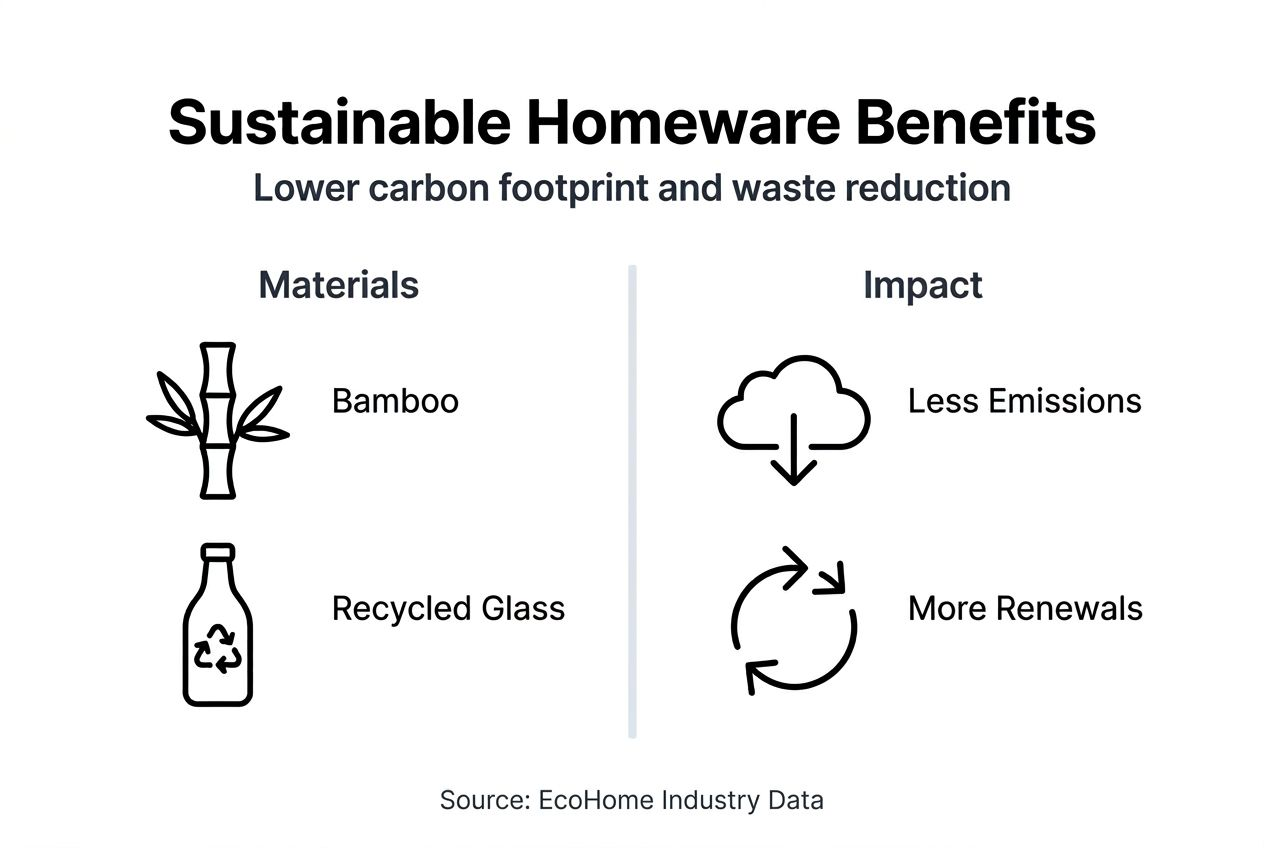
Sustainable homeware reduces carbon emissions by up to 60% per product lifecycle compared to conventional alternatives. This dramatic reduction stems from using renewable materials that sequester carbon during growth, employing energy-efficient manufacturing processes, and designing products for longevity rather than disposability. Every sustainable piece you bring home actively contributes to lowering your household’s carbon footprint.
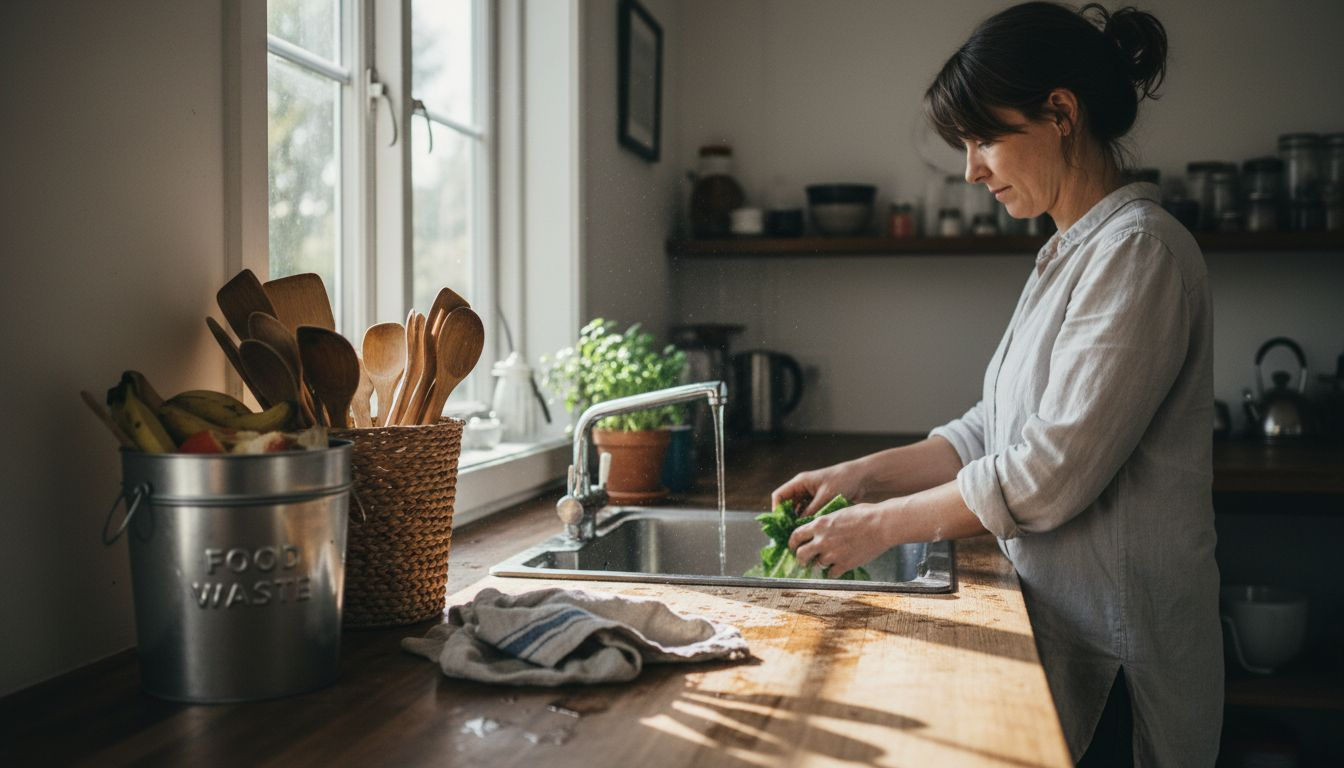
Waste reduction represents another significant environmental advantage. Biodegradable materials like bamboo and organic fibres return harmlessly to the earth at the end of their useful life. Recyclable options such as glass and metal can be reprocessed indefinitely without quality degradation. This circular approach contrasts sharply with conventional homeware that typically ends its journey in landfills or incinerators.
Material comparisons reveal substantial environmental differences:
| Material Comparison | Carbon Footprint | Biodegradability | Resource Renewal |
|---|---|---|---|
| Bamboo vs Plastic | 75% lower | Fully biodegradable in 3-5 years | Renewable in 3-5 years |
| Recycled Glass vs Virgin Glass | 30% lower | Infinitely recyclable | Conserves sand resources |
| Organic Cotton vs Synthetic Fabric | 46% lower | Biodegradable | Annual renewable crop |
| Reclaimed Wood vs New Timber | 80% lower | Biodegradable | Prevents new tree harvesting |
Resource depletion concerns make sustainable choices increasingly critical. Conventional homeware production exhausts finite materials like petroleum for plastics and old-growth forests for furniture. Sustainable alternatives prioritise rapidly renewable resources and closed-loop systems that preserve natural capital for future generations. You’re not just buying a product but investing in a healthier planet.
Common misconceptions about sustainable homeware
Many people believe sustainable homeware always costs more, but this perception doesn’t match current market realities. Competitive pricing has become standard as sustainable production scales up and efficient practices reduce costs. Some eco-friendly items actually cost less than conventional equivalents when you factor in durability and reduced replacement frequency.
The style myth persists despite abundant evidence to the contrary. Contemporary sustainable homeware showcases cutting-edge design aesthetics that rival any mainstream product. Natural materials like wood, stone, and organic textiles offer rich textures and warmth that synthetic alternatives struggle to match. Leading interior designers increasingly favour sustainable pieces precisely because they add character and authenticity.
Durability concerns often prevent buyers from choosing sustainable options, yet research indicates sustainable homeware lasts up to 40% longer on average. Quality craftsmanship and robust natural materials create products that withstand daily use far better than cheaply made mass-produced items. A well-made bamboo storage basket or reclaimed wood shelf will serve you for years, reducing both waste and long-term costs.
Availability misconceptions stem from outdated market conditions. Sustainable homeware now appears in mainstream retailers, specialised online shops, and local artisan markets across the UK. You’ll find eco-friendly options for virtually every homeware category, from bedding to kitchen accessories. The market has matured significantly, making sustainable choices accessible regardless of your location or budget.
Pro Tip: Calculate the true cost per year by dividing the purchase price by expected lifespan. A £40 sustainable vase lasting 10 years costs £4 annually, whilst a £20 conventional version lasting 3 years costs £6.67 per year.
Economic and ethical considerations in sustainable homeware
Ethical labour practices form the foundation of truly sustainable homeware production. Fair wages, safe working conditions, and reasonable hours ensure that products don’t exploit vulnerable workers in developing countries. Many sustainable brands maintain transparent supply chains allowing you to trace products from raw material to finished item, guaranteeing ethical treatment throughout.
Supporting local artisans creates positive ripple effects in communities:
- Preserves traditional craftsmanship skills passed down through generations
- Keeps money circulating within local economies rather than flowing to multinational corporations
- Reduces transportation emissions by sourcing products closer to home
- Builds personal connections between makers and buyers
- Encourages unique, handcrafted pieces rather than mass-produced uniformity
The broader economic impact of sustainable homeware choices extends beyond individual purchases. Consumer demand for ethical products incentivises more companies to adopt responsible practices. This market pressure gradually transforms entire industries, making sustainability the norm rather than the exception. Your buying decisions contribute to systemic change that benefits workers, communities, and environments globally.
Trade-offs and challenges exist within sustainable homeware markets. Some ethical products may cost more upfront due to fair wages and quality materials. Limited production runs can mean less immediate availability compared to mass-produced alternatives. However, these challenges diminish as sustainable practices become mainstream and economies of scale reduce costs whilst maintaining ethical standards.
How to evaluate and choose sustainable homeware
Recognised certifications provide reliable shortcuts for identifying genuinely sustainable products. Look for these key labels when shopping:
- FSC (Forest Stewardship Council) certification guarantees wood products come from responsibly managed forests
- Fair Trade certification ensures ethical labour practices and fair compensation for producers
- GOTS (Global Organic Textile Standard) verifies organic status and environmental processing for textiles
- Cradle to Cradle certification assesses materials, manufacturing, and recyclability across multiple criteria
- B Corporation status indicates companies meet rigorous social and environmental performance standards
Material assessment requires examining three key factors. Renewability indicates whether the resource regenerates naturally within reasonable timeframes, like bamboo or cork. Toxicity concerns encompass chemicals used in production, treatments, or finishes that might harm health or environments. Recyclability determines whether products can be repurposed at the end of their useful life rather than adding to landfills.
Brand transparency separates authentic sustainable companies from greenwashing imposters. Genuine brands openly share information about supply chains, manufacturing processes, and environmental impacts. They provide specific details rather than vague claims about being “eco-friendly” or “natural.” Look for companies that publish sustainability reports, list material sources, and acknowledge areas for improvement.
Pro Tip: Research brands using independent review sites and sustainability databases before purchasing. A quick online search revealing transparent practices and third-party certifications indicates trustworthy companies, whilst evasive responses or marketing jargon suggest potential greenwashing.
Styling sustainable homeware in modern interiors
Natural and recycled materials bring distinctive textures that elevate interior aesthetics beyond what synthetic alternatives offer. Reclaimed wood displays unique grain patterns and weathered character impossible to replicate artificially. Organic cotton and linen textiles drape beautifully whilst offering superior breathability. Recycled glass catches light in ways that add depth and visual interest to any space.
Artisan-crafted items merge style with ethical values seamlessly. Handmade ceramics feature subtle variations that mass production eliminates, making each piece genuinely unique. Hand-woven baskets and textiles showcase traditional techniques whilst serving practical storage needs. These pieces become conversation starters that reflect your values alongside your aesthetic preferences.
Contemporary styling approaches integrate sustainability naturally:
- Layer natural textures like jute rugs, linen cushions, and wooden accessories for warmth and depth
- Choose statement pieces in recycled materials as focal points that spark interest
- Mix vintage finds with new sustainable items for an eclectic, personalised look
- Embrace minimalism by selecting fewer, higher-quality pieces that truly matter
- Incorporate plants and natural elements to reinforce the connection with nature
Current interior trends actively embrace sustainable principles. Biophilic design brings natural materials and organic shapes indoors, creating calming environments that support wellbeing. Japandi style combines Japanese minimalism with Scandinavian functionality using sustainable materials like bamboo and organic textiles. These movements prove that modern home styling solutions and sustainability complement rather than contradict each other.
Exploring modern home accessories tips reveals how sustainable pieces enhance contemporary spaces whilst maintaining ethical integrity. Professional designers increasingly recommend starting with sustainable foundations then building collections gradually. This approach ensures cohesive aesthetics whilst allowing budgets to accommodate quality over quantity. Following a structured modern interior design workflow helps integrate sustainable homeware systematically rather than haphazardly.
Conclusion: making sustainable homeware part of your lifestyle
Sustainable homeware delivers triple benefits that conventional alternatives cannot match. Environmental advantages include dramatic carbon reduction, waste minimisation, and resource conservation. Ethical dimensions encompass fair labour practices and community support. Personal gains involve superior durability, unique aesthetics, and alignment between values and daily choices.
Overcoming initial doubts becomes easier once you understand the facts. Cost concerns dissolve when you calculate long-term value rather than upfront price. Style worries disappear upon discovering the rich diversity of contemporary sustainable design. Durability questions resolve through research showing superior longevity compared to mass-produced items.
Practical next steps make sustainable homeware adoption manageable. Start by replacing items as they wear out rather than discarding functional pieces prematurely. Research certifications and brands before purchasing to ensure genuine sustainability. Build your collection gradually, prioritising quality pieces that serve multiple purposes and complement your existing decor.
“Every sustainable homeware choice represents a vote for the kind of world you want to live in. Small decisions accumulate into significant impact when multiplied across households and years.”
Explore stylish sustainable homeware at Homable
Ready to transform your living space with beautiful, ethically made homeware? Homable offers a carefully curated selection of sustainable pieces that combine contemporary design with environmental responsibility. Each item reflects thoughtful sourcing and artisan craftsmanship.
Discover unique pieces like the elegant decorative silver flower candle holder that adds sophisticated ambience whilst supporting ethical production. The stunning abstract silver ornament in wooden circle showcases how sustainable materials create striking focal points. Browse the complete collection at Homable to find sustainable homeware that reflects your values and enhances your home’s aesthetic appeal.
Frequently asked questions
What materials are considered sustainable for homeware?
Sustainable homeware materials include bamboo, recycled glass, reclaimed wood, organic cotton, cork, and natural stone. These materials must be renewable, recyclable, or biodegradable to qualify as truly sustainable. Each offers unique aesthetic properties whilst minimising environmental impact throughout its lifecycle.
How can I trust sustainability claims on homeware products?
Look for recognised certifications like Fair Trade, FSC, or GOTS that verify environmental and ethical standards through independent auditing. Research brand transparency by checking whether companies openly share supply chain information and manufacturing processes. Avoid products making vague claims without specific details or third-party verification.
Are sustainable homeware products more expensive than conventional ones?
Many sustainable items are competitively priced or even lower than conventional equivalents when comparing similar quality levels. Initial cost differences often reflect superior durability and ethical production that reduce long-term expenses. Calculate cost per year of use rather than upfront price to understand true value accurately.
Can sustainable homeware fit modern interior design styles?
Sustainable homeware seamlessly incorporates current design trends including minimalism, biophilic design, and contemporary aesthetics. Natural textures and artisan craftsmanship add unique character that mass-produced items lack. Interior decorators widely embrace sustainable pieces for their ability to deliver both visual appeal and ethical integrity, as demonstrated in modern home styling solutions.