Cart
0
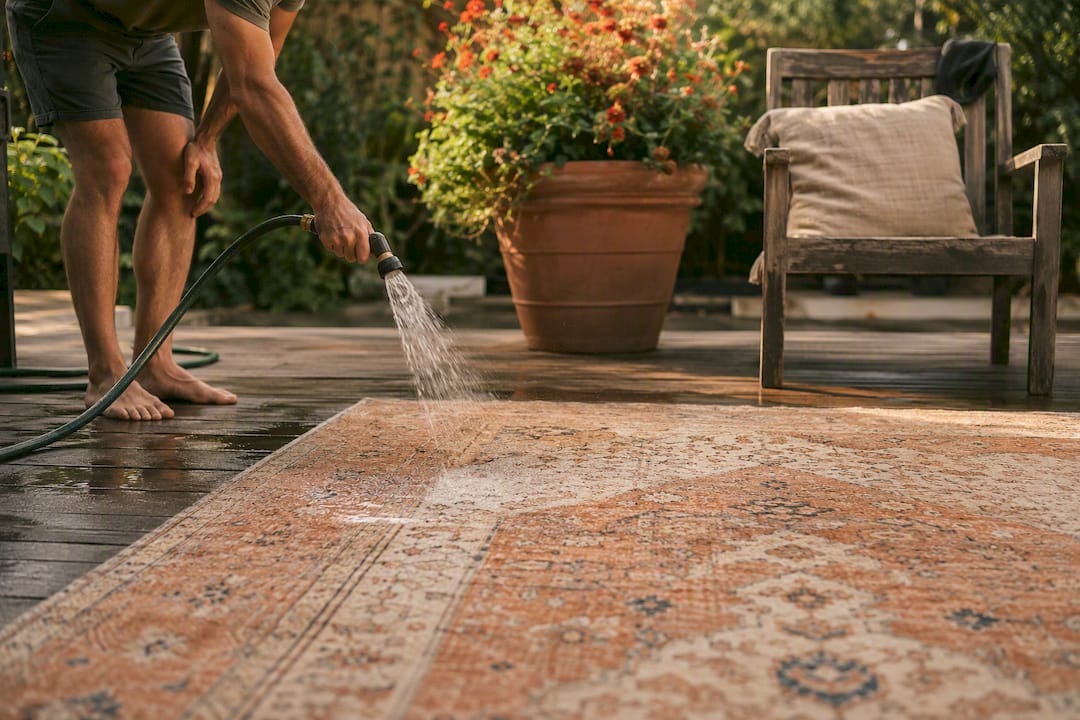
The correct way to care for an outdoor rug is simple: remove loose debris first, treat stains before they set, wash with a mild solution only when the rug genuinely needs it, rinse until the water runs clear, and dry it completely before it goes back down. Always check the manufacturer’s care label before reaching for any cleaner, and skip harsh chemicals that can strip colour or weaken fibres. The real enemy isn’t dirt. It’s moisture trapped underneath, which breeds mould and can stain or rot the deck below.
- Remove loose dirt (shake, sweep, vacuum both sides)
- Spot treat stains with a mild solution
- Wash fully only when needed
- Rinse until water runs clear
- Dry completely, front and back, before replacing
Key Takeaways
Outdoor rug care works best when you clean dry first, wash only when necessary, and dry the rug fully before it goes back down.
| Point | Details |
|---|---|
| Dry clean before wet clean | Shake, sweep, or vacuum both sides before ever reaching for water or soap. |
| Match cleaning to material | Solution-dyed polypropylene tolerates washing and pressure washers far better than jute or sisal. |
| Dry completely, underside included | Check for dampness and smell before replacing the rug to prevent mould. |
| Maintain little and often | Weekly sweeping and monthly underside checks beat relying on one big annual clean. |
| Use accessories to reduce cleaning | A Homable rubber door mat or washable runner cuts down on grit and spills reaching the main rug. |
Table of Contents
- What you need for outdoor rug care before you start
- Does the rug’s material change how you clean it?
- How do you clean an outdoor rug step by step?
- When is pressure washing safe for outdoor rugs?
- How do you dry an outdoor rug without causing mould?
- How often should you clean an outdoor rug?
- How should you store an outdoor rug between seasons?
- Simple accessories that cut down on rug cleaning
- Sources
What you need for outdoor rug care before you start
You don’t need a cupboard full of specialist products. A mild dish soap diluted in water handles most grime, diluted white vinegar cuts through mildew and mineral deposits, and a baking-soda paste lifts stains and neutralises odours without bleaching colour. For tools, keep a soft-bristle brush, a vacuum with an adjustable height setting, a hose or a couple of buckets, a squeegee, and a decent pair of garden gloves within reach.
Where you clean matters more than people assume. Work on a flat, hard surface with proper drainage, a patio or driveway rather than grass or a flowerbed, since soapy runoff can scorch plants and grass over time. If you’re in a flat or lack outdoor space, hanging the rug over a balcony rail or fence for airing and spot-cleaning with a bucket works nearly as well, provided you dispose of wash water sensibly rather than tipping it straight into drains.
- Cleaners: mild dish soap, diluted white vinegar, baking-soda paste
- Tools: soft-bristle brush, adjustable vacuum, hose or bucket, squeegee, gloves
- Location: flat, hard, well-drained surface away from grass and plants
Pro Tip: Always test any cleaning solution on a hidden corner of the rug first and wait ten minutes. Some solution-dyed fibres cope fine with vinegar, but cheaper printed rugs can bleed or fade.
Does the rug’s material change how you clean it?
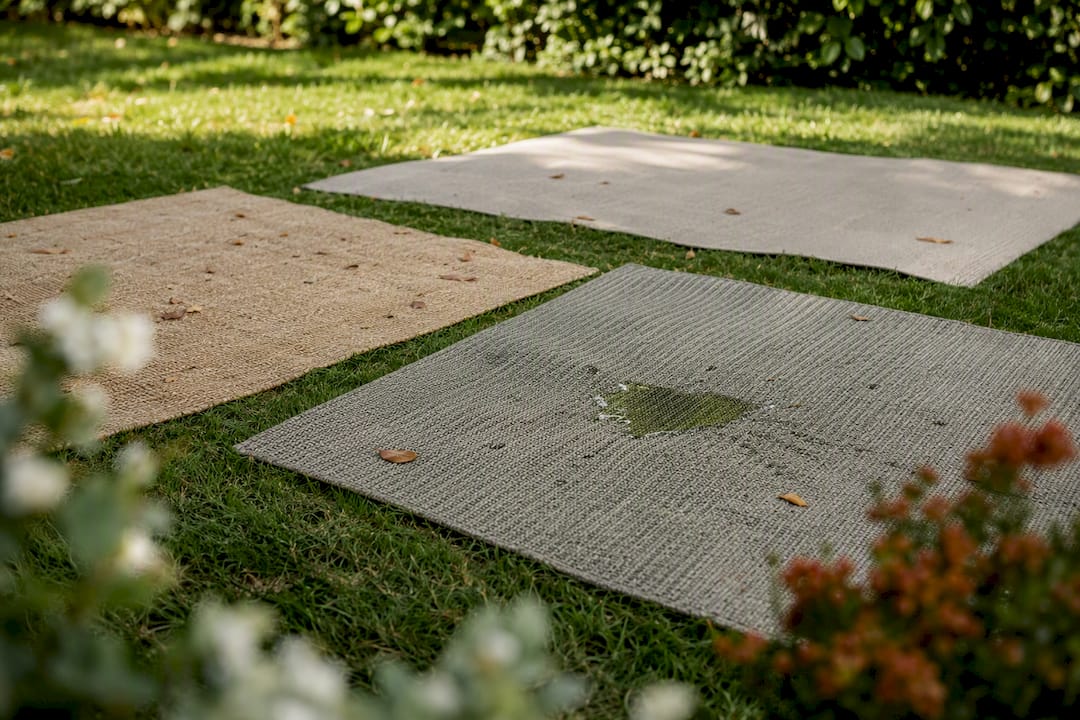
Yes, and this is the single biggest factor most people overlook. Nearly all outdoor rugs are water-resistant rather than fully waterproof, a distinction worth understanding before you get the hose out, since genuinely waterproof rugs would trap moisture underneath and encourage mould rather than prevent it. Water resistance paired with good airflow beats a completely sealed surface every time.
Solution-dyed polypropylene is the toughest and most forgiving option: colour runs through the fibre rather than sitting on the surface, so it dries fast, resists UV fading, and shrugs off repeated washing. Polyester rugs feel softer underfoot but need gentler handling and shouldn’t be left damp for long. Natural fibres like jute and sisal are the ones to treat with real caution. They absorb water readily, take far longer to dry, and are considerably more prone to mould and structural weakening once exposed to sustained damp.
Construction matters too. A flatwoven or low-pile rug on an exposed deck copes well with rain and quick drying; a plush pile rug is better suited to a covered porch where it won’t sit in standing water.
- Solution-dyed polypropylene: exposed decks, poolside, high traffic
- Polyester: covered patios, moderate exposure
- Natural fibres (jute, sisal): covered porches only, never fully exposed
How do you clean an outdoor rug step by step?
This is the sequence that consistently works, and it’s worth following in order rather than jumping straight to soap and water.
- Dry clean first. Lift the rug, shake off loose debris, then sweep or vacuum both sides. This single step removes most of the grit that causes premature wear, and it’s often all a lightly soiled rug needs. Starting dry and only introducing water if the material and care label allow it prevents unnecessary wetting of fibres that don’t need it.
- Spot treat stains. Test your solution on a hidden patch first, then blot (never scrub) the stained area. For grease or food stains, a baking-soda paste left for ten to fifteen minutes before blotting works well. For tougher marks, a diluted vinegar solution applied the same way can lift stains without resorting to harsher chemicals.
- Wash fully if the rug genuinely needs it. Mix a small amount of mild dish soap into a bucket of water, or use a hose attachment on a gentle setting. Work the solution in with your soft-bristle brush using small circular motions rather than aggressive scrubbing, and avoid saturating the backing more than necessary. Over-wetting the underside is what causes rugs to take days to dry rather than hours.
- Rinse until the runoff is completely clear. The consensus across cleaning guides is consistent here: remove surface debris, spot-treat, wash with mild soap, then rinse thoroughly before drying. If you still see suds in the water draining off, keep rinsing. Leftover soap residue attracts dirt faster and can leave a dull film on synthetic fibres.
- Inspect before drying. Check for fraying edges, loose threads, or backing that’s started to separate. Catching small damage now, rather than after the rug’s gone back down wet, saves you from dealing with a bigger repair or replacement later.
- Never skip the dry-clean stage, even before a full wash
- Blot stains, don’t scrub them into the fibres
- Rinse longer than feels necessary; residue is the main cause of re-soiling
When is pressure washing safe for outdoor rugs?
Synthetic outdoor rugs generally tolerate a wash at home, and many can handle a pressure washer on a low setting, but this needs a careful, cautious approach rather than a full-power blast. Solution-dyed polypropylene and other tightly flatwoven synthetics are the best candidates. Jute, sisal, and any rug with a delicate or stitched backing should never go near a pressure washer, since the force can tear fibres loose from the backing or push water deep into a material that’s already slow to dry.
If you do use one, keep the nozzle on its widest, lowest-pressure setting and hold it at least 30 centimetres from the surface. Never let the nozzle drag or scrape across the backing, and work in the direction of the pile rather than against it. A useful comparison of DIY rug cleaning against professional services is worth a read if you’re unsure whether your rug’s construction can take it. For anything antique, hand-woven, or with sentimental value, hiring a professional cleaner is the safer call.
- Safe for: solution-dyed polypropylene, tightly woven synthetics
- Avoid entirely: jute, sisal, stitched or delicate backings
- When unsure, get a professional opinion rather than risk the rug
How do you dry an outdoor rug without causing mould?
Drying properly is where most outdoor rug care actually goes wrong. After rinsing, squeegee the surface to push out as much standing water as possible, then either hang the rug over a fence or railing for airflow on both sides, or lay it flat on a slatted surface that lets air pass underneath. Never drape a wet rug straight onto solid concrete or decking. It just traps moisture against both the rug and the surface beneath it.
Before putting it back down, run a simple check: touch the underside, not just the top, since that’s where dampness lingers longest. Give it a sniff, too. Any musty smell means it needs more time. Consumer Reports recommends storing rugs dry and airing them out regularly, adjusting how often based on foot traffic and how exposed the rug is to weather, which is as relevant to everyday drying as it is to seasonal storage.
- Squeegee before hanging or laying flat to speed drying
- Check the underside for dampness, not just the visible surface
- Avoid laying a wet rug directly on solid concrete
Pro Tip: Lift one corner of the rug every few weeks, even between washes, just to check the underside and let a burst of air through. It takes ten seconds and catches early mould before it spreads.
How often should you clean an outdoor rug?
You don’t need to deep clean constantly. A light, regular routine prevents most of the problems that eventually force a full wash.
- Weekly: sweep or vacuum, clear off leaves and debris, and spot-treat any spills the same day they happen.
- Monthly: lift the rug to check the underside for dampness or early mould, and give it a light wash if it’s looking dull or gritty.
- Annually: schedule one proper deep clean, ideally before the season you use the outdoor space most.
If you’re noticing frayed fibres that won’t lie flat, a musty smell that won’t shift after a full clean and dry, or backing that’s cracking or separating, that’s usually a sign the rug has reached the end of what cleaning can fix. Regular maintenance like quick shakes, vacuuming, and occasional underside airing tends to do more for a rug’s lifespan than infrequent heavy cleans, so a rug that’s still showing wear despite a consistent routine has probably earned its retirement.
How should you store an outdoor rug between seasons?
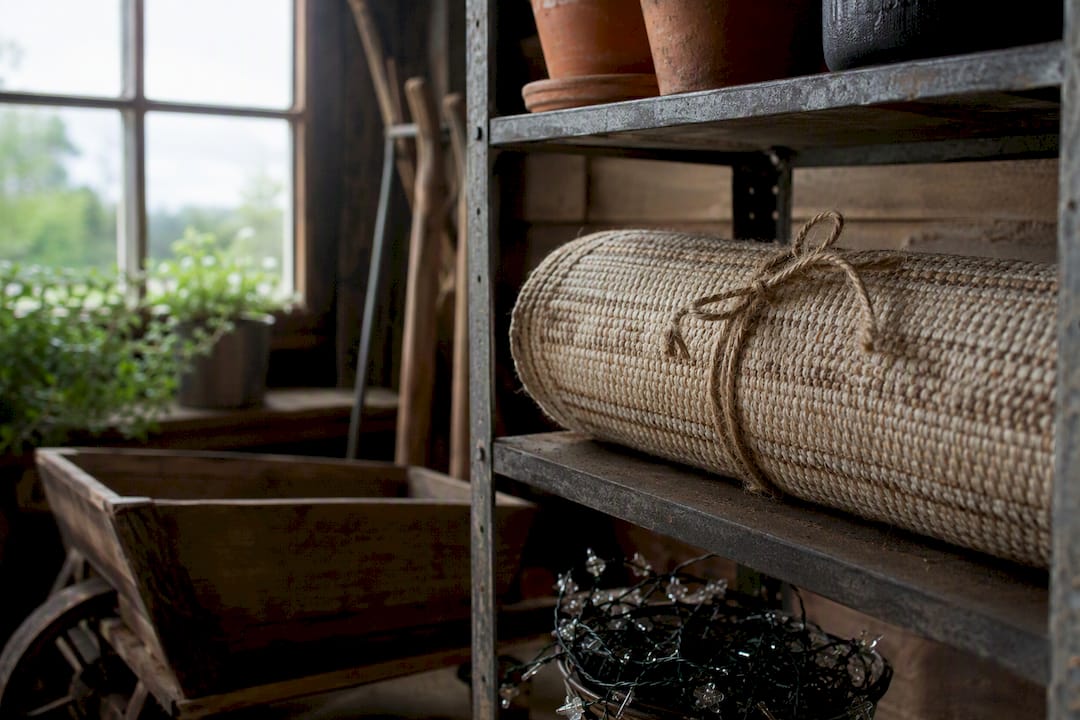
Storage failures undo more good cleaning habits than anything else. Make sure the rug is completely dry, then roll it rather than folding it. Folding creases synthetic backing and can cause permanent cracks along the fold lines over time. Store it somewhere breathable, a garage shelf or airing cupboard works better than a plastic bin, and keep it well away from damp basements or anywhere prone to condensation.
Clean the rug before it goes into storage, not after, since dirt left on the fibres attracts pests over the off-season. A few silica gel sachets or a small block of dry cedar tucked into the storage wrap helps deter insects without chemical sprays. When you bring it back out, air it outdoors for a few hours before use, give it a quick spot-clean if it’s picked up any dust, and check for any lingering odour or mould before it goes back underfoot.
- Roll, don’t fold, to protect the backing
- Store somewhere dry and ventilated, never a damp basement
- Air and inspect before returning it to use
Simple accessories that cut down on rug cleaning
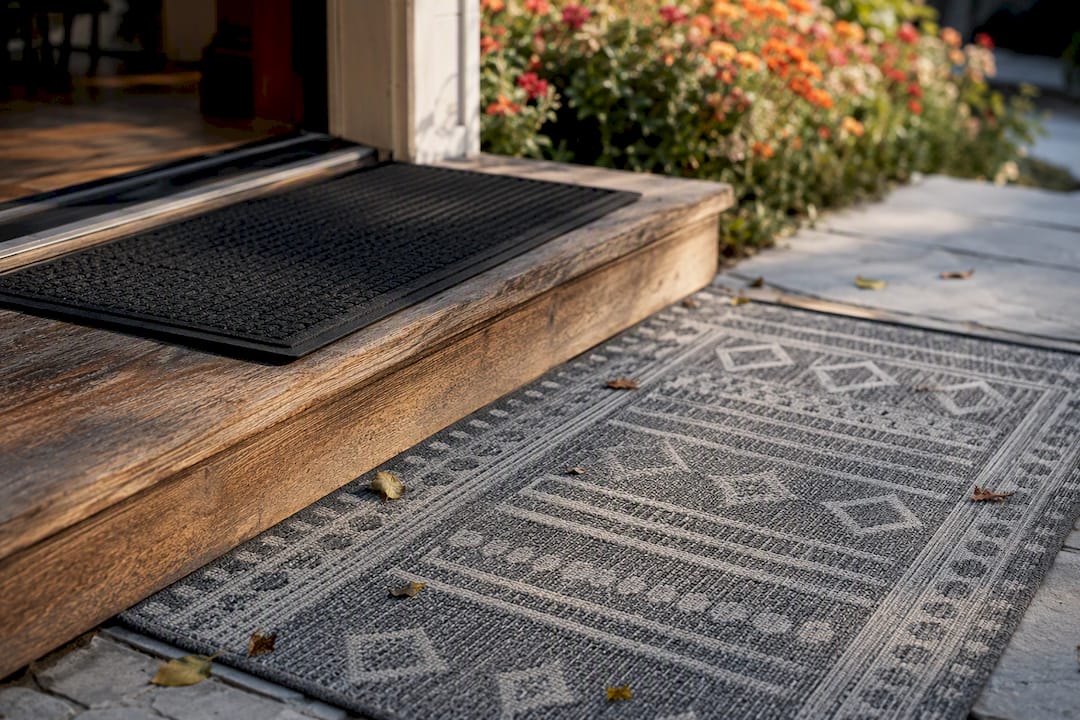
A little prevention goes a long way. A rubber door mat placed at the entrance to a patio or garden room catches most of the grit before it ever reaches your rug, which means fewer deep cleans over the year. In spots that see spilt drinks or muddy footprints, such as poolside or near a barbecue, a washable runner takes the daily hits so your main rug doesn’t have to. Neither is essential, but both reduce how often you’ll need the hose out.
One habit worth adopting
The one habit that pays off more than any product: lift and check the underside after any heavy rain, not just on your monthly schedule. Moisture problems start invisibly, and catching them early is far easier than fixing mould later. Homable’s outdoor styling guide has more on positioning rugs to avoid these issues in the first place.
— Cristiano
A few Homable accessories that make rug care easier
Most of what protects an outdoor rug isn’t a cleaning product. It’s what sits around it. A sturdy rubber door mat at any door leading onto your patio traps grit and moisture before it ever reaches the rug fibres, which cuts down on how often you need a full wash. In high-traffic or spill-prone areas, laying a washable runner takes the daily wear that would otherwise land on your main rug.

These are optional additions, not a substitute for the cleaning routine above, but they genuinely reduce maintenance over a season. If you’re shopping for pieces to round out your outdoor space, browse Homable’s home accessories for options that pair practicality with the kind of understated style that suits a garden room or patio setup.
Sources
- How to clean an outdoor rug: 5 easy steps to follow
- How to care for outdoor rugs - Consumer Reports
- Water-resistant vs. waterproof outdoor rugs: which one do you actually need?
- Here’s how to clean an outdoor rug that’s seen better days | Reviews by Wirecutter