Cart
0
TL;DR:
- Starting with a pet behavior audit helps determine key zones and material needs in your home. Choosing durable, stain-resistant fabrics and safe plants ensures your decor withstands pet activity while remaining attractive. Thoughtful layout, integrated storage, and proper maintenance routines keep your home stylish, functional, and pet-friendly for years.
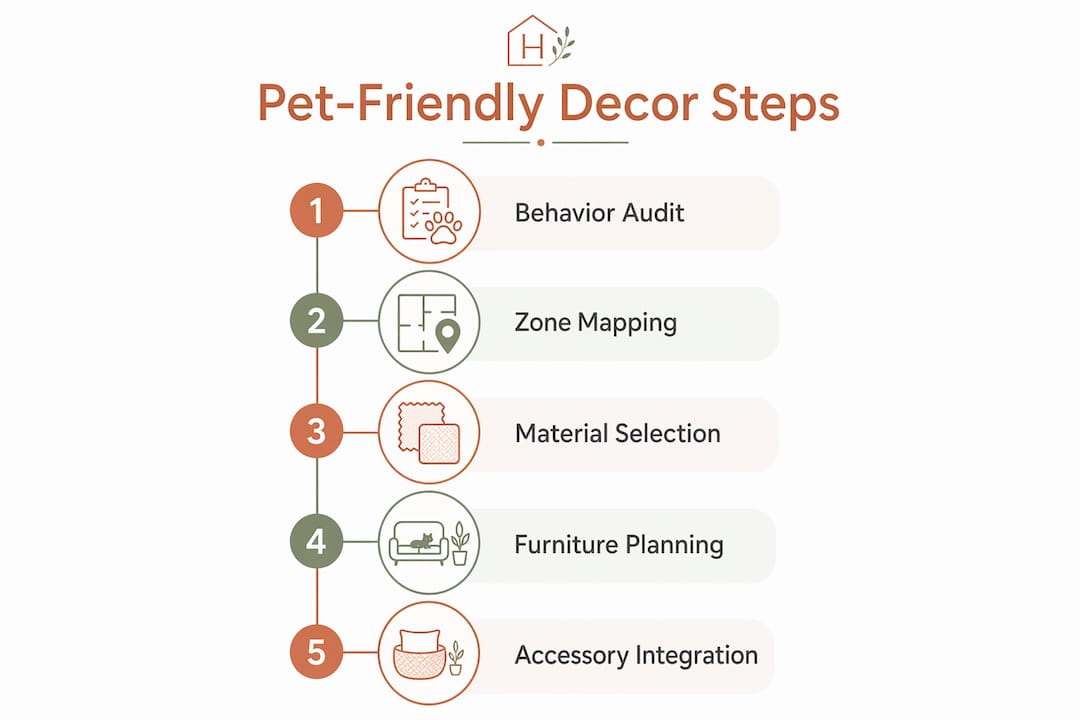
Step by step pet-friendly decor is a systematic approach to designing living spaces that work equally well for pets and their owners, without sacrificing style or safety. The industry term for this practice is pet-inclusive interior design, and it covers everything from material selection and spatial zoning to maintenance routines and accessory integration. This guide walks you through a proven process: audit your pet’s behaviour, choose the right materials, plan your layout accurately, and build maintenance habits that keep your home looking its best. Follow each stage in order and you will end up with a home that is genuinely comfortable, durable, and worth showing off.
What does step by step pet-friendly decor actually involve?
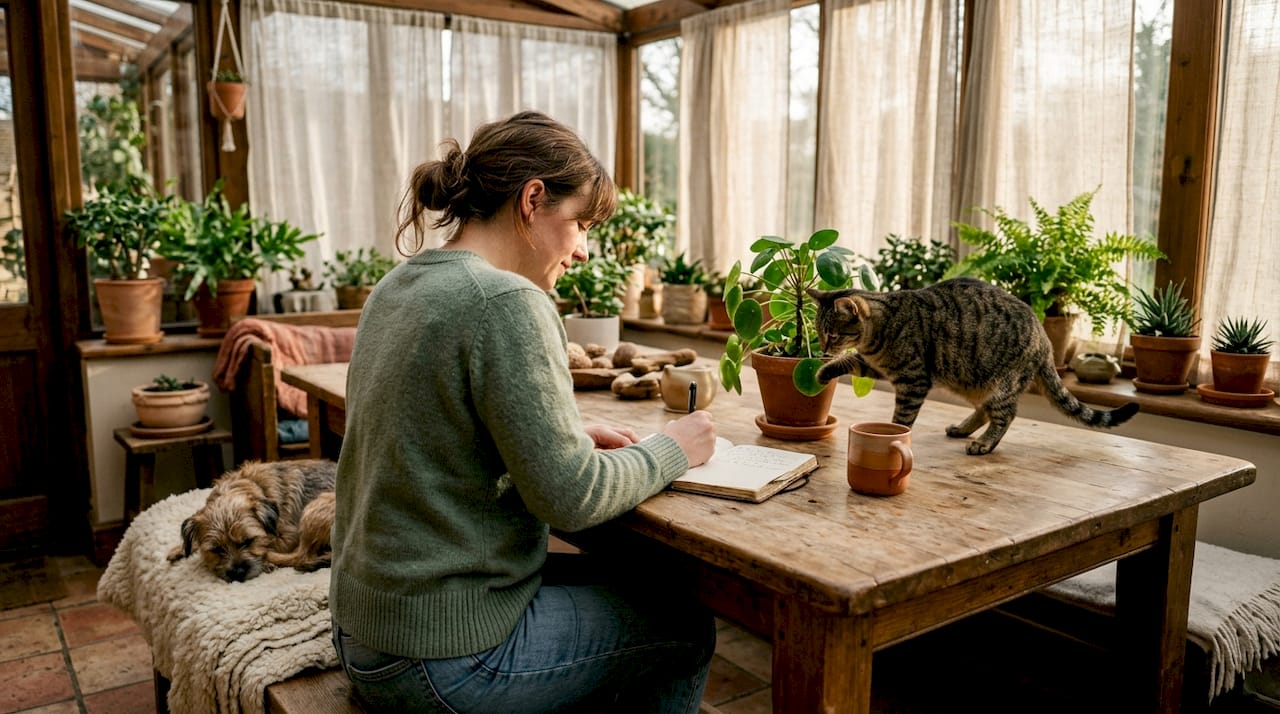
Pet-inclusive interior design starts with observation, not shopping. Before you buy a single cushion or rug, you need to understand how your pet actually uses your home. That knowledge shapes every decision that follows.
The foundation is a 10-minute behaviour audit that maps three zones in each room: traffic zones (where your pet walks and runs), rest zones (where they sleep or settle), and mess zones (where food, water, or litter creates the most cleaning work). Walk through each room and note which surfaces take the most wear. Mark these zones on a rough floor plan, even a hand-drawn sketch works perfectly well.
Once you have your zones mapped, identify one “show zone” per room. This is the area you will prioritise for aesthetics, typically the spot guests see first. Keep your most decorative pieces here, away from high-traffic pet paths. Reserve durable, easy-clean materials for the zones your pet uses most.
Pro Tip: A monthly deep clean of key zones, such as sofa cushions and litter enclosures, takes 30–60 minutes and significantly extends the life of your major decor investments.
Documenting your zones also helps you prioritise your budget. Spend more on materials in high-traffic areas and save on decorative accents in low-use corners. This approach stops you wasting money on expensive upholstery that sits directly in your dog’s favourite sprint path.
Which materials and fabrics work best for decorating with pets?
Material choice is the single biggest factor in how well your decor survives life with animals. The wrong fabric will look worn within months. The right one will still look good years later.
For upholstery, tight-weave fabrics like microfibre and engineered performance fibres resist wear and staining far better than traditionally coated fabrics. Performance coatings wear off within 12 months. Engineered performance fabrics, such as Crypton or Sunbrella, resist moisture and stains at the fibre level for the lifespan of the piece. That difference matters enormously over a five-year ownership period.
For flooring, the most practical options are:
- Luxury vinyl plank: Scratch-resistant, waterproof, and comfortable underfoot for pets with joint issues.
- Porcelain tile: Extremely durable and easy to clean, though cold in winter without underfloor heating.
- Sealed hardwood: Attractive and long-lasting when properly sealed, though it requires more maintenance than vinyl.
- 100% machine-washable rugs: A non-negotiable standard for any pet household. Rugs collect hair, dander, and odours faster than any other surface.
Colour strategy also matters more than most guides admit. Matching your decor tones to your pet’s coat colour disguises shedding between cleans. A golden retriever owner benefits from warm cream and caramel tones. A black cat owner is better served by charcoal and slate.
Safety deserves equal attention. Non-toxic plants and low-voltage LED lighting are the baseline standard for pet-safe home decor. Many common houseplants, including lilies, pothos, and peace lilies, are toxic to cats and dogs. Swap them for pet-safe alternatives like spider plants, Boston ferns, or calathea. LED bulbs run cool enough that a curious cat brushing against a lamp will not get burned.
How do you plan furniture layout and dedicated pet zones?
Spatial planning is where most pet owners make their costliest mistakes. Human spatial estimation is notoriously inaccurate, with most people overestimating room dimensions by 15%–25%. That error leads to furniture that is too large, layouts that feel cramped, and no room left for pet essentials.
Follow this order of operations when planning any room:
- Define the room’s purpose. A living room shared with a large dog needs clear pathways. A home office with a cat needs vertical space for climbing.
- Set your budget. Factor in pet-specific items from the start. Cat trees typically cost £50–£100 and hidden litter box enclosures run £60–£85. These are not afterthoughts.
- Choose your style direction. Decide on a colour palette and material language before buying anything.
- Measure accurately. Use a tape measure, not your eyes. Mark furniture footprints on the floor with painter’s tape before purchasing.
- Place furniture. Start with the largest piece and work outward, keeping pet traffic paths clear.
| Planning step | Common mistake | Better approach |
|---|---|---|
| Measuring the room | Estimating by eye | Use a tape measure and mark footprints with tape |
| Budgeting | Forgetting pet furniture | Include cat trees and litter enclosures from the start |
| Choosing materials | Prioritising looks only | Select fabrics rated for pet wear before aesthetics |
| Arranging furniture | Blocking pet paths | Keep clear routes between rest zones and exits |
Integrated storage is the most underused tool in pet-friendly layout planning. Cabinetry with built-in feeding stations, toy drawers, and litter enclosures keeps the room looking polished without hiding your pet’s needs. Elevated feeding stations with washable mats beneath them reduce mess and make cleaning faster.
Pro Tip: Place pet beds directly beside your own sofa or armchair. Pets are far more likely to use their designated space when it sits within sight and scent of their owner.
For shelf styling, place heavier decorative objects at the back-centre of shelves and leave at least 6 inches of clear landing space at the front. This prevents inquisitive cats from knocking items over during their inevitable shelf inspections. It is a small adjustment that saves a surprising number of ornaments.
How do you add pet accessories and keep your decor looking good?
Accessory integration and maintenance routines are the final stage of the guide to pet-friendly decor, and they are what separates a home that looks good on day one from one that still looks good two years later.
Start with feeding stations. A raised station with a washable silicone mat beneath it contains splashes and is easy to wipe down daily. Store pet toys in a dedicated basket or drawer, not scattered across the floor. Litter box concealment inside a cabinet or purpose-built enclosure removes the single most visually disruptive element from any room.
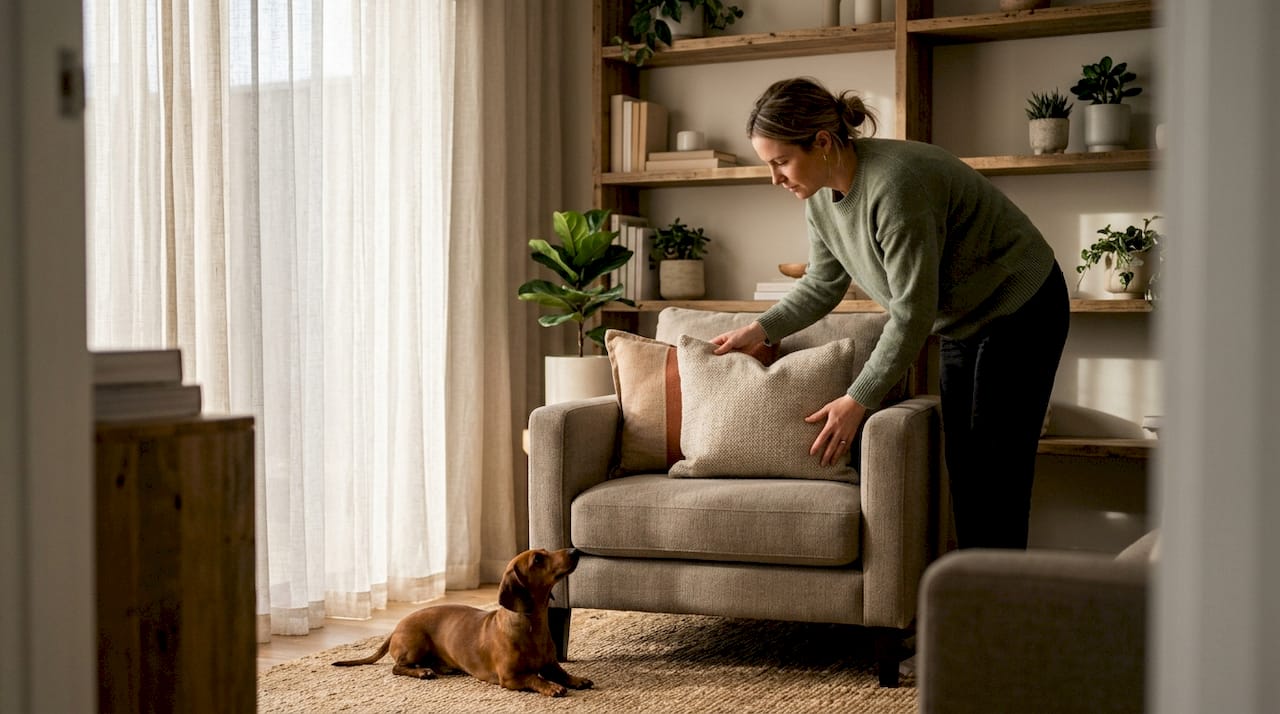
For throws and slipcovers, use a tuck-and-clip system. Tuck the throw firmly into sofa cushion gaps and use clips or pins at the back to stop it shifting under your pet’s weight. Washable throws work best as “magnets” to draw pets toward preferred spots, which keeps them off furniture you want to protect. A textured throw or an oversized mat placed on a specific chair signals to your pet that this is their spot. This technique works more reliably than trying to keep pets off furniture entirely.
Maintenance schedule to follow:
- Daily: Wipe feeding mats, spot-clean any visible mess on upholstery.
- Weekly: Launder throws and slipcovers, vacuum high-traffic zones and pet beds.
- Monthly: Deep clean sofa cushions, wash machine-washable rugs, clean litter enclosures thoroughly.
For odour control, position air purifiers 6–8 feet from litter boxes, with the intake facing the main living area. This placement captures odours before they circulate through the room. A HEPA-filter purifier handles both odour and airborne pet dander, which benefits both pet and owner.
Pro Tip: Move coffee tables slightly away from surfaces your pet uses as launch pads. This small shift reduces the risk of items being knocked off during play and protects your most fragile decor pieces.
For small spaces, art and vertical decor can make a room feel significantly larger while keeping floor space free for pet movement. Wall-mounted shelves, vertical cat trees, and tall bookcases draw the eye upward and free up the floor plan for both pet and owner comfort.
Key takeaways
Pet-inclusive interior design works best when you audit your pet’s behaviour first and let those findings drive every material, layout, and maintenance decision that follows.
| Point | Details |
|---|---|
| Behaviour audit first | Map traffic, rest, and mess zones before buying any decor or furniture. |
| Choose engineered fabrics | Microfibre and performance fabrics like Crypton outlast coated alternatives by years. |
| Measure before you buy | Overestimating room size by 15%–25% is the most common and costly planning error. |
| Use washable throws strategically | Tuck-and-clip throws attract pets to preferred spots and protect furniture you care about. |
| Build a maintenance schedule | Weekly laundering and monthly deep cleans extend the life of every major decor investment. |
Why I think most pet owners get this backwards
Most guides tell you to start with aesthetics and then figure out how to make it work for your pet. I have seen that approach fail repeatedly. You end up with a beautiful sofa that is destroyed within a year, or a rug that smells no matter how often you clean it, because the wrong material was chosen from the start.
The approach that actually works is the reverse. Start with your pet’s behaviour, then let that dictate your material choices, then plan your layout around both. Aesthetics come last, not because they matter less, but because they are far easier to achieve once the functional decisions are made correctly.
The other mistake I see constantly is treating pet furniture as an afterthought. A cat tree or a dog bed that is chosen to complement your existing palette and placed thoughtfully in the room becomes part of the design. One that is shoved in a corner because you ran out of ideas becomes an eyesore. Your pet is not an obstacle to good design. Your pet is a permanent resident, and the best interiors treat them as such.
The homes that genuinely work, the ones that are comfortable, clean, and still stylish after years of pet ownership, are the ones where the owner made deliberate choices at every stage. Not expensive choices. Deliberate ones.
— Cristiano
Homable’s curated range for pet-friendly homes
Putting this guide into practice is much easier when you have the right products to hand. Homable brings together a curated selection of stylish home accessories designed for real homes, including machine-washable rugs, storage solutions, and decorative pieces that hold up to daily pet life without looking purely functional.

Whether you are sourcing a washable rug for a high-traffic zone, a storage basket for pet toys, or decorative accessories for your show zone, Homable’s full range covers the practical and the beautiful in equal measure. Orders over £100 include free shipping, and the site’s curated collections make it straightforward to find pieces that work together. If you are ready to move from planning to buying, Homable is a practical starting point.
FAQ
What is the first step in pet-friendly home decor?
The first step is a 10-minute behaviour audit that maps your pet’s traffic, rest, and mess zones in each room. This tells you exactly where to prioritise durable materials and where aesthetics can take precedence.
Which fabrics are safest for pet owners to use on sofas?
Tight-weave fabrics like microfibre and engineered performance fibres such as Crypton or Sunbrella are the most durable choices. Unlike coated fabrics, they resist stains and moisture at the fibre level for the full lifespan of the piece.
How do I stop my pet from climbing on furniture I want to protect?
Place a washable throw or textured mat on a nearby chair or sofa section to attract your pet to a preferred spot. This redirection technique works more reliably than attempting to keep pets off furniture entirely.
Are there safe plants I can use in a pet-friendly home?
Spider plants, Boston ferns, and calathea are all non-toxic to cats and dogs and work well as decorative houseplants. Avoid lilies, pothos, and peace lilies, which are toxic to both species.
How often should I clean decor in a pet household?
Throws and slipcovers need weekly laundering, high-traffic zones need weekly vacuuming, and major items like sofa cushions and machine-washable rugs need a monthly deep clean to maintain both appearance and hygiene.