Cart
0

Transforming your home into a stylish, functional space shouldn’t feel overwhelming. Many homeowners struggle with decorating because they lack a clear roadmap, leading to inconsistent results and wasted effort. This guide provides a practical, step by step approach to help you create living spaces that balance visual appeal with everyday comfort. You’ll discover how to prepare effectively, execute with confidence, and avoid common pitfalls that derail decorating projects. Whether you’re refreshing a single room or reimagining your entire home, these actionable steps will simplify the process and deliver results you’ll love.
Table of Contents
- Preparing Your Home Decorating Project
- Step By Step Execution: Furniture Selection And Layout
- Adding Accessories And Finishing Touches
- Common Mistakes And How To Avoid Them
- Discover Stylish Home Decorating Solutions At Homable
- FAQ
Key takeaways
| Point | Details |
|---|---|
| Balance style and function | Successful decorating combines aesthetic appeal with ergonomic comfort for daily living. |
| Preparation is essential | Assessing your space, style preferences, and budget before starting prevents costly mistakes. |
| Follow a clear sequence | Arranging furniture and accessories stepwise ensures cohesive, intentional results. |
| Verify your progress | Regular reviews during the process help maintain both visual harmony and practical functionality. |
| Avoid common errors | Learning from typical pitfalls saves time and creates more satisfying outcomes. |
Preparing your home decorating project
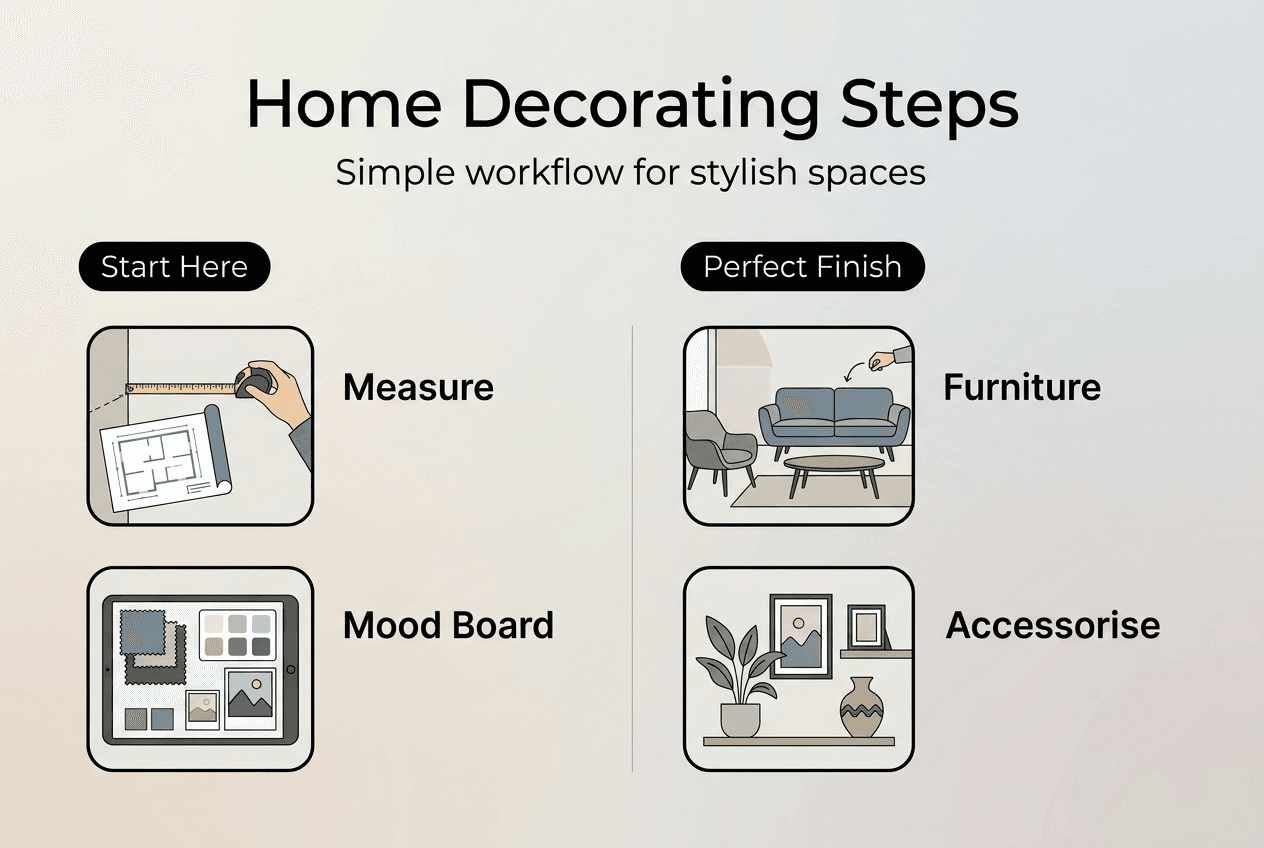
Evaluating space and style preferences forms the foundation for effective decorating. Before purchasing a single item, measure your room dimensions carefully, noting ceiling heights, window placements, and doorways. Natural light patterns change throughout the day, so observe how sunlight enters your space during morning, afternoon, and evening hours. These observations will guide furniture placement and colour selections later.
Defining your personal style prevents impulse purchases that clash with your vision. Browse design magazines, create Pinterest boards, or visit showrooms to identify patterns in what appeals to you. Do you gravitate towards minimalist Scandinavian aesthetics, cosy traditional styles, or bold contemporary designs? Write down three adjectives that capture your ideal atmosphere, such as serene, vibrant, or sophisticated. This clarity becomes your decision making filter.
Gather essential tools before starting your project. You’ll need a tape measure, spirit level, pencil, notepad, and painter’s tape for marking potential furniture positions. Consider creating a simple floor plan on graph paper or using free digital room planning tools. Budget planning matters equally, allocate funds across categories like furniture, accessories, lighting, and textiles. A realistic timeline prevents rushed decisions, most room makeovers require two to four weeks when done thoughtfully.
Use a home decorating checklist to organise your preparation:
- Measure room dimensions and create a scaled floor plan
- Photograph existing space from multiple angles for reference
- List current furniture and items you’ll keep, replace, or remove
- Set a total budget and allocate percentages to each category
- Research suppliers and compare prices for major purchases
- Establish a project timeline with milestones
Pro Tip: Take measurements twice and photograph your tape measure readings. These images become invaluable references when shopping, preventing the frustration of buying furniture that doesn’t fit.
Consider this preparation checklist organised by priority:
| Task | Priority Level | Time Required |
|---|---|---|
| Room measurements and floor plan | High | 1-2 hours |
| Style research and mood board | High | 2-3 hours |
| Budget allocation | High | 1 hour |
| Tool and material gathering | Medium | 30 minutes |
| Timeline creation | Medium | 30 minutes |
| Supplier research | Low | 1-2 hours |
Step by step execution: furniture selection and layout
Choosing furniture that supports natural body posture transforms daily comfort significantly. Ergonomic furniture arrangement improves comfort and efficiency by 15 to 25 per cent, making this consideration worth prioritising. When selecting seating, ensure chair heights allow your feet to rest flat on the floor with knees at ninety degree angles. Sofa depth should support your lower back without forcing you to perch on the edge or sink too deeply.
Desk and table heights matter equally for functionality. Standard dining tables sit 71 to 76 centimetres high, whilst desk surfaces should position your forearms parallel to the floor when seated. Test furniture in person whenever possible, sitting for several minutes to assess genuine comfort rather than initial impressions. Look for adjustable features in office chairs, dining chairs with lumbar curves, and sofas with firm yet yielding cushions.
Arrange pieces to maximise space flow and visual appeal by following this sequence:
- Position your largest furniture piece first, typically a sofa or bed, anchoring the room’s layout.
- Create conversation areas by angling chairs towards each other, maintaining 1.5 to 2.4 metre distances for comfortable interaction.
- Establish clear pathways with at least 76 centimetres width for easy movement between furniture groupings.
- Place secondary seating and tables to support the primary arrangement without blocking natural traffic flow.
- Optimise room layout by testing arrangements before committing, using painter’s tape to mark positions.
- Adjust placement based on natural light, ensuring reading areas receive adequate illumination and screens avoid glare.
Compare different layout approaches to find what suits your space:
| Layout Style | Best For | Key Advantage | Potential Drawback |
|---|---|---|---|
| Symmetrical | Formal rooms, traditional styles | Creates visual balance and calm | Can feel rigid in small spaces |
| Asymmetrical | Modern aesthetics, creative spaces | Adds dynamic visual interest | Requires careful planning to avoid chaos |
| Floating | Large, open plan areas | Defines zones without walls | Needs sufficient floor space |
| Perimeter | Small rooms, multipurpose spaces | Maximises central floor area | May limit conversation groupings |
Pro Tip: Live with your initial furniture arrangement for 48 hours before finalising. You’ll quickly discover whether pathways feel natural, seating encourages conversation, and the layout supports your daily routines. Small adjustments during this trial period prevent long term frustrations.
Consider accessibility when finalising placement. Ensure frequently used items sit within easy reach, remote controls have designated spots on side tables, and charging stations integrate discreetly near seating areas. Understanding ergonomic furniture principles helps you create spaces that support rather than strain your body throughout daily activities.
Adding accessories and finishing touches
Selecting accessories that reflect your style whilst complementing furniture requires intentional choices. Creating cohesive decor across rooms enhances overall style and comfort, so identify a unifying element like a colour palette, material, or design motif. This thread might be brass accents appearing in light fixtures, drawer pulls, and picture frames, or a navy and cream colour scheme repeated through cushions, artwork, and rugs.
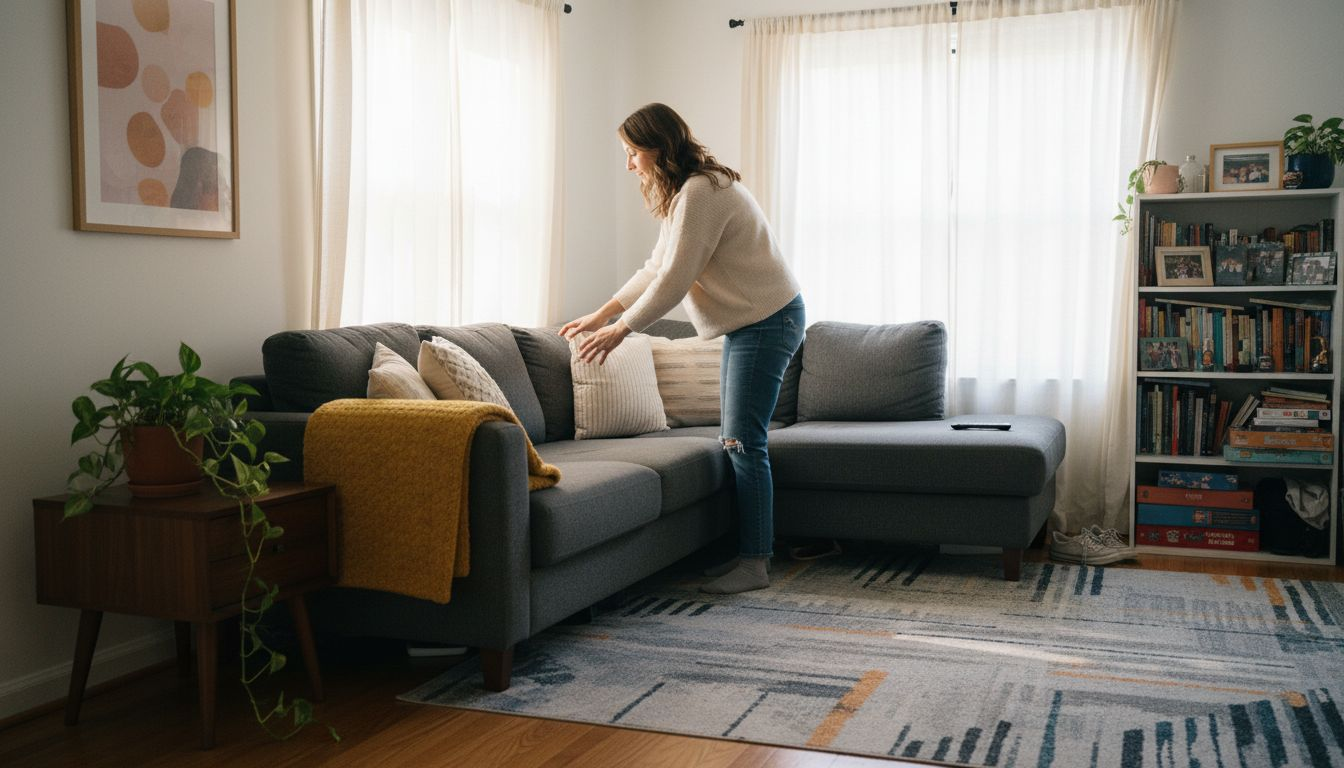
Use colour, texture, and scale to balance visual interest without creating chaos. The 60-30-10 rule provides a helpful framework: allocate 60 per cent of your colour to dominant elements like walls and large furniture, 30 per cent to secondary pieces such as curtains and accent chairs, and 10 per cent to accessories and decorative objects. Texture adds depth, combine smooth surfaces like glass or polished wood with rougher materials such as woven baskets, linen cushions, or wool throws.
Scale prevents accessories from disappearing or overwhelming your space. Large rooms accommodate substantial artwork, oversized vases, and chunky knit blankets, whilst smaller spaces benefit from delicate prints, slender candlesticks, and fine textured fabrics. Group smaller items in odd numbers, three or five pieces create more dynamic arrangements than even numbers.
Place items strategically to avoid clutter and enhance focal points:
- Position artwork at eye level, typically 145 to 152 centimetres from the floor to the centre of the piece
- Layer accessories on surfaces using varying heights, placing taller items behind shorter ones
- Leave negative space, not every surface requires decoration
- Create vignettes by grouping related items, such as books, a small plant, and a decorative object on a side table
- Use mirrors opposite windows to reflect natural light and visually expand space
- Anchor rugs under furniture legs rather than floating them entirely separate from seating groups
Follow this stepwise workflow to add accessories room by room. Start with your most used space to build confidence before tackling less frequented areas. Begin by placing larger decorative elements like mirrors, artwork, and rugs. Next, add mid sized items such as table lamps, vases, and decorative bowls. Finally, incorporate smaller touches like candles, photo frames, and ornamental objects. Step back frequently to assess overall balance, removing anything that feels excessive.
Pro Tip: Use statement pieces sparingly to create impact without overwhelming your space. One bold artwork, distinctive light fixture, or striking sculpture per room provides a focal point whilst allowing other elements to support rather than compete. Too many attention grabbing pieces create visual noise that exhausts rather than energises.
Consider how accessories serve dual purposes. Decorative baskets provide attractive storage, beautiful trays corral remote controls and coasters, and stylish bookends organise reading materials whilst adding personality. This functional approach to accessorising ensures every item earns its place through both beauty and utility.
Common mistakes and how to avoid them
Neglecting ergonomic comfort in furniture choices creates long term dissatisfaction despite initial aesthetic appeal. Poor furniture ergonomics and rushed decorating lead to discomfort and incoherent design, undermining your investment of time and money. Prioritise how furniture feels during extended use, not just how it photographs. A stunning but uncomfortable sofa becomes a daily frustration, whilst a supportive, attractive alternative delivers years of satisfaction.
Avoid overcrowding rooms with excessive items or mismatched styles. More accessories don’t automatically create better decorated spaces, they often generate visual clutter that diminishes impact. Edit ruthlessly, removing pieces that don’t serve a clear purpose or align with your defined style. Mismatched styles can work intentionally through eclectic design, but this requires careful curation rather than random collection. Establish whether you’re creating a cohesive single style room or a deliberately mixed aesthetic, then commit to that vision.
Plan lighting carefully to enhance mood and functionality. Relying solely on overhead fixtures creates harsh, unflattering illumination that flattens your carefully arranged space. Layer lighting through three types: ambient lighting provides overall illumination, task lighting supports specific activities like reading or cooking, and accent lighting highlights architectural features or artwork. Dimmer switches add flexibility, allowing you to adjust atmosphere for different occasions.
Common lighting errors include:
- Installing bulbs with incorrect colour temperatures, creating either clinical or dingy atmospheres
- Positioning lamps too high or low for their intended purpose
- Ignoring natural light patterns when placing furniture and selecting window treatments
- Overlooking the impact of lampshade materials on light quality and distribution
Take time between steps to review progress objectively. Rushing from furniture delivery to full accessorising prevents you from experiencing how each layer affects your space. Live with new furniture for a week before adding accessories, allowing you to understand traffic patterns, identify functional gaps, and refine your vision. This patience prevents impulse purchases that later feel wrong.
“Ergonomic failures in home furniture selection create cumulative strain that affects posture, comfort, and long term wellbeing. Decorating decisions made without considering how bodies interact with spaces daily lead to environments that look appealing but feel fundamentally wrong.”
Learn from others’ experiences by consulting a room makeover process guide that outlines proven sequences and highlights where projects typically derail. Understanding ergonomic decor mistakes helps you avoid repeating them, saving both money and frustration. The most successful decorating projects balance aesthetic ambition with practical realism, creating spaces that genuinely enhance daily living rather than simply impressing visitors.
Discover stylish home decorating solutions at Homable
Transforming your living spaces becomes significantly easier when you have access to quality products and expert inspiration in one place. Homable offers a carefully curated selection of home decor and accessories designed to help you achieve the stylish, functional spaces you’ve been planning. From ergonomic furniture pieces to finishing touches that tie your room together, you’ll find solutions that align with your vision and budget.
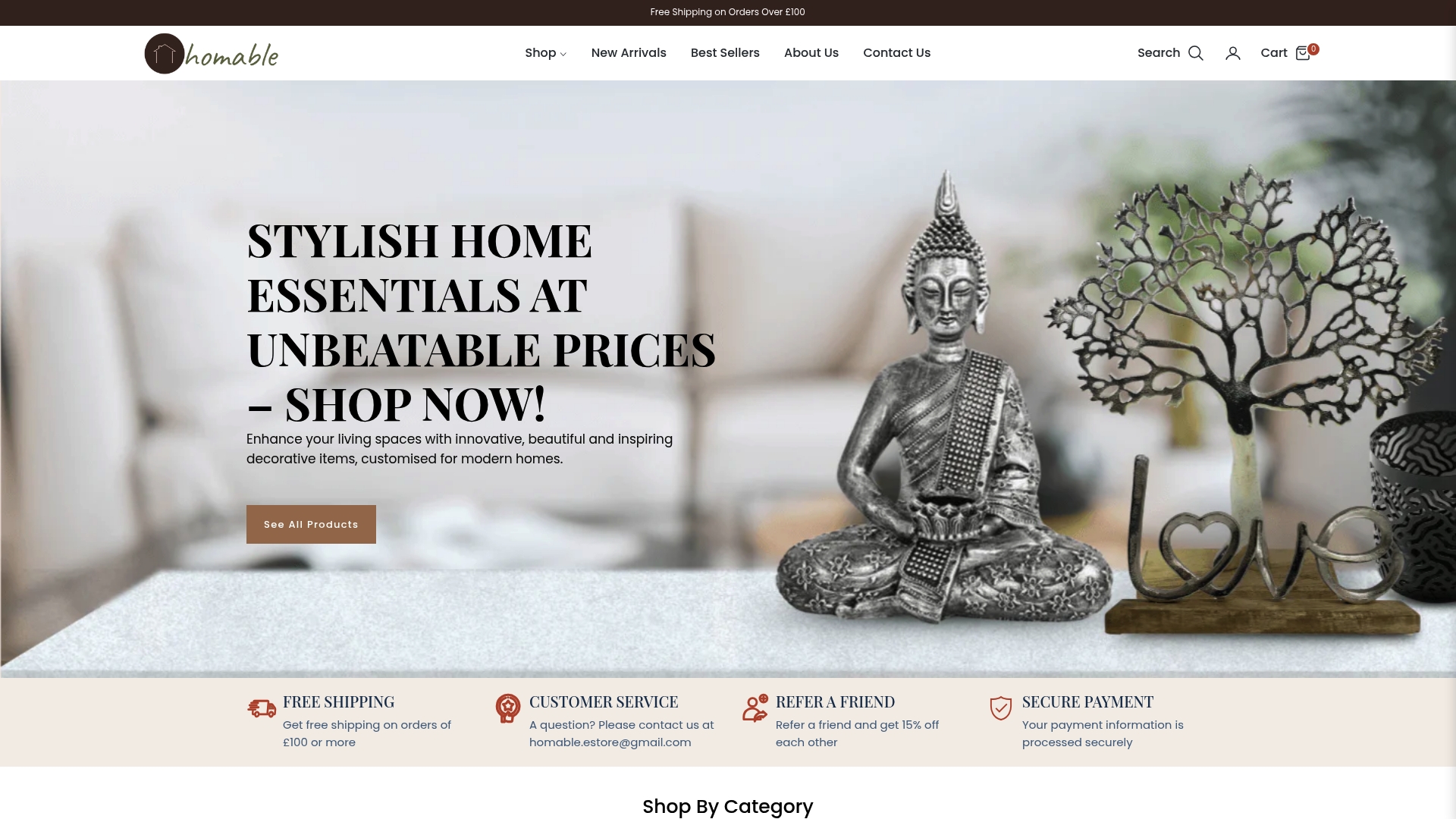
Explore collections organised by room and style, making it simple to find pieces that complement your existing decor or inspire entirely new directions. With free shipping on orders over £100 and secure payment options, creating your dream home has never been more accessible. Visit the Homable homepage today to discover how quality design and affordability combine to support your decorating goals.
FAQ
How do I choose the right style for my home?
Consider your lifestyle, daily routines, and what makes you feel comfortable and energised. If you prefer calm, uncluttered environments, minimalist or Scandinavian styles might suit you, whilst those who love colour and pattern may gravitate towards bohemian or eclectic aesthetics. Explore inspiration galleries, create mood boards with images that resonate, and identify common threads across your favourite spaces. Your chosen style should reflect your personality whilst supporting how you actually live, not just what looks impressive in magazines.
What is the best way to make small rooms look bigger?
Use light colours on walls and large furniture pieces to create an airy, expansive feeling that dark shades can’t match. Incorporate multipurpose furniture like storage ottomans or sofa beds that serve dual functions without cluttering your space. Mirrors positioned opposite windows reflect natural light and create the illusion of additional square metres. Following a decorating small spaces workflow helps you maximise every centimetre whilst maintaining style and functionality.
How can I ensure my furniture is ergonomic?
Look for adjustable heights in chairs and desks, allowing you to customise positions for your body dimensions and preferred working postures. Ergonomically designed furniture supports natural posture and reduces strain during extended use, making these features worth prioritising. Test furniture comfort before purchase whenever possible, sitting for several minutes to assess lumbar support, seat depth, and armrest positioning. Research ergonomic furniture selection principles to understand what features genuinely support your body versus marketing claims that sound impressive but deliver little practical benefit.
How long should a room makeover take?
Most thoughtful room makeovers require two to four weeks from initial planning through final accessorising, though timelines vary based on project scope and product availability. Rushing through decisions often leads to purchases you’ll regret, whilst excessive deliberation can stall progress indefinitely. Establish a realistic timeline with specific milestones, such as completing measurements and style research in week one, ordering furniture in week two, and arranging and accessorising in weeks three and four. Build buffer time for delivery delays or unexpected challenges that inevitably arise during any decorating project.
Should I decorate one room at a time or my whole home simultaneously?
Decorating one room completely before moving to the next builds confidence, allows you to refine your process, and delivers the satisfaction of finished spaces sooner. This approach also spreads costs over time and lets you learn from early mistakes before they multiply across your entire home. However, if you’re establishing a cohesive style throughout, plan your whole home colour palette and major design decisions upfront, then execute room by room. This strategy prevents the disjointed feeling that occurs when each space reflects entirely different aesthetics with no connecting thread.