Cart
0
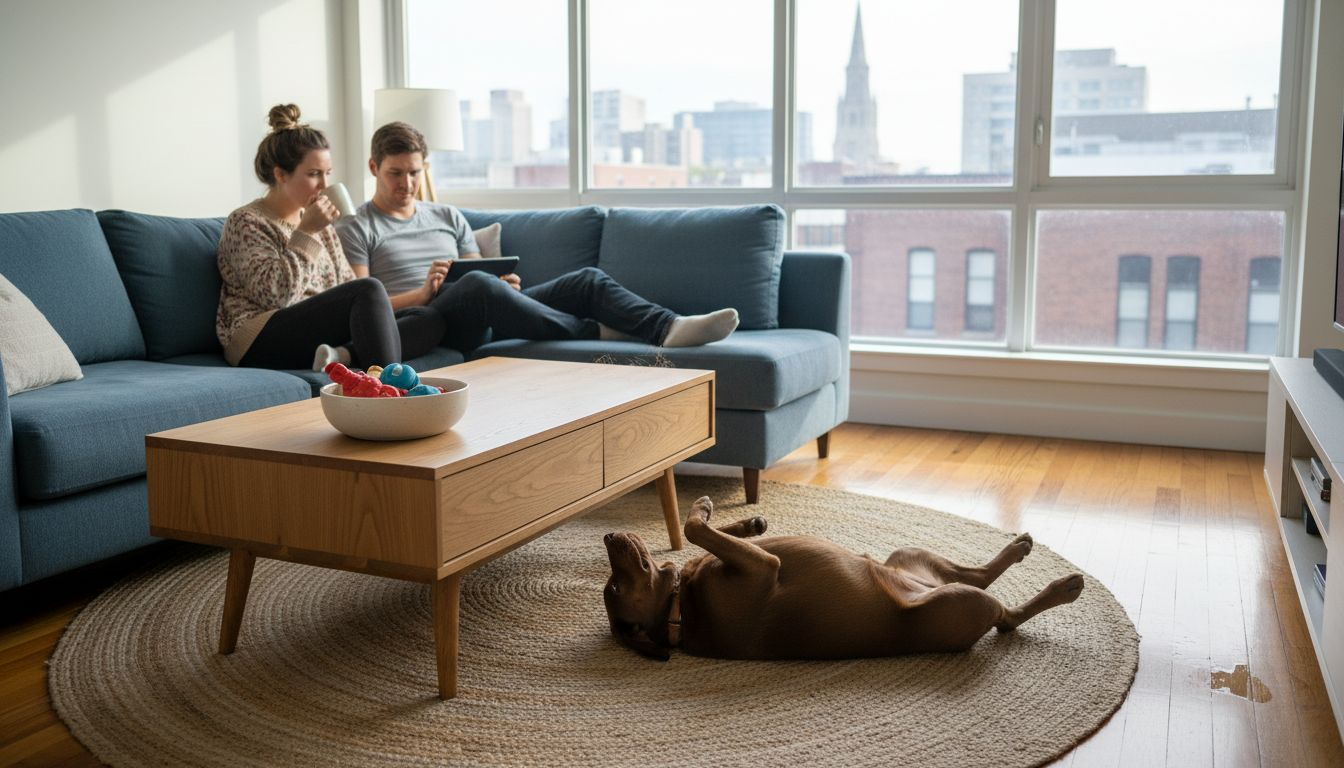
Creating a beautiful home that accommodates your pets can feel like an impossible balance. You want stylish furnishings and elegant accents, yet your furry companions bring muddy paws, shedding fur, and playful energy that can quickly compromise pristine interiors. The good news is that pet-friendly decor doesn’t mean sacrificing aesthetics for function. This guide reveals practical criteria for selecting durable materials, explores decor options that blend beauty with resilience, and provides expert styling techniques to help you achieve a home that delights both you and your pets. Whether you’re redesigning a single room or refreshing your entire space, these insights will transform how you approach interior styling with pets in mind.
Table of Contents
- How To Choose Pet-Friendly Decor: Key Criteria To Consider
- Top Pet-Friendly Decor Options To Blend Beauty With Function
- Comparing Popular Pet-Friendly Materials And Furniture: Pros And Cons
- Styling Tips And Storage Solutions For A Stylish Pet-Friendly Home
- Explore Stylish Home Decor Products Pet Owners Love
- Frequently Asked Questions
Key takeaways
| Point | Details |
|---|---|
| Prioritise durable materials | Select stain-resistant fabrics and sturdy surfaces that withstand daily pet wear whilst maintaining visual appeal |
| Integrate pet essentials stylishly | Use decorative storage and matching textiles to blend pet items seamlessly into your existing decor scheme |
| Compare material options carefully | Evaluate leather, microfibre, and natural fibres based on maintenance needs, pet behaviour, and room function |
| Optimise layout and storage | Create designated pet zones with multifunctional furniture and attractive baskets to keep spaces organised and elegant |
How to choose pet-friendly decor: key criteria to consider
Selecting decor that survives pet life requires evaluating several essential factors before making purchases. Durability and ease of cleaning are top priorities for pet owners, but aesthetic appeal remains equally important for maintaining your home’s character.
Material resilience stands as the foundation of pet-friendly choices. Fabrics must resist scratches, stains, and the constant friction from claws and paws. Tightly woven textiles prevent snags, whilst synthetic blends often outperform delicate natural fibres in high-traffic pet areas. Look for upholstery rated for heavy domestic use, as these specifications indicate superior durability.
Maintenance requirements directly impact your daily life with pets. Surfaces that repel pet hair or allow quick vacuuming save considerable time. Removable, machine-washable covers on cushions and throws provide practical solutions for inevitable accidents. Hard surfaces like sealed wood or tile floors offer easier cleaning than carpets, though strategic rug placement can protect flooring whilst adding warmth.
Colour and pattern selection plays a clever role in camouflaging wear. Medium tones and multi-coloured patterns disguise pet hair and minor stains far better than solid blacks or whites. Textured fabrics hide imperfections more effectively than smooth, glossy finishes.
Safety considerations protect both your pets and your investment:
- Avoid furniture with sharp corners or exposed metal edges that could injure active pets
- Choose non-toxic materials and finishes, particularly for items pets might chew
- Ensure heavy decorative pieces are stable and won’t topple if bumped
- Select pet-safe plants if incorporating greenery into your scheme
Pro Tip: Test fabric samples by rubbing them vigorously with your hand. If fibres pill or snag easily under this simple test, they won’t survive daily pet contact.
Top pet-friendly decor options to blend beauty with function
Translating selection criteria into specific decor choices helps you build a cohesive, pet-ready home. These practical options combine resilience with style, proving that pet-friendly doesn’t mean compromising on design vision.
Textured, low-pile rugs anchor living spaces whilst resisting pet damage better than plush carpets. Natural jute or sisal rugs offer durability and organic texture, though synthetic options provide easier cleaning. Layer washable throws over sofas and chairs for quick refresh options. Absorbent door mats help keep busy pet households clean, trapping dirt and moisture before it spreads throughout your home.
Decorative storage transforms clutter into design features. Woven baskets in natural tones hold pet toys whilst complementing coastal or Scandi aesthetics. Lidded boxes conceal items completely, maintaining clean lines in contemporary spaces. Choose storage pieces that match your existing furniture finish for seamless integration.
Furniture selection requires balancing comfort with practicality:
- Leather sofas and chairs wipe clean easily and develop attractive patina over time
- Microfibre upholstery repels stains and resists pet hair accumulation
- Slipcovered furniture allows complete cover replacement when needed
- Elevated pet beds with washable cushions keep pets comfortable without sacrificing floor space
Designated pet zones prevent your entire home from looking like a pet shop. Create a stylish feeding station using matching bowls on a decorative tray, perhaps atop a washable mat. Style a cosy pet corner with a quality bed, coordinating cushions, and a small side table for treats and grooming supplies. This approach contains pet items whilst making them intentional design elements.
Pet-safe accessories enhance ambience without risk. Sturdy ceramic or metal decorative pieces withstand curious noses better than delicate glass. Wall-mounted shelving displays treasured items safely above pet reach. Choose artificial plants that mimic real greenery if you’re concerned about toxic varieties.
Pro Tip: Photograph your rooms before adding pet items, then use these images as references when selecting pet accessories. This ensures new additions complement rather than clash with your established style.
Comparing popular pet-friendly materials and furniture: pros and cons
Understanding how different materials perform in pet households helps you make informed decisions aligned with your lifestyle and budget. This comparison reveals the trade-offs between aesthetics, maintenance, and durability.
| Material | Durability | Maintenance | Pet Hair Resistance | Cost | Best For |
|---|---|---|---|---|---|
| Leather | High | Easy wipe clean | Excellent | High | Active pets, contemporary styles |
| Microfibre | High | Machine washable | Excellent | Moderate | Families, casual spaces |
| Outdoor Fabric | Very High | Water resistant | Good | Moderate | High-traffic areas |
| Natural Linen | Low | Dry clean only | Poor | High | Low-pet zones, formal rooms |
| Sealed Wood | Very High | Simple cleaning | Excellent | High | Flooring, tables |
Leather furniture is durable and easy to clean but may be less comfortable for some pets, particularly in warm weather when it can feel sticky. However, it develops character through use, with minor scratches often enhancing rather than detracting from appearance. Top-grain leather outperforms bonded leather significantly in pet households.
Microfibre represents exceptional value for pet owners. Its tight weave prevents claws from snagging threads, whilst spills bead on the surface for easy blotting. Pet hair brushes off effortlessly, and most microfibre pieces feature removable covers. The material suits various design styles, from transitional to modern farmhouse.
Outdoor fabrics have migrated indoors thanks to improved aesthetics and performance. Originally designed for garden furniture, these solution-dyed acrylics resist fading, moisture, and stains whilst offering surprising softness. They’re ideal for homes with multiple pets or those in muddy, rainy climates.
Natural fibres like linen and cotton create beautiful, breathable furnishings but struggle in pet environments. Reserve these materials for rooms with limited pet access or decorative pillows you can easily store when pets are active. Their organic texture and drape remain unmatched for certain aesthetic goals.
Wood and metal furniture provides structural durability that soft furnishings can’t match. Sealed hardwood resists scratches better than softwoods, whilst powder-coated metal frames withstand enthusiastic pets. Both require regular dusting but offer longevity that justifies higher initial costs.
Pro Tip: Request fabric samples from retailers and test them at home with your pets for a week. This real-world trial reveals how materials truly perform under your specific conditions.
Styling tips and storage solutions for a stylish pet-friendly home
Effective styling integrates pet necessities so seamlessly that guests might not immediately notice your home accommodates animals. These techniques maintain visual harmony whilst serving practical functions.
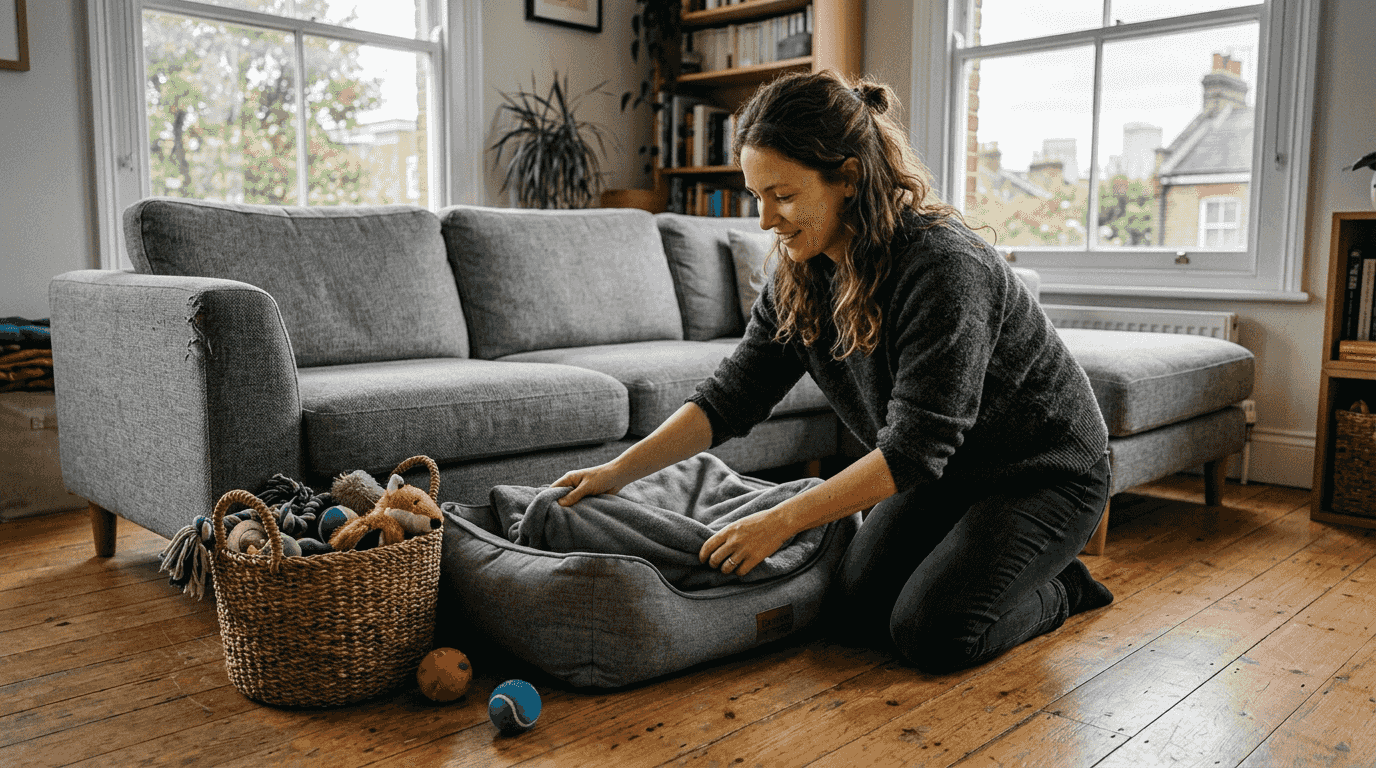
Smart storage solutions help keep pet toys and items organised whilst maintaining stylish living spaces. Decorative baskets become sculptural elements when grouped by size and texture. Place larger baskets near pet play areas for quick toy collection, and smaller versions on shelving for treats and grooming supplies. Woven seagrass or rattan baskets suit natural, relaxed interiors, whilst sleek metal bins complement industrial or minimalist schemes.
Creating a cohesive pet zone requires thoughtful coordination:
- Select a dedicated corner or alcove that receives natural light but isn’t a main thoroughfare
- Choose a pet bed in colours that echo your room’s palette rather than contrasting sharply
- Add a small side table or wall-mounted shelf for pet essentials, keeping them accessible but tidy
- Layer a washable rug under the pet bed to define the zone and protect flooring
- Incorporate a decorative basket or box for toys, positioned within easy reach
- Hang a small piece of artwork or a decorative hook above the area to visually anchor the space
Multifunctional furniture maximises space efficiency in pet households. Ottoman storage benches conceal pet supplies whilst providing extra seating. Console tables with lower shelves display decorative items above whilst housing pet baskets below. Window seats with lift-up lids offer cosy pet perches and hidden storage simultaneously.
Textile coordination prevents pet items from looking like afterthoughts. If your sofa features grey upholstery, select pet bedding in complementary greys or soft blues rather than introducing entirely new colour families. Match throw pillow patterns to pet bed designs, creating visual continuity. Washable slipcovers in the same fabric family allow you to refresh human and pet furniture simultaneously.
Vertical space utilisation keeps precious items safe whilst maintaining display opportunities. Floating shelves showcase decorative objects above pet height. Wall-mounted cabinets store cleaning supplies and pet medications securely. Tall, narrow bookcases provide ample display area with minimal floor footprint, leaving more room for pet movement.
Pro Tip: Photograph your styled pet zones and share them on social media or with friends. This accountability encourages you to maintain the organised, attractive setup rather than letting it devolve into clutter.
Explore stylish home decor products pet owners love
Now that you understand the principles of pet-friendly styling, discovering products that embody these qualities becomes your next step. Homable offers carefully curated home accessories that combine durability with sophisticated design, perfect for pet-friendly households seeking elegance without compromise.
Consider decorative accents that sit safely above pet level, like the silver flower candle holder that adds sculptural interest to shelving or mantels. The abstract silver ornament brings artistic flair to console tables or bookcases, creating focal points that pets can’t disturb. These pieces prove that pet-friendly homes needn’t sacrifice visual sophistication. Explore the full range of stylish, practical accessories at Homable to find pieces that reflect your personal aesthetic whilst standing up to daily pet life.
Frequently asked questions
What types of flooring work best with pets?
Durable floors like tile, vinyl, and sealed hardwood resist scratches from claws whilst allowing easy cleaning of accidents and spills. Luxury vinyl plank offers the appearance of wood with superior water resistance and softer footing for older pets. Use absorbent mats at entrances to trap dirt and moisture before it spreads, protecting your flooring investment whilst maintaining a welcoming aesthetic.
How can I incorporate pet toys stylishly in my home?
Use decorative baskets or stylish storage boxes that complement your existing decor scheme rather than generic plastic bins. Choose toy designs in colours that coordinate with your room palette, and rotate toys seasonally to prevent visual clutter. Woven baskets in natural materials blend seamlessly with most interior styles whilst keeping play items contained and accessible.
What materials should I avoid when decorating with pets?
Avoid delicate fabrics like silk, velvet, or loosely woven textiles prone to snags and difficult stain removal. Steer clear of toxic plants such as lilies, philodendrons, and certain ferns that pose health risks if chewed. Sharp-edged furniture and unstable decorative pieces create injury hazards for active pets. Review family-friendly decor tips for comprehensive guidance on safe material selection.
How often should I clean pet-friendly fabrics?
Vacuum upholstered furniture weekly to prevent pet hair build-up and maintain fabric appearance. Wash removable covers monthly or immediately after accidents, following manufacturer care instructions. Spot-clean spills within minutes using pet-safe cleaners to prevent permanent staining. Professional deep cleaning annually extends fabric life and removes embedded odours that regular maintenance might miss.
Can I have white furniture with pets?
White furniture remains possible with pets if you choose performance fabrics specifically designed for stain resistance and frequent cleaning. Outdoor fabrics in white or cream offer superior durability compared to traditional upholstery. However, medium tones and patterns generally require less maintenance and show wear less obviously. Consider your cleaning commitment and pet behaviour patterns before committing to light colours in high-use areas.