Cart
0
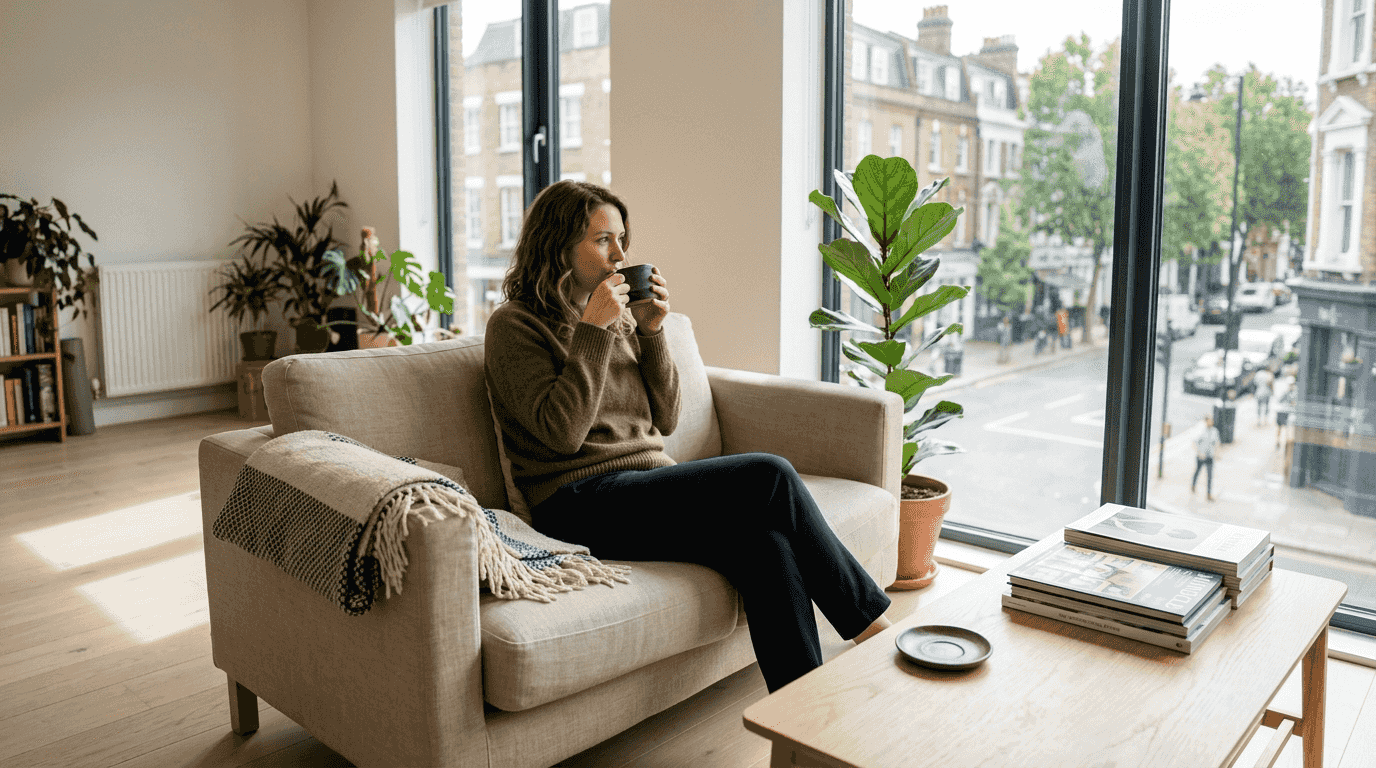
Many people assume minimalist design means stark, empty rooms devoid of personality or warmth. In reality, thoughtful minimalism creates living spaces that enhance both function and mental well-being. This approach prioritises purposeful design choices that reduce clutter, maximise efficiency, and foster calm environments. Modern homeowners increasingly recognise that minimalist principles offer practical solutions for creating homes that feel spacious, organised, and genuinely restorative. By understanding the core benefits of minimalist design, you can transform your living space into a sanctuary that supports your lifestyle whilst reflecting your personal aesthetic. This article explores why minimalist design has become essential for those seeking functional, calming homes.
Table of Contents
- Understanding Minimalist Design Principles
- How Minimalist Design Enhances Functionality In The Home
- The Mental Health And Well-Being Benefits Of Minimalist Design
- Balancing Warmth And Personality In Minimalist Spaces
- Explore Modern Minimalist Design Solutions
- Frequently Asked Questions
Key takeaways
| Point | Details |
|---|---|
| Reduces clutter for focus | Minimalist design improves space efficiency and productivity by eliminating unnecessary items and visual noise. |
| Promotes calm through neutrals | Neutral colour palettes combined with natural light create environments that reduce stress and support mental well-being. |
| Maximises functionality | Multi-functional furniture and integrated storage solutions optimise usability whilst maintaining clean, streamlined aesthetics. |
| Balances simplicity with warmth | Intentional use of natural materials and personal touches prevents sterility, blending minimalism with comfort. |
| Enhances restorative qualities | Biophilic elements like plants and natural materials improve mood and create positive psychological effects. |
Understanding minimalist design principles
Minimalist design rests on a simple philosophy: every element in your home should serve a purpose. The ‘less is more’ philosophy emphasises each item’s purpose, blending practicality with style to create spaces that feel intentional rather than accidental. This approach moves beyond mere aesthetics to fundamentally reshape how we interact with our living environments.
At its core, minimalist design prioritises function above all else, with every object having a clear purpose and place. This doesn’t mean your home must feel clinical or unwelcoming. Instead, it requires thoughtful curation where quality trumps quantity. Rather than filling shelves with decorative objects, you select a few meaningful pieces that genuinely enhance your space.
Key principles include:
- Simplicity in form and colour, using neutral palettes as foundations
- Functional furniture that serves multiple purposes without sacrificing style
- Thoughtful empty space that allows rooms to breathe
- Natural light maximisation through uncluttered windows
- Hidden storage solutions that maintain visual calm
The most common misconception about minimalism is that it creates cold, unwelcoming environments. This misunderstanding stems from confusing minimalism with stark, institutional design. True minimalist spaces feel warm and lived in because they reflect intentional choices rather than random accumulation. You create warmth through texture, natural materials, and carefully selected personal items that tell your story.
“Minimalist design isn’t about emptiness; it’s about creating space for what truly matters whilst eliminating distractions that drain your energy and attention.”
Pro Tip: Start with a neutral base palette of whites, greys, or beiges, then layer in warmth through natural wood tones, linen textiles, and stone accents to prevent your space from feeling sterile whilst maintaining minimalist clarity.
Understanding these principles helps you appreciate how minimalist design modern living approaches create homes that support rather than overwhelm you. The goal isn’t perfection or showroom aesthetics but rather designing spaces that enhance your daily life through thoughtful simplicity.
How minimalist design enhances functionality in the home
Functionality lies at the heart of minimalist design’s appeal for modern homeowners. Minimalist design enhances functionality by prioritising essential elements and reducing clutter, improving space use and productivity by up to 20%. This dramatic improvement stems from eliminating visual noise and physical obstacles that impede efficient movement and task completion.
Decluttering creates immediate functional benefits. When you remove unnecessary items, you gain clearer sightlines, easier navigation, and faster access to things you actually use. This translates to saved time during daily routines and reduced frustration when searching for specific items. Your kitchen becomes more efficient when countertops remain clear, your bedroom promotes better sleep when surfaces stay uncluttered, and your living room facilitates genuine relaxation when visual chaos disappears.
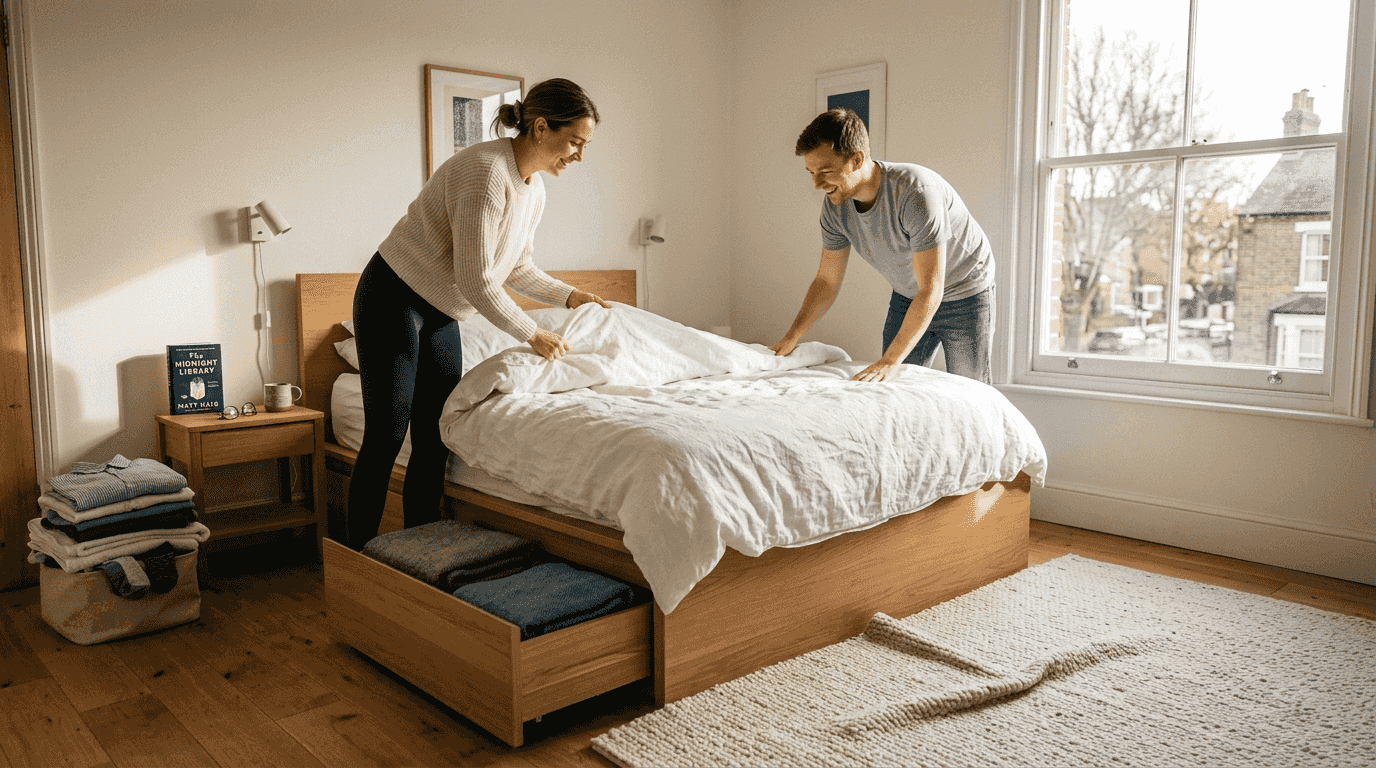
Multi-functional furniture represents one of minimalism’s most practical innovations. Storage beds provide hidden compartments for linens and seasonal clothing, eliminating the need for bulky dressers. Extendable dining tables accommodate guests without permanently consuming floor space. Wall-mounted desks fold away when not in use, transforming home offices into flexible multi-purpose rooms. These solutions prove especially valuable in smaller homes where every square metre matters.
Kitchens and bathrooms benefit enormously from minimalist principles. Handleless units and integrated appliances in kitchens increase counter space by 10 to 15%, providing more room for meal preparation whilst creating seamless visual flow. Concealed storage keeps small appliances and utensils accessible yet invisible, maintaining clean lines that make spaces feel larger. In bathrooms, floating vanities and recessed shelving maximise floor space whilst providing ample storage for toiletries and towels.
| Feature | Traditional Kitchen | Minimalist Kitchen | Space Gain |
|---|---|---|---|
| Cabinet handles | Protruding hardware | Handleless push-open | 5-8cm depth per unit |
| Appliances | Freestanding visible | Integrated concealed | 10-15% counter space |
| Storage | Open shelving clutter | Hidden organised systems | 20% visual clarity |
| Worktop items | Multiple visible tools | Essential items only | 40-50% surface area |
These functional improvements extend beyond physical space to include mental clarity. When your environment contains only what you need and use, decision fatigue decreases. You spend less time maintaining, organising, and managing possessions, freeing mental energy for activities that genuinely matter. This efficiency makes prioritise design and function home approaches increasingly popular among busy professionals and families.
Pro Tip: When selecting furniture, choose pieces that serve at least two purposes, such as ottomans with internal storage, console tables that function as desks, or benches that provide both seating and hidden compartments for shoes or accessories.
The functional advantages of minimalist design compound over time. As you maintain simplified systems, daily routines become smoother, cleaning requires less effort, and your home genuinely supports your lifestyle rather than complicating it.
The mental health and well-being benefits of minimalist design
Beyond physical functionality, minimalist design profoundly impacts psychological well-being. Exposure to natural light and neutral colours reduces stress by 15%, creating calming environments that support mental health. These measurable benefits explain why healthcare facilities, wellness centres, and therapeutic spaces increasingly adopt minimalist principles.
Neutral colour palettes promote psychological calm by reducing visual stimulation. When walls, floors, and major furniture pieces use soft whites, warm greys, or gentle beiges, your nervous system receives fewer competing signals. This allows your mind to rest rather than constantly processing colour contrasts and patterns. Natural light amplifies these effects by regulating circadian rhythms, improving sleep quality, and boosting mood through increased serotonin production.
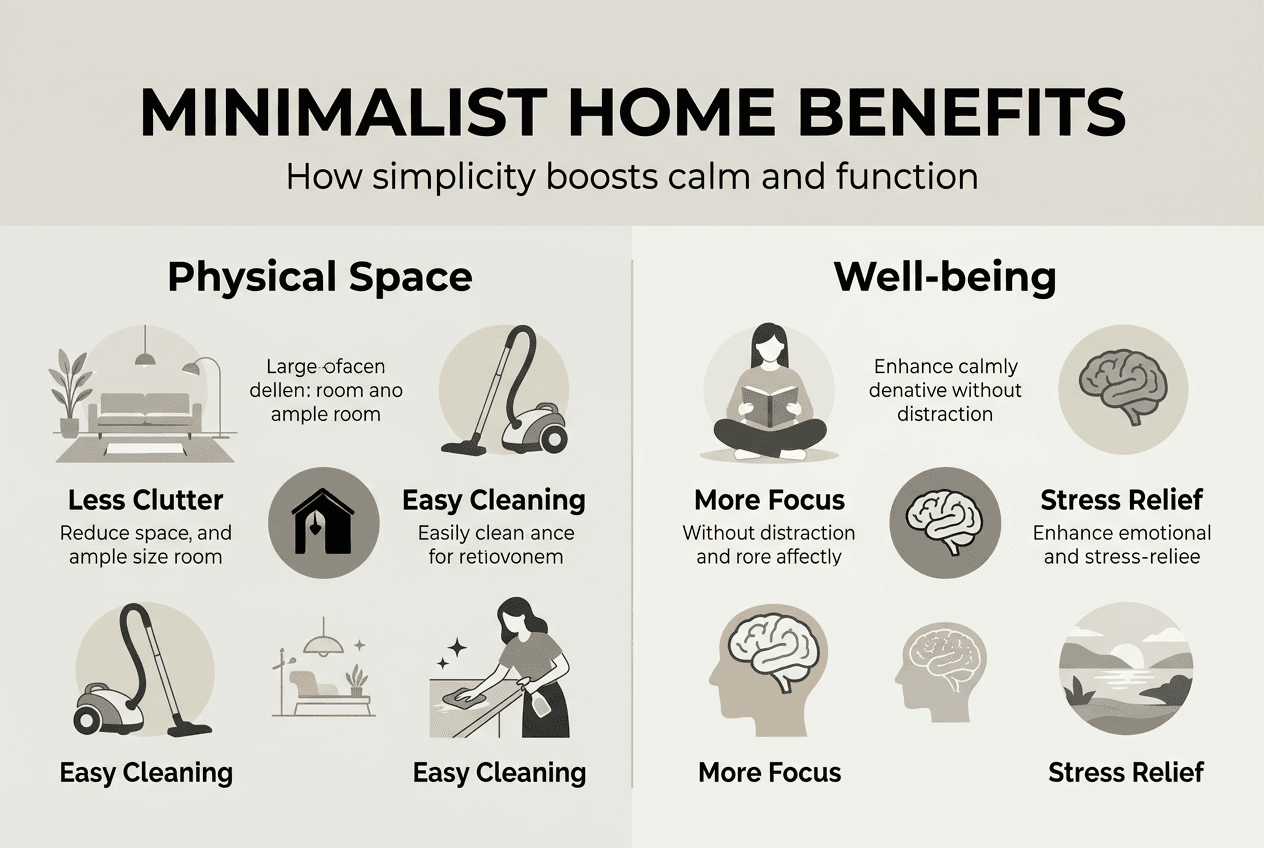
Biophilic design elements enhance minimalist spaces’ restorative qualities. Minimalist layouts with biophilic elements reduce stress by 22 to 35% and improve cognitive focus. Incorporating plants, natural wood, stone surfaces, and organic textiles creates connections to nature that humans instinctively find soothing. These elements provide visual interest and textural variety without creating clutter or overwhelming simplicity.
Key psychological benefits include:
- Reduced cognitive load from decreased visual complexity
- Lower cortisol levels due to organised, predictable environments
- Enhanced focus and concentration in uncluttered spaces
- Improved mood through increased natural light exposure
- Better sleep quality in simplified, calm bedrooms
- Reduced anxiety from knowing where everything belongs
The relationship between physical environment and mental state operates continuously. When your surroundings feel chaotic, your thoughts often mirror that disorder. Conversely, organised, simplified spaces promote mental clarity and emotional stability. This doesn’t require perfection but rather maintaining intentional order that supports rather than stresses you.
“Minimalist environments create psychological breathing room, allowing your mind to process thoughts and emotions without constant environmental demands competing for attention.”
These benefits extend to all household members. Children often focus better on homework in uncluttered spaces. Adults experience less overwhelm when returning home to organised environments. Even pets seem calmer in simplified homes with clear pathways and designated areas. The cumulative effect creates households where everyone feels more relaxed and present.
Exploring examples of minimalist design for homes reveals how different families implement these principles whilst maintaining their unique character. The key lies in recognising that mental well-being improvements come not from rigid rules but from thoughtful design choices that reduce environmental stressors.
Balancing warmth and personality in minimalist spaces
The evolution towards warm minimalism addresses concerns about sterile, impersonal spaces. Warm minimalism uses honest natural materials and textures to create a calm yet lived-in feel. This approach maintains minimalist clarity whilst incorporating elements that make spaces genuinely inviting and comfortable.
Stark minimalism relies heavily on white surfaces, sharp angles, and industrial materials like concrete and steel. Whilst visually striking, this aesthetic can feel unwelcoming for daily living. Warm minimalism softens these elements through natural wood tones, soft textiles, and organic shapes. Oak floors, linen curtains, wool rugs, and rattan accents add warmth without sacrificing simplicity. These materials bring tactile richness that makes spaces feel inhabited rather than staged.
Personalisation plays a crucial role in preventing minimalist spaces from feeling generic. Minimalist design evolving from stark aesthetics to more personal, story-driven interiors reflects growing recognition that homes should reflect inhabitants’ lives and values. Display meaningful objects like family photographs, travel souvenirs, or handmade ceramics in curated vignettes rather than cluttered collections. Each item should earn its place through personal significance or aesthetic contribution.
| Design Element | Stark Minimalist | Warm Minimalist |
|---|---|---|
| Colour palette | Pure white, black, grey | Warm whites, beiges, soft greys |
| Materials | Concrete, steel, glass | Wood, linen, wool, stone |
| Textures | Smooth, uniform surfaces | Layered, varied tactile elements |
| Lighting | Bright, clinical | Warm, layered, dimmable |
| Personal items | Completely hidden | Selectively displayed |
| Overall feel | Gallery-like, impersonal | Comfortable, lived-in |
Layering textures prevents monotony whilst maintaining visual simplicity. Combine smooth leather with chunky knit throws, polished wood with rough stone, or sleek metal with soft velvet. These contrasts create visual interest through tactile variety rather than colour or pattern complexity. The result feels sophisticated yet approachable, refined yet comfortable.
Lighting dramatically affects warmth perception. Replace harsh overhead lighting with layered sources including table lamps, floor lamps, and wall sconces. Choose warm-toned bulbs (2700-3000K) that mimic natural evening light. Dimmer switches allow you to adjust brightness for different activities and moods, creating flexibility within minimalist frameworks.
Pro Tip: Follow the rule of three when displaying personal items: group objects in odd numbers (three, five, seven) at varying heights to create visually pleasing arrangements that feel intentional rather than cluttered or sparse.
Implementing these principles becomes easier when you explore resources like tips for styling small spaces stylishly and modern home styling steps guide. These guides demonstrate how to maintain minimalist benefits whilst creating spaces that genuinely feel like home.
The balance between simplicity and warmth requires ongoing adjustment as your life changes. Seasonal rotations of textiles, strategic additions of meaningful objects, and periodic reassessment of what serves you ensure your minimalist home evolves without losing its calming, functional core.
Explore modern minimalist design solutions
Applying these minimalist principles to your own home becomes more manageable with expert guidance and curated inspiration. Homable home styling resources offer practical frameworks for implementing minimalist design whilst maintaining warmth and personality. Whether you’re redesigning a single room or transforming your entire home, accessing proven strategies helps you avoid common pitfalls and achieve results that genuinely enhance your daily life.
Discover comprehensive guides that walk you through each stage of creating minimalist spaces tailored to your specific needs. From selecting multi-functional furniture to choosing colour palettes that promote calm, these resources translate minimalist theory into actionable steps. Browse inspiring minimalist design examples that demonstrate how different homeowners balance simplicity with personal style across various room types and home sizes. Explore small space styling tips that maximise functionality without sacrificing aesthetics, proving that minimalist principles work beautifully regardless of square metreage.
Frequently asked questions
Why is minimalist design so popular among modern homeowners?
Minimalist design addresses contemporary lifestyle challenges including limited space, overwhelming possessions, and constant visual stimulation. It provides practical solutions for creating calm, organised homes that support mental well-being whilst maximising functionality. Modern homeowners appreciate how minimalism reduces maintenance demands, lowers stress, and creates flexible spaces that adapt to changing needs. The aesthetic also photographs beautifully, aligning with social media trends whilst delivering genuine daily benefits beyond visual appeal.
How can I prevent my minimalist home from feeling cold or impersonal?
Incorporate natural materials like wood, stone, and linen to add warmth and texture without creating clutter. Display meaningful personal items in curated arrangements rather than hiding everything away. Use warm lighting with dimmable options to create inviting atmospheres. Layer textiles through rugs, throws, and cushions in neutral tones that complement your palette. Explore tips for styling small spaces stylishly for specific techniques that balance simplicity with comfort.
Is minimalist design suitable for small homes or apartments?
Minimalist design proves especially beneficial for compact spaces by reducing clutter and improving flow, making rooms feel larger and more functional. Multi-purpose furniture maximises utility without consuming excessive floor space. Simplified colour schemes and strategic storage solutions create visual continuity that expands perceived dimensions. The approach helps small homes avoid feeling cramped or chaotic by ensuring every item serves a clear purpose. Review small space styling tips for specific strategies tailored to apartments and compact homes.
What role does biophilic design play in minimalist interiors?
Biophilic design incorporates plants and natural materials that reduce stress and enhance mood through connections to nature. Minimalist spaces use greenery strategically to improve restorative qualities without creating visual clutter. Plants purify air, soften hard surfaces, and add organic shapes that contrast beautifully with minimalist geometry. Natural wood, stone, and organic textiles further strengthen these biophilic connections, creating environments that feel simultaneously simplified and deeply connected to the natural world.