Cart
0
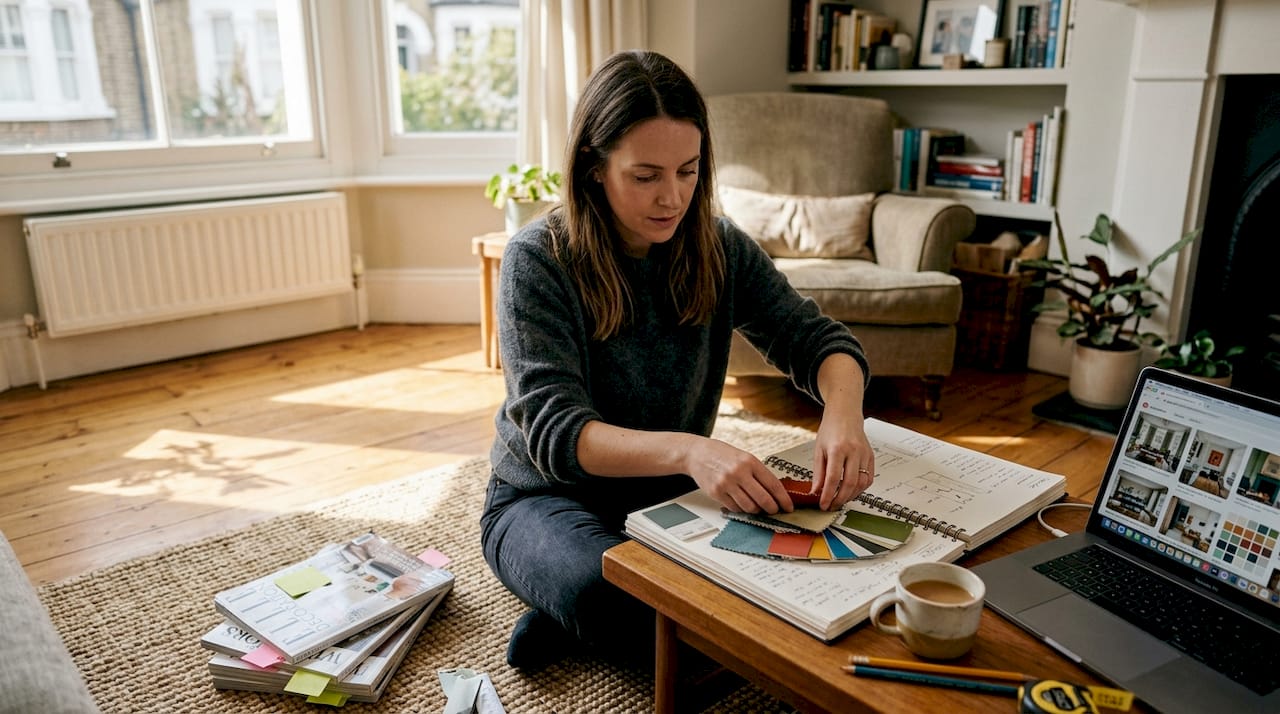
Moodboards are often dismissed as artistic extras or Pinterest boards with no real purpose, yet they are powerful design tools that translate abstract ideas into concrete plans. For homeowners and interior design enthusiasts, moodboards clarify vision, prevent costly mistakes, and streamline communication with collaborators. They capture style, colour, texture, and atmosphere in a single visual reference, acting as a blueprint before you invest in furniture, paint, or accessories. This guide explores how moodboards save time and money, boost creativity, and transform your home design process into a structured, confident journey.
Table of Contents
- Key takeaways
- What moodboards are and why they matter in home design
- How moodboards save time, money, and prevent design mistakes
- Creating effective moodboards: balancing creativity and clarity
- Advanced moodboard techniques: combining with photos, AI, and multiple options
- Bring your moodboard vision to life with Homable
- Frequently asked questions
Key Takeaways
| Point | Details |
|---|---|
| Time and cost savings | Moodboards help test ideas early and prevent purchases that do not fit the overall vision, reducing wasted time and money. |
| Prevent design mistakes | They reveal clashes between colours, textures, or styles before buying, keeping furnishings cohesive. |
| Boosts creativity with constraints | Using clear constraints can guide moodboard exploration and generate more focused, original ideas. |
| Enhances communication visually | Moodboards provide a single visual reference that translates ideas for designers, clients and family, minimising miscommunication. |
What moodboards are and why they matter in home design
A moodboard is a visual collage that consolidates style elements like colours, textures, materials, patterns, and atmospheric references into a single reference point. Moodboards serve as visual collages that capture style, colours, textures, materials, and atmosphere, acting as a blueprint to translate abstract ideas into tangible design plans for interior spaces. Unlike technical floor plans or detailed renderings, moodboards communicate the emotional vibe and aesthetic direction of a space. They bridge the gap between your imagination and the physical reality of your home.
For homeowners, moodboards concretise vision before you commit resources. You might have a feeling about wanting a cosy living room or a vibrant kitchen, but translating that feeling into specific paint colours, fabric choices, and furniture styles can be daunting. A moodboard organises these elements visually, allowing you to test combinations and spot clashes before purchasing. It becomes a shared reference point when working with interior designers, contractors, or family members, ensuring everyone interprets the vision the same way.
Moodboards also help you communicate atmosphere and vibe better than words alone. Describing a space as modern, warm, or eclectic leaves room for vastly different interpretations. A moodboard eliminates ambiguity by showing exactly what modern means to you through images, colour swatches, and material samples. This clarity forms the foundation for every subsequent design decision, from selecting light fixtures to choosing cushion covers. For those following a modern home decorating workflow guide, moodboards are the essential first step that informs all others.
Key reasons moodboards matter:
- They consolidate inspiration into a single, actionable reference
- They reveal potential clashes between colours, textures, or styles early
- They provide a visual language that transcends subjective descriptions
- They build confidence in design choices before financial commitment
- They serve as a blueprint for shopping, guiding purchases towards a cohesive outcome
Pro Tip: Start your moodboard with one anchor piece, such as a favourite rug or artwork, then build colours and textures around it to maintain cohesion.
How moodboards save time, money, and prevent design mistakes
Moodboards mitigate risks by clarifying aesthetic goals early in the design process. When you visualise the entire scheme before buying anything, you avoid purchasing items that do not fit the overall vision. This prevents the common mistake of accumulating mismatched furniture or accessories that seemed appealing in isolation but clash when placed together. Benefits include saving time and money by preventing mistakes, aligning client and designer expectations, reducing revisions, and communicating vibe better than words or 3D plans alone.
Time savings come from reducing the back-and-forth typically involved in design decisions. Without a moodboard, homeowners often describe their vision verbally, leading to misunderstandings and multiple revisions. A visual reference eliminates this ambiguity, allowing collaborators to grasp the intent immediately. For those managing their own projects, moodboards streamline shopping by providing a clear checklist of colours, materials, and styles to seek out, reducing aimless browsing and impulse purchases.
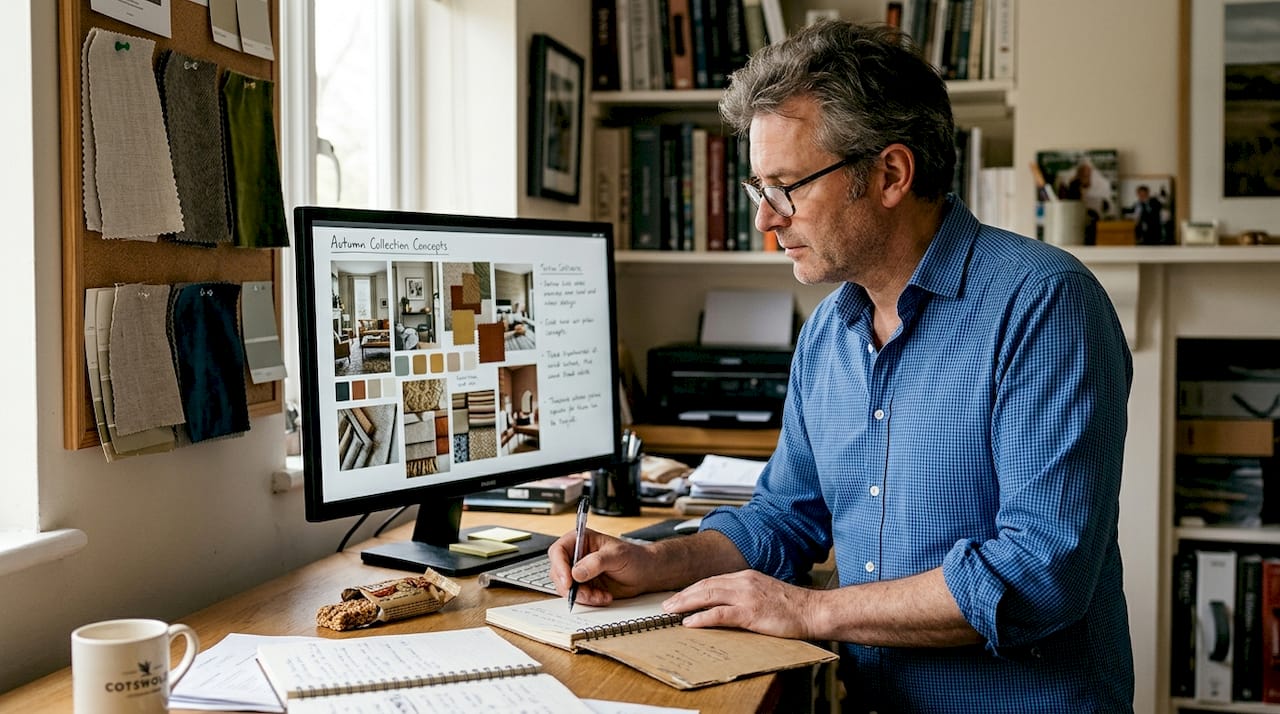
Financial benefits are equally significant. Design mistakes are expensive, whether it is repainting walls, returning furniture, or replacing accessories. Moodboards help you test combinations virtually, spotting potential issues before committing funds. They also prevent scope creep, where projects expand beyond the original budget due to unclear goals. By defining the aesthetic upfront, you maintain focus and avoid costly detours. This is especially valuable when following a modern home styling steps guide, where each phase builds on the previous one.
Moodboards also enhance communication with professionals. Interior designers, decorators, and contractors can interpret a moodboard far more accurately than a verbal brief. This reduces the risk of delivering results that do not match your expectations, saving both parties time and frustration. For homeowners working with multiple tradespeople, a moodboard ensures consistency across different aspects of the project, from paint colours to fixture finishes.
Key ways moodboards save resources:
- Prevent mismatched purchases by revealing clashes before buying
- Reduce revision cycles by establishing clear visual goals upfront
- Streamline shopping by providing a focused reference for colours and styles
- Maintain budget discipline by defining scope and preventing scope creep
- Improve collaboration by offering a shared visual language for all stakeholders
Pro Tip: Create a digital moodboard you can access on your phone while shopping, ensuring every purchase aligns with your vision in real time.
Creating effective moodboards: balancing creativity and clarity
Effective moodboards prioritise emotional atmosphere over fleeting style trends. Rather than chasing the latest design fad, focus on how you want the space to feel. Do you want your bedroom to feel serene and restful, or energising and vibrant? This emotional foundation guides every element you add to the moodboard, from colour palettes to texture choices. Focus on emotion over trends, avoid clutter, overcrowding, and scale ignorance, and recognise that moderate constraints boost creativity.
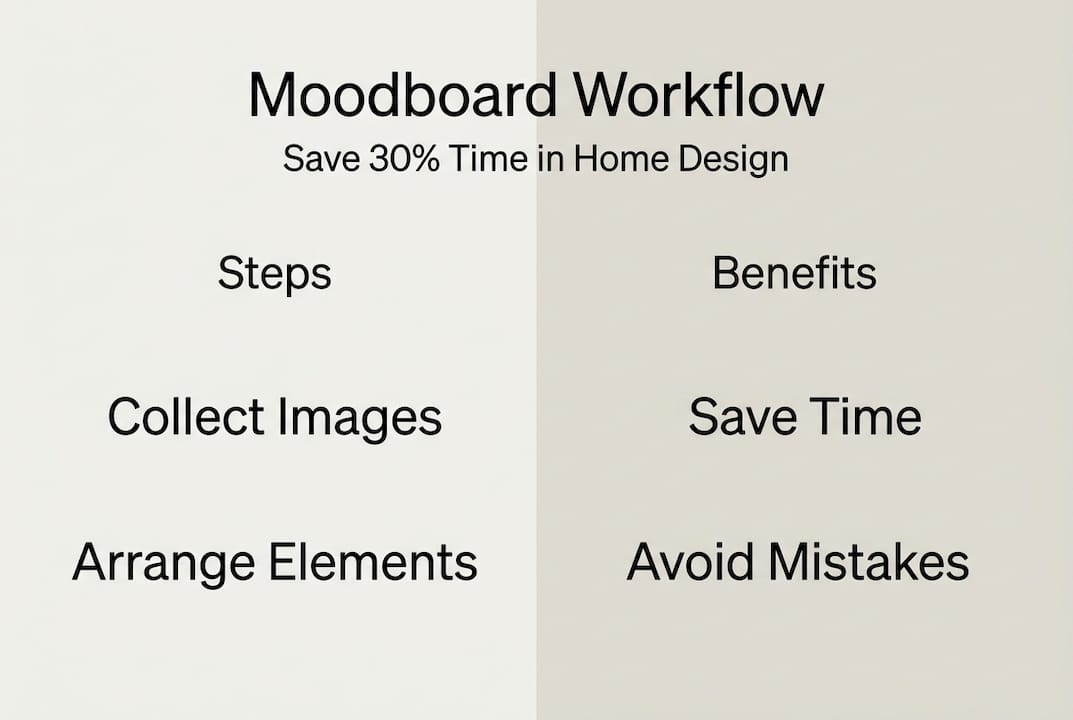
Keeping moodboards concise prevents overwhelming yourself and others. A common mistake is adding too many images, swatches, and samples, which dilutes the core message and makes it harder to identify the unifying theme. Aim for a curated selection that captures the essence without redundancy. Each element should serve a purpose, whether illustrating a colour scheme, showcasing a texture, or demonstrating a furniture style. If an image does not add new information or reinforce the vision, remove it.
Scale and proportion matter when selecting images for your moodboard. A close-up of a fabric texture provides different information than a wide shot of a furnished room. Including both perspectives helps you understand how individual elements will look in context. Ignoring scale can lead to surprises when small samples translate differently at full size, such as a bold pattern that overwhelms a room when applied to curtains or wallpaper.
Moderate design constraints often spark more original ideas than complete freedom. Setting boundaries, such as a specific colour palette or material theme, forces you to think creatively within those limits. This approach prevents decision paralysis and encourages innovative combinations you might not have considered otherwise. For example, restricting yourself to natural materials like wood, linen, and stone can lead to a cohesive, organic aesthetic that feels intentional rather than random. Exploring colour psychology home decor can help you establish these constraints thoughtfully.
Key principles for effective moodboards:
- Prioritise emotional atmosphere over trendy aesthetics
- Curate ruthlessly, keeping only images that add unique value
- Include varied scales to understand both detail and overall context
- Set moderate constraints to channel creativity productively
- Establish clear visual hierarchy so the most important elements stand out
Pro Tip: Arrange your moodboard with the dominant colour or texture in the centre, then radiate supporting elements outward to create intuitive visual flow.
Advanced moodboard techniques: combining with photos, AI, and multiple options
Using photos of your actual rooms improves practical context and scale understanding. Generic inspiration images are useful for capturing style, but overlaying your vision onto photos of your existing space reveals how new elements will interact with current features like windows, flooring, and architectural details. This technique prevents the disconnect between idealised moodboards and real-world limitations, ensuring your design is achievable within your specific space.
Artificial intelligence renderings help visualise the final space realistically. AI tools can take your moodboard elements and generate photorealistic images of how they might look together in a furnished room. This bridges the gap between abstract collage and concrete outcome, building confidence in your design choices. Pairing moodboards with room photos or AI renders enhances realism, and physical moodboards aid in assessing textures and light reflection.
Creating multi-option moodboards provides flexibility and encourages exploration. Rather than committing to a single vision immediately, develop two or three alternative boards that explore different directions. This approach is particularly valuable when you are torn between styles or when collaborating with others who have differing preferences. Presenting options allows for comparative evaluation, making it easier to identify which direction resonates most strongly.
Physical moodboards offer advantages for assessing textures and light reflection. While digital boards are convenient, they cannot fully convey how fabrics feel or how finishes respond to natural light. Creating a physical board with actual fabric swatches, paint samples, and material chips allows you to test these qualities in your space at different times of day. This tactile dimension is especially important for materials like velvet, linen, or metallic finishes, where texture and light interaction are critical to the overall effect.
For small or rental spaces, moodboards prevent clutter by helping you focus visual priorities. When square footage is limited, every design decision carries more weight. A moodboard helps you identify which elements are essential and which can be simplified or eliminated. This is particularly useful when following a decorating small spaces workflow stylish homes approach, where maximising functionality without sacrificing style is paramount.
| Technique | Best Use Case | Key Advantage |
|---|---|---|
| Room photo overlay | Existing spaces with fixed features | Reveals practical constraints and scale |
| AI rendering | Visualising complete transformations | Builds confidence with realistic previews |
| Multi-option boards | Exploring different style directions | Enables comparative evaluation before commitment |
| Physical samples | Assessing texture and light interaction | Provides tactile and visual accuracy |
| Simplified boards for small spaces | Rentals or limited square footage | Prevents clutter and maintains focus |
Bring your moodboard vision to life with Homable
You have explored how moodboards clarify design direction, prevent costly mistakes, and boost creativity through structured inspiration. Now it is time to translate that vision into reality with carefully selected pieces that reflect your aesthetic. At Homable, we specialise in stylish, functional home accessories that align with modern design sensibilities, from statement ornaments and textured rugs to versatile storage solutions and curated decorative accents.
Whether your moodboard leans towards minimalist elegance, vibrant eclecticism, or cosy natural textures, our collections offer the building blocks to execute your vision confidently. Browse our curated selections to find pieces that match your colour palette, material preferences, and spatial requirements. With free shipping on orders over £100 and a focus on quality and affordability, Homable makes it easy to transform your moodboard into a beautifully styled home. Explore our best sellers and new arrivals to discover accessories that bring your design ideas to life.
Frequently asked questions
What is the main difference between a moodboard and a style guide?
Moodboards are visual collages capturing inspiration, atmosphere, and aesthetic direction for a specific project or space. Style guides, in contrast, establish consistent rules and standards for brand identity or interior design across multiple projects. Moodboards explore possibilities and set emotional tone, whilst style guides codify decisions into repeatable frameworks. Both serve complementary purposes, with moodboards often informing the creation of style guides.
How many images should I include in a moodboard for clarity?
Aim for 10 to 20 carefully chosen visuals to maintain clarity without overwhelming viewers. Too many images dilute the core message and make it difficult to identify unifying themes. Each image should add unique value, whether illustrating colour, texture, furniture style, or spatial layout. Quality and relevance matter far more than quantity, so curate ruthlessly and remove anything that does not reinforce your vision.
Can moodboards help in small or rental home design?
Moodboards are essential for small or rental spaces as they focus visual priorities and prevent clutter. They help avoid clutter and maximise creativity by testing multiple layout options without costly trial and error. In limited square footage, every design choice has amplified impact, making upfront planning through moodboards invaluable. They also help renters identify temporary, non-permanent solutions that align with their aesthetic, ensuring cohesion within the constraints of leased properties. For practical guidance, explore our decorating small spaces workflow stylish homes resource.
Should I create digital or physical moodboards?
Both formats offer distinct advantages, and many designers use a combination. Digital moodboards are convenient for sharing, editing, and accessing on mobile devices whilst shopping. Physical moodboards excel at conveying texture, material quality, and light interaction, which digital screens cannot fully replicate. Start with a digital board for ease and flexibility, then create a physical version with actual samples for final texture and colour verification in your space.
How often should I update my moodboard during a project?
Moodboards should evolve as your project progresses and new information emerges. Update your board when you discover better options, encounter practical constraints, or refine your vision based on seeing samples in your actual space. However, avoid constant changes that prevent progress or create decision paralysis. Treat your moodboard as a living document that guides rather than restricts, allowing for thoughtful evolution whilst maintaining core aesthetic direction.
Recommended
- Modern Home Decorating Workflow for Effortless Style – Homable
- Creative Storage Solutions 2026: Boost Space by 35% – Homable
- Room-Specific Décor: 30% Boost in Wellbeing & Style – Homable
- Modern Home Styling Steps for a Stunning Look – Homable
- Why personalize your home for comfort and style in 2026 – New Way Ref