Cart
0
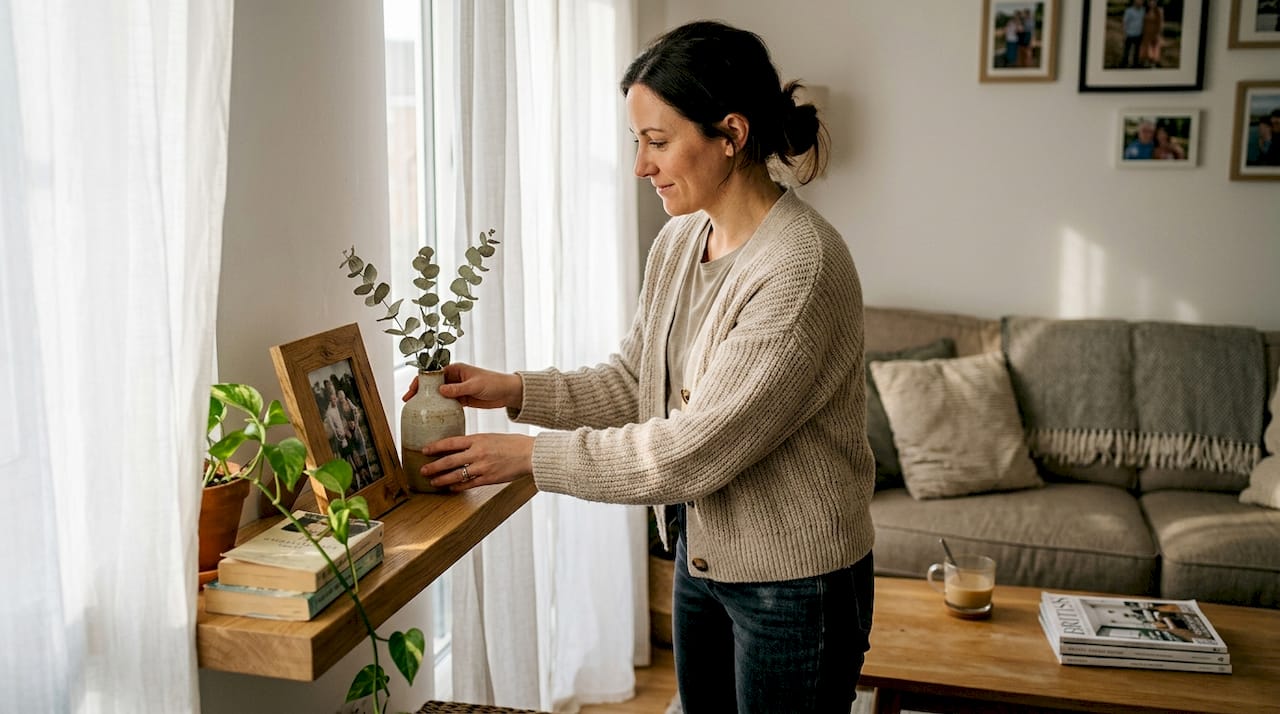
Most people assume a gift’s value lies in how useful it is, whether it solves a problem or fills a practical need. Yet this overlooks something far more powerful: design. When you choose gifts that prioritise thoughtful aesthetics, you create emotional connections and transform everyday spaces into places people genuinely love. This article explores why design matters in gifting, how it enhances home environments, and practical ways to select memorable, stylish presents that elevate both mood and decor.
Table of Contents
- Key takeaways
- Why design matters in gifts: emotional connection and lasting memories
- How stylish design enhances home aesthetics and well-being
- Choosing thoughtful design gifts: comparison of styles and purposes
- Making design a priority in your gifting strategy
- Explore stylish gifts and design advice at Homable
- Frequently asked questions
Key Takeaways
| Point | Details |
|---|---|
| Design focused gifts | Prioritising thoughtful aesthetics in gifts deepens emotional connections and makes spaces feel more like home. |
| Emotional connection through design | Personalised items signal care and transform ordinary objects into daily reminders of thoughtful giving. |
| Personalisation boosts memory | Personalisation helps create lasting memories and a sense of belonging. |
| Aesthetic gifts boost wellbeing | Well designed gifts brighten mood and reduce stress by enriching daily environments. |
Why design matters in gifts: emotional connection and lasting memories
When you give someone a beautifully designed item for their home, you’re not just handing over an object. You’re offering a piece that reflects their personality, honours their space, and becomes part of their daily life. This emotional layer is what separates memorable gifts from forgettable ones. Research shows over 70% of homeowners feel more emotionally connected to spaces featuring personalised decor, proving that custom design choices create lasting memories and deeper attachment.
Personalisation is the key to unlocking this emotional resonance. A cushion embroidered with a meaningful date, framed art that captures a shared experience, or ceramics in colours the recipient adores all signal that you’ve thought carefully about what they value. These items don’t just sit on shelves; they prompt stories, spark joy during everyday moments, and remind recipients of your thoughtfulness each time they see them. Understanding how to personalise home gifts can transform your approach to selecting presents that truly resonate.
Consider the difference between generic decor and items chosen with intention. Generic pieces may fill space, but personalised design creates focal points that reflect identity. When someone walks into a room and sees a custom piece that speaks to their taste, it reinforces their sense of belonging and comfort. This is why personalise your space matters so profoundly for well-being and satisfaction.
Pro Tip: Pair personalised gifts with a handwritten note explaining your design choice. This doubles the emotional impact by connecting the visual beauty to a personal story.
Here are gift types that strengthen emotional bonds through design:
- Custom cushions featuring names, dates, or meaningful quotes
- Framed art prints reflecting shared memories or favourite places
- Engraved wooden items like serving boards or photo frames
- Bespoke ceramics in colours that match the recipient’s palette
“The best gifts are those that make a house feel like home, creating visual reminders of love and care every single day.”
When design takes priority, gifts become more than possessions. They transform into anchors of memory and emotion, elevating the recipient’s connection to their living space in ways purely functional items never could.
How stylish design enhances home aesthetics and well-being
A thoughtfully designed gift doesn’t just look good; it actively improves how someone feels in their home. Spaces filled with greenery and thoughtful decor are more restorative and less monotonous, directly boosting mood and reducing stress. This psychological benefit makes design-focused gifts far more valuable than their price tags suggest.
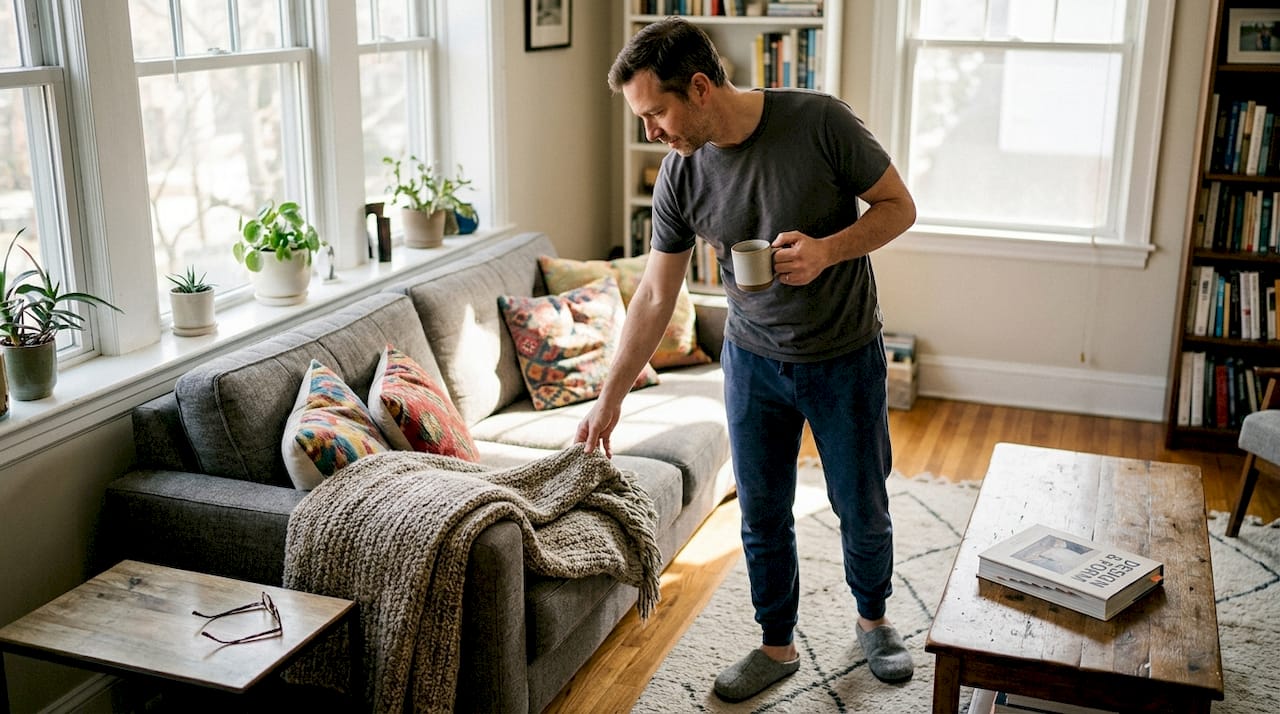
When you choose gifts with strong aesthetic qualities, you’re essentially giving someone a daily mood boost. A textured throw draped over a sofa adds warmth and visual interest. A plant in a stylish pot brings life and colour to a corner that felt flat. These elements work together to create environments that feel intentional, curated, and genuinely pleasant to inhabit. Exploring curated home decor explained can help you understand how individual pieces contribute to cohesive, uplifting spaces.
The table below shows how specific design elements in gifts translate to tangible well-being benefits:
| Design element | Well-being benefit | Example gift |
|---|---|---|
| Natural textures | Adds warmth and tactile comfort | Woven baskets, linen cushions |
| Greenery | Reduces stress, improves air quality | Potted plants, hanging planters |
| Colour accents | Lifts mood, breaks visual monotony | Vibrant vases, patterned throws |
| Light-enhancing accessories | Creates ambience, improves energy | Mirrors, metallic candle holders |
These elements work because they engage multiple senses and introduce variety into daily routines. A room that looks the same month after month can feel stale, but adding a single well-designed piece refreshes the entire atmosphere. For specific ideas, check out bedroom decor ideas for gift buyers to see how targeted design choices transform personal spaces.
Pro Tip: Choose gifts with natural materials like wood, stone, or cotton. These textures feel grounding and timeless, ensuring your gift remains relevant as trends shift.
Top design elements that uplift interiors:
- Natural textures that add depth and warmth
- Plants that bring life and freshness to any room
- Harmonious colours that complement existing palettes | Light-enhancing accessories that brighten and open up spaces
By prioritising stylish design, you give gifts that actively contribute to healthier, happier living environments, proving that beauty and function aren’t mutually exclusive.
Choosing thoughtful design gifts: comparison of styles and purposes
Selecting the right design-focused gift requires understanding both the recipient’s style and the practical role the item will play in their home. Not every beautifully designed object suits every person or space, so comparing categories helps you make informed, thoughtful choices that genuinely enhance their environment.
The table below compares popular home gift types, highlighting their aesthetic appeal, practical use, and ideal recipients:
| Gift category | Aesthetic appeal | Practical use | Best for |
|---|---|---|---|
| Decorative objects | High visual impact, conversation starters | Display only, adds personality | Style-conscious individuals who love curating collections |
| Plants | Natural beauty, evolving presence | Air purification, calming effect | Anyone seeking low-maintenance greenery and organic aesthetics |
| Personalised art | Emotional resonance, unique focal point | Visual interest, memory keeper | Close friends or family who value sentimental touches |
| Functional accessories | Stylish utility, everyday elegance | Storage, organisation, daily use | Practical recipients who appreciate beauty in functional items |
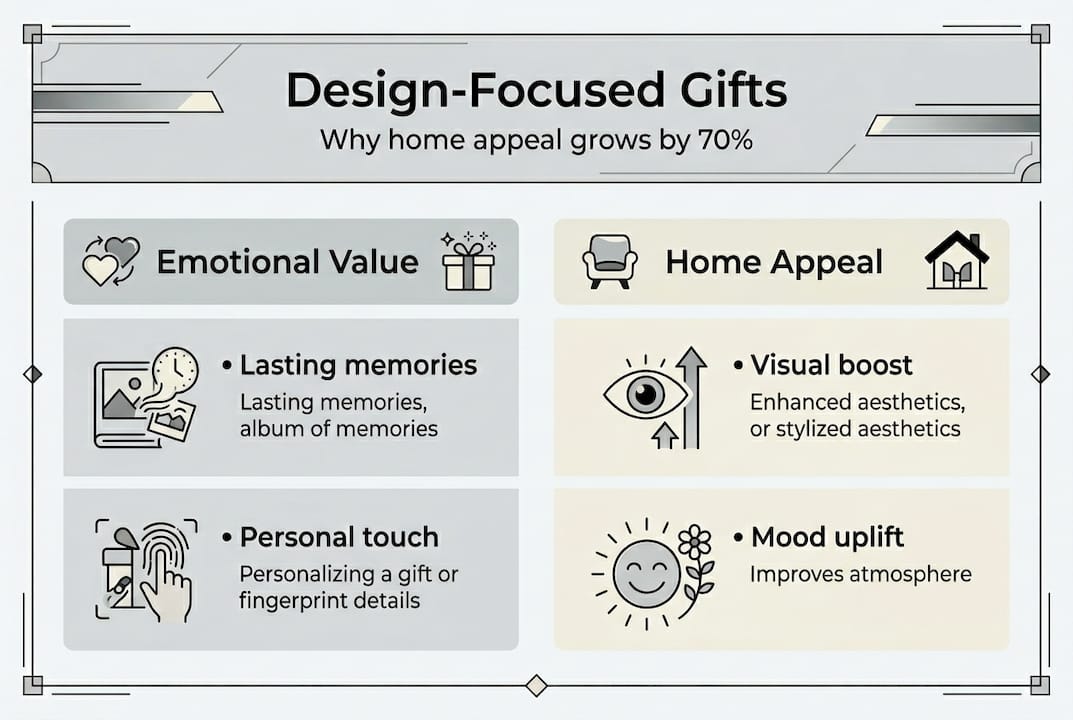
This comparison shows that design-focused gifts reflect thoughtfulness and greatly enhance daily environments when matched to recipient preferences. Understanding these distinctions prevents mismatched gifts and ensures your choice truly resonates.
Follow these steps to select design gifts that hit the mark:
- Consider the recipient’s existing style (minimalist, maximalist, rustic, modern)
- Think about the room context where the gift will likely live
- Balance aesthetic appeal with practical functionality
- Explore personalisation options that add emotional depth
- Set a realistic budget that allows for quality materials and craftsmanship
Balancing style with everyday use is crucial. A stunning vase that’s too delicate for regular flower arrangements or a decorative bowl that can’t hold anything practical becomes frustrating rather than delightful. Look for pieces that marry beauty with purpose, ensuring they integrate seamlessly into daily routines. Resources like decorating workflow for gift buyers guide can streamline your selection process.
Pro Tip: Mix styles intentionally for layered interiors. A modern geometric vase paired with rustic dried flowers creates visual interest through contrast, showing sophisticated design awareness.
For additional guidance, explore tips for stylish home accessories to refine your eye for pieces that elevate any space. When you approach gifting with this level of thoughtfulness, you demonstrate genuine care while delivering lasting value.
Making design a priority in your gifting strategy
By now, the case for prioritising design in gifts is clear. Thoughtfully chosen pieces create emotional connections, improve daily well-being, and transform houses into homes that reflect personality and care. But how do you consistently apply this knowledge to ensure every gift you give delivers these benefits?
Start by shifting your mindset from “What do they need?” to “What will make their space more beautiful and meaningful?” This subtle change focuses your attention on items that blend aesthetic appeal with personal relevance. Research the recipient’s tastes by observing their existing decor, noting colours they gravitate towards, and identifying gaps where a well-designed piece could shine.
Here are actionable tactics to embed design thinking into your gifting approach:
- Research recipient tastes through social media, home visits, or casual conversations about their style preferences
- Choose personalised items that reflect shared memories, inside jokes, or meaningful milestones
- Incorporate natural elements like plants, wood, or stone for timeless appeal and grounding presence
- Focus on balancing style with function so gifts enhance daily life rather than just occupying space
These strategies ensure your gifts consistently deliver both visual impact and practical value. For inspiration, browse stylish home accessories for gifting to see how design-forward choices create memorable presents.
Pro Tip: Time your gifting to coincide with room refreshes or special occasions like moving house or seasonal changes. This maximises impact by aligning your gift with moments when recipients are actively thinking about their spaces.
Think beyond basics. Instead of generic candles, choose sculptural holders in materials that complement their decor. Rather than standard photo frames, select pieces with unique finishes or proportions that stand out. This attention to design detail signals that you value quality and thoughtfulness over convenience. Practical solutions like storage solutions for gift buyers show how even functional items can be beautiful when design takes priority.
When design becomes your guiding principle, gifting transforms from obligation into opportunity. You create moments of delight, contribute to healthier living environments, and demonstrate genuine care through choices that recipients will appreciate for years to come.
Explore stylish gifts and design advice at Homable
Now that you understand why design matters in gifting, it’s time to discover pieces that bring these principles to life. Homable offers a curated selection of stylish home decor and accessories designed for modern living spaces, making it easy to find gifts that balance beauty with function.
Whether you’re searching for personalised touches or statement pieces that refresh entire rooms, expert guides like how to personalise home gifts provide practical inspiration tailored to different tastes and occasions. Browse collections featuring natural textures, elegant colour palettes, and innovative designs that transform everyday items into memorable presents. Explore stylish home accessories for gifting to see how thoughtful design choices create lasting impressions and elevate any home.
Frequently asked questions
What makes design important when selecting gifts?
Design elevates gifts beyond mere function by creating emotional connections and visual appeal. Well-designed items reflect the giver’s thoughtfulness and enhance the recipient’s daily environment, making spaces feel more personal and intentional.
How does prioritising design improve gift satisfaction?
Gifts with strong design qualities integrate seamlessly into homes, providing both aesthetic pleasure and practical value. Recipients appreciate items that enhance their decor while serving a purpose, leading to higher satisfaction and longer-lasting use.
What are practical tips for balancing design with function in gifts?
Choose items that solve real needs while offering visual appeal, such as stylish storage solutions or decorative lighting. Consider the recipient’s existing style, room context, and daily routines to ensure your gift fits naturally into their life.
Why does personalisation matter in design-focused gifts?
Personalisation adds emotional depth by reflecting the recipient’s unique tastes, memories, or preferences. Custom elements like engraving, colour choices, or tailored designs show genuine care and create pieces that hold sentimental value beyond their aesthetic qualities.
How can design in gifts enhance home well-being?
Thoughtfully designed items introduce natural textures, harmonious colours, and visual interest that reduce stress and improve mood. Elements like plants, quality materials, and curated aesthetics create restorative environments that support daily well-being and comfort.
Recommended
- Decorating Workflow for Gift Buyers: Guide to Gifting Success – Homable
- How to Personalise Home Gifts for Unique Interiors – Homable
- Why Prioritise Design and Function at Home – Homable
- 7 Bedroom Decor Ideas for Gift Buyers Seeking Style – Homable
- Design-Led Home Cinema Concepts: Boost Property Value 20%
- Refresh Your Home While Still Being Cost-effective