Cart
0
TL;DR:
- Living with pets and maintaining an attractive home requires understanding your pet’s habits through a detailed audit to inform decor placement and materials. Durable, easy-to-clean fabrics and surfaces, along with pet-safe plants and thoughtful layout solutions, help protect furnishings and enhance safety. Incorporating pet-friendly architecture and strategic routines ensures a stylish, functional space that accommodates both aesthetic preferences and everyday pet life.
Living with pets and maintaining a genuinely attractive home feels like an impossible trade-off, until you approach it with a plan. These pet-friendly home decor tips exist because your sofa, your rugs, and your carefully chosen accessories deserve better than a slow defeat to muddy paws and moulting fur. The good news is that decorating with cats and dogs does not mean sacrificing style. With the right materials, a smarter layout, and a few deliberate habits, you can build a home that looks considered and holds up to daily pet life without constant damage control.
Table of Contents
- Start with a pet-focused home audit
- Choose durable materials and pet-friendly fabrics
- Incorporate pet-safe plants and décor accessories
- Develop a practical cleaning and maintenance routine
- Integrate pet-friendly architecture and smart layout solutions
- Pet-friendly decor styles and materials compared
- Why mapping pet habits before decorating changes everything
- Explore Homable’s pet-friendly home essentials
- Frequently asked questions
Start with a pet-focused home audit
Before spending a penny on new furnishings, spend ten minutes walking your home the way your pet does. Sit on the floor. Follow the route your dog takes from the front door to their favourite napping spot. Note where your cat leaps, scratches, and rests. This exercise sounds simple, but it radically changes which decor decisions actually make sense for your space.
A quick pet audit identifies traffic paths, resting zones, and mess hot spots so you can tailor every decor choice around real behaviour rather than assumption. Without it, you are essentially guessing, and that is how expensive rugs end up in front of the water bowl.
Once you have mapped your pet’s habits, use that information to zone your rooms:
- Traffic paths: These need hard-wearing, easy-clean surfaces and minimal fragile ornaments at ground level.
- Resting spots: Invest in washable throws or a dedicated pet bed that fits your decor scheme.
- Mess zones: Areas near food bowls, litter boxes, or entry points benefit from wipeable mats and simple storage.
- Show zones: Choose one focal area per room to keep styled and impeccably tidy. This becomes your visual anchor, and it is far easier to maintain one zone than an entire room.
Pro Tip: Use your audit to optimise room layout before committing to any new purchases. Moving furniture costs nothing and can dramatically reduce the damage your pet inflicts on key pieces.
| Zone type | Common pet behaviour | Recommended decor approach |
|---|---|---|
| Traffic path | Running, scratching floors | Durable flooring, minimal floor-level fragile items |
| Resting spot | Napping, moulting | Washable throws, machine-washable pet beds |
| Mess zone | Eating, drinking, litter | Wipeable mats, concealed storage, easy-clean surfaces |
| Show zone | Rarely visited by pets | Display pieces, textured cushions, statement accessories |
Having understood the value of mapping your pet’s movement, the next step is choosing materials that can endure daily wear and tear.
Choose durable materials and pet-friendly fabrics
Material choice is where most pet owners get it wrong. They see a beautiful linen sofa in a showroom, bring it home, and watch it unravel, literally, within months of living with a cat. The fabrics and surfaces you choose need to work as hard as your pet does.
Durable, easy-to-clean materials like microfibre, leather, and performance fabrics resist stains and damage far better than delicate alternatives. Here is how the main options break down:
- Microfibre: Tightly woven and resistant to claws. Easy to wipe down. Available in dozens of colours. A strong all-round pick for sofas and armchairs.
- Performance fabrics (e.g., Sunbrella): Originally designed for outdoor use, these fabrics repel moisture and stains, are fade-resistant, and wash easily. They look polished but perform like workwear.
- Leather and faux leather: Scratch marks can show, particularly on full-grain leather, but it does not hold onto hair and cleans up quickly. Faux leather has improved enormously and suits most budgets.
- Loosely woven fabrics (linen, silk, bouclé): Avoid these entirely. They snag, pill, and collect fur with impressive efficiency.
For flooring, prioritise surfaces that resist scratching and do not trap hair. Low-pile or washable rugs are significantly easier to maintain than deep-pile alternatives, and they look just as good in a well-styled room.
| Fabric type | Pet durability | Ease of cleaning | Style versatility |
|---|---|---|---|
| Microfibre | Excellent | Very easy | High |
| Performance fabric | Excellent | Very easy | Moderate to high |
| Leather | Good (with maintenance) | Easy | High |
| Faux leather | Good | Easy | High |
| Linen | Poor | Difficult | High |
| Bouclé | Very poor | Very difficult | High |
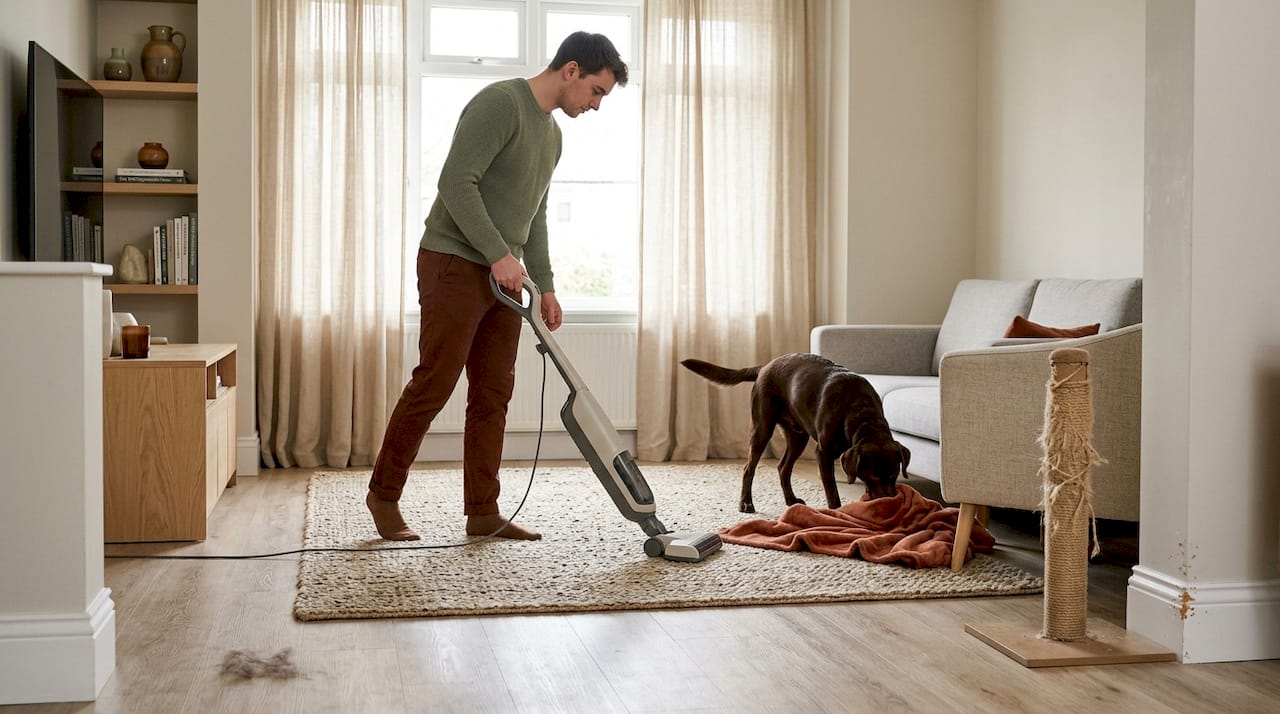
Pro Tip: Look for stylish pet-friendly accessories that complement your chosen upholstery. Coordinating your pet’s bed or feeding area with your existing colour palette costs very little but makes a significant visual difference.
With appropriate materials selected, it is vital to consider pet safety beyond wear, starting with greenery and decor accessories.
Incorporate pet-safe plants and décor accessories
Plants are one of the most effective ways to add warmth and texture to a room. They are also one of the most overlooked hazards for pet owners. Many popular houseplants are genuinely dangerous to cats and dogs, not just mildly unpleasant but potentially life-threatening.
Many houseplants, including lilies, are toxic to pets, and the ASPCA maintains a detailed safety guide worth bookmarking before your next plant purchase.
Plants to avoid entirely if you have pets:
- Lilies (highly toxic to cats, even in small amounts)
- Sago palms (extremely dangerous to dogs)
- Tulips and daffodil bulbs
- Pothos and devil’s ivy
- Aloe vera (toxic to both cats and dogs despite its wellness reputation)
Genuinely safe and attractive alternatives include:
- Money trees: Sculptural, low-maintenance, and completely safe.
- Boston ferns: Lush and pet-safe, though they do shed fronds so suit raised placement.
- Spider plants: Hardy, fast-growing, and harmless.
- Calathea: Striking leaf patterns and non-toxic.
For other pet-friendly home accessories, apply the same logic. Lightweight ceramic ornaments at low heights will get knocked over. Place statement pieces on shelving above pet reach, and anchor anything at floor level that you genuinely want to keep. Easy pet-safe decorating is mostly about placement, not deprivation.
In addition to careful styling, maintaining hygiene through a cleaning routine is crucial for a lasting pet-friendly home.
Develop a practical cleaning and maintenance routine
A stylish pet-friendly home does not stay that way on its own. The difference between a home that looks good on day one and one that still looks good a year later is almost entirely down to a consistent cleaning habit. The good news is that this does not need to consume your life.
Daily cleaning of bowls, weekly maintenance of beds and toys, and regular litter box care prevent odours and protect your pet’s health alongside your home’s appearance.
A practical routine worth building:
- Daily: Wash food and water bowls as you would your own dishes. Clear any scatter of toys from living areas. Wipe down any litter box surroundings.
- Weekly: Wash pet beds. This is the task most owners skip and then wonder why the room has a persistent smell. Wash soft toys and any treat-related items at the same time.
- Fortnightly: Wash outdoor leads and collars. Wipe down hard toys and feeding mats.
- Monthly: Deep-clean the areas beneath and around feeding stations. Vacuum under furniture where hair collects unnoticed.
A five-minute daily reset, straightening throws, returning toys to storage, and wiping down entrance areas, takes less effort than a full weekend overhaul and keeps your home looking consistently well-maintained.
For more pet-friendly decor ideas that hold up to this routine, look for products designed for washability and ease of care rather than purely decorative appeal.
Having discussed upkeep, let us review architectural and layout strategies that enhance pet comfort while protecting your design.
Integrate pet-friendly architecture and smart layout solutions
Home decor for pet owners does not end at textiles and plants. How you configure your space, and what physical features you incorporate, determines how well your home absorbs the reality of living with animals every single day.
Built-in feeding stations, ramps for older pets, and concealed litter boxes extend the life of your decor and make your pet’s experience significantly more comfortable, particularly as they age.
Key layout and architectural additions worth considering:
- Dedicated feeding stations: A fixed spot with a wipeable mat and recessed bowls contains mess and looks intentional rather than improvised.
- Concealed litter boxes: Furniture-grade litter box enclosures are widely available and look like side tables or cabinets. Your guests will not know the difference.
- Pet gates with style: Modern pet gates come in powder-coated metal and natural wood finishes that suit contemporary interiors without looking like a temporary fix.
- Designated toy storage: A wicker basket or a lidded box in the corner of a room keeps toys accessible for your pet and invisible to your guests.
- Non-slip flooring choices: Smooth tiles and polished wood can be slippery for dogs. Area rugs with non-slip backing, or flooring with a matte finish, reduce this risk considerably.
Pro Tip: Explore decorative storage solutions that double as pet furniture. A storage bench at the foot of a bed becomes a step for a small dog and a place to tuck away blankets and toys.
With all elements in place, understanding the trade-offs between popular pet-friendly decor approaches aids final decisions.
Pet-friendly decor styles and materials compared
Choosing between the available options becomes much simpler when you see them side by side. Performance fabrics and luxury vinyl plank flooring consistently score highest for durability and ease of maintenance across stylish pet-friendly decor ideas in real-world use.
| Material | Scratch resistance | Waterproof | Hair retention | Maintenance demand |
|---|---|---|---|---|
| Luxury vinyl plank | Excellent | Yes | Low | Low |
| Ceramic tile | Excellent | Yes | Low | Low |
| Hardwood | Moderate | No | Low | High |
| Laminate | Good | Partial | Low | Moderate |
| Performance upholstery | Good | Partial | Low | Low |
| Microfibre upholstery | Good | No | Moderate | Low to moderate |
| Leather upholstery | Moderate | Yes (surface) | Very low | Moderate |
The table makes one thing clear: if you are building a home around affordable pet-friendly furnishings that genuinely hold up, luxury vinyl plank flooring paired with performance fabric upholstery gives you the most durable, lowest-maintenance foundation available right now.
Having compared core materials and styles, here is a perspective on the single mistake that undermines all of this effort.
Why mapping pet habits before decorating changes everything
Most decor guides for pet owners start with material recommendations. This one started with an audit, and that difference matters more than any single product choice.
The biggest decor mistake pet owners make is decorating first and then reacting to where their pet actually goes. The result is a perpetual cleanup state, replacing rugs that were placed in the wrong spot, re-covering sofas that were never going to survive in that position, and moving storage that ended up in a spot their dog simply claimed as a bed.
We have seen this pattern repeatedly: a homeowner invests in a beautiful room, ignores the fact that their cat sprints across the dining table daily, and spends the next two years in low-level frustration. The room looked good in theory. In practice, it was designed for a home without a cat.
The audit approach flips this. You start with reality, then choose decor that fits it. That is not a compromise. It is actually how the best-looking pet-friendly homes are designed. The show zone concept works precisely because it stops owners from trying to maintain a whole room at magazine standard, and instead channels effort into one focal point that genuinely delivers.
Room layout optimisation before purchasing is the most underused tool in home decor for pet owners. It costs nothing, takes minutes, and saves a significant amount of money over time.
Explore Homable’s pet-friendly home essentials
Putting these pet-friendly design tips into practice is straightforward when you have the right products to work with.
At Homable, you will find pieces chosen specifically for real-life use. The washable kitchen rug is ideal for high-traffic areas near feeding stations, offering a polished look that goes straight in the washing machine when needed. If you want to define entry points or create visual separation between zones, the bamboo curtain 90x200 cm adds natural texture with the durability to handle daily pet movement. For living areas, rectangular bamboo rugs provide an easy-care flooring accent that suits both contemporary and classic interiors. With these practical options, you are ready to create a stylish, pet-friendly home that suits your lifestyle and your furry companions.
Frequently asked questions
What is a ‘pet landing zone’ and why is it useful?
A pet landing zone is a dedicated area near your entrance equipped with hooks, wipeable trays, and storage for leads and collars, so muddy paws and wet gear stay contained rather than travelling through the house. It is one of the simplest ways to reduce daily mess at its source.
Are all houseplants safe around pets?
No. Many common houseplants, including lilies and sago palms, are toxic to cats and dogs, so always verify plant safety before bringing new greenery into a home shared with animals.
How often should I clean my pet’s food and water bowls?
Pet bowls should be washed daily, just as you would wash your own plates and cups, to prevent bacterial build-up and maintain both pet health and household hygiene.
What flooring types are best for pets?
Luxury vinyl plank flooring is one of the best choices for pet households because it is waterproof, scratch-resistant, and easy to clean. Ceramic tile performs similarly well and suits rooms where moisture is a regular concern.
Can I maintain a stylish interior while making it pet-friendly?
Yes, and thoughtful material choices paired with smart layout planning make it entirely achievable. Integrating your pet’s essentials as considered decor elements rather than afterthoughts is what separates a home that merely tolerates pets from one that is genuinely designed around them.