Cart
0
What are the key 2026 home design trends and how do you update your home?
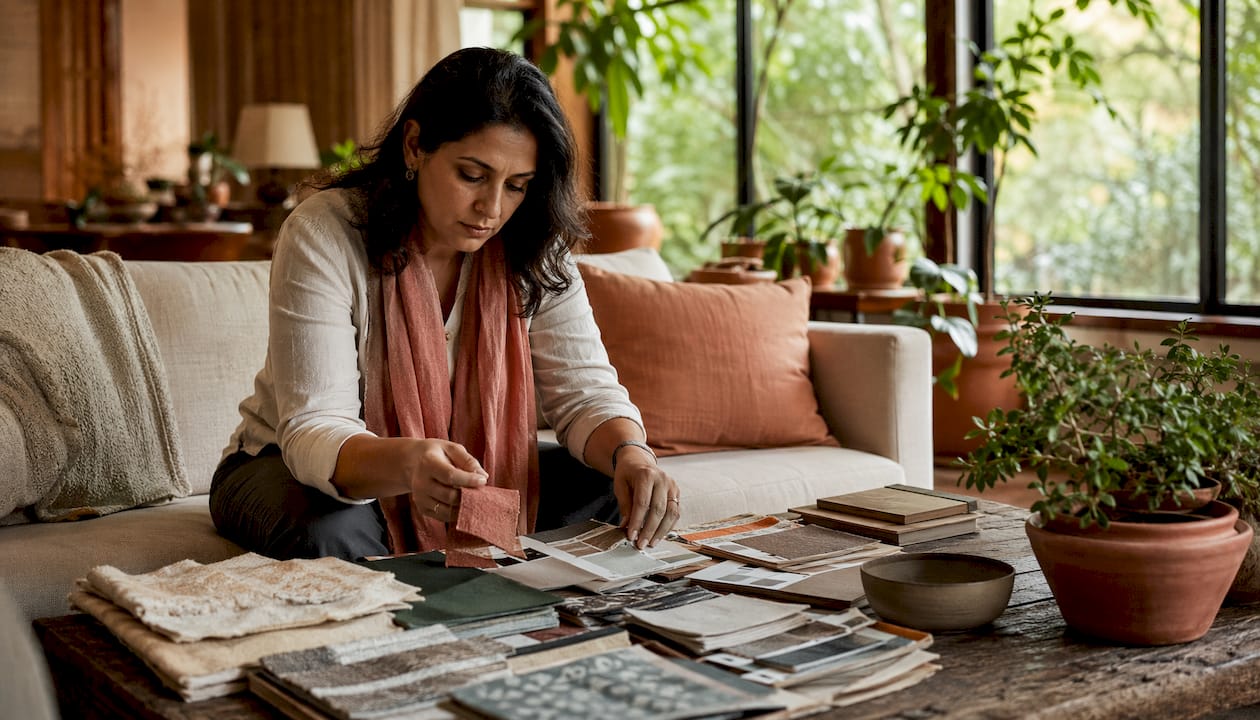
The most effective approach to updating your home for 2026 is to commit to warm minimalism first, then build a room-by-room plan before you spend a penny. The dominant aesthetic this year moves decisively away from cool greys and stark white surfaces toward earthy, tactile interiors rich in terracotta, sage, and chocolate brown. Natural wood, curved furniture, and handcrafted textures are the building blocks. Statement lighting, textile wall hangings, and Venetian plaster finishes complete the picture.
A practical framework that professional designers endorse is the 80/20 principle: keep 80% of your interior in classic, timeless pieces and reserve 20% for trend-driven updates. That ratio protects your investment while keeping rooms feeling current. Before you buy anything, run a room-by-room audit to identify where the biggest visual gaps are, then rank updates by layout impact and budget. AI visualisation tools let you preview colour palettes and furniture placement before committing, and ordering physical paint and fabric samples to test in natural light over several days saves costly returns.
- Assess first: photograph every room and note what stays, what goes, and what needs updating.
- Apply the 80/20 split: anchor each room with timeless pieces, then layer in trend-led accents.
- Use AI previews: generate three to five variations of a room before booking any trades or placing orders.
- Order samples: test paint and wallpaper in real light conditions for several days before deciding.
- Set a budget ceiling: allocate funds by room, prioritising spaces with the highest daily use.
- Track decisions: keep a single shared document for all choices, costs, and delivery dates.
Pro Tip: Borrow a technique from project management: create a mood board for each room and attach a one-page decision log. Label every inspiration image by colour, texture, and key element. This transforms vague Pinterest saves into a usable style brief and stops you buying pieces that look great in isolation but clash in context.
Table of Contents
- The 11 key interior design trends set to define 2026
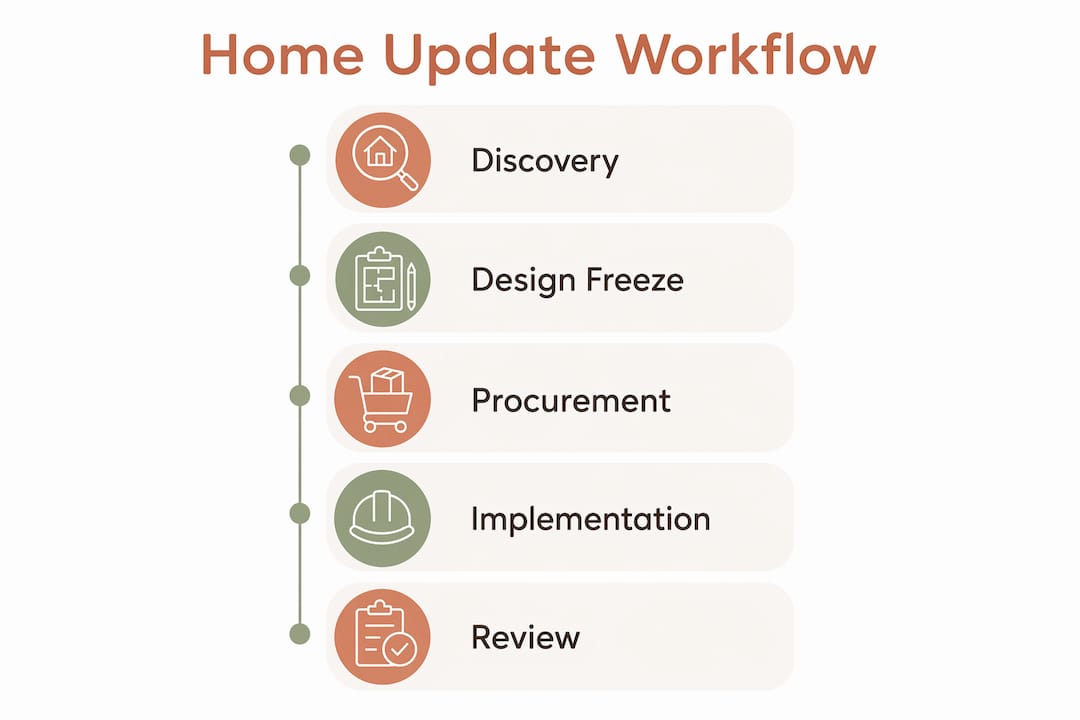
- How to follow a practical workflow for updating your home in 2026
- How 2026 trends reflect cultural and lifestyle shifts in UK homes
- How to find and source decor that fits 2026 trends in the UK
- Key takeaways
The 11 key interior design trends set to define 2026
2026 interiors are defined by warmth, personality, and a deliberate rejection of the showroom-perfect look that dominated the previous decade. Here is what that means room by room.
- Lived-in, personal comfort: Designers are moving away from sterile, over-edited spaces. The goal is a home that feels collected over time, not assembled in a single shopping trip.
- Natural and mixed wood tones: Wood is back in a significant way. Expect light oak walls, raw wood furniture, and mixed wood tones across kitchens and living spaces, giving rooms a grounded, authentic quality.
- Earthy colour palettes: Terracotta, sage, ochre, oxblood, and tobacco brown are the front-running shades. These hues work best layered within a tonal family rather than used as single statement walls.
- Curved and sculptural furniture: Hard-edged, rectilinear furniture is giving way to softer, rounded silhouettes. Curved sofas, arched shelving, and sculptural occasional chairs add visual warmth without adding clutter.
- Statement lighting and decorative trims: Tassels, fringing, fluted glass pendants, and pleated lampshades are the details that shift a room from functional to characterful. Lighting is increasingly treated as jewellery for a space.
- Textile wall hangings and tactile surfaces: Woven wall art, macramé panels, and Venetian plaster finishes bring texture that paint alone cannot achieve. These surfaces absorb light differently throughout the day, adding depth.
- Biophilic and nature-inspired elements: Houseplants, natural stone, jute, and linen textiles all serve the same purpose: connecting interior spaces to the natural world. This goes beyond a potted plant on a windowsill.
- Handcrafted and artisanal pieces: Hand-blown glass, forged metals, and irregular ceramic forms are replacing mass-produced uniformity. The imperfection is the point.
- Layered hardware finishes: Mixing brass with nickel or aged bronze with chrome creates a collected, narrative quality. Matching every finish signals that everything was bought at once.
- Monochromatic depth: Rather than one flat hue, the 2026 approach explores a full spectrum within a single colour family, moving from deep velvet tones to lighter silk or linen accents in the same room.
- Whimsy and expressive embellishment: Ruffles, pleats, hand-painted furniture details, and personalised tiles are gaining ground. Design is becoming more playful and individual.
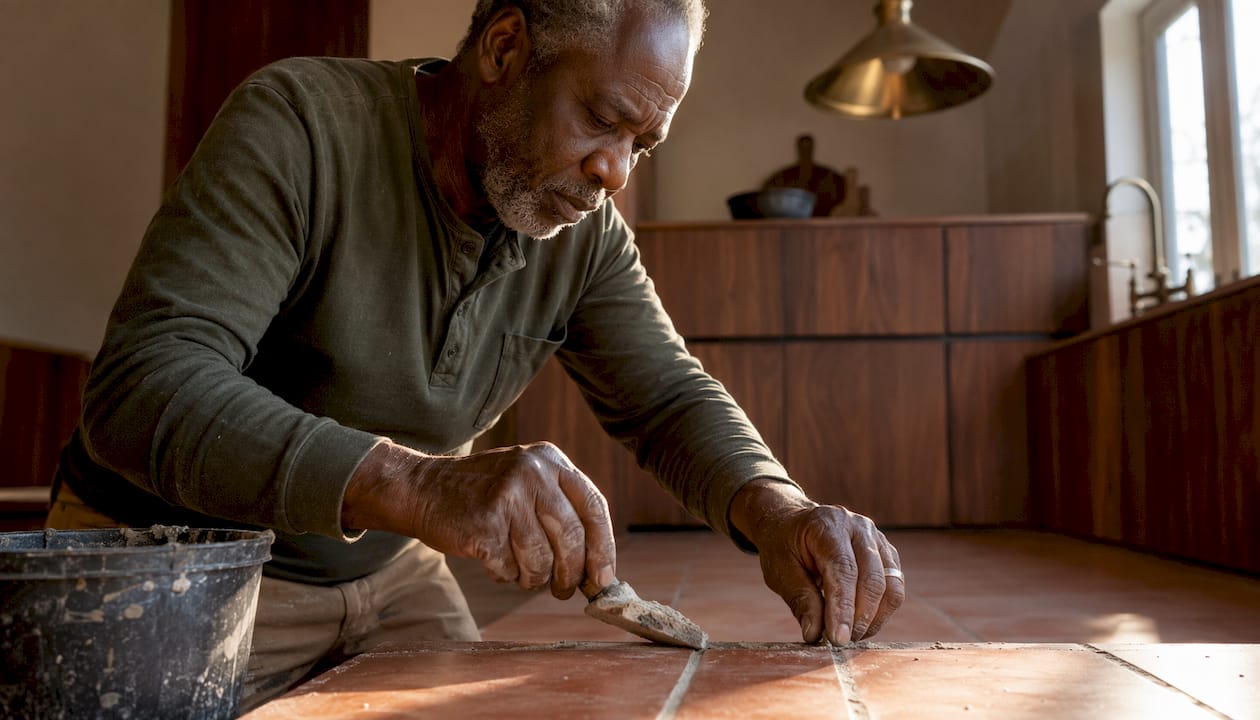
A kitchen that combines raw oak cabinetry, terracotta floor tiles, and a fluted glass pendant over the island captures at least five of these trends simultaneously. You do not need to chase all eleven. Picking three or four that genuinely suit your home and lifestyle will produce a far more coherent result than attempting a wholesale overhaul.
How to follow a practical workflow for updating your home in 2026
A clear, phased process is what separates a successful update from a costly, half-finished one. The following steps draw on project management principles adapted for residential interiors.
-
Discovery and audit: Photograph every room. Measure key dimensions. Write a plain-language brief listing what stays, what goes, and the functional problems you want to solve. This document becomes your reference point for every decision that follows.
-
Design and concept: Use AI visualisation tools to generate three to five preview variations of each room. Agree on a style direction and lock your layout before ordering anything. Changing your mind about a kitchen layout on screen costs nothing; changing it after cabinets arrive costs considerably more.
-
Mood board and style brief: Label inspiration images by colour, texture, and key element. A structured mood board process transforms vague inspiration into a usable brief, reducing mismatched purchases and improving overall coherence.
-
Prioritise by impact and budget: Rank updates by the rooms you use most and the changes that will have the greatest visual effect. Anchor pieces (a sofa, a rug, a dining table) define the room; accessories refine it. Buy anchors first.
-
Sample and test: Order physical paint samples, fabric swatches, and wallpaper sections. Test wallpaper samples in different natural light conditions over several days before committing. Screen previews rarely capture true tone or texture.
-
Permits and procurement: For structural changes, submit drawings and book trades early. Order long-lead items (custom cabinetry, bespoke lighting, stone worktops) the same week you finalise your design. Cabinetry generally requires several weeks for delivery; windows and doors may take longer, depending on the supplier and customization.
-
Build phase: Follow the correct sequence: demolition, structural work, rough-in trades, inspections, then finishes. Doing tasks out of order is the single most expensive mistake homeowners make.
-
Single Source of Truth: Maintain one shared document tracking all decisions, budget updates, delivery dates, and open questions. A disciplined renovation document prevents scope creep and removes the arguments about what was agreed when.
-
Weekly check-ins: A brief weekly review with your contractor or project lead, covering progress, upcoming work, and needed decisions, helps catch problems early and avoid delays.
-
Contingency budget: Set aside a contingency reserve to cover supply volatility, concealed conditions, and changes that occur mid-build. This covers supply volatility, concealed conditions, and the inevitable change of mind that happens mid-build.
-
Punch list and handover: Walk every room with your builder near completion. Document each deficiency with a photo and a precise description. Withhold a portion of final payment until every item on the list is resolved and warranties are collected. This closeout phase typically runs one to four weeks.
Pro Tip: Separate your design freeze from your procurement phase. Once you have locked materials, fixtures, and layouts, do not revisit those decisions unless there is a genuine reason. Every late change triggers a ripple of delays and cost increases.
| Phase | Typical duration | Key output |
|---|---|---|
| Discovery and audit | 1–2 weeks | Measured brief, photo library |
| Design and concept | 2–3 weeks | Agreed style direction, AI previews |
| Samples and testing | 1–2 weeks | Confirmed palette and materials |
| Permits and procurement | 2–8 weeks | Purchase orders, delivery calendar |
| Build | Several weeks (scope-dependent) | Physical renovation |
| Punch list and handover | 1–4 weeks | Defect-free sign-off, warranties |

How 2026 trends reflect cultural and lifestyle shifts in UK homes
The shift happening in UK interiors right now is not purely aesthetic. It reflects something deeper: a collective tiredness with homes that perform well on Instagram but feel uncomfortable to actually live in. The move toward warm, lived-in spaces is a direct response to years of over-edited, copy-and-paste interiors that prioritised visual perfection over genuine comfort.
UK homeowners are increasingly drawn to heirloom and artisanal pieces, objects with a story and a provenance rather than flat-pack uniformity. Sustainability plays into this too. Choosing a locally made ceramic lamp or a reclaimed oak side table is both an aesthetic and an ethical decision, and the two motivations reinforce each other rather than competing.
Professional designers consistently advise shifting focus from perfect staging to homes with personality and soul. Comfort and warmth are the priorities, not visual perfection. That reframing changes how you shop: instead of asking “does this look right in the photo?” you ask “does this feel right in the room?” The answer to those two questions is often different.
Understanding this cultural context helps you make better decisions during the update process. When you are choosing between a sleek, mass-produced pendant and a hand-blown glass alternative that costs a little more, the 2026 sensibility is clear. Craftsmanship and character carry more weight than polish.
How to find and source decor that fits 2026 trends in the UK
A shopping plan tied to your style brief is what keeps sourcing organised and prevents the impulse purchases that derail a coherent interior. Before you visit any shop or browse any website, write down your confirmed colour palette, your key textures, and a list of the specific pieces you still need. That brief acts as a filter.
- Anchor pieces first: Buy the rug, sofa, or dining table before you buy cushions and candles. Anchor pieces define the room’s proportions and colour story; accessories follow their lead.
- Prioritise tactile textures: Seek out linen, jute, Venetian plaster, and natural wood finishes in person where possible. Texture reads very differently on a screen than it does in your hand.
- Source sustainably: Sustainably sourced and artisanal decor aligns directly with the warm minimalism trend and reflects the values driving UK consumer choices in 2026. Locally made products often carry provenance and craftsmanship that mass-produced alternatives cannot replicate.
- Test before you commit: Order physical samples of paint, wallpaper, and fabric. Live with them in your actual room, in natural and artificial light, for several days before placing a full order.
- Track every purchase: Keep a simple spreadsheet with columns for item, dimensions, price, ordered date, delivery date, and status. This removes the mental load of remembering where everything is in the process.
- Build in a budget buffer: Allow a small reserve for one or two replacements or upgrades. Colours read differently in person, and delivery timelines shift.
Homable offers a curated selection of home decor items aligned with the 2026 warm minimalism direction, from ornaments and rugs to curtains and storage accessories, with free shipping on orders over £100. For homeowners who want to update their interiors without the risk of mismatched purchases, a curated source that has already done the curation work is a practical starting point.
When you are deciding between similar pieces, compare dimensions, materials, care requirements, and return policies rather than relying on a single styled photograph. A piece that looks perfect in a mood board image but arrives in the wrong scale or the wrong tone is an expensive lesson. Organised tracking and disciplined sourcing prevent that outcome far more reliably than good taste alone.
Key takeaways
The most effective workflow for updating your home to 2026 trends combines a warm, natural aesthetic with a disciplined, phased project plan that locks decisions before procurement begins.
| Point | Details |
|---|---|
| Start with the 80/20 principle | Keep 80% timeless pieces and use 20% for trend-led updates to stay current without rapid obsolescence. |
| Audit before you buy | Photograph and measure every room, then rank updates by visual impact and daily use before spending anything. |
| Lock design before ordering | Freeze your material and layout choices before procurement to avoid costly late changes and delivery delays. |
| Set an 8% contingency | Reserve 8% of hard construction costs to cover supply volatility, concealed conditions, and scope changes. |
| Source sustainably and test physically | Order paint, fabric, and wallpaper samples and test them in real light for several days before committing to a full order. |