Cart
0
TL;DR:
- The upcoming design trends for 2026 focus on neo-naturalism with earthy tones and tactile natural materials. Artisanal imperfection and warm modernism shape interiors by emphasizing craftsmanship and organic forms. Small, deliberate choices can incorporate these trends without major renovations, highlighting natural textures and balanced modern-contemporary styles.
What are the key upcoming design styles for 2026?
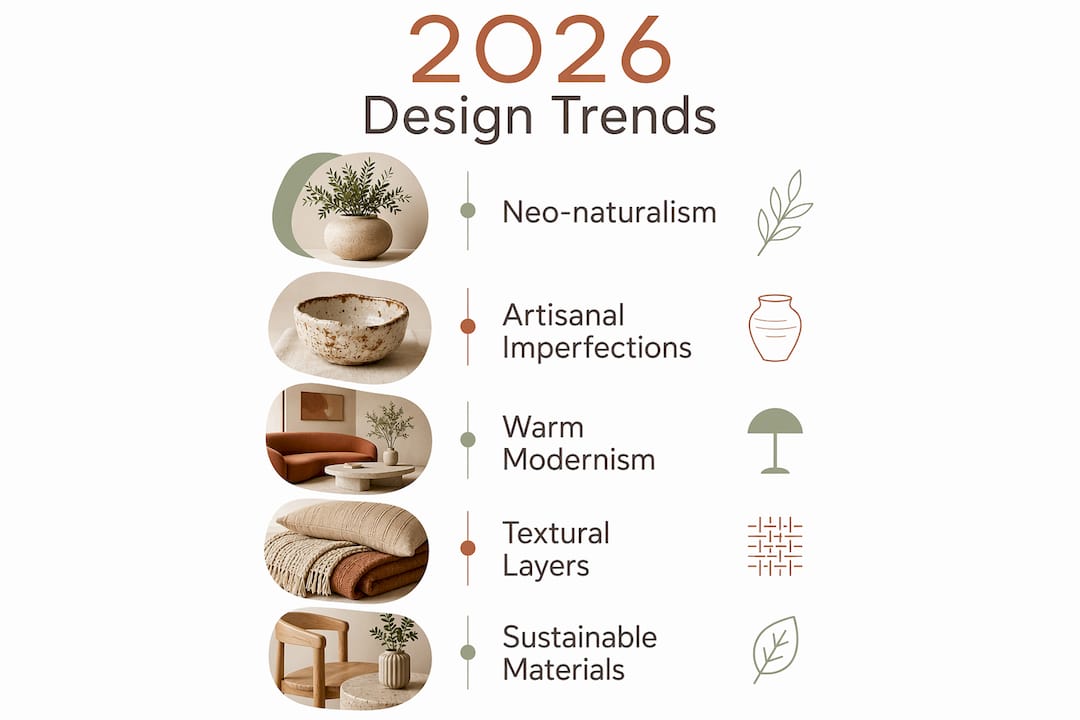
The dominant direction for 2026 is neo-naturalism: interiors built around mineral-inspired, muted colour palettes, tactile natural materials, and a deliberate rejection of digital sterility. Alongside it, artisanal imperfection and warm modernism are reshaping how UK homeowners think about decorative accessories and furniture.
- Neo-naturalism centres on earthy, muted tones — sage, terracotta, ochre, and unbleached paper white — chosen specifically to reduce sensory overload from screen-heavy daily life.
- Artisanal over mass-produced: designers are moving away from algorithmic sameness, favouring hand-crafted accessories that carry visible human skill and subtle imperfection.
- The iF Design Trend Report 2026 frames this as a tension between high-tech convenience and a human, tactile “recoupling” response — design evolving from shaping objects to shaping relationships and environments.
- Modern vs contemporary: modern design is historically anchored in clean lines and functional minimalism; contemporary design is fluid and current. In 2026, the winning approach blends both: modern structure with contemporary warmth.
- Warm modernism replaces cold flat whites with warm whites, terracotta, and organic curved forms, softening geometry without abandoning it.
- Sustainability runs through everything: unbleached paper textures, raw wood, and natural tactile materials ground interiors while reducing environmental impact.
- Lighting follows the palette: warm, adjustable fixtures that complement earthy tones rather than overpower them.
Table of Contents
- How to bring 2026 design trends into your home
- What materials and textures will define 2026 interiors?
- Furniture styles that fit the 2026 direction
- Key takeaways
How to bring 2026 design trends into your home
Applying these trends does not require a full renovation. Small, deliberate choices carry most of the weight.
- Start with colour: swap cool-toned accessories for sage, terracotta, or warm white equivalents. Homable’s stylish colour palette guide shows how these tones work together in British interiors.
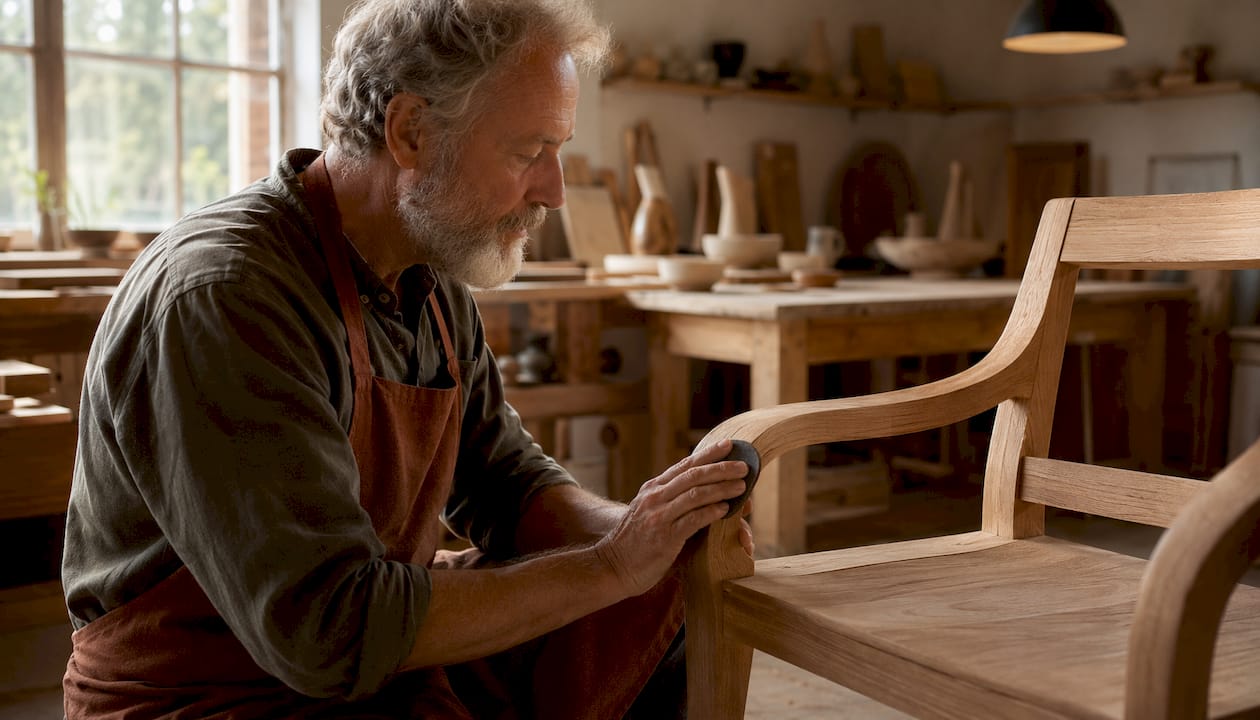
- Choose artisan pieces: look for ceramics, woven textiles, or carved wood objects with visible hand-finishing. The slight irregularity is the point, not a flaw.
- Blend modern and contemporary: keep the structural bones clean (clear lines, uncluttered surfaces) and introduce contemporary warmth through curved cushions, organic-shaped vases, or aged-brass fittings.
- Introduce natural materials: linen curtains, jute rugs, and raw-wood shelving add tactile depth without visual noise.
- Lighting matters more than most homeowners realise: a warm-toned adjustable lamp does more for an earthy palette than repainting a wall.
- Edit ruthlessly: embracing “less but better” creates the negative space that makes modern styling feel intentional rather than sparse.
- Regional awareness: UK homes often contend with lower natural light than Mediterranean interiors. Warm whites and reflective natural materials compensate without resorting to harsh brightness.
Pro Tip: When mixing artisan pieces with cleaner modern furniture, limit imperfect or hand-finished items to two or three focal points per room. More than that and the effect tips from curated into cluttered.
What materials and textures will define 2026 interiors?
Raw wood, unglazed ceramics, linen, and stone-effect plaster finishes are the materials that keep appearing across 2026 trend forecasts. Limewash wall finishes are replacing flat emulsion, adding subtle depth that changes with natural light. Woven natural fibres — jute, rattan, undyed wool — bring warmth underfoot and on walls. The neo-naturalist philosophy treats tactile imperfections not as flaws but as sensory anchors, offering respite from the smooth, frictionless surfaces of digital life. Grain, texture, and slight irregularity are intentional design choices.
Furniture styles that fit the 2026 direction
Warm modernism is the clearest furniture trend: pieces with clean structural lines but softened by gentle curves, natural wood tones, and upholstery in earthy fabrics. Low-profile sofas with rounded arms, curved accent chairs, and handmade ceramic side tables all fit this direction. The Japandi influence continues too, pairing Japanese wabi-sabi principles with Scandinavian restraint. Solid wood storage, such as pine or oak cabinetry, anchors a room while staying true to the natural-materials ethos. Homable’s solid wood pine cabinet is a practical example of how functional pieces can carry the warm, artisanal quality that 2026 styling calls for.
Explore Homable’s full range of 2026 home styling picks to find pieces that bring these trends into your home without the guesswork.
Key takeaways
Neo-naturalism, artisanal imperfection, and warm modernism together define the most compelling upcoming design styles for UK homes in 2026.
| Point | Details |
|---|---|
| Neo-naturalism leads | Sage, terracotta, and unbleached paper white replace synthetic palettes across 2026 interiors. |
| Artisan beats mass-produced | Hand-crafted accessories with visible imperfection counter AI-driven design uniformity. |
| Modern meets contemporary | Clean structural lines paired with curved, warm-toned pieces create the balanced 2026 look. |
| Natural materials dominate | Raw wood, linen, unglazed ceramics, and limewash finishes are the textures defining the year. |
| Edit for impact | Negative space and a “less but better” approach make trends feel intentional in UK homes. |