Cart
0
TL;DR:
- Affordable aesthetics improve health, self-esteem, and community pride without requiring large budgets.
- Strategic, intentional purchases and simple rearrangements deliver impactful, cost-effective design improvements.
Affordable aesthetics is defined as the practice of creating beautiful, well-considered living spaces without spending beyond your means. The importance of affordable aesthetics extends far beyond surface appearance. Studies over 40 years confirm that exposure to beauty improves immune responses and physical health, regardless of income. A 2026 psychology study found a significant link between aesthetics and self-esteem, confirming that a well-considered home environment is a health decision, not a luxury one. The good news is that achieving this does not require a large budget. It requires intention, knowledge, and the right approach.
Why do affordable aesthetics matter for wellbeing?
Aesthetic environments do measurable good. Research spanning four decades shows that living and working in beautiful spaces improves immune function and supports faster recovery from illness. This is not a placebo effect. The body responds to visual harmony in concrete, biological ways.
The psychological benefits are equally well documented. A 2026 study in Frontiers in Psychology found that aesthetic improvements produce a significant direct increase in self-esteem and social confidence. That finding matters because it confirms that aesthetics are not vain. They are foundational to how people feel about themselves and how they engage with others.
Beauty in the home is foundational to dignity. When people feel their living space reflects care and intention, they are more likely to participate in their community and look after shared spaces.
The Civic Power of Beauty, Front Porch Republic
Small, affordable touches produce outsized results. A new set of cushion covers, a well-placed lamp, or a single decorative piece on a shelf can shift the entire mood of a room. The effect is not about cost. It is about curation.
The benefits of low-cost aesthetics include:
- Reduced stress and anxiety through visual calm
- Stronger sense of personal identity and pride in your space
- Improved motivation and productivity in home working environments
- Greater social confidence when inviting others into your home
- A sense of dignity that extends into community participation
What are the biggest misconceptions about affordable aesthetics?
The most damaging myth is that a beautiful home requires constant purchasing. Aesthetic living is often a result of slow, consistent habits such as decluttering, proper storage, and thoughtful arrangement, not buying sprees. Spending more frequently does not produce a more beautiful home. It usually produces a more cluttered one.
A second misconception is that affordable means cheap. The two are not the same. Choosing the cheapest option often leads to faster degradation and more costly corrections over time. This is what designers call the low-cost trap: poor quality materials that look fine initially but deteriorate quickly, forcing you to replace them sooner than a mid-range purchase would require.
The “frugal chic” principle offers a better framework. The 2026 frugal chic trend blends one or two quality anchor pieces with more affordable supporting items. This approach reduces overconsumption while maintaining a high visual standard. The principle is sometimes called “buy it nice or buy it twice,” and it applies directly to home decor.
Practical financial strategies for aesthetic living:
- Audit before you buy. Walk through each room and identify what you already own that could be repositioned, cleaned, or displayed differently.
- Set a pacing rule. Allow one considered purchase per month rather than reacting to trends or sales.
- Invest in anchor pieces. Spend more on items you touch and see daily, such as a rug, curtains, or a statement light fitting.
- Avoid impulse buys. A 48-hour waiting period before any non-essential purchase eliminates most regrettable spending.
- Prioritise quality over quantity. Three well-chosen pieces outperform fifteen mediocre ones every time.
Pro Tip: Focus your budget on high-touch surfaces first. Textiles like cushions, throws, and curtains are handled and seen constantly. Upgrading these creates a stronger impression than replacing furniture.
Visual harmony can quietly increase monthly expenses if left unchecked. Selective spending and thoughtful pacing preserve both your aesthetic and your financial stability.
How to achieve affordable aesthetics at home
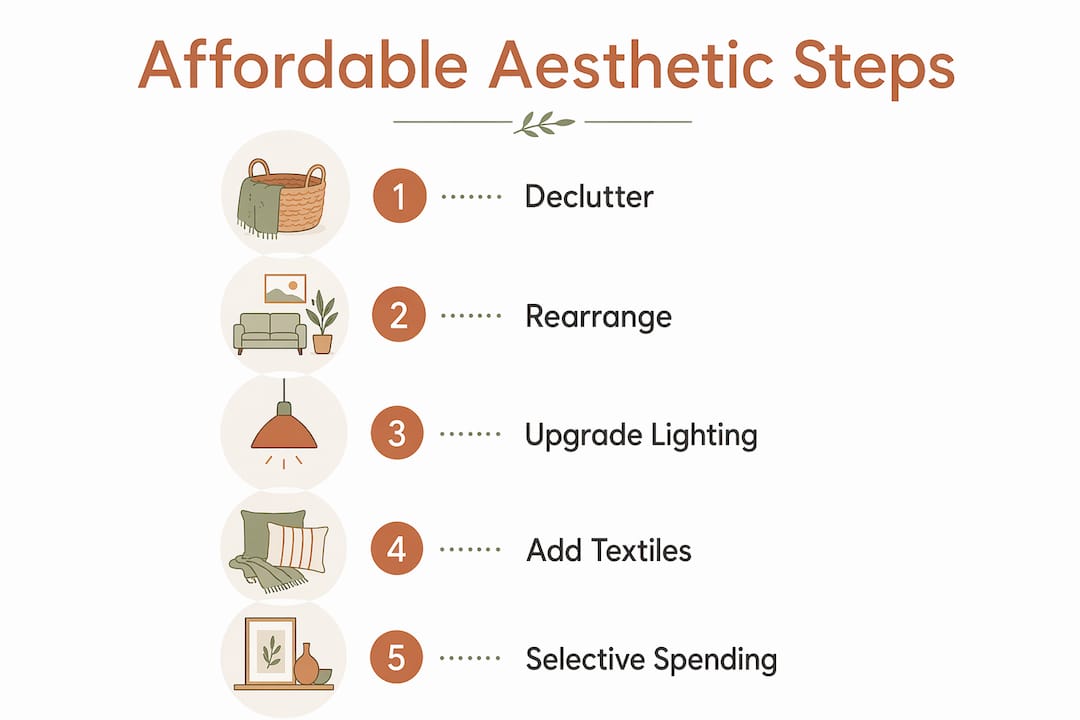
The most effective home transformations start with what you already own. Rearranging furniture to improve spatial flow costs nothing and can make a room feel entirely different. Grouping decorative objects by colour or material creates visual cohesion without a single new purchase.
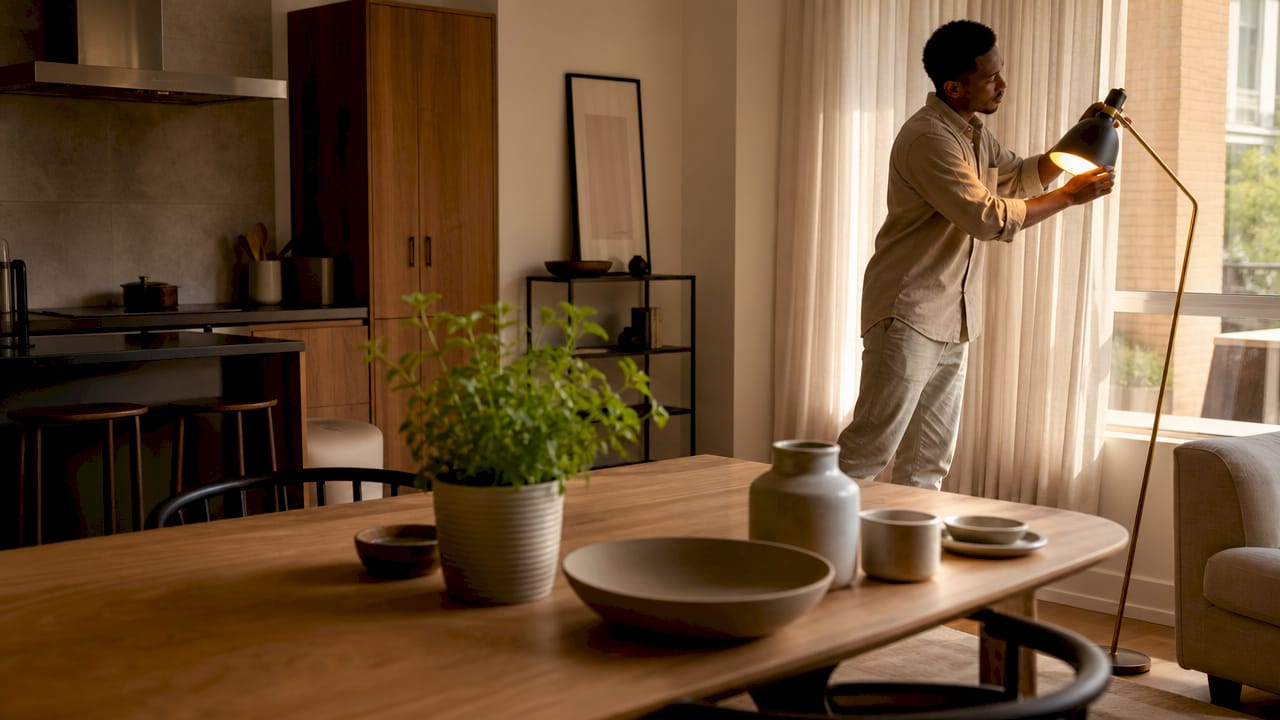
Lighting is one of the highest-impact, lowest-cost upgrades available. Intentional lighting choices shift the atmosphere of a room more dramatically than almost any other single change. Warm bulbs in living areas, task lighting in kitchens, and a well-placed floor lamp in a bedroom corner each serve a distinct purpose. The cost is modest. The effect is significant.
Textiles and decorative accessories follow the same logic. Prioritising textures and materials such as woven throws, ceramic ornaments, and quality handles achieves aesthetic appeal within tight budget constraints. This is the material-first principle: allocate your budget to items that connect function and visual appeal simultaneously.
The following approaches consistently deliver strong results on a limited budget:
- Declutter first. A tidy room with three good pieces looks better than a full room with twenty average ones.
- Use odd numbers. Grouping decorative items in threes creates natural visual balance.
- Layer textures. Combine smooth, rough, and soft surfaces in the same space for depth.
- Introduce a single accent colour. One consistent colour repeated across cushions, a vase, and a candle holder ties a room together instantly.
- Swap, do not stack. When you add something new, remove something old. This prevents accumulation and keeps the space considered.
For smaller rooms, minimalist bedroom ideas show how restraint and intentional placement create a sense of space and calm that expensive furniture alone cannot achieve.
| Approach | Cost level | Visual impact |
|---|---|---|
| Rearranging existing furniture | Free | High |
| Upgrading lighting | Low | Very high |
| Adding quality textiles | Low to mid | High |
| Introducing decorative accessories | Low | Medium to high |
| Full furniture replacement | High | Variable |
The table above makes the point clearly. The most affordable changes often deliver the strongest results. Spending more does not guarantee a better outcome.
Does affordable aesthetic investment increase property value?
Neglecting aesthetic details in housing carries a measurable financial cost. The national backlog for public housing repairs is estimated at £169 billion, a figure directly linked to deferred maintenance and poor aesthetic upkeep. That number illustrates what happens when appearance is treated as optional. Neglect compounds. Small problems become structural ones.
For private homeowners, the logic is the same. A well-maintained, visually appealing home commands a higher sale price and attracts more interest. Buyers make emotional decisions first and rational ones second. Kerb appeal, clean interiors, and considered decor all signal that a property has been cared for.
Aesthetic beauty in the home fosters civic responsibility. Communities where residents take pride in their homes tend to maintain shared spaces better and report stronger social bonds.
The Civic Power of Beauty, Front Porch Republic
The civic power of beauty extends beyond individual properties. When one household invests in its appearance, neighbouring properties benefit. Tidy front gardens, clean windows, and well-maintained exteriors create a ripple effect that raises the perceived value of an entire street.
Low-cost community beautification efforts confirm this. Planted window boxes, freshly painted front doors, and shared communal planters have been shown to increase neighbourhood satisfaction and reduce antisocial behaviour in residential areas. The investment is minimal. The social return is substantial.
| Aesthetic action | Estimated cost | Long-term benefit |
|---|---|---|
| Repainting front door | Low | Increased kerb appeal and sale value |
| Adding window boxes or plants | Very low | Improved neighbourhood perception |
| Updating interior textiles | Low | Higher buyer emotional response |
| Addressing deferred maintenance | Variable | Prevents costly structural decline |
Key takeaways
Affordable aesthetics improve wellbeing, protect property value, and build community pride without requiring large budgets, provided you spend selectively and prioritise quality over quantity.
| Point | Details |
|---|---|
| Aesthetics affect health | Exposure to beauty improves immune function and self-esteem, making it a health decision. |
| Quality beats quantity | One well-chosen piece outperforms several cheap ones and avoids costly replacements. |
| Lighting delivers the most impact | Upgrading lighting is the highest-return, lowest-cost change in any room. |
| Neglect has a financial cost | Deferred aesthetic maintenance leads to structural decline and reduced property value. |
| Community benefits from beauty | Households that invest in appearance raise the perceived value of their entire neighbourhood. |
Aesthetics on a budget: what I have actually learned
I used to think that a beautiful home was something you arrived at. You saved up, you spent, and then it was done. That is not how it works. The homes I find most compelling are the ones that have been built slowly, with restraint and genuine attention. They are not the most expensive. They are the most considered.
The pressure to keep up with aesthetic trends is real, and it is expensive if you give in to it. The frugal chic approach resonates with me precisely because it rejects that pressure. You choose one or two pieces that genuinely matter to you, and you build around them carefully. That process takes time, but the result feels personal rather than assembled.
What I have noticed is that the people who struggle most with home aesthetics are not those with small budgets. They are those without a clear point of view. A strong aesthetic is not about money. It is about knowing what you value and being willing to wait for it. Cheap impulse purchases are the enemy of a beautiful home, not a small budget.
The cost-effective decor approach I return to again and again is simple: start with what you have, remove what does not serve the space, and add only what earns its place. That discipline, applied consistently, produces results that no spending spree can match.
— Cristiano
Homable’s range for budget-conscious home styling
Homable offers a curated selection of decorative accessories designed for homeowners who want genuine style without overspending. Every piece in the collection is chosen with aesthetic impact and value in mind.
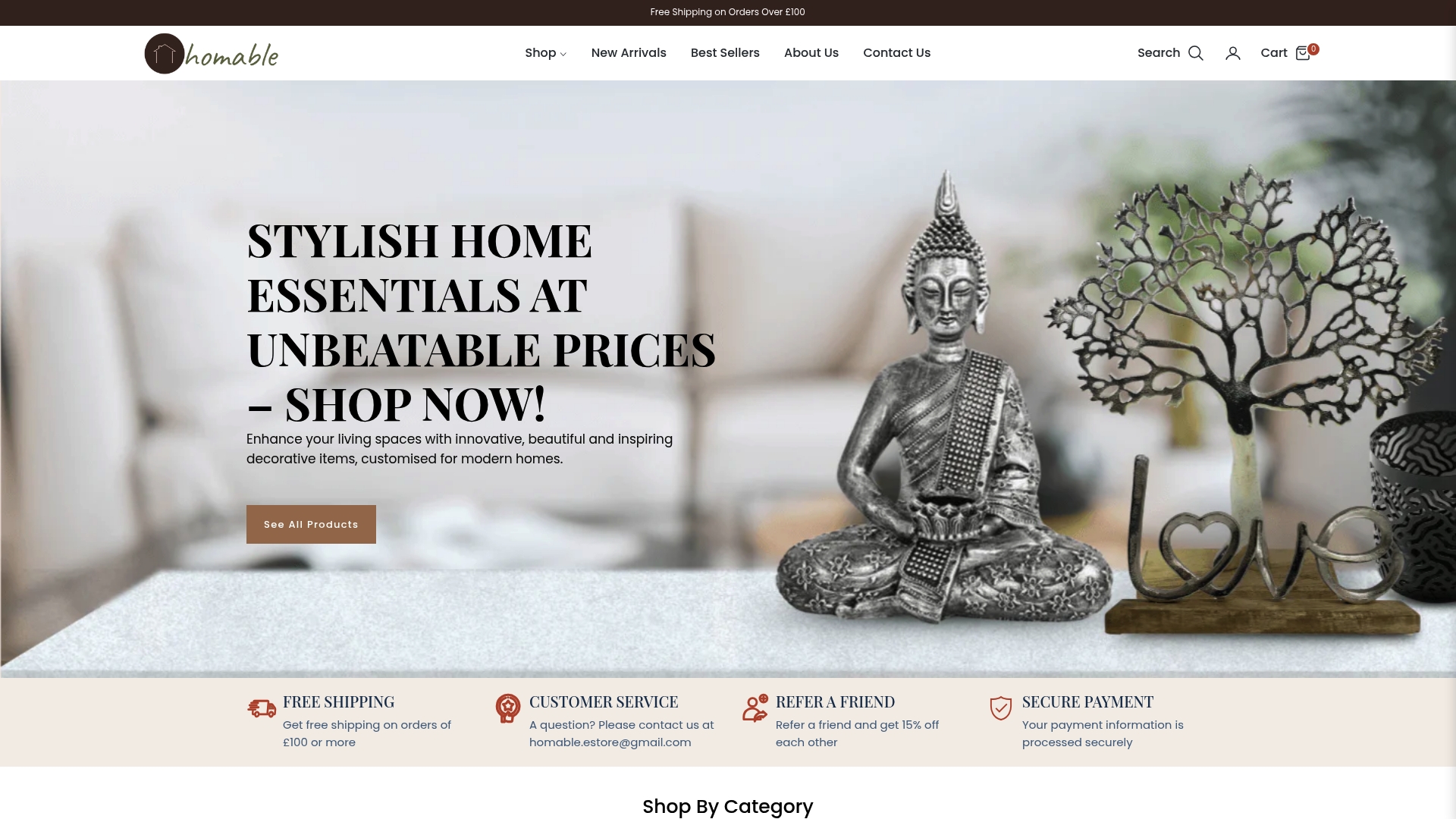
The decorative silver flower candle holder is a strong example of the material-first principle in practice. It is a single, well-designed piece that adds texture, warmth, and visual interest to any surface. Paired with a considered arrangement of existing items, it demonstrates exactly how affordable decor ideas can transform a space without a large outlay. Homable offers free shipping on orders over £100, making it straightforward to build a considered collection at a sensible price. Browse the full range at Homable and find pieces that earn their place in your home.
FAQ
What is the importance of affordable aesthetics in the home?
Affordable aesthetics improve physical health, self-esteem, and community wellbeing. Research confirms that exposure to beauty produces measurable biological benefits, making a well-considered home environment a genuine health asset.
Do budget-friendly designs actually improve property value?
Affordable aesthetic upgrades, particularly addressing deferred maintenance and improving kerb appeal, directly increase a property’s perceived and market value. Neglected aesthetics compound into structural problems that cost significantly more to correct.
What is the “buy it nice or buy it twice” principle?
It is a spending strategy that favours one quality anchor piece over several cheap alternatives. The frugal chic approach reduces overconsumption while maintaining a high visual standard in your home.
How do I start improving my home aesthetics on a tight budget?
Start by decluttering and rearranging what you already own. Then upgrade your lighting and add one or two quality textile or decorative pieces chosen for their visual impact.
Are cheap decor options worth buying?
Consistently choosing the cheapest option leads to faster deterioration and more expensive corrections over time. Mid-range purchases with strong design credentials deliver better long-term value than the lowest-priced alternatives.