Cart
0
TL;DR:
- Hygge in home styling creates warm, comfortable spaces that prioritize emotional well-being over appearance. It focuses on layered lighting, natural textiles, and an ordered, lived-in atmosphere for genuine coziness. Implementing small changes like soft lighting and quality textiles can profoundly enhance a home’s hygge feel.
Hygge in home styling is defined as the deliberate creation of cosy, comfortable spaces that prioritise warmth, atmosphere, and emotional well-being over visual perfection. The word itself comes from Danish and Old Norse roots meaning “to think” or “to comfort,” and it has shaped how Scandinavian households approach interior life for centuries. Hygge is not a decor trend you can buy in one shopping trip. It is a way of arranging your home so that it genuinely feels safe, relaxed, and welcoming every single day. Understanding what hygge means gives you a far more useful lens for home design than any mood board.
What is hygge in home styling and why does it matter?
Hygge is a Danish and Norwegian concept defined as a feeling of cosy contentment, safety, and emotional well-being. In practical terms, it describes the atmosphere of a room rather than its appearance. A space can look beautiful in photographs and still feel cold and unwelcoming. Hygge addresses that gap directly.
The concept prioritises physical comfort and atmosphere over visual perfection. That means a worn wool throw draped over a sofa contributes more to hygge than a perfectly styled cushion arrangement that nobody touches. The emotional quality of a space matters more than its Instagram appeal.
Hygge is also inherently anti-materialistic. It emphasises presence and togetherness over accumulating specific decor items. This is the detail most people miss when they first encounter the concept. Buying more things will not create hygge. Arranging what you already own to feel genuinely lived-in and warm is far closer to the real thing.
What are the key elements and materials that define hygge style?
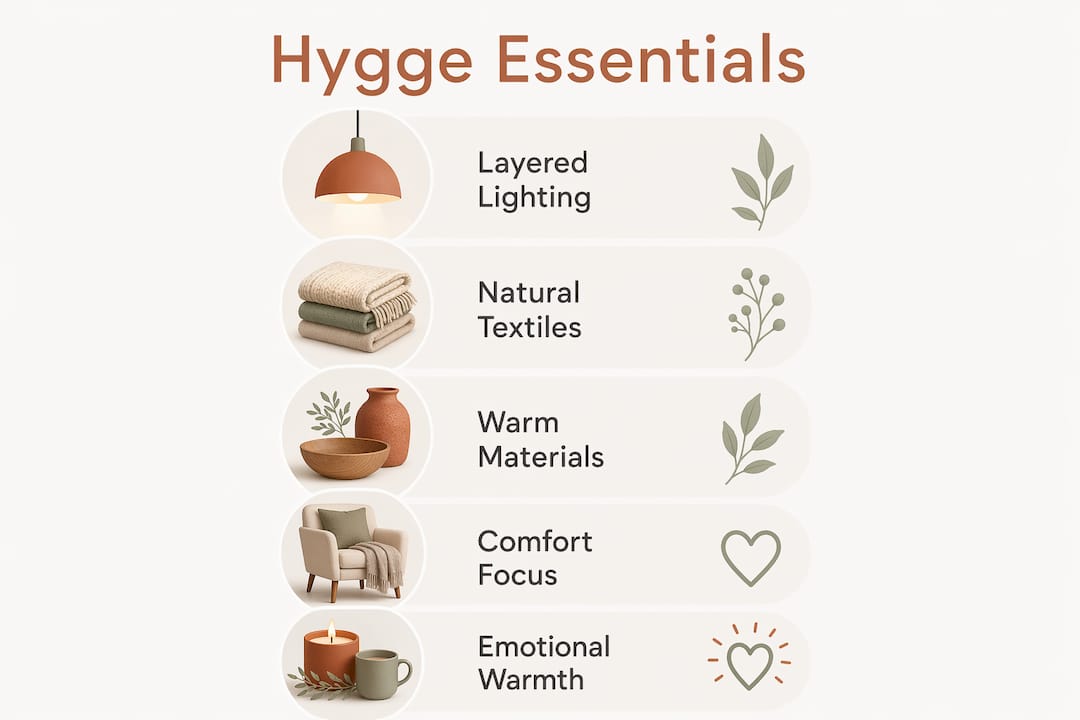
The tactile quality of a room is the foundation of hygge home design. If you can touch it, it matters. Soft, natural materials signal safety and comfort to the senses in a way that synthetic or hard surfaces simply do not.
The core textiles for a hygge interior include:
- Wool throws and blankets draped over sofas and armchairs for immediate warmth
- Linen and cotton cushions in muted, natural tones that invite you to sink in
- Sheepskin rugs placed near seating areas or beside the bed
- Chunky knit or woven rugs underfoot to soften hard floors
- Heavy curtains in natural fabrics that block draughts and create enclosure
The principle behind all of these is quality over quantity. A single wool throw used every evening delivers more hygge than a shelf of decorative objects that are never touched. Texture variety also matters. Mixing smooth linen with rough-weave wool and soft cotton creates a sensory richness that makes a room feel genuinely inviting rather than merely decorated.
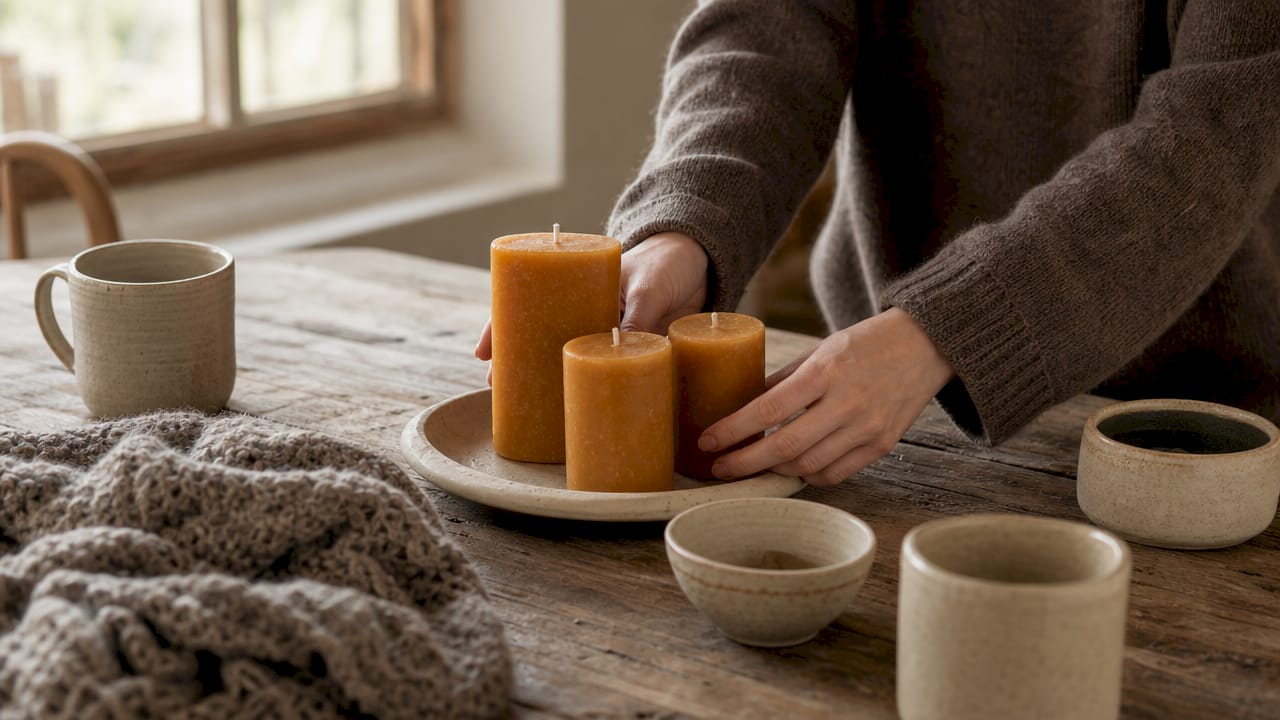
Natural materials extend beyond textiles. Unfinished wood, stone, ceramic, and beeswax candles all carry a warmth that manufactured materials lack. They age well and develop character over time, which suits hygge perfectly. A room that looks slightly worn and well-used is far more hyggelig than one that looks brand new.
Pro Tip: Invest in two or three genuinely high-quality textile pieces you will use daily rather than filling a room with cheaper alternatives. A good wool throw or a quality sheepskin rug will outlast ten budget substitutes and feel better every time you use them.
Homable’s guide on how texture transforms interiors goes deeper on selecting materials that create this kind of warmth across different room types.
How does lighting shape the hygge atmosphere in the home?
Lighting is the single most powerful tool for creating hygge, and it costs less to change than furniture. The difference between a harsh overhead bulb and a layered arrangement of warm lamps is the difference between a waiting room and a living room.
Replacing harsh overhead lighting with a layered combination of floor lamps, table lamps, and candles creates the largest immediate impact for a hygge feel without buying new furniture. The key steps are straightforward:
- Switch off the main overhead light as your default evening setting. Use it only for tasks that genuinely require it.
- Place a floor lamp in at least one corner of your main living space to create soft, indirect light.
- Add a table lamp beside your sofa or reading chair at eye level for intimate, localised warmth.
- Use candles on dining tables, windowsills, and shelves. Grouped clusters of three or five create more impact than single candles placed separately.
- Choose bulbs with a colour temperature of 2700K or lower to mimic the warm tone of natural firelight. Anything cooler reads as clinical rather than cosy.
Layered lighting with warm tones creates soft shadows and depth that a single overhead source cannot achieve. Shadows are not a problem in hygge design. They are part of the atmosphere. A room with multiple gentle light sources feels alive in a way that uniform bright lighting never does.
Pro Tip: Fit dimmable bulbs in every lamp you own. The ability to lower light levels by 30–50% in the evening is one of the cheapest and most effective hygge upgrades available.
For a deeper look at how lighting choices affect the feel of every room, Homable’s guide on lighting in home design covers the practical decisions in detail.
How does hygge differ from Scandinavian design?
Hygge and Scandinavian design are related but distinct. Confusing the two leads to spaces that either feel sterile or become cluttered. Understanding the difference is what separates an authentic hygge interior from a Pinterest imitation.
Hygge works best as a layer applied on top of Scandinavian design principles, rather than as a standalone style. Scandinavian design provides the structure: clean lines, functional layouts, restrained colour palettes, and deliberate use of space. Hygge then adds the warmth, softness, and emotional texture on top of that structure.
| Characteristic | Scandinavian design | Hygge |
|---|---|---|
| Primary focus | Function and order | Emotional warmth and comfort |
| Aesthetic | Clean, minimal, structured | Soft, layered, lived-in |
| Materials | Natural wood, stone, neutral tones | Wool, linen, sheepskin, candlelight |
| Clutter tolerance | Very low | Low, but warmth over perfection |
| Goal | Beautiful, efficient space | A space that feels safe and cosy |
True hygge fails if it masks clutter. It relies on the underlying order of Scandinavian principles to provide balance. Without that structure, adding soft textiles and candles simply creates a messy room with nice blankets. The Scandinavian foundation keeps proportions right. Hygge then makes the space feel genuinely warm rather than just tidy.
This distinction matters practically. If your room feels chaotic, adding more hygge elements will not fix it. Address the layout and storage first, then layer in the warmth.
What practical steps can you take to create a hygge space?
Creating a hygge interior does not require a full renovation. The most effective changes are small, deliberate, and focused on how a space feels rather than how it looks.
The biggest mistake in styling a hygge home is making it too pristine or staged. Spaces should feel lived-in and genuinely warm. A perfectly arranged room that nobody dares to sit in is the opposite of hygge.
Practical steps to apply hygge principles at home:
- Start with lighting. Swap one overhead bulb for a floor lamp this week. The change is immediate and costs very little.
- Add a single quality textile. A wool throw over your sofa or a sheepskin beside your bed changes the feel of a room within minutes.
- Create an inviting seating area. Arrange chairs and sofas to face each other rather than all pointing at the television. Conversation and togetherness are central to hygge.
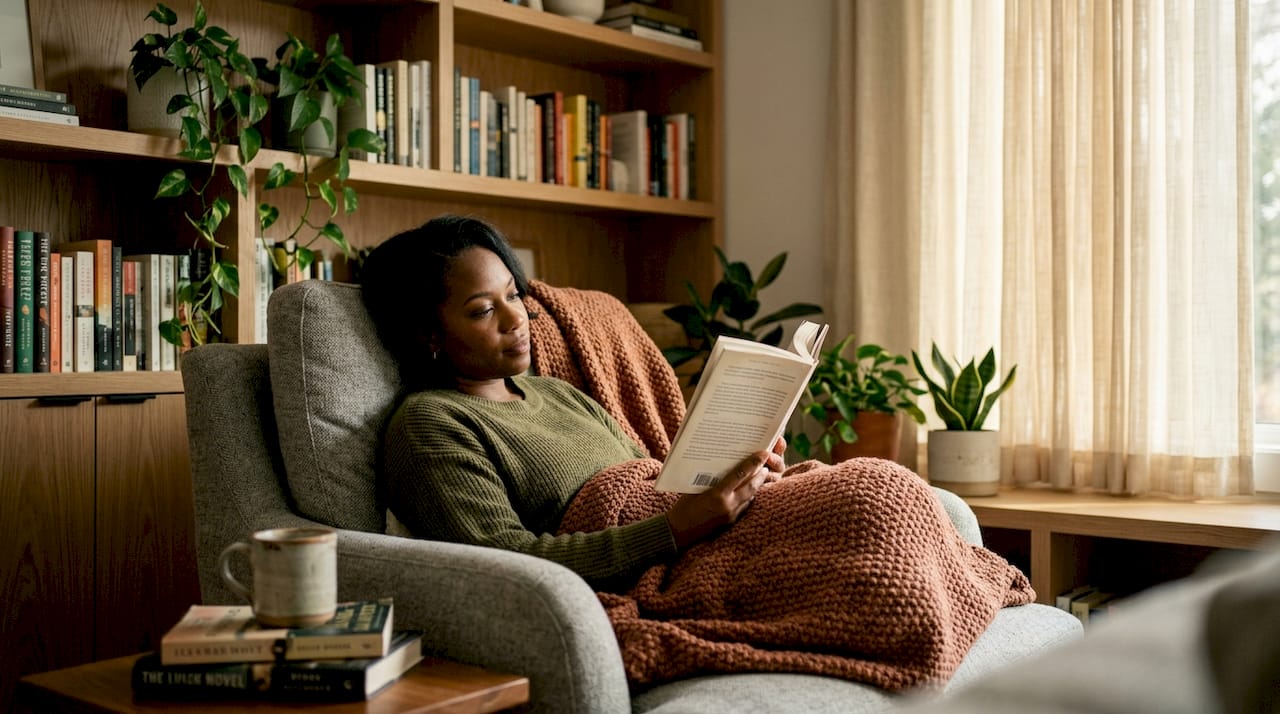
- Build a hyggekrog. A dedicated cosy corner designed for mental renewal, featuring soft textiles and access to natural light, is one of the most effective hygge practices. It does not need to be large. A window seat with cushions, or an armchair beside a bookshelf, works perfectly.
- Include personal items with emotional value. A mug you love, a book you are reading, a candle with a scent that relaxes you. These details signal that the space belongs to a real person living a real life.
- Avoid over-curation. Resist the urge to arrange everything perfectly. Leave the throw slightly rumpled. Let the books stack unevenly. Hygge is about ease, not performance.
The hyggekrog concept is worth particular attention. Designed as a dedicated place for mental rest, it uses soft materials and natural light to encourage disconnection from stress rather than productivity. Even a small flat can accommodate one. Homable’s guide on creating cosy corners offers room-specific ideas for making this work in practice.
Home aesthetics shaped around comfort and warmth have a measurable effect on mood and mental calm. Homable’s piece on why home aesthetics matter explains the connection between interior choices and emotional well-being in more detail.
Key takeaways
Hygge in home styling is the practice of creating genuinely warm, comfortable spaces through layered lighting, quality natural textiles, and a lived-in atmosphere built on an ordered Scandinavian foundation.
| Point | Details |
|---|---|
| Hygge is atmospheric, not decorative | Focus on how a space feels rather than how it looks in photographs. |
| Lighting is the highest-impact change | Replace overhead bulbs with layered lamps and candles at 2700K or lower. |
| Quality textiles over quantity | One wool throw used daily delivers more hygge than ten decorative items. |
| Hygge needs structure beneath it | Apply hygge as a warm layer on top of an ordered, functional layout. |
| The hyggekrog is a practical tool | A dedicated cosy corner for rest deepens hygge practice without requiring a full redesign. |
Hygge taught me to stop performing comfort
The first time I genuinely understood hygge, I was sitting in a friend’s living room in Edinburgh on a grey november evening. The room was not stylish by any conventional measure. The sofa was old. The throws were mismatched. There were too many books and not enough shelves. But the lighting was warm, the tea was hot, and nobody wanted to leave.
That experience clarified something I had been getting wrong for years. I had been treating comfort as something to display rather than something to feel. I was buying cushions and arranging them. I was not actually sitting down and relaxing.
The most common misconception is treating hygge as a shopping list rather than a lifestyle shift. I have seen this play out repeatedly. People buy the candles, the throws, the ceramic mugs, and then wonder why the room still feels cold. The objects are not the point. The intention behind them is.
What actually works is slowing down and paying attention to how you use a space. Sit in your living room at 7pm with the main light off and one lamp on. Notice what feels wrong and what feels right. That observation is worth more than any mood board. Hygge is not a style you achieve. It is a quality of attention you bring to your home.
— Cristiano
Homable’s approach to comfortable, stylish living
Homable brings together home decor and lifestyle guidance for people who want their spaces to feel as good as they look.
Whether you are building a hygge-inspired living room from scratch or simply adding warmth to what you already have, Homable’s curated collections cover the textiles, accessories, and room-specific pieces that make the difference. From room-by-room decor tips to a full range of home accessories, everything on Homable is chosen with both style and everyday comfort in mind. Free shipping is available on orders over £100, making it straightforward to invest in the quality pieces that hygge genuinely calls for.
FAQ
What does hygge mean in simple terms?
Hygge is a Danish and Norwegian word for a feeling of cosy contentment, safety, and emotional well-being. In home styling, it describes an atmosphere of warmth and comfort rather than a specific visual style.
Is hygge the same as Scandinavian design?
No. Scandinavian design focuses on function, order, and clean lines. Hygge is an atmospheric layer of warmth and softness applied on top of that structure. One without the other produces either a cold minimal space or a cluttered one.
What is a hyggekrog?
A hyggekrog is a dedicated cosy corner designed for mental rest and renewal. It typically features soft textiles, access to natural light, and a sense of enclosure, such as a window seat or a sheltered armchair.
How do I start creating a hygge home on a budget?
Change your lighting first. Replacing a single overhead bulb with a warm floor lamp or adding candles costs very little and produces an immediate shift in atmosphere. Lighting is the most impactful change you can make without buying new furniture.
Can hygge work in a small flat?
Yes. Hygge is about atmosphere, not square footage. A single well-lit corner with a quality throw and a comfortable chair creates genuine hygge in any size of space.