Cart
0
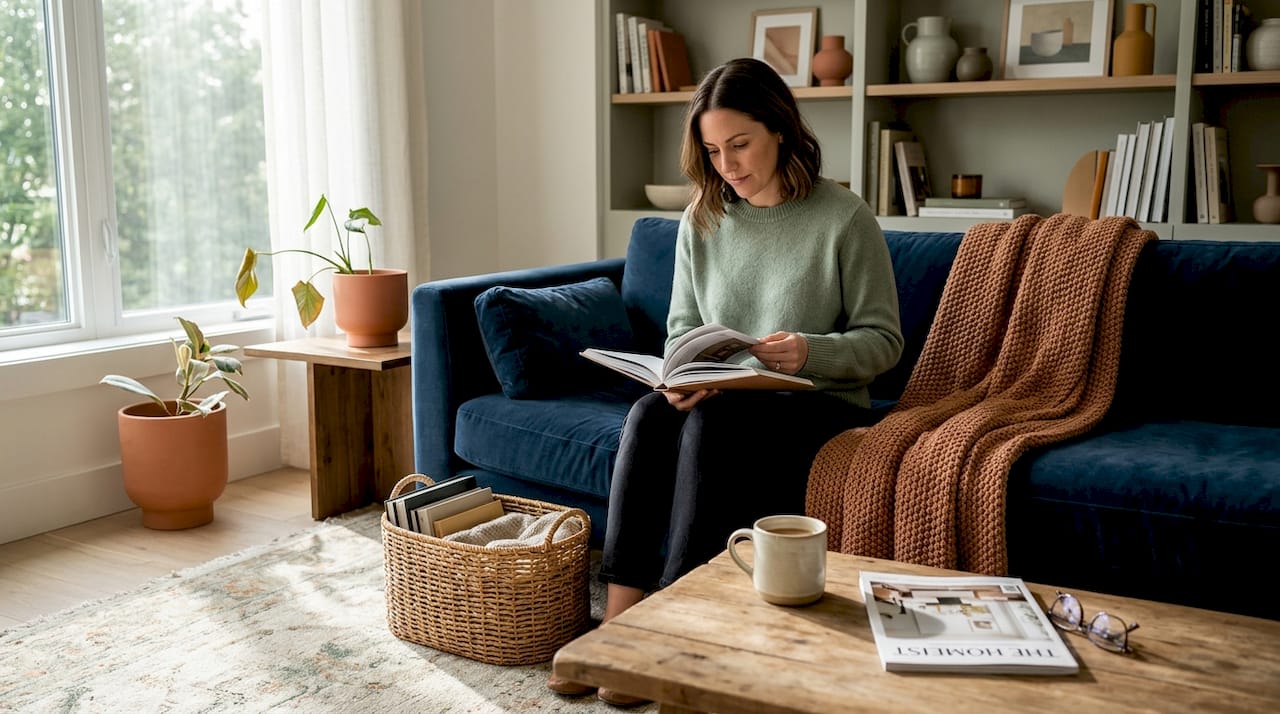
TL;DR:
- Texture adds depth and sensory interest to interior spaces, preventing them from feeling flat or sterile.
- Balancing natural materials and contrasting textures creates a timeless, harmonious environment that endures trends.
Most people spend hours agonising over paint swatches and sofa choices, yet walk into a room that still feels flat and uninspiring. The missing ingredient is rarely another colour or a bigger piece of furniture. It is texture. Texture adds depth, dimension, and sensory engagement to interior spaces, preventing flatness and making neutral palettes feel rich and considered. This article breaks down the types of texture, the effects they create, and exactly how to start using them with confidence in your own home.
Table of Contents
- Understanding texture in interior styling
- How texture influences atmosphere and function
- Why natural materials reign supreme
- Balancing texture: The art of mixing for harmony
- Practical ways to start using texture today
- Why texture matters more than colour: A rethink for timeless style
- Discover more ways to style your home with texture
- Frequently asked questions
Key Takeaways
| Point | Details |
|---|---|
| Texture adds depth | Layering different textures stops a room from appearing flat and adds engaging visual interest. |
| Prioritise natural materials | Wood, stone, and linen are both on-trend and proven to enhance comfort and relaxation in homes. |
| Balance is key | Mix textures thoughtfully and limit to three or four types per room to avoid visual chaos. |
| Textiles are easy entry | Cushions, rugs, and throws are practical, affordable ways to introduce texture to any space. |
Understanding texture in interior styling
Texture in home decor is not simply about whether something feels rough or smooth under your fingertips. It covers every quality of a surface that creates visual or physical interest, from the nubby weave of a wool throw to the reflective sheen of a lacquered cabinet. Understanding this broader definition opens up a much wider toolkit for you when styling any room.
There are two main types of texture: tactile texture, which is the actual physical feel of a surface, and visual texture, which is perceived through light, pattern, and colour. A chunky jute rug delivers tactile texture you can feel beneath your feet. A patterned wallpaper that mimics woven fabric delivers visual texture without any physical relief at all. Both types are equally powerful, and the most successful interiors use them together.
Here is a quick comparison to make the distinction clear:
| Type | Definition | Common examples |
|---|---|---|
| Tactile texture | Physical surface you can feel | Wool rugs, velvet cushions, rough stone |
| Visual texture | Perceived depth without touch | Patterned tiles, printed fabrics, woodgrain wallpaper |
Why does this matter for everyday homes? Because most of us rely almost entirely on colour to create mood and depth. When you understand the role of texture in interiors, you realise that a neutral, tonal room can feel just as dynamic and warm as a colourful one, provided the surfaces have variety. Textures prevent a space from reading as flat or sterile, even when the colour palette is deliberately restrained.
Key textural elements to consider in any room include:
- Wall finishes: smooth plaster, limewash, exposed brick, panelling
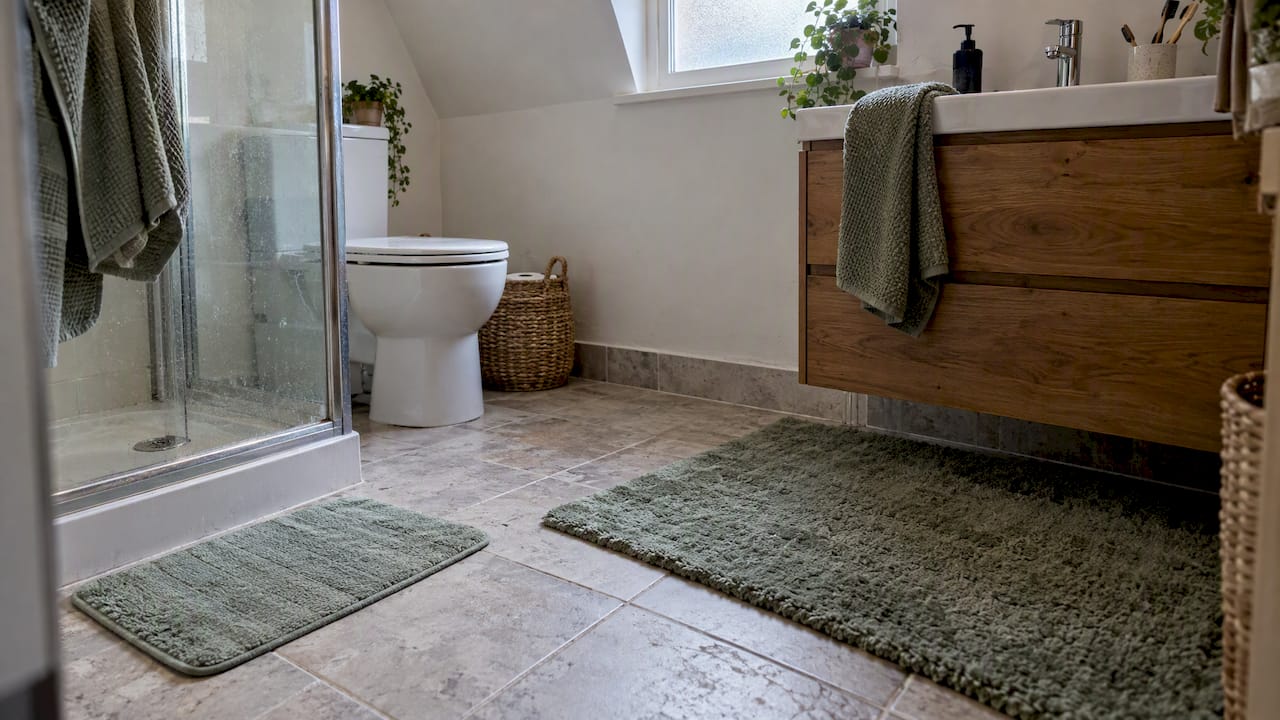
- Flooring: polished wood, stone tiles, textured carpet, sisal matting
- Soft furnishings: velvet, bouclé, linen, cotton, wool blends
- Hard furnishings: glass, metal, ceramic, reclaimed timber
- Decorative accents: woven baskets, ceramic vessels, knitted throws
Each of these contributes to the overall sensory experience of the room, sometimes more powerfully than the colour you have painted the walls.
How texture influences atmosphere and function
With a clearer understanding of what texture is, we can now explore how it actively shapes the feel of your space beyond appearances. The way a texture interacts with light, sound, and warmth is surprisingly practical, and it is something professional interior designers think about constantly.
Rough and soft textures absorb light and sound, which creates a sense of cosiness and quiet. Smooth and hard surfaces, by contrast, reflect light and sound, making a room feel more energised and spacious. This is why a velvet sofa in a snug sitting room feels so instinctively right, while a sleek glass coffee table gives an open-plan kitchen a crisp, airy quality.
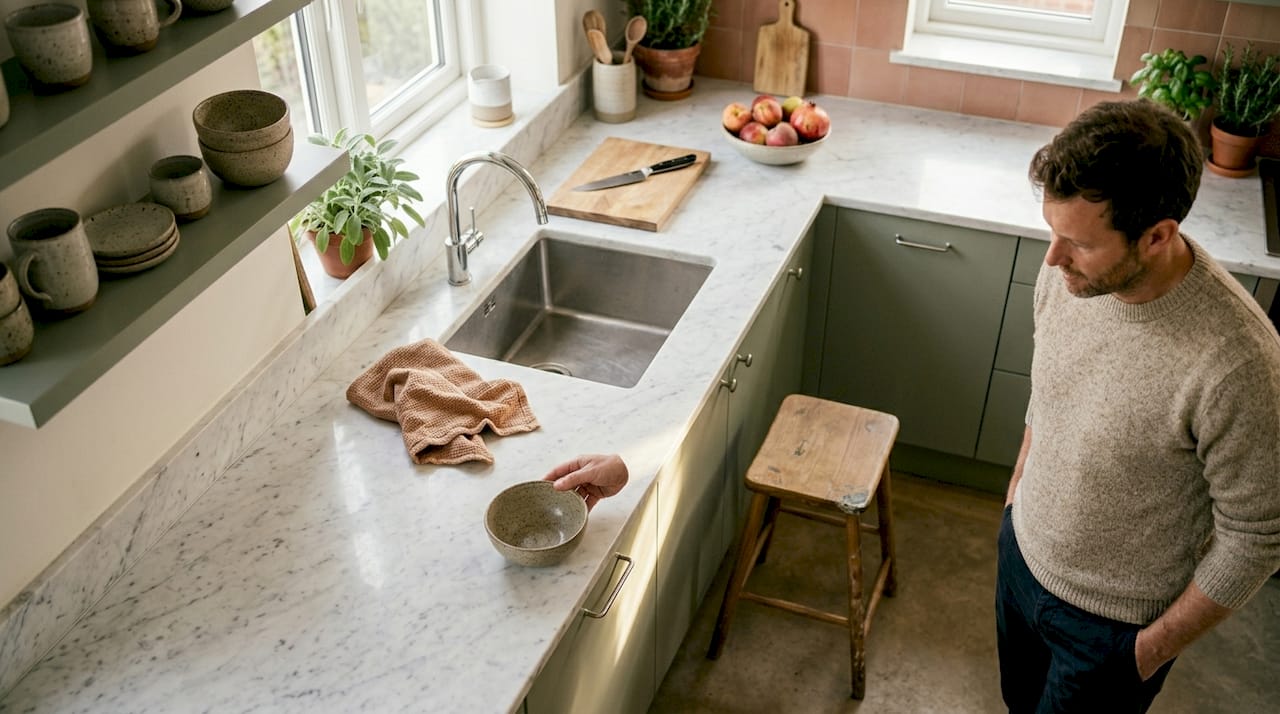
Here is how different material types influence a room’s atmosphere at a glance:
| Texture type | Effect on light | Effect on sound | Mood created |
|---|---|---|---|
| Soft/rough (wool, linen) | Absorbs | Dampens | Warm, intimate |
| Smooth/hard (glass, metal) | Reflects | Amplifies | Cool, energetic |
| Mid-range (timber, ceramic) | Partial absorption | Neutral | Balanced, natural |
This has real acoustic value too. Rooms that feel echoey and cold often lack enough soft texture. Adding a large rug, curtains with good weight, and upholstered seating can transform the acoustic character of a room without a single structural change. That is a genuinely practical reason to invest in layering textures for warmth, not just an aesthetic one.
“A room that looks beautiful in photographs often owes its appeal to the variety of surfaces rather than to any single colour choice.”
Balancing opposing textures is the key. A room full of only soft materials can feel muffled and heavy. A room full of only hard, shiny surfaces can feel clinical. Mix a smooth marble tray on a rough linen-covered side table, or layer a silky cushion on a chunky bouclé sofa, and you create the contrast that makes a space feel curated and alive.
Pro Tip: If a room feels uncomfortable but you cannot pinpoint why, count how many different textures are present. Fewer than three almost always explains the problem.
Why natural materials reign supreme
Having looked at how any texture impacts space, it is worth focusing specifically on why natural materials are not just a passing trend but a genuine foundation for comfort and wellbeing. The evidence is compelling.
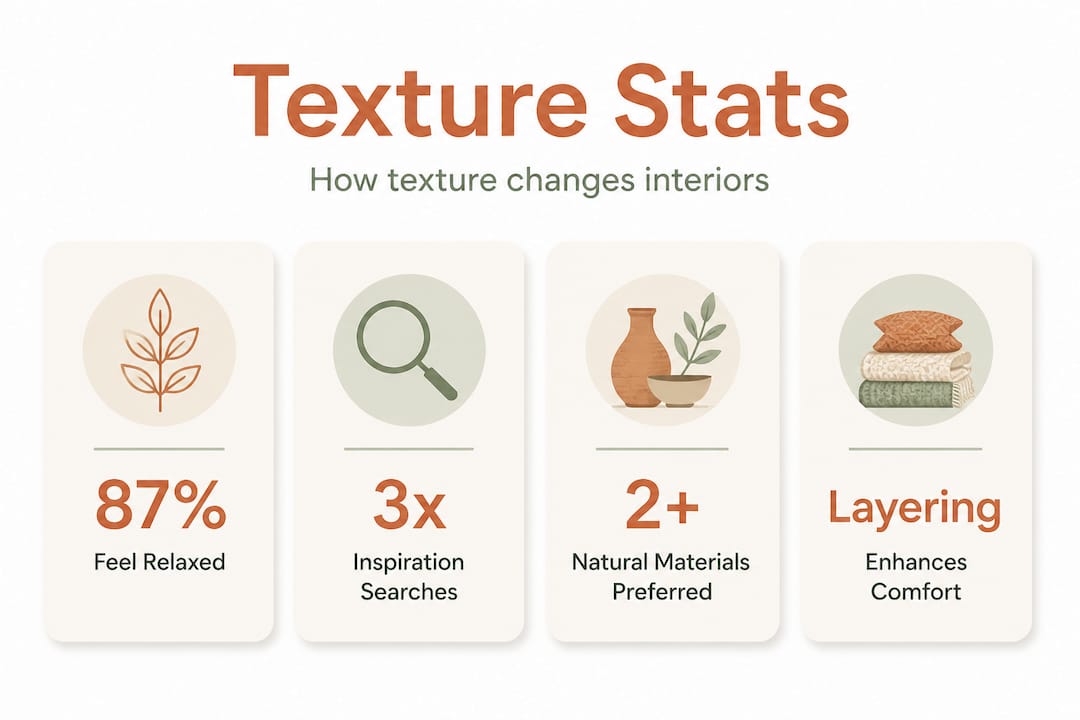
87% of homeowners feel more relaxed in spaces featuring natural materials like wood, stone, and linen, with searches for these finishes rising 73% in recent years. The reclaimed wood market alone is projected to reach $68.9 billion by 2025, reflecting a major shift in how people want to live.
This connects to the concept of biophilic design, which is the idea that humans have an innate need to feel connected to the natural world. Bringing natural textures indoors partially satisfies that need, reducing stress and improving how a space feels to spend time in. It is not just about aesthetics. It is about how your body responds to the materials around you.
Practical ways to incorporate natural textures into your home include:
- Floors and walls: wide-plank oak flooring, stone tiles, exposed brick, or even a limewashed plaster finish
- Furniture: solid timber dining tables, rattan chairs, or reclaimed wood shelving
- Textiles: linen curtains, wool rugs, jute baskets, cotton throws
- Accessories: ceramic bowls, driftwood sculptures, woven wall hangings, stone candle holders
The beauty of natural materials is their layering in home design. A linen cushion placed on a leather sofa next to a wooden lamp base creates a trio of natural textures that feel harmonious without being matchy or contrived. Natural materials also age well. They develop character over time rather than looking dated, which makes them an especially wise investment for your home.
Stone, in particular, is underused in residential interiors. People often reserve it for bathrooms and kitchens, but a stone side table or a slate plant pot in a living room brings a grounded, earthy quality that no synthetic material replicates convincingly.
Balancing texture: The art of mixing for harmony
Once you have sourced the right materials, mixing them harmoniously is the next challenge. This is where many homeowners either go too cautious and end up with a flat result, or go too enthusiastic and create a room that feels busy and overwhelming.
Neutrals demand texture because without it, an all-smooth neutral room feels institutional rather than elegant. All-rough surfaces, conversely, can make a space feel heavy and cluttered. Neither extreme works in real life. The goal is considered contrast.
The expert guidance is clear on limits. Too many textures create chaos; limiting yourself to three or four per room, unified by a consistent colour palette, gives you variety without visual noise. That constraint sounds restrictive, but it is actually liberating. It focuses your decisions and makes the final result more coherent.
Here is a practical approach to layering for depth in any room:
- Start with the largest surfaces. Choose your flooring, wall finish, and main upholstery first. These set the dominant texture for the room.
- Add a contrasting mid-layer. A rug under the seating area or curtains at the windows introduces a second texture that interacts with the first.
- Layer smaller accents. Cushions, throws, and decorative objects are your third and fourth textures. These are easy to swap out seasonally without redecorating.
- Check the balance. Step back and assess whether the room feels warm or cool, heavy or light. Adjust the accent textures accordingly.
- Unify with colour. Even if your textures vary dramatically, keeping them within a similar tonal range prevents the room from feeling fragmented.
This top-down approach works equally well in a minimalist home design where very few objects are present, and in a more maximalist space packed with pattern and colour. The principle is the same: contrast with control.
“The most enduring interiors are not defined by the colours on the walls. They are defined by the interplay of surfaces that catch and absorb light throughout the day.”
Pro Tip: When in doubt, add one soft textile and one hard object to any shelf or table arrangement. The contrast between the two is almost always enough to make the display feel considered rather than accidental.
Practical ways to start using texture today
Ready to put all this knowledge into action? Here are some straightforward, practical steps that work in any home, at any budget level.
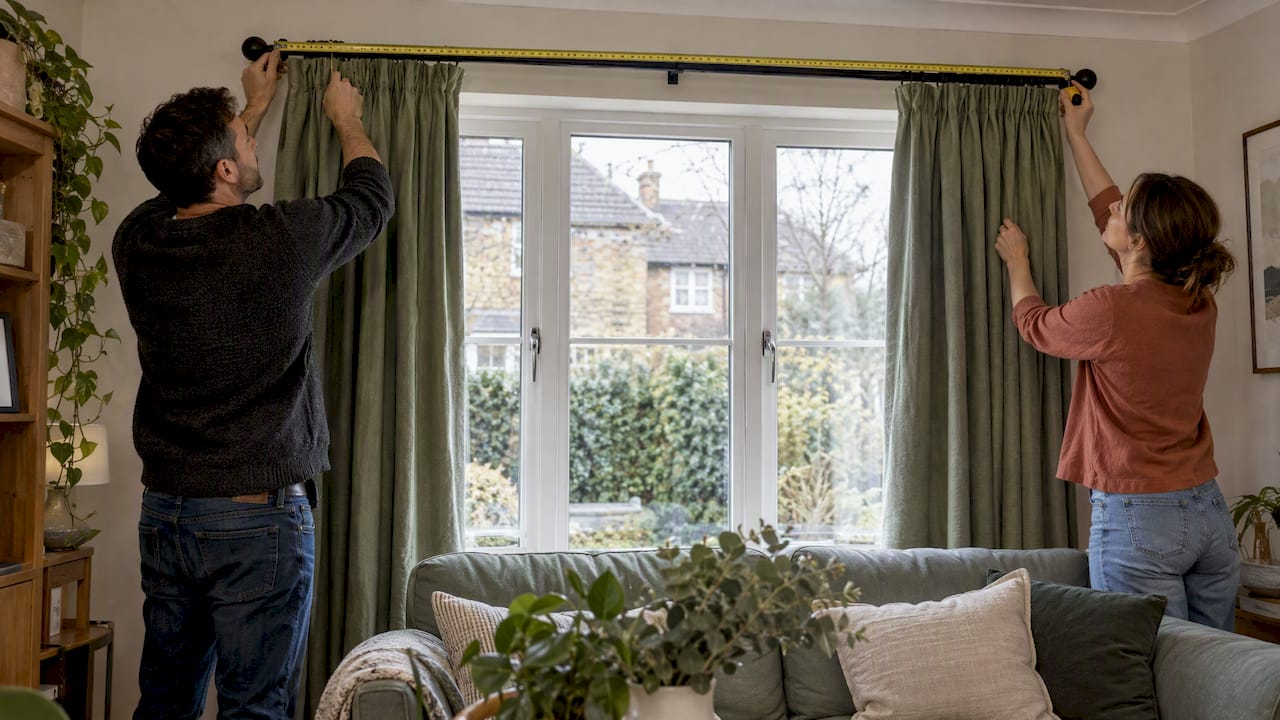
The easiest entry point is textiles. Cushions, throws, and rugs require no tools, no tradespeople, and no significant commitment. They can be swapped seasonally, which keeps your interiors feeling fresh throughout the year without requiring a full redecoration. A chunky-knit throw in autumn and winter, replaced by a lightweight linen version in spring and summer, keeps the same sofa feeling relevant across the seasons.
Textiles like pillows, rugs, and throws are the easiest entry point for adding texture, and seasonal swaps are one of the simplest ways to maintain visual rhythm in your home. The cost per impact ratio here is genuinely excellent.
Wall finishes are the next level up. Textured walls, including limewash finishes, have grown in popularity by 42%, and industry surveys report a 40% jump in textured material use across residential projects. Limewash paint is particularly accessible for confident DIY enthusiasts and creates a depth of finish that flat emulsion simply cannot match.
A quick starter checklist for adding texture:
- Swap out plain cushions for ones with boucle, velvet, or embroidered detail
- Add a textured rug to any hard floor space, even a small one under a coffee table
- Introduce a woven basket or rattan storage piece
- Try a textured candle holder or ceramic vase as a low-cost accent
- Consider a limewash or clay paint on one wall as a budget-friendly feature
Following clear home styling steps helps you build texture into your space methodically rather than impulse-buying random accessories that never quite come together. Start with one room, make your layered choices deliberately, and then use that room as a template for the rest of your home.
Pro Tip: Before buying anything new, walk through your home and photograph each room. Looking at flat images makes it much easier to spot where texture is missing than simply standing in the space.
Why texture matters more than colour: A rethink for timeless style
Here is an opinion that tends to surprise people: texture is more important than colour for creating interiors that stand the test of time. Most homeowners obsess over paint colours, following trends and repainting every few years as shades fall in and out of fashion. But colour trends move fast. Textural richness does not age in the same way.
Think about the most beautiful rooms you have ever seen in person, not in photographs. What made them feel extraordinary was almost certainly not a particular shade of green or a specific tone of terracotta. It was the quality of the surfaces. The way a wool rug absorbed the afternoon light. The weight and drape of heavy linen curtains. The warmth of a reclaimed timber floor that had been walked on for decades.
Texture creates a depth in minimalist spaces that colour simply cannot achieve, enabling simpler decor to feel more considered and intentional. This is the real secret behind the enduring appeal of Scandi and Japanese-influenced interiors. They are not interesting because of their colour palette, which is often almost entirely neutral. They are interesting because every surface has been carefully chosen for its textural contribution.
We would encourage you to think of colour as the backdrop and texture as the content. You can repaint a backdrop every few years as tastes change. But when you invest in genuinely textured materials, from a hand-knotted rug to solid oak furniture to spaces designed around minimalism and texture, you are building an interior with a character that will outlast any trend cycle. That is a fundamentally different and more satisfying approach to decorating your home.
Discover more ways to style your home with texture
There is a lot to take in, but the most important step is simply starting. Even one new textured cushion or a woven basket in the corner of a room begins to shift how the space feels.
At Homable, we have put together a full range of guides and inspiration to help you go further. If you want to understand why texture matters in every room of your home, our styling articles cover everything from choosing the right materials for your lifestyle to building a cohesive layered look on any budget. Browse Homable’s home styling resources for curated product picks, practical guides, and fresh ideas updated regularly. We offer free shipping on orders over £100, so it is easy to start building your textural toolkit without worrying about delivery costs adding up.
Frequently asked questions
What is the difference between tactile and visual texture in interiors?
Tactile texture is the physical feel of a surface, such as a rough stone wall or a soft wool rug, while visual texture relates to how a material looks, including its pattern, sheen, or perceived depth, without necessarily having any physical relief.
Why are natural textures so popular in modern interiors?
Natural textures like wood, stone, and linen help people feel calmer and more at ease at home. 87% of homeowners report feeling more relaxed in rooms featuring natural materials, which reflects a broader shift towards interiors that support wellbeing rather than simply looking good.
How can I add texture to my home on a small budget?
Start with affordable soft furnishings like cushions, throws, and a textured rug, which are the easiest entry points for texture. Swapping these items seasonally gives your rooms variety throughout the year without requiring any significant investment.
What is the risk of using too many different textures?
Too many different textures in one room can make the space feel visually chaotic and unsettling. The expert recommendation is three to four textures per room, unified by a consistent colour palette, to keep the result feeling curated rather than cluttered.