Cart
0
TL;DR:
- Reversible, affordable decor options like textiles and decals are ideal for renters and small spaces.
- Using mirrors and lighting can significantly enhance room brightness and perceived size.
- Combining trend-driven peel-and-stick solutions with sustainable upcycling offers practical, stylish home updates.
Giving your home a fresh new feel does not have to mean a costly renovation or a weekend of heavy lifting. Whether you rent a flat in Manchester or own a terraced house in Bristol, the challenge is the same: how do you make your space feel genuinely inviting without blowing your budget or making changes you will regret? The good news is that some of the most effective interior refreshes are also the most reversible, affordable, and surprisingly simple. This guide walks you through the best practical options, from textiles and mirrors to peel-and-stick solutions and finishing touches, so you can transform your home with confidence.
Table of Contents
- Criteria for choosing interior refresh solutions
- Textiles and soft furnishings: Effortless style updates
- Mirrors and lighting: Making spaces feel larger and brighter
- Peel-and-stick solutions and upcycling: Trendy vs. sustainable decor
- Final touches: Accessories and personalised flourishes
- Expert perspective: Why reversible choices and personal style matter more than trends
- Discover curated decor solutions for UK homes
- Frequently asked questions
Key Takeaways
| Point | Details |
|---|---|
| Reversible options matter | Choose non-permanent decor like textiles and peel-and-stick solutions for flexibility especially if you rent. |
| Maximise light and space | Mirrors and clever lighting instantly boost the brightness and perceived spaciousness of even small rooms. |
| Balance trends with sustainability | Quick fixes are great for fast refreshes, but upcycling brings lasting style and environmental benefits. |
| Personal touches elevate comfort | Accessories and personalised accents are the easiest way to tailor each room to your tastes and needs. |
Criteria for choosing interior refresh solutions
Before you buy a single cushion or stick up a single decal, it helps to know what you are actually looking for. Not every refresh idea suits every situation, and choosing the wrong approach can waste both money and effort.
Here are the key criteria to weigh up before you start:
- Reversibility: Can you undo it when you move out or change your mind? This matters enormously for renters.
- Cost: Does it fit your budget without requiring a finance plan?
- Visual impact: Will it actually make a noticeable difference to the room?
- Ease of installation: Can you do it yourself in an afternoon, or does it need a professional?
- Space suitability: Will it work in a small flat or does it need a larger room to shine?
If you rent your home, reversibility should sit at the top of your list. Reversible decor is key for renters and small spaces, since permanent changes like painting walls or drilling can cost you your deposit. Even if you own your home, reversible choices give you the freedom to evolve your style over time without committing to something that dates quickly.
Small rooms benefit most from light-enhancing options such as mirrors, pale textiles, and clever lighting. Larger rooms can handle bolder statements like a feature rug or an oversized piece of wall art. If you are unsure where to begin, reading about customising your space can help you identify your personal style before you spend anything.
Budget is the other big filter. Many quick fixes to revitalise your home cost very little but deliver outsized results. Prioritise changes that affect the most-used areas of your home first, such as the living room or bedroom, where the impact on your daily mood will be greatest.
Pro Tip: Set a per-room budget before you shop. It stops impulse purchases and keeps your refresh feeling intentional rather than cluttered.
Textiles and soft furnishings: Effortless style updates
If there is one category that delivers the biggest visual return for the least effort, it is textiles. Cushions, throws, rugs, and curtains are the workhorses of interior refreshing, and they are entirely non-permanent.
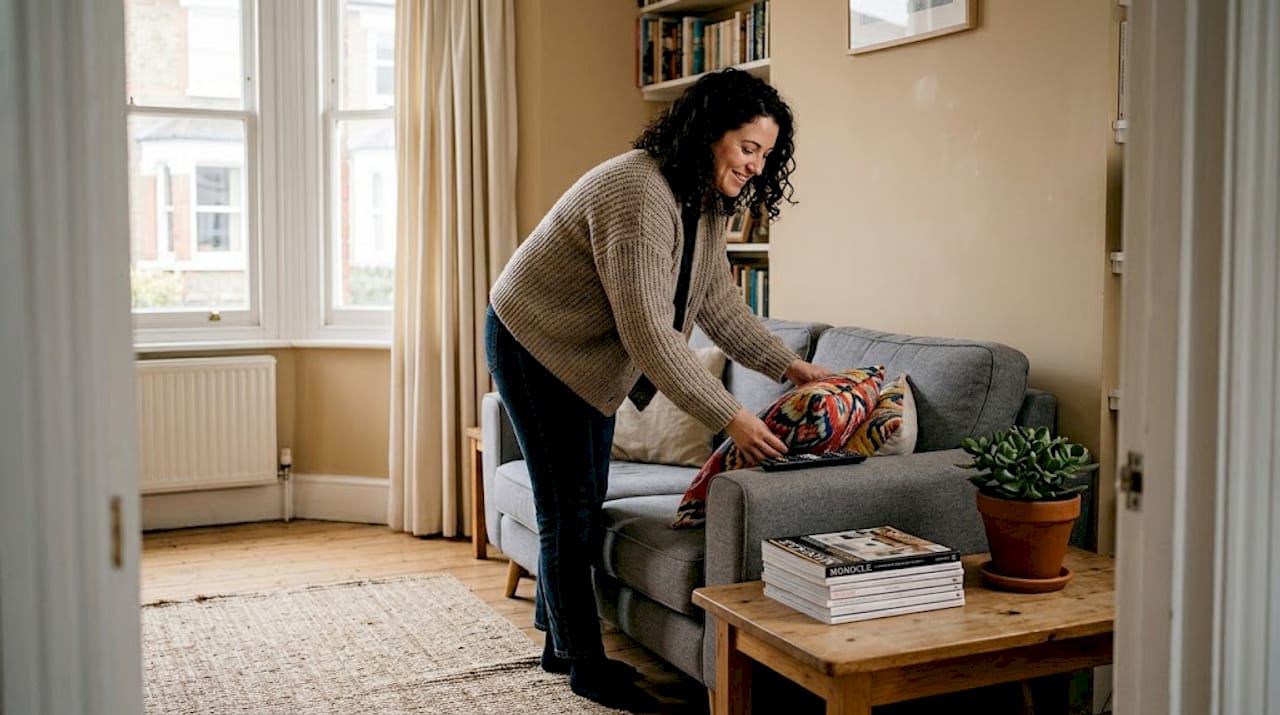
Swapping cushions and throws offers a quick, non-permanent refresh that can shift a room’s entire colour palette in under an hour. That is genuinely powerful when you consider how much a sofa dominates a living room. Change the cushions from neutral beige to deep terracotta or sage green, and the whole space reads differently.
Here is what to focus on when refreshing with textiles:
- Cushions: Mix textures (velvet, linen, boucle) rather than just colours for a layered, considered look.
- Throws: Drape over a sofa arm or fold at the foot of a bed for instant warmth and style.
- Rugs: Define zones in open-plan spaces and add warmth underfoot in rooms with hard flooring.
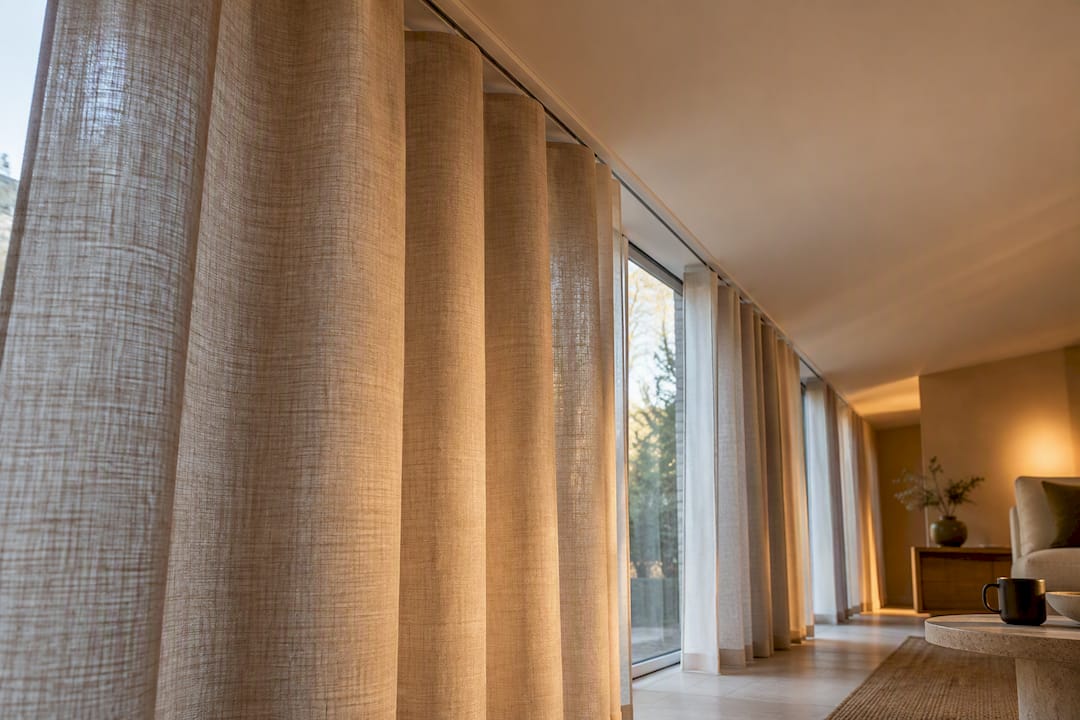
- Curtains: Swap out tired curtains for something with more weight or pattern to frame your windows beautifully.
Textiles also let you respond to seasonal trends without any lasting commitment. Swap in warmer tones for autumn and winter, then shift to lighter linens and botanicals for spring and summer. It is a simple rhythm that keeps your home feeling current without the cost of a full redesign. For a structured approach, the room makeover process guide breaks this down step by step.
For those interested in upholstery or more involved fabric projects, exploring faux leather fabric ideas can open up creative possibilities for refreshing chairs and sofas on a budget. Understanding the modern interior design workflow also helps you sequence your textile choices alongside other refresh decisions.
Pro Tip: Buy cushion covers rather than filled cushions. You can swap covers seasonally and store them flat, saving both money and storage space.
Mirrors and lighting: Making spaces feel larger and brighter
After textiles, mirrors and lighting are arguably the most transformative tools available to UK homeowners and renters alike. Neither requires permanent installation, and both can make a dramatic difference to how a room feels.
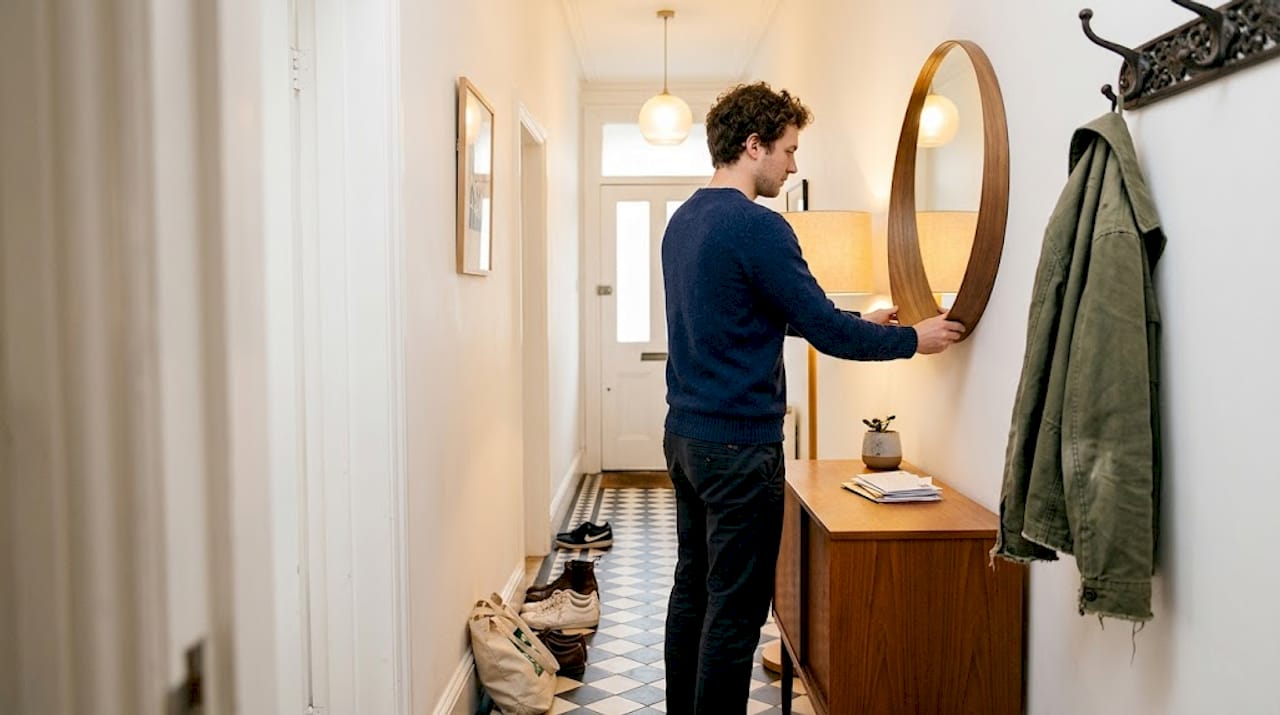
Using mirrors and lighting enhances perceived space and brightness, which is particularly valuable in the smaller rooms common in British homes. A well-placed mirror opposite a window can effectively double the natural light in a room, making it feel airy and open even on a grey November afternoon.
Here is a quick comparison to help you decide where to invest first:
| Feature | Mirrors | Lighting |
|---|---|---|
| Cost | £20 to £200+ | £15 to £150+ |
| Installation | Leaning or wall-mounted | Plug-in or battery options |
| Renter-friendly | Yes (leaning styles) | Yes (lamps, LED strips) |
| Instant impact | High | High |
| Mood setting | Moderate | Very high |
For lighting, you do not need to rewire anything. Standalone floor lamps and table lamps add warmth and atmosphere instantly. LED strip lights behind a TV unit or along a bookshelf create a cosy, layered effect that feels far more expensive than it is. Smart bulbs let you adjust colour temperature from cool daylight to warm amber, which is ideal for shifting the mood from productive to relaxed.
For decorative solutions for small spaces, combining a leaning mirror with a warm-toned floor lamp is one of the most effective pairings you can make. It addresses both light and perceived space in one move. You can also explore decorating small spaces workflow for a more structured plan. There are also some excellent mirror options for UK homes that are shatterproof and safe for households with children or pets.
“The right mirror in the right spot does not just reflect light. It reflects your entire design intention back at you.”
Peel-and-stick solutions and upcycling: Trendy vs. sustainable decor
Two of the most talked-about approaches to interior refreshing sit at opposite ends of the spectrum. Peel-and-stick products are fast and trend-driven. Upcycling is slower, more considered, and far more sustainable. Both have their place.
Peel-and-stick tiles, wallpaper panels, and wall decals have improved enormously in quality over the past few years. They are genuinely renter-friendly, relatively affordable, and can transform a kitchen splashback or bathroom wall in an afternoon. Explore peel-and-stick tile ideas and removable wall art decals for a sense of what is available.
Upcycling, on the other hand, takes a vintage find or tired piece of furniture and gives it a new life. Fast furniture is wasteful; upcycling adds character that mass-produced items simply cannot replicate. A charity shop sideboard repainted in a bold colour becomes a genuine statement piece.
Here is how to decide which approach suits your situation:
- Short-term rental: Go peel-and-stick. It is fast, reversible, and requires no tools.
- Long-term rental or owned home: Upcycling makes more sense. The investment of time pays off in pieces you will keep for years.
- Tight budget: Both work, but upcycling often costs less overall if you source pieces from charity shops or online marketplaces.
- Eco-conscious refresh: Upcycling wins every time. It keeps furniture out of landfill and reduces demand for new production.
| Approach | Speed | Cost | Sustainability | Renter-friendly |
|---|---|---|---|---|
| Peel-and-stick | Fast | Low to moderate | Low | Yes |
| Upcycling | Slower | Low to moderate | High | Yes (portable) |
For quick and affordable refresh ideas that blend both approaches, mixing a peel-and-stick feature wall with a upcycled accent table is a genuinely stylish combination.
Pro Tip: Before buying anything new, walk through your home and identify pieces that could be refreshed with paint, new handles, or reupholstering. You may already own your next statement piece.
Final touches: Accessories and personalised flourishes
The difference between a room that looks styled and one that looks merely furnished often comes down to the finishing touches. Small accessories are where your personality enters the space, and they are among the easiest and most affordable changes you can make.
Quick swaps like accessories instantly refresh a room’s vibe without any commitment or skill. A new vase, a scented candle, a framed print, or a small indoor plant can shift the entire feeling of a shelf or sideboard.
Here is a practical list of finishing touches that punch above their weight:
- Indoor plants: Low-maintenance varieties like pothos, snake plants, or peace lilies add life and colour without much effort.
- Candles and diffusers: Scent is one of the most underrated elements of a welcoming home. Choose a signature scent for each room.
- Framed art or prints: Swap out frames seasonally or rotate prints from a small collection to keep walls feeling fresh.
- Decorative vases and bowls: Group odd numbers of objects together for a display that feels intentional rather than random.
- Books and magazines: Stacked horizontally or arranged by colour, they add texture and personality to any surface.
The key with accessories is restraint. More is not always better. Choose pieces that mean something to you or that serve a dual purpose, such as a beautiful storage basket or a sculptural lamp. For more inspiration, tips for styling small spaces offers practical guidance on making accessories work in compact rooms.
If you want a structured approach to pulling everything together, the home decorating step by step guide is an excellent resource. And for broader lifestyle-led inspiration, home styling tips covers how thoughtful styling can improve both your home’s value and your daily wellbeing.
Pro Tip: Group accessories in threes at varying heights. It is one of the simplest styling rules and it works in virtually every room.
Expert perspective: Why reversible choices and personal style matter more than trends
Here is something the interiors industry does not always say loudly enough: most trends are irrelevant to how well your home actually works for you. The sheer volume of “must-have” looks cycling through social media each season creates pressure to keep updating, which is both expensive and environmentally irresponsible.
Permanent decor is not always practical or sustainable for UK homes, particularly given how frequently people move and how many live in rented properties with restrictions. The smartest approach is to build a base of quality, neutral pieces you love, then use reversible, affordable additions to reflect the season, your mood, or a new interest.
Personal style is also far more durable than trend-led decorating. A home filled with things that genuinely reflect who you are will feel comfortable and welcoming for years. A home decorated to match a Pinterest board from 2024 will feel dated by 2027. Investing in boosting home value and wellbeing through considered, personal choices is always a better long-term strategy than chasing what is fashionable right now.
Discover curated decor solutions for UK homes
If this guide has sparked some ideas, the next step is finding the right pieces to bring them to life. At Homable, we have curated a range of stylish, affordable home accessories designed specifically for modern UK homes, whether you rent or own, live in a compact flat or a spacious house.
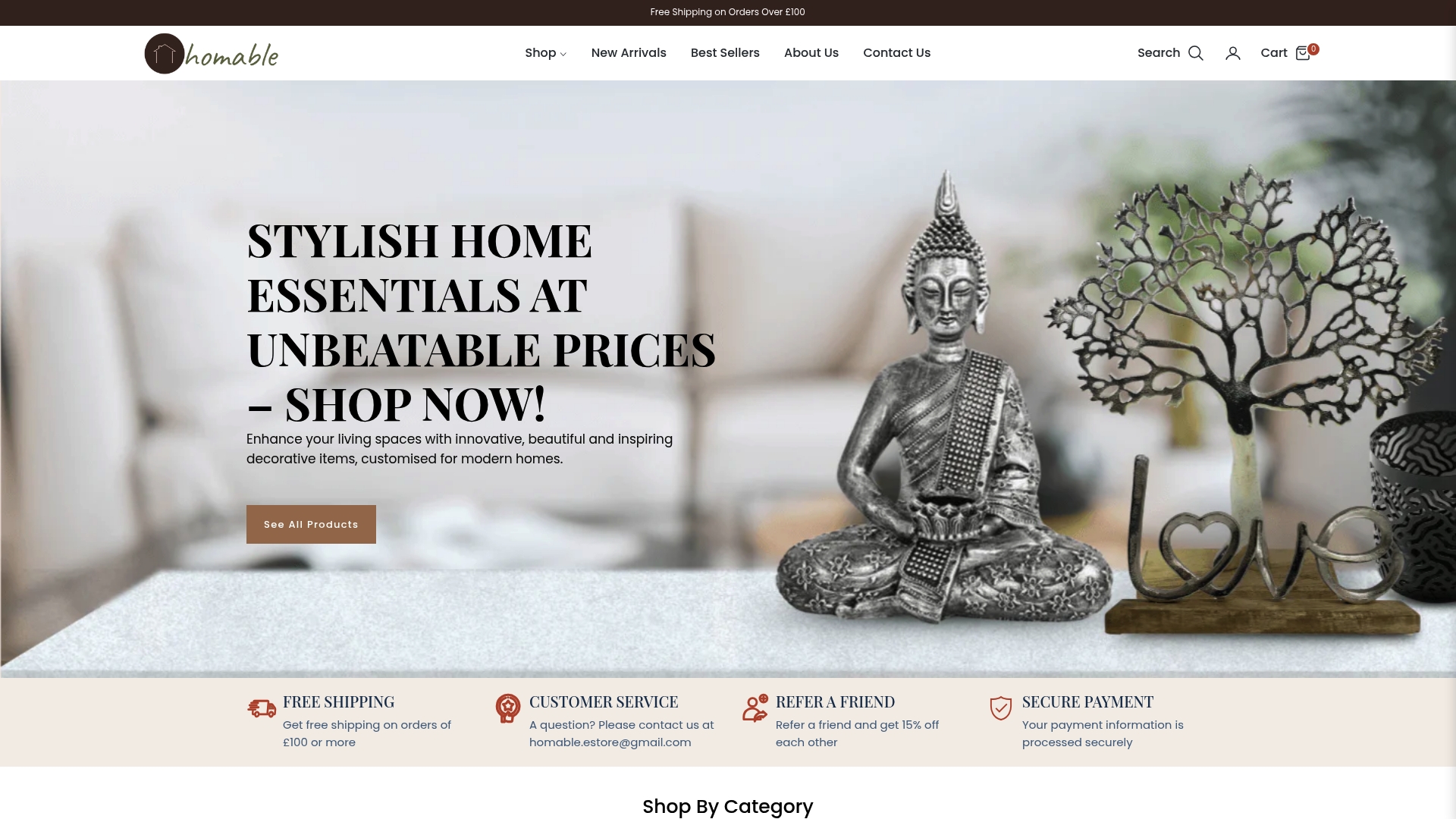
From cushions and throws to ornaments, storage solutions, and decorative accents, every product in our collection is chosen with real homes in mind. Browse our curated decor solutions to find pieces that suit your space and your budget. If you want further guidance before you shop, our blog on effortless modern decorating is a great place to start. Free shipping is available on orders over £100, so it is easy to refresh multiple rooms in one go.
Frequently asked questions
What reversible decorations are best for tenants?
Textiles, peel-and-stick tiles, and removable wall decals are ideal for tenants because they are non-permanent and leave no lasting damage when removed.
How can I make a small room feel bigger without renovation?
Use mirrors and clever lighting to bounce light and create visual space. Mirrors and lighting enhance perceived space and brightness, and pairing them with light-coloured textiles maximises the effect.
Are peel-and-stick designs trendy or practical?
They are both: peel-and-stick solutions are trendy, affordable, and practical for renters or quick updates, but they are less sustainable as a long-term strategy compared to upcycling.
What eco-friendly ways exist to refresh my interiors?
Upcycling vintage pieces and choosing sustainably made accessories are the most eco-friendly options. Fast furniture is wasteful; upcycling adds genuine character that new mass-produced items rarely match.
Recommended
- Modern Interior Design Workflow for Stylish UK Homes – Homable
- 7-Step Home Decorating Checklist for Stylish UK Homes – Homable
- Guide to stylish room accents for elegant UK homes – Homable
- Modern home styling: affordable UK solutions guide – Homable
- 7 Shutter Colour Trends 2025 to Transform Yorkshire Homes | Shutter World