Cart
0
TL;DR:
- Style in home decor gifts signals attention to the recipient’s aesthetic and enhances emotional connection.
- Versatile, timeless designs that match the recipient’s existing decor are more appreciated than overly personalized or trendy items.
- Understanding the recipient’s taste through observation and prioritizing functionality leads to more meaningful gift choices.
Choosing a stylish gift for a home decor lover sounds straightforward until you realise how often well-intentioned presents end up gathering dust on a shelf. The assumption that bolder, more personalised choices always win is surprisingly widespread, yet research consistently suggests the opposite. Recipients tend to value versatility and thoughtful aesthetic matching far more than maximum uniqueness. Whether you are shopping for a housewarming, a birthday, or simply want to show you care, understanding how style truly functions in gifting will transform the way you choose, and the way your gifts are received.
Table of Contents
- Why style matters in gifting: intention, identity, and impact
- Personalisation vs. versatility: How to match style to recipients
- The evolving style landscape: Generational shifts and online influence
- Common pitfalls and nuanced cases: When style backfires in gifting
- What most guides miss: Style is a framework, not a formula
- Find stylish, versatile home gifts at Homable
- Frequently asked questions
Key Takeaways
| Point | Details |
|---|---|
| Prioritise style match | Gift success depends on aligning style with the recipient’s traits, not just boldness or personalisation. |
| Choose adaptable gifts | Opt for neutral, quality pieces to appeal to changing tastes and varied interiors. |
| Balance function and beauty | Ensure stylish gifts are genuinely useful to avoid them being left unused. |
| Watch for emotional pitfalls | Even stylish gifts can misfire in complex relationships; consider intent and context carefully. |
Why style matters in gifting: intention, identity, and impact
Style in home decor gifting is never purely decorative. It is a signal. When you select a piece that clearly reflects the recipient’s aesthetic sensibility, you are communicating that you paid attention, that you saw them. This is why style carries such emotional weight in gifting, far beyond what the object itself is worth.
Research confirms that givers prioritise aesthetics to signal thoughtfulness and match recipient traits, but frequently select overly personalised items that turn out to be less versatile than recipients actually prefer. The giver’s instinct to go bold or uniquely personal often backfires because it narrows the gift’s usability in a real home environment.
Consider what happens when a gift does not align with a recipient’s existing interior. It creates a quiet visual conflict. The recipient either hides it away or feels obligated to display something that clashes with their carefully considered space. Neither outcome reflects the warmth the giver intended.
“Style signals intention and order. Matching a recipient’s aesthetic traits over your own assumptions leads to gifts that are genuinely versatile and appreciated.”
According to psychology of gifting research, the most effective style choices prioritise what fits naturally into the recipient’s life rather than what impresses at first glance.
Here is a practical way to approach style in gifting:
- Observe before you shop. Look at the recipient’s existing home, their Instagram saves, or even the colours they wear most often.
- Match aesthetic language, not specific pieces. If they favour minimalism, choose clean lines and muted palettes rather than a one-of-a-kind quirky ornament.
- Prioritise pieces that complement rather than dominate. A gift that works harmoniously in a space will always be used more than one that demands attention.
- Consider longevity over novelty. Timeless design ages gracefully; trend-led choices can feel dated within a year.
When you approach gifting through this lens, the act becomes less about expressing your own taste and more about reading theirs. That shift alone makes a significant difference. Explore how prioritising design in gifts elevates the entire experience for both giver and recipient.
Personalisation vs. versatility: How to match style to recipients
There is a meaningful distinction between a gift that feels personal and one that is rigidly personalised. The former creates warmth. The latter can accidentally limit the gift’s usefulness.
Customised stylish gifts do carry real emotional power. Studies show that personalised gifts evoke vicarious pride in recipients, boosting appreciation through enhanced self-esteem. When someone receives a gift that reflects genuine effort and consideration, they feel seen. That emotional resonance is real and worth pursuing.
The problem arises when personalisation becomes too specific. A cushion embroidered with an inside joke, or a print referencing a single shared memory, may not fit seamlessly into a living room. It occupies a strange middle ground: too sentimental to discard, too niche to display confidently.
| Approach | Strengths | Potential drawbacks |
|---|---|---|
| Highly personalised | Emotionally resonant, memorable | May clash with existing decor, limited versatility |
| Adaptable and stylish | Works across interiors, long-lasting | May feel less uniquely personal |
| Neutral with a personal touch | Balances both worlds | Requires more careful curation |
Experts suggest avoiding overly specific personalisation and instead opting for adaptable stylish decor such as neutral tones and quality craftsmanship that suits evolving tastes.
Pro Tip: When in doubt, gravitate towards neutral colours, quality materials, and classic silhouettes. A beautifully crafted ceramic vase in a soft grey will outlast a hyper-personalised novelty item by years. It gives the recipient room to make the piece their own without feeling constrained.
For inspiration on getting this balance right, browse guides on personalising home gifts or explore top stylish home accessories that blend adaptability with genuine aesthetic appeal.
The evolving style landscape: Generational shifts and online influence
The way people research and select home decor gifts has shifted dramatically in recent years. Younger buyers are particularly deliberate about style, spending significant time online before committing to a purchase.

Younger buyers research thoroughly via social media and online platforms to find aesthetic matches, viewing home decor as a direct extension of their personality. For them, a gift is not just an object. It is a statement about shared values and visual sensibility.
This shift has meaningful implications for gift buyers:
- Social media shapes expectations. Platforms like Pinterest and Instagram have created highly refined aesthetic vocabularies. Recipients often have clear, curated tastes.
- Sustainability matters. Younger consumers increasingly favour ethically made, durable products over disposable trend-led items.
- AI-aided shopping is rising. More buyers are using digital tools to identify aesthetic matches before purchasing, raising the bar for what counts as a thoughtful gift.
- Online reviews drive decisions. Peer validation plays a significant role in confirming whether a style choice is genuinely desirable.
Seasonal gifting also plays a role. 39% of gifts purchased are for discerning shoppers, with home decor gifting spiking during the holidays, when millennials and Gen Z particularly favour sustainable and aesthetically resonant finds.
| Generation | Key gifting priority | Style preference |
|---|---|---|
| Millennials | Quality and longevity | Warm, eclectic, sustainability-led |
| Gen Z | Ethics and aesthetics | Minimalist or maximalist, trend-aware |
| Gen X | Practicality and craftsmanship | Classic with character |
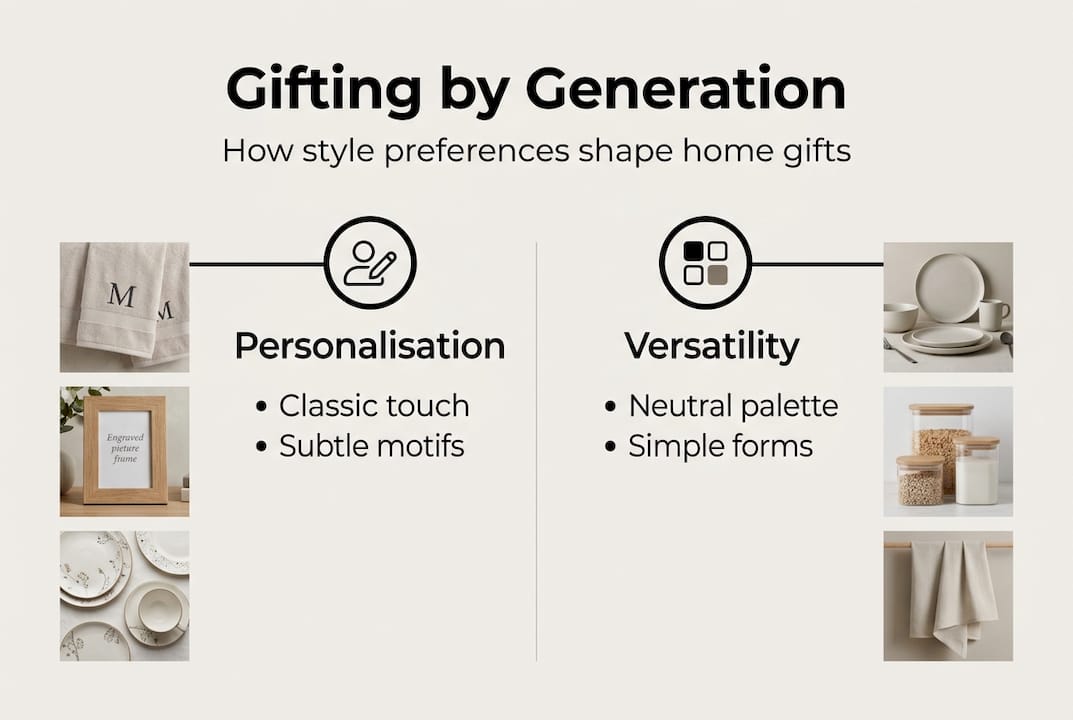
For practical guidance on navigating these preferences, the modern home accessories tips guide offers excellent direction. For a visual reference of how decorative accents like wall art decals can complement a range of aesthetics, it is worth exploring what works across different interior styles.
Common pitfalls and nuanced cases: When style backfires in gifting
Not every style-led gift lands as planned. Understanding where things go wrong is just as important as knowing what to do right.
One of the most overlooked pitfalls involves the emotional context of the relationship. Research shows that customised gifts underperform in anxious relationships, where negative feedback hurts givers more acutely due to higher effort and expectation. The closer the relationship, the greater the emotional stakes when a gift misses.
Here are the most common style-related gifting mistakes:
- Over-indexing on trends. A gift inspired by this season’s hottest aesthetic may feel irrelevant within twelve months. Classic pieces age far more gracefully.
- Prioritising appearance over function. Material gifts risk sitting on a shelf if they lack functional purpose. The most appreciated pieces are both beautiful and useful.
- Projecting your own taste. The gift reflects the recipient’s home, not yours. What you love may clash with what they live with.
- Over-analysing to the point of paralysis. Sometimes a well-made, neutrally styled piece chosen with care outperforms any elaborate strategy.
“Prioritise use-evoking beauty. The gifts that endure in a home are those that earn their place by being genuinely functional as well as visually pleasing.”
Pro Tip: When navigating emotionally sensitive gifting situations, aim for subtlety. A beautifully wrapped, purpose-driven piece in a muted palette is almost always a safer and more appreciated choice than something visually bold or heavily personalised.
For further guidance on striking this balance, explore practical gift ideas or review the decorating workflow for gift buyers to approach your selection with greater confidence.
What most guides miss: Style is a framework, not a formula
Most gifting advice reduces style to a checklist. Choose neutral colours. Avoid bold prints. Stick to classic shapes. These are reasonable starting points, but they miss the deeper point entirely.
Style in gifting is a framework for paying attention, not a rigid set of rules to follow. The best gift buyers we have seen operate with emotional intelligence as much as design literacy. They notice the small details in a recipient’s home. They ask questions. They take time to understand not just what someone owns, but how they live.
Adaptable beauty matters more than fleeting trends, and subtle expressions of care outperform maximalist personalisation almost every time. A gift that works quietly in someone’s space, that earns its place through daily use and visual harmony, carries more meaning than a showpiece that demands admiration but disrupts the room.
If you want to develop this kind of instinct, start with the fundamentals. The tips for stylish home accessories guide is an excellent place to sharpen your eye for what makes a piece genuinely versatile and beautiful. Style is learnable. And once you see it clearly, gifting becomes far less daunting and far more rewarding.
Find stylish, versatile home gifts at Homable
Putting these principles into practice is much easier when you have a curated, thoughtfully selected range to browse. Homable’s home gift range brings together pieces that balance adaptable aesthetics with genuine everyday function, making it simpler to find something that fits beautifully into any home.
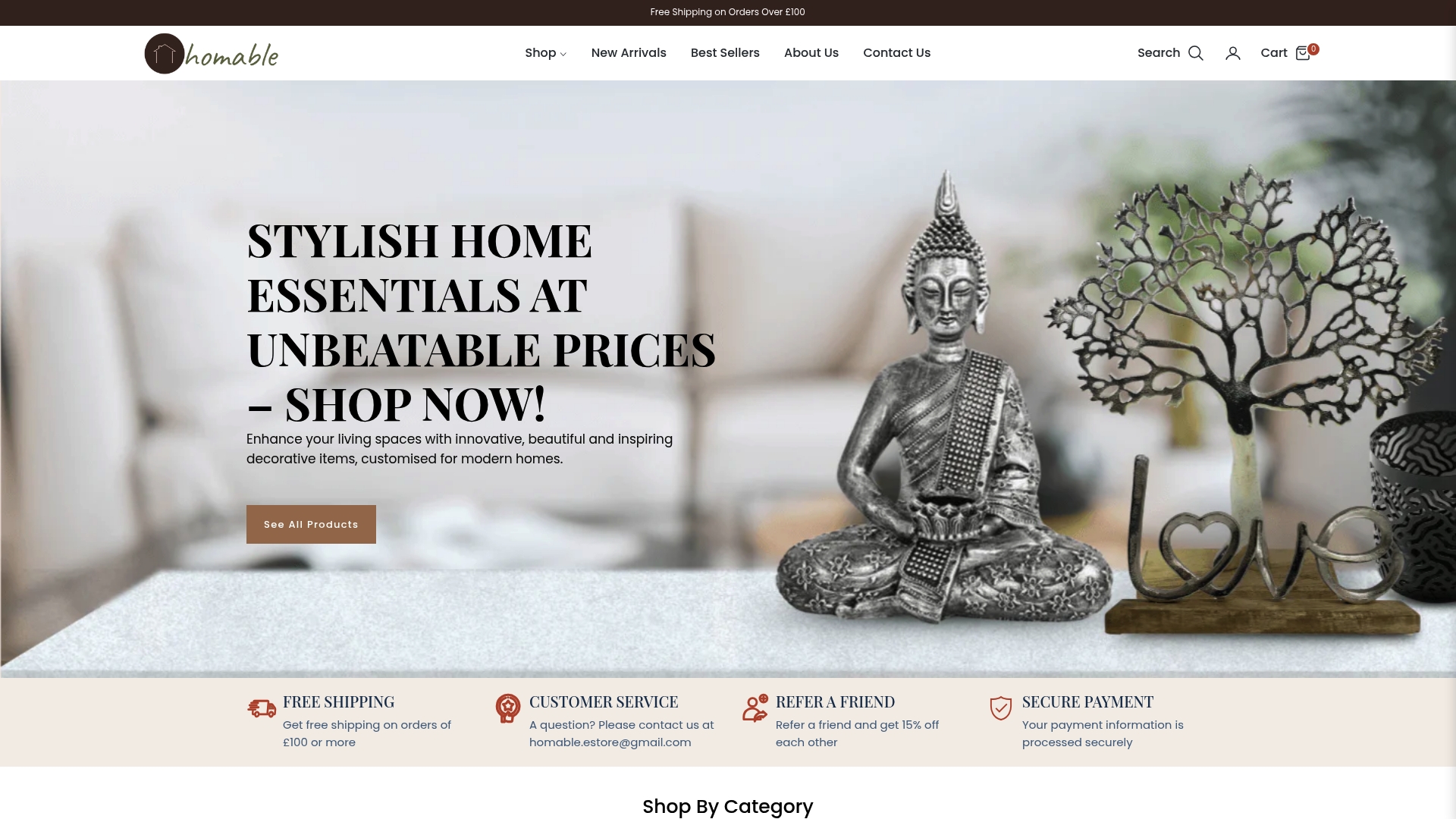
Whether you are shopping for a minimalist enthusiast or someone with a more eclectic sensibility, the collection is designed to take the guesswork out of stylish gifting. From ornaments and rugs to storage solutions and home accessories, every piece is chosen with both design and usability in mind. For room-specific inspiration, the stylish bedroom decor ideas guide is a great starting point to find pieces that truly resonate.
Frequently asked questions
How do I pick a stylish home decor gift for someone with different taste?
Opt for neutral colours, classic designs, and practical items that blend with most interiors. Adaptable stylish decor in neutral tones and quality craftsmanship tends to fit evolving tastes far better than bold or hyper-personalised choices.
Does a more expensive or trendier style mean a better gift?
Not at all. Functionality and meaningful style matter far more than price or trend. Material gifts risk sitting unused if they prioritise appearance over practical purpose.
Are personalised home decor gifts always appreciated?
Personalised decor can genuinely enhance appreciation, but overly personalised items are often less versatile than recipients prefer. Matching style to the recipient’s lifestyle consistently delivers greater impact than maximum personalisation.
What if my gift is not well received?
In closer relationships, negative feedback can sting more acutely when significant effort was invested. Focus on adaptability and genuine thoughtfulness in future choices to improve your success rate.
Recommended
- Why prioritise design in gifts: 70% boost in home appeal – Homable
- Decorating Workflow for Gift Buyers: Guide to Gifting Success – Homable
- Top 8 Stylish Home Accessories for Gifting in 2026 – Homable
- How to Personalise Home Gifts for Unique Interiors – Homable
- 7 Personalised Christmas Gift Ideas for Eco-Luxury Homes – Nicholas & Rose Limited
- Decorating With Hanging Prisms at Home – CrystalPlace