Cart
0
TL;DR:
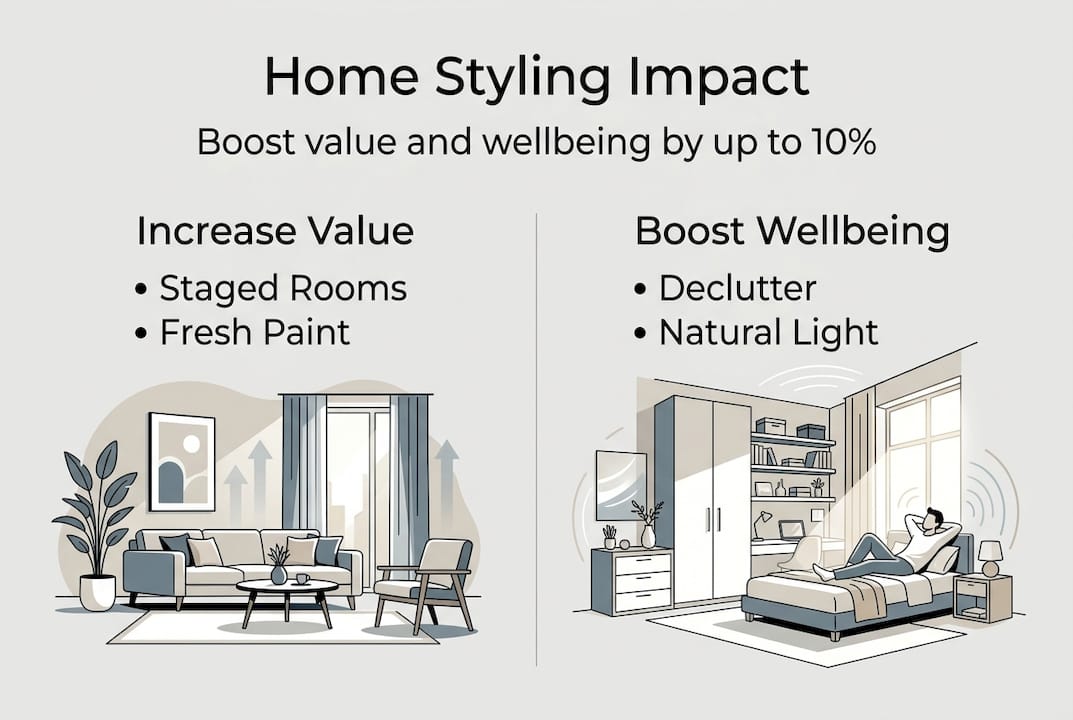
- Home styling involves deliberate arrangement, creating emotional resonance beyond simple decorating.
- Styled homes sell for 8–10% more and sell up to 50% faster in the UK.
- Practical, affordable steps like decluttering, lighting, and adding textiles significantly boost wellbeing and value.
Most UK homeowners think of home styling as a finishing touch, something you do when you have spare cash or time. That assumption is costing people money and daily happiness. Styled homes sell for 8–10% more than unstaged comparables, and the psychological benefits of a well-considered space are just as compelling. This article cuts through the noise to show you what home styling actually involves, why it matters far beyond aesthetics, and how you can apply it affordably, whether you are preparing to sell or simply want to love where you live.
Table of Contents
- Defining home styling: more than décor
- How styling affects property value and buyer decisions
- Styling for wellbeing: how your home uplifts your life
- Affordable styling steps for a modern UK home
- Our perspective: the hidden power of styling—what most people overlook
- Style your home effortlessly with affordable finds
- Frequently asked questions
Key Takeaways
| Point | Details |
|---|---|
| Styling drives higher home value | Well-styled homes in the UK can sell for up to 10% more than comparable unstaged properties. |
| First impressions matter | Décor and styling influence buyers’ decisions quickly and can impact sale price within the first viewing. |
| Wellbeing benefits are real | A thoughtfully styled home can boost daily happiness and create a calmer, healthier space. |
| Affordable changes have big impact | Simple updates—like decluttering, adding greenery, and smart use of colour—make stylish homes achievable for any budget. |
Defining home styling: more than décor
To understand why styling matters, we must first pinpoint what it really means. Many people use “home styling” and “decorating” interchangeably, but they are genuinely different disciplines. Decorating is about surface choices: paint colours, wallpaper, soft furnishings. Styling goes deeper. It is the deliberate arrangement of a space so that it functions well, feels right emotionally, and communicates a coherent story to anyone who walks through the door.
Think of it this way: a freshly painted room with mismatched furniture and cluttered surfaces is decorated but not styled. A room with modest furniture, clear surfaces, a considered colour palette, and a single statement plant is styled. The second room costs no more, yet it feels entirely different to be in.
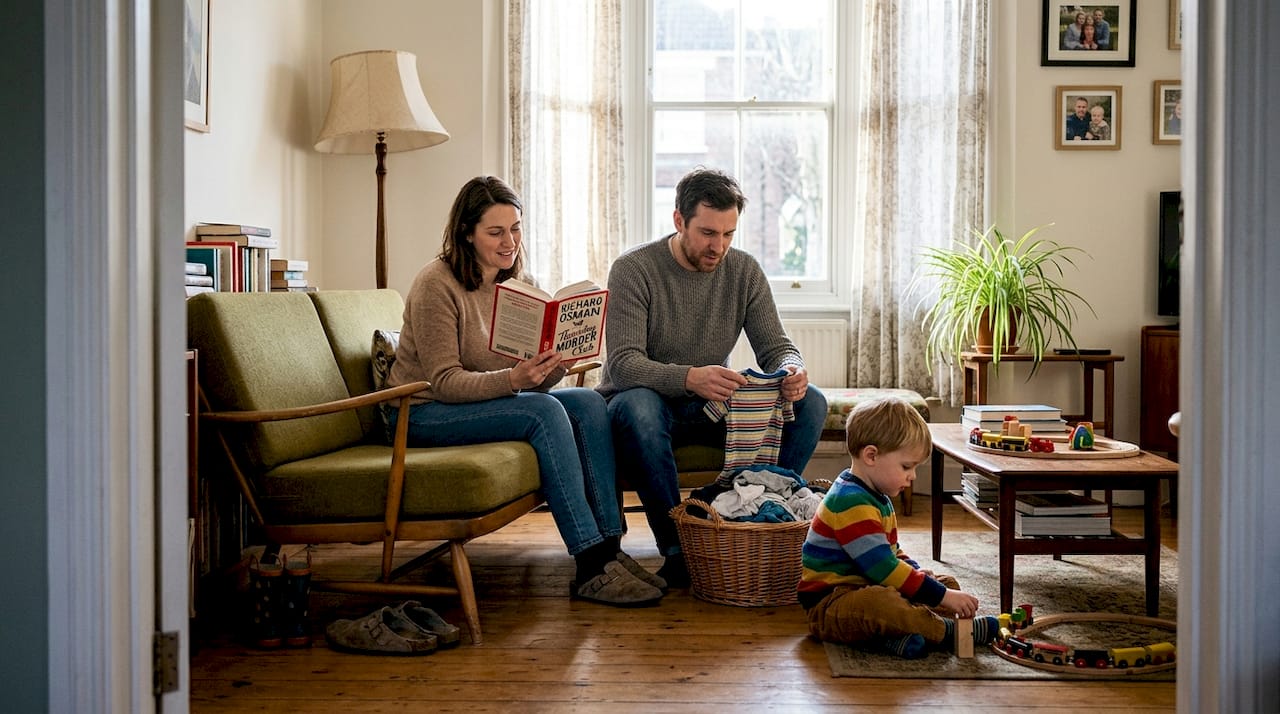
Home styling as a practice draws on several interconnected disciplines. It borrows from interior design, psychology, and even retail merchandising. The goal is always the same: to make a space work harder for the people who use it.
Experts in the field follow a clear methodology. As outlined in professional staging guidance, the process involves:
- Decluttering and simplifying so that rooms feel spacious and breathable
- Neutral palettes with considered accents to create calm without blandness
- Strategic furniture placement for better flow and everyday functionality
- Sensory elements such as layered lighting, scent, and texture that engage visitors on a level they may not consciously notice
“Home styling is not about making a space look expensive. It is about making it feel liveable, purposeful, and emotionally resonant.”
This is precisely why interior styling has such a measurable impact on how people experience a home, whether they are guests, potential buyers, or the family living there every day. When you approach your home as a styled environment rather than a decorated one, every decision becomes intentional. That intentionality is what separates spaces that merely look nice from spaces that genuinely improve life.
How styling affects property value and buyer decisions
Now that we know what styling entails, let us see why it makes such a measurable impact on home sales and buyer behaviour.
The financial case for styling is well established. Professionally styled homes sell for 4–20% more than asking price, with UK data pointing to an average uplift of 8–10% over unstaged comparables. On a £300,000 property, that is £24,000 to £30,000 of additional value from thoughtful presentation alone.
| Styling element | Estimated value impact | Time on market effect |
|---|---|---|
| Full professional staging | 8–10% price increase | Up to 50% faster sale |
| Declutter and deep clean | 3–5% price increase | Noticeably faster viewings |
| Lighting upgrades | 2–4% perceived value boost | Stronger first impressions |
| Neutral redecoration | 2–3% price increase | Broader buyer appeal |
Buyer psychology is at the heart of this. Décor captures 37% of buyer attention during property viewings, according to Zoopla eye-tracking research. First impressions form within 20 minutes, and during that window, buyers are making decisions worth roughly £13,000 per minute. That is not a figure you can afford to ignore.
Here is how the typical viewing unfolds, and where styling makes the difference at each stage:
- Kerb appeal and entrance hall set the emotional tone before a word is spoken
- The main living space is where buyers picture their life; clutter and poor layout break that vision immediately
- Kitchen and bathroom are scrutinised for cleanliness and function; styling here signals care and quality
- Bedrooms need to feel restful; oversized furniture or dark colours shrink the perceived space
- The final walkthrough is when buyers either confirm or abandon their emotional connection
Small changes carry outsized weight. Swapping a harsh overhead bulb for warm-toned lamps, adding a textured throw, or repositioning a sofa to open up a walkway can shift a buyer from hesitant to committed. Browse home styling trends to see which updates UK buyers respond to most strongly, or explore affordable styling solutions that deliver real impact without significant spend.
Styling for wellbeing: how your home uplifts your life
Beyond investment value, styling’s greatest reward may be the effect it has on your day-to-day happiness.
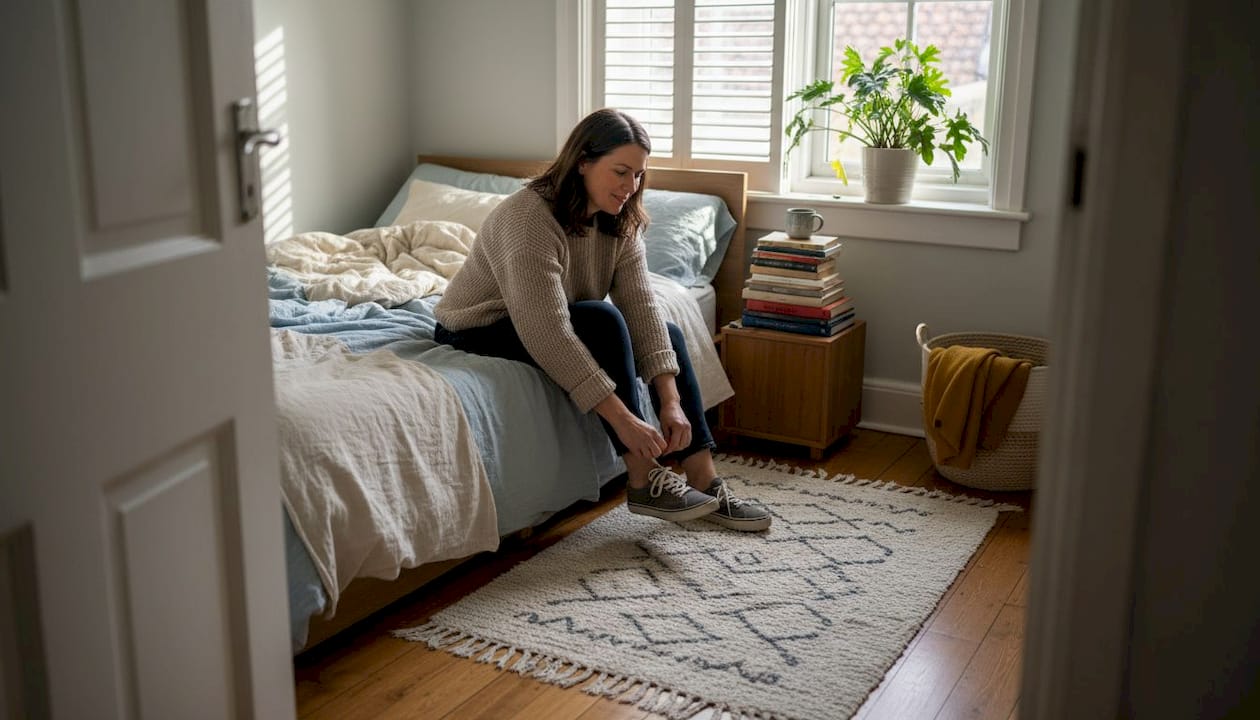
The science here is clear and perhaps surprising. Clutter actively reduces wellbeing by lowering the perceived beauty of a space, which in turn dampens mood and increases stress. Conversely, biophilic design elements such as plants, natural textures, and daylight increase restorativeness and positive affect, meaning your home can genuinely lift your spirits or drag them down depending on how it is arranged.
Colour plays a similarly powerful role. Warm neutrals encourage relaxation; blues and greens promote calm and focus; rich terracottas and ochres create warmth and energy. Understanding the role of colour in home styling is one of the most cost-effective moves you can make, since a tin of paint costs very little but can fundamentally shift how a room feels.
Practical ways to style your home for better daily wellbeing include:
- Add storage solutions to clear surfaces and reduce visual noise
- Introduce greenery with low-maintenance plants like pothos or snake plants
- Layer your lighting with floor lamps and table lamps rather than relying on a single overhead light
- Use scent intentionally with candles, diffusers, or fresh flowers
- Choose natural textures such as linen, jute, and wood to add warmth without visual clutter
Pro Tip: Most people style for the eye and forget the other senses. A room that smells fresh, has soft underfoot textures, and uses warm light will feel welcoming even before anyone consciously notices the décor. These sensory layers are what make a space feel genuinely lived-in and loved.
Interior design research also confirms that styling creates emotional connection and reduces cognitive load for occupants, not just buyers. When your home is arranged thoughtfully, your brain does not have to work as hard to process the environment. That ease translates into genuine relaxation. Explore how colour schemes transform home interiors for practical guidance on choosing palettes that serve your mood as well as your aesthetics.
Affordable styling steps for a modern UK home
Finally, let us put these concepts into practice with strategies that work for any UK budget.
The good news is that the most impactful styling moves are rarely the most expensive. Professional stagers consistently report that decluttering, rearranging furniture, and improving lighting deliver better results than buying new pieces. The expert methodology is straightforward: start with what you have, remove what does not serve the space, then layer in affordable accents.
| Styling upgrade | Approximate cost | Impact level |
|---|---|---|
| Declutter and reorganise | Free | Very high |
| New soft furnishings (cushions, throws) | £20–£60 | High |
| Warm-toned light bulbs | £5–£15 | High |
| Indoor plants | £5–£30 | Medium to high |
| Neutral paint for one feature wall | £25–£50 | Medium to high |
| New rug | £30–£120 | High |
Here is a practical, step-by-step process to follow:
- Declutter first. Remove everything that does not belong in the room. Box it, donate it, or store it. You cannot style a cluttered space.
- Choose your palette. Pick one neutral base and one or two accent colours. Keep it consistent across the room.
- Add textiles. A rug anchors a seating area; cushions and throws add warmth and personality without permanent commitment.
- Sort your lighting. Replace cool white bulbs with warm white or warm white dimmable options. Add a floor or table lamp if you only have overhead lighting.
- Finish with sensory touches. A plant, a candle, or a small bowl of natural objects completes the picture.
Pro Tip: Spend on rugs and lighting; save on accessories. Rugs define zones and add warmth, and good lighting transforms the atmosphere of any room. Accessories like vases and ornaments can come from charity shops or be rotated seasonally without any loss of style.
For further inspiration, explore minimalist design ideas for homes, follow a step-by-step styling guide, or work through a home decorating checklist to make sure you cover every room systematically.
Our perspective: the hidden power of styling—what most people overlook
At Homable, we see a consistent pattern: homeowners focus on what their space looks like and miss what it does to them. Conventional wisdom treats styling as a visual exercise, something you photograph for Instagram or do before viewings. But the most powerful transformations we witness are the ones people do for themselves, not for a camera or a buyer.
The homes that feel genuinely wonderful share something beyond good taste. They reflect the people who live in them. They have been arranged with purpose, not just prettiness. The family who decluttered their hallway and added a warm lamp did not just improve their kerb appeal. They changed how they feel when they walk through the door every evening.
Our honest view is this: start with how you want to feel in your home, not with what looks good on a mood board. The best styling decisions flow from self-reflection, not from trend reports. When your space supports how you actually live, everything else follows naturally, including the value.
Style your home effortlessly with affordable finds
Armed with a fresh perspective, you may be wondering how to bring these ideas to life affordably. At Homable, we have done the curation for you.
Our collection includes everything you need to put these steps into action. Anchor your bathroom with a soft, non-slip bath and pedestal rug set, or bring warmth and colour to a living space with a Baluchi cannon pink woollen rug. Add a natural, tactile layer to doorways and windows with a bamboo curtain that works beautifully in kitchens and conservatories. Browse more affordable décor ideas at Homable and discover how straightforward it is to style your home with pieces that are both practical and genuinely beautiful.
Frequently asked questions
Does home styling really increase a property’s value?
Yes. Styled homes in the UK typically sell for 8–10% more than unstaged comparables, which on an average property represents tens of thousands of pounds of additional value.
How quickly do buyers form an impression of my home?
Buyers form their impression within 20 minutes, and décor accounts for 37% of their attention during that window, making styling one of the most financially significant decisions a seller can make.
Can home styling improve my mental wellbeing?
Absolutely. Research shows that clutter lowers perceived beauty and dampens mood, while natural elements and organised spaces actively boost calm and positive feelings in everyday life.
What are affordable ways to style my home?
The most effective steps are also the cheapest: declutter thoroughly, swap bulbs for warm-toned alternatives, add a rug, and introduce a plant or two. These sensory and spatial changes consistently outperform expensive purchases in terms of perceived impact.