Cart
0
TL;DR:
- Layering involves intentional placement of decor to create warmth, depth, and personality.
- Key elements include textiles, furniture arrangement, accessories, color, and pattern.
- Proper editing and restraint are essential for achieving a balanced, styled home look.
Stylish interiors are rarely the result of one expensive sofa or a statement lamp. The rooms that genuinely stop you in your tracks share something more subtle: a careful, considered arrangement of elements that work together to create warmth, depth, and personality. That secret ingredient is layering. It costs far less than a full renovation, requires no specialist training, and can be applied in any room regardless of size or budget. This guide will walk you through exactly what layering means in practice, which elements to combine, and how to apply it room by room so your home feels genuinely styled rather than simply furnished.
Table of Contents
- Understanding layering: the foundation of home styling
- Key elements of layering: what to combine for a stylish look
- Step-by-step guide: how to layer your living spaces
- Room-by-room layering: adapting techniques for every space
- Our take: the art of balance in home layering
- Styling your home with Homable
- Frequently asked questions
Key Takeaways
| Point | Details |
|---|---|
| Layering creates depth | Layering adds visual interest and makes home interiors feel inviting and balanced. |
| Mix elements for style | Combining textures, colours, and accessories is essential for a well-styled space. |
| Small changes, big effect | Even simple layering steps like adding a rug or throw can dramatically impact a room’s feel. |
| Balance layers wisely | Thoughtful editing prevents clutter and ensures every piece contributes to the overall look. |
Understanding layering: the foundation of home styling
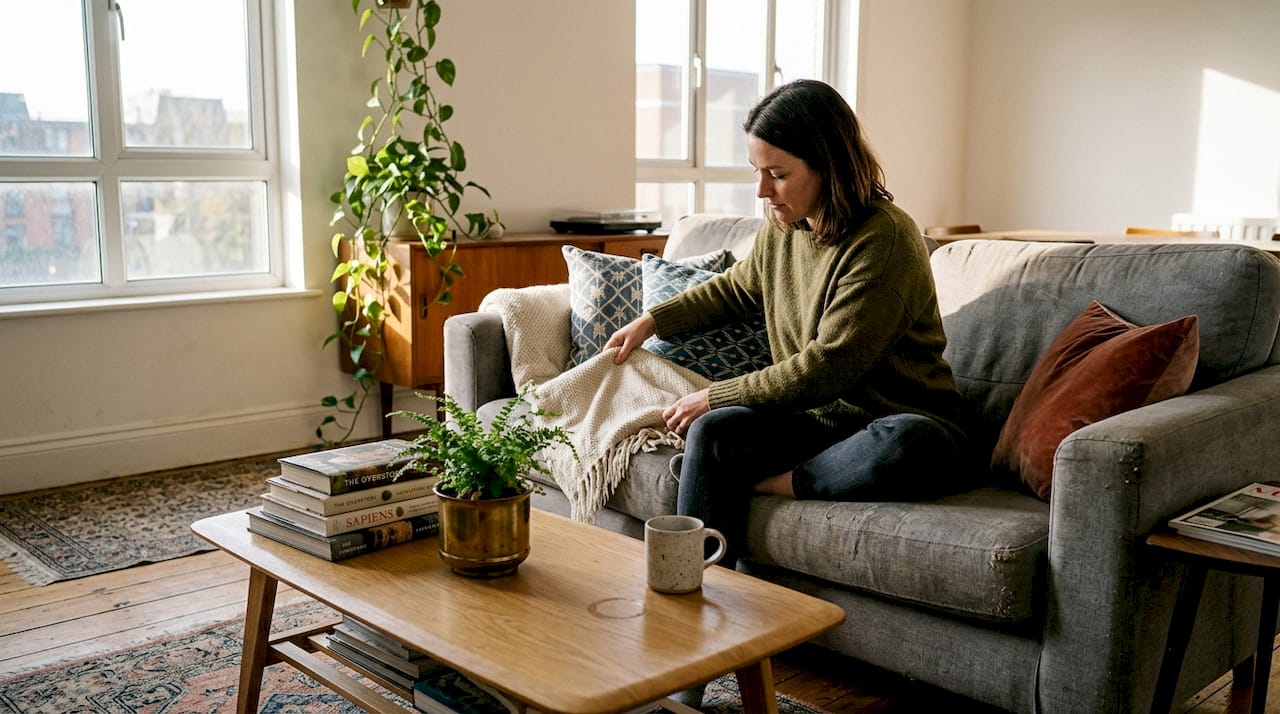
Layering in home styling means placing decor, textures, and furnishings in considered combinations so that each element supports and enhances the others. Think of it the way a musician thinks about a song: a single note is fine, but harmony comes from multiple notes working together. A sofa on its own is functional. Add a textured throw, a couple of cushions in complementary tones, and a soft rug beneath the coffee table, and suddenly the room has a voice.
The most common misconception is that layering equals clutter. It does not. Clutter is the result of accumulation without intention. Layering is the opposite: it is purposeful placement, where every element earns its spot. It is also not exclusively for maximalists or grand Victorian homes. Modern, minimal spaces benefit just as much from thoughtful layering, because even a pared-back room needs dimension to feel alive.

So why does it matter so much? Layering adds warmth and makes spaces feel genuinely inviting rather than showroom-cold. It also means layering creates visual interest through depth and contrast, giving the eye somewhere to travel rather than landing on one flat surface.
Here are the three core benefits of layering done well:
- Warmth: Textiles and soft furnishings absorb sound and add cosiness that paint alone cannot achieve.
- Visual interest: Varied heights, textures, and tones prevent a room from feeling static or one-dimensional.
- Flexibility: Layers are easy to swap out seasonally or as your taste evolves, making them a cost-effective styling tool.
“A well-layered room feels like it has been lived in and loved, rather than assembled from a single catalogue page. That sense of personality is what separates a styled space from a furnished one.”
The beauty of modern home styling is that layering is accessible at every budget. You do not need to start from scratch. You simply need to understand which elements to introduce and in what order.
Key elements of layering: what to combine for a stylish look
Effective layering draws on five core components: textiles, furniture arrangement, accessories, colour, and pattern. Each one contributes differently to the overall feel of a room, and knowing how to use them together is what separates a considered interior from a random collection of nice things.
Textiles are arguably the most powerful layering tool available. Textiles like cushions and throws are essential in British homes for both style and warmth, particularly given the cooler climate. A linen cushion next to a velvet one, or a chunky knit throw draped over a leather sofa, creates contrast that feels intentional and rich.
Furniture arrangement is often overlooked as a layering element, but positioning pieces at different heights and angles adds spatial depth. A low coffee table paired with a tall floor lamp creates a visual rhythm that a matching set simply cannot replicate.

Accessories such as vases, books, candles, and ornaments provide the finishing details that make a room feel complete. They are the punctuation marks of your interior.
Colour works as the connective tissue across all layers. A consistent palette with tonal variation ensures cohesion without monotony.
Pattern is where many people hesitate, but texture and pattern mixing prevents spaces from looking flat. The key is varying the scale: pair a bold geometric with a fine stripe, or a large floral with a subtle herringbone.
| Element | Effect on mood | Effect on look |
|---|---|---|
| Textiles | Cosy, inviting | Soft contrast, warmth |
| Furniture arrangement | Grounded, balanced | Spatial depth |
| Accessories | Personal, curated | Detail and character |
| Colour | Calm or energising | Cohesion and tone |
| Pattern | Dynamic, lively | Visual movement |
Quick ideas for each component:
- Textiles: Layer a cotton cushion over a velvet one; drape a woven throw at a diagonal across a sofa corner.
- Furniture: Introduce a side table at a different height to your main seating; use a pouf as both seat and surface.
- Accessories: Group odd numbers of objects at varied heights on a shelf or sideboard.
- Colour: Choose three tones from the same family and use them across textiles, accessories, and soft furnishings.
- Pattern: Anchor with one bold pattern and use two subtler ones to support it.
Pro Tip: Resist the temptation to buy matching sets. A matching cushion-and-throw set feels safe but rarely looks styled. Instead, choose pieces that share a colour or material but differ in texture or scale. That variety with cohesion is what gives a room its character and makes it look professionally put together.
Exploring texture in home styling in more depth will help you understand how material choices alone can transform the mood of a space without changing a single piece of furniture.
Step-by-step guide: how to layer your living spaces
Knowing what to layer is one thing. Knowing where to start is another entirely. The most effective approach is sequential: begin with the largest, most grounded elements and work upward in scale and detail.
Think of it like getting dressed. You start with the base layer, add the mid layer, and finish with the details. A room works the same way. Styling accessories in thoughtful sequences maximises impact and prevents the overwhelmed feeling that comes from adding everything at once.
Here is a practical five-step process:
- Lay the foundation with a rug. A rug anchors the seating area, defines the space, and introduces the first layer of texture and colour. Choose one that is generously sized so that at least the front legs of your furniture sit on it.
- Establish your furniture arrangement. Position your main seating pieces to create a natural flow. Avoid pushing everything against the walls; floating furniture inward creates intimacy and depth.
- Add soft furnishings. Introduce cushions and throws at this stage. Vary the textures and sizes. Two or three cushions in different fabrics work better than four identical ones.
- Introduce accessories and art. Wall art, mirrors, plants, and decorative objects come next. Use the rule of odd numbers when grouping items on surfaces, and vary the heights to create visual rhythm.
- Refine with lighting. Lighting is the final and often most transformative layer. A floor lamp, a table lamp, and candles create pools of light that make a room feel warm and considered rather than harshly lit.
Pro Tip: Before you add anything, identify one statement piece in the room, whether that is a bold sofa, a striking piece of art, or an unusual rug. Build every other layer around it. This gives the room a focal point and ensures all other elements feel supportive rather than competing. You can find further accessory styling steps and modern accessory tips to guide your choices.
For those working on a specific room, bedroom styling tips offer targeted advice on applying these steps in a more intimate setting.
Room-by-room layering: adapting techniques for every space
Layering is not a one-size-fits-all formula. The priorities shift depending on the function and scale of each room. What works in a large open-plan living area needs to be adapted for a compact bedroom or a narrow hallway.
Living rooms are where layering has the most freedom. The goal is to create a space that feels both sociable and comfortable. Focus on building layers from the floor up: rug first, then furniture, then soft furnishings, then accessories and art. Introduce at least three different textures across your textiles.
Bedrooms call for a softer, more restful approach. Bedrooms benefit from soft layering for both comfort and visual appeal. Think layered bedding: a fitted sheet, a flat sheet, a duvet, and a folded throw at the foot of the bed. Add cushions in varying sizes and keep accessories minimal but meaningful.
Small spaces require the most strategic thinking. Layering techniques make even small rooms feel larger and more stylish when applied thoughtfully. The key is to use light-reflecting materials, keep the colour palette cohesive, and resist the urge to fill every surface.
| Room type | Layering priority | Key tip |
|---|---|---|
| Living room | Texture and comfort | Use a large rug to anchor the space |
| Bedroom | Softness and calm | Layer bedding and limit accessories |
| Small space | Light and proportion | Use mirrors and light-toned textiles |
| Hallway | First impression | One bold accessory, one texture, one plant |
Room-specific dos and don’ts:
- Living room: Do mix cushion sizes and fabrics. Don’t use a rug that is too small for the seating area.
- Bedroom: Do layer bedding for a hotel-quality look. Don’t over-accessorise the bedside table.
- Small space: Do use vertical shelving to draw the eye upward. Don’t use heavy, dark textiles that absorb light.
- Hallway: Do introduce a mirror to reflect light. Don’t skip the rug; even a small runner adds warmth and definition.
For more targeted guidance, styling small spaces and bedroom layering tips offer practical room-specific advice. If you are working through a full room refresh, a structured decorating workflow can help you stay focused and avoid costly mistakes.
Our take: the art of balance in home layering
Most styling guides tell you to add more. Another cushion, another plant, another decorative object. And while building up layers is genuinely important, the advice that rarely gets said loudly enough is this: editing is just as important as adding.
The rooms that feel truly professional are not the ones with the most objects. They are the ones where someone has been brave enough to remove things. Every piece that remains has a reason to be there. That restraint is what gives a layered space its energy and its calm at the same time.
We have seen it repeatedly: a room that felt chaotic became beautiful not by adding a new rug or repainting the walls, but by removing three accessories from the shelf and rearranging what was left. The layers were already there. They just needed space to breathe.
True layering, as explored in layering textures and depth, is about contrast and intention. It is not decoration for decoration’s sake.
“The best-styled rooms always look like something could be removed, but nothing is missing.”
Styling your home with Homable
Ready to put these layering techniques into practice? The right accessories and textiles make all the difference, and finding pieces that work together is far easier when they are curated with modern homes in mind.
At Homable, you will find a carefully selected range of home decor essentials designed for layering: from textured cushions and throws to ornaments, rugs, and decorative accessories that bring personality without overwhelming a space. Whether you are starting from scratch or refining what you already have, our collections give you the building blocks for a genuinely styled home. For a charming finishing touch that adds character to any hallway layer, the woven fabric rabbit doorstop is a perfect example of how a single well-chosen accessory can complete a look. Explore the full range and find your starting point today.
Frequently asked questions
Does layering make rooms look cluttered?
When done with intent, layering brings harmony and visual interest rather than clutter, as long as you balance elements and avoid over-accessorising. Layering provides depth without clutter when edited properly.
What is the easiest way to start layering in a room?
Begin with textures: add a soft rug or pair cushions with a throw, then introduce accessories gradually for a considered look. Textiles like cushions and throws are the most impactful and accessible starting point.
Can layering help small spaces feel bigger?
Yes. Using light-reflecting textures and clever accessory placement creates perceived depth, making small spaces feel more open. Layering techniques help small rooms feel more stylish and spacious without structural changes.
Is colour important in layering?
Colour anchors the layered look; mixing tones and hues thoughtfully prevents a flat or chaotic feel. Colour and pattern mixing brings life to a room and ensures a harmonious result.