Cart
0
TL;DR:
- Room-specific decor tailors choices to each space’s function, architecture, and light.
- Applying principles like the rule of three, balance, and negative space creates a polished look.
- Personal collections and intentional imperfections enhance a lived-in, authentic British home aesthetic.
Most British homeowners start decorating with a single vision in mind: pick a style, repeat it everywhere, and the house will feel cohesive. It rarely works. A scheme that looks elegant in a living room can feel cold and restless in a bedroom, and what suits a sociable kitchen often overwhelms a compact study. Room-specific decor solves this by tailoring accessories to each space’s function, layering in odd numbers, balancing textures, and editing for negative space. This guide walks you through the core principles, a practical framework, and the British edge cases that most decorating advice overlooks.
Table of Contents
- What defines room-specific decor?
- Principles of room-specific decor: Rules and when to break them
- Adapting decor by room: Approaches for different spaces
- Edge cases and expert tips: Small spaces, lighting and period features
- Our view: Why personality-driven decor matters more than rigid rules
- Ready to transform your space?
- Frequently asked questions
Key Takeaways
| Point | Details |
|---|---|
| Tailor by room | Every space in your home benefits from adapting style and function to its specific use. |
| Follow but flex rules | Decorating frameworks like the rule of three work, but breaking them for personal comfort can yield even better results. |
| Edge cases matter | Small rooms, lighting quirks and period details require adapted solutions for best effect. |
| Focus on personality | Personal, collected decor gives a much more inviting feel than strict matching or trends. |
What defines room-specific decor?
Room-specific decor is not simply choosing different colours for different rooms. It means reading each space on its own terms: its function, its architecture, its natural light, and the habits of the people who use it. A bedroom is for rest. A kitchen is for task and gathering. A living room is for connection. Each demands a different visual language.
A useful way to approach this is the 3-T method: tasteful restraint, tailored choices, and timeless foundation pieces. It works because it gives you a structure without locking you into a rigid formula.
Here is what each T means in practice:
- Tasteful restraint: Resist the urge to fill every surface. Empty space is not wasted space; it gives the eye somewhere to rest and makes your chosen pieces feel intentional.
- Tailored choices: Select accessories that suit the room’s specific use and the architecture of your home. A Georgian terrace calls for different accents than a 1970s semi-detached.
- Timeless foundation pieces: Invest in items that will not date quickly. Rugs, curtains, and key furniture should carry the room for years, while smaller accessories can shift with seasons or trends.
The contrast with a blanket approach is stark. When you apply one style uniformly, you end up with rooms that look decorated rather than lived in. Personality gets ironed out. Function gets ignored.
Pro Tip: Allocate 60 to 70 per cent of your decor budget to foundational items such as rugs, curtains, and lighting. These are the pieces that define the room’s character and are worth spending on. Smaller accessories can be refreshed far more cheaply.
Understanding the purpose of room-specific decor also helps you avoid the trap of buying pieces you love in isolation but that never quite work together. When each room has its own brief, every purchase has a clear role. For more on building a cohesive look without uniformity, the stylish home accessories tips from Homable offer a solid starting point.
Principles of room-specific decor: Rules and when to break them
Now that we know what defines room-specific decor, understanding the rules and their exceptions helps bring the concept to life.
The essential rules of decorating are well established, but they are often taught without context. Here are the four most useful ones, in order of impact:
- Rule of three: Group accessories in odd numbers. Three objects of varying height and texture create visual interest without feeling cluttered. A tall vase, a medium candle, and a small tray work better together than two matching candlesticks.
- Balance heights and textures: Mix tall, medium, and low items within a grouping. Combine smooth surfaces with rough ones, matte with gloss. This stops a shelf or sideboard from looking flat.
- Edit for negative space: Once you have arranged a grouping, remove one item. Negative space makes the remaining pieces breathe and look considered rather than crammed.
- Establish a focal point: Every room benefits from one dominant feature that draws the eye, whether that is a fireplace, a piece of artwork, or a statement light fitting.
These layering principles create the finished feel that separates a styled room from a merely furnished one. But they are not universal laws.
“Rules like every room needs a focal point fail in multi-use spaces. A home office that doubles as a guest room, for instance, benefits more from flexible zoning than from a single dominant feature that anchors it to one purpose.”
Pro Tip: Always edit for negative space before you decide a room is finished. Walk away for ten minutes, come back, and remove anything that your eye skips over. Those are the pieces the room does not need.
Multi-use rooms, personality-driven collections, and inherited pieces all justify breaking the standard rules. A gallery wall of mismatched frames tells a story that a curated, matched set never could. The home accessory styling guide covers how to build these arrangements confidently, and the modern home accessories tips offer further inspiration for spaces that need to work harder.
Adapting decor by room: Approaches for different spaces
With principles and exceptions in mind, let’s put them into practice by looking at specific room types.
Research into cultural room preferences shows that kitchens and living rooms display strong cultural persistence in decor choices despite globalisation, with a geographic similarity coefficient of R=0.23. In plain terms: British kitchens and living rooms tend to reflect distinctly British habits and aesthetics, even when homeowners draw inspiration from international trends.
Here is how to approach each main room type:
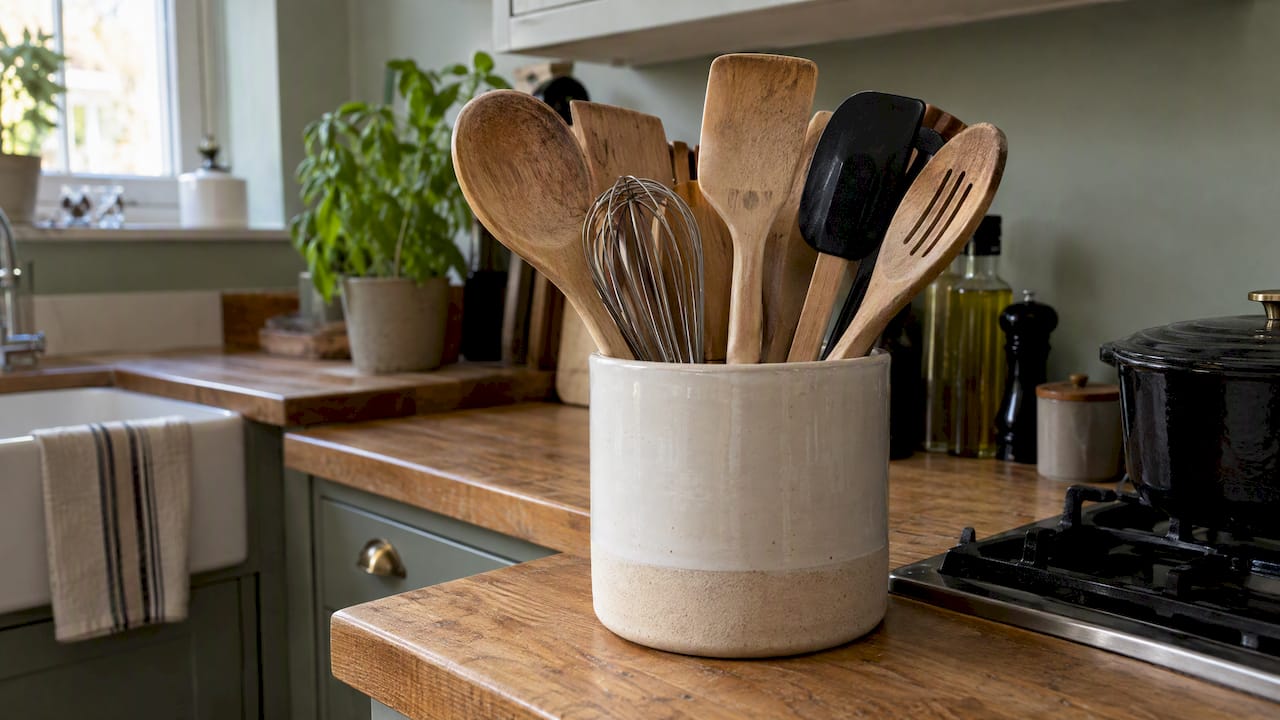
- Kitchen: Prioritise task-based zoning. Keep worktops clear and use localised accents such as ceramic storage jars, a wooden bread board, or a small herb planter to add warmth without cluttering functional surfaces.
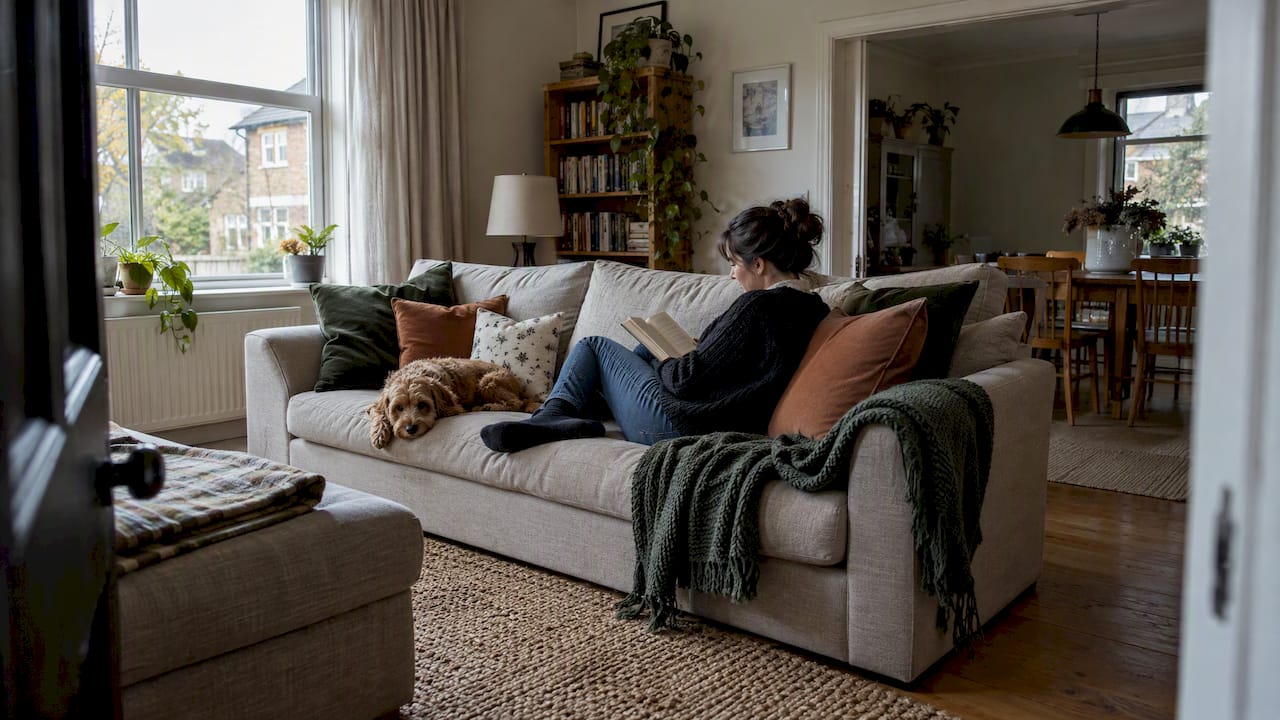
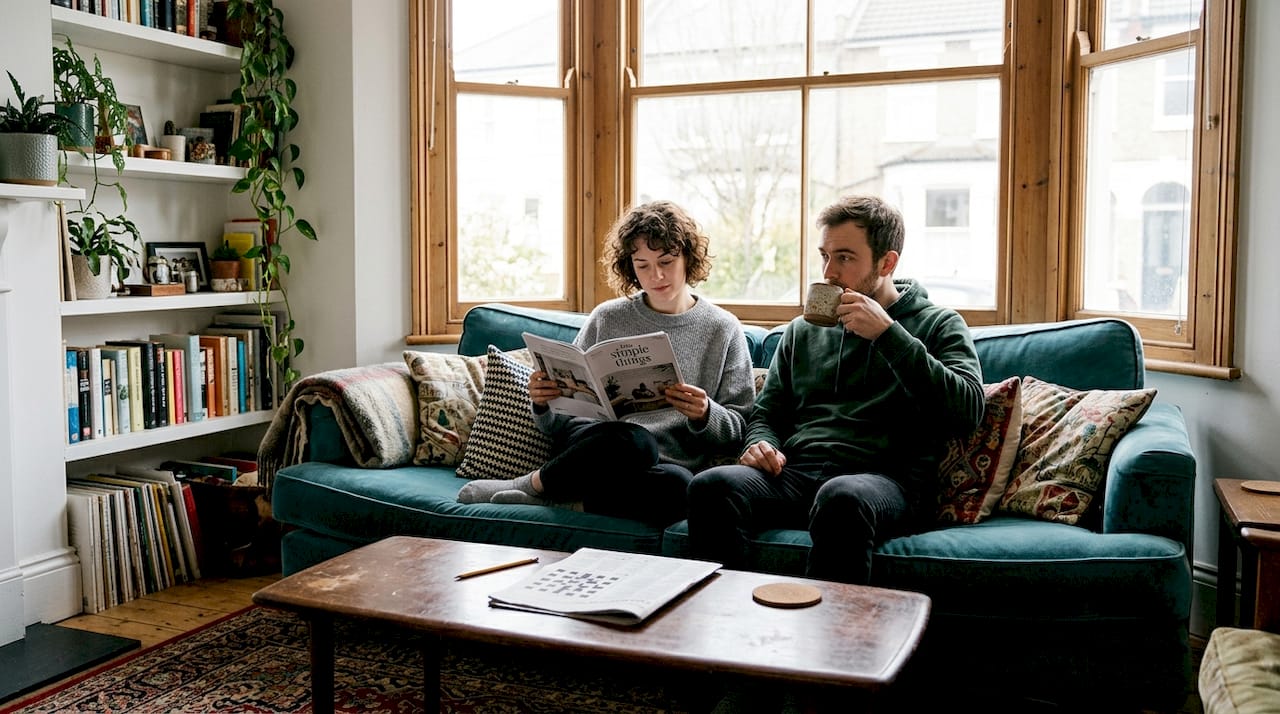
- Living room: This is where layering earns its keep. Group cushions, throws, books, and ornaments to create a finished, sociable feel. Vary textures and heights across surfaces.
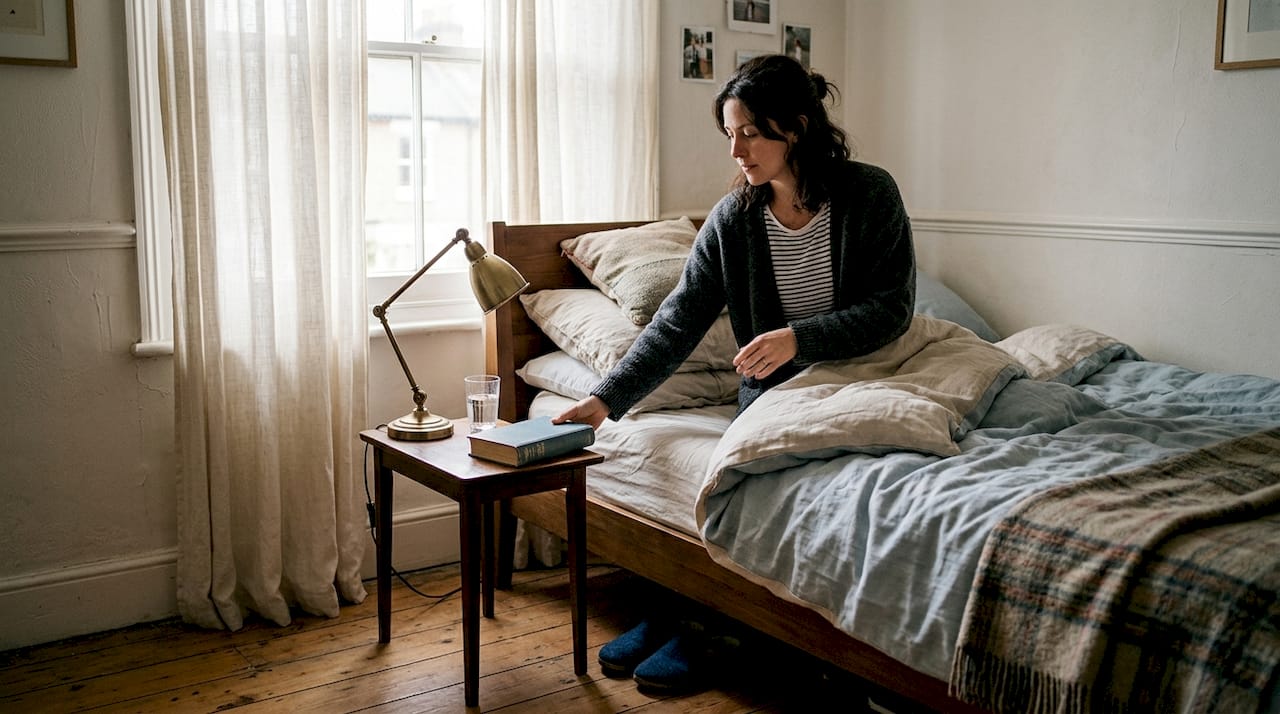
- Bedroom: Employ restraint. The bedroom’s primary job is rest, so fewer, better-chosen pieces work harder than a busy arrangement. Prioritise comfort: quality bedding, a considered bedside lamp, and one or two meaningful objects.
- Multi-functional space: Abandon the focal point rule here. Use flexible zoning instead: a rug to define a seating area, a shelf unit to separate a work zone, and lighting that can shift the mood between uses.
| Room | Primary approach | Key accent choices |
|---|---|---|
| Kitchen | Task-based zoning | Ceramic jars, wooden boards, plants |
| Living room | Layering and grouping | Cushions, throws, books, ornaments |
| Bedroom | Restraint and comfort | Quality linen, bedside lamp, one art piece |
| Multi-use space | Flexible zoning | Rugs, modular shelving, adjustable lighting |
For more on how tailored choices affect wellbeing, the room-specific decor wellbeing benefits article makes a compelling case. If you are rethinking your layout entirely, optimise room layout offers a practical workflow.
Edge cases and expert tips: Small spaces, lighting and period features
Of course, not every British home or room is the same. Here is how to rethink the trickiest design challenges elegantly.
Small rooms, north-facing spaces, and period architectural details are the three scenarios where standard decorating advice most often falls short. Each needs a specific response.
Small rooms require scaled decor. Artwork should be 80 to 120cm wide to avoid looking lost on a wall, even in a compact room. Choose multi-functional items wherever possible: a storage ottoman, a mirror that doubles as a focal point, a shelf that acts as both display and storage. Negative space matters even more here; resist the temptation to fill every corner.
- Use one large piece of art rather than several small ones
- Choose furniture with legs to create visual space beneath it
- Keep the floor as clear as possible to make the room feel larger
North-facing rooms receive cooler, bluer light throughout the day. Warm tones in paint, textiles, and accessories offset this effectively. Terracotta, ochre, warm grey, and natural wood all perform well. Avoid stark whites and cool blues, which will amplify the chill.
Period homes offer architectural details that are worth highlighting rather than concealing. Picture rails, cornicing, and original fireplaces are assets. Use them as anchors for your decor: hang artwork from picture rails at varying heights, dress a fireplace with a considered arrangement of objects, and choose accessories that bridge the period character with a more contemporary feel.
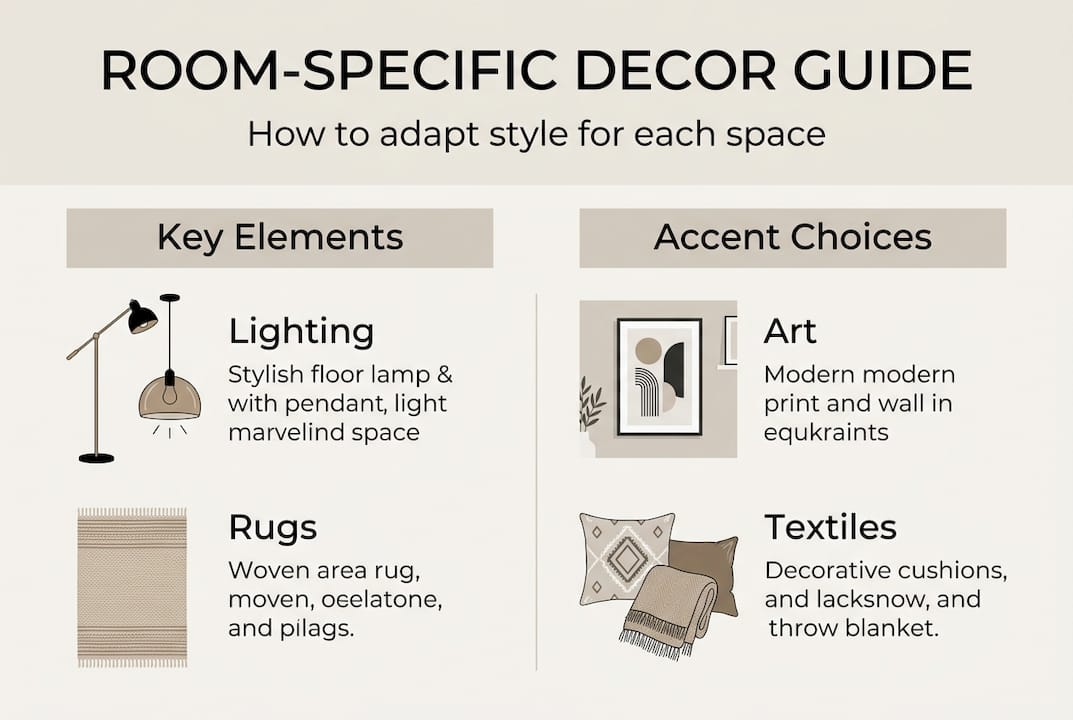
Pro Tip: Prioritise the bedroom when it comes to investment pieces. You spend roughly eight hours a day in that room, so quality bedding, a well-chosen rug, and considered lighting will have a disproportionate impact on how you feel at home.
| Room type | Lighting condition | Recommended decor approach |
|---|---|---|
| Small room | Any | Scaled art, multi-functional pieces, clear floors |
| North-facing room | Cool, low light | Warm tones, natural wood, terracotta accents |
| Period home | Variable | Highlight original features, bridge old and new |
For more practical guidance, the tips for small spaces and decorating small spaces workflow articles go deeper on compact room solutions. The stylish room accents guide is particularly useful for period properties.
Our view: Why personality-driven decor matters more than rigid rules
Having laid out the frameworks, it is worth addressing what actually makes a home feel genuinely stylish rather than just correctly decorated.
The most memorable British interiors we encounter are not the ones that followed every rule. They are the ones that broke a few deliberately. A collection of mismatched vintage plates on a kitchen wall. A reading chair in an unexpected colour. A shelf of objects that clearly mean something to the person who lives there.
Rules are scaffolding. They help you build something structurally sound, but the best homes pull the scaffolding down before the photographs are taken. Unique accent pieces consistently outperform matched sets when it comes to creating a lived-in, inviting atmosphere. Collected beats coordinated, every time.
This does not mean ignoring the principles covered here. It means using them as a foundation and then layering in the things that make your home yours. A room that reflects your personal story will always feel more alive than one assembled from a single catalogue. For a practical route into this approach, the modern home styling steps guide is a good place to start.
Ready to transform your space?
If you are inspired to put these concepts into practice, Homable is here to help.
At Homable, we have curated a range of home accessories, ornaments, rugs, and storage solutions designed specifically for modern British interiors. Whether you are starting from scratch or refreshing a single room, our guides and product collections make it straightforward to find pieces that suit your space. Explore room-specific decor ideas across every room type, with free shipping on orders over £100 and a selection built around quality, style, and genuine affordability.
Frequently asked questions
What is room-specific decor and why does it matter?
Room-specific decor means tailoring your decorating choices to suit each room’s use, architecture, and atmosphere. It matters because a single uniform style rarely serves both function and personality across different spaces, as layering and editing by room creates a far more finished and liveable result.
How do I decorate a small or north-facing room?
Scale your artwork to 80 to 120cm wide and choose warm tones such as terracotta or ochre to offset the cool, limited natural light that many British rooms receive, particularly those facing north.
Is it better to match decor in every room or show personality?
Uniqueness and personality consistently produce more inviting, authentic results than strict matching, making a home feel genuinely lived in rather than assembled from a single collection.
What are the top tips for achieving a finished look?
Layer accessories in threes, balance height and texture across each grouping, and always edit for negative space before you consider a room complete.