Cart
0
TL;DR:
- Modern home accessories blend form, function, and material innovation to create spaces with genuine personality. Thoughtfully chosen lighting, symbolic objects, and restrained styling elevate a room’s ambiance and story. Prioritizing material integrity and intentional curation leads to more meaningful, sophisticated home decor.
Modern home accessory ideas are design objects that combine form, function, and material innovation to give any living space genuine personality. The best contemporary accessories do more than fill a shelf. They tell a story, respond to their environment, and reward close attention. Studio Drift’s Dandelight lamp and the Mod-u modular light are two examples proving that accessories can be as considered as architecture. This article covers the standout pieces, the styling principles, and the practical frameworks you need to make every room feel intentional.
1. modern home accessory ideas: lighting that doubles as sculpture
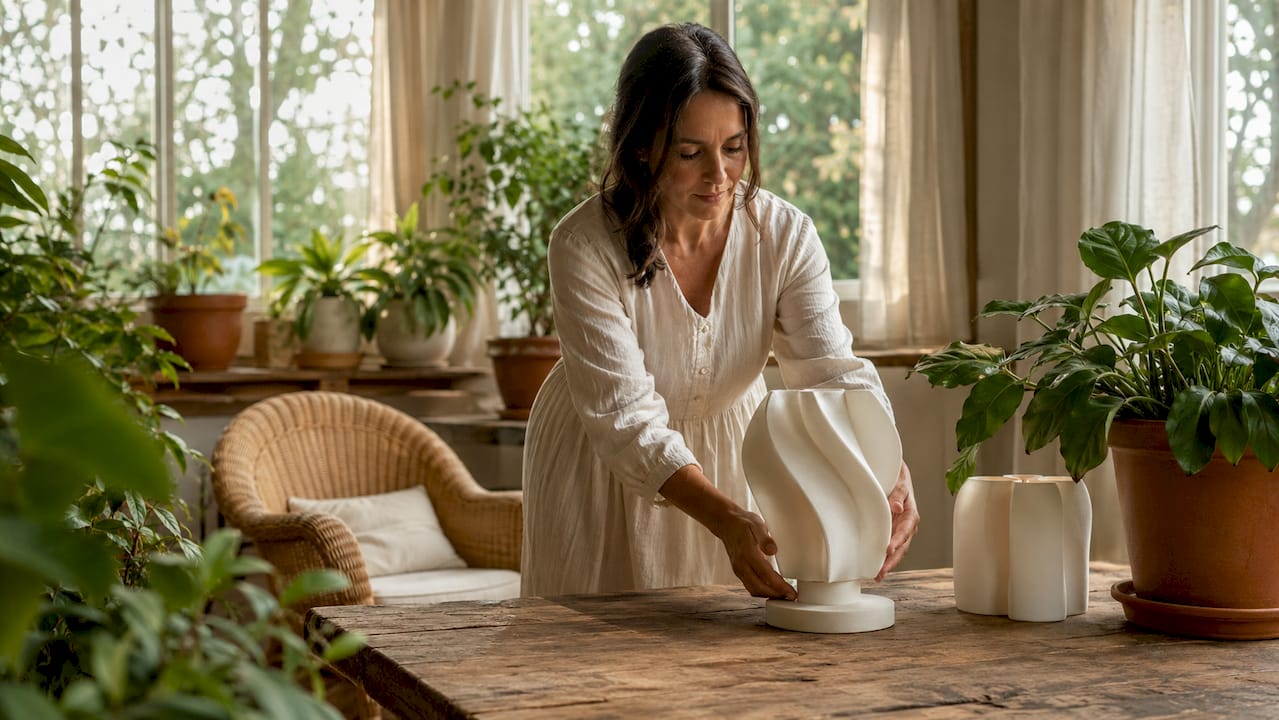
Lighting is the single accessory category with the greatest impact on how a room feels. The right piece changes the mood, defines a zone, and works as a focal point without any other decoration around it.
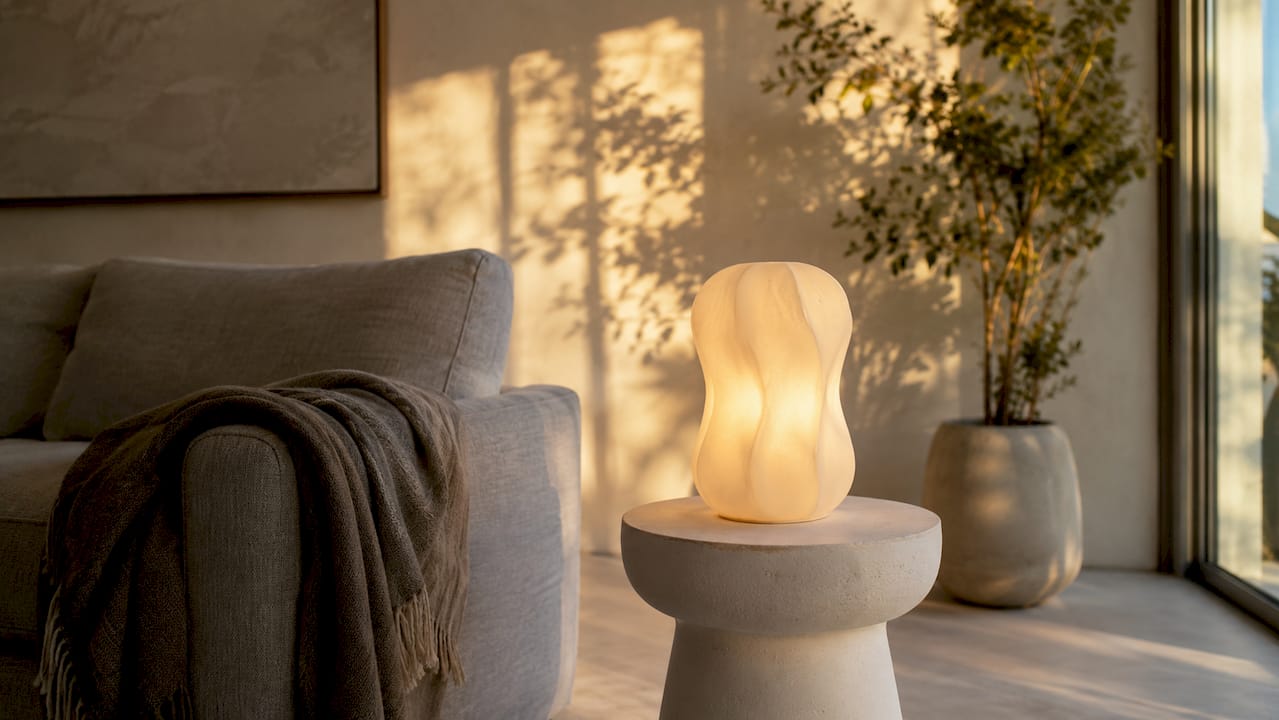
Studio Drift’s Dandelight lamp attaches real dandelion seeds one at a time to individual LEDs, producing a soft, diffused glow that no manufactured shade can replicate. The standard version stands 18 cm tall and is priced at $214, with a dome version at 28 cm for $437. That price reflects a broader shift in modern design away from mass-produced luxury and towards objects with genuine material history.
The Mod-u lamp takes a different approach. It is built from dozens of recycled eggshell composite blocks that stack and rearrange to function as either a table or floor lamp. The award-winning design proves that sustainability and sculptural beauty are not competing priorities.
- Dandelight: Best for bedrooms, reading nooks, and intimate dining areas where a soft, organic glow suits the mood
- Mod-u: Best for living rooms and home offices where you want a piece that changes with your layout
- Both: Avoid placing near high-traffic areas where the delicate forms could be disturbed
Pro Tip: Pair a sculptural lamp with a plain, matte surface beneath it. A white or concrete side table lets the lamp carry the visual weight without competition.
For more ideas on kitchen and bedroom lighting that works with modular and customisable designs, the principles translate directly to living spaces too.
2. accessories with architectural logic and symbolic design
The most memorable accessories carry a narrative. They reference something beyond their immediate function, and that reference is what makes them worth keeping.
The TEJA desk organiser is designed with architectural logic drawn from Colombian roof tiles. Its lacquered steel surface curves in the same profile as a traditional clay tile, offering designated spots for pens, cards, and small items. The result is a piece that works on a desk and reads as a miniature piece of architecture.
Choosing accessories with symbolic resonance rather than purely practical use is what separates a styled room from a furnished one. Designers consistently advocate for objects that carry architectural references or cultural meaning. The object becomes a conversation point and a reflection of the owner’s taste.
“Functional objects should carry meaningful narratives, using architectural or symbolic inspiration to enrich home accessories.” — Yanko Design
When selecting accessories with this principle in mind, consider the following:
- Look for pieces that reference a material, a place, or a craft tradition you genuinely connect with
- Prioritise objects where the form follows a logic beyond aesthetics, such as structural geometry or cultural symbolism
- Avoid accessories that mimic a narrative without substance, for example, mass-produced items styled to look artisanal
3. how to style modern accessories without overcrowding
Restraint is the most underused styling tool in most British homes. The instinct is to fill surfaces, but the opposite approach produces better results.
Removing at least 30% of surface clutter increases the visual impact of every piece that remains. Fewer objects means each one receives proper attention. This is not minimalism for its own sake. It is editing with intention, which is a different discipline entirely.
The 60-30-10 colour rule gives you a reliable framework for colour balance: 60% dominant neutral tones across walls and large furniture, 30% secondary tones in upholstery and curtains, and 10% bold accents in accessories. That final 10% is where your most considered pieces live. A single ceramic vase in a deep terracotta or a brass candleholder carries far more weight when the surrounding 90% is calm.
Here is a practical styling sequence to follow:
- Clear every surface completely and photograph the room
- Return only the pieces you would genuinely miss if they were gone
- Group objects in odd numbers, typically three or five, at varying heights
- Apply the 60-30-10 rule to confirm your accent pieces are not competing with each other
- Step back and identify the first thing your eye lands on. That should be your best piece
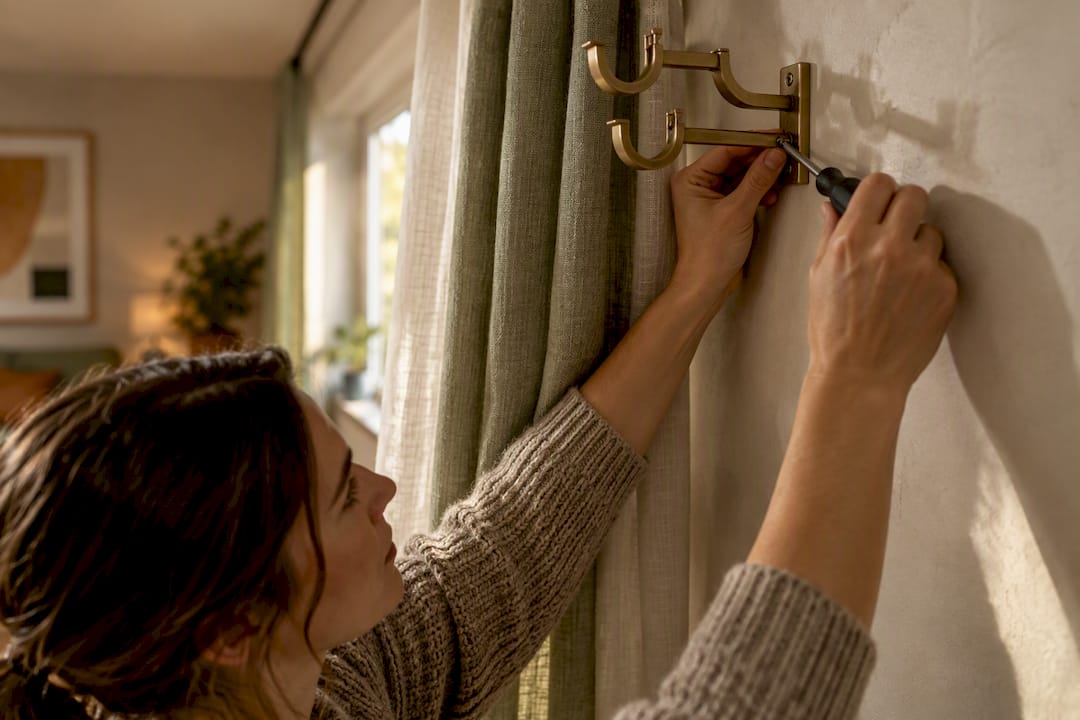
Window treatments deserve the same attention as any other accessory. Curtains that run wall-to-wall and puddle slightly on the floor create a contemporary aesthetic. Short curtains that stop at the sill read as dated regardless of the fabric quality.
Pro Tip: Hang curtain poles 15–20 cm above the window frame and extend them 20 cm beyond the frame on each side. The room will appear taller and wider without any structural change.
For a detailed step-by-step styling guide covering modern spaces, Homable’s resource breaks the process down room by room.
4. comparing modern accessory categories: which type suits your space?
Different accessory types serve different functions in a room. The table below compares the four most impactful categories to help you decide where to invest first.
| Category | Style Impact | Best Room | Budget Entry | Premium Option |
|---|---|---|---|---|
| Sculptural lighting | Very high | Living room, bedroom | £30–£80 table lamp | Studio Drift Dandelight from $214 |
| Desk and surface organisers | Medium | Home office, kitchen | £15–£40 ceramic tray | TEJA lacquered steel organiser |
| Area rugs | High | Living room, dining room | £50–£120 woven rug | Hand-knotted wool from £300 |
| Textiles and cushions | Medium to high | Bedroom, living room | £20–£50 per cushion | Artisan linen or velvet sets |
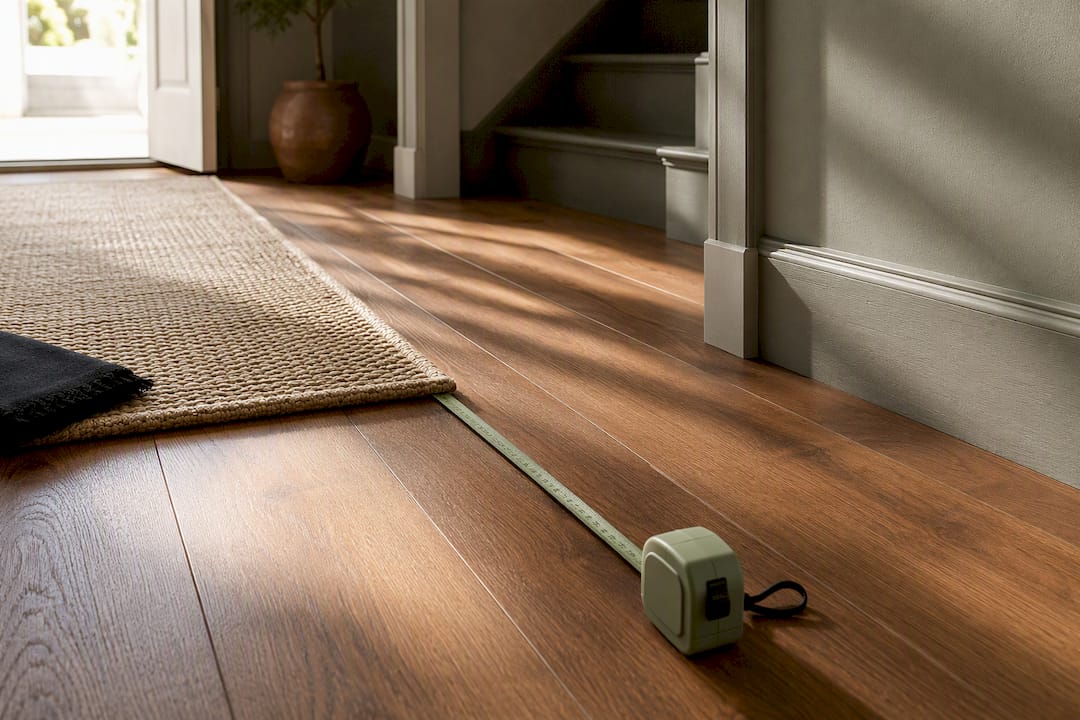
Area rugs deserve a specific note. A rug that covers at least the front legs of all seating pieces anchors the furniture group and defines the zone. A small rug floating in the centre of a room makes the space feel unresolved and cheap regardless of the rug’s quality.
The lighting category consistently delivers the highest return on investment for a single purchase. One well-chosen lamp changes the atmosphere of an entire room at any time of day. For bedroom lighting ideas that work even in awkward layouts, modular and adjustable designs are the most practical starting point.
5. mixing materials for depth and texture
A room furnished entirely in one material reads as flat. The most considered contemporary interiors layer at least three distinct materials across their accessories.
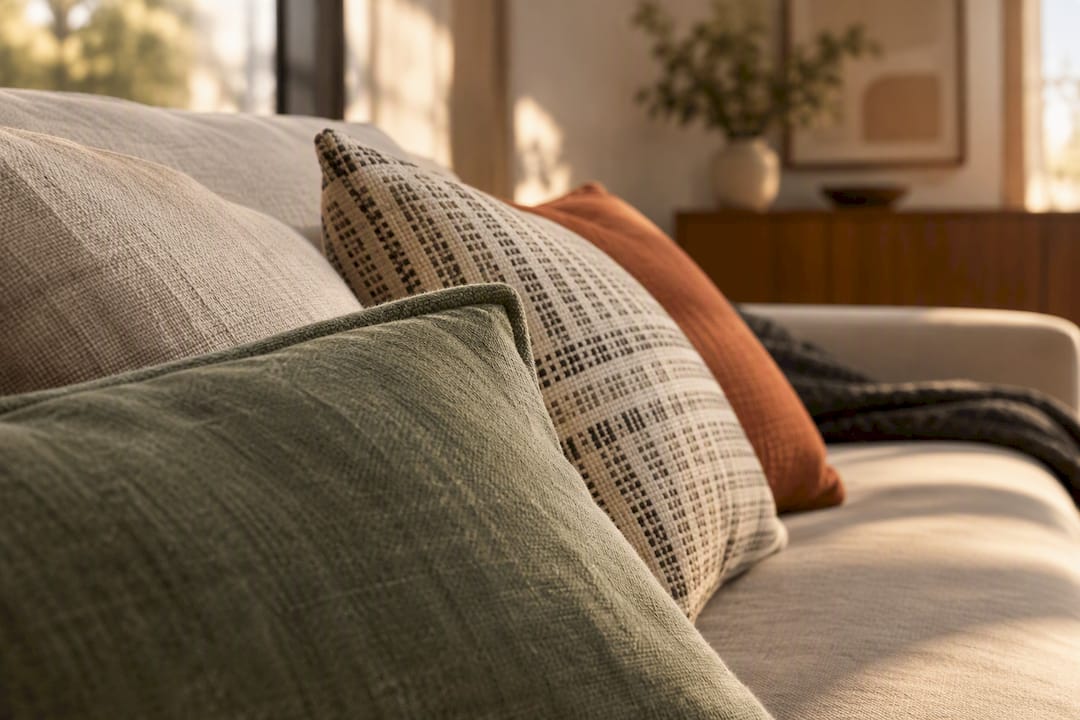
Glass, wood, metal, and fabric each carry a different visual weight and tactile quality. Glass reflects light and adds brightness. Raw or oiled wood introduces warmth and organic irregularity. Brushed or blackened metal provides structure and contrast. Fabric softens hard edges and absorbs sound. When you combine all four across a shelf, a coffee table, or a windowsill, the result feels considered rather than collected.
The practical rule is to avoid repeating the same material in adjacent pieces. A ceramic lamp next to a ceramic vase next to a ceramic bowl creates monotony. Replace one of those with a brass object or a woven basket and the grouping immediately gains depth. This principle applies to colour as well as material. Mixing textures within a single colour family, such as a matte linen cushion alongside a glossy lacquered tray in the same grey tone, produces far more sophistication than mixing colours in the same texture.
6. personalising your space with unique and artisanal pieces
A room that looks like a showroom is not a home. The difference between a styled space and a liveable one is the presence of objects that could only belong to you.
Artisanal ceramics, woven wall hangings, and indoor plants are the three most reliable ways to add that quality. Each carries visible evidence of human making or natural growth, which no mass-produced object can replicate. A hand-thrown bowl with an uneven rim, a macramé panel with slight variations in the knotting, or a trailing pothos plant with its own particular growth pattern all signal that a real person lives in this space.
The most effective approach pairs one disruptive or vintage item with a contemporary base. A mid-century ceramic lamp on a clean-lined modern console, or a worn leather journal on a minimal desk, creates the kind of contrast that makes a room memorable. For creative decor ideas that balance personality with contemporary styling, the principle is always the same: one unexpected piece per surface grouping.
- Artisanal ceramics: Choose pieces with visible throwing marks or glaze variation. Avoid ceramics that look machine-made but are marketed as handmade
- Woven hangings: Scale matters. A small hanging on a large wall looks tentative. Go larger than feels comfortable
- Plants: Trailing varieties like pothos or string of pearls add movement. Structural plants like snake plants or fiddle-leaf figs add architecture
- Vintage items: One per grouping is the rule. Two vintage pieces together start to look like a collection. Three looks like a charity shop
For a broader view of 2026 styling trends that incorporate artisanal and natural elements, Homable’s trend guide covers the key directions in detail.
Key takeaways
The most effective approach to modern home accessories combines material integrity, symbolic design, and deliberate restraint to produce spaces that feel genuinely considered rather than simply furnished.
| Point | Details |
|---|---|
| Sculptural lighting leads impact | One well-chosen lamp, such as the Dandelight or Mod-u, transforms a room’s atmosphere more than any other single accessory. |
| Narrative design adds lasting value | Accessories like the TEJA organiser, which reference architecture or culture, hold their appeal far longer than purely decorative objects. |
| Restraint amplifies quality | Removing 30% of surface clutter makes every remaining piece more visible and more powerful. |
| The 60-30-10 rule governs colour | Apply 60% neutrals, 30% secondary tones, and 10% bold accents to keep accessories from competing with each other. |
| Mix materials, not just colours | Combining glass, wood, metal, and fabric across a surface grouping creates depth that colour variation alone cannot achieve. |
What i have learned about choosing modern accessories
Most people buy accessories in the wrong order. They furnish a room, then look for objects to fill the gaps. The result is a collection of things that fit the space rather than define it. The rooms I find most compelling are built the other way around. The owner chose two or three objects they genuinely cared about, then arranged the rest of the room to support them.
Material integrity is the quality I look for first. An object made from a real material, whether that is hand-thrown clay, genuine walnut, or recycled eggshell composite, ages well and improves with handling. An object made from a material pretending to be something else does the opposite. The Mod-u lamp’s use of actual eggshell composite is not a marketing detail. It is the reason the piece looks different in different lights and feels worth owning.
The styling pitfall I see most often is symmetry used as a substitute for thought. Two matching lamps, two matching cushions, two matching vases. Symmetry is safe, but it is also static. The rooms that stay interesting over time are the ones where something is slightly off: a lamp that is taller on one side, a cushion in a different texture, a plant that grows in an unexpected direction. That slight asymmetry is what makes a space feel inhabited rather than staged.
My honest recommendation is to buy fewer pieces and spend more on each one. A single lamp at £200 that you love will serve you better than six accessories at £30 each that you feel neutral about. Intentional curation is not about spending more in total. It is about spending more carefully.
— Cristiano
Refresh your space with homable’s curated accessories
If this article has prompted you to rethink what is sitting on your shelves, Homable is a strong place to start the edit.
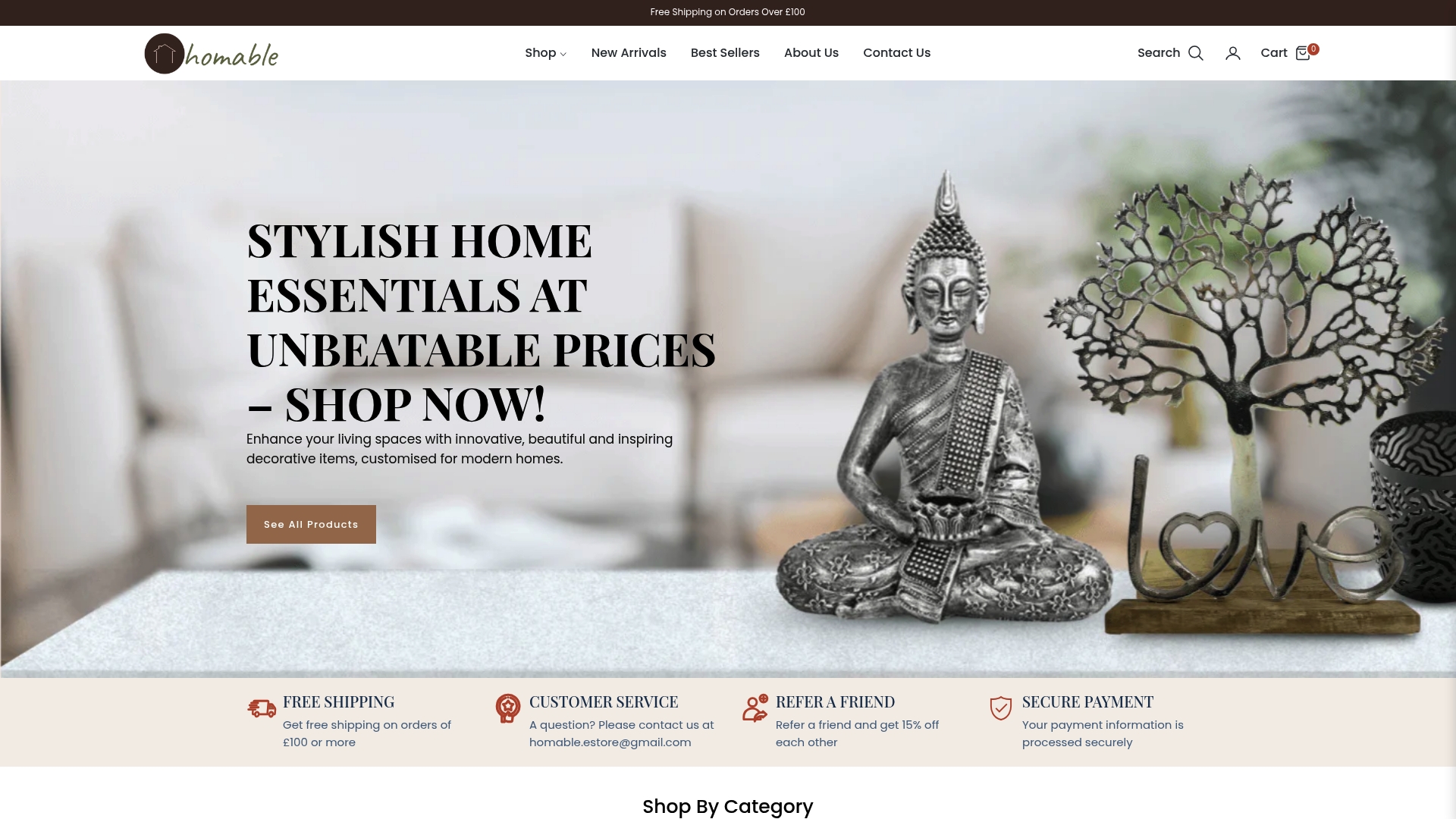
Homable offers a curated selection of modern home accessories designed for homeowners who want quality and style without the premium price tag. From ornaments and rugs to storage solutions and statement pieces, every product is chosen with contemporary British interiors in mind. Orders over £100 qualify for free shipping, and the new arrivals section is updated regularly to reflect current design directions. Whether you are starting from scratch or refining a room that is almost there, Homable’s range gives you the pieces to make it work.
FAQ
What are the best modern home accessory ideas for small rooms?
Sculptural lighting, mirrors, and a single well-chosen area rug are the most effective accessories for small rooms. They add visual interest and define zones without consuming floor space.
How do i use the 60-30-10 colour rule with accessories?
Apply 60% of your room’s colour to walls and large furniture in neutral tones, 30% to secondary pieces like curtains and upholstery, and reserve the final 10% for bold accent accessories such as vases, cushions, or lamps.
Are sustainable accessories worth the higher price?
Pieces like the Mod-u lamp, made from recycled eggshell composite, and the Dandelight, built from real dandelion seeds, carry material histories that mass-produced alternatives cannot replicate. They age better and hold their visual interest longer.
How many accessories should i display on one surface?
Group objects in odd numbers, typically three or five, at varying heights. Removing at least 30% of surface clutter increases the impact of every piece that remains.
What is the difference between minimalist and contemporary accessory styling?
Minimalist styling prioritises absence and uses very few objects with maximum negative space. Contemporary styling, by contrast, layers textures and materials with restraint, allowing for more personality while still avoiding clutter.