Cart
0
TL;DR:
- Space optimization involves deliberate arrangement and smarter storage to improve home functionality. It differs from utilization and planning by combining data and design to make genuine, lasting improvements. Regular observation and technology tools can help maintain an efficient, adaptable small-space environment.
Space optimisation is the strategic use of physical space to maximise functionality and efficiency, going well beyond simply rearranging furniture. If you live in a flat, studio, or compact terraced house, this discipline directly determines how well your home serves your daily life. The difference between a cramped room and a comfortable one is rarely square footage. It is almost always a question of deliberate arrangement, smarter storage, and understanding how you actually use each area. This guide breaks down the core concepts and gives you practical techniques you can apply today.
What is space optimisation and why does it matter?
Space optimisation is defined as the process of planning where items live, designing layouts around how a room is actually used, and improving daily flow through deliberate decisions. The goal is not to squeeze more into less. The goal is to make every square metre fully serve its purpose.

This matters most in small homes because wasted space is felt immediately. A sofa placed in the wrong position blocks a doorway. A wardrobe that is hard to access means clothes pile up on chairs. These are not aesthetic problems. They are functional failures that create daily friction.
Space optimisation is also a strategic discipline. It integrates real usage data, thoughtful design, and sometimes resident feedback to produce layouts that genuinely work. That is why it differs from a quick tidy or a weekend declutter. Those activities address symptoms. Optimisation addresses the underlying structure of how your space functions.
How does space optimisation differ from space utilisation and planning?
These three terms are related but distinct. Confusing them leads to half-measures that do not solve the real problem.
Space utilisation is the measurement side. It tracks how often and how intensively a space is actually used over time. In a home context, this means noticing which surfaces you reach for daily, which storage spots you never open, and which areas of a room you avoid. Utilisation data requires analysis over at least one to two weeks to reveal genuine patterns rather than one-off habits.
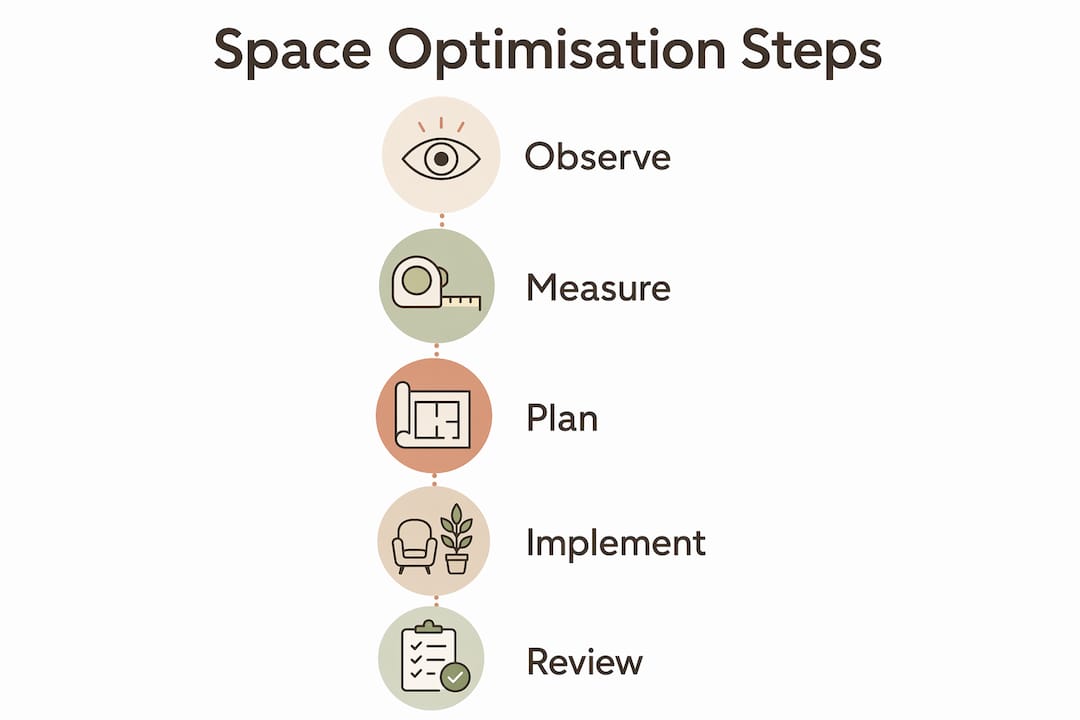
Space planning is the functional design step that follows. It focuses on where items should live and how the layout supports your daily routines and movement through the home. As one organising specialist puts it, space planning addresses flow and function rather than appearance or simply fitting things into containers.
Space optimisation is what happens when you combine both. It uses utilisation insights and planning principles to make decisions that genuinely improve efficiency. Here is how the three relate:
- Utilisation tells you what is actually happening in your space right now.
- Planning tells you what should happen based on your routines and needs.
- Optimisation closes the gap between the two by making targeted changes.
Without utilisation data, planning is guesswork. Without planning, utilisation data has no framework to act on. Optimisation is the step that turns observation into real change.
What practical techniques work best in small homes?
Efficient space management in a small home depends on applying the right techniques in the right order. Start with observation, then structure, then furniture.
-
Track your actual usage for one to two weeks. Note which surfaces you use daily, which storage you ignore, and where clutter consistently builds up. Tracking usage patterns over this period reveals mismatches between where things are stored and where they are actually needed. Most people discover that 60–70% of their storage is either inaccessible or irrelevant to daily life.
-
Apply micro-zoning to create distinct areas without walls. Micro-zoning creates functional activity areas within a single room using furniture placement, rugs, and lighting rather than physical dividers. A rug under a sofa and coffee table defines a living zone. A pendant light over a small desk defines a work zone. The room stays open and flexible while each area has a clear purpose.
-
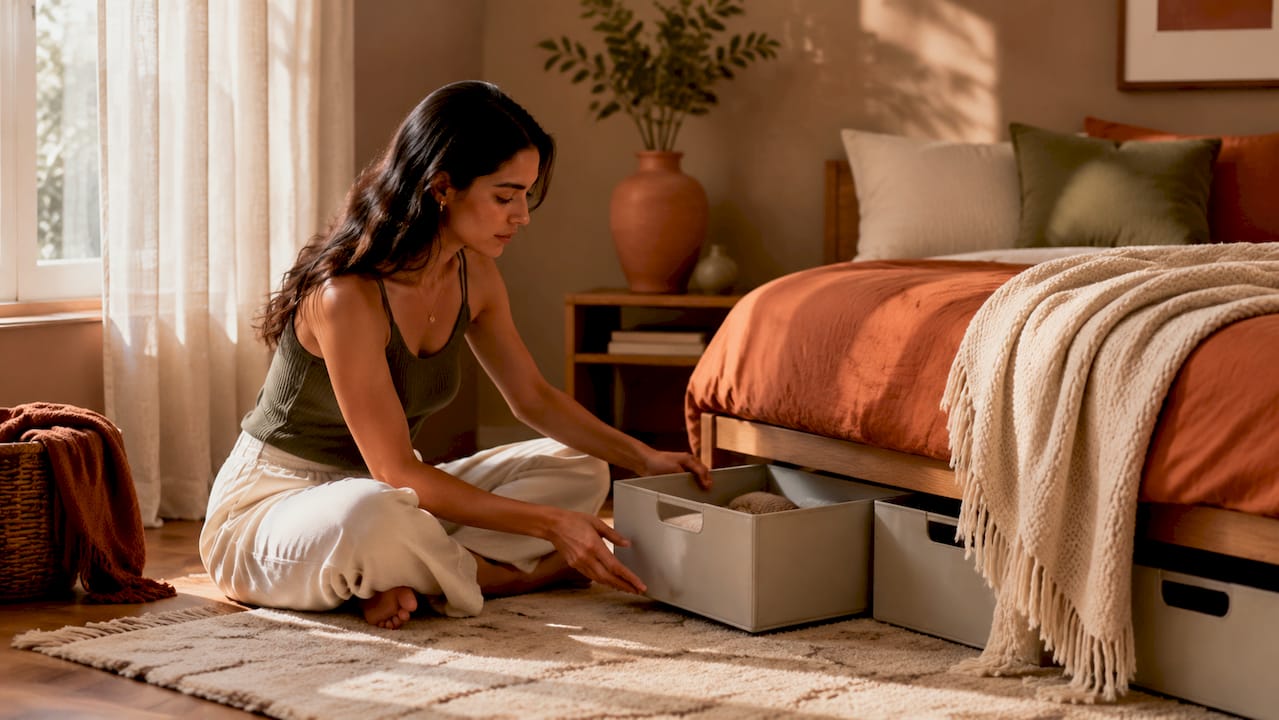
Use furniture that earns its footprint twice. A bed with built-in drawers, a dining table that folds against the wall, or an ottoman with internal storage all serve dual functional roles without adding bulk. This is one of the highest-return changes you can make in a small home.
-
Utilise vertical space deliberately. Most small rooms are used from floor to roughly 1.5 metres. The space above that is almost always wasted. Tall shelving units, wall-mounted hooks, and overhead cupboards reclaim this zone without consuming floor area.
-
Orient furniture to preserve circulation paths. Every room needs clear routes between entry points and key areas. Furniture placed across these paths makes a room feel cramped regardless of its actual size.
Pro Tip: Before buying any new storage, spend one week placing a sticky note on every item you use daily. Then audit your storage to see how many of those items are buried or hard to reach. Fix the access problem first. Then buy storage.
You can find a structured approach to these steps in this space-saving solutions checklist from Homable, which covers both function and style.
What common pitfalls undermine space optimisation?
Most space optimisation attempts fail not because of bad taste but because of specific, avoidable mistakes.
-
Confusing storage availability with storage accessibility. A cupboard full of items you never use is not storage. It is a blocked zone. Storage only optimises space when it supports low-friction access. If retrieving an item takes more than five seconds, it will not be put back correctly, and clutter will return.
-
Overcrowding zones and blocking circulation. Zones defined by rugs, lighting, or furniture orientation help maintain flow and prevent cramped feelings. The moment a zone expands into a circulation path, the whole room suffers. Keep at least 90 centimetres of clear walkway between major furniture pieces.
-
Skipping the utilisation observation phase. Many people rearrange their homes based on how they think they use the space rather than how they actually do. This produces layouts that look logical but create daily friction. Spend at least a week observing before moving anything.
-
Treating optimisation as a one-time project. Your routines change. A home office that worked in 2024 may not suit your 2026 schedule. Quarterly reassessments of how your space is functioning help you catch drift before it becomes a problem.
Pro Tip: Walk through your home as if you are a guest seeing it for the first time. Notice where you instinctively pause, where you feel blocked, and where your eye goes. These instinctive reactions reveal circulation and focal-point problems that familiarity hides.
For more on avoiding common missteps when arranging compact rooms, the Homable guide on organising small spaces is worth reading alongside this article.
How can technology and tools support small-space optimisation?
Digital tools and smart devices make space utilisation techniques more precise and less reliant on guesswork.
| Tool Type | Example Use | Benefit |
|---|---|---|
| Occupancy sensors | Track which rooms and zones are used most | Reveals real usage patterns without manual logging |
| Room layout apps | RoomSketcher, Planner 5D | Lets you test furniture arrangements before moving anything |
| Scheduling apps | Google Calendar, Notion | Maintains organised routines tied to specific zones |
| Smart lighting | Philips Hue, IKEA TRÅDFRI | Reinforces zone separation and adjusts ambience by activity |
| Storage audit tools | Sortly, Home Inventory | Catalogues stored items so you know what you have and where |
Occupancy sensors and analytical tools gather real-time data on usage, which supports decisions grounded in evidence rather than assumption. In a home setting, even a simple motion-activated log can reveal that a spare room is used only twice a week, making it a candidate for dual-purpose conversion.
Room layout apps like RoomSketcher let you drag and drop furniture in a scaled floor plan before committing to physical changes. This saves considerable effort and prevents the common mistake of buying a piece that does not fit the room’s circulation needs. For small kitchens specifically, the Happy Doors guide on making kitchens feel larger pairs well with layout planning tools to address one of the most challenging rooms in a compact home.
Key takeaways
Space optimisation works because it combines real usage data, deliberate planning, and flexible furniture choices to make every square metre serve a clear purpose.
| Point | Details |
|---|---|
| Definition matters | Space optimisation is strategic arrangement for function, not just tidying or rearranging. |
| Observe before changing | Track actual usage for one to two weeks before moving furniture or buying storage. |
| Micro-zoning creates structure | Use rugs, lighting, and furniture placement to define zones without walls. |
| Access beats capacity | Storage only works when items inside it are easy to reach and return. |
| Technology adds precision | Layout apps and occupancy sensors reduce guesswork and validate decisions. |
What i have learned from living and working in small spaces
By Cristiano
The most common mistake I see is people treating space optimisation as an aesthetic project. They buy beautiful baskets, rearrange shelves, and feel satisfied for a week. Then the clutter returns because the underlying flow was never addressed.
The single most useful thing I have ever done in a small space is spend two weeks doing nothing except observing. I put a notebook on the kitchen counter and wrote down every time I reached for something that was not where I expected it. By day ten, the pattern was clear. My most-used items were stored at the back of the deepest cupboards. My least-used items were at eye level. Fixing that one mismatch reduced my morning friction more than any furniture purchase I have ever made.
My honest view is that most people over-invest in storage products and under-invest in understanding their own routines. A £200 shelving unit will not help you if the items on it are things you use twice a year. Spend the time first. Then spend the money.
The other thing worth saying is that optimisation is never finished. Your life changes. Your home needs to change with it. Build in a quarterly review, even a short one, and you will stay ahead of the drift that turns a well-organised space back into a frustrating one.
— Cristiano
How Homable helps you make the most of your space
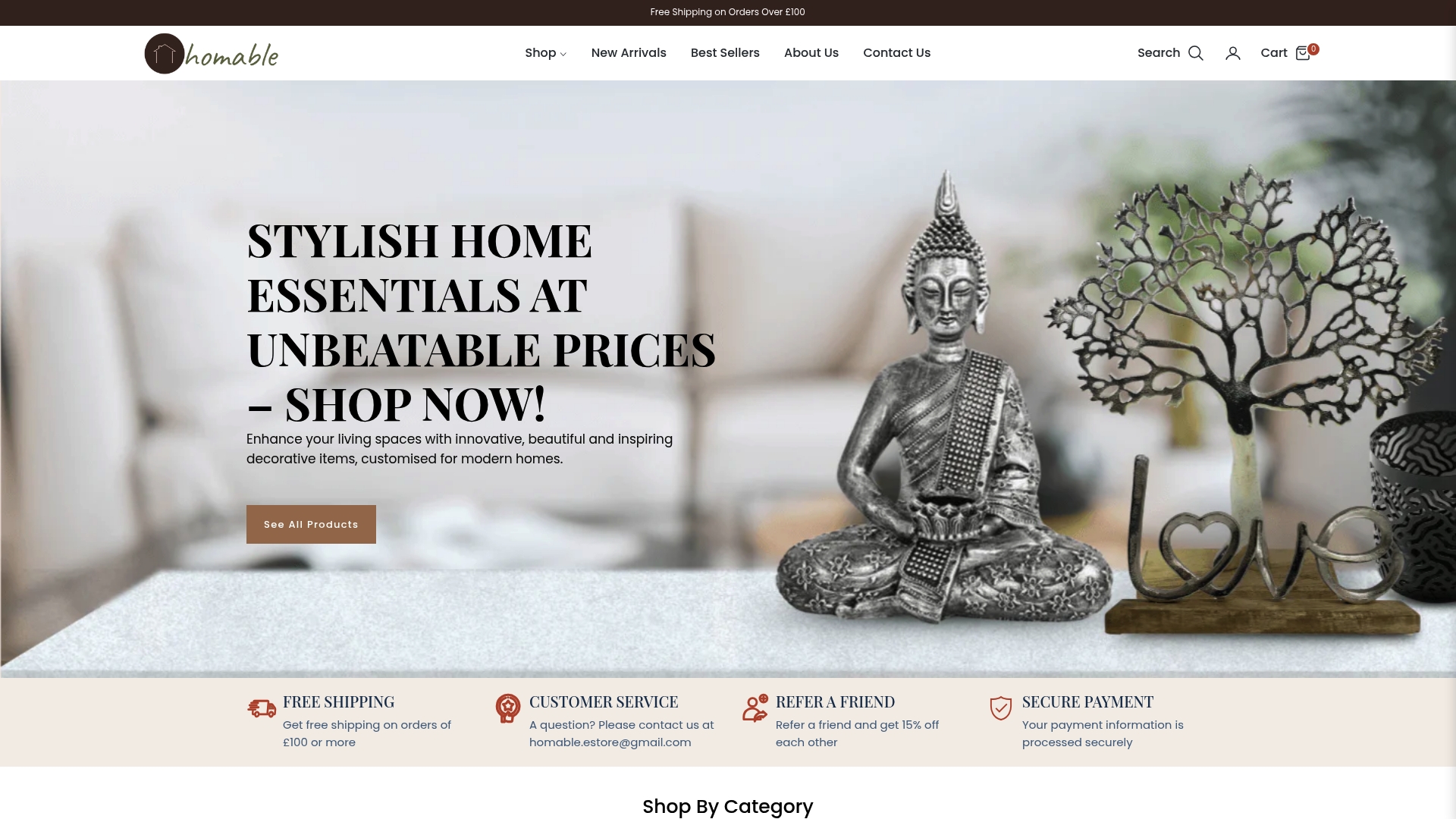
Homable stocks a curated range of stylish storage solutions designed specifically for modern homes where space is at a premium. From compact shelving and multi-use organisers to rugs that define zones and accessories that double as storage, every product is chosen with both function and style in mind. If you are ready to put the techniques in this article into practice, the Homable collection gives you the tools to do it without sacrificing how your home looks. Browse the full range at Homable, where orders over £100 qualify for free shipping.
FAQ
What is space optimisation in simple terms?
Space optimisation is the process of arranging and using your available space so that every area serves a clear, practical purpose. It goes beyond tidying to address layout, storage placement, and daily flow.
How is space optimisation different from decluttering?
Decluttering removes items you no longer need. Space optimisation restructures how your remaining items are stored and accessed to reduce friction and improve how the space functions day to day.
What is micro-zoning and does it work in small rooms?
Micro-zoning creates distinct activity areas using furniture, rugs, and lighting instead of walls. It works particularly well in small rooms because it adds structure without reducing openness or light.
What are the main benefits of space optimisation?
The primary benefits are reduced daily friction, better use of available storage, and a home that feels larger and calmer. Optimisation links layout decisions to real usage patterns rather than assumptions.
How often should i reassess my home’s layout?
A quarterly review is sufficient for most households. Major life changes, such as working from home or adding a family member, should trigger an immediate reassessment of how each zone is functioning.