Cart
0
TL;DR:
- Soft furnishings enhance home comfort by providing acoustics, thermal insulation, and improved light diffusion through textiles like curtains and rugs. They also add style, depth, and flexibility, allowing quick aesthetic updates without structural changes. Proper selection and maintenance maximize their functional and decorative benefits for any living space.
Soft furnishings are defined as fabric-based items, including cushions, curtains, rugs, throws, and upholstery, that add warmth, texture, and personality to a living space. The role of soft furnishings extends well beyond decoration. They moderate comfort across multiple dimensions simultaneously, including heat retention, sound behaviour, light diffusion, and tactile experience. For homeowners and renters alike, understanding what these textile elements do, and how to use them well, is the difference between a house that looks finished and one that genuinely feels like home.
How do soft furnishings influence comfort in a home environment?
Soft furnishings deliver comfort through four measurable channels: acoustics, thermal regulation, light quality, and tactile engagement. Each channel affects how you experience a room, often without you noticing the cause.
Acoustic comfort
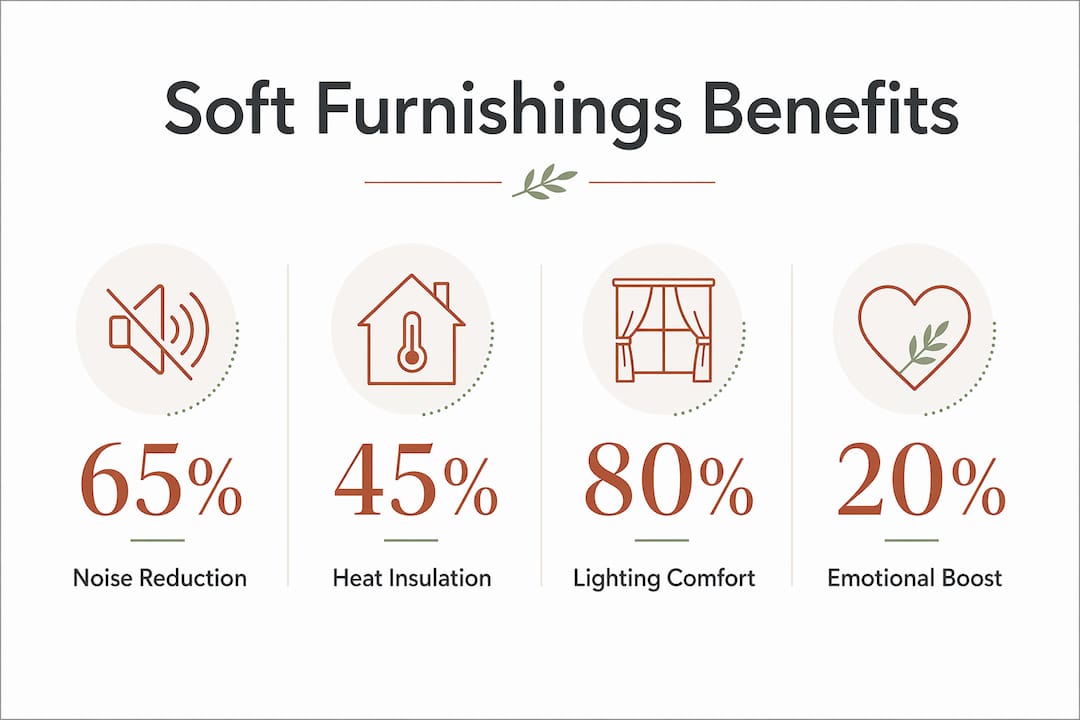
Fabric absorbs sound energy rather than reflecting it. Hard surfaces, such as bare floors, plaster walls, and glass, bounce sound around a room and create echo. Heavy curtains and upholstered furniture interrupt that cycle. Heavy drapes rated above Rw/STC 10 reduce perceived noise by approximately 50%. That figure means a well-dressed window does the acoustic work of a dedicated wall panel, at a fraction of the cost.
Placement matters as much as material. Curtains hung with a 90–110mm air gap from the wall absorb significantly more sound than fabric hung flat against a surface. The gap traps a pocket of air that acts as a secondary buffer. If you live near a busy road or in a flat with thin walls, this single adjustment makes a noticeable difference.
Thermal regulation
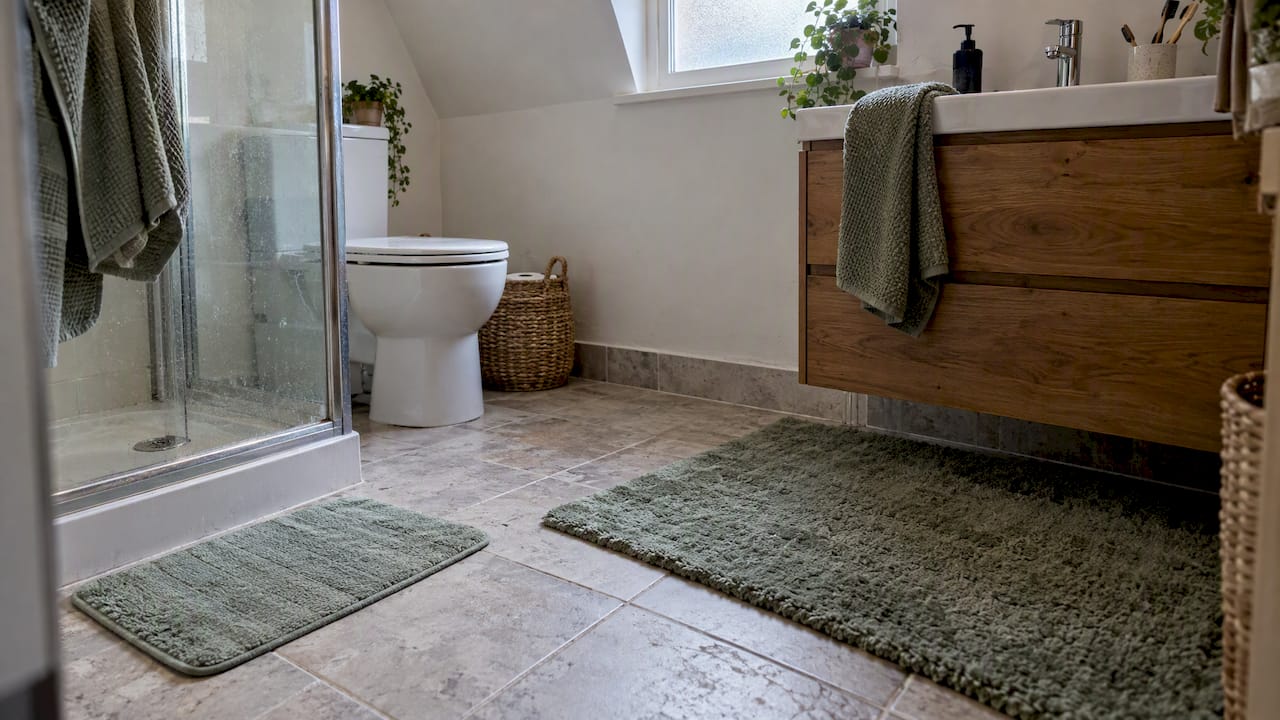
Rugs insulate floors from below, and curtains prevent radiant heat loss through windows. Soft furnishings act as insulators, retaining warmth at the same thermostat setting and reducing the energy needed to heat a room. In a draughty Victorian terrace or a modern flat with floor-to-ceiling glazing, the thermal contribution of good-quality textiles is real and measurable in energy bills.
Emotional wellbeing and light quality
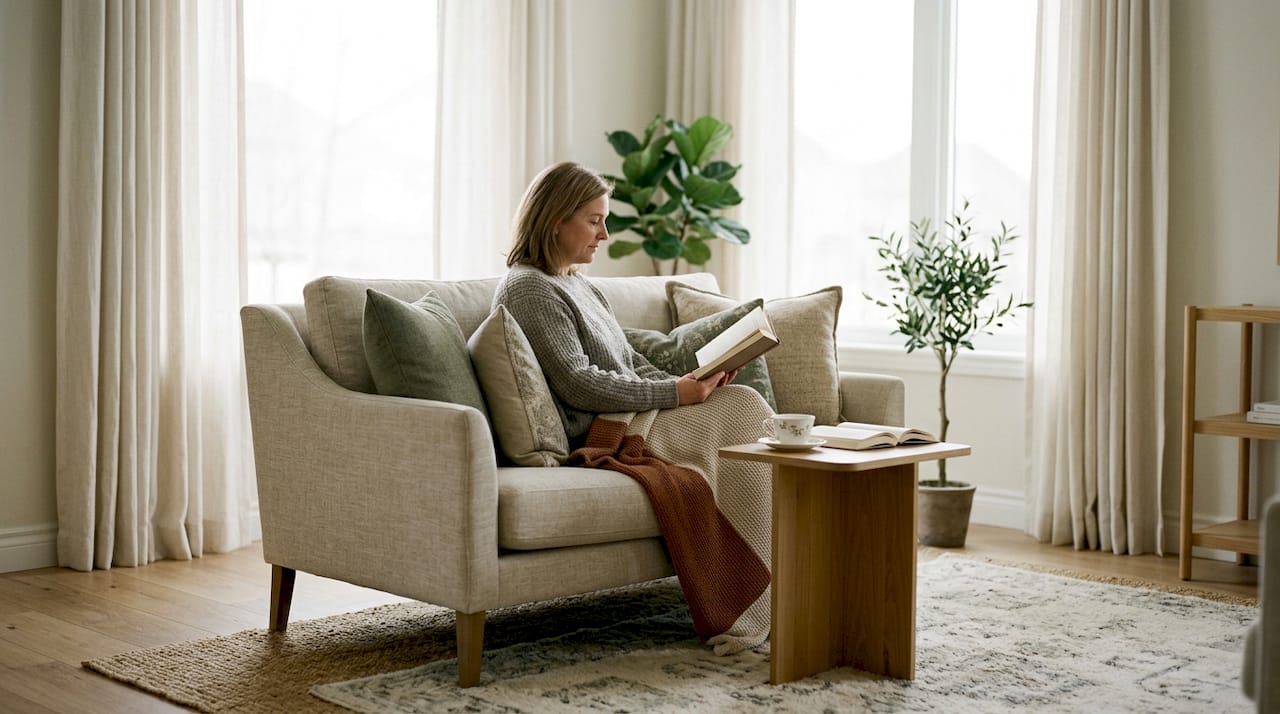
Curtains and sheer fabrics diffuse harsh daylight into softer, more even light. Diffused lighting is linked to increased relaxation and reduced stress in environmental psychology research. That finding explains why a room with bare windows and overhead lighting often feels tense, while the same room with layered curtains and soft furnishings feels calm. Tactile engagement, the physical sensation of touching a soft throw or sinking into an upholstered chair, reinforces that effect.
| Comfort benefit | Soft furnishings responsible |
|---|---|
| Sound absorption | Heavy curtains, upholstered sofas, thick rugs |
| Thermal insulation | Floor rugs, lined curtains, draught-blocking throws |
| Light diffusion | Sheer curtains, voile panels, fabric lampshades |
| Tactile warmth | Cushions, throws, velvet or wool upholstery |
Pro Tip: Hang curtains from ceiling height rather than just above the window frame. The extra length increases both acoustic absorption and thermal insulation, and makes the room feel taller.
What stylistic advantages do soft furnishings provide in interior design?
Soft furnishings in interior design are the fastest way to change the character of a room without touching a wall. Designer Ilse Crawford states that design must connect with how it makes people feel, and fabric elements are the primary tool for achieving that emotional connection. They introduce colour, pattern, and texture in a way that paint and furniture alone cannot.
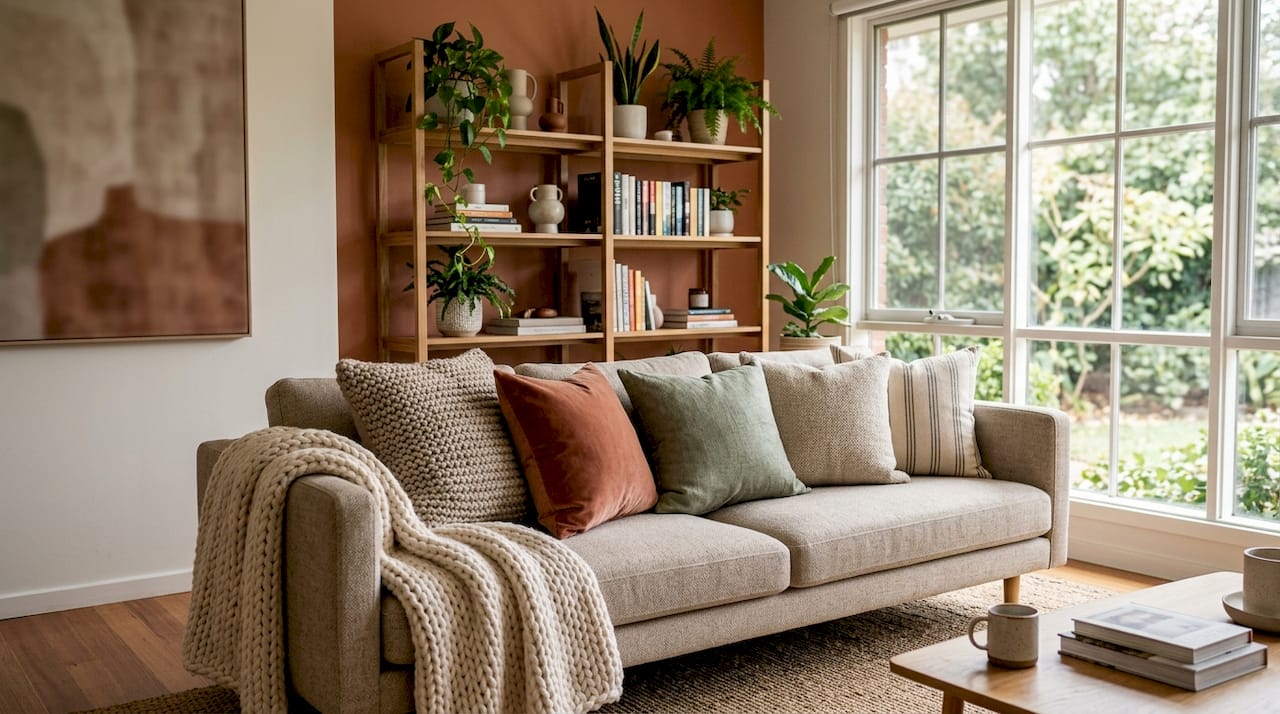
Textural layering
Layering different fabric textures is the core technique for creating depth and personality in a room. Combining varied fabrics prevents interiors from feeling flat or clinical. A linen sofa gains warmth when paired with a chunky knit throw and velvet cushions. A jute rug under a wool rug adds visual interest at floor level. Designer Jason Miller describes this approach as textural layering to counterbalance cold, clinical spaces, making them psychologically safe and welcoming. The principle is simple: mix smooth with rough, matte with sheen, and light with heavy.
You can read more about how this technique works in practice in this Homable guide on layering textiles for depth.
Colour and pattern coordination
Soft furnishings let you introduce colour without commitment. A set of cushions in a bold print can anchor a neutral room, while a patterned rug can tie together furniture in different tones. The key is to repeat at least one colour from the dominant piece, whether that is the sofa or the wall, across two or three textile items. That repetition creates visual cohesion without making the room feel matchy.
Flexibility and low-fuss updates
Slipcovers, rugs, and throws provide immediate, reversible updates to home aesthetics without structural changes. That reversibility is particularly valuable for renters who cannot paint walls or replace flooring. Swapping a rug or adding new cushion covers costs a fraction of redecorating, yet the visual impact is comparable. For practical, budget-conscious ideas, Homable’s guide to affordable home decor updates is worth a read.
Design tips for style enhancement:
- Start with one anchor piece, such as a statement rug or a patterned curtain, and build the colour palette from it.
- Mix at least three fabric textures per room: one smooth, one woven, and one soft or fluffy.
- Use odd numbers of cushions. Three or five cushions on a sofa look more natural than two or four.
- Keep pattern scale varied. Pair a large-scale print with a small geometric or plain fabric to avoid visual competition.
- Repeat a colour at least twice in a room to create cohesion without matching everything exactly.
Pro Tip: If you are unsure where to start, choose a cushion or throw in a colour you love and use it as the reference point for every other textile choice in the room.
How can soft furnishings improve the functionality of living spaces?
The functional benefits of using soft furnishings are often underestimated. Most homeowners choose textiles for looks, then discover the practical gains afterwards. Knowing the functional roles in advance lets you select items that work harder for your space.
Soft furnishings can perform acoustically on a par with dedicated wall panels when layered and installed correctly. That means a well-furnished living room naturally controls echo and external noise without any specialist treatment. For open-plan flats or rooms with hard flooring, a large-area rug combined with upholstered seating and lined curtains creates a noticeably quieter environment.
Dense backing fabrics enhance thermal regulation and privacy significantly beyond their decorative appeal. Blackout-lined curtains, for example, block both light and heat transfer, making them useful in bedrooms and south-facing rooms. The privacy benefit is equally practical for ground-floor flats or rooms overlooking a street.
Steps to select functional soft furnishings for specific needs:
- Identify the primary problem. Decide whether your priority is noise, heat loss, light control, or privacy before choosing any item.
- Match fabric weight to function. Heavy, dense fabrics absorb sound and insulate. Lightweight sheers diffuse light without blocking it.
- Check the backing. For curtains, a lined or interlined backing adds thermal and acoustic performance. For rugs, a dense underlay improves insulation and reduces slip.
- Consider placement carefully. A rug placed under a sofa and coffee table, rather than in front of them, covers more floor area and absorbs more sound.
- Layer for multiple benefits. A sheer curtain paired with a heavy lined drape gives you light control, privacy, and thermal insulation from a single window treatment.
Maintaining your soft furnishings properly extends their functional life. Regular vacuuming of upholstery and rugs removes dust that degrades fabric fibres over time. For guidance on keeping textiles clean and in good condition, cleaning practices for soft furnishings are worth reviewing to protect your investment.
What are expert recommendations for selecting and maintaining soft furnishings?
Selecting soft furnishings well requires more than picking colours you like. Fabric weight, durability, and maintenance requirements all affect whether a piece looks good in two years or starts to show wear within months.
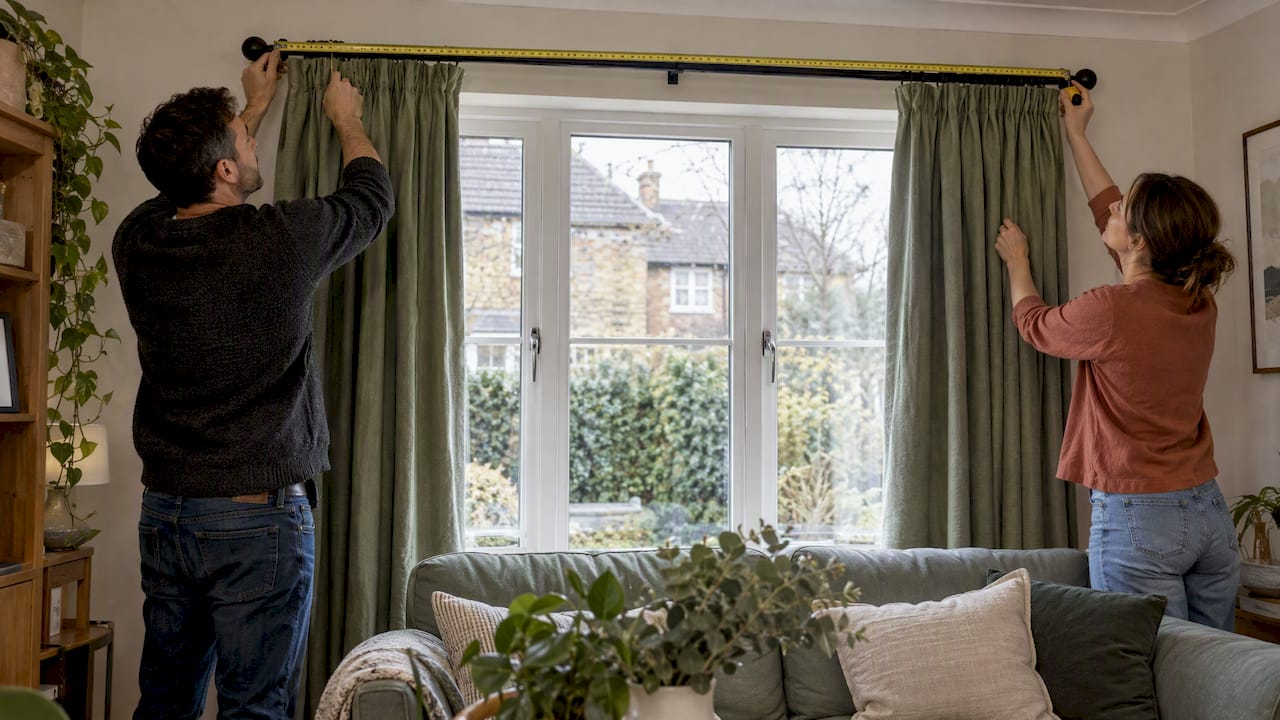
Working with a professional soft furnishings designer helps avoid costly errors by ensuring correct fabric weight, layering, and spatial balance. That guidance is particularly valuable for curtains and upholstery, where the wrong choice is expensive to reverse. If a professional is not in the budget, at minimum measure your windows and floor areas before purchasing, and always order fabric samples before committing.
Cotton fabrics wrinkle easily and may be less durable in high-traffic areas. For sofas, dining chairs, and hallway rugs, choose tightly woven synthetics, wool blends, or performance fabrics that resist staining and abrasion. For bedrooms and low-traffic areas, natural fibres like linen and cotton are perfectly appropriate and often more comfortable.
| Fabric type | Best use | Maintenance | Durability |
|---|---|---|---|
| Cotton | Cushion covers, throws, light curtains | Machine washable, wrinkles easily | Moderate |
| Linen | Curtains, cushions, bed throws | Dry clean or gentle wash, creases | Moderate |
| Wool | Rugs, upholstery, heavy throws | Specialist clean, resilient | High |
| Velvet | Cushions, accent chairs, curtains | Dry clean, shows marks | Moderate to high |
| Performance fabric | Sofas, dining chairs, high-traffic rugs | Wipe clean, stain resistant | Very high |
Pro Tip: Always measure curtain drop from ceiling to floor, not from the curtain rail to the sill. Floor-length curtains look more considered and perform better thermally and acoustically than sill-length ones.
Key takeaways
Soft furnishings deliver comfort, style, and functional improvements simultaneously, making them the most cost-effective upgrade available to any homeowner or renter.
| Point | Details |
|---|---|
| Acoustic performance | Heavy curtains with an air gap reduce perceived noise by approximately 50%, rivalling dedicated panels. |
| Thermal insulation | Lined curtains and floor rugs retain warmth and reduce energy use at the same thermostat setting. |
| Stylistic flexibility | Slipcovers, throws, and rugs refresh a room instantly without structural changes or permanent commitment. |
| Textural layering | Mixing smooth, woven, and soft fabrics adds depth and prevents rooms from feeling flat or clinical. |
| Fabric selection | Match fabric weight and backing to the function needed: dense for insulation, lightweight for light diffusion. |
Why soft furnishings changed how I think about home design
I used to treat soft furnishings as the finishing touch, the last thing you add once the “real” design decisions are made. That view was wrong, and I realised it the moment I hung a pair of heavy linen curtains in a room that had been bothering me for months. The echo disappeared. The room felt warmer. The light became softer. Nothing structural had changed, yet the room felt completely different.
What strikes me most is how few homeowners know about the acoustic and thermal roles of textiles. People spend money on specialist acoustic panels or underfloor heating when a well-chosen rug and a pair of lined curtains would solve the same problems at a fraction of the cost. The functional case for soft furnishings is as strong as the aesthetic one, and it rarely gets made clearly enough.
The other thing I have come to appreciate is the intimacy that textiles bring. Hard surfaces, glass, and bare floors create spaces that feel impressive but not personal. Fabric introduces the human element. A throw draped over a chair, a stack of cushions on a window seat, a rug that defines a reading corner. These details signal that someone actually lives there, and that matters more than any paint colour or piece of furniture.
If you are working with a limited budget, soft furnishings are where I would put the money first. The return, in comfort, in warmth, in the way a room feels to be in, is higher than almost any other investment you can make in a home.
— Cristiano
Homable’s curated soft furnishings for your home
Homable brings together a carefully selected range of soft furnishings and home accessories designed for modern living spaces. From cushions and throws to rugs and curtains, every piece is chosen for both quality and visual appeal, so you can apply the layering and styling principles covered here without spending hours searching.

For homeowners and renters who want to add a finishing accent to a styled room, the Decorative Silver Flower Candle Holder pairs beautifully with layered textiles and adds a considered decorative detail to any surface. Orders over £100 qualify for free shipping, and Homable’s curated collections make it straightforward to find pieces that work together from the start.
FAQ
What are soft furnishing accessories?
Soft furnishing accessories are fabric-based items used to add comfort and style to a room, including cushions, throws, curtains, rugs, and upholstered pieces. They differ from hard furnishings, such as tables and chairs, in that they are textile-led and typically easier to change or update.
How do soft furnishings improve acoustic comfort?
Heavy fabrics absorb sound energy and reduce echo in a room. Curtains rated above Rw/STC 10 and hung with an air gap of 90–110mm from the wall can reduce perceived noise by approximately 50%, comparable to dedicated acoustic panels.
Can soft furnishings reduce energy bills?
Lined curtains and floor rugs act as insulators, preventing heat loss through windows and cold floors. This thermal effect means a room retains warmth at the same thermostat setting, which can reduce heating costs over time.
What is the importance of soft furnishings in interior design?
Soft furnishings introduce colour, texture, and pattern in a way that is flexible and reversible. They allow homeowners and renters to refresh a room’s character without structural changes, making them the most accessible tool in interior design.
How often should soft furnishings be cleaned?
Upholstery and rugs benefit from regular vacuuming to remove dust that degrades fabric fibres. Curtains typically need washing or dry cleaning once or twice a year, depending on the fabric type and the room’s exposure to dust and cooking residue.